


Plants still dwarf and same deficiencies for a year (auto and photos) – water/pH/irrigation problem?

BunnyBudstarted grow question 7mo ago
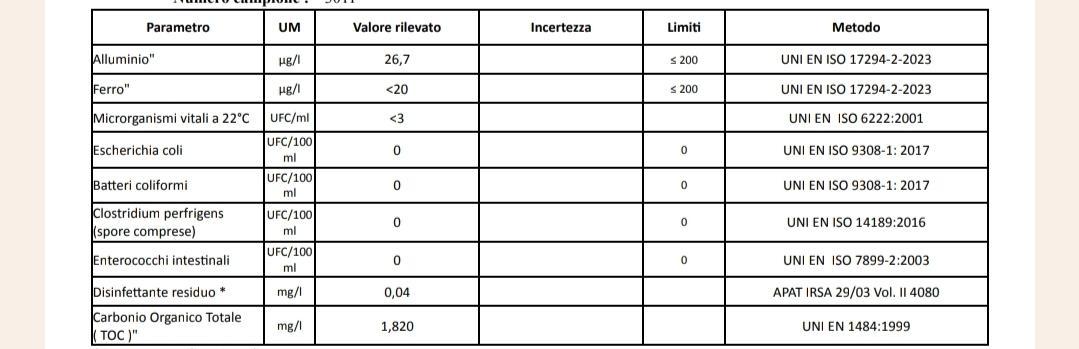
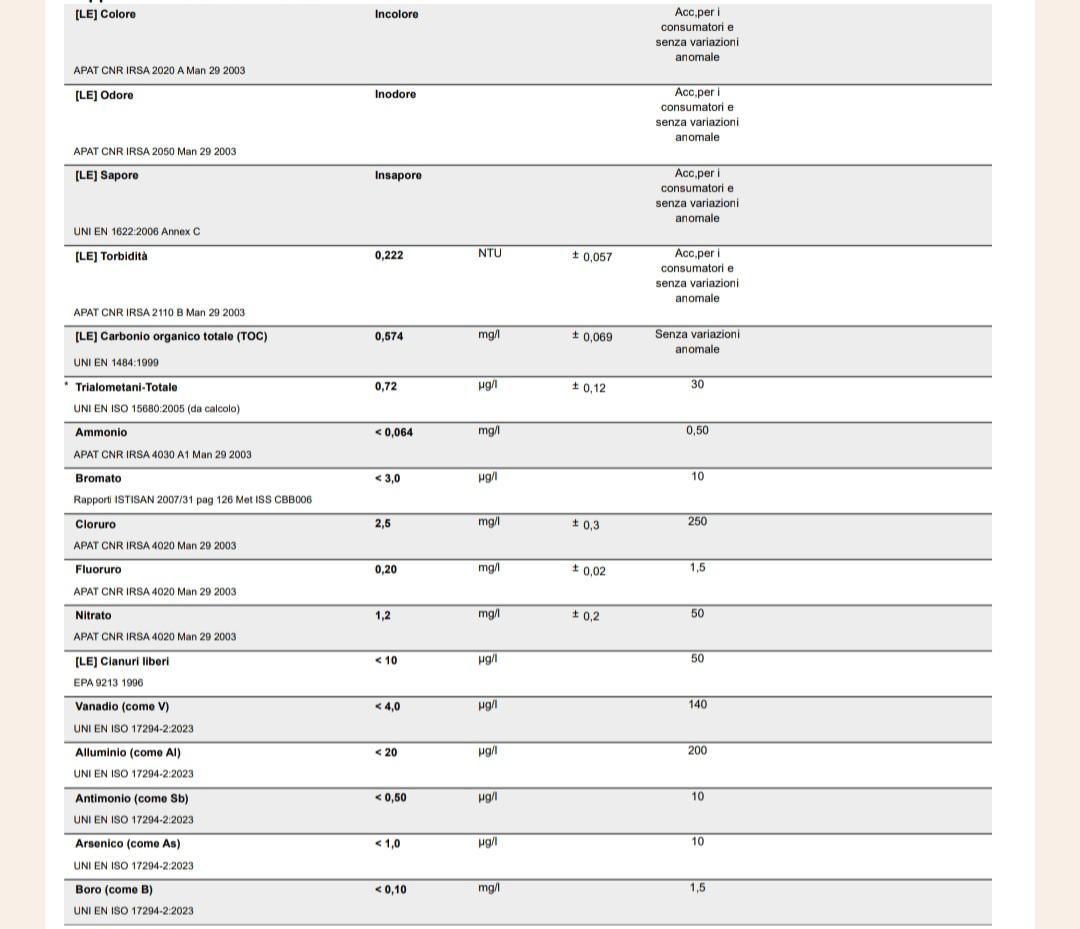
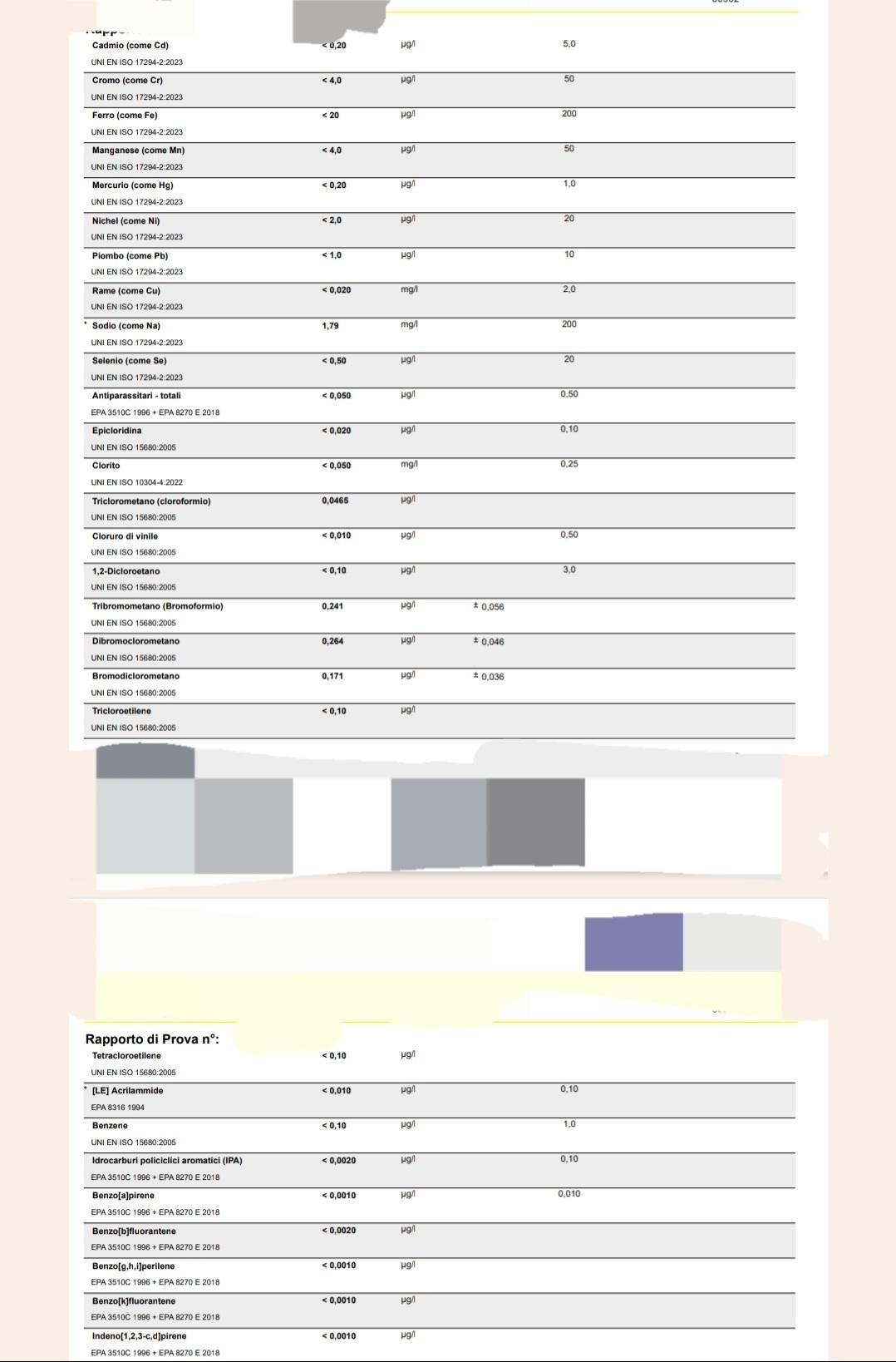
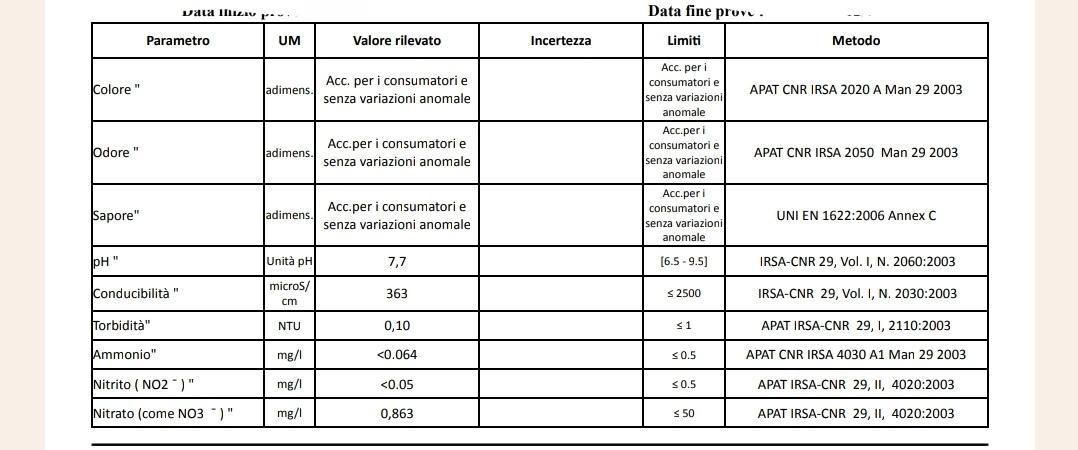
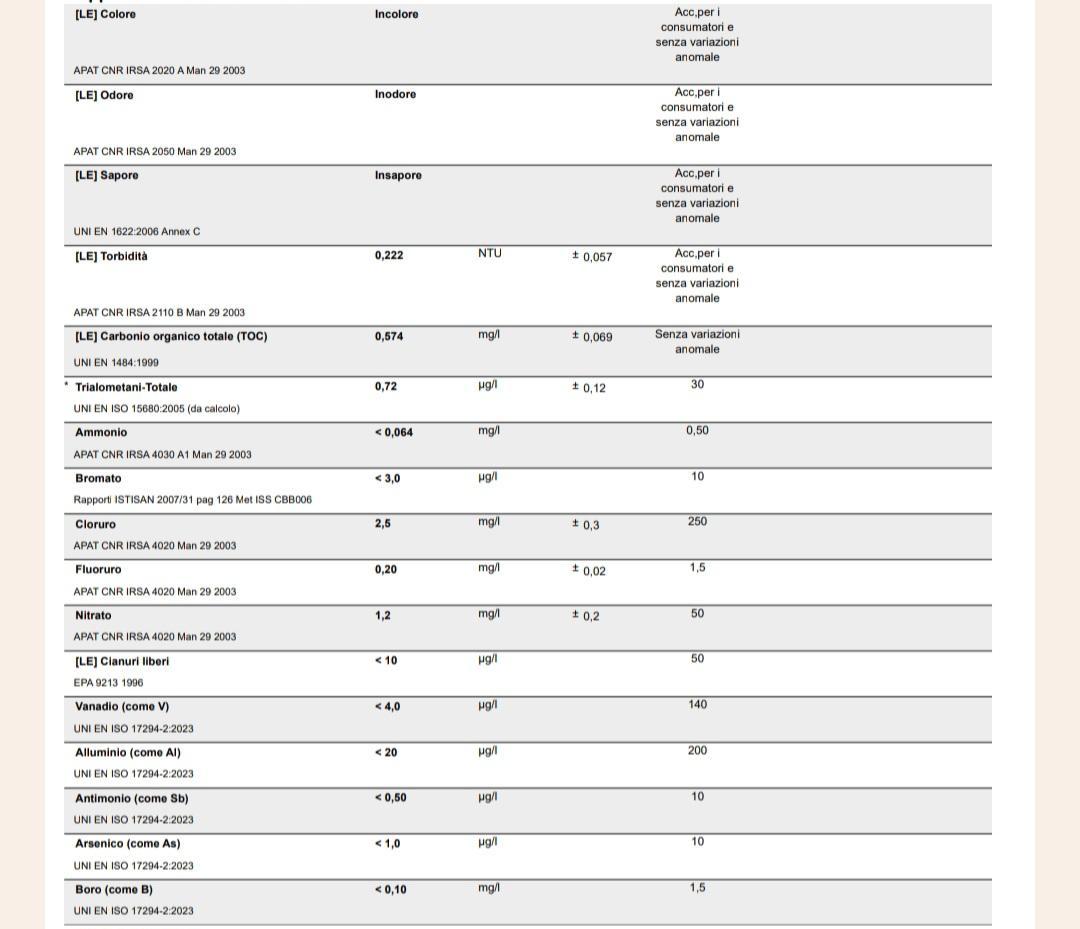
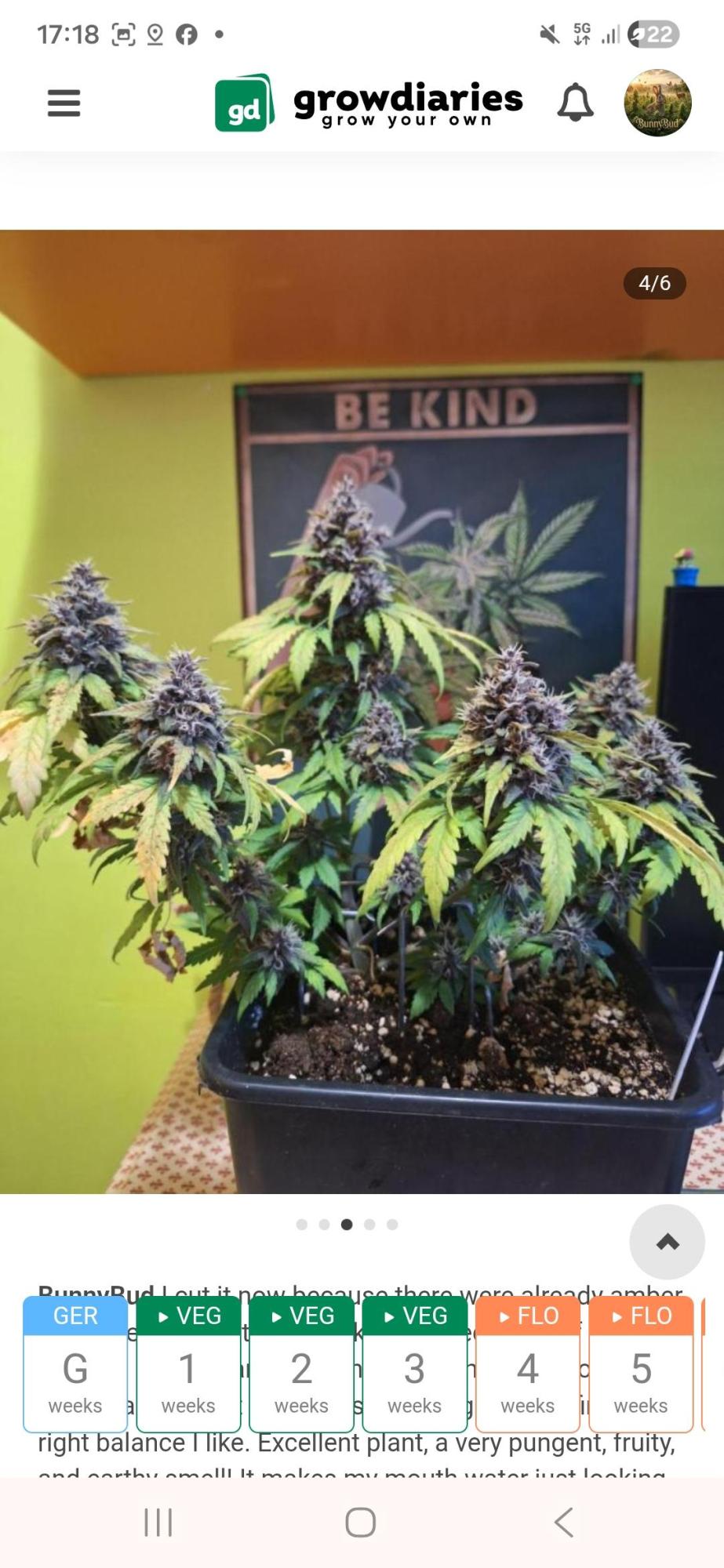
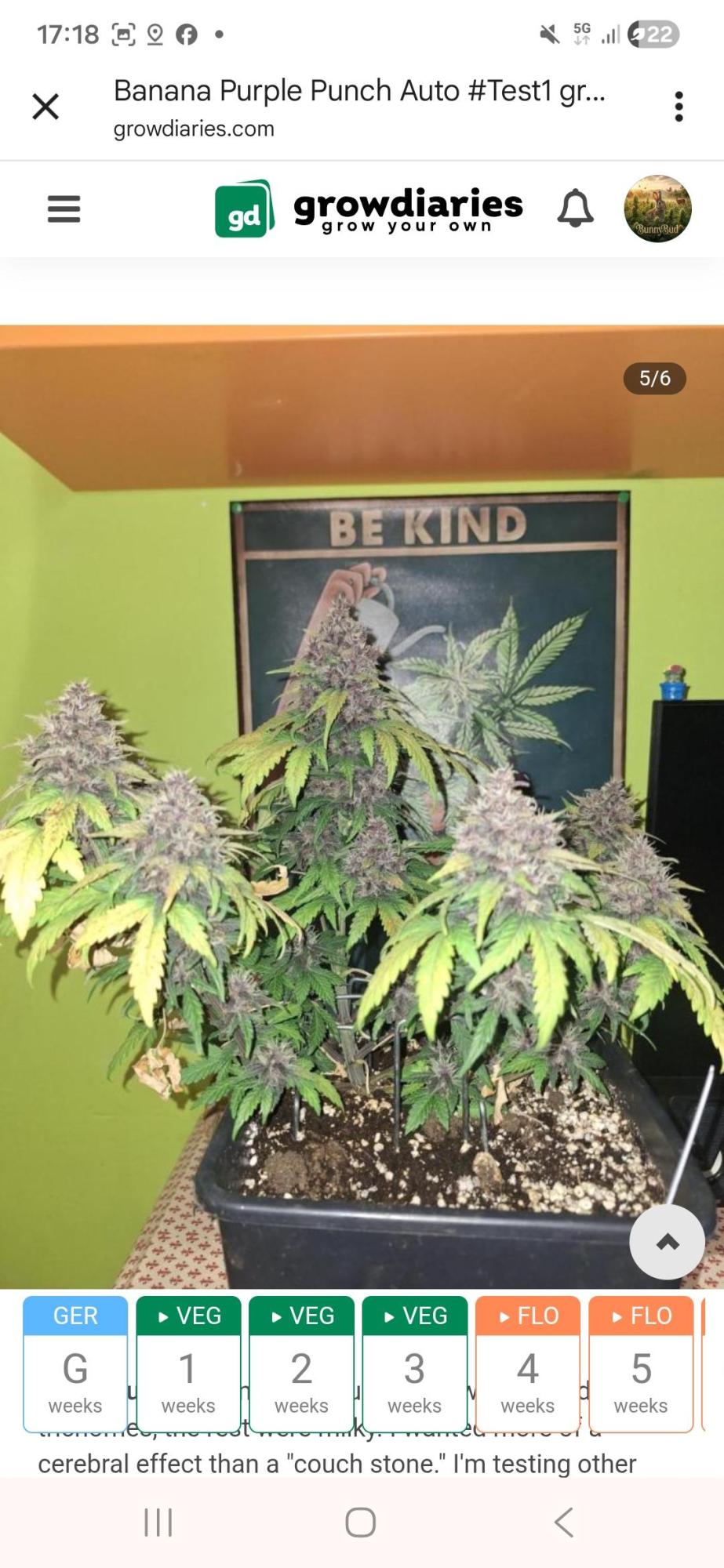
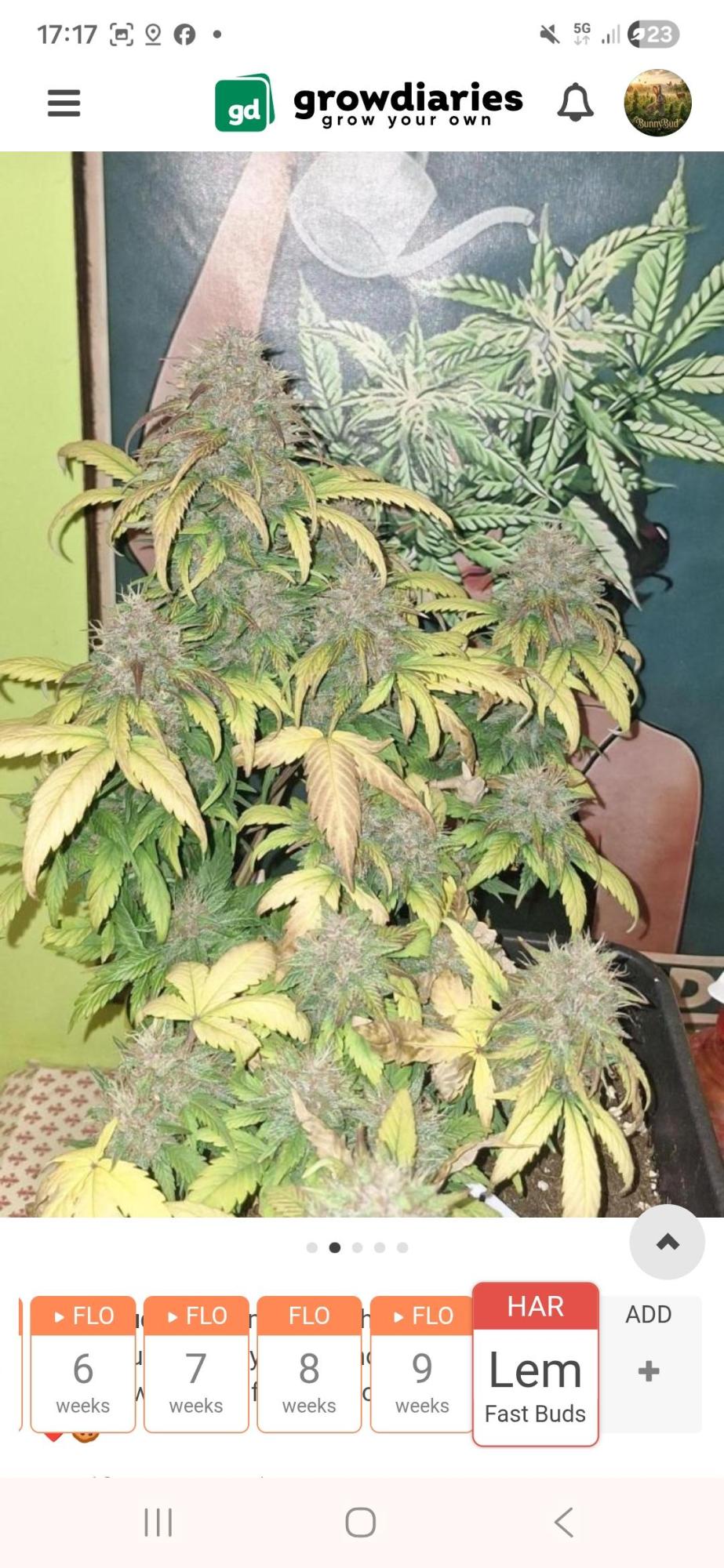
I'm attaching pictures of my past crops, and also an analysis of my tap water, so you can understand why I always have dwarf plants (I should point out that I never use calmag).

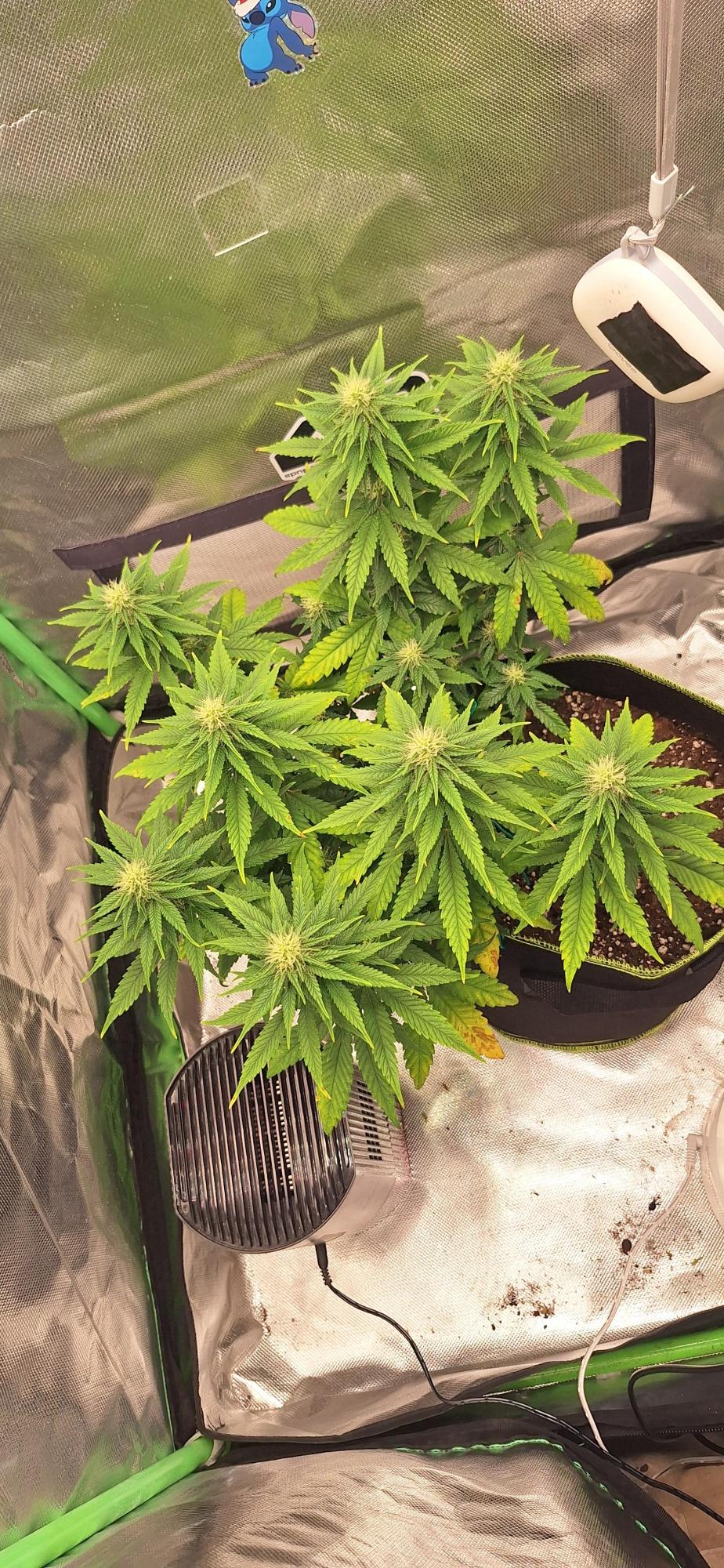
Solved
likes

Ultravioletanswered grow question 7mo ago
Seachem Prime and Safe are designed primarily for aquatic environments, effective but not ideal for cultivation. Probably wouldn't hurt none the less. "Seachem" has 10-15 different products all for various things. Seachem Prime/Safe is their super product for cleaning water, I guess. Contains a concentrated reducing agent, identified as sodium dithionite (hydrosulfite), which detoxifies chlorine and chloramine. 1 Liter: Approx. 40$ 1.25g (1/4 tsp) treats 300 gallons for chlorine/chloramine. Lasts for years.
L-ascorbic acid (Vitamin C) is generally considered a safer and, in many applications, more effective alternative to traditional sulfur-based agents for neutralizing chlorine and chloramine. While sulfur compounds are effective, they are oxygen scavengers that can lower dissolved oxygen in water/soil solution, and should be avoided during cannabis flowering and more so when there are organic nutrients at play. 1kg of L-ascorbic acid (Vitamin C) powder generally costs between 20 and 40 Dollars. 1.25g (1/4 tsp) treats 50 gallons for chlorine/chloramine. 800 doses. Last forever! To boot, Vitamin C (l-ascorbic acid) is the most potent and essential soluble antioxidant in plant chloroplasts for defending against photoinhibition. It acts as a primary, multi-functional agent that prevents oxidative damage caused by high-light exposure. Good to know!
Pete_vs_Natureanswered grow question 7mo ago
As others have pointed out, pH first. Get a pH-Down product, a syringe and a pH meter. When your pH is wrong, your plants simply cannot access the nutrients in the soil.
CalMag: Your water provider report lists no Calcium (Ca) or Magnesium (Mg), most important to answer your question. Can you find a way to obtain this info?
You want to try to keep at least a 3:2 ratio of Ca:Mg. If this is not properly maintained, your plants again cannot access the nutrients you put in your soil. Mg or Ca will bind to all sites and other nutrients will form salts / gypsum.
likes
Complain

Ultravioletanswered grow question 7mo ago
97-99% of absorbed water is released into the atmosphere through transpiration, the small percentage retained is vital for cell structure, and the water used in photosynthesis is a direct ingredient in creating new plant material. Water is the universal solvent used for nutrient delivery and cooling, it is a critical, direct reactant in the process of photosynthesis, but 97% of that is cooling not growth.
The amount of growth that occurs depends on the amount of energy available. How much energy is available is determined by how well you optimize the 9. A fundamental principle of biology, governing everything from individual cellular growth to entire ecosystems. Plant growth is fundamentally driven by the available energy—primarily light—that is converted into chemical energy via photosynthesis. The total growth and yield depend on how well you can optimize these nine key environmental parameters, often referred to as the 9 Cardinal Parameters of Plant Science, which influence the efficiency of this energy conversion. Plant development is a complex, interconnected system where environmental factors act as limiting agents on metabolic processes, (ATP). If any of these factors are bottlenecked, the entire metabolic chain, will slow down to the rate of the most limiting factor, a concept known as the law of limiting factors.
NPK and all the Macros and Micros consist of only 6% of dry plant matter after 100% of water is removed, think about that for a second. The other 94% consists of Carbon, Oxygen and Hydrogen. All sugars (saccharides) and carbohydrates are organic compounds composed primarily of carbon (C), hydrogen (H), and oxygen (O). Good luck in your quest for fat nuggy autos!
likes
Complain
RemoveYourChainsanswered grow question 7mo ago
If you have bad tapwater, check out the aquarist product called "seachem" in my experience it's the best water conditioner on the market.
Corrects even the worst tapwater.
likes
Complain

AestheticGenetixanswered grow question 7mo ago
Well cal mag is essential.
It looks like your plants are cal mag deficient and chlorine toxicity.
They look similar.
Calcium is literally the basis of plant cell walls which is leaves, stems and buds.
Get a water filter or boil your water and cool it.
Give your plants all of the nutrients they need. Especially calcium and magnesium
likes
Complain

Mexicanasseedsanswered grow question 7mo ago
Hey BunnyBud!
The tap water analysis. I've gone through everything in detail to understand why your plants (both autos and photos) are staying small and keep showing the same deficiencies year after year. It seems that the main issue could be with the water, pH/watering, and possibly the nutrition adjusted to your specific conditions. Let's break it down step by step, and I'll give you an optimal diet based on the products you use (BioBizz Light Mix, Bio-Grow, Bio-Bloom, Calmag, Micro Vita, Fish Mix, Lemon Juice, and your SF1000/SF1000D lamps). I'm basing this on the technical sheets from BioBizz and adjustments for autos indoors, considering your water.
1. Tap water analysis
Your analysis shows that the water is drinkable and clean (low levels of contaminants, bacteria at 0, low TOC, etc.), which is great because there are no toxins like high chlorine (2.5 mg/L, well below the limit) or heavy metals. However:
pH: 7.7 This is high for growing in organic soil like BioBizz Light Mix. The optimal range is 6.2-6.5 for the roots to absorb nutrients well. A high pH blocks iron, manganese, zinc, and other micros, causing deficiencies (yellow leaves, slow growth). BioBizz nutrients lower the pH a bit naturally, but not enough with your base water.
Conductivity (EC): 363 µS/cm (0.36 mS/cm)** – Low, indicating soft water (around 180 PPM TDS). This is good because it doesn't accumulate salts, but it's probably low in calcium (Ca) and magnesium (Mg) – they aren't directly measured in your analysis, but with such a low EC, it's common for them to be below 20-30 mg/L Ca and 10 mg/L Mg. This explains Ca/Mg deficiencies (spots, twisted leaves), especially since you mentioned you've never used Calmag.
- Other key points: Low nitrate (0.86-1.2 mg/L), ammonium
1 like
Complain

psychedelic_unicornanswered grow question 7mo ago
i guess underwatered (especially during stretch) and underfed. if you can tune the spectrum of your light try more red/less blue or less light intensity/more distance.
likes
Complain

JUNGLE_B4RNSanswered grow question 7mo ago
At first your light is too close. It miniaturizes your plants.
Then Low Stress Training. This manifolding technic is meant to keep the plant low to spread horizontally instead like a typical Xmas shape growing vertically.
Next, is the life cycle, auto’s have a short life cycle, not long enough when being manifold. And photoperiodic plants being topped and manifold requires a longer Vegetative period.
2 likes
Complain