


Green Guardia Erfahrungen gesucht

TheRexxxstarted grow question 8mo ago
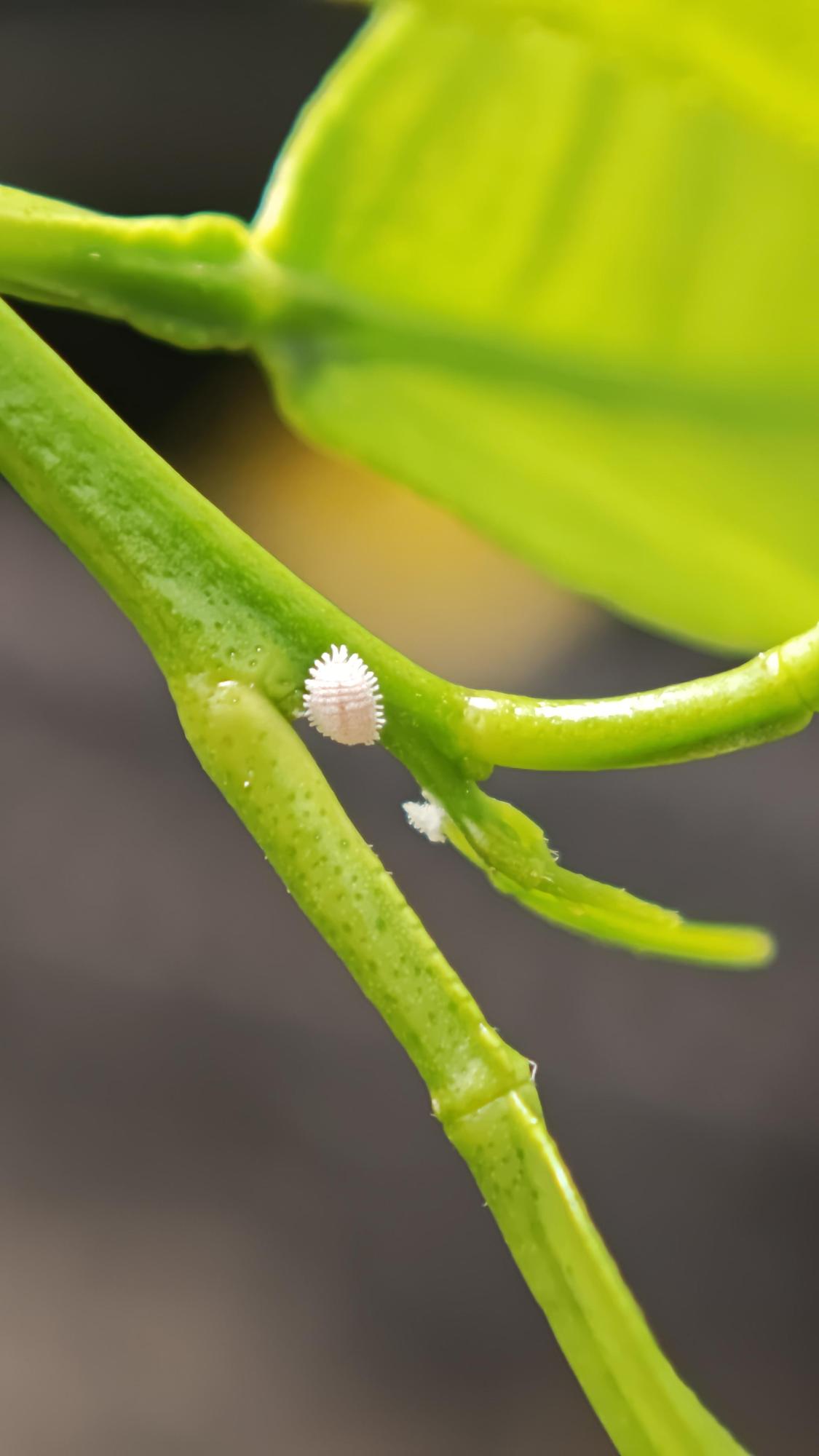
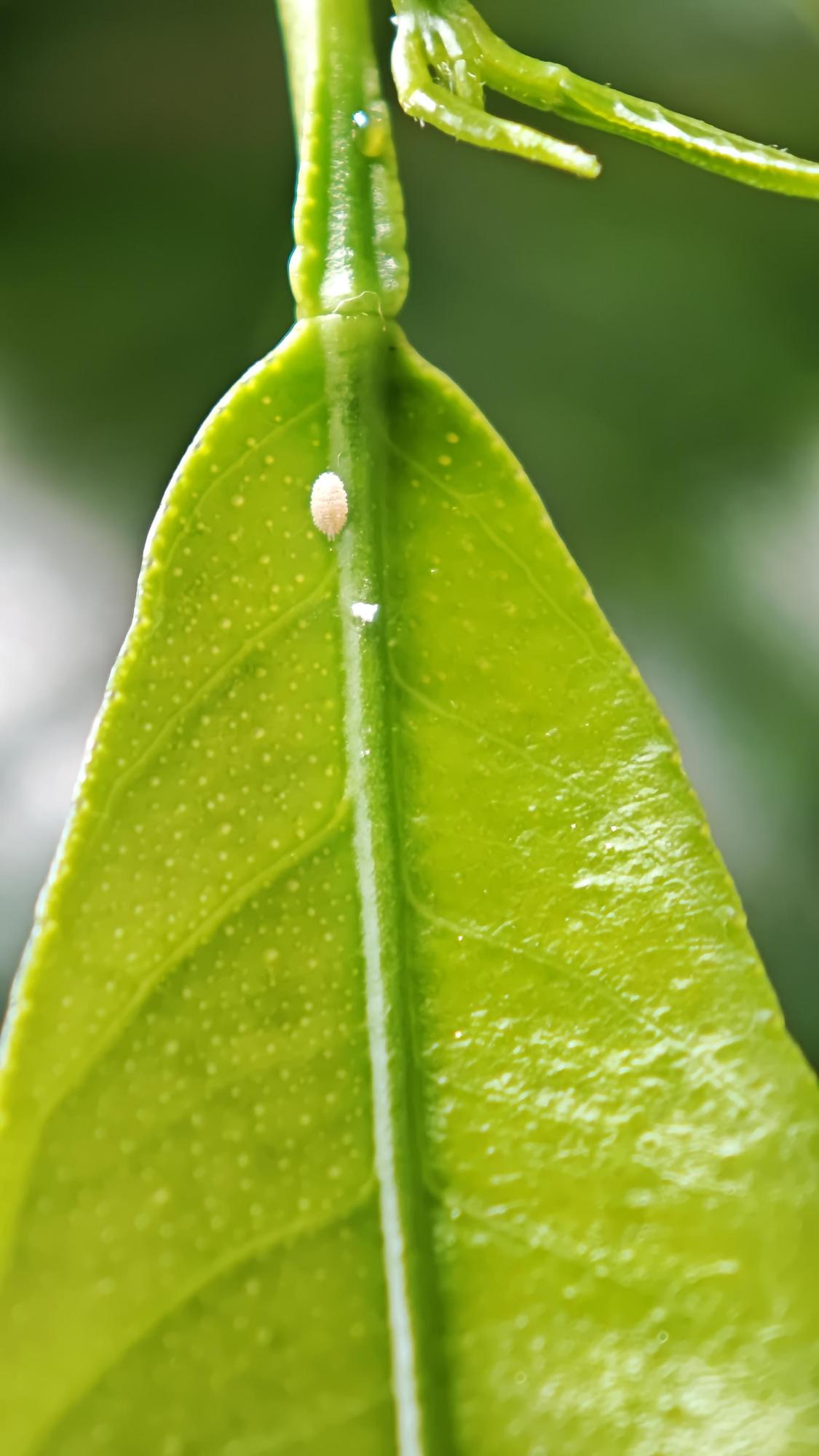
I'm battling fungus gnats and thrips. Two weeks after the first application, I also got mealybugs. I'm now using nematodes, predatory mites, and lacewing larvae from Green Guardia. The nematodes looked squished. Does anyone have experience with their products?
Open
Week 3 2 likes
Answer

Ultravioletanswered grow question 8mo ago
Speaking from personal use of all 3. Adult lacewings are strongly attracted to artificial lights. Lacewing mostly kill themselves by flying into lights.
Nematodes only deal with soil eggs and adding wrong nematodes is devastating.
Predatory mites are best bet. Stratiolaelaps scimitus are predatory mites, very effective at dealing with your problem. combining Stratiolaelaps scimitus (predatory mites) with beneficial nematodes is a highly effective, natural strategy for tackling thrips and root mealybugs. Forget lacewings. In cultivation, consistency and simplicity are key.
3 likes
Complain

RasendeRollo92answered grow question 8mo ago
Hi 🙋♂️,
You're on the right track. The nematodes don't deal with the mosquitoes themselves, but with the larvae... which means you'll see the results of the nematodes a bit delayed. The predatory mites actually take care of the pests above the root segment, so that's right too. Since your ladies aren't in bloom yet according to your report, you could also work with neem oil, which should deliver quicker results... but be quick, or you'll taste it when smoking.
Nevertheless, your ladies look good overall. So give your bioweapons a little more time to do their job.
Hope that helps, good luck moving forward 👊👍🤞🏽
4 likes
Complain

DogDoctorOfficialanswered grow question 8mo ago
hey buddy this is mealybug (that’s the English name).
Those little white, cottony / ribbed blobs are a dead giveaway. They like:
• Leaf joints
• Undersides of leaves
• Soft green growth
They don’t fly like gnats and they don’t scrape leaves like thrips, they suck sap and weaken the plant slowly.
So first: you didn’t misidentify lightly, this one just arrived to the party late.
⸻
About the beneficials you used
Also important to say:
• Nematodes → mostly soil/root-zone focused (great for gnats, not for mealybugs on leaves)
• Predatory mites → depends on species; many don’t target mealybugs
• Lacewing larvae → actually do eat mealybugs 👍 but need time and contact
So nothing you used was “wrong”, it just wasn’t a guaranteed silver bullet for this pest.
⸻
What you can do (options, not orders)
Manual + soft control (very effective early)
• Dab visible bugs with cotton swab + water or alcohol
• Wipe leaf joints carefully
This alone can knock them back hard if caught early.
Soap & water
A simple insecticidal soap works well:
• Mild liquid soap (no perfume)
• Water
• Spray undersides and joints
Rinse after a few hours if plants are sensitive.
🇫🇷 The old French recipe
That classic one from last century:
• Black soap (savon noir) + water
It’s been used forever for aphids and mealybugs and still works beautifully.
🌿 Oils
Used gently:
• Neem oil
• Canola / vegetable oil-based sprays
They suffocate the pest, just don’t overdo it and avoid strong light right after.
🐞 Predators that actually target mealybugs
If you want biological control:
• Cryptolaemus montrouzieri (mealybug destroyer ladybird)
• Lacewing larvae (again, patience helps here)
⸻
Big picture (important part)
Mealybugs don’t mean failure. They usually mean:
• Dense growth
• Hidden pockets
• A little ecosystem imbalance
You caught it early, and that’s the win.
From here, it’s about choosing the method that fits your style, manual, biological, or gentle sprays. No pressure to go nuclear.
Just my humble grower opinion 🌱
You’re doing the right thing by asking and observing.
Growers love my friend and keep us posted 👊
3 likes
Complain

Purrple_Hazeanswered grow question 8mo ago
The nematodes should actually look alive, long, and mobile.
If they appeared "squashed" during application, it's quite possible that they were no longer viable — this happens when they were stored too warm, left outside for too long, or used too late.
Fresh nematodes are active and move clearly. If they look passive and limp, they hardly have any effect.
🐜 Predatory mites
Predatory mites (e.g., Hypoaspis / Stratiolaelaps) work well against fungus gnat larvae and small soil pests — but not directly against mealybugs high on the leaves.
Their effect is usually seen in the soil, not on the leaves.
Green lacewing larvae
Green lacewing larvae are great against soft aphids, thrips, spider mite nymphs, etc.
They are active predators, but they need to find enough food first; otherwise, they "disappear" quickly or die.
🐛 Mealybugs
Mealybugs sit on top of the leaves or in knots and are not really a target for nematodes or predatory mites.
Against mealybugs, ladybug larvae, green lacewing larvae, neem-based sprays, or rapeseed oil sprays are more effective.
Also, repeated picking off with cotton swabs + alcohol often helps.
3 likes
Complain