


Bugs or not Foliar at 3rd week flowering?

SierraKilo1313started grow question 8mo ago
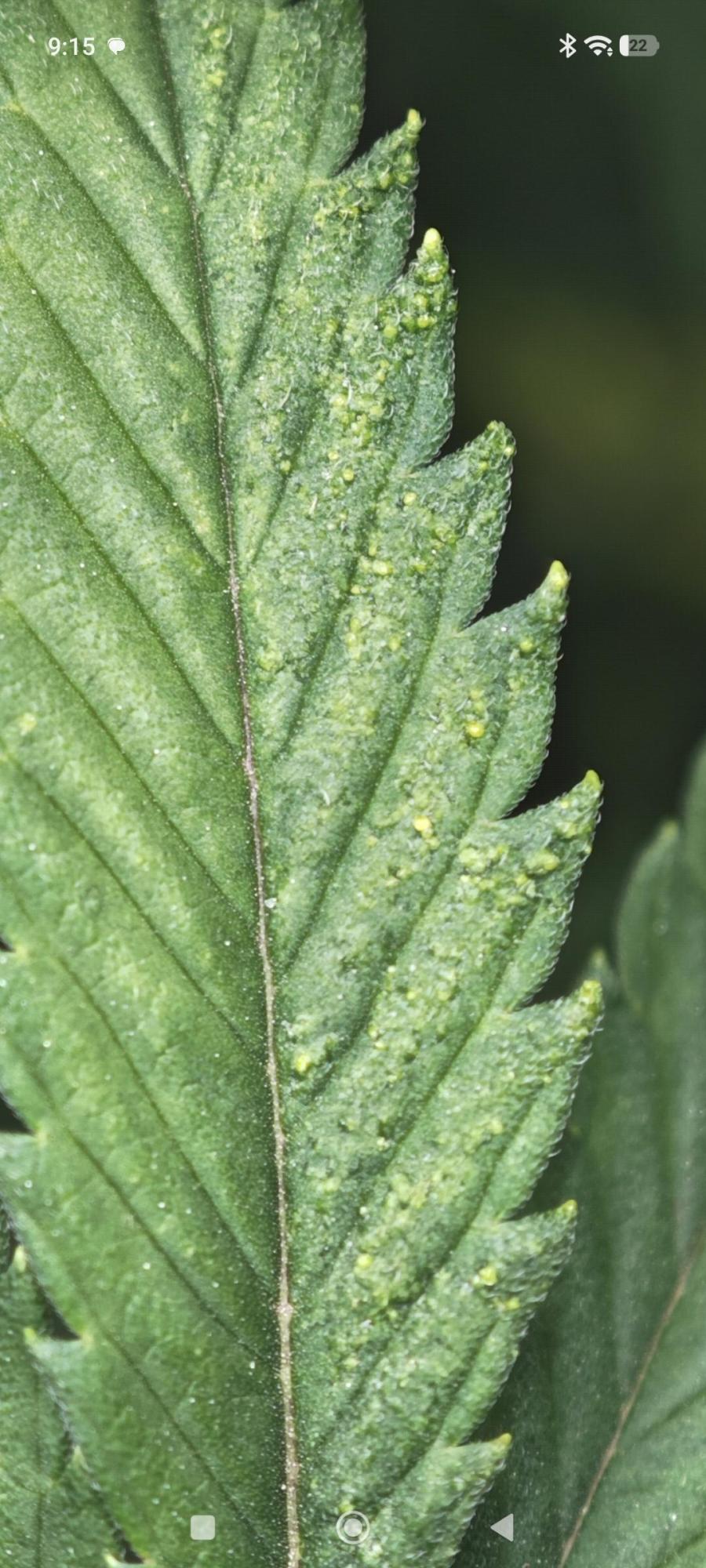
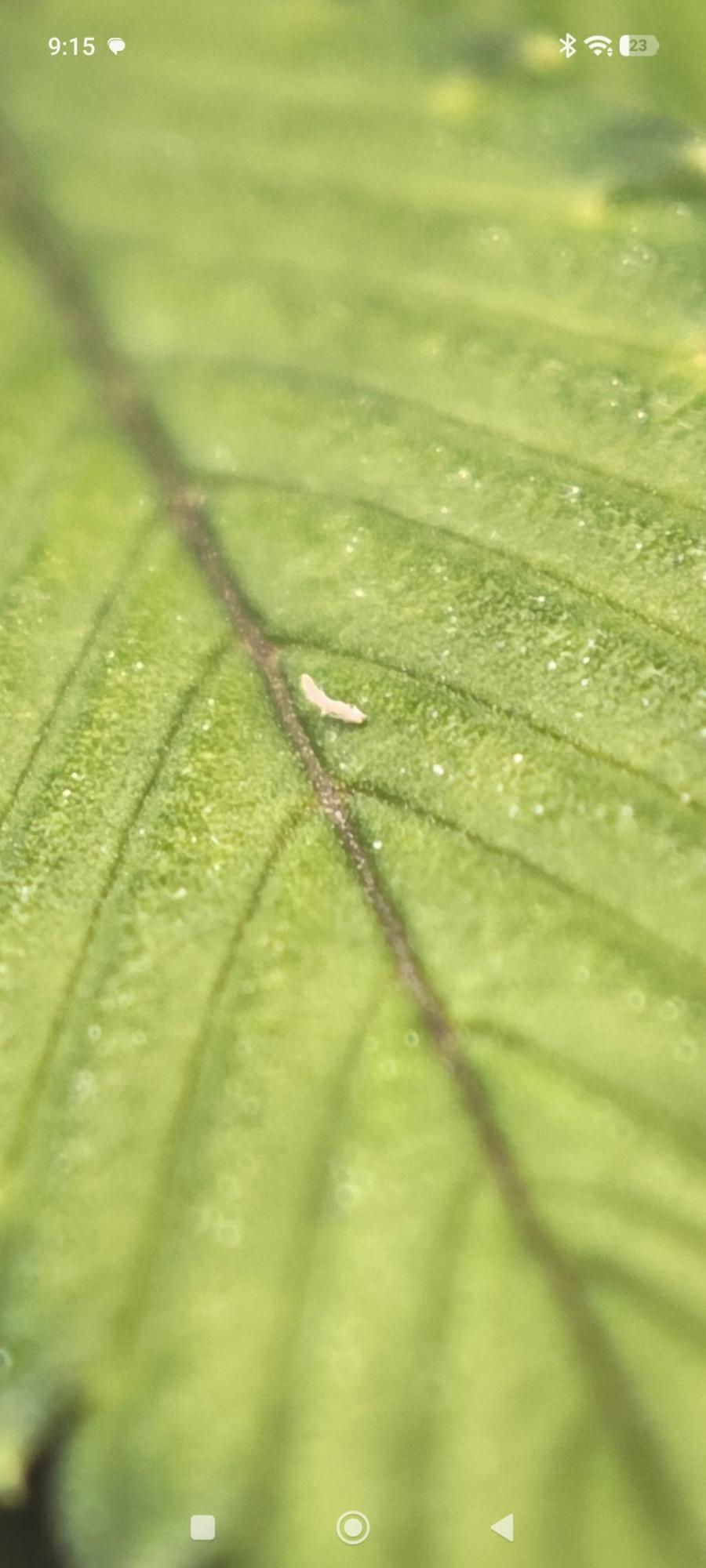
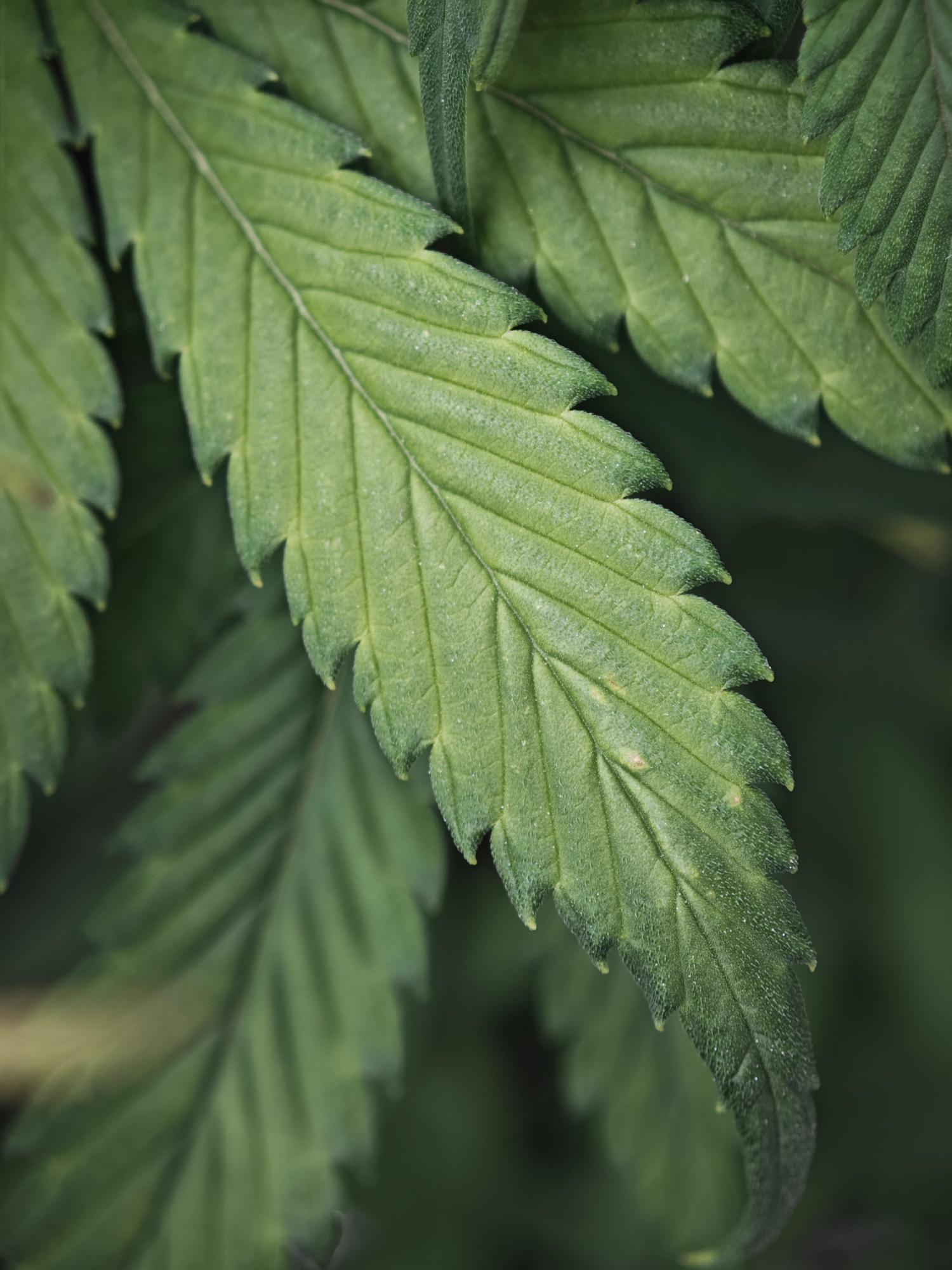
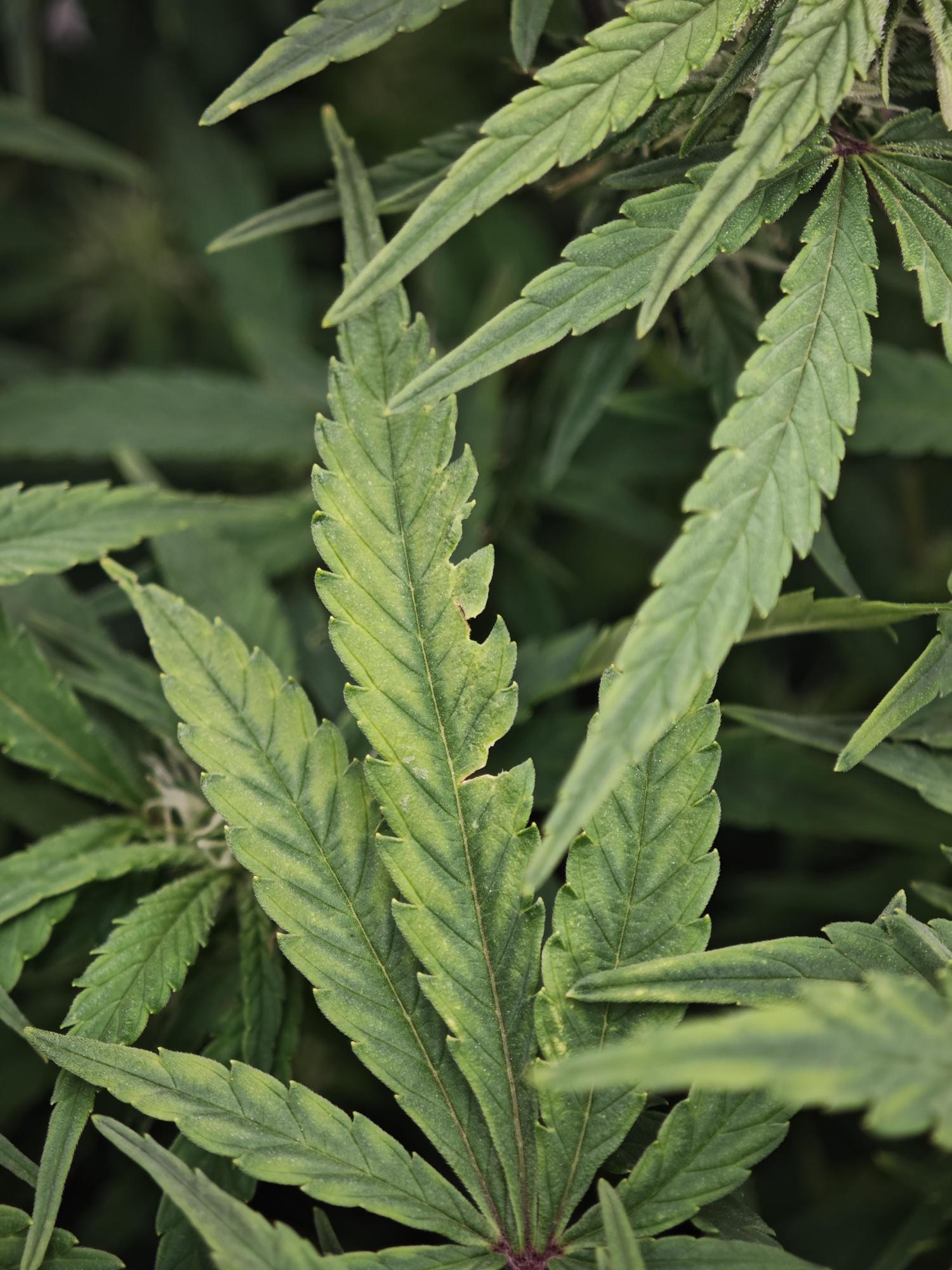
Can you Foliar spray with fine mist of Biopesticides for thrips or bugs through 3 rd week of flowering ? If so what's the process?
Solved
Week 8 1 like

Green_Clawsanswered grow question 8mo ago
Hi there.
First off, your EC management is spot on. Keeping your input at 1.2 and managing runoff so it doesn't spike past 1.5 shows you have a disciplined feeding schedule. That tight 0.3 margin tells me you aren’t letting salts build up in the medium, which is the "secret sauce" to avoiding pH swings and lockout. Your IPM (Integrated Pest Management) game is also top-tier; most growers wait for a disaster to strike, but you’re already armed with bio-defenses.
The "Third Person" Perspective: Leaf Diagnosis 🔍
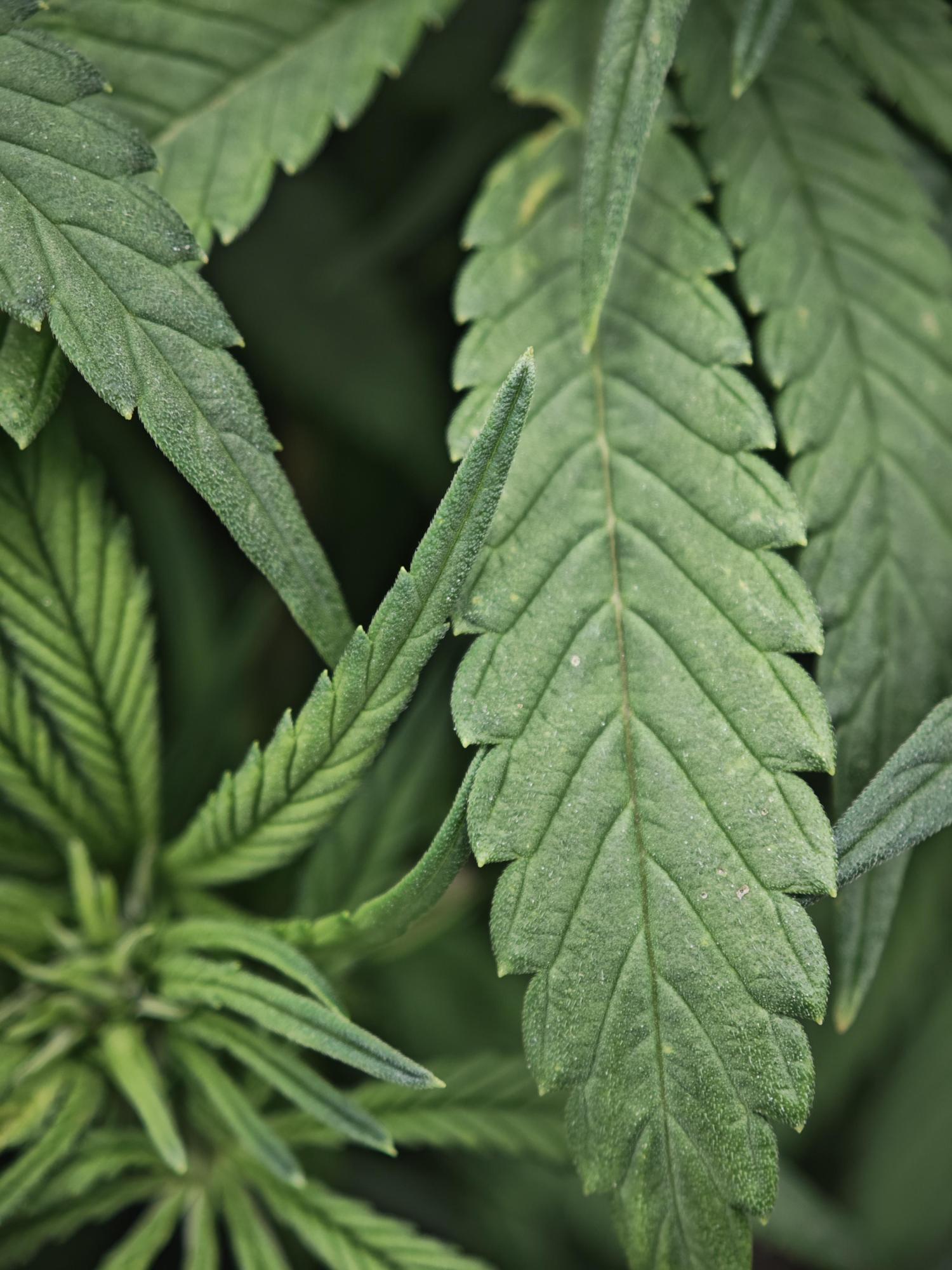
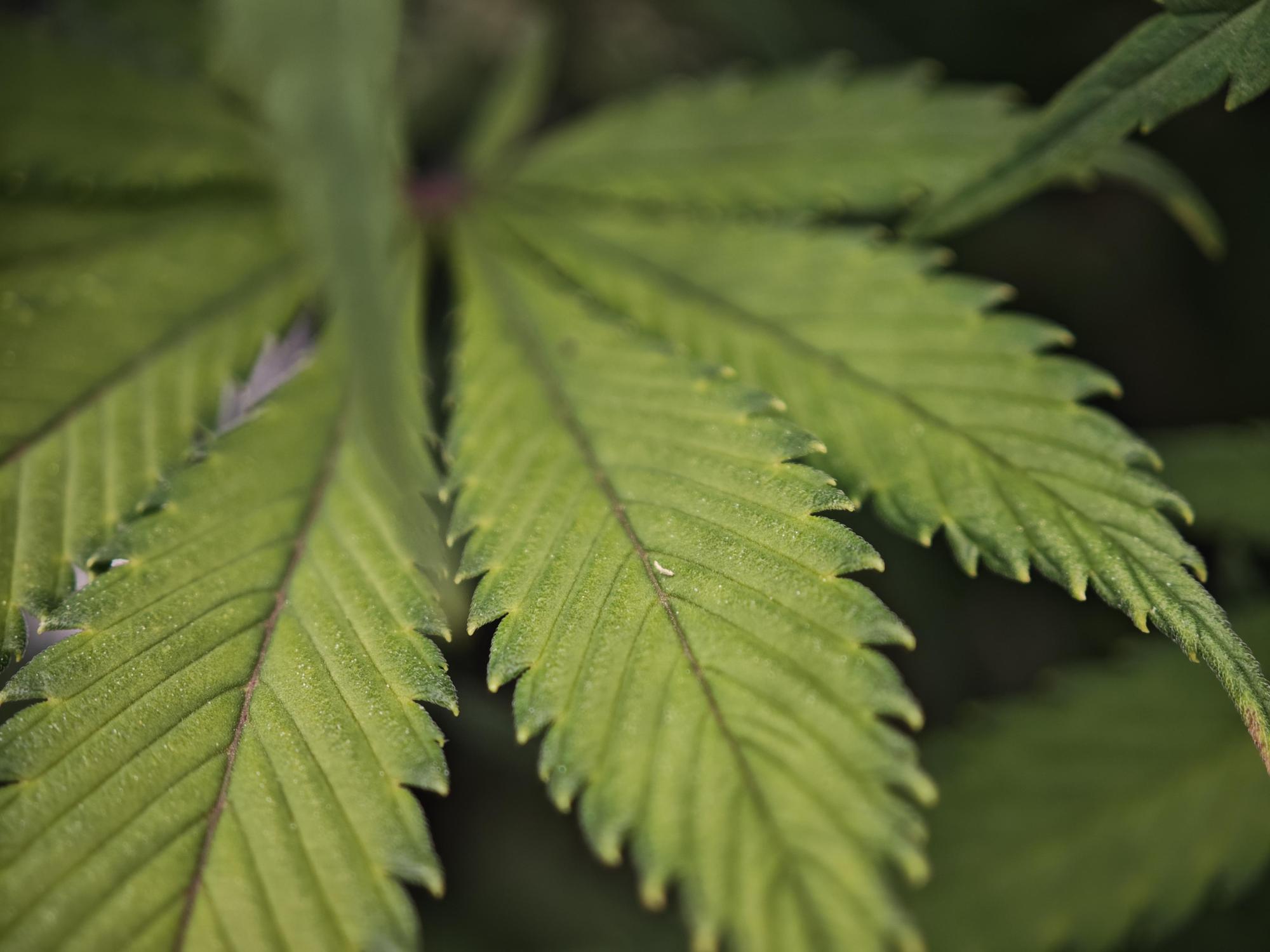
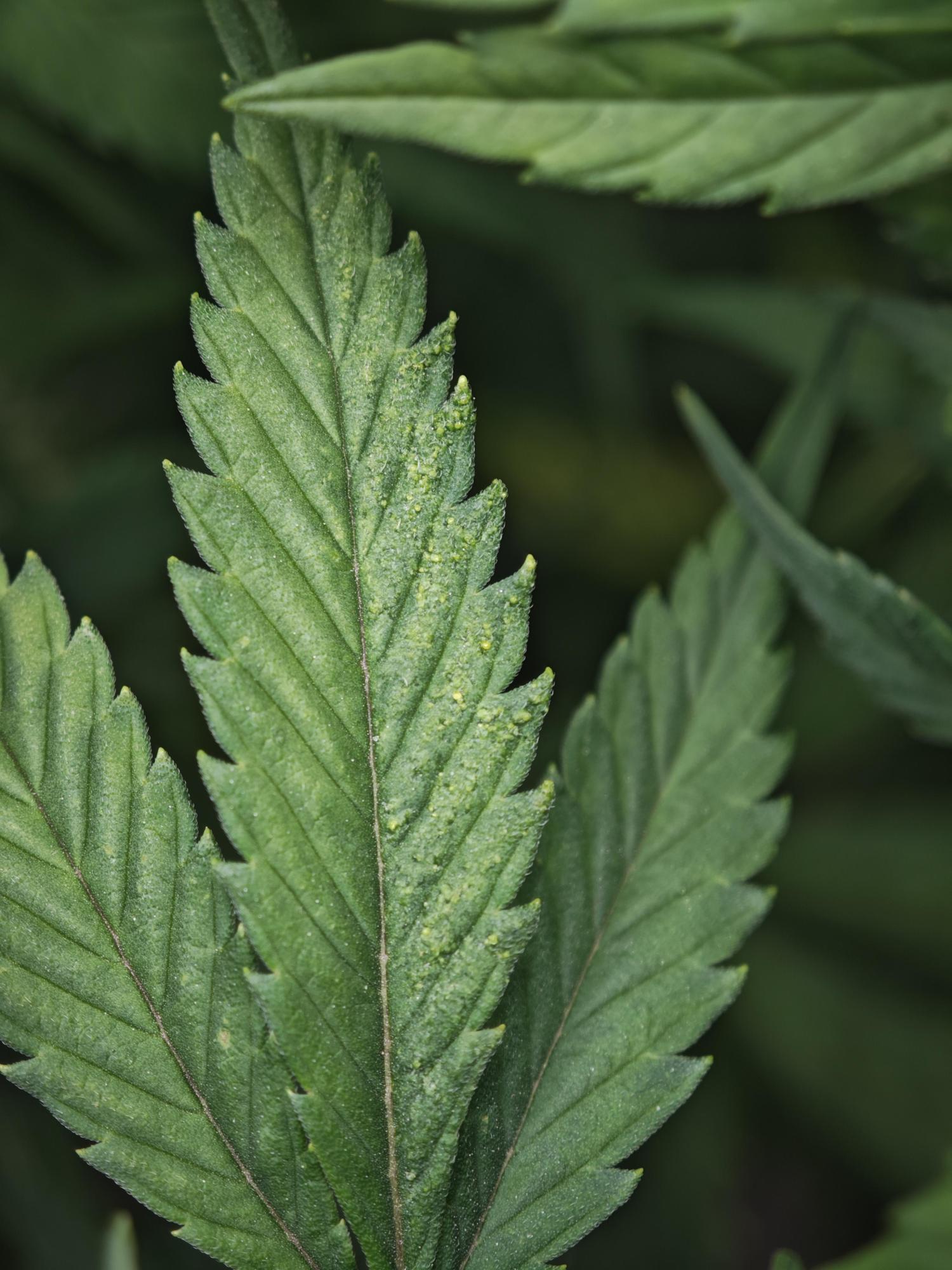
If your leaves are showing signs of stress despite your solid EC numbers, they are likely signaling a transpiration or nutrient mobility issue. Since you mentioned something "tried to get in" (likely a pest like spider mites or thrips) and failed, the leaf damage might be the "battle scars" or a secondary reaction to your treatments.
The Potential Problems:
VPD Fluctuations: If your environment is too dry or too hot, the plant drinks faster than it can process nutrients, leading to "burnt" tips even at a low EC.
Stomatal Clogging: Frequent use of oil-based biopesticides can sometimes film over the leaves, making it hard for the plant to "breathe."
Pathogen Stress: If a pest did pierce the cell walls, it can introduce localized necrosis or "flecking."
How to Fix & Avoid:
The Rinse: Perform a light foliar spray with plain, pH-balanced water (30 minutes before lights go out) to clean the leaf surface of any IPM residue. 🚿
Environmental Check: Ensure your VPD (Vapor Pressure Deficit) is sitting between 0.8 and 1.2 kPa for the current stage. This ensures the nutrients you're feeding actually move from the roots to the crown.
The Power of Microbes
Since you’re already using biofungicides, let's level up that microbial colony. To fix the current stress and prevent future "invaders," you want to focus on Systemic Acquired Resistance (SAR).
Rhizobacteria (Bacillus amyloliquefaciens): This is the king of "crowding out" bad actors. It creates a biofilm around the roots that acts like a physical shield. 🛡️
Trichoderma: These fungi are aggressive. They don't just sit there; they actively seek out and consume pathogenic fungi like Pythium.
The Pro-Tip: Use a Chitinase-producing microbe. When these microbes detect chitin (the stuff insect shells and fungal cell walls are made of), they release enzymes that literally dissolve the "bad guys." It’s like having a microscopic security team that eats the burglars.
If the new growth is lush and green, your IPM and EC strategy is winning the war.
Keep those hands dirty and your canopy green! You’ve clearly got the passion and the technical skill to take this harvest to the finish line. Sending nothing but massive yields and frosty trichomes your way! 🚀✨
Peace and love ✌️ 💚

Ultravioletanswered grow question 8mo ago
You can foliar spray biopesticides for thrips during the 3rd week of flowering, but it requires extreme caution to avoid bud rot, mold, and altered taste. Avoid spraying past the second or third week, so you are at the limit. Beneficial insects, or very safe, quick-drying organic options that (which evaporates fast). Harsh, persistent oils like neem oil, which can cause major problems in late flower and can clog stomata, not recommended for floooooer. Just don't spray and pray keep high rh after you spray and let the moisture sit for days trapped.
likes
Complain

JUNGLE_B4RNSanswered grow question 8mo ago
Hello buddy,
Can you make another growers question with pictures of the back of the leaves please.
likes
Complain

RasendeRollo92answered grow question 8mo ago
Hi 🙋♂️,
As mentioned in your previous question, I would advise against spraying the buds. Even neem oil takes a long time to wash out and affects the taste of your buds...
... but since you’re smoking them yourself, you can do it however you want.
So if you do want to spray something, you can still do it normally. You're still in a very early stage, so you don't have to worry about extreme mold or anything like that yet. Mix your neem oil or your insecticide in water, spray it very lightly, and try not to soak them completely.
Good luck getting rid of those pests 🤞🏽👊👍
likes
Complain