


Organicwarrior420started grow question 5mo ago
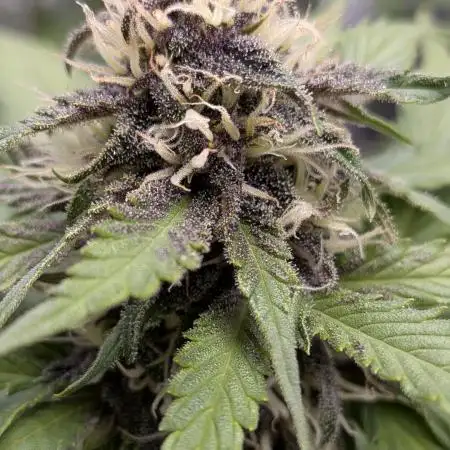
Living soil. Organic growers end up having far less deficiencies. Am I correct?
Open
2 likes
Answer

ATLien415answered grow question 5mo ago
I mean, by definition, I would argue that living soil is organic. I dont know if that meets X country's definition of how many bees you can kill and how many teaspoons of pesticide and still call it 'organic'.
likes
Complain

Organomananswered grow question 5mo ago
No............all plants grown in containers will need extra feeding eventually.
It also depends on the ingredients of the "living soil".............there is no such things as being adequate for 100% of plants, 100% of the time.
Mycorrhizae revolutionised my "living soil" grows, they make nutrient assimilation so much more effective that feeding can be reduced by about a third.
In my experience, there is no way to make a soil mix that is sufficiently full of goodness that will last right through to harvest and not be too hot for seedlings..............that is why you will always need to give extra ferts sometime during the grow to avoid deficiencies of some sort.
likes
Complain

The_7_Clubanswered grow question 5mo ago
Generally yes. Because cannabis is a holobiont.
1 like
Complain
TheCalyxLaboratoryanswered grow question 5mo ago
That’s a classic debate, but it’s really a comparison of Buffering vs. Precision.
Where you are correct:
Living Soil acts as a natural buffer. The microbial life (mycorrhizae, bacteria) works as a mediator between the plant and the medium. It regulates nutrient uptake organically, which is far more forgiving of pH fluctuations or minor overfeeding. For many, this results in fewer visible deficiencies caused by 'human error.'
The 'Laboratory' Perspective (Hydro/Mineral):
In a high-performance system like the one we run here (Athena/AutoPot), we aim to eliminate the guesswork entirely:
1. Bioavailability: Mineral nutrients (especially chelated lines like Athena) are available to the plant instantly. In Living Soil, you have to rely on the biology to 'break down' nutrients, which can sometimes be too slow for high-intensity lighting.
2. Reaction Time: If a deficiency does occur in Living Soil, it can take days to fix it organically. In a mineral setup, we can steer the plant and correct issues within hours.
3. Genetic Potential: Living Soil is like a reliable off-roader—it’s great and steady. But mineral-synthetic systems are like Formula 1 cars; they are designed to push the absolute limits of yield, terpene profile, and growth speed by providing luxury levels of nutrition.
The Verdict:
Living Soil has fewer deficiencies because the system is more 'forgiving.' Mineral high-performance grows only see deficiencies if the 'lab management' is off. But once you dial in your parameters (VPD, EC, pH), the control of a mineral setup will almost always out-perform nature in terms of raw output and speed.
It’s all about the philosophy: Do you want to let nature take the lead, or do you want to unlock the maximum potential of the genetics? 🚀
Your Calyx Laboratory
2 likes
Complain

00110001001001111Oanswered grow question 5mo ago
Considering the learning curve for constituting a living soil that works well throughout differeing needs of vegetative phase and flower phase is much steeper, i'd argue no. More moving parts, more unkowns, more opportunities for mistakes etc etc. This shouldn't impact what someone chooses to do, because it's a short-term problem. More moving parts is most definitely a steeper learning curve.
I'd say the real benefit of living soil, once it works well, is the reduced effort taking care of plants in that soil... e.g. a no-till super soil is pretty cool. There's also a fundamental error in the thinking. The term "organic" doesn't mean 90% of the shit projected onto it. It's a marketing term. Your plant makes use of non organic mass all the time. So, whimsically being picky about it doesn't make sense to me.
Anyone receptive to instruction could grow a near-flawless plant with a soilless growing method day 1, and that's not necessarily the case with living soil or organic grows.
A lot of the problems people have for all methods is a massive amount of misinformation guiding them to start... Most of what is out there is geared toward maximizing profits and pandering to the peanut gallery's long-held beliefs whether there's evidence to support it or not. They don't care if it's right or wrong. They just care if you are fanatical enough about the belief to pay 5x more for the product, LOL.
1 like
Complain


cangrowzanswered grow question 5mo ago
You're totally on the right track, Organicwarrior420! Living soil acts like a natural buffer because the microbes and fungi work to break down organic matter and deliver nutrients to the plant as needed, which usually leads to a much more forgiving grow compared to synthetic salts. While it definitely helps prevent those common "rollercoaster" deficiencies, you still need to keep an eye on your water's pH and ensure you have enough soil volume to sustain the plant through flower, but generally, a healthy soil food web does most of the heavy lifting for you. It’s all about creating that ecosystem where the plant can take what it wants, when it wants. Happy Growing Growmie🌱
1 like
Complain

Nocone_Purpleanswered grow question 5mo ago
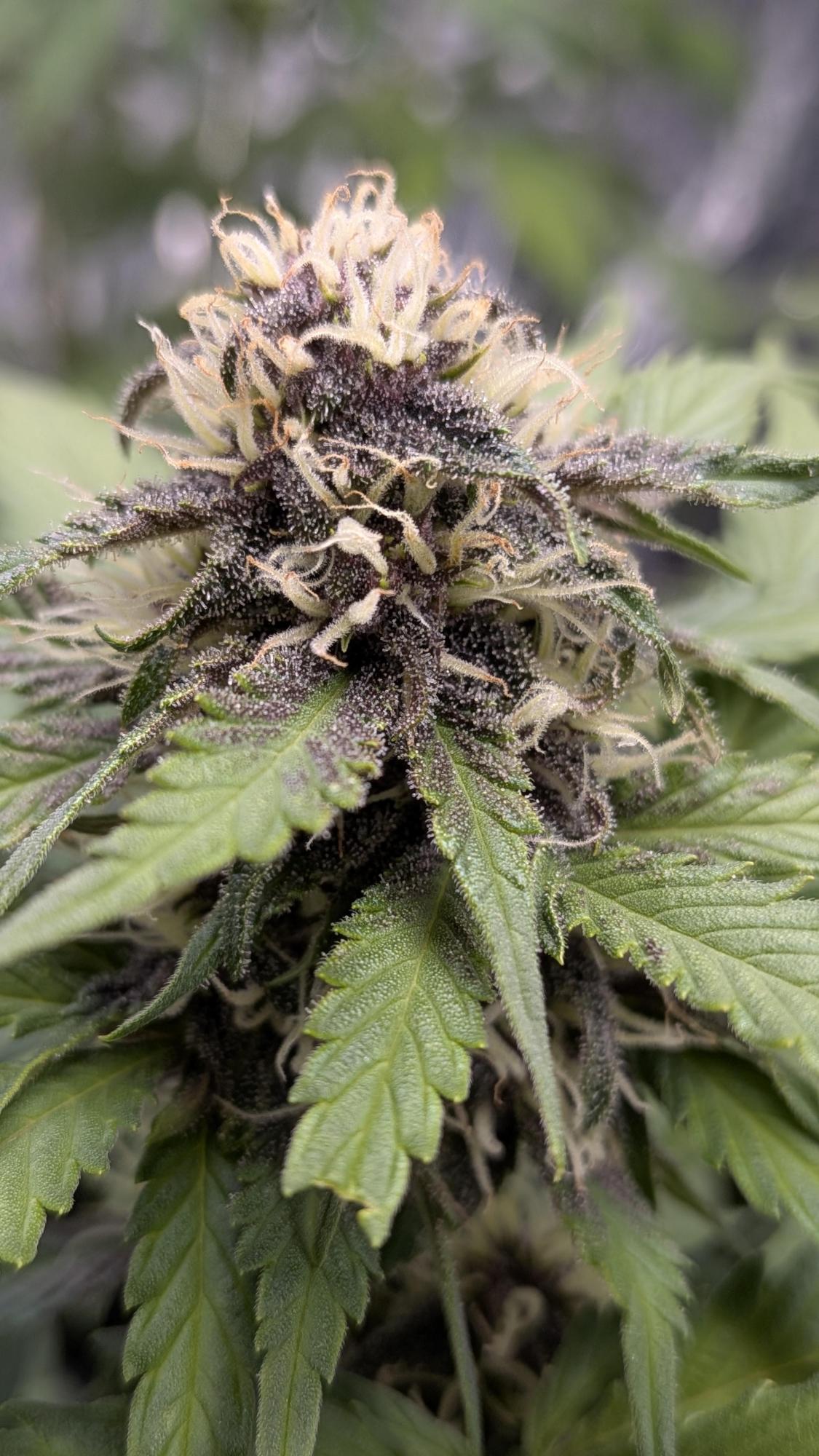
You’re on the right track, yeah. Living soil with active microbes, fungi, and organic matter does buffer a lot of deficiency issues that synthetic growers run into. The soil biology breaks down nutrients slowly and makes them available as the plant needs them, so you get fewer lockouts and swings. But here’s the real talk: organic growers can still have deficiencies. It’s just different deficiencies usually. You might get less nitrogen issues because the microbes keep releasing it, but you can still run into phosphorus or potassium problems if your compost is weak or if you don’t have enough diversity in your amendments. The big advantage is that living soil is forgiving. If you mess up feeding or pH, the biology helps buffer it. You don’t get the hard lockouts that hydro growers deal with. But it’s not a free pass you still gotta build good soil and maintain it. Your plant in the photo looks healthy and frosty though, so whatever you’re doing is working. That’s the real test. If your soil is producing buds like that with minimal stress, you’ve dialed it in right. Keep doing what works for you. Living soil is legit, just don’t sleep on the details.
2 likes
Complain