


00110001001001111Oanswered grow question 2mo ago
It is the case. If they don't flip to flower on their own without giving them extended non-interrupted darkness, then it is either a mispackaged product (a photoperiod) or they didn't follow the basic procedure to breed autoflower seeds.
6 weeks is most likely not an autoflower if you don't see signs of flowering yet. Some "XL" autos are bred to maximize traits that prolong vege phase so you get a bigger plant.
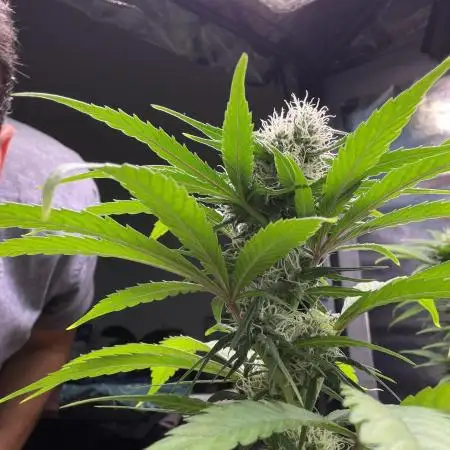
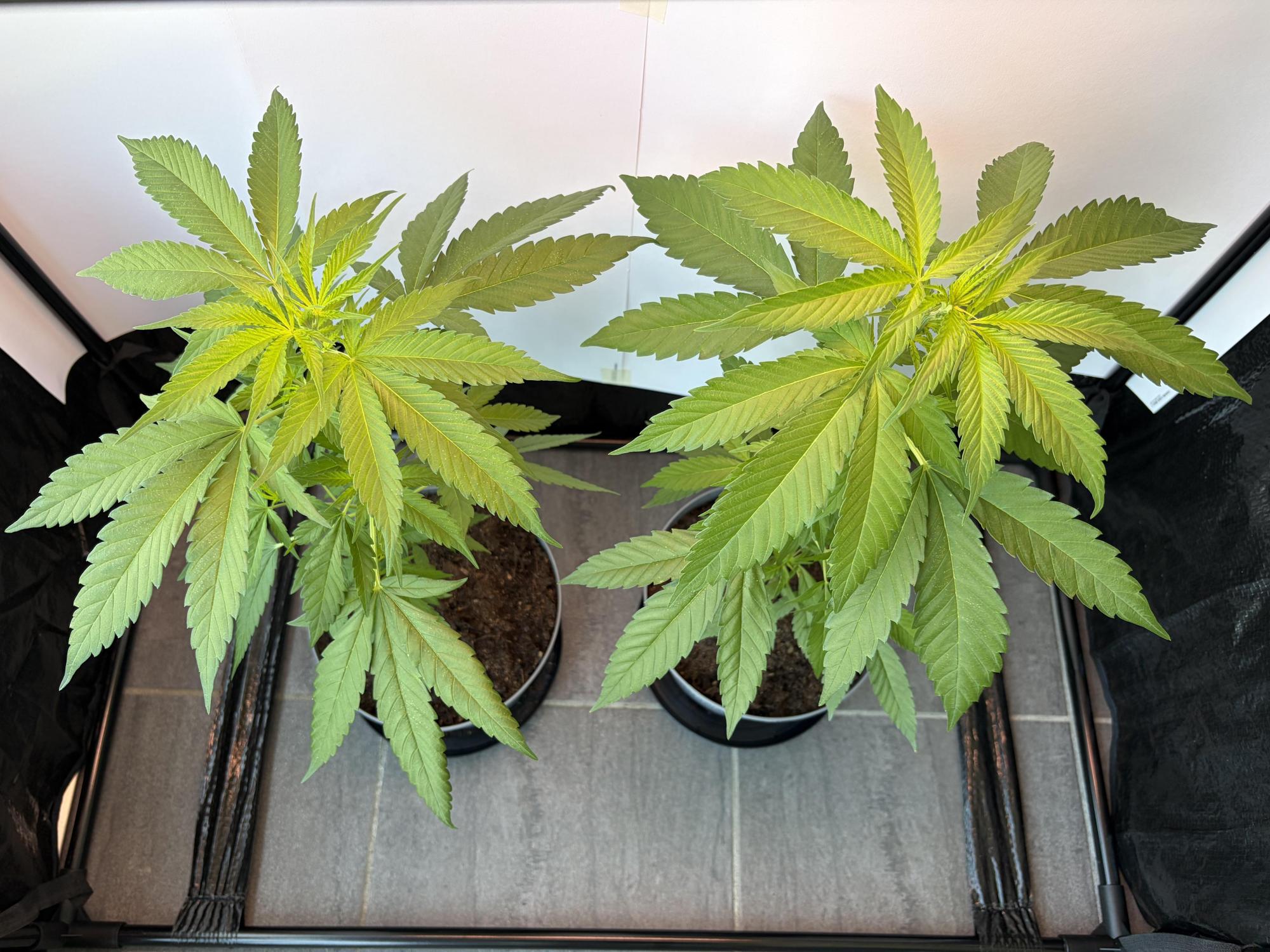
These plants are relatively healthy, so i doubt stress is related. If they don't show pistils at terminal buds in th enext week or so, starting giving it 12h of uninterrupted darkness. You likely have a photoperiod that was mispackaged or the breeder fucked up something else in the process. Can only speculate.
lefthandedJanswered grow question 2mo ago
transplanting can def do it, I've seen growers use it to prolong veg in autoflowers. timed right, apparently it works pretty well.
likes
Complain

DudeGrowsWeedanswered grow question 2mo ago
That image of the pack of seeds in your diary does not say “Auto” or “Autoflower” anywhere. I’d suspect these seeds are actually photoperiod.
1 like
Complain

ATLien415answered grow question 2mo ago
autoflowers doing autoflower stuff, enjoy dawg
1 like
Complain

ZariRat_Growanswered grow question 2mo ago
Hey buddy, you're doing great, don't worry they're a bit behind due to some temporary stress, but in a few days you'll see them bloom my friend, they're very healthy, great grow and great grower, good luck and happy growing 💚🍀🌱🍀💚
1 like
Complain

LPintoanswered grow question 2mo ago
Good afternoon,
There is always an estimated flowering time for each strain; however, for the plant to bloom, it will depend on various factors that vary from plant to plant. In other words, we can have several plants germinated on the same day and of the same strain, and they may not flower at the same time. The indicated time is always an estimate for ideal conditions, and there is always a genetic component that causes these estimated times to vary. Be patient, as the plant appears to be healthy...
2 likes
Complain

farah4weedanswered grow question 2mo ago
Hey! I went through your entire grow journal. 👽🌱
One thing I'd check is your humidity. From about week 2 onward, I'd try to keep the RH between 50–60%, then gradually lower it once flowering starts.
I've had delayed autos before too. Sometimes autos can delay flowering because of stress, genetics, root issues, light intensity, or environmental conditions. Hopefully they'll start flowering soon! 👌🌱
By the way, I did a genetic cross project called OG Cream. I'd be happy if you check it out. 👽🙏🔥
I'm currently drying the harvest from this new cross and doing the final testing. I'd really appreciate hearing your thoughts once you take a look! 💚
1 like
Complain

theChimpanswered grow question 2mo ago
To clarify: autoflowers are not nearly as locked into their flowering timeline as breeders may have you believe. Most begin showing sex around weeks 3 to 7, but genetics, transplant shock, root restriction, environmental stress, and other early setbacks can all delay the transition from vegetative growth to flowering.
I noticed you transplanted this plant twice, which may have contributed as well.
At six weeks, I'd still give it another 1 to 2 weeks under its current conditions and keep an eye on the upper nodes for pistil development. If there's still no sign of flowering after that, or sooner if you want to rule out a genetic abnormality, you can switch it to a 12/12 light cycle. If it turns out to be a true autoflower, reducing the light cycle will likely cost you some yield, which is why I'd wait before making that change.
One other possibility is that this seed simply didn't inherit a fully stabilized autoflower phenotype. The autoflower trait comes from Cannabis ruderalis genetics, and if a breeding line isn't completely stabilized, you can occasionally end up with offspring that behave more like photoperiod plants. It's uncommon with reputable breeders, but it does happen. In the same way that a very small number of "feminized" seeds can still produce males, a similarly rare exception can occur with "autoflower" seeds.
3 likes
Complain