


different values of humidity, temperature

Matrissstarted grow question 2mo ago
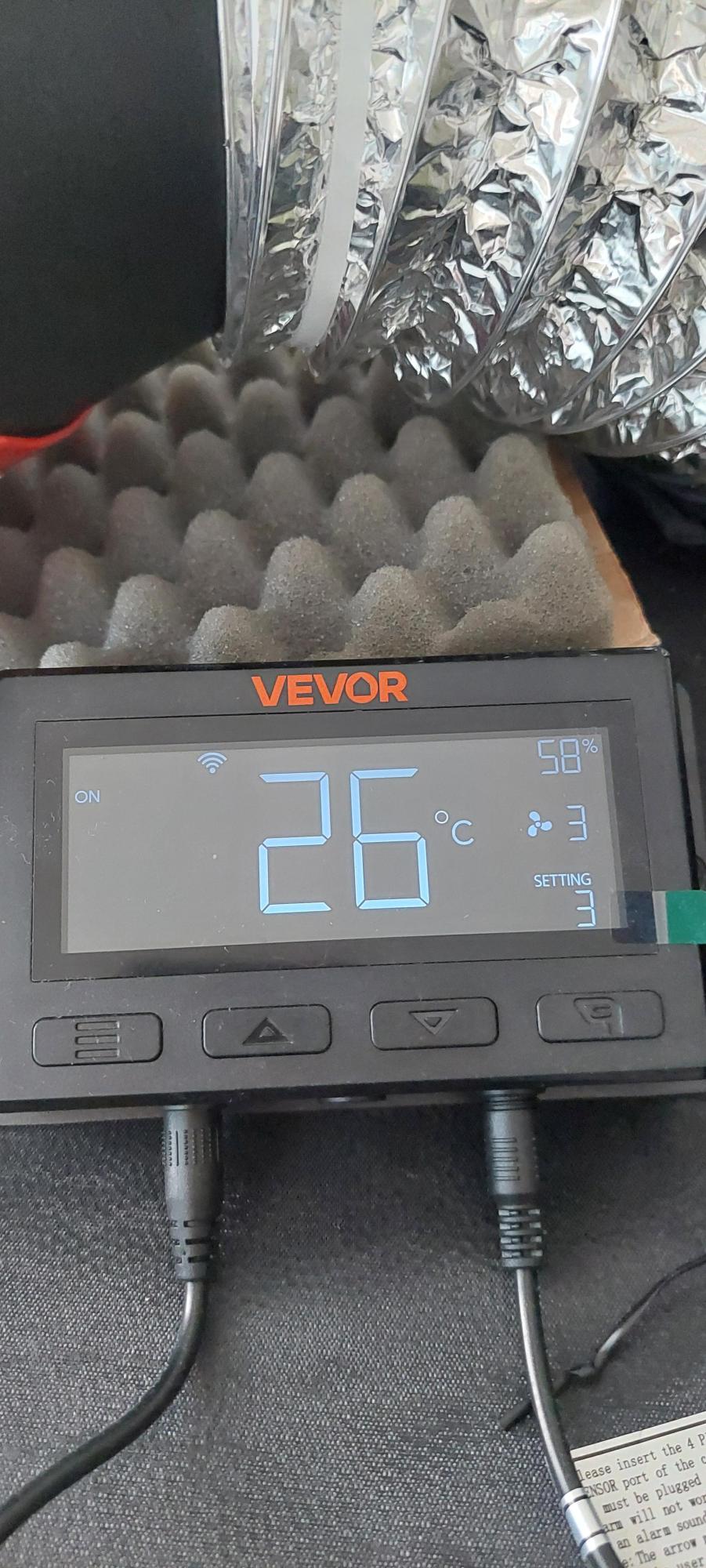
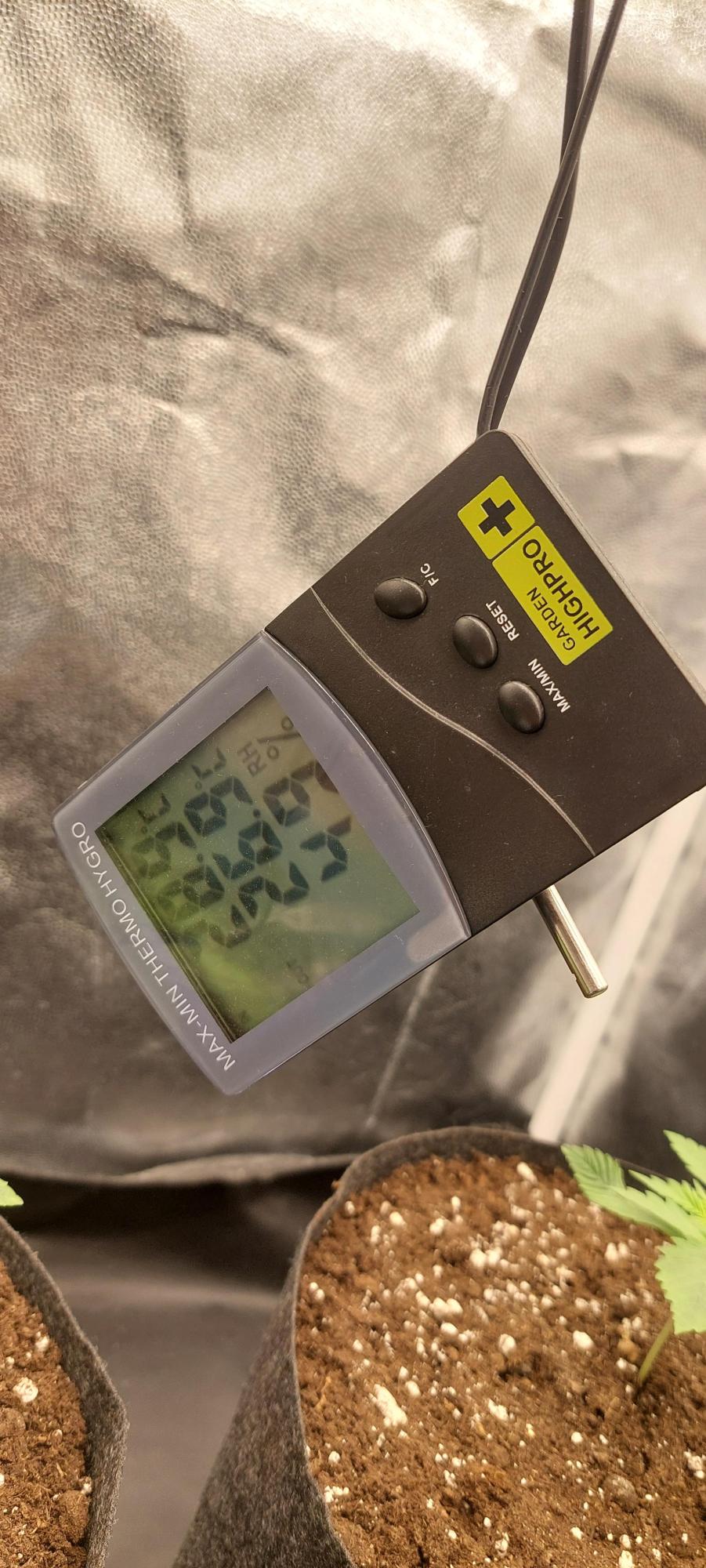
Hello guys, which values should I trust more ? The difference in temperature is usually around 2-4 celsius, and in humidity usually around 5 to 15... Vevor sensor is right to the highgarden, so they should have same conditions.
Open
likes
Answer

Ratlesnkanswered grow question 2mo ago
I just so happen to have 3 temp sensors in the sunroom where my tent is and all have slight difference in readings, temp plus or minus 1-2 degrees and humidity around 5. 15 percent difference in humidity is quit a bit, most readers say they have a plus or minus 5% variable range. The requirement for the plant range can be a 10 percent difference but more important is the stage of the plant requires different humidity range. I just stay plus or minus 5 percent of that range at times, example is 60-70% during veg. I just aim to have all 3 readings within this range.
likes
Complain

Organomananswered grow question 2mo ago
Split the difference.
One foot difference in location will give different readings.
Even if you had three of the same unit by the same manufacturer and placed next to each other, I would bet they would all give different readings.
These readings should be used as a guide, not as a set in stone, life or death decision making tool............just split the difference and don't overthink it.
likes
Complain

LastinGanswered grow question 2mo ago
The Highpro “OUT” value is from the sensor. It’s showing 26.9 °C compared to 26 °C on the Vevor. Does the Vevor simply not have an extra digit of precision? If so, it could actually be something like 26.4 °C.
Humidity is relative to temperature — higher temperature means lower relative humidity. I still don’t think the two will ever match 100 %, so either average them or get a third, more reliable one.
1 like
Complain

00110001001001111Oanswered grow question 2mo ago
Read the manual. Each has a +/- error and rated accuracy for temperature and RH.
The typical inexpensive rh meters are +/- 3-5%. It's judging it based on some hairlike material contracting and stretching in a predictableway to moisture levels. It's not super accurate, but it's within 3-5%. Inexpensive thermometers in various devices, liek a space heater are at least +/- 3F usually.
Just as with a scale... .01g resoluton and +/- .03g error for a typical .01g resolution scale. The equipment is not 100% accurate. It all comes with error. Better stuff will have a smaller range of error and likely cost more. Also have to weed out shady vendors that like to lie about specifications or don't even provide it in the manual.
If one probe regularly measures a few percent higher, for example, recognize the offset and make sure to consider it whenever reading that one... it may actually be something inbetween, but what's more important is that you read it in a consistent way or borrow something more accurate to determine which is more erroneous.
if there is a huge variance, one piece of equipment may be a piece of shit, lol. May need a 3rd device to determine which is garbage.
Even if they are of the same brand, this can and will happen. it is inherent.
likes
Complain
ThatsmyGrowanswered grow question 2mo ago
I always have these problems, whether from ic infinity in combination with spiderfarmer. I always get different results. I always stick to the values of the expensive device.
likes
Complain

GoodWeedBerlinanswered grow question 2mo ago
I would trust the vevor sensor more. That highgarden-thing has a big black surface that is presented to the light. I guess that this distorts a clean measurement.
likes
Complain