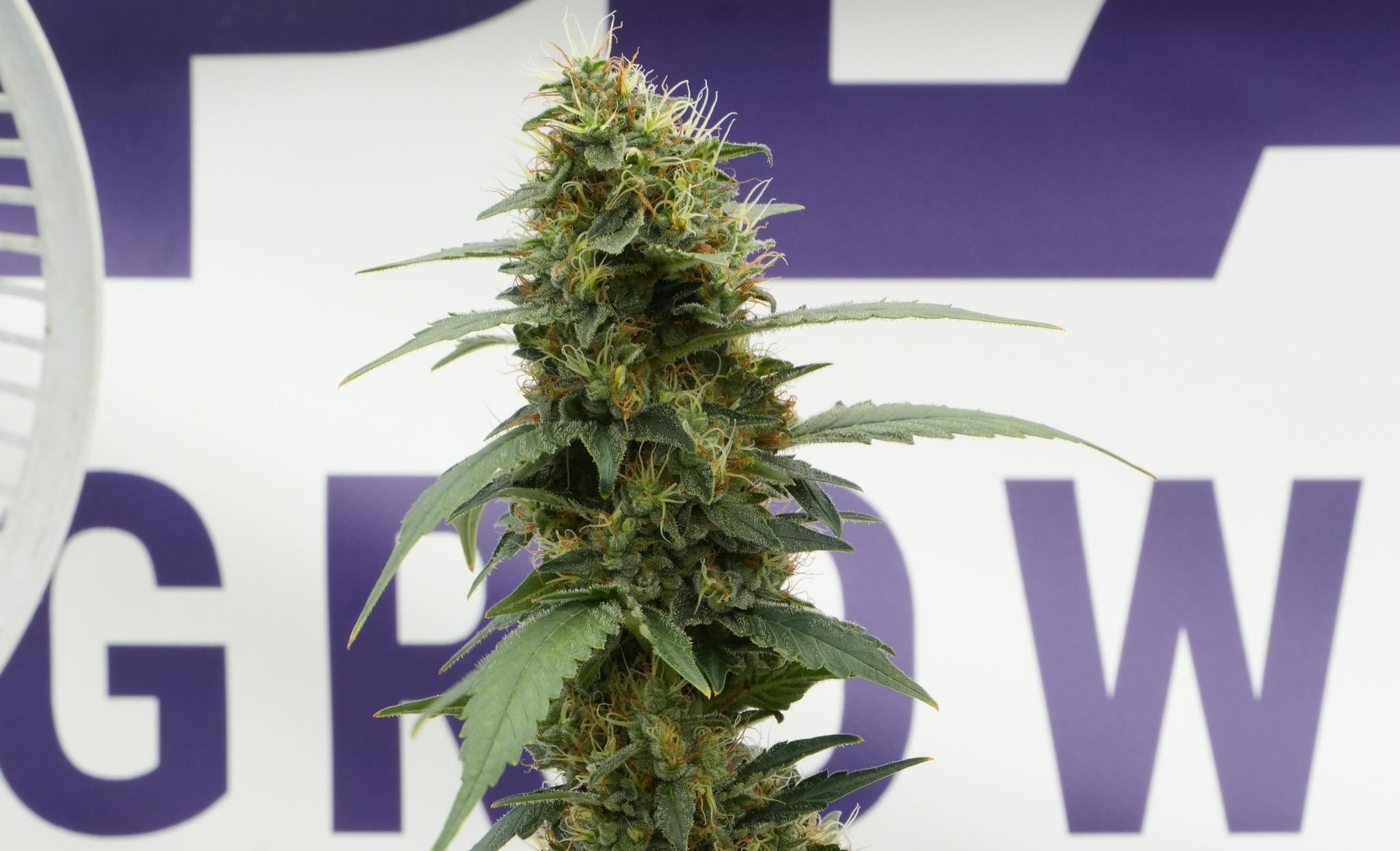
The Foundation of a Better Growing Journey
Every successful cannabis grow begins before the first seed is planted. It starts with a choice: selecting genetics that match the grower’s goals, environment, experience level, and expectations. For both beginners and experienced cultivators, this decision can shape the entire growing journey.
Cannabis genetics influence many important characteristics, including plant structure, flowering time, resilience, aroma, cannabinoid profile, and overall growth potential. While equipment, patience, and technique all matter, the seed remains the foundation. Choosing the right genetics can make the process more predictable, more enjoyable, and better aligned with the grower’s plans.
In today’s cannabis market, however, the number of available strains and seed types can feel overwhelming. Classic names, modern hybrids, autoflowering varieties, feminized seeds, regular genetics, CBD-rich cultivars, and fast-flowering options all serve different purposes. That is why a clear and well-organized source of information is so valuable.
Genetics Matter More Than Strain Names
Many growers begin by looking for a famous strain name. While well-known varieties can be a helpful starting point, strain names alone do not tell the full story. A better approach is to consider how a particular type of seed fits the growing setup.
Before comparing individual strains, growers often ask themselves a few practical questions:
- Will the grow take place indoors or outdoors?
- Is the priority simplicity, speed, yield, aroma, or cannabinoid profile?
- Does the grower want feminized, autoflowering, regular, or CBD-focused genetics?
- Is the chosen variety suitable for the available space and experience level?
- Are local laws and regulations clearly understood?
This kind of planning helps shift the decision from impulse to strategy. A strong seed choice is not just about popularity. It is about compatibility.

A Clearer Way to Explore Cannabis Seeds
Ganja Farmer has positioned itself as a destination for people who want to explore cannabis genetics in a more structured way. Founded in 2009, the store has developed a broad catalog of seeds from recognized breeders and popular genetic families, giving customers access to both classic strains and modern breeding innovations.
What makes this type of platform valuable is not only the number of available products. It is the ability to browse by meaningful categories such as seed type, breeder, growing style, cannabinoid profile, strain family, and experience level. For someone planning a grow, this makes the decision-making process easier and more practical.
Instead of scrolling through endless product names, visitors can focus on what matters most: whether a variety is autoflowering or photoperiod, feminized or regular, suitable for indoor or outdoor conditions, beginner-friendly, CBD-oriented, fast-flowering, or connected to a specific breeder collection.
Understanding Seed Types Before You Choose
One of the most important steps in planning a grow is understanding the different seed categories. Each type serves a different purpose, and the best choice depends on the grower’s goals.
| Seed Type |
Often Chosen For |
Best Suited To |
| Feminized seeds |
Reducing uncertainty around plant sex |
Growers who want a more predictable crop structure |
| Autoflowering seeds |
Simplicity and faster development |
Beginners, small spaces, and straightforward projects |
| Regular seeds |
Breeding, preservation, and genetic exploration |
Experienced growers and collectors |
| CBD-rich seeds |
Cannabinoid diversity beyond high-THC profiles |
Users interested in balanced or CBD-oriented genetics |
| Fast-flowering seeds |
Shorter flowering periods |
Growers working with time-sensitive plans |
For anyone comparing options, a category-based approach can make a major difference. Browsing a dedicated section such as marijuana seed types helps growers understand the available choices and narrow down their search according to their own setup and goals.
From Classic Strains to Modern Hybrids
Cannabis genetics continue to evolve, but classic strains still play an important role in the community. Names such as White Widow, AK-47, Amnesia Haze, OG Kush, Critical, Gelato, and Kush varieties remain recognizable because they are connected with long-standing reputations and familiar traits.
At the same time, modern hybrids reflect the direction of contemporary cannabis breeding. Today’s growers and collectors often look for specific combinations of aroma, structure, flowering behavior, cannabinoid content, and cultivation performance. This creates a market where both heritage genetics and newer innovations can exist side by side.
A strong seed catalog should support that diversity. It should give newcomers easy entry points while still offering experienced users enough depth to explore breeder collections, genetic lines, and specialized strain profiles.
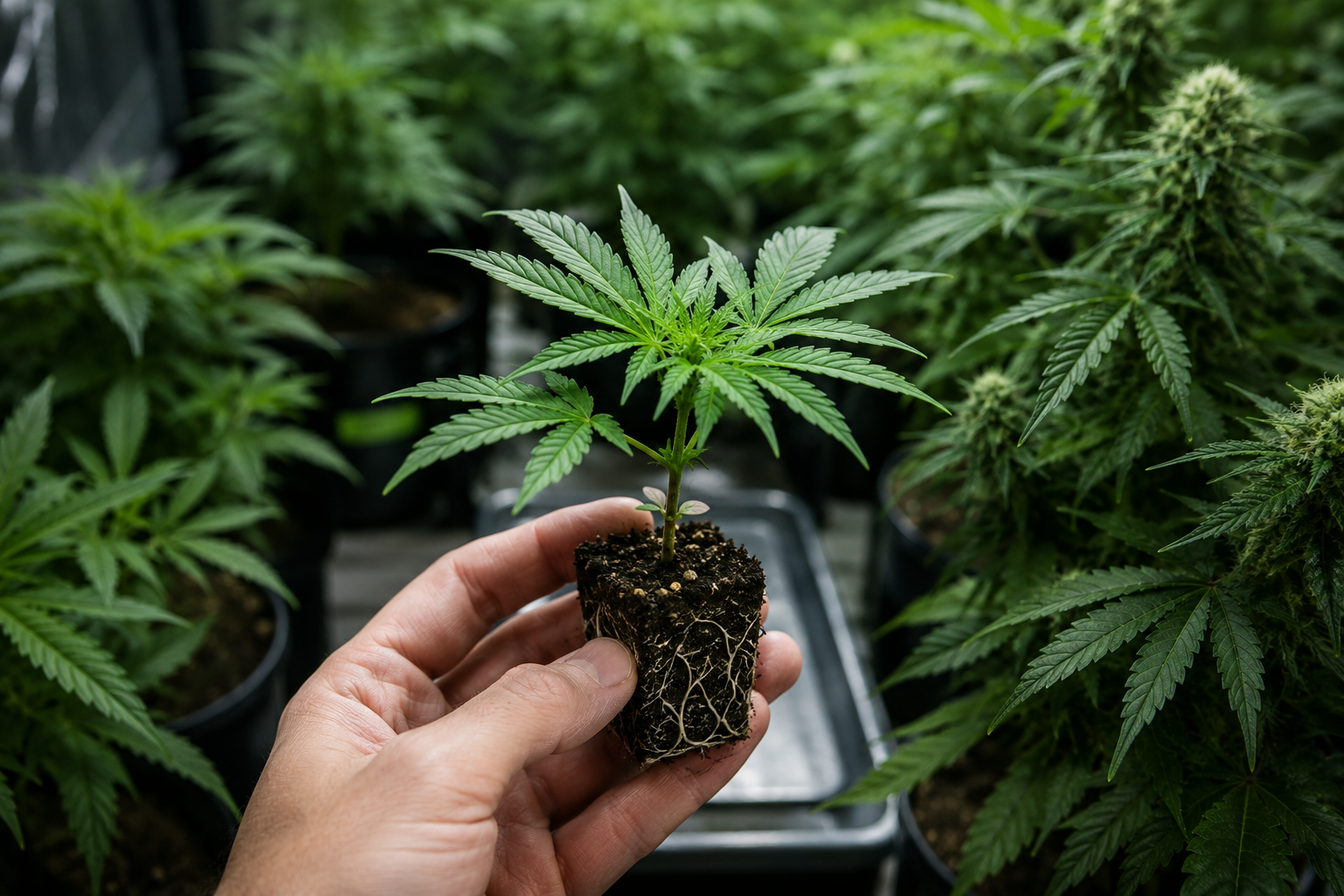
What Growers Usually Compare First
When exploring genetics, most growers do not make decisions based on one factor alone. They often compare several details at the same time, including:
- seed type and genetic background;
- expected plant structure and growing style;
- flowering behavior and timing;
- indoor or outdoor suitability;
- cannabinoid profile;
- breeder reputation;
- difficulty level;
- available product information.
This is why a well-organized catalog matters. It saves time, reduces confusion, and helps growers make decisions that feel informed rather than random.
Why Clarity Builds Trust
Trust is essential in the cannabis community. Seeds are not just another product; they are the beginning of a long process. Buyers want clear product information, transparent categories, practical details, reliable service, and a shopping experience that respects their time.
A confusing catalog can make it harder to compare options. A clear catalog, on the other hand, helps people make better decisions from the start. When information is easy to navigate, customers can focus less on guessing and more on choosing genetics that match their environment and expectations.
This is especially useful for beginners. Someone new to cannabis cultivation may not know where to start, but categories such as autoflowering, feminized, indoor, outdoor, CBD-oriented, or beginner-friendly seeds can provide a simple path into the subject.
Growing Starts with Better Planning
A successful grow is rarely accidental. It usually begins with planning: understanding the space, the local legal framework, the environment, the time available, and the desired outcome. Genetics are a central part of that planning process.
The right seed choice can help growers work with the plant rather than against it. Compact varieties may suit limited indoor spaces. Outdoor-oriented genetics may be better matched to seasonal conditions. Feminized seeds may simplify planning for many growers, while regular seeds may appeal to those interested in genetic exploration and preservation.
This is why seed selection should be treated as part of the growing strategy, not as an afterthought. When growers understand the differences between seed types and strain profiles, they are better prepared for the rest of the journey.
A Practical Destination for Cannabis Genetics
As cannabis cultivation continues to develop around the world, growers and collectors are looking for more than large product lists. They want choice, but they also want clarity. They want access to recognized genetics, but they also need a simple way to compare them.
Ganja Farmer brings these elements together by offering a broad catalog, intuitive navigation, and useful categories for different levels of experience. Its focus on choice and organization makes it easier for visitors to explore cannabis seeds in a way that feels practical and informed rather than overwhelming.
For anyone interested in cannabis genetics, the first step is not simply choosing a popular strain. It is understanding what kind of seed best fits the journey ahead. With the right information and a clear place to compare options, that first step becomes much easier.