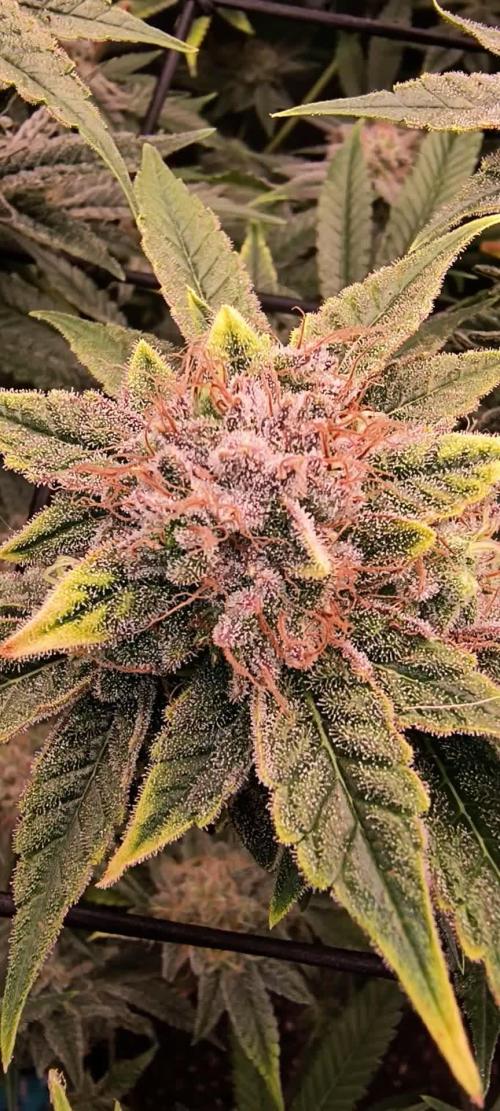
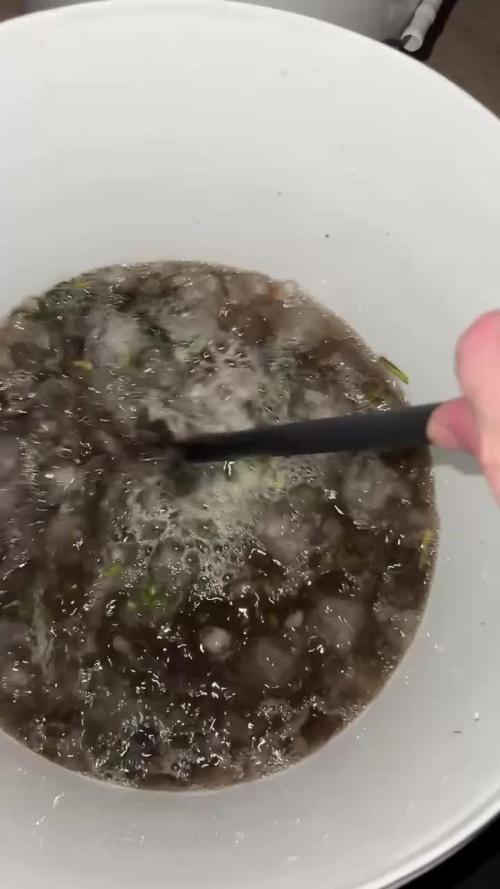
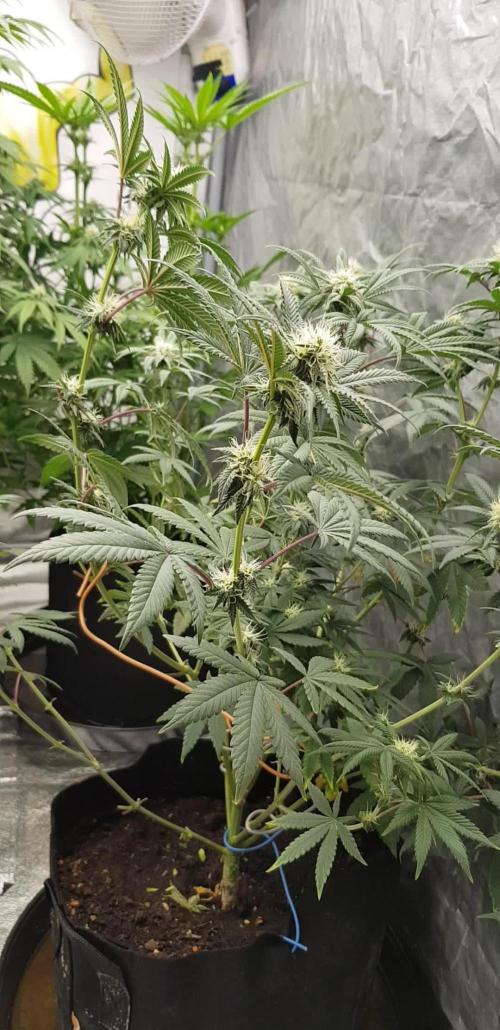
Processing
Likes
Comments
Share
@Fabhz
Follow
A lot of rain, crazy weather.
Likes
38
Share
Pulled some fan leaves , transferred to 5 litre pots ready to switch to flower. Day 42 switched to flower.
Likes
5
Share
@CalGonJim
Follow
9/15 12AM MONDAY!!! THEY ARE ALL DOING GREAT!!! VERY HEAVY AMINOS YESTERDAY, NO DAMAGE. 9/15 11:24PM. In plant cells, glutathione S-transferases (GSTs) act as transporters, facilitating the movement of anthocyanins from the endoplasmic reticulum (ER) to the vacuole for storage, though their exact mechanism is still being studied. The synthesis of glutathione (GSH) itself occurs in the cytosol of mammalian cells through two ATP-requiring enzymatic steps, while anthocyanins are synthesized via a separate phenylpropanoid pathway 9/15 11:42PM glutathione metabolism glutathione S-transferases plantsThinkingKicking off 5 searchesLooking at 71 sitesPutting it all together In plants, glutathione S-transferases (GSTs) are a diverse family of enzymes integral to glutathione (GSH) metabolism, primarily functioning in detoxification and stress response. The core of this process involves GSTs catalyzing the conjugation of the tripeptide GSH with various toxic compounds, or xenobiotics, making them less harmful and easier to sequester or transport. Glutathione (GSH) metabolism in plants GSH metabolism is a tightly regulated process that maintains cellular redox balance and protects against stress. Biosynthesis: GSH is synthesized in two adenosine triphosphate (ATP)-dependent steps:(gamma )-Glutamylcysteine synthetase (GSH1) joins L-glutamate and L-cysteine to form (gamma )-glutamylcysteine. In Arabidopsis, this enzyme is located exclusively in the chloroplasts.Glutathione synthetase (GSH2) adds glycine to (gamma )-glutamylcysteine to produce GSH. This enzyme is found in both the cytosol and the chloroplasts.Oxidation and reduction: GSH exists in two forms: a reduced monomer (GSH) and an oxidized disulfide dimer (GSSG).Oxidation: In the process of scavenging reactive oxygen species (ROS), GSH is oxidized to GSSG.Reduction: Glutathione reductase (GR) uses NADPH to reduce GSSG back into active GSH, which is essential for maintaining a high GSH-to-GSSG ratio inside the cell.Degradation: Glutathione can be degraded in the cytosol, apoplast, and vacuoles by (gamma )-glutamyltransferases (GGTs) and other peptidases, allowing for recycling of its amino acid components.Transport and compartmentalization: While synthesis occurs in the chloroplasts and cytosol, transporters move GSH and its conjugates throughout the cell, including to the mitochondria, peroxisomes, and vacuoles. Functions of glutathione S-transferases (GSTs) GSTs are a large, ancient gene family with diverse roles that extend beyond detoxification. The primary functions involving GSH are: Detoxification of xenobiotics and heavy metals: GSTs catalyze the conjugation of the thiol group of GSH to a wide range of electrophilic and hydrophobic substrates, including herbicides, pesticides, and heavy metals. The resulting GSH-conjugates are then recognized by ATP-binding cassette (ABC) transporters and sequestered in the vacuole, reducing their cellular toxicity.Protection from oxidative stress: Stress conditions like drought, salinity, and high light increase levels of ROS, which cause lipid peroxidation. 🚨Some GST isoforms have glutathione peroxidase (GPOX) activity, using GSH to reduce toxic lipid hydroperoxides to less damaging alcohols, thereby protecting cell membranes.Defense against pathogens: During pathogen attacks, GST activity increases to detoxify microbial toxins and secondary defense-related compounds. This helps to bolster the plant's resistance response.Metabolism of endogenous compounds: GSTs play roles beyond immediate stress response by participating in the normal metabolic processes of plants. Examples include:Hormone transport: Some GSTs act as binding proteins (ligandins) that transport plant hormones like auxins within the cell.Metabolite transport: Specific GSTs facilitate the transport of important compounds like flavonoids and anthocyanin pigments into the vacuole.Tyrosine degradation: The zeta GST class (GSTZ) catalyzes a critical step in the breakdown of the amino acid tyrosine.Redox signaling: By influencing the GSH/GSSG ratio and interacting with plant hormones, GSTs can regulate cellular signaling pathways that control growth and stress response. 🚨GSTs and plant stress response The expression of many GST genes is highly inducible by various environmental and endogenous cues, making them key players in a plant's ability to adapt to adverse conditions. Abiotic stress: Drought, salinity, heavy metals, and extreme temperatures all trigger increased GST expression, which helps plants manage resulting oxidative damage. Overexpression of specific GST genes has been shown to enhance stress tolerance in transgenic plants.Herbicide resistance: The ability of crops and weeds to detoxify herbicides through GST-catalyzed conjugation is a well-studied example of GSTs in stress adaptation. Herbicide safeners, chemical agents that protect crops from herbicide injury, work by boosting the activity of these GST enzymes.Developmental processes: Studies have linked the expression of certain GST genes to specific stages of plant development, such as fruit ripening, root and stem development, and flower formation. "" 9/16 12:32am AI Overview In plants, phenylalanine is the precursor for anthocyanin synthesis, a process that involves a multistep pathway in which glutathione (GSH) plays a critical role in the transport of the final pigment to the cell vacuole. Phenylalanine initiates anthocyanin synthesis The biosynthesis of anthocyanins begins with the amino acid phenylalanine, which is produced via the shikimate pathway. The conversion process, known as the phenylpropanoid pathway, involves a series of enzymatic reactions: 1. Phenylalanine ammonia-lyase (PAL): This enzyme catalyzes the first committed step of the pathway, converting L-phenylalanine into trans-cinnamic acid. 2. Downstream enzymatic reactions: A series of additional enzymes, such as chalcone synthase and chalcone isomerase, convert the intermediate compounds into unstable anthocyanidins. 3. Glycosylation: Glycosyltransferase enzymes stabilize the anthocyanidins by adding sugar molecules, creating the final, stable anthocyanin pigments. 4. Glutathione is crucial for anthocyanin transport After synthesis, glutathione is essential for transporting anthocyanins for storage. * Glutathione S-transferases (GSTs): These enzymes bind to the newly formed anthocyanins in the cytoplasm. This binding is a key step that facilitates the transport of the anthocyanin-GST complex across the tonoplast (the vacuolar membrane) and into the vacuole. * Vacuolar storage: Once inside the vacuole, the anthocyanins accumulate and provide color to plant parts, such as flowers, fruits, and leaves. * Catalytic role: Recent research has also found that certain GSTs have a catalytic role in anthocyanin synthesis. They can catalyze a dehydration step to form specific anthocyanidins, significantly boosting production in engineered systems. * The process in summary The synthesis and accumulation of anthocyanins involve a coordinated process of multiple steps: 1. Production from phenylalanine: The amino acid phenylalanine enters the phenylpropanoid pathway, where enzymes convert it into the basic flavonoid structures. 2. Formation of anthocyanidins: Further enzymatic modifications produce the colored but unstable anthocyanidins. 3. Stabilization and transport with glutathione: These anthocyanidins are stabilized by glycosylation and then bound by GSTs (which use glutathione). This binding enables their transport into the vacuole for storage and visible pigmentation. 9/15 12:46AM https://pmc.ncbi.nlm.nih.gov/articles/PMC7238016/ 9/16 1:30AM BKO is looking great!!! Conclusion The “butter frosting” resin on Cookie Apple F1, healthy yellow-green fusiform, and Blueberry KO’s pigmented cotyledons show your anthocyanin-glutathione-phenylalanine strategy is working—phenylalanine drives synthesis, glutathione ensures transport. Tweak amino acids to 100–150 mg/L to reduce tip burn. 9/16 3:34am 9/16 4:31AM Anthocyanin glutathione synthesis phenylalanine proline tmg powder relating current project: * Phenylalanine is a precursor: Phenylalanine is an amino acid and the starting point for the phenylpropanoid pathway in plants. * Anthocyanin synthesis: This pathway creates various secondary metabolites, including the flavonoid pigments known as anthocyanins, which give plants their red, purple, and blue colors. * Pathway activation: Multiple enzymes, such as phenylalanine ammonia-lyase (PAL), catalyze the conversion of phenylalanine into the building blocks for anthocyanin. * Anthocyanin and glutathione synthesis * Glutathione S-transferase (GST): This enzyme is crucial for synthesizing anthocyanins in plants. It transports anthocyanins into the cell's vacuole for storage. * Glutathione (GSH) production: Anthocyanins can promote glutathione synthesis in certain cells. For instance, the anthocyanin cyanidin-3-O-β-glucoside (C3G) has been shown to increase the expression of glutamate-cysteine ligase (Gclc), a key enzyme in GSH synthesis. * Antioxidant effect: By upregulating GSH production, anthocyanins contribute to the antioxidant defense system, protecting cells from oxidative stress. * Proline and glutathione synthesis * Shared precursor: In some organisms, the synthesis pathways for proline and glutathione share a precursor molecule called γ-glutamyl phosphate. * Alternative pathway: Research on bacteria and yeast has revealed an alternative, trace pathway where γ-glutamyl phosphate from the proline synthesis pathway can be diverted to produce the glutathione precursor γ-glutamylcysteine. * Oxidative stress response: Studies in mouse oocytes show that supplementing with proline upregulates genes related to glutathione synthesis (Gclc and Gclm), increases glutathione levels, and reduces oxidative stress. * TMG powder, methylation, and homocysteine * Methyl donor: Trimethylglycine (TMG), or betaine, is a potent methyl donor, meaning it provides methyl groups needed for various biochemical processes in the body, including the methylation cycle. * Homocysteine regulation: One of TMG's primary functions is to convert the amino acid homocysteine into methionine. This helps regulate homocysteine levels, which is important for cardiovascular health. * TMG and proline interaction: In plants and some organisms, TMG and proline act as compatible solutes or osmoprotectants, helping cells stabilize against osmotic stress like drought or salinity. However, in human biology, TMG mainly functions through methylation, while proline is involved in different metabolic and antioxidant roles. * How they all relate The listed components are connected through several overlapping metabolic and regulatory pathways: * Anthocyanin synthesis starts with phenylalanine. * Anthocyanins can promote glutathione synthesis via upregulation of key enzymes like Gclc. * Glutathione synthesis can be influenced by the proline synthesis pathway, as they share an intermediate in some contexts. * TMG powder supports the methylation cycle, which helps regulate homocysteine levels. While TMG and proline serve similar protective roles in some organisms, their primary human metabolic functions differ, with TMG focusing on methylation and proline having distinct roles in antioxidant response and metabolism 9/17 217am Die Hard Christmas Grow 9/18, 11:34 AM. I ordered some square saucers that were cartoonishly too small but they fit inside the AC infinity germination kit and they fit with the Bud Cups perfectly really nice so it’s not a total loss. 9/18 11:45AM mix. Foliar Spray, the rest of the mix ec 0.46 Mixed up Aminos first and separate and use 16 oz for foliar spray. Then mixed up: Root: 1 mL/L Connoisseur A & B GROW, .2 mL/L CaliMagic, .2 mL/L Purpinator. Setria Glutathione: 150 mg/L(Brand: Emerald 250mg capsule.) TMG: 150 mg/L = (Brand Nutricost) Phenylalanine: 150 mg/L (Brand Nutricost) Proline: 150 mg/L (Brand Nutricost). 9/18 228PM AI Overview Glutathione influences plant colors by regulating the accumulation of pigmented compounds, primarily anthocyanins. The tripeptide accomplishes this through its role in transporting pigments within plant cells and in protecting against environmental stresses like UV radiation that can cause oxidative damage. Transporting pigments into plant cell vacuoles Glutathione works with a class of enzymes called Glutathione S-transferases (GSTs) to transport pigments like anthocyanins into the vacuole for storage. Anthocyanin transport: In plants with pigmented tissues, such as purple grapes or red flowers, glutathione-conjugated pigments are transported by GSTs across the tonoplast membrane into the vacuole. This process is crucial for the stable accumulation of pigments. Genetic manipulation: Research shows that manipulating specific GST genes can alter a plant's pigmentation. For instance, silencing a particular GST gene in purple grape hyacinths caused their petal color to shift to a lighter shade of purple. Similarly, defective GST genes in carnations resulted in pale-colored flowers. Protecting against UV light and stress Glutathione helps regulate plant pigmentation in response to environmental factors, especially UV-B radiation. Activating flavonoid production: When plants are exposed to UV light, a surge in glutathione triggers the expression of genes involved in producing flavonoids. Flavonoids, including anthocyanins, can act as protective sunscreens for the plant, and their increased synthesis and accumulation can alter visible coloration. Balancing oxidative stress: Intense UV-B radiation increases reactive oxygen species (ROS) in plants, which can cause oxidative damage. Glutathione is a master antioxidant that helps detoxify these ROS, preventing cellular damage that can affect a plant's pigment-producing mechanisms. Indirectly influencing plant colors By regulating cellular redox status and interacting with other molecules, glutathione also affects pigment expression in more indirect ways. The xanthophyll cycle: As part of a plant's antioxidant system, glutathione helps maintain the reduced state of other protective antioxidants like tocopherol and zeaxanthin. Zeaxanthin is a carotenoid pigment involved in the xanthophyll cycle, which helps dissipate excess light energy. Redox signaling: The balance between reduced glutathione (GSH) and oxidized glutathione (GSSG) is a key cellular signal for stress response. A shift in this ratio during environmental stress can influence the production of secondary metabolites like pigments, allowing the plant to adapt. " 9/19 1:41AM AI Overview The key difference is that anthocyanins are the sugar-containing form (glycosides) of pigments, while anthocyanidins are the sugar-free form (aglycones). Anthocyanidins are the foundational molecules, and when a sugar molecule attaches to them, they become anthocyanins, which are more stable and water-soluble, making them the forms found naturally in plants, such as berries and purple vegetables. Anthocyanidin (Aglycone) Structure: The basic, sugar-free molecule of the anthocyanin structure. Location: Not found freely in nature but is the core component that is then glycosylated. Properties: Color changes with pH, being visible in acidic conditions but colorless in basic conditions. Examples: Cyanidin, delphinidin, pelargonidin, peonidin, petunidin, and malvidin. Anthocyanin (Glycoside) Structure: Consists of an anthocyanidin linked to one or more sugar molecules. Location: Found in the vacuoles of plant cells. Properties: Water-soluble and are the pigments responsible for the red, purple, and blue colors in plants. Function: The sugar attached provides stability, allowing for accumulation in plants and providing antioxidant properties. Examples: Cyanidin-3-glucoside and other derivatives like acylated anthocyanins. " 9/19 2:43AM I also saw a good mans immediate accent into Heaven, that perspective matters too. no less angry about it though. 9/19 10AM Heavy Amino spray 250mg each in 1L of Setria Glutathione and Phenylalanine 9/19 10:10PM The sons and daughters of americas real terror organization carried out the last horror show, and the one before that and before that. It's not a foreign country, it's always the anti white anti human black sheets and badges that did this. 9/19 10:43PM AI Overview Phenylalanine and glutathione contribute to plant colors through different biochemical pathways . Phenylalanine is a precursor for the pigments themselves, primarily anthocyanins, while glutathione is involved in the transport and stabilization of these pigments within the plant cell. Phenylalanine: The pigment precursor The source of aromatic compounds: Phenylalanine is an aromatic amino acid and the starting compound for the phenylpropanoid pathway in plants. This pathway produces a vast number of secondary metabolites, including anthocyanins, which give many plants their red, purple, and blue colors. Color enhancement: Research has shown that increasing the amount of available phenylalanine can lead to more intense red coloration in some fruits, such as mangoes and apples. Pathway stimulation: Phenylalanine ammonia-lyase (PAL) is a key enzyme in this pathway that converts phenylalanine into precursors for anthocyanin biosynthesis. An increase in phenylalanine levels stimulates this entire process. Glutathione: The pigment transporter Anthocyanin transport: After anthocyanin pigments are synthesized in the cell's cytoplasm, they must be transported into the central vacuole for storage. Glutathione S-transferases (GSTs) are a family of enzymes that facilitate this process. Color intensity: A functional GST is essential for proper anthocyanin accumulation. Mutations in GST genes can result in a significant decrease in color intensity, as seen in the pale or white flowers of certain gentian mutants. Mechanism of action: The GST binds to the anthocyanin pigment and moves it from the cytoplasm into the vacuole. If the GST is defective, the pigment cannot be transported correctly, leading to a loss of coloration. Summary of interactions The roles of phenylalanine and glutathione are distinct but cooperative in producing plant colors: Phenylalanine provides the essential building blocks for creating the colored compounds (anthocyanins). Glutathione, with the help of GSTs, ensures these colored compounds are correctly moved to their storage location (the vacuole). This cooperative system explains why mutations or deficiencies in either process can lead to reduced or altered coloration in plants." 9/19 10:51PM AI Overview. Trimethylglycine (TMG) supports the production of glutathione, a vital antioxidant . However, there is no evidence to suggest a direct relationship between these supplements, the amino acid phenylalanine, and the colors of plants. The concepts are linked indirectly via complex biological processes. Trimethylglycine (TMG) and glutathione TMG and glutathione are connected through the body's methylation cycle. TMG as a methyl donor: TMG plays a critical role in the methylation process by donating a methyl group, which helps convert the harmful amino acid homocysteine back into methionine. Support for glutathione production: This methylation cycle, which is supported by TMG, is essential for producing glutathione. Glutathione is a powerful antioxidant that protects against cellular damage and is crucial for detoxification. Supplementation considerations: TMG supplements are sometimes taken alongside other supplements to support health, though consultation with a healthcare provider is recommended. Phenylalanine and the methylation cycle Phenylalanine is an essential amino acid, but its role is distinct from the TMG-glutathione process. Essential nutrient: Phenylalanine is a key nutrient for cellular metabolism. Potential interactions: A separate medical study on experimental hyperphenylalaninemia (abnormally high phenylalanine levels) in chicks observed a decrease in other amino acids in the brain, including those involved in the glutathione pathway. This demonstrates how excessive levels of one amino acid can potentially influence others, though this does not represent a typical interaction. Plant colors The connection between the supplements and plant colors is purely conceptual, as the colors are determined by completely different biological processes. Anthocyanins: The colors of many plants, including red, purple, and blue flowers, come from pigments called anthocyanins. Glutathione in plants: While plants contain glutathione as an antioxidant to combat stress, it influences color by regulating the transport and accumulation of anthocyanin pigments, not by being a pigment itself. TMG and phenylalanine in plants: Plants contain TMG, which functions as an osmoprotectant (protecting against osmotic stress). They also contain phenylalanine, but these substances do not directly determine the plant's visible color." 9/19 11:21PM. !!!!!! this was pointless and im dumber for having read it. !!! Light intensity and spectrum affect metabolism of glutathione and amino acids at transcriptional level: https://pmc.ncbi.nlm.nih.gov/articles/PMC6938384/ 9/20 11:08 AM the seedlings and the four autos are doing just great. The amino spray with phenylene and glutathione really had nice effects no burning nice solid growth even seedlings from basil lavender various lettuce all are perfect.🚨🚨🚨👍👍👍👍👍 9/21 2AM I AM BECOME ANTHOCYANID!!! ITS WORKING AND ON A SEEDLING I SEE THE GELATO COLLORS IN BLUEBERRY KO AND THE LEAF SHAPE OF BUBBLES BLUEBERRY,!!!
Likes
64
Share
Hi everyone 🤗. Not much has happened this week. It becomes bushy and bushy 😅. I even considered giving her another 2-3 weeks of growth, but again to give a bigger pot 😊. I'll decide spontaneously the days. I wish you all a nice start into the week, let it grow 🌱 and stay healthy 🙏🏻👍 You can buy this Strain at : https://www.barneysfarm.com Strain : Blue gelato 41 clone from mother (Barney's Farm) ☝️ Genetics: Blueberry x Thin Mint Girl Scout Cookies x Sunset Sherbert 👍 Vega lamp: 2 x Todogrow LED HLG Quantum Board 100 W ( 200 W ) 💡 Flower lamp: 2x Todogrow LED CXB3590 205 W = ( 410 W ) 💡 ☝️ Soil : Canna Terra Professional + ☝️ Fertilizer: Canna Terra Vega , Canna Terra Flores , Rizotonic, Cannazym, CANNA Boost, Pk 13/14, Canna Cal / Mag, Canna Ph - Grow, Canna Ph-Bloom ☝️🌱 Water: Osmosis water mixed with normal water (24 hours stale that the chlorine evaporates) to 0.2 EG. Add Cal / Mag to 0.4 Ec Ph with Ph - to 6.0 - 6.3 💦 💧
Likes
2
Share
@311Budz
Follow
Alles easy auf jeden Fall #1 hat sich gut gefangen und ist voll im Kurs. #2 ist auch geschlüpft sie hatte ich angesetzt da ich Angst hatte das die #1 es nicht schafft zu überleben. In der nächsten Woche werd ich umtopfen.
Likes
32
Share
@BB_UK
Follow
So I transfered them today a little ahead of time but nothing wrong with that! Roots looked amazing! Added dynomyco into medium on final pots and watered 500ml of solution!
Likes
7
Share
Overview of my grow: Tent: Secret Jardin DS120 4 x 4 (120 cm by 120 cm) Lights: 2 x 120 Watt CTlite c4 clusterled Climat: Trotec Dehumidifyer 240 watt- 10L/24h Filter: Prima Klima carbon filter PK2600 fan: 2 x Secret Jardin 20watt osc. fan Pots: Gronest 4 x 11 liter airpots Water : automated water system PH: bluelab Nutrients: Plagron cocos A + B Plagron PK 13/14 ATA cal/mag Epsom salt no rights to music in the videos Week 6 She is doing great, She has grown 15 cm in height. She is developing in a nice indica shape i performed HST on the main and defoliation to give the tops more light. She looks a bit pale so i raised up the nutsThanks for checking and stay safe all 😋
Likes
10
Share
Cleaned up what I thought was a good amount of lower veg to get the top veg supercharged and man has it really shown within a few days I would say everything I took from the lower has migrated to the top. The girls are loving the new light. Think I have the perfect environment for these girls. As the growth is exploding now when they reach the edge of the net I’ll flip into flower. I’ll keep you all updated as with anything goes on. Until next time growmies ✌️ 07/17/23
Likes
7
Share
Ende ersten Woche Flower und Start der Zweiten, ich hatte wieder ein Problem mit Trauermücken und habe diese jetzt mit Neemöl bekämpft und die erste mit Sand bedeckt. Dadurch trocknet diese nicht so schnell aus und die Mücken können ihre Eier nicht in die Erde setzen, ich hoffe mal, das hilft. Die Pflanzen haben einen mächtigen Schub gemacht und sind min. 10 cm gewachsen, man erkennt schon kleine anzeigen von Härchen. Tag 4 von Woche 8: Heute habe ich das Netz gespannt und stark erlaubt sowie triebe raus genommen die nicht mindestens durchs Netz gingen oder kein Licht bekamen. Ich bin gespannt wie gut die anderen jetzt davon Profitieren werden .
Likes
6
Share
Starting to drop the night time temps down a but but keeping the total change from day to night with in reason. The stretch is coming to an end and the bud sites are showing a lot of pistils. A lot of frost on the sugar leaves already. Things are looking good so far.
Likes
4
Share
Equinox Reveg struggles on two of the plants one might not make it the other should be fine. Gonna let it ride. Less frequent watering media is holding a ton of moisture even in the heat.
Likes
Comments
Share
Slow stretch, I suspect roots are exploring the raised beds. We had lots of frosty nights this week but she pulled through nicely. Leaves are growing strong. I’m waiting with topping until temperatures have normalized. Don’t want to cause more stress. Golden Goat has definitely proven frost-hardy!
Likes
57
Share
These buds look so yumyum. Ze heeft niet lang meer te gaan. Ze ruikt aangenaam sterk spicy. Ik laat haar nog iets rijper worden, heb nog geen amberkleurige trichomen kunnen spotten. Verse foto's zullen volgen.
Likes
19
Share
@Mazgoth
Follow
If you are going to try this beauty for 2 weeks dont give her 0 nut because you are gonna have 100% nut burn,dont even use root juice or whatever nut you have for early stage but just water,she dont need anything special to grow bigger and bigger just good conditions and right food and you will se the magic to happen,give her more space than i gave because in my situation the roots got on the top and she needed more space BUT she didn't disappoint me😍
Likes
74
Share
Week 9 - Day 58 - 02/23 to 2/28 2021 All phone pictures. Go off site to my instagram for HD/DSLR content: https://www.instagram.com/glazedgrow/ Glad this LSD-25 took off way more than i expected due to grower error/past grower error experience 😅 . Very familiar earthy purples/gassy varnish/deep boozy citrus coming in. The accidental HST snap on the main stalk in first week of flower turned into a solid canopy of 7 Bud Sites with the main premature flower already thicker than the first time I grew this strain and cooked it under a humidity dome by accident 🙏 Gave all the plants mostly water feeds this week in order to avoid salt build up. Some staining on the bottom of the fabric pots from the bottom feeds so just making sure the soil is fine for the final major nute feeds before flushing in a week or so. Made some caps with homemade thc olive oil from a friend that sent me some "Intergalactic Cable" viewing materials as well 😎 Have to use them fast but been stable for a week and not just starting to come through the gel caps, will have to get something harder next time still a lot left in the bottle. It's 2nd closest to the window and i keep my tent open so when the light is off it's getting a solid 16-18 Celcius helping out the genetic purple pop a bit more in the leaves like the Red Poison next to it, look and smell very similar overall except more Sweet/Candy in the RP and Boozey/Earthy in LSD. Other than that, the new @MarsHydroLED TSL 2000 and @ViparSpectraLED PS1500 for veg definitely made a huge difference and the buds on the Dark Devil. Big thanks to @ViparspectraJennie for putting a new XS1000 in the mail to test on my next grow. The FB testers finally came in so excited to get some of those in the tent and under the new tester. *Sponsored Content* Feel free to check out/save some money on your next @ViparSpectraLED using discount code "GLAZEDGROW" at this link: https://www.viparspectra.com/?aff=378&utm_source=affiliate (Again check out my insta, very limited quality content will be posted here) Thanks for checking out the latest #GlazedGrow🍩 -- Go off site and check out my Instagram for better content: https://www.instagram.com/glazedgrow/ Go off site and check out my CannaBuzz profile: https://www.cannabuzz.app/users/GlazedGrow
Likes
18
Share
Week 10 getting some slight deficiencies just trying to stay on them and she is drinking 5 gallons a day by herself 🔥 Running GH flora gro/micro/bloom at 10/7/5ml with 2ml calmag plus and sulfur
Likes
17
Share
Das ist jetzt eher eine Montas Beschreibung. Ich hatte sie einen Monat jetzt am Fenster und kein gutes Licht daher ist so so klein vermute ich. Ich habe sie in der ersten Woche mit Bio Grow gedüngt das hält 8 Wochen- in der 7. Woche dünge ich nach da sich die wachstumsphase jetzt ja wohl verlängert ich glaube nicht das sie in 2 Wochen nen Riesen Schuss macht. 1 mal pro Woche benutze ich enhancer und für die Blüte dann bio bloom Das sind alles Greenhouse Produkte Ich bin ganz neu hier und hab wirklich so gut wie kein Equipment und alles was ich hab ist selber gemacht ich will es einfach versuchen und wenn es gut klappt mich steigern :) Ich würde mich über Tipps freuen Das ist auch der Grund wieso ich viele Informationen wie ph und sowas gerade noch nicht messen und somit ins Profil schreiben kann.
Likes
2
Share
Anfang Blütewoche 4. Sensationeller Geruch bei der Candy Lime! Ich mache das nun seit 35 Jahren und hat viele verschiedene Strains, aber einen derart intensiven Geruch nach frischen Orangen habe ich noch nicht erlebt. Zmoothiez macht seinem Namen alle Ehre!
Likes
1
Share
Day 63 this one kinda got overtaken by the others. but still has good solid Buds.
Likes
4
Share
Very light watering for the first seedling week for this grow 5/6: Light misting around stem 5/8: 200 ML distilled water Today was the introduction to nutrients. Very light 5/10: 600 ML distilled water + nutrients