Likes
Comments
Share
@OgNewGrow
Follow
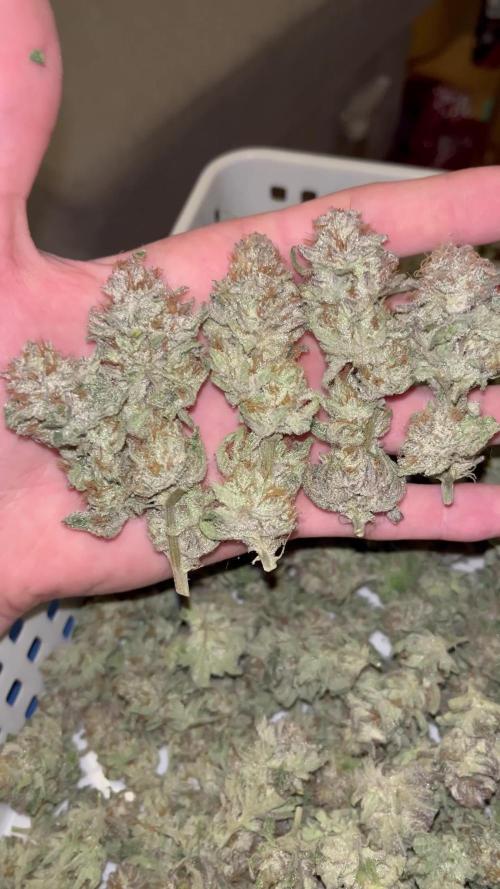
Smell gassy and orangish plant drying now… it’s not as crystallized as my photo period plants but it is frosty got a nice yield of 94 grams dry
Likes
12
Share
@m0use
Follow
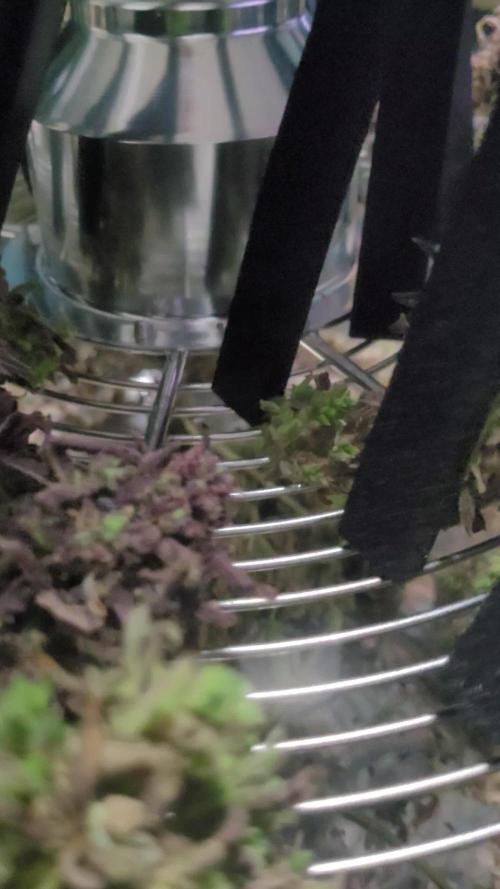
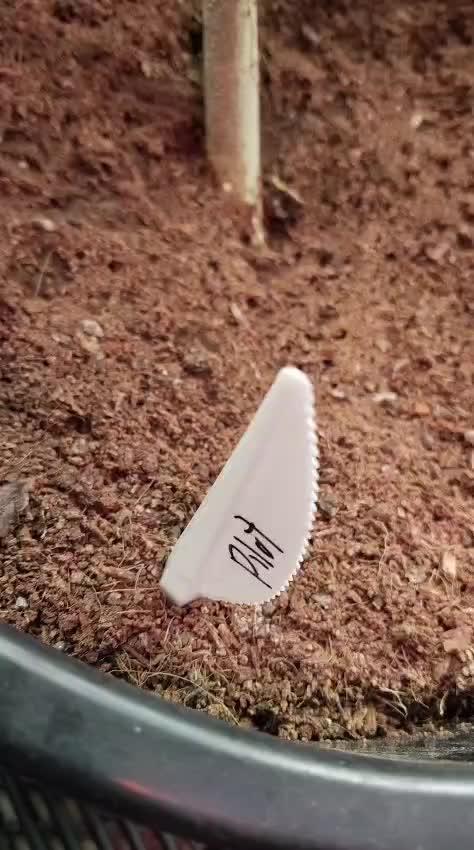
These are the seeds from my auto breeding project earlier this year. That diary link can be found here: https://growdiaries.com/diaries/129779-grow-journal-by-m0use Germinated by scarification of the seed with an emery board then soaking in water for 12hrs, I added in the step of paper towel for another 12hrs then planted outside with Dynomyco in the hole. Watered in with some LABS "Lactic Acid Bacteria Serum [Lactobacillus]" and Transplanter MS-CS RootRescue. They all popped up within a few days after planting outside. They are in a heavy soil and should not need much love outside of a fertilization every month. I ran out of mesh to protect them so bamboo spikes will keep the birds at bay... hopefully. I also have a twin setup of these seeds but in a bucket fortified with acti-sol, they will be running side by side for comparison.
Likes
10
Share
Had a great week. These babies grow slowly but thoroughly. Definitely will be running more.
Likes
5
Share
Likes
21
Share
@TechDCo
Follow
When i run i train with no breaks! Nobody likes a train with-no breaks; coming at you on the tracks! 21/04/2025 TF n her clone 🙄 i have spread the branches out a little ready for flower next week! 22/04/2025 Midday! I have officially switched to 12/12 it's flower time fan'dingos ⏲️ Actually scratch that WITH having a second look, they aren't ready to switch yet. The fan leaves need to be bigger! 3days hopefully from now! 23/04/2025 Midday! TF I Defolled the last of the "half cut" fan leaves that she used during training process. Shes looking upset! Dimmed light back to 306watts That's it! Time to grow bigger leaves and adapt lighting as shes goes and she's in her final form for vegging! Thanks guys for the advice 🙏 1-2weeeks should do it before the switch! I’ve got a strong feeling this one’s goiing to blow up — wayy bigger than the last time I ran this strain. Just looking at where she’s at right now compared to my previous grow, it’s night and day. Last round, I flipped her into Flower at aboout the 5-week mark (265gram yeild i got) and she was noticeably smaller at this stage. This time, though? She’s reallly stavking up early. I'm holdiing off on cranking the lights just yet — currently keeping things underpowered on purpose. As soon as her fan leaves hit that ideal span I’m watching for — nice and wide, signaling she’s ready to really photosynthesize efficiently — I’ll bump the light up to 500 watts. But right now, she’s showing a bit of stress. Doesn’t seem like she’s vibing with something in the environment, maybe a slight imbalance or just needing time to adjust. So I’m letting her settle in before I hit her with more intensity. Thanks Guys for ya help! "I do apologise in advance" It never lets me choose the answers to the grow questions i flick at you guys. But hey guys, ladies, and fellow growies—I'll be switching in a week! Appreciate all the replies and the support, honestly. I’m always torn on decisions and need to get the most out of my medicine yields. In just 4 months, I’ve gone from barely making it up a hill to running a 6-minute mile—no joke. Big thanks to cannabis, and even more so to adding H2O2 into my routine. Every morning I take a tiny 0.005% dose of food-grade 12% hydrogen peroxide, then head out for a run with my dog. I know I’ve been back and forth a lot, unsure of myself, stuck with anxiety and some self-hate I’m still working through. But hey, I’m human. I’ve been living with schizophrenia for 8 years now. All mental illnesses are caused by bacteria/parasites/fungi. But hey 👋 let's not hold grudges; againstthe mentalhealthgovernmentstystem being flawed. But the last 2 years have been different—everything changed when I finally got my dog. She pulled me out of my own head. Looking after her means looking after myself too—no room for slipping. If I’m not well, she feels it, and that’s not fair to her. She's not just my companion—she’s my emotional rock and protector. 24/04/2025 Midday! TF is alot happier after removing the training fan leaves. Increased light: 340watts 25/04/2025 Midday! They have enough food to last 3days to be untouched and undisturbed. The Legend of the 6 Blind Men and the Elephant There once were 6 blind men who, upon encountering an elephant, gave their own indi- vidual assessments of the elephant. The first one happened to fall against the broad and sturdy side of the elephant, and concluded that the elephant is very much like a wall. The second one, feeling the tusk, said the elephant was very much like a spear. The third one happened to take the squirming trunk in his hands, and said the elephant was very much like a snake. The fourth one, reached out and touched the elephant’s knee, and concluded that the elephant is very much like a tree. The fifth one happened to touch the ear, and insisted that the elephant is very much like a fan. And the sixth one seized the swinging tail, and said the elephant is very much like a rope. Each of the blind men was partly right based on his own subjective perception —but at the same time, mostly wrong. The comical part of it all is that their dispute stemmed from utter ignorance because none had ever seen the elephant! The field of medicine, with its compartmentalized theories about what causes disease and how to eradicate it from the human body, actually perceives only a small snapshot of the larger picture, a localized subset of the larger workings of the human body. One would think that because the medical and pharmaceutical industries have grown as large as they have, that we would have less sick people in the world. But the opposite is actually true. There are more sick people in the U.S., for instance, than at any other time in history—not just in actual numbers but as a percentage of the population. This, in no way, is intended to discredit doctors, medical practitioners and institutions that have genuinely good intentions of helping to heal people and eradicate disease. It simply points to an ineffective medical system that is focused on illness rather than wellness, that promotes expensive (i.e., profit-driven), invasive and potentially dangerous (or even deadly) medical procedures, drugs or treatments rather than simple, natural, inexpensive, effective treatments or therapies that have no side effects. There’s a Chinese proverb which says: The superior doctor prevents illness. The mediocre doctor attends to impending sickness. The inferior doctor treats actual illness. According to the above definition, traditional (allo- pathic) doctors are either mediocre or inferior! However, they are so, not necessarily because of their mediocre or inferior dedication to the healing profession, but because all 126 medical schools that provide conventional medical education and training focus on treating actual or impending diseases rather than preventing them. While the majority of drugs prescribed by doctors may seem to provide relief (or so-called “cure”) for a disease, most of them simply relieve symptoms or the pain associated with the disease, but don’t cure the disease. For example, the most popular asthma medications (consisting of inhaled beta-agonists), which relax airway muscles, may help asthma sufferers to breathe easier, but they do NOT cure the condition nor reduce the inflammation in the airways. The drugs that do claim to “cure” an illness by halting the spread of invading germs, such as bacteria and viruses; and by killing cells as they divide or preventing them from multiplying; do so but not without harming the body to some extent. Practically all drugs have side effects: that is, they cause effects (including adverse and serious effects) other than those that are desired. Sometimes, drugs provide relief for one health problem, but in the process, give rise to even more serious health problems. So we take drugs that relieve the symptoms of osteoporosis and in turn, acquire a high risk of breast cancer; and we trade impotence for heart disease; or depression for diabetes; and take a pill for arthritis at the risk of getting a heart attack. There are even drugs that are designed primarily to alleviate the side effects caused by other drugs or medical treatments. And that’s only touching on the side effects of drugs. There are also side effects and serious health consequences that come with medical treatments like surgery, radiation or chemotherapy, for example. And even diagnostic procedures like X-Rays, mammograms and MRIs have their own attendant risks and side effects. Case in Point: Ever since mammograms were introduced, the incidence of ductal carcinoma in situ (DCIS), a type of breast cancer, has increased by 328%! At least 200% of this increase is attributed to the harmful radiation of mam- mograms. Furthermore, mammograms are also thought to help spread existing cancer cells due to the considerable pressure placed on the breast during the procedure. When you consider the prevailing conditions that exist in the medical industry, you begin to see that your best interests are not served by relinquishing total control of your health to doctors, medical establishments or the pharma- ceutical industry. What this means to you is that you must not blindly accept medical advice as the best course of action for your health. Neither should you be deceived by the multi-million dollar advertising campaigns of the pharmaceutical com- panies that promote “medicines” that do not cure and often harm. The Most Essential Element in the Human Body In order to dismantle the complex healing modalities that the medical and pharmaceutical industries have created. —and discover the path to true healing—one needs to take a closer look at the core of human existence. The human body is composed of 70%-80% water—and water is 89% oxygen by weight. Therefore, oxygen comprises 62% to 71% of the body, and is the body’s most abundant and essential element. Ninety (90%) percent of all our biological energy comes from oxygen. It is the essential element that the human body needs in order to not only survive, but also have optimum levels of energy, function properly and become more productive. Consider, for instance, that humans can survive for weeks and even months without food, and live for many days without water. But we cannot survive more than a few minutes without oxygen. It is surprising, therefore, that people find it hard to believe that the very element, which is required by all humans in order to live is also the secret to keeping us disease-free. Medical professionals, in particular, would find the notion of curing virtually all diseases with oxygen rather simplistic, or even lacking merit. The curious thing is that oxygen is already used in medicine. Oxygen supplementation has been used to ease health conditions, such as emphysema and pneumonia that impair the body’s ability to have a sufficient intake of gaseous oxygen. Hyperbaric (high-pressure) oxygen has been used to treat carbon monoxide poisoning, gas gangrene and decompression sickness. Oxygen has also been used for life. support situations and on patients who require mechanical ventilation. Patients on their deathbed who are given extra doses of oxygen are often kept alive long after they would otherwise have died. However, because oxygen has seldom been used in the medical setting as a first line of defense for preventing, let alone “curing” diseases, it has never been accorded its rightful place as the cure for virtually all diseases. The world of science and medicine has always known that oxygen is the basis of human life, without which humans die. This fundamental truth has become so overlaid with centuries’ worth of extraneous matter that its essence has become completely obscured by the ‘Tower of Babel’ created by the field of medicine. This book will provide solid proof that the primary physical cause of all diseases is linked in one way or another to oxygen deficiency. In fact, many of the elaborate (and expensive) therapies offered by organized medicine take advantage of oxygen's effect on diseased cells. Most conventional cancer therapies, for instance, including chemotherapy and radiation therapy, produce oxygen- activated events that kill cancer cells. Another new cancer drug, verteporfin, increases the amount of oxygen within cancerous tumors, and this kills tumors more effectively than radiation alone. Interferon drugs, which are vastly prescribed for the treatment of multiple sclerosis, owe their efficacy to the fact that they raise the body’s oxygen level. One could draw the conclusion that many drugs basically work on the same principle of oxygenation described in this book, but those drugs cost tens of thousands times more than the pennies-a-day self-administered therapy I present herein. Furthermore, the therapy I present does not come with any of the adverse effects typically associated with toxic drugs and other radical medical therapies. In the following chapters, you will discover … • how dozens of AIDS patients have reversed their death sentences and are now living normal lives as a result of this little-known therapy involving oxygen; • how all disease-causing microorganisms, viruses, bacteria, toxins and pathogens are eradicated in the presence of sufficient amounts of oxygen in the blood and cells; • how a great number of diseases ranging from colds and the common flu to malaria and cholera have been cured as far back as 170 years ago in India using this same therapy; • why the handful of U.S. doctors who employ this therapy to cure a wide variety of so-called “incurable” diseases, or endorse the therapy in any way, come under heavy attack by the medical establishment and are threatened with the revo- cation of their medical licenses; and • how you can oxygenate your body using a remarkably simple procedure without the aid of a doctor—and duplicate the spectacular healing results of institutional oxygen therapy at home in one minute or less. Although the fundamental concept behind the one- minute oxygen therapy is based on a centuries-old truth, it has just been rediscovered and repurposed for use in today’s world. As with any newly discovered truth, it must neces- sarily pass through 3 stages: First, it is ridiculed. Then, it is violently opposed. Finally, it is accepted as self-evident. The truth contained in this book is already self-evident to people in many parts of the world. Many people have awakened to the fact that a simple at-home procedure involving an oxygenating substance represents the “cutting edge” of a new healing paradigm. As more people discover this safe, effective, natural and low cost healing modality for treating both minor health problems as well as the most devastating diseases facing mankind today, including AIDS, cancer, heart disease, Alzheimer’s and Parkinson’s disease, it may not only improve the quality of people’s lives but also help to solve our national health care crisis. I’ve written this book in hopes that this therapy will become accepted by more doctors not only in the U.S. but all over the world, and that it will become a valuable part of mainstream medical practice. It is also my vision that more people will take control of their own health and healing by using this therapy, and that we will finally have a world free of virtually all diseases. Welcome H202 Hydrogen Peroxide Food Grade. I'll continue later on!
Likes
10
Share
Extrema producción de tricomas de esta variedad! Gran parte de los frutos lo usaré para extraer rosin, su resina se ve ideal para este propósito. Fragancia exquisita a ponche de fruta dulce, con notas ácidas y un fondo de especias. Como mencioné anteriormente dejaré la parte de la reseña de efectos, sabores y sensaciones para cuando los cogollos estén secos y curados, por ahora solo puedo apreciar lo que mi vista y olfato me permiten captar. Totalmente conforme por la calidad de estas flores y agradecido de los amigos de Sweet Seeds por la confianza. Será hasta la cata entonces, buenos humos!
Likes
90
Share
Germination date 🌱 29/11/2021 Day 77 16/02/2022 Strain 🍁 SinCity seeds Frosted Biscotti (Biscotti Sundae x Whitenightmare) THC% • Unknown 💡 Mars Hydro FC-E6500 • Power draw 650W + 5% • Max coverage 5 x 5 • LED 3978 pcs high quality chips • Max Yield 2.5g / watt • Noise level 0 DB • Removable Driver & Light bars • Daisy chain • Fast cool system https://marshydroled.co.uk/ 🇬🇧 PROMO CODE • (organicnature420) DISCOUNT https://www.mars-hydro.com/ 🇺🇲 PROMO CODE • (ORG420) DISCOUNT 👍🏻 ⛺ Mars Hydro 150 x 150 x 200cm 📤📥 AC infinity 6inch 💧 10lt dehumidifier ❄️ 3.1kw air con system 💉 Nutrients Living soil (dry amendments) Grow Bloom Bloom2 MycoBoost Barley 🌱 Growing Media • Soil Notes 📝 The lefts one running slightly behind. Still some nice frost levels but nothing compared to the Coco ones. Coco is certainly becoming my favourite media to grow in. More expensive but alot faster in growth 🌱💚 Discount codes in bio for Mars hydro
Likes
7
Share
Day 94 Harvesting and making Hash with the cut leaves. 5weeks of veg and 9,5weeks of flowering Pot size 6L
Likes
56
Share
Friday, january29th. Thats Fun.. so much Fun to see them they are entering Week 5 of Flower Both sopped stretching, and reaching the Stage of Bud Bulking The right Plant is abolutely crazy shes 120cm high and showing wonderful upstacking buds The left one is wonderful shaped, is fresh and green and buds are swelling to iam very Pleased with these Girls Next Week we are going to make aPhotoshoot
Likes
3
Share
Purple colors coming in fast. Night temps get pretty low. The lack of nitrogen in feeding is really starting to show. Such potent terpenes from this girl. Super loud smells. Strong gas, sweet cotton candy sugar, cream, new shoe smell, and skunk. Trichome production is insane! The UV light does not disappoint.
Likes
14
Share
The heat stress is always a problem in my grows but now I have a new climatization system that can really help me !
Likes
16
Share
@MrWolfe
Follow
Everything went well, make sure to keep prefilters clean on water lines, doh.
Likes
2
Share
Luz-Aqua-Vida, co2-CreciementoDisfrutalo conmigo. Muchas gracias Enjoy as me. Thanks
Likes
52
Share
Lacewings seemed to have mostly killed themselves by flying into hot light fixtures. I may have left the UV on which was smart of me :) Done very little to combat if anything but make a sea of carcasses, on the bright side its good nutrition for the soil. Made a concoction of ethanol 70%, equal parts water, and cayenne pepper with a couple of squirts of dish soap. Took around an hour of good scrubbing the entire canopy. Worked a lot more effectively and way cheaper. Scorched earth right now, but it seems to have wiped them out almost entirely very pleased. Attempted a "Fudge I Missed" for the topping. So just time to wait and see how it goes. Question? If I attached a plant to two separate pots but it was connected by rootzone, one has a pH of 7.5 ish the other has 4.5. Would the Intelligence of the plant able to dictate each pot separately to uptake the nutrients best suited to pH or would it still try to draw nitrogen from a pot with a pH where nitrogen struggles to uptake? Food for stoner thought experiments! Another was on my mind. What happens when a plant gets too much light? Well, it burns and curls up leaves. That's the heat radiation, let's remove excess heat, now what? I've always read it's just bad, or not good, but when I look for an explanation on a deeper level it's just bad and you shouldn't do it. So I did. How much can a cannabis plant absorb, 40 moles in a day, ok I'll give it 60 moles. 80 nothing bad ever happened. The answer, finally. Oh great........more questions........ Reactive oxygen species (ROS) are molecules capable of independent existence, containing at least one oxygen atom and one or more unpaired electrons. "Sunlight is the essential source of energy for most photosynthetic organisms, yet sunlight in excess of the organism’s photosynthetic capacity can generate reactive oxygen species (ROS) that lead to cellular damage. To avoid damage, plants respond to high light (HL) by activating photophysical pathways that safely convert excess energy to heat, which is known as nonphotochemical quenching (NPQ) (Rochaix, 2014). While NPQ allows for healthy growth, it also limits the overall photosynthetic efficiency under many conditions. If NPQ were optimized for biomass, yields would improve dramatically, potentially by up to 30% (Kromdijk et al., 2016; Zhu et al., 2010). However, critical information to guide optimization is still lacking, including the molecular origin of NPQ and the mechanism of regulation." What I found most interesting was research pointing out that pH is linked to this defense mechanism. The organism can better facilitate "quenching" when oversaturated with light in a low pH. Now I Know during photosynthesis plants naturally produce exudates (chemicals that are secreted through their roots). Do they have the ability to alter pH themselves using these excretions? Or is that done by the beneficial bacteria? If I can prevent reactive oxygen species from causing damage by "too much light". The extra water needed to keep this level of burn cooled though, I must learn to crawl before I can run. Reactive oxygen species (ROS) are key signaling molecules that enable cells to rapidly respond to different stimuli. In plants, ROS plays a crucial role in abiotic and biotic stress sensing, integration of different environmental signals, and activation of stress-response networks, thus contributing to the establishment of defense mechanisms and plant resilience. Recent advances in the study of ROS signaling in plants include the identification of ROS receptors and key regulatory hubs that connect ROS signaling with other important stress-response signal transduction pathways and hormones, as well as new roles for ROS in organelle-to-organelle and cell-to-cell signaling. Our understanding of how ROS are regulated in cells by balancing production, scavenging, and transport has also increased. In this Review, we discuss these promising developments and how they might be used to increase plant resilience to environmental stress. Temperature stress is one of the major abiotic stresses that adversely affect agricultural productivity worldwide. Temperatures beyond a plant's physiological optimum can trigger significant physiological and biochemical perturbations, reducing plant growth and tolerance to stress. Improving a plant's tolerance to these temperature fluctuations requires a deep understanding of its responses to environmental change. To adapt to temperature fluctuations, plants tailor their acclimatory signal transduction events, specifically, cellular redox state, that are governed by plant hormones, reactive oxygen species (ROS) regulatory systems, and other molecular components. The role of ROS in plants as important signaling molecules during stress acclimation has recently been established. Here, hormone-triggered ROS produced by NADPH oxidases, feedback regulation, and integrated signaling events during temperature stress activate stress-response pathways and induce acclimation or defense mechanisms. At the other extreme, excess ROS accumulation, following temperature-induced oxidative stress, can have negative consequences on plant growth and stress acclimation. The excessive ROS is regulated by the ROS scavenging system, which subsequently promotes plant tolerance. All these signaling events, including crosstalk between hormones and ROS, modify the plant's transcriptomic, metabolomic, and biochemical states and promote plant acclimation, tolerance, and survival. Here, we provide a comprehensive review of the ROS, hormones, and their joint role in shaping a plant's responses to high and low temperatures, and we conclude by outlining hormone/ROS-regulated plant-responsive strategies for developing stress-tolerant crops to combat temperature changes. Onward upward for now. Next! Adenosine triphosphate (ATP) is an energy-carrying molecule known as "the energy currency of life" or "the fuel of life," because it's the universal energy source for all living cells.1 Every living organism consists of cells that rely on ATP for their energy needs. ATP is made by converting the food we eat into energy. It's an essential building block for all life forms. Without ATP, cells wouldn't have the fuel or power to perform functions necessary to stay alive, and they would eventually die. All forms of life rely on ATP to do the things they must do to survive.2 ATP is made of a nitrogen base (adenine) and a sugar molecule (ribose), which create adenosine, plus three phosphate molecules. If adenosine only has one phosphate molecule, it’s called adenosine monophosphate (AMP). If it has two phosphates, it’s called adenosine diphosphate (ADP). Although adenosine is a fundamental part of ATP, when it comes to providing energy to a cell and fueling cellular processes, the phosphate molecules are what really matter. The most energy-loaded composition for adenosine is ATP, which has three phosphates.3 ATP was first discovered in the 1920s. In 1929, Karl Lohmann—a German chemist studying muscle contractions—isolated what we now call adenosine triphosphate in a laboratory. At the time, Lohmann called ATP by a different name. It wasn't until a decade later, in 1939, that Nobel Prize–-winner Fritz Lipmann established that ATP is the universal carrier of energy in all living cells and coined the term "energy-rich phosphate bonds."45 Lipmann focused on phosphate bonds as the key to ATP being the universal energy source for all living cells, because adenosine triphosphate releases energy when one of its three phosphate bonds breaks off to form ADP. ATP is a high-energy molecule with three phosphate bonds; ADP is low-energy with only two phosphate bonds. The Twos and Threes of ATP and ADP Adenosine triphosphate (ATP) becomes adenosine diphosphate (ADP) when one of its three phosphate molecules breaks free and releases energy (“tri” means “three,” while “di” means “two”). Conversely, ADP becomes ATP when a phosphate molecule is added. As part of an ongoing energy cycle, ADP is constantly recycled back into ATP.3 Much like a rechargeable battery with a fluctuating state of charge, ATP represents a fully charged battery, and ADP represents a "low-power mode." Every time a fully charged ATP molecule loses a phosphate bond, it becomes ADP; energy is released via the process of ATP becoming ADP. On the flip side, when a phosphate bond is added, ADP becomes ATP. When ADP becomes ATP, what was previously a low-charged energy adenosine molecule (ADP) becomes fully charged ATP. This energy-creation and energy-depletion cycle happens time and time again, much like your smartphone battery can be recharged countless times during its lifespan. The human body uses molecules held in the fats, proteins, and carbohydrates we eat or drink as sources of energy to make ATP. This happens through a process called hydrolysis . After food is digested, it's synthesized into glucose, which is a form of sugar. Glucose is the main source of fuel that our cells' mitochondria use to convert caloric energy from food into ATP, which is an energy form that can be used by cells. ATP is made via a process called cellular respiration that occurs in the mitochondria of a cell. Mitochondria are tiny subunits within a cell that specialize in extracting energy from the foods we eat and converting it into ATP. Mitochondria can convert glucose into ATP via two different types of cellular respiration: Aerobic (with oxygen) Anaerobic (without oxygen) Aerobic cellular respiration transforms glucose into ATP in a three-step process, as follows: Step 1: Glycolysis Step 2: The Krebs cycle (also called the citric acid cycle) Step 3: Electron transport chain During glycolysis, glucose (i.e., sugar) from food sources is broken down into pyruvate molecules. This is followed by the Krebs cycle, which is an aerobic process that uses oxygen to finish breaking down sugar and harnesses energy into electron carriers that fuel the synthesis of ATP. Lastly, the electron transport chain (ETC) pumps positively charged protons that drive ATP production throughout the mitochondria’s inner membrane.2 ATP can also be produced without oxygen (i.e., anaerobic), which is something plants, algae, and some bacteria do by converting the energy held in sunlight into energy that can be used by a cell via photosynthesis. Anaerobic exercise means that your body is working out "without oxygen." Anaerobic glycolysis occurs in human cells when there isn't enough oxygen available during an anaerobic workout. If no oxygen is present during cellular respiration, pyruvate can't enter the Krebs cycle and is oxidized into lactic acid. In the absence of oxygen, lactic acid fermentation makes ATP anaerobically. The burning sensation you feel in your muscles when you're huffing and puffing during anaerobic high-intensity interval training (HIIT) that maxes out your aerobic capacity or during a strenuous weight-lifting workout is lactic acid, which is used to make ATP via anaerobic glycolysis. During aerobic exercise, mitochondria have enough oxygen to make ATP aerobically. However, when you're out of breath and your cells don’t have enough oxygen to perform cellular respiration aerobically, the process can still happen anaerobically, but it creates a temporary burning sensation in your skeletal muscles. Why ATP Is So Important? ATP is essential for life and makes it possible for us to do the things we do. Without ATP, cells wouldn't be able to use the energy held in food to fuel cellular processes, and an organism couldn't stay alive. As a real-world example, when a car runs out of gas and is parked on the side of the road, the only thing that will make the car drivable again is putting some gasoline back in the tank. For all living cells, ATP is like the gas in a car's fuel tank. Without ATP, cells wouldn't have a source of usable energy, and the organism would die. Eating a well-balanced diet and staying hydrated should give your body all the resources it needs to produce plenty of ATP. Although some athletes may slightly improve their performance by taking supplements or ergonomic aids designed to increase ATP production, it's debatable that oral adenosine triphosphate supplementation actually increases energy. An average cell in the human body uses about 10 million ATP molecules per second and can recycle all of its ATP in less than a minute. Over 24 hours, the human body turns over its weight in ATP. You can last weeks without food. You can last days without water. You can last minutes without oxygen. You can last 16 seconds at most without ATP. Food amounts to one-third of ATP production within the human body.
Likes
11
Share
@PanGrower
Follow
I have now installed osmosis, the water after it is 15 PPM. Fertilizer added 100% 2 weeks of vega, and finally ppm 730
Likes
27
Share
Esos fumetillas, que ya ando por aquí, que las mudanzas son mu largas, pero todo acaba y ya al 100%. Germine en que estuve estable 4 do sweet dos de sweetseeds, un híbrido que bien cultivado es increíble, tanto de sabor como de colocón, no os quiero adelantar mucho os dejo por aquí la información de la primera semana. . El ph lo tenemos en 5.8 la humedad ronda los 70/80% y la temperatura está entre 22/24 grados. Bien controlado en su primera semana de vida. . La alimentación de la gama agrobeta. 0,5 ml x L Piramid , vía radicular. 0,5 ml x L Growth black line , vía radicular. 0,1 gr x L Cancerbero , vía radicular. 0,1 ml x L Tucán , vía radicular. 0.1 ml x L Flash Root , vía radicular. 0,4 ml x L Great Green , vía foliar. Son las cantidades exactas las cuales aplico 1 vez por semana. . Soy el primero que está deseando ver cómo florece, y se que todavía queda unas semanas, pero poco a poco lograremos el objetivo, buenos humos fumetillas 💨💨💨
Processing
Likes
6
Share
@Treemos
Follow
Hi guys, sorry if I posted this week so late, but I was sooo busy! This week, I began to give two first doses of Flawless Finish, to start clean the soil (and unlock Indra from its nutrient burn). Aurora is growing really great, has a powerful smell and a white color when I get photo of her at night 😍 Indra began to grow again, after the use of Flawless Finish, the flowers are getting bigger and the smell is growing day by day, I will post her trichomes the next week! Enjoy the photos guys, and thank you all for the help :)
Likes
18
Share
Do Si Dos is one of Zamnesia's favorite strains, this time we grew it in the F1 Hybrid Automatic version and we have two plants. The one you see in most of the photos that was worked with a main lining and due to its characteristics of low internodal distance and the slightly cold climate it remained in Bonsai style. It will not be a huge production but from the structure and the start of flowering we are ready to bet that it will be beautiful. Of the other one left to grow straight I will only put a few photos in the growbox and as soon as it is ready however it will have the full service like the others, the plants worked with the techniques have stolen a bit of the scene from the plants left to grow straight which are obviously finishing a bit earlier. We are still using soil, fertilizers and all the additives recommended by Plagron 100% organic. We are still in the early flowering program that maintains the same additives Power Roots, Sugar Royal, Pure Zym and adds the flowering stimulant Power Buds. Of course the basic fertilizer is now Alga Bloom. The Green Sensation hero of the end of flowering will arrive and at the same time it will be time to remove power roots and a week later the enzymes. ---- Decide on the right soil and calculate your feeding schedule based on the soil on the official website. -- www.plagron.com Try a seed of this strain that drives us crazy.. ---- https://www.zamnesia.io/en/10664-zamnesia-seeds-do-si-dos-f1-automatic.html Zamnesia Description // From the team at Zamnesia Seeds comes Do-Si-Dos F1 Automatic. Using consistent and reliable F1 genetics, this strain is not only incredibly easy to grow, but also offers potent and delicious buds. The plants remain small and offer a reliable growing experience that everyone will appreciate. All the best that mother nature has to offer is at ---- www.zamnesia.com