







Likes
8
Share


@midEastern
Follow
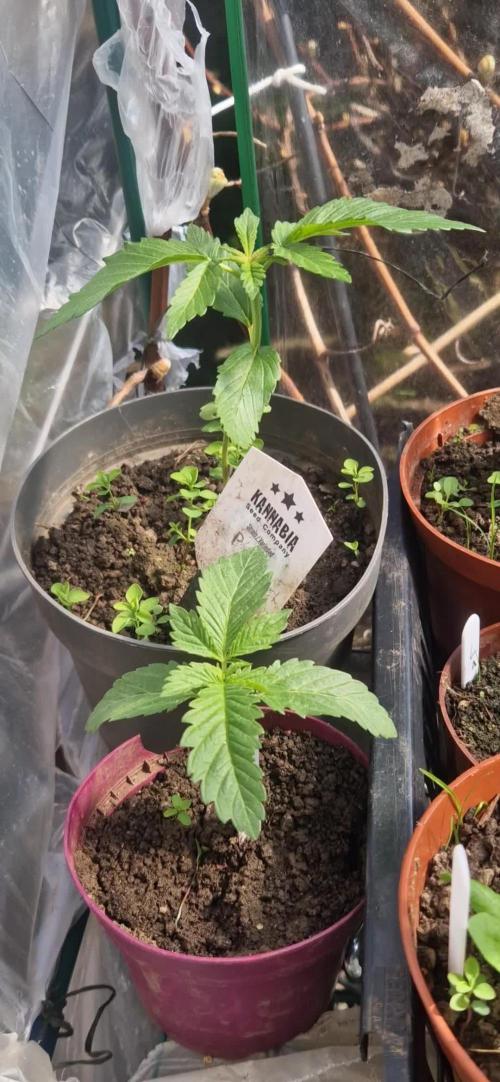
Look how sophisticated plants are.
I took 3 snapshots from my grow room during dark period and put them into a short 3 frame video.
my plants were introduced to 12-12 just a few days ago.
first frame is 1 hour after lights out
second frame is 7 hours after lights out
third last frame is 1 before lights turn on.
Look how plant know when light is about to turn - the leaves lift as it gets closer to the end of 12 hours of dark.
Do not pay attention to timestamps - its wrong
its just 6 days of 12-12 and they already adjusted to that.....i think its amazing.

Likes
3
Share

@Black_Widow
Follow
Привет садоводы и огородники !!!
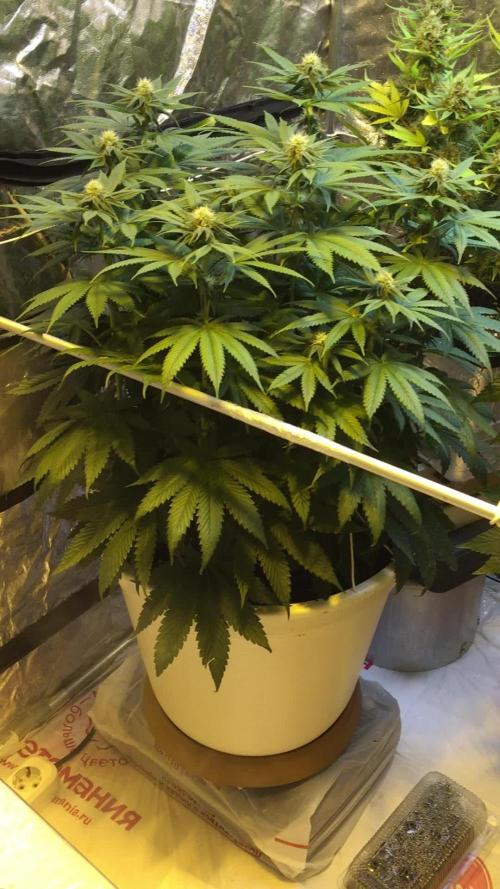
Прошло примерно 10 дней после смены светового режима
и подруга гидропоника зацвела
она выросла крупной девочкой . даже интересно что будет через пару месяцев
при зацветании растение очень много потребляло воды и питательных веществ
постоянно падал ppm показатель
приходилось добавлять новый раствор , делая его крепче
но сейчас в конце дня измерения ppm поднимаются и я выравниваю его ,добавляя обычную воду
и очень интересно , что ph остается нейтральный около 7 и кажется растение это вполне устраивает
не нужно постоянно подливать кислоту , что-бы держать ph на отметке 5,5
Вот такие дела
буду дальше наблюдать и ухаживать за цветами

Likes
165
Share


@Hologram
Follow
Not much to say than to sing:
I am the god of hell fire and i bring you: FIRE!!❤️🔥
♫⋆。♪ ₊˚♬ ゚.
happy growing for all✊
***KISS!growingtechnique: KeepItSimple, Stupid!
(think 2weex she is ready to BURN!😋)

Likes
2
Share


@BasedBuds_89
Follow
This baby is looking so good, I'll be pulling her in a week. She's COVERED in nugs and has a very fruity nutty smell. Beautiful.

Likes
35
Share


@Hiroots420
Follow
08/06/2021 (F DAY 11)
Comenzando la segunda semana de 12/12 el alargamiento ya se puede observar, como siempre las pomelo tienden a estirarse mas y tiene una estructura muy poco ramificada! digna de una buena sativa.
Las Sweet Cheese vienen creciendo a pasos agigantados!
Todas las plantas ya mostraron sus sexos y están listas para su flora.
10/06/2021 (F DAY 13)
Se incorporan 180W de Citizen mas, quedando en 360W totales!
Las plantas ya comienzan a estirarse y a mostrar más pelos!

Likes
4
Share


@Tragic
Follow
First week in flower ended with some training yesterday and a feeding.
I've been focusing on more regular feedings at smaller amounts and she has responded well.
Her stalk is getting massive and she's recovered from a slight N deficiency 1 week prior to going into flower.
---------------
Week 2 was just feeding and regularly rotating the plant. Doubled in size over the week and about 2 weeks shy of next defoliation.
She is starting to become more fragrant and she's drinking up water pretty quick I water about .5gal every day at the moment feeding smaller amounts but more frequently.
----------
Week 3 was a regular feeding schedule and some defoliation.
Likes
7
Share

@Relentless-Pressure
Follow
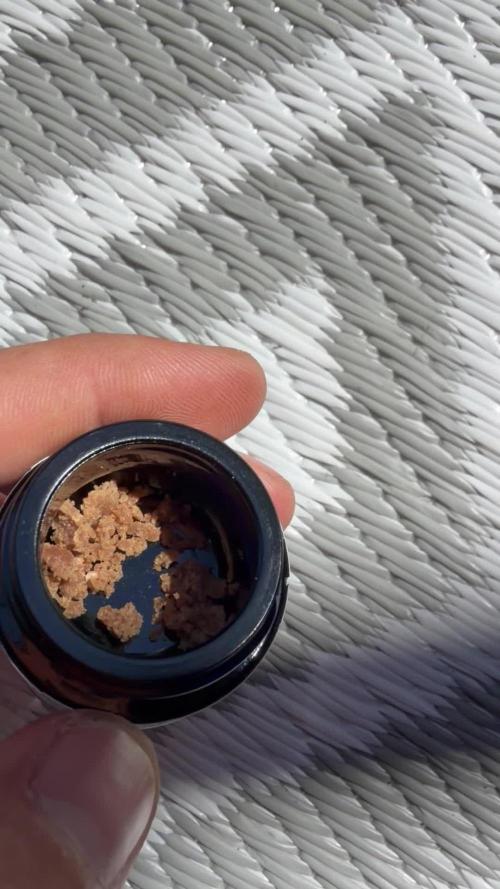
Buds von Pheno #1 (Tribute•D•Cut) mein absoluter Favorit wenns um die reinen Blüten geht haptik terps appeal 1a !
Folgen in kürze,in ein paar Tagen wenn sie ca 20 Tage curen konnte,werde ich ein paar meiner Favorit Buds von dem cut hochladen!
Ich brauch viel mehr Platz Grow diaries um die schönsten hochzuladen 🤣🤣🤣

Likes
5
Share


@Ninjabuds
Follow
Hey there it’s been really cold lately it’s been hard to keep the humidity and temps at a decent range. A lot of the plants are showing stress from the environment.
The pound cake auto is doing pretty well it has gotten a lot larger. This morning I finally saw some small pre flower hairs coming from the main stem. Also the stems in the plant seem to be starting to stench. So 90% sure buy the end of the week the plant will really be showing signs of flowering. Well just saying it’s flowing now. From what I see online this strain takes along time to switch to flower compared to lots of auto flower strains. This would be a perfect strain if you wanted to main line

Likes
30
Share


@valiotoro
Follow
Week 9🤓!!
Im entering in the last PuSsSh
Green ZenZaaation💥
FCE-6500 100% + adlite UV IR deep red🔛
Happy growing💚
Processing
Likes
12
Share


@2Stones1Bird
Follow
Checkout my Instagram @smallbudz to see the Small budget grow setup for indoor use, low watt, low heat, low noise, step by step.
13/12/2019 - Change the light schedule to 12-12h after 8 weeks of no signs of flowering I think is a photo not and auto.
16/12/2019 - Fed her 1.5l of 6.5PH water with 0,5ml of each: Grow, Bloom and Max, and 1ml of each: Heaven, Alga-mic and Vera, noticed about 10% run off, I use about 1/3 of the nutrient dosage on the chart, to achieve about 200/300PPM (500 scale).
17/12/2019 - Did some defoliation on the lower branches mainly.

Likes
6
Share


@ReggaeShark_420
Follow
Day 92 for this girl. Sorrie for the late update, had a little vacation. One thing about this girl is the heat is too much for he. A hps light with 30 degrees outside everyday gets tuff to bring it down. But she is going on well strong, wil be cutting her sycle short because no one wil be home this december. Next wil start the flush then hope she does well till then🔥 sofar, looking good by surviving the conditions
Likes
1
Share


@GaliforniaWeeds
Follow
Día 5/10/20 día 29 de floración
Acaba de amanecer un nuevo día y todo continúa bien. Seguimos alimentando las nenas con 1,6 de ec y 6,1 de ph. De momento el engorde no es abrumador pero si constante y si nada cambia obtendremos unas buenas flores!!
Día 7/10/20 día 31 de floración
Hoy nos vemos forzados a retirar algunas hojas que tapaban demasiada luz y que podríamos considerar sumideros de nutrientes. Por otro lado el riego de hoy ha sido solo de agua más zyco kleanse así prevenimos la sobrefertilizacion.
Día 9/10/20 día 33 de floración
Hoy preparamos un nuevo tanke de nutrición y lo hacemos a 1,75 de ec y a 6,1 de ph. En los siguientes días observaremos cómo se adaptan a esta nutrición x si tenemos que realizar cambios. No te lo pierdas!!
Día 11/10/20 día 35 de floración
Hoy te reina la semana 5 de floración y lo hacemos preparando un nuevo tanque de nutrición con el tanque totalmente limpio. La solución está a 1.8 ec, 6.1 ph y a 20 grados. La temperatura de la sala se mantiene a 23 6 la humedad al 47% para evitar la aparición de hongos en sus últimos días de maduración , algo que se puede apreciar en el avance de sus flores. No te lo pierdas!!
Likes
6
Share


Processing
Likes
22
Share


@CenturionGrower
Follow
02/08/20 (Sunday)
9AM - Continuing off of the great progress of last week I decided to take the initiative and attempt 'repairs' to the photosynthesis of my plants with compromised leaves using surgical tape. Unfortunately after one too many readjustments on one of the first true leaves of the SVG I caused some minor lacerations on the leaf; it should be fine though.
11AM - All four plants were fed.
5PM - I decided that it would be more beneficial to just defoliate the first true leaves and start lst on the SVG so it'll have a little more energy to grow the tops. Left the top leaf on the abandoned original stem to help with photosynthesis and not over stress the plant all at once.
03/08/20
The SVG seems to have responded positively to the training and is growing rapidly.
04/08/20
Had an exhausting day yesterday and fell asleep before I could turn off the grow light leading to the plants getting 24+ hours of continuous light. None seemed to be stressed and were immediately put to sleep for 6 hours before continuing their light cycle with a shorter day so they'd fall back on schedule.
05/08/20
The plants enjoyed a new record of 10 hours in the sunlight and are starting to look ready to stay outside for the entire day. Noticed one fan leaf on the Jam had evidence of leaf miners and decided to remove it to free up wasted energy for the plant.
06/08/20
More leaves are showing signs of miner activity so I feel it may be time to start considering an early topping.
07/08/20
I decided to do an early top on all single cola plants at their third from the bottom 3+ leaf node to help control the miner problem. Considering keeping the plants as indoor instead because pests seem to be targeting them in my gallery garden, but none of my other species of plants. Took some advice and squeezed all the leaves on the Jam to kill the leaf miners.
08/08/20
All leaf miner progress seems to have been halted.
Likes
22
Share


@donovanliam
Follow
Pretty happy with the growth. Not sure if i should prune or let do it thing. Space isn't a problem so it doesnt need to be tight.

Likes
24
Share


@DeepRootsGrowTrees
Follow
COLOMBIAN JACK by KANNABIA
Week #19 Overall
Week #8 Flower
This week she's still doing good buds are starting to get nice structure to them good trichome coverage she about half way through flower!!
Stay Growing!!
Kannabia.com
COLOMBIAN JACK


Processing
Likes
9
Share


@Northerngarden85
Follow
Another good week
Everything is going to plan
Only slight issue we come across was
Temp drop in lights off period in the small tent we just got another gas environ controller 👌👌 problem solved
But apart from that everything is spot on
Likes
21
Share


@Wrongholn519
Follow
It's been another easy week in the Fastbuds tent. I've spent most my energy preparing my outdoor grow space for a wild summer. At this point, there's not much I can do except water and watch my plants grow. I've added videos of other plants in relations to the mimosa cake just for visual aid. I also added a photo of my cheese auto.. it's still drying!
With the Mimosa cake auto I've been taking fan leaves off slowly for weeks now. This is a very busy plant. She is also going to run later than I expected. She's on day 76 and I suspect 95 to 100 days to finish time. I'll have to keel feeding her bloom nutes for the next few weeks; her 3 gallon bucket ran out of nutrients already.
Feeding schedule: water, feed, water, feed
Step 1- I'll take an aeration stone and use it to remove the chlorine residual in the water... this only takes 8 - 12 hours depending on water temperature. (I'm a water treatment process operator, I have checked several times in the past with my own Cl2 meters).
Step 2 - add Calmag
Step 3- add bloom nutes
Final step - pH the water accordingly (very important that this is final step)
A TDS residual of 500 ppm equals roughly 1 E.C. (I just double it)