





Likes
16
Share


@GrowerGaz
Follow
Still defoliating and lollipop , forgot how easy it can be with a good mineral nutrients.


Likes
7
Share


@StickyFingah420
Follow
Día 73 desde su nacimiento y ya se ha dejado de abonar hace un par de días para obtener resultados más limpios de residuos.
El progreso está a la vista, flores muy densas que estaban doblando todas las ramas de esta planta por lo que tuve que agarrarla para ayudarlas a soportar el peso.
El nivel de tricomas es impresionante y desprende una fragancia dulce bastante agradables por toda la casa.
BUENOS HUMOS! 👽


Likes
2
Share


@ao_grows1978
Follow
Week 2 for the solo Afghani went smooth. Looked a little slow to develop her first proper set of leaves, but the root development should help speed up her progression. Still feeding off the slow release 444 and is now regularly drinking about 2oz of water every other day. I also spritz the bottom of the outer cup to keep moisture levels high for stretching roots. She's about 36" from the light. Hoping to get a little stretch to make training easier. Added a couple new pics to get the week caught up. Stay tuned, week 3 starts training.
Likes
223
Share


@Tropicannibis_Todd
Follow
💩Holy Crap We Are Back At It And Loving It💩
Growmies we are at DAY 56 and she's just killing💀it👌
The Gorilla Punch Is Amazing 👏 But so is the OG
👉We are in full flowering mode for the👈 OG 👍 GP 👍 the AF was the hold out but shes finally went into flowering👈
So Shit , I gave them just a tad to much nutes at the start feeding 👈 But I have since fixed it
So I'm still doing some low stress training 🙃 and some defolation 😳
Lights being readjusted and chart updated .........👍rain water to be used entire growth👈
👉I used NutriNPK for nutrients for my grows and welcome anyone to give them a try .👈
👉 www.nutrinpk.com 👈
NutriNPK Cal MAG 14-0-14
NutriNPK Grow 28-14-14
NutriNPK Bloom 8-20-30
NutriNPK Bloom Booster 0-52-34
I GOT MULTIPLE DIARIES ON THE GO 😱 please check them out 😎
👉THANKS FOR TAKING THE TIME TO GO OVER MY DIARIES 👈
Likes
3
Share


@kingcola384
Follow
Here in week 5 she starting to produce little Budlets she's moving fast I'll reamend the soil with some Earth Juice dry nutrients for bloom she gets worm castings Cal Mag and hybrix molasses once a week during this week I'll also drop the light to 20 inches

Likes
7
Share

@StickyFingah420
Follow
Hace un par de días le he dejado de dar nutrientes y he suspendido todo tipo de alimentación para terminar con una cosecha más limpia.
Ahora solo toca ir aumentando el volumen de riego e intercalar los riegos de agua sola y enzimas para aprovechar todo el alimento que pueda quedar en el sustrato y así lograr la cenecencia.
Likes
4
Share


@S2993
Follow
the bud sites are getting lots of white hairs and are growing quite big almost too fast.


Likes
16
Share


@eldruida_lamota
Follow
Vamos familia, hora de cosechar estas gorilla de RoyalQueenSeeds.
No veáis que pinta que tienen las flores están bien formadas y repletas de tricomas.
Estoy deseando probarlas.
El problema han sido las temperaturas las últimas semanas que excedieron los 30 grados.
Aun así salió todo para alante
Agrobeta:
https://www.agrobeta.com/agrobetatiendaonline/36-abonos-canamo
Mars hydro:
Code discount: EL420
https://www.mars-hydro.com/
Hasta aquí es todo , espero que lo disfrutéis, buenos humos 💨💨.

Likes
19
Share


@Duendedelparque
Follow
Pues han salido las 4 , 100% de efectividad. Hoy voy a cambiar ya a tiestos de 2 gal. A ver qué tal empiezan esta nueva semana después del transplante. Buenos humos a tod@s

Likes
12
Share


@SpliffDoc
Follow
The aroma is definitely fully developing now, I'm getting more green apple smell with a creamy sweetness, it's hard to describe 😂
I've started to taper off the nutrients in the past few days, in the next couple of days I'm going to start watering with plain water until the end. Trichomes are getting cloudy.
She is fattening up nicely and she seems to just keep piling on the weight, buds are looking dense. Not long now, probably about 2 weeks give or take 👌🏻🏻💚 have a good weekend, stay high ...
Likes
29
Share


@Spliffing_Around
Follow
Only 6 left. These one I just don’t want to snap without them being completely ready and even a bit over as you can see with Tangie dream. But the taste is amazing after trying it with the plants that already dried.

Likes
24
Share


@Lukush
Follow
Hey growmies all is good and mi baby girls are loving life!!
Gonna start giving them some nuts in a couple days 👍
Thanks for passing along have a good one growmies.
Check out the sp 6500 on the MH site👍💪https://marshydro.eu/products/mars-hydro-sp-6500-led-grow-light/
SP6500, as one of the huge single bar LED grow lights, installed with top quality Samsung LM301B diodes, designed with enhanced red in broad-spectrum light, emits the highest central PPF and has the superb penetration that its major applications are for high-wire plants and greenhouses.
Wattage – 650w
Veg Coverage – 4×5 ft
Flower Coverage – 3×5 ft
Featuring a thick aluminium passive heat sink and densely arranged chips, the SP Series provides high efficacy but low heat output while minimizing obstruction to natural LIGHT!

Likes
3
Share


@DoctorP
Follow
looking well but i think she could have a little more resin production at this stage, currently going in to week 6.
any tips would be helpful, im already pumping co2 in there above the plant so it falls down, under a 200w attis lumatek led. (will upgrade next grow) ... the old co2 pack behind the plant is empty and old just not removed 🤣
thanks :)

Likes
7
Share
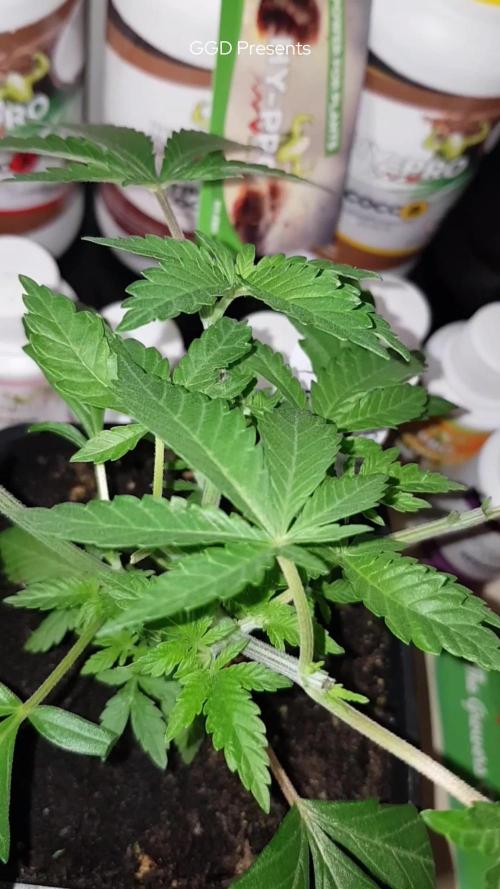

@GERGrowDesigns
Follow
Welcome to Veg Week 3 of SuperStrains OreoZ
I'm excited to share my grow journey with you from my
SuperStrains Project . It's going to be an incredible ride, full of learning, growing, and connecting with fellow growers from all around the world!
For this Project , I’ve chosen the Feminized Photo Strain OreoZ:
Here’s what I’m working with:
• 🌱 Tent: 120x60x80
• 🧑🌾 Breeder Company: SuperStrains
• 💧 Humidity Range: 60
• ⏳ Flowering Time: 8-9 Weeks
• Strain Info: 22%THC
• 🌡️ Temperature: 26
• 🍵 Pot Size: 0.1
• Nutrient Brand: Hy-Pro
• ⚡ Lights : 600W x 2
A huge thank you to SuperStrains for allowing me to try my Best with this amazing collection from Photo Strains they managed to Sponsore side by side with theyre Hy-Pro Nutriets . Big thanks for supporting the grower community worldwide! Your genetics and passion speak for themselves!
I would truly appreciate every bit of feedback, help, questions, or discussions – and of course, your likes and interactions mean the world to me as I try to stand out in this exciting competition!
Let’s grow together – and don’t forget to stop by again to see the latest updates!
Happy growing!
Stay lifted and stay curious!
Peace & Buds!
Likes
7
Share


@BigUncGotGaz
Follow
Day 56 Veg from Seed
Crazy what a scrog method could do in just 1 week 🔥
Definitely going to preform this method again in my future grows.
Today was the last day of veg I prep my reservoir for flowering stage (nutrients mix with 5Gal spring water) and flip my lights to 12/12
Also collected a few clones from each plant giving me the opportunity for a mother plant or 2 then have a full run in the near future ⛽️

Likes
13
Share


@Rangaku
Follow
Changed to 12-12 a week ago and she’s into the stretch fully , I’ll need to defol and remove some lower branches and tie it down some more next week . Very stable genetics handling hot temps in her stride . You can already taste the orange when chewing on the leaves , can’t wait for this one to be getting smoked

Likes
13
Share


@Robeeriegenetics
Follow
Week 13 not a bad week if I do say so my self …guna tie down this week and begin spraying silver thiosulfate on donor plants then next week I’ll throw the donor plants into flower and begin the actual breeding project …which ever specimen reverses first shall be collected and used to pollinate which ever one doesnt will be killed and removed acord
Likes
4
Share


@Purkle
Follow
Thats week 6 of flower in the bag. 3 (maybe 4) go!
I wont lie I have been visiting the tent more often these days thanks to the beautiful aroma tempting me to have a look at their progress.
The last 24 hours has been quite satisfying for me because the bud growth is now steaming ahead. I wish I had taken photos last night but I showed the girls to a friend yesterday and we could see all the bud sites peeking through but when I checked on them this afternoon the buds are exploding through with vigor!
Ive taken another video and a fair few bud shots but next week I will be taking more photos to show you more than just top bud growth as these girls are stacking up!
Ive always been really envious of other growers who top their plants multiple times and take the time to ensure the canopy is as level as possible but Im quite proud of my girls canopy and multiple top colas!
Anyway, so all I have been doing is continuing with a water and seaweed extract feed, still about 5litres each and they had their last top amendment feed last weed which will last them to the end now and I want them to use up as much of the nutrients available in the soil before I start flushing in the next couple of weeks.
For anyone reading who doesnt know about flushing, Ill explain.
Flushing is a technique used by growers to get rid of as much of the added nutrients in the medium by 'flushing' around 3 times the volume of the pot the plant is growing in with normal tap water (ensuring the water is at the right PH). Essentially you want to flush the plant in 3 batches so that the medium has time to settle between each flush ensuring you get all the nutrients and minerals out of the medium. You will notice that the run off will get lighter and lighter with each batch of flushing which is the nutrients being flushed out.
We do this so that the plant is forced to use its own nutrients which in turn I have found also fattens up the buds. This is the time when you start to notice a change of colour in your plants as they start to use up the nutrients stored in the leaves. Dont panic as these deficiencies are just a sign that the nutrients are being used up and you will end up with bud that will dry better and be less prone to mold issues as well as a smoother smoke and better terpene profiles.
Just look at that frost...
Thats it for this week!
✌️

Likes
2
Share


@Albanymedicinalgarden
Follow
Skywalker putting on tons of frost and seems to be happy with the status quo so no more compost teas for her. Starting to have a distinct Kush scent filling the tent now. In the future I’d probably LST this from the start to increase yields but other than some defoliation throughout, I haven’t done any training which has been nice.
Blueberry impressed me with the size of the buds starting to form. Signs of frost for sure. Not very aromatic yet at this point. Stem rub is a different story. She has been showing some signs of calcium/mag deficiency in some of the leaves which seemed to improve with top dressing/Recharge. Been drinking a steady liter minimum daily
Glueberry OG continues to explode in growth. I’ve done quite a bit of defoliation to keep tops exposed and it has bounced back quick each time. I can see why this would be a fun strain outdoors, as it is slowly taking up a solid 4 square ft of the tent. I may end up finishing this outdoors depending on its desire to consume the canopy space. Due to the longer flower period, I’ll keep up with compost teas to support all that growth. So far, it seems to be working
Week ended 7/20

