


@CrazyRussian
Follow
Another week just passed. I have reduced the main flowering nutrient by 1ml, because I’ve introduced Plagron Green Sensation as an additional flowering nutrient. This thing increases your yield incredibly! If you start looking at bud formations starting this week, you will notice significant changes.



@Philhsy
Follow
🍬 Guava Runtz Auto – Week 3 Update
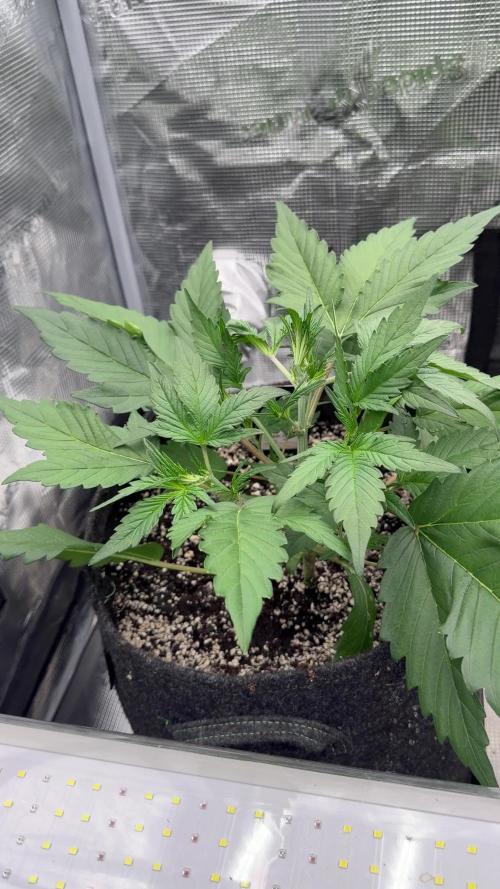
Week 3 and Guava Runtz is making great progress! 🌱
This week she received a light feeding at around half strength, and the plant has responded exactly as hoped. Growth has remained steady, the leaves are a healthy green, and new shoots are developing nicely throughout the canopy.
The structure is becoming more defined each day, with strong side branching and a compact, bushy shape that should set her up well for the upcoming stretch. No signs of nutrient stress so far, which is always encouraging when introducing the first feedings.
Overall, everything is right on track. The roots appear well established, growth is accelerating, and the plant is showing the vigor you’d expect from quality Fast Buds genetics. Looking forward to seeing her transition into flower and start showing off those famous Guava Runtz traits. 🍬
So far, so good—healthy growth, happy plant, and another successful week in the garden! 🌿💚




@Ninjabuds
Follow
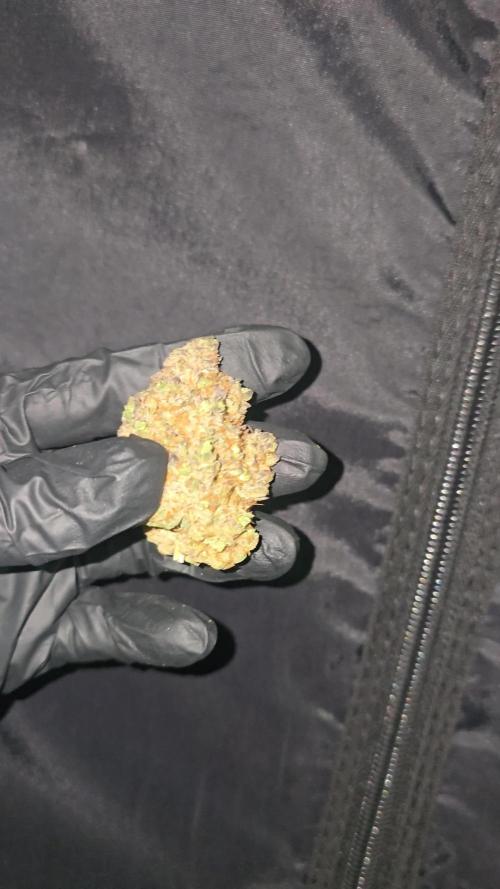
Skunk apple runtz I'm probably only going to keep 1 of these guys seeing the 2nd just has really bad growth so far. I'm sad about this I made this cross out my last grow and was hoping for the better end of things. The other plants is decent but we will see I hope it has the growth pattern of the lit farms Rick bobby and the bud structure of the obama runtz I grew
It's looking like a good start to a week the plants are strong they are getting to the point I can let the dried dry out completely. I'm thinking by the end of this week the plants will be starting to be sold.
Last week I put all the plants into my bigger 2x4 tent with my medicgrow mini sun 2 the 500w version. Only a few of the plants were ready for that light. Seems like the only plants that really have good resistance and have a strong start are the weedseedsexpress.com seeds. Shout out to weedseedsexpress.com for the strong plants.
I ended up putting all the plants back into my 2x2 tent with the 55w amazon light it has alot more blue light in its spectrum. It's kinda weird b4 I switched the plants to the 2x4 tent they were getting 220umol under my amazon 55w led then when I put them under the 500w light 25% strength about 50in from plants and they were getting only about 195umol in that tent but it was stressing most the plants. I assume a larger light has more side lighting hitting the plants. I think when useing larger lights it's good to measure umols from the top but also coming from the sides. I think durring seedling stage they only need about 50% the umols coming from the side the plants as the top is receiving.
When I put the plants back in the small tent about the same umols as they were getting b4 the switch and they were still a little stressed. So for a few days I put the small light at the top the tent giving them 100umols for a few hrs then 130umols the rest the day.



@DogDoctorOfficial
Follow
🌱✨ Gelonade — Seed to Harvest & Smoke Review
Grower: DogDoctor
Strain: Gelonade (Feminized)
Grow Type: Indoor (Tent – LED setup)
Cycle Duration: ~13 weeks total (8–9 weeks flowering)
Phenotypes: #1 and #2
Environment: Controlled by TrolMaster Ecosystem
Lighting: Future of Grow Black Series 600 & ThinkGrow Model 1
Medium: Super Soil (Aptus Holland Amendments)
Nutrients: Aptus + Plagron
Final Yields:
• Pheno #1: 146g dry cured (Grove Bags)
• Pheno #2: 159g dry cured (Glass Jars)
⸻
🌾 From Seed to Strength
Our Gelonade journey began with delicate germination — a simple soak in plain water using The Cannakan method, ensuring the seeds awakened slowly and evenly. After 24 hours, they sprouted into life, soon meeting their first home in rich, Aptus-enhanced super soil, carefully inoculated with mycorrhizae and buffered for perfect balance.
As seedlings, they thrived under the Black Series 600 LED, their leaves drinking in the full-spectrum light like morning sun on a quiet field. Through their early weeks, the mix of Regulator, Start Booster, and tender care built strong frames and healthy roots.
Week after week, they evolved — into vegetative vigor, then into flowering elegance. Their structure hinted at their genetics: 60% sativa, 40% indica — tall, branching, graceful, yet dense. Pheno #2 became our unicorn, flaunting her funky fox-tailed buds and mutated, hand-like leaves — a masterpiece of nature’s playful genetics.
⸻
🌼 The Flowering Weeks
By week 5 flower, the room bloomed with energy. PPFD at 766 µmol/m²/s, temperatures near 31°C, and VPD around 2.2 — conditions that might challenge weaker genetics, but Gelonade only glowed brighter.
We refined her diet:
• Aptus Regulator – 0.15 ml/L
• Aptus CalMag Boost – 0.25 ml/L
• Aptus All-In-One Liquid – 1 ml/L
• Aptus Top Booster – 0.25 ml/L
• Plagron Power Buds, Sugar Royal & Green Sensation – 1 ml/L each
This powerful synergy built not just flowers — but living sculptures of resin, terpenes, and color. The TrolMaster WCS2 sensors read the heart of the soil — moisture, EC, and temperature — guiding every watering and feeding to perfect rhythm.
⸻
🍃 The Science of Drying — Why Whole Plants
Harvest came at week 12–13 total, roughly 8–9 weeks in flower. The girls stood proud, covered in trichomes, signaling it was time. We harvested whole plants, hanging them upside down in the dark to dry slowly — preserving terpenes and chlorophyll breakdown naturally.
Why full-plant drying?
Because leaving the plant intact slows the drying process. The inner moisture in stems and leaves redistributes evenly, preventing harsh chlorophyll notes. This method also preserves volatile terpenes — especially important for Gelonade’s citrus-forward profile.
It took two full weeks before the branches “snapped,” a sign of perfect dryness — the balance between crispness and internal moisture.
⸻
✂️ The Art of Hand Trimming
Once dry, we trimmed with Zamnesia curved professional scissors, our Trim Bin, and — most importantly — our hands.
Why hand trim?
Because machines can never see what the eyes feel — the perfect curl of a sugar leaf, the trichome sparkle worth saving. Hand trimming keeps the resin glands intact, preserving aroma, texture, and bag appeal. It’s slower, but sacred — the final love letter between grower and flower.
The trim collected beneath the bin was later pressed gently into hash bars using a hot-water bottle method — pure pressure and warmth, no solvent.
The science: The heat softens trichome heads (resin glands), allowing them to fuse together under pressure — forming a natural, terpene-rich concentrate.
⸻
🌬️ The Curing — Glass Jars vs Grove Bags
After trimming, we divided our treasures:
• Pheno #1 (146g) cured in Grove Bags – a modern, low-maintenance solution that self-regulates humidity (~62%), keeping buds stable and fresh without constant burping.
• Pheno #2 (159g) cured in Glass Jars – the traditional, hands-on approach. We burped the jars daily during the first two weeks, allowing gas exchange and flavor maturation.
Science of curing:
Curing continues the slow enzymatic breakdown of residual sugars and chlorophyll, smoothing the smoke and deepening terpenes. The difference? Glass develops depth — that old-school flavor complexity — while Grove Bags preserve freshness and consistency. Both are beautiful paths to perfection.
⸻
🌺 Genetics & Aromas — The Gelonade Signature
Gelonade is a masterpiece of Lemon Tree × Gelato #41, combining sweet citrus brightness with creamy dessert undertones.
The aroma: Sweet citrus candy, tangy lemon zest, and a whisper of black pepper.
The flavor: Like sipping lemonade through a gelato cloud — refreshing, smooth, and joyfully bright.
⸻
💨 Smoke Review — The Dream in a Dream
Lighting the first cured bowl was like opening a memory.
The smoke is silky, expanding gently in the lungs. The taste starts citrusy-sweet, then mellows into earthy vanilla-pepper. The high?
A sunrise in slow motion — uplifting, creative, euphoric. Happiness washes in waves, followed by peace that lingers in the chest. Perfect daytime medicine, yet balanced enough for evening reflection.
Pheno #1 brings clarity and laughter;
Pheno #2 brings stillness and grace.
Together, they mirror duality — the head and the heart in perfect balance.
⸻
🌿 Closing Reflections
From seed to harvest, this grow has been a story of learning, patience, and passion.
Every leaf told a story, every sensor reading a verse, every trichome a spark of life.
Thank you to the community, to Zamnesia, Aptus Holland, Plagron, TrolMaster, and all who share love for the craft.
And thank you to the haters, too — because growth blooms brightest through resistance.
This grow was more than cultivation.
It was a dream in a dream.
And we never stop dreaming. 🌙💚
📲 Don’t forget to Subscribe and follow me on Instagram and YouTube @DogDoctorOfficial for exclusive content, real-time updates, and behind-the-scenes magic. You won’t want to miss it.
•GrowDiaries Journal: https://growdiaries.com/grower/dogdoctorofficial
•Instagram: https://www.instagram.com/dogdoctorofficial/
•YouTube: https://www.youtube.com/@dogdoctorofficial
⸻
Explore the Gear that Powers My Grow
If you’re curious about the tech I’m using, check out these links:
• Genetics, gear, nutrients, and more – Zamnesia: https://www.zamnesia.com/
• Environmental control & automation – TrolMaster: https://www.trolmaster.eu/
• Advanced LED lighting – Future of Grow: https://www.futureofgrow.com/
• Root and growth nutrition – Aptus Holland: https://aptus-holland.com/
• Nutrient systems & boosters – Plagron: https://plagron.com/en/
• Soil & substrate excellence – PRO-MIX BX: https://www.pthorticulture.com/en-us/products/pro-mix-bx-mycorrhizae
• Curing and storage – Grove Bags: https://grovebags.com/
⸻
We’ve got much more coming as we move through the grow cycles. Trust me, you won’t want to miss the next steps, let’s push the boundaries of indoor horticulture together!
As always, this is shared for educational purposes, aiming to spread understanding and appreciation for this plant. Let’s celebrate it responsibly and continue to learn and grow together.
With true love comes happiness. Always believe in yourself, and always do things expecting nothing and with an open heart. Be a giver, and the universe will give back in ways you could never imagine.
💚 Growers love to all 💚



@Bendedknee
Follow
They are doing fine and are stinking nice. Smells like cookies rite now not sure if that’s gonna change! I didn’t take much off during the pruning process so whatever popcorn buds can be used in the press. Took clones and plant to use one as a Mom plant, wish me luck!



@Bread_n_Buds
Follow
Good morning, we're finally here.
We've changed locations, still in southern Spain, but this time much closer to the sea and with a Mediterranean climate, like my Italian roots. Love it.
We'll start with the autoflowering plants first; this time, they'll all be grown without cutting techniques. We'll always have two plants: one grown with just a little tidying and left to grow straight, and the other using techniques that don't involve cutting, and therefore slowing things down.
I need weed; the grower must also consider this, so the autoflowering plants will finish as quickly as possible.
In most cases, it will be a nice, firm LST, not too delicate, and I'll fim if the plant seems to touch the sky, as has happened recently, probably thanks to the Plagron fertilizers, which will be with us this time too.
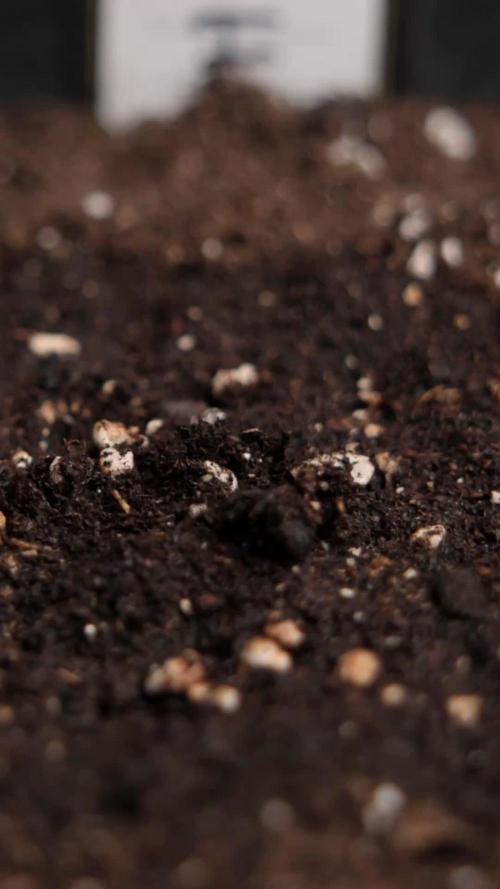
The chosen soil is the recently released Plagron Bio LightMix, which will allow us a more regular and reliable start without the sudden changes that liquid fertilizers can cause.
We're 100% organic this time too. For the germination, we also used Seedbooster as soon as it arrived with the last and first ones: 75% water + 25% hydrogen peroxide. *** From my point of view, it's very important to add hydrogen peroxide if you start with the seed in a small glass of water. As soon as it's opened, it would drown too; the oxygen bubbles in the hydrogen peroxide prevent suffocation.
www.plagron.com
That said, our Critical Cheese Automatic is a classic strain. We expect stability and potency, and to be honest, we're looking for that cheesey smell that has been lost in hybridizations over time. We're still hoping for it. Come on, my friend, you've grown beautifully under the watchful eye of our mirrorless camera. Keep giving us thrills until the very end.
The seedling started well without any particular problems. Its little sister stretched a little because I took a timelapse under different lighting, but we're there and ready to give it our best.
https://www.zamnesia.io/en/3334-zamnesia-seeds-critical-cheese-automatic-feminized.html
Zamnesia Description - An iconic strain from the UK, Cheese has quickly become one of the most sought-after strains in the world. Thanks to the breeders at Zamnesia Seeds, we now have an easy-to-grow autoflowering variant with identical qualities to the extraordinary original, the only major difference being that it can be harvested in 10 weeks!
www.zamnesia.com


@Ema26
Follow
Hey guys! I chopped all the top half of the plant on 6/4 21:30 and the bottom half on 7/4 23:00. It’s now the 9/4 at 11:30 all of it sits in jars. Dried quicker than I wanted it to but all the buds were very dry too touch so I jarred them. I figured it was easier to remove moisture from the jars than it is to put moisture back into them so hopefully this plan works out🤞 she has a hay smell to her and I’m hoping this goes while curing her. All the nugs look great and some are mega dense and others are very airy. The more airy ones being from lower down I just didn’t have time to keep her going. She weighed in at 110+ grams wet, But I didn’t weigh any of the lower nugs. Dry weight all combined is 35.8 grams. 9.2g from the bottom half and 26.6g from the top half. I’ll re weigh it once I’m done curing. Very happy with this first grow I wasn’t expecting to have this good of a finish even if it isn’t the best💪 both jars are around 21c, the jar with smaller nugs has been sat at 55%-65% and the bigger nugs are getting up to %70 so I’ve been opening the big ones letting the humidity go back down again. I don’t expect to get the drying and curing done %100 but that’s what the first grow is all about. Roll on to my next 3 plants harvest day😎 I smoked all the material that went through the sieve while trimming and damnnn.. tasted like something out of Amsterdam. If the flowers end up like that I’ll be very happy😁 I’ll be adding a smoke report once she’s ready, really looking forward to it🤣
Id like to give a huge thanks to everyone who has helped and advised me on this journey! I’m taking all the info onto my next grow a lot more confident. My next 3 plants are doing brilliantly so far I’d appreciate it if you’d check them out! Onwards and upwards, stay safe and happy growing everyone!
With thanks Ema26😎🍁🌱



@TrichoWitchka
Follow
Nazdarek🌱😸. Pravje fcil sem sa rozhodua,ze ta otestujem z nasej slovenskej zahoractiny☝️🤣Co uz k temuto dodat?😆 Dneskaj 29.3. je tyden po prepnuci ,v patek sme dosli dom a skoro sem odpada jaka dzuglabo na mna vyskociua🙈. Najvacej vyskocila za ten tyden Gorila prime 🦍. Secko sem v sobotu polela a do stredu rana si teraz mozem cilit 🤣. Tipujem este dva tydne a donde mi fantazia,jak ich vynasat ven a focit📸. Uz fcileky maju svoju vahu😮💨. Nech sa vam seckym dari a nech vam to rostne🌱. Bay🙂
Streda 1.4.26 sa objavili kvety?🌺





@eldruida_lamota
Follow
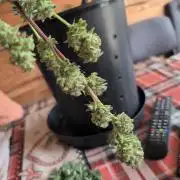
Que pasa familia, vamos con la cosecha de estas Lemonpaya de FastBuds.
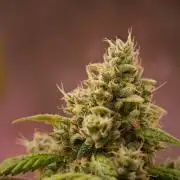
Por dónde empiezo, fue una variedad que me resultó complicada cultivar y a nada que alimentada lo marcaba las flores son bien compactas y van llenas de resina, tienen tonos verdes bonitos, y tiene unos aromas afrutados bastante marcados con toques citricos.
Es muy complicada a mi parecer, es de ciclo de 2 meses y medio, pero bien agradecida aún así.
Hasta aquí todo, Buenos humos 💨💨💨



@DogDoctorOfficial
Follow
💙 PROJECT BLUE TENT – WEEK 14 💙
🥒 PICKLE LEMON HAZE F1 – PHENO B
🍂 BEAUTIFUL FADING, DENSE FLOWERS, AND ANOTHER GIRL APPROACHING THE FINISH! 🌸❄️
Hello everyone, and welcome back to another chapter of Project Blue Tent! 💙🌱
My friends, here we go again!
Another week, another beautiful girl, and another opportunity to spend far too much time inside the tent taking photographs! 😂📸
Today, we're giving Pickle Lemon Haze F1 – Pheno B her individual spotlight.
And honestly, what a beautiful girl she is!
We're now at Week 14 of flowering, and just like the rest of the room, she's showing increasingly noticeable changes as she progresses towards the final stage.
The flowers are looking beautiful, the fading is becoming more pronounced, and we're seeing some lovely colour transitions throughout the plant.
The structure is established, the major training work is behind us, and we're firmly in observation mode.
No new structural interventions.
No unnecessary changes.
Just maintaining the established environment, observing the flowers, and enjoying the final chapters of this adventure.
We've also moved to plain water, with an EC reading of approximately 0.2 mS/cm and a natural water pH of 6.8.
Our under-canopy lighting experiment continues, we're working on some interesting 3D-printed irrigation accessories for the next run, and Matilda has returned for another little photographic adventure!
😂🕷️
So, even though we're repeating some of the same environmental updates across the individual diaries, there's still plenty to appreciate.
Because Pheno B has her own expression, her own characteristics, and her own story.
Let's get into it!
💙🥒🌸
🌱 A QUICK RECAP – WHAT IS PROJECT BLUE TENT?
For everyone joining us for the first time, let's quickly introduce the project.
Project Blue Tent brings together four individual plants from two different Zamnesia F1 cultivars.
🌈 BLUE WAFFLE F1 – PHENO A.
🌈 BLUE WAFFLE F1 – PHENO B.
🥒 PICKLE LEMON HAZE F1 – PHENO A.
🥒 PICKLE LEMON HAZE F1 – PHENO B.
Four plants.
Two cultivars.
One shared ecosystem.
All four girls share the same general growing environment, irrigation system, reservoir, overhead lighting, and supplemental under-canopy lighting.
Throughout the project, we've documented their development individually, from their early stages through transplantation, topping, training, SCROG, defoliation, and flowering.
We've experimented with different lighting arrangements, environmental settings, irrigation equipment, and nutritional approaches.
And now, we're approaching the end of this particular adventure.
One of the most interesting aspects has been observing how different plants develop under the same general conditions.
Although they share the same environment, their individual expressions aren't necessarily identical.
That's precisely why we've kept separate diaries for every plant.
We want to document what each girl actually shows us, rather than assuming that four plants growing together will follow exactly the same timeline.
And today, it's Pickle Lemon Haze F1 Pheno B's turn!
💙🌿
🌸 WEEK 14 – PHENO B IS LOOKING BEAUTIFUL!
Let's start with the obvious.
SHE'S LOOKING FANTASTIC!
😂💙
Pheno B continues to impress with her compact structure, beautiful flowers, and increasingly noticeable colour transitions.
The flowers are looking dense and well developed, and the overall appearance of the plant is changing as we move further into the final stage.
One of the things I particularly enjoy at this point is looking back at the photographs from the earlier weeks.
Remember when we were concentrating on building the canopy?
The topping, training, SCROG, branch positioning, and defoliation?
All those interventions happened much earlier in the project.
Now, we can appreciate the structure that developed throughout those weeks.
The branches are established, the canopy is in place, and the flowers are the main attraction.
We're not trying to reshape the plant anymore.
We're simply observing her development and documenting the changes.
And honestly, that's one of my favourite parts of the journey.
You spend so much time working with the plants that eventually you reach a point where you can step back, grab your camera, and appreciate what you've been building.
That's exactly where we are with Pheno B.
💙📸
🍂 THE FADING – ANOTHER BEAUTIFUL COLOUR TRANSFORMATION!
Now, let's talk about something particularly noticeable this week.
THE FADING!
As with her sister and the other girls sharing the room, Pheno B is showing increasingly visible colour changes.
We're seeing lighter green foliage, yellowing leaves, and warmer tones appearing throughout the plant.
And I absolutely love this stage!
The green appearance of leaves is primarily associated with chlorophyll.
As chlorophyll levels decline during natural plant development, other pigments that were already present can become more visible.
Carotenoids contribute yellow and orange tones, while anthocyanins are responsible for many of the red, purple, and blue colour expressions we sometimes observe.
Genetics play an important role in determining how individual plants express these colours, while environmental conditions can also influence their appearance.
And this is particularly interesting when looking at our four girls.
They're sharing the same general environment, yet their individual colour expressions and progression are not necessarily identical.
Pheno B is developing her own beautiful palette, and the photographs capture some lovely transitions throughout the foliage.
It's also worth remembering that fading alone doesn't establish whether a plant is ready for harvest.
We're looking at the complete picture, including flower development, trichomes, pistils, and the overall maturity of the plant.
We're not trying to force a particular colour or use fading as a harvest indicator on its own.
We're simply observing and documenting what happens.
And Pheno B is giving us plenty of beautiful details to photograph!
🍂🌈💙
❄️ THE FLOWERS – DENSE, BEAUTIFUL, AND FULL OF DETAILS!
Now, let's get closer!
The flowers are looking absolutely beautiful.
Their density and overall development are among the first things that catch my attention when looking at Pheno B.
The structure is established, and we're now appreciating the flowers developing throughout the canopy.
The photographs show different perspectives, from the overall plant structure to individual flowering sites and close-up details.
And that's something I always want to preserve in these diaries.
A photograph of the entire plant tells one story.
A close-up of an individual flower tells another.
And when we get into macro photography, we discover an entirely different level of detail.
The trichomes.
The pistils.
The textures.
The intricate structures of the flowers and surrounding sugar leaves.
It's fascinating how much there is to appreciate when we take the time to look closely.
The visible frost is beautiful, and the flowers certainly deserve their photographic attention.
We're continuing to observe their development without making assumptions based on appearance alone.
No rushing the conclusion.
No inventing a harvest date.
Just appreciating what we're seeing and documenting the progression.
📸❄️💙
🌿 THE INDIVIDUAL EXPRESSION – PHENO B HAS HER OWN STORY!
One of the most interesting parts of Project Blue Tent has been comparing the two Pickle Lemon Haze F1 sisters.
Both girls share the same cultivar and grow within the same general ecosystem.
Yet their individual development and appearance can still differ.
Their structure, flower formation, colour expression, and progression through flowering are all worth documenting separately.
And that's exactly why we don't want to turn these individual diaries into identical room reports.
The environmental conditions may be shared, but the observations belong to each plant.
Pheno B is showing her own characteristics, and we're continuing to record them as she progresses.
The same applies when comparing the Pickle Lemon Haze girls with our Blue Waffle F1 plants.
Different genetics can express different characteristics, and individual plants can progress differently even when grown under comparable conditions.
We're not trying to invent differences or attribute every characteristic to a single variable.
We're simply documenting what we actually observe.
That's the value of keeping individual diaries.
Every plant deserves her own chapter.
And Pheno B certainly deserves hers!
💙🥒🌱
👃 THE AROMA – THE ROOM IS GETTING INCREDIBLY AROMATIC!
Now, my friends, let's talk about something that photographs cannot capture.
THE SMELL! 😂🌸
The aroma throughout the room is beautiful, and spending time around these girls has become an increasingly enjoyable experience.
It's one of those things that makes the final weeks particularly special.
We can capture the colours, the flower structure, the visible trichomes, and all those intricate details with our cameras.
But the aroma?
That's something you need to experience yourself!
I'm not going to invent a detailed terpene profile or assign specific aromatic notes without proper testing.
What I can tell you is that the room smells incredible, and Pheno B is contributing to that wonderful experience.
Sometimes, the best part of a grow isn't something you can show in a photograph.
😂💙🌸
💡 UNDER-CANOPY LIGHTING – CONTINUING OUR EXPERIMENT!
Now, let's talk about one of the most interesting experiments inside Project Blue Tent.
Our LumiFlora under-canopy lighting arrangement!
As many of you already know, we're using two LumiFlora 150W full-spectrum fixtures positioned beneath the canopy in an X-cross configuration.
These fixtures supplement our main overhead LEDs, which provide the primary lighting from above.
Throughout this project, we've been interested in observing how the lower flowering sites develop under this additional illumination.
And now, during these final weeks, we're getting some interesting visual observations.
One thing we've noticed is that some of the areas receiving supplemental illumination are showing more pronounced reddish colour expression.
It's particularly interesting when comparing photographs from different positions throughout the canopy.
We're also observing relatively fast progression towards the finish across the room.
However, I want to make something clear.
We're documenting observations, not claiming that the under-canopy lighting or its red spectrum alone is responsible for the colour changes or the finishing timeline.
There are multiple variables involved, including genetics, plant maturity, environmental conditions, and the overall lighting arrangement.
To establish a direct relationship, we'd need controlled comparisons and appropriate measurements.
For now, we're documenting the setup and observing what happens.
That's the purpose of this experiment.
We want to explore supplemental lighting, understand how it fits into the overall environment, and learn from the results.
The fixtures remain in their established X-cross arrangement, and we're continuing to monitor the plants.
I'm particularly interested in reviewing the photographs and environmental records once the entire project is finished.
A massive thank you to LumiFlora for making this experiment possible!
💡🌱💙
💡 OVERHEAD LIGHTING – THE MAIN LEDS REMAIN AT THEIR ESTABLISHED SETTING
The main overhead LEDs continue providing the primary illumination for the canopy.
As discussed in the previous reports, we've been gradually reducing their output as we approach the final stage.
Our previous reference setting was approximately 90%, with gradual adjustments rather than sudden changes.
The idea is to maintain a balanced lighting environment while observing the plants.
The main fixtures and the supplemental under-canopy lights work together as part of the overall arrangement.
We're not assuming that increasing or decreasing one particular setting automatically produces a specific result.
Instead, we're documenting the configuration and observing the plants as they progress.
At this stage, the canopy is already established, and our attention is on the final development of the flowers.
No unnecessary changes.
Just the established lighting arrangement and plenty of photographs!
💡💙
🌡️ THE ENVIRONMENT – OUTSIDE FEELS LIKE SPRING!
Now, something interesting is happening with the weather!
The outside temperatures have increased again, and we're seeing readings around 22.4°C even after midnight!
My friends, is autumn taking a holiday? 😂🌸
It almost feels like spring outside!
Fortunately, we're adapting to these warmer conditions.
Our air conditioning is helping us maintain the established indoor environment, allowing us to keep the room within our intended operating conditions despite the changes outside.
Our current reference conditions are:
🌡️ Day air temperature: approximately 25°C.
🌙 Night air temperature: approximately 20°C.
💧 Relative humidity: approximately 55%.
💧 Solution temperature: approximately 21°C.
🌱 Substrate temperature: approximately 21°C.
🌫️ CO₂ level: approximately 666 ppm.
These are our reference operating conditions, rather than temporary readings that might appear while we're inside the room working or taking photographs.
The important thing is maintaining consistency and adapting to the outside conditions without making unnecessary changes to the indoor environment.
The girls are sharing the same general conditions, and Pheno B continues progressing within that established ecosystem.
Outside: spring vibes.
Inside: beautiful autumn colours.
I think we're enjoying both seasons at once!
😂🍂🌸
💧 IRRIGATION AND DRAINAGE – THE SAME ESTABLISHED SYSTEM
The automatic irrigation and drainage system continues operating as part of our shared ecosystem.
All four plants share the same reservoir and irrigation arrangement.
Our recorded watering volume remains approximately 1.6 litres per plant over 24 hours.
This is our reference measurement, while actual water demand can vary between individual plants.
We continue monitoring the system and observing the plants rather than assuming every girl consumes exactly the same amount.
At this stage, we're not introducing unnecessary changes.
The irrigation arrangement is established, and our attention is increasingly focused on observing the final development of the flowers.
And speaking of irrigation, we're already experimenting with something new for the next adventure!
More about that shortly.
💧🌱
⚗️ NUTRITION – PLAIN WATER, AND A DIFFERENT APPROACH TO THIS EXPERIMENT!
Now, let's talk about one of the most important changes in the current stage.
We've moved to plain water.
Our current readings are:
💧 EC: approximately 0.2 mS/cm.
💧 pH: approximately 6.8.
And I want to make an important distinction here.
The EC reading represents the water we're currently using, not a nutritional solution.
The pH of 6.8 is the natural pH reading of that water.
We're not adding additional nutrients or adjusting the water simply to chase a particular number.
There is no PLAGRON Hydro A.
There is no PLAGRON Hydro B.
There is no Power Buds.
There is no Green Sensation.
We're currently using plain water, without additional nutritional products.
Now, why are we doing this?
Well, this is where I want to explain a little about the approach we're taking with this particular project.
🌱 ORGANIC GROWING VS. MINERAL NUTRITION
One thing I always like to distinguish is the difference between growing in an organic living-soil environment and working with a mineral-based hydroponic setup.
They're different approaches, and they shouldn't necessarily be treated in the same way.
When working with organic living soil, the idea is to maintain and support a functioning biological environment.
The soil contains a complex ecosystem involving microorganisms, organic matter, and nutrient cycling.
You're working with a system where biological processes play a major role in making nutrients available to the plant.
Trying to chase every number, constantly force changes, or manipulate the system unnecessarily isn't necessarily beneficial.
Sometimes, the best approach is to establish a healthy environment, support the soil biology, and allow the system to function.
Mineral-based hydroponic nutrition gives us a different level of direct control over the nutrient solution.
We can measure EC, monitor pH, adjust concentrations, and make changes to the composition of the solution.
That doesn't mean every adjustment is necessary, or that chasing numbers automatically produces better results.
It simply means we have a different set of tools available.
And in this project, we're using that flexibility to explore different approaches and document what happens.
For this particular final stage, we've chosen to move to plain water.
Not because we're trying to force a particular outcome.
Not because we believe plain water magically removes nutrients from the flowers.
And not because every grower needs to follow the same approach.
It's simply the method we've chosen to document in this run.
We enjoy experimenting, observing, and comparing the results.
And that's what Project Blue Tent is all about.
Different systems, different approaches, and continuous learning.
💙🌱
🖨️ 3D PRINTING – MORE EXPERIMENTS FOR THE NEXT RUN!
While the girls are enjoying their final chapters, I'm already thinking about the next project!
And this time, we're getting creative with the 3D printer.
I've been working on some prototype irrigation accessories designed to improve water distribution across the coco surface.
The idea is to create a small distribution plate that sits beneath the watering point.
Instead of allowing water to fall directly onto one concentrated area, the design aims to spread it across a wider surface.
I've printed different versions and have been testing how the water behaves with each design.
We're looking at the distribution pattern, the dimensions, and whether the shape needs further adjustments.
These are still experimental prototypes.
We're not calling them finished products yet.
The objective is to evaluate the designs, identify potential improvements, and see which version might be suitable for the next run.
And honestly, I love these little side projects!
Cultivation isn't only about plants.
It's also about equipment, problem-solving, experimentation, and finding practical ways to improve the overall setup.
Sometimes a small modification can make a big difference to how convenient a system is to use.
We'll share more photographs and updates as the prototypes develop.
For now, it's another little experiment happening behind the scenes while the girls approach the finish.
😂🖨️💙
🕷️ MATHILDA RETURNS – ANOTHER LITTLE PHOTOGRAPHIC ADVENTURE!
And now, my friends…
LET'S TALK ABOUT MATHILDA!
😂🕷️💙
Our little spider friend has returned for another appearance!
This week, we decided to bring Mathilda into the tent for a little adventure and let her explore while we captured some photographs.
Nothing too serious.
Just a bit of fun, some interesting macro photography opportunities, and a chance to appreciate another tiny creature from a completely different perspective.
And honestly, she's a fantastic little photographic subject!
When you get close enough with a macro lens, the details become fascinating.
The legs.
The body structure.
The tiny features.
The way she moves around and explores her surroundings.
It's incredible how much detail we can discover when we take the time to look closely.
I've included several photographs from this little session because I wanted to share the fun with everyone.
Mathilda isn't part of our growing experiment, of course.
She's simply our unexpected photographic guest!
😂📸
And I think she's becoming quite comfortable in front of the camera.
Welcome back, Mathilda!
You're officially part of the Project Blue Tent photographic collection.
🕷️💙
📸 PHOTOGRAPHY – DOCUMENTING THE LITTLE DETAILS
As always, photography remains one of my favourite parts of these projects.
During the final weeks, there are so many beautiful details worth capturing.
The flowers.
The changing colours.
The trichomes.
The textures.
The individual characteristics of every plant.
And, of course, our little spider friend!
I'm continuing to enjoy macro photography and focus stacking, experimenting with different perspectives and trying to capture as much detail as possible.
Focus stacking allows us to combine multiple photographs taken at different focus distances to create a final image with greater depth of field.
It's a fantastic technique for documenting small, intricate subjects.
And between the flowers and Matilda, we've certainly had plenty of opportunities to experiment!
I hope you enjoy the photographs as much as I enjoy taking them.
Because these diaries aren't simply about recording measurements.
They're also about creating a visual history of the entire adventure.
📸💙
🔭 THE FINISHING LINE – WHAT HAPPENS NEXT?
We're getting closer, my friends!
Looking at the four plants together, it's becoming increasingly interesting to compare their individual progression.
The Blue Waffle girls and the Pickle Lemon Haze girls are showing their own characteristics, and we're observing how their development unfolds under the same general conditions.
Pheno B is showing beautiful fading, dense flowers, and an increasingly mature overall appearance.
We've moved to plain water, and we're continuing to monitor the plants rather than deciding on an exact harvest date in advance.
We'll keep observing the trichomes, pistils, flower development, and overall maturity.
And if the plants don't finish together, that's perfectly fine.
Each girl has her own timeline.
That's one of the most important lessons from documenting multiple plants individually.
We shouldn't assume that sharing a tent means sharing an identical finishing date.
Maybe we'll have a staggered harvest.
Maybe the girls will finish closer together than expected.
Let's see!
For now, we're enjoying the final chapters and keeping the cameras ready.
💙🌸
💙 FINAL THOUGHTS – ANOTHER BEAUTIFUL CHAPTER FOR PHENO B!
My friends, Pickle Lemon Haze F1 Pheno B is looking absolutely beautiful.
The flowers are dense, the frost is impressive, and the fading is becoming increasingly noticeable.
She's showing her own colour expression, with beautiful transitions throughout the foliage as she progresses through the final stage.
We're maintaining the established environmental conditions, continuing with the same irrigation arrangement, and using plain water with an EC of approximately 0.2 mS/cm and a natural pH of 6.8.
Our under-canopy lighting experiment continues to provide interesting observations, while the 3D-printing experiments are already preparing the way for the next adventure.
And let's not forget Matilda!
😂🕷️
This week hasn't been about making major changes.
It's been about observation, documentation, and enjoying the individual characteristics of this beautiful girl.
Sometimes, that's exactly what a grow needs.
The major work is behind us.
The canopy is established.
The flowers are developing.
The colours are changing.
And we're getting closer to the moment when we'll finally be able to document the end of this journey.
Four plants.
Two cultivars.
One shared ecosystem.
Different expressions.
Different finishing timelines.
And four individual stories worth telling.
Thank you for following another chapter of Project Blue Tent.
And thank you for taking the time to appreciate this beautiful girl with me!
💙🥒🍂🌸❄️
💬 COME JOIN THE DOGDOCTOROFFICIAL DISCORD COMMUNITY!
If you're already part of our Discord family, thank you for being there!
And if you haven't joined us yet, you're more than welcome!
We've built a community where growers can share their experiences, exchange knowledge, discuss equipment, show their gardens, share photographs, and learn from each other.
We organize community photo championships, giveaways, and plenty of activities throughout the year.
You don't need to be an expert.
You don't need an enormous garden.
You don't need expensive equipment.
Everyone is welcome!
Come and introduce yourself, share your photographs, join the conversations, and become part of the adventure.
💙 JOIN US HERE:
https://discord.gg/dogdoctorofficial
Growers helping growers.
Sharing knowledge.
Learning together.
And having a little fun along the way!
We'd love to see you there!
🙏 A HUGE THANK YOU – THE PEOPLE BEHIND PROJECT BLUE TENT!
A project like this doesn't happen alone, and I want to take a moment to thank everyone who has been part of this adventure.
A massive thank you to ZAMNESIA for providing the genetics and making it possible for us to document these beautiful Blue Waffle F1 and Pickle Lemon Haze F1 plants individually.
Thank you to PLAGRON for the Hydro nutrient line supporting the girls throughout their journey.
A huge thank you to ZAMNESIA for the Phytonaut LED lighting, curved scissors, and clip fans that continue playing important roles in our setup.
Thank you to MARS HYDRO for the irrigation and drainage equipment helping us maintain consistency throughout the tent.
A special thank you to LUMIFLORA for the two 150W full-spectrum under-canopy fixtures. We're enjoying exploring this supplemental lighting arrangement and documenting everything along the way.
WELCOME TO HEMP HOOKS!
Thank you for joining our adventure and for providing our community with a discount code.
🌐 https://hemphooks.com/
Discount code: DOGDOCTOR
Enjoy 15% OFF your entire order!
We're looking forward to exploring more of your products in upcoming runs and sharing our experiences with the community.
Thank you to GROWDIARIES for providing the platform where we can document our plants, share photographs, record our observations, and learn from the entire process.
And, of course, a massive thank you to everyone following Project Blue Tent, reading our reports, enjoying the photographs, and supporting the journey.
Your encouragement and support mean a lot.
Until the next chapter, my friends…
Keep growing.
Keep learning.
Keep experimenting.
Keep documenting.
And never forget to enjoy the journey as much as the destination!
GROWERS LOVE, HAPPY GROWING, AND TAKE CARE EVERYONE! 🌱💙🥒🍂🌸❄️



@love_2_grow
Follow
D60.
I'm back again after being out of town for six days. The tent was packed when I opened it! The girls had stretched more, and a couple of leaves were even touching the lights and had gotten burnt.
They are now 125 cm tall. That's five times the height they were when I flipped to flower. Five times!!! I have never had a strain stretch this much, and I hope they are done now since there's no more room in the tent.
I removed the fan and carbon filer and placed them outside the tent. It looks a bit stupid and is far from stealthy, but what to do?
I moved up the lights as far as possible, but I will probably switch the lights with the one I have in my autotent. That light has a much lower profile, so raising it even further is possible.
Should that not be enough, I will have to cut off some tops, but I hope it doesn't come to that.
The first girl already has dark purple flowers, while the second looks more green with some purple.
------------------------------
D61.
I opened the tent today, only to find that the second girl had stretched another 2 cm overnight! This is getting ridiculous, and I hope they stop soon. I super-cropped the tallest top, hoping it would slow down the stretch. A few hours later, she had already recovered. These genetics are nuts!
In other news, my girlfriend found spider mites on her papaya plants that are in the same room as my tents. We immediately removed the plants from the room, and I started to scout my plants for an infestation.
The good news is that I didn't find any spider mites. However, the bad news is that I found thrips on the lower leaves of the second girl. Ugh!
I had thrips last grow season, and I guess some survived.
The thrips were only on the lower part of the plant, so I defoliated the girls by removing a bunch of leaves and tiny branches down low and immediately threw them out of the apartment.
Thrips don't like it humid, and since the buds are still tiny, I don't need to worry about botrytis yet, so I cranked up the humidity into the high 70s to low 80s.
Finally, I ordered a bunch of lacewing larvae that will get here next week.
They should eat the thrips and any spider mites that I might not have been able to find.
------------------------------
D63.
The girls have slowed their stretch, BUT they are still stretching somewhat. I freaked out when I opened the tent today and saw they were taller, so I attacked them immediately and super-cropped the highest tops. I will switch out the lights next week, gaining me another few centimeters, which I hope will be enough.
The VPD in the tent is way off, but I'm more interested in figuring out the light and getting rid of the thrips.
Finally, I watered each girl with 2.5 liters of water L pH 6.1, with 10 ml humic acid and 5 ml Fermented Fruit Juice I made a few months ago.
------------------------------


@Snakeking
Follow
2 of plants started fading a little
I feed them with compost tea and organic nutrients of biobizz
I want to test something on one of my plants.
Light Compost tea 2 times a week
I fed them compost tea once a week from early veg until now and there is no sign of nutrients burning its 33 degrees celsius they need watering everyda


@DudeGrowsWeed
Follow
November 6, 2021
The Quick Critical is taking off!!! I started feeding some nutrients this week and she really seemed to like it. I could flip her to flower now, but I'm going to wait another 1-2 weeks so the other two ladies can veg longer (and to give the autos a chance to finish).
Critical Sour looks like she is ready to start rocking, I expect to see significant growth this upcoming week.
CBD Medi Kush is finally starting to look like a cannabis plant! I have no idea what caused the delayed growth in the initial couple of weeks, but she's seems on track now. Lots of good growth in the past couple of days. This morning when looking at her closely I noticed she is growing two stems. This is going to be fun to watch how she develops. I just hope she doesn't herm out later.
Neither of the two Dr Bruce Banner seeds nor the one CBD Lemon Aid seed I tried planting ever popped. This is now a 3 plant diary.


