The Grow Awards 2026 🏆
Likes
Comments
Share
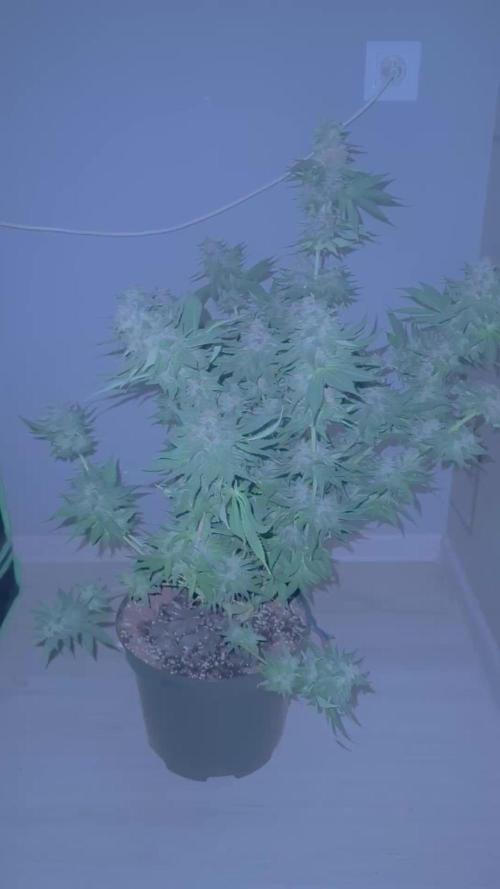
Se viene próximamente la cosecha, cultivo limpio, estructura buena, buen olor y aroma intenso. Se aplica Flawless Finish para utilizar los últimos nutrientes de estas plantas, se espera el secado del sustrato y se comienza la cosecha
Likes
41
Share
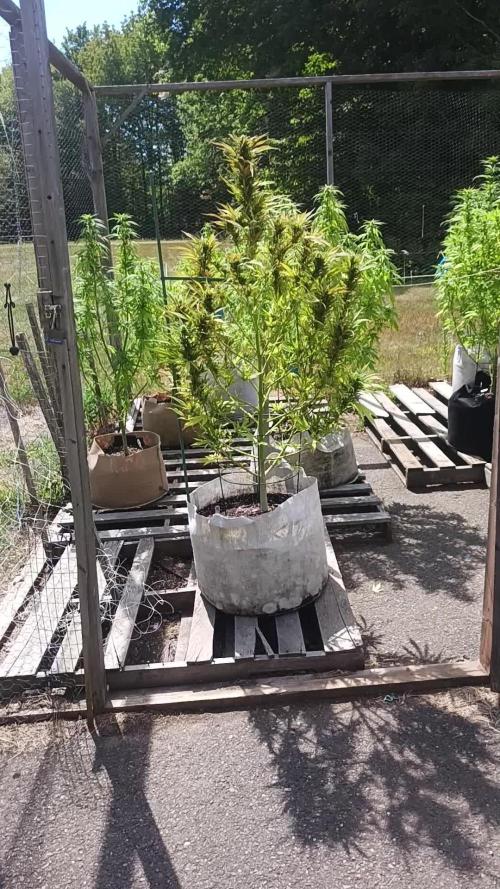
Everything is going really well, very happy with how these ladies are doing, even with the summer heat they are doing really well at high temperatures! 👍🏾🌱💚
Likes
12
Share
@AlexS
Follow
Week 8 day 51 1 day left to harvest the first one🤩🤩 I think the rest will be ready at day 56.
Likes
50
Share
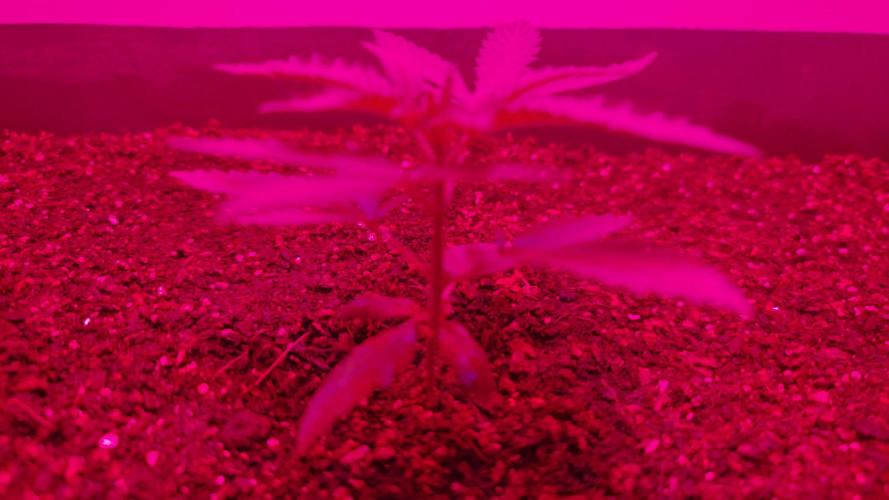
Eternity Grow Cup - Week 7 Veg Report Another week down, and what a week it has been! Our Runtz ladies are thriving, pushing forward in their vegetative stage with strength, beauty, and some seriously impressive root development. This week, we officially transplanted them into the Autopots, and let me tell you—the roots are stunning. Root Health & Mycorrhizal Magic The mycorrhizal fungi have been doing their thing, and it's truly a sight to see. When transplanting, I could clearly see how beautifully the roots had colonized the medium, forming a healthy, snow-white network that fully surrounded the pot. The Aptus Holland Mycormix is once again proving itself as an absolute game-changer in root development. Strong, well-established roots mean better nutrient uptake, stronger resistance to stress, and overall improved plant health. If you’re serious about growing, this is something you don’t want to overlook. Aesthetic Update – Pink Vibes! Yes, I know, I know—the pink background is still here, and I’m absolutely loving it! It’s giving the photos that extra pop, bringing out the vibrancy of the plants, and making every shot feel unique. Hope you all are enjoying these visuals as much as I am! New Home - TrolMaster Ecosystem This week also marked another major move—the plants officially transitioned into the TrolMaster Ecosystem. And guess what? They are absolutely loving it! With optimized climate control, precision automation, and a perfectly dialed-in environment, these plants are thriving under their new conditions. Current Environmental Conditions: Room Temperature: ~20°C Relative Humidity: ~67% CO2 Levels: ~1400 ppm Light Intensity (PPFD): ~300 A balanced combination of temperature, humidity, CO2, and light intensity ensures that the plants continue to grow at their full potential. The high CO2 levels combined with the moderate PPFD allow the plants to photosynthesize efficiently, maximizing growth while keeping stress minimal. Nutrient & Watering Program Right now, I’m sticking with the Aptus Holland Clean Program, which consists of: Regulator System Clean RO Water Conditioner All-in-One Liquid The water parameters are as follows: EC: 0.55 pH: 5.86 Water Temperature: 15°C (a bit cold, but still manageable) Ensuring clean, well-balanced water with optimal nutrient availability is essential for healthy root development and vigorous vegetative growth. With this setup, they are getting everything they need to flourish! Shoutouts & Thank Yous! Huge shoutout and thank you to all the amazing sponsors who help make this grow possible: Aptus Holland – Premium plant nutrition TrolMaster – Intelligent environmental control Cannakan – Precision germination & planting tools Grove Bags – Advanced curing & storage solutions Ziggi Papers – Innovation in rolling technology And of course, a massive thank you to Zamnesia, Plagron, and GrowDiaries for putting together this incredible Eternity Grow Cup! Final Thoughts Week 7 has been phenomenal—our girls are thriving, adapting beautifully to their new environment, and setting the stage for what’s to come. The next phase is going to be exciting, and I can’t wait to share every step of the journey with you all! A big thank you to the community—whether you’re watching, supporting, learning, or even just stopping by out of curiosity. Lovers or haters, you all have a place in my heart! Stay tuned for the next update and don’t forget to check out the exclusive content on Instagram and YouTube—let’s grow together! Until next week—happy growing, and good luck to all competitors! 🌱🔥 Genetics - Runtz https://www.zamnesia.com/6000-zamnesia-seeds-runtz-feminized.html Nutrients - Plagron https://plagron.com/en/hobby - Aptus Holland https://aptus-holland.com/ Controls - Trol MAster https://www.trolmaster.eu/ LED - https://www.futureofgrow.com/en LED - https://www.thinkgrowled.com Soil - https://www.promixgardening.com/en Germination - Cannakan https://cannakan.com/?srsltid=AfmBOopXr-inLXajXu3QFgKXCXXos4F1oEvScjMKIB5MR5dk8-GJ-F49 DOGDOCTOR 15% off Smoking Papers - https://ziggioriginal.com/ Terpene saver - https://grovebags.com/ As always thank you all for stopping by, for the love and for it all , this journey of mine wold just not be the same without you guys, the love and support is very much appreciloved and i fell honored with you all in my life With true love comes happiness Always believe in your self and always do things expecting nothing and with an open heart , be a giver and the universe will give back to you in ways you could not even imagine so As always, this is shared for educational purposes, aiming to spread understanding and appreciation for this plant. The journey with nature is one of discovery, creativity, and respect. Let’s celebrate it responsibly and continue to learn and grow together! Growers Love To you All 💚 #EternityGrowCup #RuntzHunt #GrowersLove #CannabisCommunity #AptusHolland #ProMixSoil #TrolMaster #Zamnesia #Plagron #ZiggiPapers #Grovebags Eternity Grow Cup episode 08 uploaded at 720P ,4K will came out on youtube
Likes
4
Share
Vamos familia, actualizamos la novena semana de floración de estas Thunder Banana de Seedstockers, salieron las 3 de 3, 100% ratio éxito. Aplicamos varios productos de Agrobeta, que son increíbles para aportar una buena alimentación a las plantas. Temperatura y humedad dentro de los rangos correctos dentro de la etapa de floración. La tierra utilizada es al mix top crop, por cambiar. De 3 ejemplares seleccioné los 2 mejores para completar el indoor, cambié el fotoperiodo a 12/12 y también apliqué una poda de bajos, se ven bien sanas las plantas, tienen un buen color progresan a muy buen ritmo por el momento, las flores han tricomado que da miedo, no sé si aguantaré una semana más o me las quito ya, veremos el finde semana. Agrobeta: https://www.agrobeta.com/agrobetatiendaonline/36-abonos-canamo Hasta aquí todo, Buenos humos 💨💨💨.
Likes
25
Share
ANTHOCYANIN production is primarily controlled by the Cryptochrome (CR1) Photoreceptor ( !! UV and Blue Spectrums are primary drivers in the production of the pigment that replaces chlorophyll, isn't that awesome! 1. Diverse photoreceptors in plants Many civilizations, including the sun god of ancient Egypt, thought that the blessings of sunlight were the source of life. In fact, the survival of all life, including humans, is supported by the photosynthesis of plants that capture solar energy. Plants that perform photosynthesis have no means of transportation except for some algae. Therefore, it is necessary to monitor various changes in the external environment and respond appropriately to the place to survive. Among various environmental information, light is especially important information for plants that perform photosynthesis. In the process of evolution, plants acquired phytochrome, which mainly receives light in the red light region, and multiple blue light receptors, including his hytropin and phototropin, in order to sense the light environment. .. In addition to these, an ultraviolet light receptor named UVR8 was recently discovered. The latest image of the molecular structure and function of these various plant photoreceptors (Fig. 1), focusing on phytochrome and phototropin. Figure 1 Ultraviolet-visible absorption spectra of phytochrome, cryptochrome, phototropin, and UVR8. The dashed line represents each bioactive absorption spectrum. 2. Phytochrome; red-far red photoreversible molecular switch What is phytochrome? Phytochrome is a photochromic photoreceptor, and has two absorption types, a red light absorption type Pr (absorption maximum wavelength of about 665 nm) and a far-red light absorption type Pfr (730 nm). Reversible light conversion between the two by red light and far-red light, respectively(Fig. 1A, solid line and broken line). In general, Pfr is the active form that causes a physiological response. With some exceptions, phytochrome can be said to function as a photoreversible molecular switch. The background of the discovery is as follows. There are some types of plants that require light for germination (light seed germination). From that study, it was found that germination was induced by red light, the effect was inhibited by subsequent far-red light irradiation, and this could be repeated, and the existence of photoreceptors that reversibly photoconvert was predicted. In 1959, its existence was confirmed by the absorption spectrum measurement of the yellow sprout tissue, and it was named phytochrome. Why does the plant have a sensor to distinguish between such red light and far-red light? There is no big difference between the red and far-red light regions in the open-field spectrum of sunlight, but the proportion of red light is greatly reduced due to the absorption of chloroplasts in the shade of plants. Similar changes in light quality occur in the evening sunlight. Plants perceive this difference in light quality as the ratio of Pr and Pfr, recognize the light environment, and respond to it. Subsequent studies have revealed that it is responsible for various photomorphogenic reactions such as photoperiodic flowering induction, shade repellent, and deyellowing (greening). Furthermore, with the introduction of the model plant Arabidopsis thaliana (At) and the development of molecular biological analysis methods, research has progressed dramatically, and his five types of phytochromes (phyA-E) are present in Arabidopsis thaliana. all right. With the progress of the genome project, Fi’s tochrome-like photoreceptors were found in cyanobacteria, a photosynthetic prokaryotes other than plants. Furthermore, in non-photosynthetic bacteria, a homologue molecule called bacteriophytochrome photoreceptor (BphP) was found in Pseudomonas aeruginosa (Pa) and radiation-resistant bacteria (Deinococcus radiodurans, Dr). Domain structure of phytochrome molecule Phytochrome molecule can be roughly divided into N-terminal side and C-terminal side region. PAS (Per / Arndt / Sim: blue), GAF (cGMP phosphodiesterase / adenylyl cyclase / FhlA: green), PHY (phyto-chrome: purple) 3 in the N-terminal region of plant phytochrome (Fig. 2A) There are two domains and an N-terminal extension region (NTE: dark blue), and phytochromobilin (PΦB), which is one of the ring-opening tetrapyrroles, is thioether-bonded to the system stored in GAF as a chromophore. ing. PAS is a domain involved in the interaction between signal transduction-related proteins, and PHY is a phytochrome-specific domain. There are two PASs and her histidine kinase-related (HKR) domain (red) in the C-terminal region, but the histidine essential for kinase activity is not conserved. 3. Phototropin; photosynthetic efficiency optimized blue light receptor What is phototropin? Charles Darwin, who is famous for his theory of evolution, wrote in his book “The power of move-ment in plants” published in 1882 that plants bend toward blue light. Approximately 100 years later, the protein nph1 (nonphoto-tropic hypocotyl 1) encoded by one of the causative genes of Arabidopsis mutants causing phototropic abnormalities was identified as a blue photoreceptor. Later, another isotype npl1 was found and renamed phototropin 1 (phot1) and 2 (phot2), respectively. In addition to phototropism, phototropin is damaged by chloroplast photolocalization (chloroplasts move through the epidermal cells of the leaves and gather on the cell surface under appropriate light intensity for photosynthesis. As a photoreceptor for reactions such as escaping to the side of cells under dangerous strong light) and stomata (reactions that open stomata to optimize the uptake of carbon dioxide, which is the rate-determining process of photosynthetic reactions). It became clear that it worked. In this way, phototropin can be said to be a blue light receptor responsible for optimizing photosynthetic efficiency. Domain structure and LOV photoreaction of phototropin molecule Phototropin molecule has two photoreceptive domains (LOV1 and LOV2) called LOV (Light-Oxygen-Voltage sensing) on the N-terminal side, and serine / on the C-terminal side. It is a protein kinase that forms threonine kinase (STK) (Fig. 4Aa) and whose activity is regulated by light. LOV is one molecule as a chromophore, he binds FMN (flavin mononucleotide) non-covalently. The LOV forms an α/βfold, and the FMN is located on a β-sheet consisting of five antiparallel β-strands (Fig. 4B). The FMN in the ground state LOV shows the absorption spectrum of a typical oxidized flavin protein with a triplet oscillation structure and an absorption maximum wavelength of 450 nm, and is called D450 (Fig. 1C and Fig. 4E). After being excited to the singlet excited state by blue light, the FMN shifts to the triplet excited state (L660t *) due to intersystem crossing, and then the C4 (Fig. 4C) of the isoaroxazine ring of the FMN is conserved in the vicinity. It forms a transient accretionary prism with the tain (red part in Fig. 4B Eα) (S390I). When this cysteine is replaced with alanine (C / A substitution), the addition reaction does not occur. The effect of adduct formation propagates to the protein moiety, causing kinase activation (S390II). After that, the formed cysteine-flavin adduct spontaneously dissociates and returns to the original D450 (Fig. 4E, dark regression reaction). Phototropin kinase activity control mechanism by LOV2 Why does phototropin have two LOVs? Atphot1 was found as a protein that is rapidly autophosphorylated when irradiated with blue light. The effect of the above C / A substitution on this self-phosphorylation reaction and phototropism was investigated, and LOV2 is the main photomolecular switch in both self-phosphorylation and phototropism. It turns out that it functions as. After that, from experiments using artificial substrates, STK has a constitutive activity, LOV2 functions as an inhibitory domain of this activity, and the inhibition is eliminated by photoreaction, while LOV1 is kinase light. It was shown to modify the photosensitivity of the activation reaction. In addition to this, LOV1 was found to act as a dimerization site from the crystal structure and his SAXS. What kind of molecular mechanism does LOV2 use to photoregulate kinase activity? The following two modules play important roles in this intramolecular signal transduction. Figure 4 (A) Domain structure of LOV photoreceptors. a: Phototropin b: Neochrome c: FKF1 family protein d: Aureochrome (B) Crystal structure of auto barley phot1 LOV2. (C) Structure of FMN isoaroxazine ring. (D) Schematic diagram of the functional domain and module of Arabidopsis thaliana phot1. L, A’α, and Jα represent linker, A’α helix, and Jα helix, respectively. (E) LOV photoreaction. (F) Molecular structure model (mesh) of the LOV2-STK sample (black line) containing A’α of phot2 obtained based on SAXS under dark (top) and under bright (bottom). The yellow, red, and green space-filled models represent the crystal structures of LOV2-Jα, protein kinase A N-lobe, and C-robe, respectively, and black represents FMN. See the text for details. 1) Jα. LOV2 C of oat phot1-to α immediately after the terminus Rix (Jα) is present (Fig. 4D), which interacts with the β-sheet (Fig. 4B) that forms the FMN-bound scaffold of LOV2 in the dark, but unfolds and dissociates from the β-sheet with photoreaction. It was shown by NMR that it does. According to the crystal structure of LOV2-Jα, this Jα is located on the back surface of the β sheet and mainly has a hydrophobic interaction. The formation of S390II causes twisting of the isoaroxazine ring and protonation of N5 (Fig. 4C). As a result, the glutamine side chain present on his Iβ strand (Fig. 4B) in the β-sheet rotates to form a hydrogen bond with this protonated N5. Jα interacts with this his Iβ strand, and these changes are thought to cause the unfold-ing of Jα and dissociation from the β-sheet described above. Experiments such as amino acid substitution of Iβ strands revealed that kinases exhibit constitutive activity when this interaction is eliminated, and that Jα plays an important role in photoactivation of kinases. 2) A’α / Aβ gap. Recently, several results have been reported showing the involvement of amino acids near the A’α helix (Fig. 4D) located upstream of the N-terminal of LOV2 in kinase photoactivation. Therefore, he investigated the role of this A’α and its neighboring amino acids in kinase photoactivation, photoreaction, and Jα structural change for Atphot1. The LOV2-STK polypeptide (Fig. 4D, underlined in black) was used as a photocontrollable kinase for kinase activity analysis. As a result, it was found that the photoactivation of the kinase was abolished when amino acid substitution was introduced into the A’α / Aβ gap between A’α and Aβ of the LOV2 core. Interestingly, he had no effect on the structural changes in Jα examined on the peptide map due to the photoreaction of LOV2 or trypsin degradation. Therefore, the A’α / Aβ gap is considered to play an important role in intramolecular signal transduction after Jα. Structural changes detected by SAXS Structural changes of Jα have been detected by various biophysical methods other than NMR, but structural information on samples including up to STK is reported only by his results to his SAXS. Not. The SAXS measurement of the Atphot2 LOV2-STK polypeptide showed that the radius of inertia increased from 32.4 Å to 34.8 Å, and the molecular model (Fig. 4F) obtained by the ab initio modeling software GASBOR is that of LOV2 and STK. It was shown that the N lobes and C lobes lined up in tandem, and the relative position of LOV2 with respect to STK shifted by about 13 Å under light irradiation. The difference in the molecular model between the two is considered to reflect the structural changes that occur in the Jα and A’α / Aβ gaps mentioned above. Two phototropins with different photosensitivity In the phototropic reaction of Arabidopsis Arabidopsis, Arabidopsis responds to a very wide range of light intensities from 10–4 to 102 μmol photon / sec / m2. At that time, phot1 functions as an optical sensor in a wide range from low light to strong light, while phot2 reacts with light stronger than 1 μmol photon / sec / m2. What is the origin of these differences? As is well known, animal photoreceptors have a high photosensitivity due to the abundance of rhodopsin and the presence of biochemical amplification mechanisms. The exact abundance of phot1 and phot2 in vivo is unknown, but interesting results have been obtained in terms of amplification. The light intensity dependence of the photoactivation of the LOV2-STK polypeptide used in the above kinase analysis was investigated. It was found that phot1 was about 10 times more photosensitive than phot2. On the other hand, when the photochemical reactions of both were examined, it was found that the rate of the dark return reaction of phot1 was about 10 times slower than that of phot2. This result indicates that the longer the lifetime of S390II, which is in the kinase-activated state, the higher the photosensitivity of kinase activation. This correlation was further confirmed by extending the lifespan of her S390II with amino acid substitutions. This alone cannot explain the widespread differences in photosensitivity between phot1 and phot2, but it may explain some of them. Furthermore, it is necessary to investigate in detail protein modifications such as phosphorylation and the effects of phot interacting factors on photosensitivity. Other LOV photoreceptors Among fern plants and green algae, phytochrome ɾphotosensory module (PSM) on the N-terminal side and chimera photoreceptor with full-length phototropin on the C-terminal side, neochrome (Fig. There are types with 4Ab). It has been reported that some neochromes play a role in chloroplast photolocalization as a red light receiver. It is considered that fern plants have such a chimera photoreceptor in order to survive in a habitat such as undergrowth in a jungle where only red light reaches. In addition to this, plants have only one LOV domain, and three proteins involved in the degradation of photomorphogenesis-related proteins, FKF1 (Flavin-binding, Kelch repeat, F-box 1, ZTL (ZEITLUPE)), LKP2 ( There are LOV Kelch Protein2) (Fig. 4Ac) and aureochrome (Fig. 4Ad), which has a bZip domain on the N-terminal side of LOV and functions as a gene transcription factor. 4. Cryptochrome and UVR8 Cryptochrome is one of the blue photoreceptors and forms a superfamily with the DNA photoreceptor photolyase. It has FAD (flavin adenine dinucle-otide) as a chromophore and tetrahydrofolic acid, which is a condensing pigment. The ground state of FAD is considered to be the oxidized type, and the radical type (broken line in Fig. 1B) generated by blue light irradiation is considered to be the signaling state. The radical type also absorbs in the green to orange light region, and may widen the wavelength region of the plant morphogenesis reaction spectrum. Cryptochrome uses blue light to control physiological functions similar to phytochrome. It was identified as a photoreceptor from one of the causative genes of UVR8 Arabidopsis thaliana, and the chromophore is absorbed in the UVB region by a Trp triad consisting of three tryptophans (Fig. 1D). It is involved in the biosynthesis of flavonoids and anthocyanins that function as UV scavengers in plants. Conclusion It is thought that plants have acquired various photoreceptors necessary for their survival during a long evolutionary process. The photoreceptors that cover the existing far-red light to UVB mentioned here are considered to be some of them. More and more diverse photoreceptor genes are conserved in cyanobacteria and marine plankton. By examining these, it is thought that the understanding of plant photoreceptors will be further deepened.
Likes
31
Share
Week Seven Flipping to flower was a good idea because of the 6 plants in this little space. They all got into stretch and I had to adjust the light a few times. The gorilla cookies (front right) is the smallest and slowest, the gg4 sherbet is also pretty small (back mid), the orange sherbet. (Frond mid) almost catched up to the other older plants. The sfv purps (front left) stretched a bit, some sidebranches shot up, which is very nice. The gelato (back left) stretched more than the sfv and shows nice flowers starting to grow. The bagseed (back right) shot up the most with 3 big colas. All plants got a topdessing and mulch from hemp clippings. I water every to every other day with 0,5 to 1 liter. The tent got filled up pretty fast and I’m fighting the urge to defoliate. Plan to wait till day 21 of flower. Thanks for reading.
Likes
33
Share
Day 63 flowering (77 since flip). The bud trimming suggested by Silky Smooth has worked a treat this week (Thank you Silky ) The buds are looking a little fatter than they would have been without a doubt. I am still considering making Hash from her to avoud a nightmare trim jail sentence from her but will see once she is out of the Dark period. She smells great up close and is sticky with resin too. The tips i smoked hit me harder than i realised they would too.lol roll on harvest time
Likes
21
Share
This week they climbed about 7 inches. I’m in love with these girls. They’re a lot of fun to watch. They’re so uniform and wholesome I can’t stop staring at them. I just watered yesterday with just 6.3 ph water. I realized I was using too much veg fert. so I kept that out of my feeding for this week. I thought it said tbs instead of tsp so I was using way too much. They seem happy though so I think I’m ok. Other than that, I’m excited to see how much they grow this week.
Processing
Likes
11
Share
@rudiak
Follow
The girls continue to grow very nicely! All the girls have gone into flowering and I have upgraded to the 600W light now to push these girls and see what we can get from the final harvest 😋 They are still on the vega feed for now whilst they are in the early flower stage. Not alot to report except the front girl had a very slight amount of nute burn but rolling with it as the other girls are fine and its minimal signs so far! If it gets worse maybe will adjust the feed!
Likes
3
Share
Always a huge yielded and a heavy hitter. Name is true to the effect. A little tough to get back ahead if you get deficient so remember she eats a lot. My favorite strain, have had the cut for over 2 years.
Likes
14
Share
@Kakui
Follow
22 Enero(F55): Solo queda una semana para terminar el cultivo, en estos últimos días se está usando Fade de Athena Nutrients, para ayudar con la maduración y mejorar sabores y olores. La luz de los LED se bajó a un 50% y la temperatura del agua de riego también se disminuyó. Los olores están demasiado potentes, tuve que poner filtro de carbono. Los últimos 4 días se regará solo con agua de osmosis + Cleanse.
Likes
22
Share
@Knert
Follow
D35: gave her 30 grams of organic granular phosphorous grains (6-16-0) and gave her a thorough watering untill it reached runoff. D37: Days were with intense sunlight and a lot of wind. Gave her another good watering and 30g of organic granular potassium grains (2-0-20). Given that the days are all sunny the last days and they're bound to stay that way, I think I'll water her every 2 days as she's using a lot of water these days and that way the granular feeder gets dissolved more quickly into the soil. D40: She's looking absolutely great. Really enjoying the sunshine and warm weather of the past week (she did get some really minor sunburn spots on +-4 fan leaves, but she did't seem stunted by it). She keeps on growing every day and she has a lot of promising tops. The LST has been working out really well! I'm doing my best trying to tuck away as many leaves blocking the sunlight from the bud sites, but there's starting to get a lot of them so I don't really know what I should do. Should I trim the ones that are in the way of the bud sites and that I can't really tuck away or should I leave them on for photosynthesis? The flowers are also really developing and she's really starting to give a good smell. Looking forward to the following days/weeks! D42: I watered her again, around 3l, and added another 20g of potassium grains. That's going to be the final amount of fertilizer she's getting. First gave her 1,5l of plain tap water and then another 1,5l which was 50% tap water and 50% sparkling water, mixed with a teaspoon of molasse. The overall nutrient scheme was thus: * D20: 25g organic granular fertilizer (6-3-3) * D28: 35g organic granular fertilizer (6-3-3) * D35: 30g organic granular phosphorous grains (bone meal) (6-16-0) * D37: 30g of organic potassium grains (2-0-20) * D42: 20g of organic potassium grains (2-0-20)
Likes
14
Share
6ª Settimana di Fioritura 💐💐💐💐💐💐 Guardate che bei colori che sta buttando la MIMOSA SHOT 🌼🎇 di HERBIES SEEDS 💚😍 verde chiaro, scuro... viola/nera e peli giallo fuo 🤩🔝 Che bellaragazza💚✅😘 E buon 420 a noi growers🚜💐💓
Likes
61
Share
Hi everyone 😎 This week they are starting to smell sweet again 😍😍 I just love this pheno :-) I am curious when they will be a little hungry :-) There is not much else to tell this week, only the water was completely changed again, and everyone was cleaned and cleaned 👍 The next pictures will follow next week. Until then, I wish you a nice start to the week 👍🙏🏻🍀🌱
Likes
13
Share
Gracias al equipo de AnesiaSeeds y XpertNutrients sin ellos esto no sería posible. 💐🍁 Frozen Face Auto Nueva variedad autofloreciente, tan refrescante como una mañana helada con un toque de cereza y lavanda. Esta variedad es una auténtica obra maestra de la cría, con un linaje dominante 70% Sativa que aporta una vibración edificante y energizante a tu cultivo. Perfecta para los que aprecian la belleza veloz de las semillas autofeminizadas y la mezcla única de dicha aromática. Con un contenido de THC del 30%, Frozen Face Auto promete una experiencia tan estimulante como una zambullida en un lago fresco, dejándote fresco y vigorizado. Ofrece rendimientos impresionantes de 550 g/m² en interior y hasta 300 g por planta en exterior. Con un ciclo de 70-75 días. 🚀🌻 Consigue aqui tus semillas: 🍣🍦🌴 Xpert Nutrients es una empresa especializada en la producción y comercialización de fertilizantes líquidos y tierras, que garantizan excelentes cosechas y un crecimiento activo para sus plantas durante todas las fases de cultivo. Consigue aqui tus Nutrientes: https://xpertnutrients.com/es/shop/ 📆 Semana 9: El buen tiempo ha hecho que terminen de engordar, alguna está lista para cosechar y a las otras les falta por lo menos un poco más. Comienza el lavado de raíces.
Likes
10
Share
Panty punch,.sono curioso di assaggiare questa pianta della stokers seeds... dev'essere forte sé viene come dicono,più del 30% di THC...LA VOGLIO 😂😜💪
Likes
4
Share
@MistaOC
Follow
************** 13.03. Day 1 ************** 🤞🏼😎 I have new cuttings. Sour Frootz from Karma Genetics. I planted the cuttings in 0.2 L pots. I only applied fertilizer to the large pot. So Let’s grow again 💚💯 ******************************************* 18.03. Day 6 sprinkled with bactrex and transferred into the large pots *******************************************
Likes
3
Share