


Likes
Comments
Share


@Mosquito_Haarlem
Follow
Week 7 is begonnen en ze doet het goed.
Bloemen beginnen voller te worden en haar kleuren zien er gezond uit.
Ik heb ook wat onderste bladeren en takken weggeknipt.
Pomp het op 💪🏽
Ik zal gedurende de week nog verse foto's updaten dus hou het in de gaten 🧐

Likes
3
Share


Likes
11
Share

@Mannirumpel420
Follow
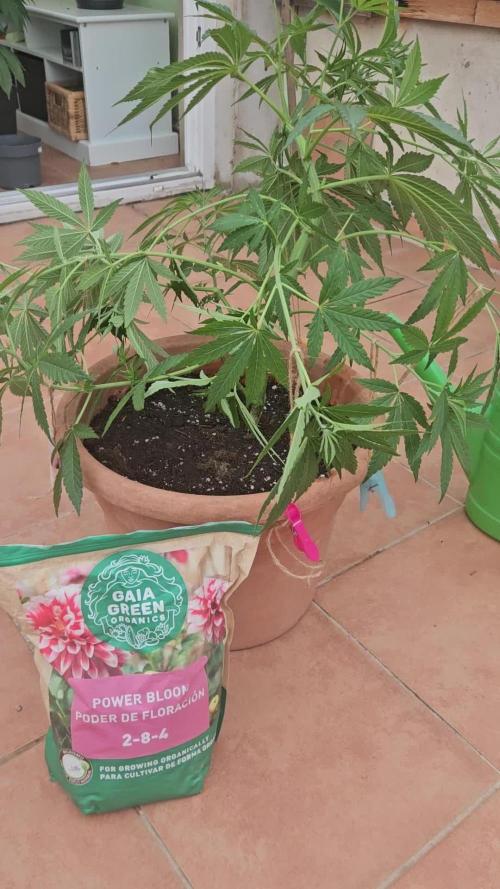
Ich habe sie heute umgetopft und etwas Dünger und wurmhumus auf den topf gemacht.Ich gebe Ihnen noch ungefähr 2 wochen um sich im Topf breit zu machen und dann geht es in die Blüte.Ich habe den langzeitdünger bereits jetzt hinzugefügt,damit er mehr zeit hat um in die erde zu kommen.
Eine Pflanze hat starke Verbrennungen aus der Hitzewelle. Ihr Wachstum ist stark stagniert und ich hoffe sie erholt sich mit der Zeit.
Likes
1
Share


@DrGL_Thumb
Follow
Absolutely blown away by the new 2025 setup, prev ran 3 tents 😂, switched to AC Ifinity 2,4 x 1,2 single tent, 3 x 150 or 6“ fans. Fans all port outside, 2 exhaust with yet uncoupled carbon filters, 1 inlet with pollen filter. 6-7 air push fans (not all yet on 😂). SpiderFarmer 16L humidifier, inkbird RH control, inkbird heat control, heater, trotek dehumidifier (12L) with drain line and reservoir. Blumat system with RO fed 20L water butt, each pot with 3 long ceramic blumats. Data logger from SensorPush including WiFi hub and 4 sensors. One in cellar room (lung room), one above each plant canopy. Setup logger n sensors and track VPD. System running itself
Processing
Likes
4
Share


Likes
169
Share


@SlowpokeFuegobud
Follow
🍊 🐶 💜 🍊 🐶 💜 🍊 🐶 💜 🍊 🐶 💜🍊 🐶 💜 🍊 🐶 💜 🍊 🐶 💜 🍊 🐶 💜
Welcome to week 6, my fellow growmies!! 💚 💚 💚
The dawg lady is growing beautifully and juicy! 😍
DAY 37
Watered with 3ml grow + growzyme + humics + fastbuds + 4ml more roots 💧
Topdressing with Living Organics :poop:
DAY 40
Watered with 3ml growzyme + humics + 4ml more roots 💧
DAY 42
Watered with 2ml grow + bloom + 3ml growzyme + humics + 4ml more roots 💧
Thanks for stopping by, it's a true pleasure to have you as visitors!! 💚 💚 💚 😘
💜 🐘
______________________________________________________________
About Sour Tangie Dawg cannabis seeds
Sour Tangie Dawg is a sativa dominant cross between the famous Tangie and Chemdawg. Expect a combination of sweet & fruity mixed with a gassy, jet-fuel flavour. The amazing mix of citrus, tangerine, pine and gasoline produces uniquely rich, dank buds. The powerful sativa high is strong, uplifting and long lasting, great for creativity and socialising.
Chemdawg is the parent of OG Kush, all Diesel strain originate from Chemdawg. The Tangie is originally a Skunk hybrid strain but extremely fruity with the trademark Tangerine flavour. This strain is potent with THC-levels over 20% alongside very generous yields of top quality weed, very suited for hash and rosin producers. If you’re looking for a strain to produce the best tasting concentrates this Sour Tangie Dawg is a proven winner! She easy to grow and the perfect choice for SCROG growing due to her growth speed and stretch. We advise switching to 12/12 light when 75% of the net is filled. For outdoor growers the harvest period is early October. Indoors she’s finished after 9 weeks of flower - fast for a sativa dominant strain. We recommend growing in soil with organic nutrients for the best tasting weed.
Get some fantastic genetics here: https://supersativaseedclub.com/ 💜 🐘
___________________________________________________________________________
SETUP:
80x80x180 cm Zelsius
240W Full Spectrum LED IR UV dimmable
DW240H-A6-HS
Heatsink color red
LED Chips:
512pcs SAMSUNG LM301H + 24pcs Osram 660nm + 8pcs Osram IR 730nm + 8pcs UV 385nm
Color mix: 2700K + 4000K
2,8umol/J
Driver HLG-240H-C2100B
Coverage: veg 5x3ft / flower 4x2ft
Product size: 628x205x68mm
Green Buzz Nutrients
Shouts go out to my sponsors @GreenBuzzNutrients, thanks so much for your support! ❤️
If anyone would like to try their amazing organic products, use code GD42025 for generous 25% discount (for orders of minimum 75€) ✨
https://greenbuzznutrients.com/
Biobizz Lightmix
custom exhaust fan 320/270cm³/h
Carbon Active Granulate 240cm³/h
tab water pH 8 - EC 0,25 with Calmag to 0,5
Advanced Hydroponics pH minus Grow + Bloom to pH 6.2
🍊 🐶 💜 🍊 🐶 💜 🍊 🐶 💜 🍊 🐶 💜🍊 🐶 💜 🍊 🐶 💜 🍊 🐶 💜 🍊 🐶 💜

Likes
120
Share


@DogDoctorOfficial
Follow
Ladies and gentlemen, welcome to the 4th week veg update of our incredible Lego Ninja Tropical Tangie Run! The saga continues, and I'm bursting with excitement to share the latest chapter in this thrilling adventure. So grab your ninja headbands and get ready for some passion-infused updates!
Now, last week was nothing short of amazing, but let me tell you, this week took things to a whole new level! Our Tangie was on fire, quite literally! You see, she was getting so thirsty, drying out her pot in less than 24 hours. It was like she had a thirst that could rival the deserts of the Sahara. To save the day, I had to perform a daring transplant operation. Oh yes, folks, I put on my green gardening cape and sprung into action!
I carefully examined her roots, and let me tell you, they were on point! Healthy, strong, and ready for a bigger home. So, I decided to give her a spacious new pot, and as an extra boost, I introduced her to the incredible Aptus Holland Mycormix. This magical mix of beneficial fungi is like a secret weapon for root development. It creates an underground ninja army, enhancing nutrient uptake and overall plant vigor.
And boy, did our Tangie respond! She's been praying like crazy ever since, reaching for the heavens with such devotion. I think she's trying to communicate with the Lego Ninja guardians, who've been by my side throughout this entire adventure. They were there, making sure every move was on point, like true silent protectors of the cannabis realm. Gotta love those little plastic warriors!
But let's not forget the real heroes here—the nutrients! Aptus Holland has been our secret weapon all along. This week, our Tangie feasted on Regulator, All-in-One Liquid, Camg, and Start Booster. These nutrients are like the ninja weapons of the gardening world, providing her with the perfect balance of nourishment to become the ultimate ninja warrior of the cannabis kingdom.
Of course, light played its role too. Our Tangie has been basking in the glow of a PPFD (photosynthetic photon flux density) of 400, which is like a full-on ninja training camp for photosynthesis. Those photons are her cheerleaders, motivating her to grow stronger and more vibrant with each passing day. Go, Tangie, go!
Now, let's talk environment. Our Tangie loves a cozy temperature range of 27 to 28 degrees Celsius, which makes her feel like she's on a tropical getaway. And with a relative humidity level of 60 to 70%, she's in paradise! It's like having a vacation spot in her grow room, providing the perfect balance of moisture and freshness for her to thrive.
To sum it all up, our Lego Ninja Tropical Tangie Run is a force to be reckoned with! She's nourished by Aptus nutrients, bathed in the perfect light, and surrounded by a harmonious environment. It's a recipe for success in the art of cannabis cultivation.
Before I sign off, let's give a big shoutout to the master breeders at @DutchPassion_Official. Their Tangie strain is pure magic, tickling our taste buds and fueling our adventurous spirits. We raise our metaphorical sword to them, celebrating their expertise and unwavering dedication to crafting top-notch genetics.
So, my fellow cultivators, let the ninja spirit guide you in your own green adventures! Stay stealthy, grow strong, and share the joy of cannabis cultivation with the world. Until next time, may your buds be dank and your ninja moves be slick. Keep rocking the garden, and let the ninja within you flourish!
As always thank you all for stopping by, for the love and for it all , this journey of mine wold just not be the same without you guys, the love and support is very much appreciated and i fell honored and blessed with you all in my life<3 <3 <3
#aptus #aptusplanttech #aptusgang #aptusfamily #aptustrueplantscience #inbalancewithnature #trueplantscience #dutchpassion #dogdoctorofficial #legoninjago #growerslove
With true love comes happiness <3 <3 <3 Always believe in your self and always do things expecting nothing and with an open heart , be a giver and the universe will give back to you in ways you could not even imagine so <3 <3 <3
Friendly reminder all you see here is pure research and for educational purposes only
<3 <3 <3 Growers Love To you All <3 <3 <3


Likes
35
Share


@Pietcandwcbucket
Follow
Ill be changing some more nutes later today (Liqui compost)pot4&6 . As well as more LST, HST. Pot1&3 T.A @ 600ppm 5.7ph and all doing very well after the bashing they took on friday.. Well time for some sleep.. 4AM
Likes
14
Share


@Hazecat_420
Follow
Se realizó el trasplante a maceta de 5 lts que será la definitiva, ya que como se espigaron tanto necesitaba bajarlas de alguna manera para que no se vieran afectadas por el ventilador en su tallo. Seguimos ...

Processing
Likes
3
Share


@Therbalist
Follow
Looks great can't wait to see what she smokes like if it is a she!
Likes
2
Share

@GangbudsGenes
Follow
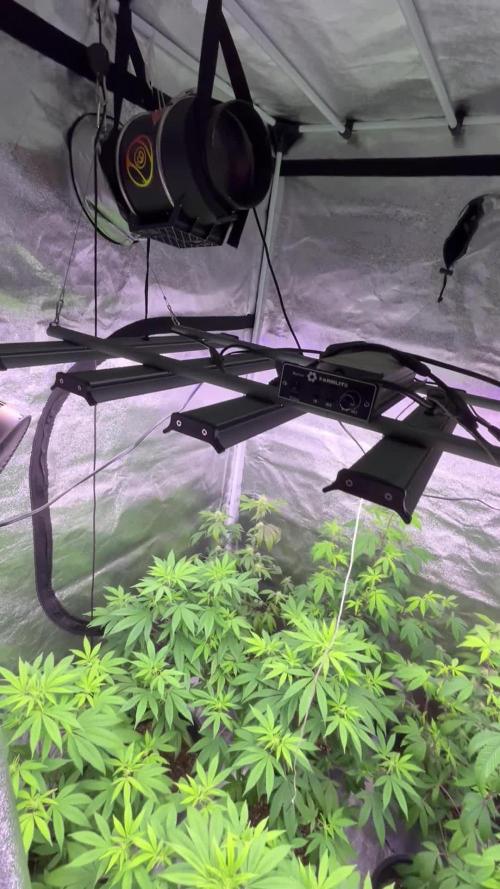
Ya comenzaron a tirar los primeros pestillos se les agregó 2cucharadas de fruist & flower de @foxfarm para prepararlas para floración riegos con agua recuperadas de 🌧️ lluvia
Likes
14
Share


@mgmrmd
Follow
Hi all growers .
We started week 5 ( 7nov-13nov ).
I topped up 4 days ago and they do not have a stress :) and we are going on....
So I'm open to any kind of comments.
Have a nice weekend fella 😁
--'--,-(@

Likes
37
Share


@GreenHouseLab
Follow
Week 8 in the books, cruising to the finish line two more hard watering each and 48 hrs of darkness starting Friday.
Genetics: Natty Roots Seed Co
Instagram: @green_house_lab
Likes
9
Share


@Mr_nugs_lover_David
Follow
She has performed very good with the lst method, nice plant, fast growth, quality flowers, it's a very good choice for everyone who's looking for a good quality strain at affordable prices. Very nice genetic, this phenotype concretely has a very sweet and floral terps. You can check the other 2 phenos of ak420 here at my page


Processing
Likes
3
Share



Likes
3
Share


@LAShugars
Follow
Can’t wait to run the other seeds in the mix pack! Wish I would have grown them all for my outdoor. She’s a beautiful plant with thick sticky smelly buds.
Likes
7
Share

@hyperborean
Follow
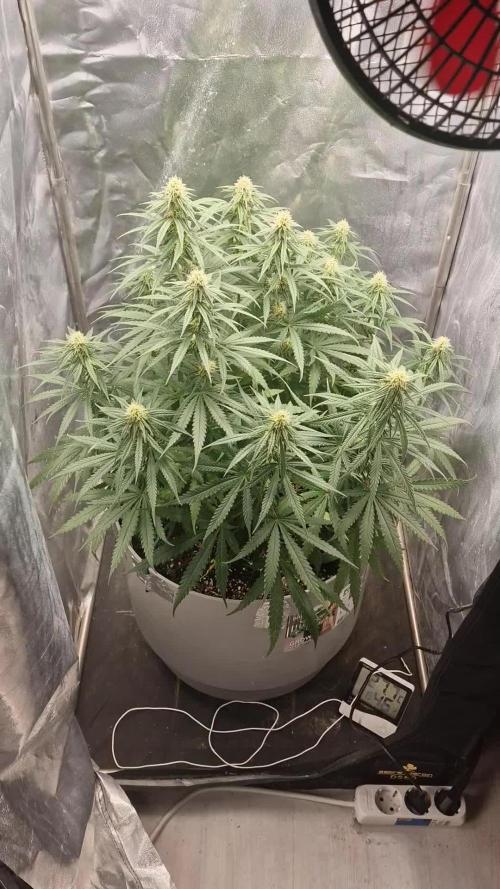
Not much has happened since last update 2 weeks ago (expect growth obviously). She is growing well and with ease.
Only problem was that one branch snapped a little bit. Had to support it to another branch with binding thread. No visible damage other than the slightly snapped branch.
Happy growing everyone

Likes
8
Share

@Sobreruedas
Follow
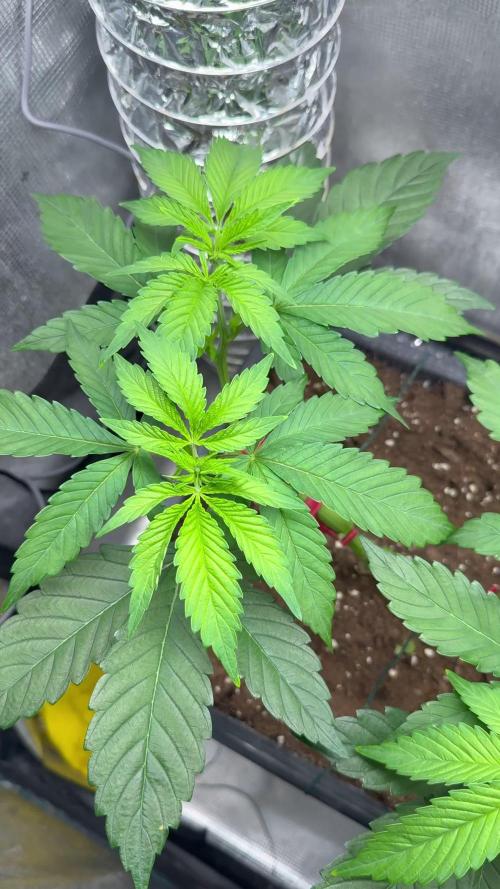
Mainlining is progressing nicely.
The main stem was topped at the 3rd node, and each main branch was topped again at the 3rd node to build a clean and symmetrical manifold.
I always wait until the branches have 5 nodes before topping, to make sure the plant is strong enough to handle the stress.
This week I performed a selective defoliation and some light LST, only to guide the branches and keep everything level.
I’m still deciding between 8 or 12 main colas, depending on how the plant continues to respond.
In the video you can clearly see the before and after of defoliation and training 🌱💪
