




Likes
15
Share


@902EastCoast
Follow
This week went great! The plants love the new lights and exploded quickly! I started 12/12 lighting today and can’t wait to see how this goes!!


Likes
16
Share


Likes
25
Share


@UnkleSkunk
Follow
undeterred continues to grow ... very slowly surely the growth will be 'longer than normal, but given the forecasts is a pleasure to wait
The plant remains very dense with leaves and flowers the dimensions are from XXL, I have not done many plants until now but this is the most particular
I have great expectations ....

Likes
2
Share
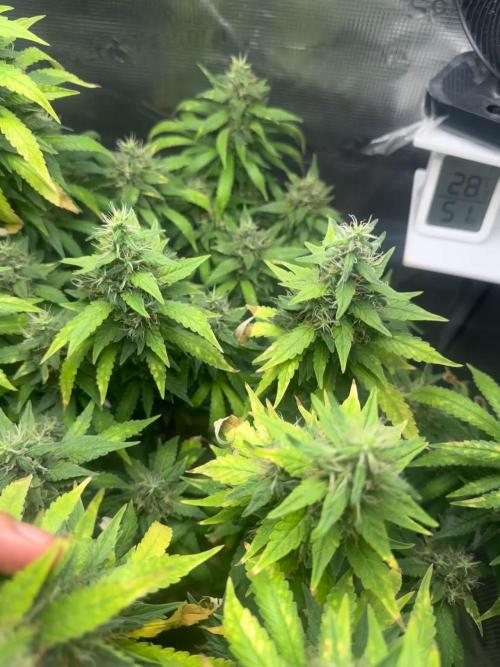

@WMinerva007
Follow
She’s still building I think and her trichomes are currently mostly white (~75%) with 25% clear and still 0% amber.
When do you think I should start fading?


Likes
4
Share
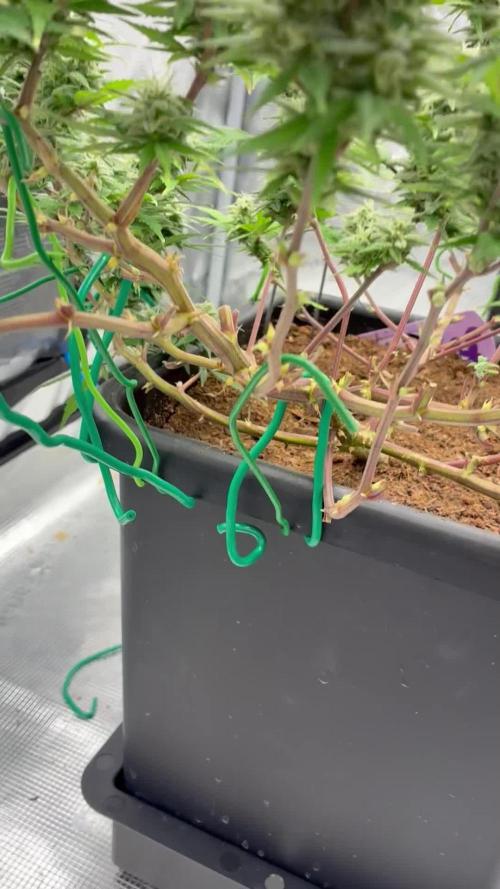

@FourTwenty_Plants
Follow
So as you can probably tell from the diary name I fcked up, but hey thats something no one wants to show you so thats why im still posting it.
Did wayyyyyy to many defoliations in the time of the „stretch“ thats why I did to much stress and she didnt „stretch“
Im still gone bring her through flower but im hella disappointed in my self.
Likes
11
Share


@Vegasgrowermx
Follow
Well one month of life for this hopefully female i was supposed to top thos weekend but got busy so im gonna have to top next weekend she already has 5 nodes and still getting natural sun light with no vegetative nutrients yet only pest prevention SNS 209
Likes
2
Share
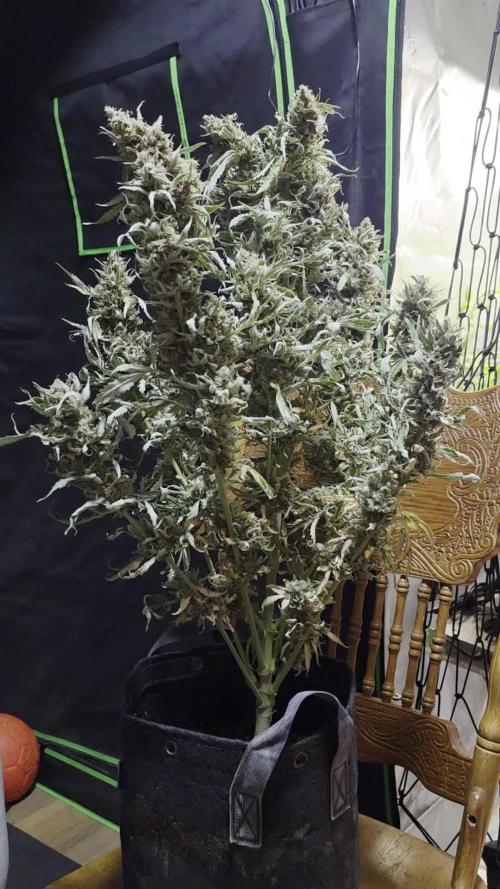

@Count-Dooku
Follow
Forgot to water for a few days, and she got quite crispy. Halfway to dry even I'd say. Not looking forward to this trim.
Likes
11
Share


@hannabis420
Follow
fast growing auto, overloaded on nutes with this one but she still produced beautiful buds


Likes
20
Share


@dataTwiiix
Follow
tout le cycle de croissance allant jusqu'à la récolte c'est super bien passé! juste un petit apex pourri, je suis certain que c'est le dernier :D


Likes
9
Share


@MassEric
Follow
Well, they got their first topping midway through last week. Waited a few days then gave them a bit more stress with a container change. Probably should have waited a few more days before moving them but they seem to have bounced back well. Started the transition to flowering and will go ahead and give them a quick defoliation and trim again starting next week. That will be the end of clipping and such.

Likes
23
Share


@555ABKY555
Follow
Miraculous explosion
this week went great
i started fertilizing with 2ml booster the girls still back together
a big bud 1 ml later I also gave a little seaweed to sanitize imperfections
the shortcomings this week I never stopped fertilizing
later I added 1ml x 20l
of each product owned
after just one day the plants are back as badass as ever
SHOW are strong and vigorous😍😵




Processing
Likes
49
Share


@Guerilla_Jack
Follow
Hello to all you growers!its end of second week of flowering.the plants straching nicely.i remove some new branches and leaves from the bootom,and branches witch ones will not fit too the light..Soma sacred seeds Somango its a littlebit behind other three.watering every second day.have a nice day to all of you!!😃


Likes
36
Share


@SensimillaP
Follow
Started the flush yesterday, the Zkittlez is pretty much ready to harvest at only 42 days of flower, now just waiting the critical to finish.
Both smell amazingly good
The intensity from the led's made the critical yellow in some tops, and got worse since i flush them yesterday so I raised up the lights just a bit.


