





Likes
Comments
Share

@eldruida_lamota
Follow
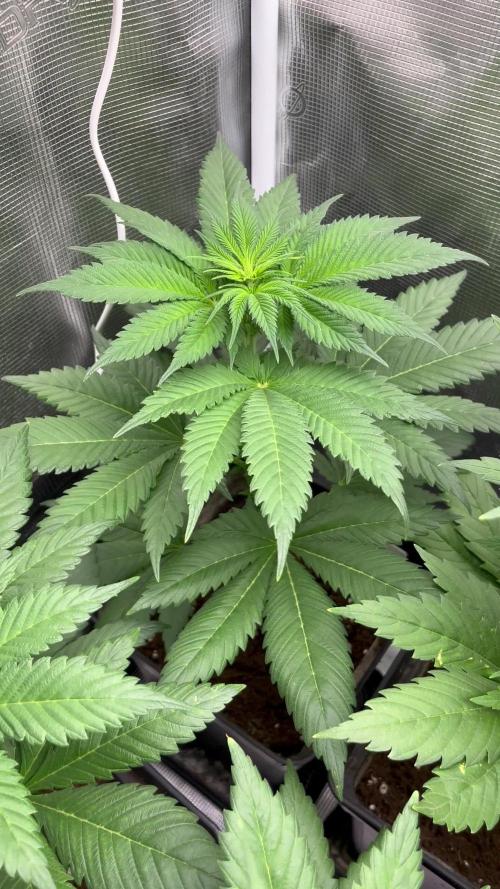
Que pasa familia, vamos con la primera semana de floración de estas Kiwi x Papaya feminizadas de Mavericks .
Vamos al lío ,se trasplantaron en macetas de 7 litros definitivamente.
El ph se controla en 6.0 , la temperatura la tenemos entre 24/20 grados y la humedad ronda el 50%.
El ciclo de crecimiento puse 12h de luz, el foco está al 50% de potencia.
De momento van creciendo a buen ritmo y tienen un buen color.
Gracias a Agrobeta de nuevo por el kit para esta temporada, unos grandes 🙌.
- os dejo por aquí un CÓDIGO: Eldruida
Descuento para la tienda de MARS HYDRO.
https://www.mars-hydro.com
Hasta aquí todo, Buenos humos 💨💨💨

Likes
5
Share


@dauntless
Follow
6/22/2022 Dropped into Ph 6.3
Added myco in water, 1 ml cal mag per gallon, just enough, soak for 24 hrs
This is supposed to be a super vigorous mother plant, seeds are nice and plump.
I have particular high hopes for seeds 6, 7, 8, 9 which seem bigger/better than the others. 4 is a runt. 1-3 are good sized. Five is pretty plump we will see.
6/23/2022 Start germination
About 24 hours after initial drop in water, I placed each seed into a soaked Root Riot cube, and then back into the cup with its label.
Placed lid back on tray, covered and back on heater. It's about 74 degrees F. Once they pop, I'll start the veg week, approximately 1-2 days.
6/25/2022 Last Day of germination, ready to pop
I'm pretty verbose with my grows, some people may hate that.
I like to show what I do for my own process, as well as to share with others.
I put Hydroton into the bottom of the AC Infinity 1 gallon pots, like 2 inches. Then mixed Mother Earth Coco + Perlite Mix, Fox Farms Ocean Forest, earthworm castings, Dynamyco. Placed the root riot cubes into the substrate contained by the fabric pots -- misted with diluted Foop Spray, domed. Environment looks good.
Seedling stage week starts tomorrow, yay.
Processing
Likes
22
Share


@Wicked_Stix
Follow
All the plants are building buds. This herercane has big pistils just like the jack herer parent. Hoping the sugar cane brings some elevated frost to it. Gave them a little beastie bloomz. I cut them off the maxigro today since the leaf tips are burning. Other than that everything is going smooth.
Likes
9
Share


@DeepRootsGrowTrees
Follow
KICKASS AUTO BY KANNABIA
Week #14 Overall
Week #8 Flower
This week her last week the heat from the sun didn't help her however that being noted she's definitely a plant you want to grow inside or outside where the temp doesn't get into the 100° to get the best harvest possible. I'll run her again inside soon!! Stay Growing!!
Kannabia.com KICKASS AUTO
Likes
9
Share


@ElPresidente
Follow
Second harvest of this strain. Love it!
I have a third one in flowering, so lets see if I can further improve the numbers.
I got a lot of nice trim too! so smelly and sticky!

Likes
21
Share


@Felloffthegrid420
Follow
Hit with a hard feed today seem like they want more then I been feed how can you tell if they need more food ??

Likes
17
Share

@squalino
Follow
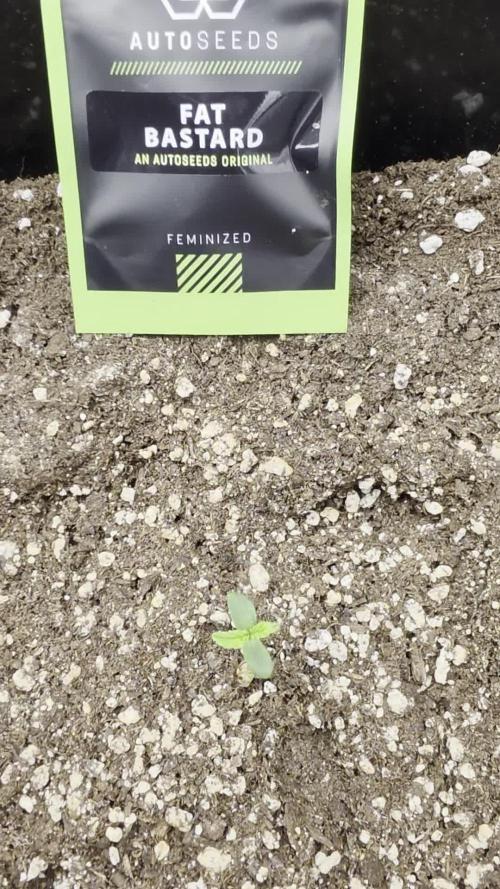
DUEL Fat Bastard Auto – AutoSeeds
Quelle plante est la plus belle ? Pourquoi ? A) THC HUNTER ou B) SQUALINO
Welche Pflanze est-il le plus difficile ? Warum? A) THC HUNTER ou B) SQUALINO
Quelle plante est la plus belle ? Pourquoi ? A) THC HUNTER ou B) SQUALINO
Qu'est-ce que la plante est la plus bonne ? Pourquoi ? A) THC HUNTER o B) SQUALINO
❤️ ❤️ ❤️ ❤️ ❤️ ❤️ ❤️ ❤️ ❤️ ❤️ ❤️ ❤️ ❤️ ❤️ ❤️
https://growdiaries.com/grower/thchunter23❤️ ❤️ ❤️ ❤️ ❤️ ❤️ ❤️❤️❤️❤️❤️❤️❤️❤️❤️❤️❤️❤️
Évolution de la plante
Mise en terre : 12 septembre
Germination : 16 septembre
Âge actuel : 2 jours
Taille : 5 cm
La structure est déjà très belle et vigoureuse. Mesure 5 cm en seulement 2 jours, cela promet un spectacle magnifique pour la suite !
❤️ ❤️ ❤️ ❤️ ❤️ ❤️ ❤️ ❤️ ❤️ ❤️ ❤️ ❤️ ❤️ ❤️ ❤️ ❤️ ❤️ ❤️ ❤️ ❤️ ❤️
Remerciements
Un grand merci à AutoSeeds pour leurs merveilleuses graines et pour l'opportunité de réaliser ce duel aux côtés de THC HUNTER. ❤️❤️ vous retrouverez ses merveileuses graines dans leur catalogue ci-dessous. ❤️❤️❤️❤️❤️❤️
https://www.autoseeds.com/shop/seeds/❤️❤️❤️❤️❤️❤️❤️❤️❤️❤️❤️❤️❤️❤️❤️❤️
Merci également à vous tous, chers lecteurs, pour votre soutien. N'oubliez pas d'aller jeter un œil à la culture de THC HUNTER afin de donner votre avis et de répondre à la question !

Likes
8
Share


@Chanardo
Follow
Hi. I try to do an LST on the three plants, but the stem of one of them broke slightly, so I had to fix it with a tape. I hope he survives!
The Brooklyn is blooming, but the another two no.
See you!


Likes
44
Share


@BlackDragon22
Follow
Sembra andare tutto ok.. Però non capisco ancora perché ci mettano più del dovuto.. Vediamo gli sviluppi..

Likes
12
Share


@NONSENSE
Follow
Good afternoon everyone!
One more week is gone of the flowering.
the plant looks beautiful, the buds become heavier every day.
I still only use Hesi sponsored nutrients with every watering.
I don't overdose on nutrients and follow the weekchart I got from Hesi.
genetics is good old school from Neville's seed bank.
It is also a normal seed, not femenized.
The light schedule is 12/12 ,
feeding every day( I try to handle the cocos always wet)
next week is the last flowering, after that I will clean the plant and will harvest it.
Good luck, everyone

Likes
168
Share


@Tropicannibis_Todd
Follow
💩Holy Crap Growmies , we are outdoors and in the Ground💩
👉It's been another full week and she's doing great , very nice Growth, considering shes been up against the wind and rain 👈
No problems 😊 so far so good 👍
I GOT MULTIPLE DIARIES ON THE GO 😱 please check them out 😎
👉THANKS FOR TAKING THE TIME TO GO OVER MY DIARIES 👈
👉NutriNPK NUTRIENTS USED FOR FEEDING 👈rain water to be used entire growth👈
👉www.nutrinpk.com right now get 10% off using SPRING2022 as the coupon code👈


Likes
30
Share


@Green_Dream
Follow
Bananas are doing great, very nice, big, fast-growing ladies. Especially one of them has a very peculiar smell, I definitely get it why they are called Bananas :D
I flipped them to 12/12 after 47 days of veg. I was a bit afraid that they were getting too large, I hope they will fill up the remaining space nicely.
Likes
4
Share

@deseed_uy
Follow
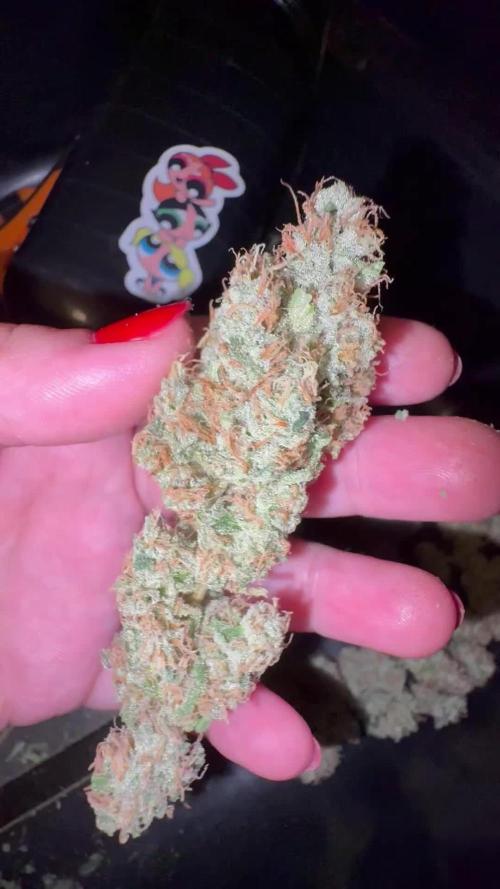
Tremenda planta hermosa, este fue uno de los fenotipos mas resistentes de los 4 que tuve, siempre estuvo a gusto con todo. Lo unico malo fue que la flora es un poco mas larga que los otros fenos entonces estaba descoordinada y la coseche antes, bien terminada debe ser una delicia porque aunque no termino su ciclo estaba bien rica dulzona

Likes
7
Share


@Stickygreens420
Follow
4/24/2023 - Day 57: Start to week 9 of flower. Turned my portable AC on in my lung room to bring temps down. Running at about 76° with the lights on and about 68° for lights out. Also, still running the light at 80% power. Starting to see more purple, and just waiting for everything to ripen up. They are really putting off some strong scents now as well.
4/25/2023 - Day 58 Flower: watered with 4 gallons mixed with Coconut Powder.
4/27/2023 - Day 60 Flower: they are all starting to fade. Mainly seeing purple still. They still need another few weeks until they are where I want them.
4/29/2023 - Day 62 Flower: they continue to fade to a nice purple and the smell when I open the tent is fruity gas. They are not drinking as much anymore. Taking an extra day or two between waterings.
4/30/2023 - Day 63 Flower: watered 4 gallons of water mixed with 1 tbsp Coconut Powder. Also, took a close look at the tricomes today. They are mainly all cloudy, with maybe 5% amber at this point. Still think I have another two weeks before I'll be ready to harvest.

Likes
6
Share


@MissSolasolita
Follow
End of week 1 of flower
Started LST today
She is doing very well
The other Bruce Banner in shared pot is in full flower by 1 week and measures 41 cm

Likes
31
Share


@The_Doctor_Green
Follow
Esta semana ha llovido mucho(desde lunes a jueves) mucha humedad mucha agua, tengo miedo que aparezcan hongos, asique solo la regue con tricodermas para intentar combatir esos futuros hongos.
La próxima semana subiré fotos de las otras macetas también, ya que no hice tiempo para hacerlo hoy.


Likes
517
Share


@Legendaryseedthumb
Follow
Hello guys I’m sorry that I missed one week, the last week when she turned pink!
Day 101 - harvest day, I had to wet trim my plant because i have problems with the humidity, it’s 98% rh outside and raining like hell.
I haven’t invested in a dehumidifier yet didn’t think I had to use one🤦♂️🏽
Day 103 - day 3 drying
Day 104: today I hade to cut the buds from the branches because my rh is to high hahaha!
😃
Day 105: I put my buds to jars today. I had a total of 124g trimmed buds!
Day 106: had to put my buds outside the jars for 12hr for now to start with, had them over night and rh was 70% in the jars… having them now for drying again in 55%-60% rh
