


Likes
Comments
Share


Likes
8
Share


@HeartStrong_Garden
Follow
Pretty much on autopilot right now. I've just been filling the water reservoir when needed. Last night I did a top watering to try to help push them through the last couple days. It shouldn't be much longer now. Pretty much all cloudy trichomes with hints of amber. Once I see a little more amber I'll chop. The topped girl will probably be harvested first, I think she's a little ahead of number 2.


Likes
5
Share


@Willy_Balls
Follow
21 st day of 12/12. Defoliation.
Try smaller containers or longer veg. Plants should be able to drink at least its pots water holding capacity once a day.
Will try 5 liters of medium.
Somę of them drinking more than 2 liters a day.
Much better to overage and remove branches than not enough root mass.

Processing
Likes
12
Share


@Fumiselo
Follow
So far the best plants here without a doubt are the Grapefruits witch are covefed in frost, followed by the Kola Kushes than are not as frosty but are doing well, and finally the Ble Dreams wich are being absolutely disapointing, with hughe internodal spaces with only a few sad calyxes growing on them...


Likes
100
Share


@ILoVeThiSpLaNt
Follow
Giorno 14 fioritura
Le piante stanno bene.
Zombie Kush#1 bella bestia sta iniziando a mettere i primi peletti ora mentre la #2 ha già iniziato da qualche giorno. Come già detto in precedenza penso di avere due fenotipi. La #1 fenotipo Haze mentre la #2 Bubba Kush.
Le due Rainbow in ottima salute e odori completamente diversi. La prima sa di citronella mentre la seconda frutti di bosco. Speriamo esca qualche terpene Zkittlez altrimenti tocca fare subito altri due semini 🤣
La Milk Monkey bella bella anche lei. La più grossa di tutte quante e anche quella più indietro di tempi. Staremo a vedere che cosa ne verrà fuori 😊
Ci vediamo settimana prossima e grazie di tutti i commenti e like 🙏


Likes
95
Share


@DogDoctorOfficial
Follow
Day 54 from seed and the canopy games began, i gave them all some defoliation and instal first net, also started to do some low stress training to guide them out.
Day 54 and i had to bring to this side of the tent my little Kushi with is from my other diares but she had no space there, so i moved her next to the competition side 😁😝 I’m also making a water system, i will keep doing the watering manually, but with the help from a “auto/manual” system.
Day 54 CS have 2 very distinct phenotipes, a normal one with an amazing black pepper smell with a garlic touch and an old school candy smell mixed within, the other one, with i think is a rare one for the chocolate skunk, is smeling amazingly amazing 😅 she as fruit in it like tangerine and orange, and shes sweet and so but so strong smells, im in love with her, and she stretches more them the other 2 also, she provably will b the keeper from the CS department.
Day 54 and I topped CS1 lets see how she reacts 😆🤞💚
Day 54 and TP1 and TP2 are amazing, this girls are so strong and resistant, they are fast growers and they look like winners to me, both of them , caps off to @sweetseeds for such a good job on the genetics department, keep it up guys 🙌🙌🙌🙌🙌🙌🙌
Day 55 and my water system is ready for testing 😅 i know i should test before its all in, but its a non stop live i have so no time , always beliving 😅🤞💚 tomorrow we will know if it works or not 😆😁
Week 8 day 3 and I finally got the water system working and running properly, I’m still plugging in snd out , but this will make my life so much easier, withs results in more free time to dedicate my girls.
Tested my run out today and came out with ec over 2.0 meaning next watering mb the 2 nexts ones will be just ph water with regulator and some enzymes. I will keep testing 😆 as for the rest they all look amazing and I’m pretty happy with both genetics , this sad the Tropicanas are way more stable comparing with the chocolates, but still very early in the run 😝😅💚
Little battle between Topicanna Poisen from @sweetseeds vs Chocolate Skunk from @00Seeds (just for fun)
TP = Tropicana Poison
CS = Chocolate Skunk
Light Lumatek Zeus 465W compact pro at 75%
All i grow is medecine for myself, nothing to sell, dont even ask !!!!
Stay safe and do it with love for the love ❤️ 🙏
💚Growers Love to you all 💚


Likes
9
Share


@WeedleyScott
Follow
Ich habe nun ein Netz eingespannt damit jedem Trieb ein Quadrat bleibt, wenn diese nun etwas durch gewachsen sind schneide ich alles weg was unterm Netz hängt.

Likes
1
Share


Likes
31
Share


@FlavoursUk
Follow
Start of week 3 - No nutrients. Might top this week.
Day 18- Topped.
Think I’ll wait until the new week till I post again.
Processing
Likes
3
Share


@Kushizlez
Follow
Day 19-26 (May 10th - May 17th)
(Day 21) Stretch is almost over and the plants still look like they’re in veg. I’m seeing almost zero trichomes and when compared to my other room it’s laughable. At least the sites are starting to fill in a little. One plant is super leggy and stretchy. I’m guessing it’s Jack Herer but won’t know until late flower or harvest. The plant in the far left corner has great structure and thick pistil clumps. I’m guessing it’s either blueberry or the white og. Blueberry has a pretty distinct smell so differentiating all the strains won’t be that hard actually.
(Day 24) I’ve been rearranging the plants once in a while just to get all sides exposed to some decent light. I never realized how much I value my LED until this run. The only way I would ever use another hps for flower is if it was one of those 1000w DE lights that all the commercial grows use.
Sites are starting to fill in quite a bit now. Trichomes are still non existent though. Even on the archive genetics which is really surprising.
(Day 25) Pots somewhat dried out finally. Tomorrow I’m going to leach everything with another 2 liters each and top dress with 15ml of nature’s pride bloom, 10ml of Destiny launch and 5ml of kelp meal. I’m starting to see minor N tox on some of the plants so I will probably give them a full gallon. This tent is largely experimental so I’m going to fuck with these plants pretty heavy to iron out some theories and try some new techniques.
(Day 26) When I was watering today I noticed that slurricane, Puro loco and guava cake all hermed. The archives just got too stressed out in early veg I think. When I dug up both plants they were still being choked out by the sponge aerogarden plugs. Puro Loco was leading by far in the trichome department too. The guava cake was from a hermed bagseed so it’s not surprising at all but that kind of pisses me off about the “elite” Archive genetics, especially if you paid 200$ for a 10 pack. Then again, it was still my error and not their genetics. Luckily I didn’t pay a dime for them. Running those was a complete waste of time and space. With proper environment and no seedling stress I’m sure I could have grown some amazing looking stuff. All the European and Canadian genes look fine though. I’m sure they would have filled out a lot more if they weren’t being choked out by hermies. No signs of bananas anywhere else. Hopefully the 4 slurricanes I have outdoor this year will pull through without herming.


Processing
Likes
12
Share


@BudConnoisseur
Follow
Week 3 of flowering and its smelling really nice in there and they’re definitely packing on weight and resin now, overall happy with my progress and both phenos of the Peyote Critical so far, no sign of nute burn or bug infestation/ mould or mildew so everything is going great :)
However my oscillating fan died as I don’t have pot tray for the lsd and gave them a big drink and she drained out everywhere in the bottom of the tent and destroyed the fan haha, oh well.
LSD still not looking as good as both the Peyote but hey, it might surprise me.
Until next Week! Start giving them pk this week so now the real fun begins....
Likes
29
Share


@Hashy
Follow
So the plant did well in the 9L airpots, and had a really good root structure. Out of this grow she was one of the largest out of the 4 plants. She didn't quite pull out the colours that this strain usually manages, but that's probably due to me not being able to lower the temperature. The harvest was quite an easy one and I didn't really get any fluffy buds as I had trimmed the lower part of the plant early on in the grow.
Processing
Likes
12
Share


@Siriuz
Follow
Started Week 7
Noticed 2 or 3 leaves showing some
Nutrient burnt
But she's all good we already added some plain water and flush a Lil so she's even better, nothing to worry about.
We went medium hard on nutes last day
Hopefully we will see results in a couple days and preparing her for next meal
Any suggestion please let me know
Comment down below, thank you for your support have fun and happy growing guys
Day 46 Was a great day outdoors, they spent all day out until night came and then we brought them inside for more light
Was a cloudy rainy but sun still there
Nice weather after all
Day 47 Only outdoors from 7 til 2pm
Day 48 not so good outdoors but left them until 2.00pm than CFL
Day 49
She's looking good, passed all morning outdoors and went back inside around 2pm then CFL for the next day
Day 50
Sunny Sunday outdoors very clear good weather we will see if it gets hot or not to bring her inside, buds coming up quickly developing more places where buds will grow, any suggestions or ideas are welcome!
Day 51, 52 and 53.
Havent gotten the time to take pics or vids lately but check on next week to see the difference between day 50 and day 54
If I can put all those day together
I must say she's been good and healthy
Performed Lil defoliation on her
Also watered them a lil
They always take morning sunlight outdoors from 6.30 til it gets really hot or dry then they go back indoors under CFL lights so they continue to grow in a good environment where we can control humidity and temp better.
If weather is good they will stay outdoors until sun is gone then we give them extra light at the comfort zone indoors.
Happy growing community and good vibes
Thanks for your support
Likes
6
Share

@Philhsy
Follow
Guava Sundae Auto – Week 5 🍨
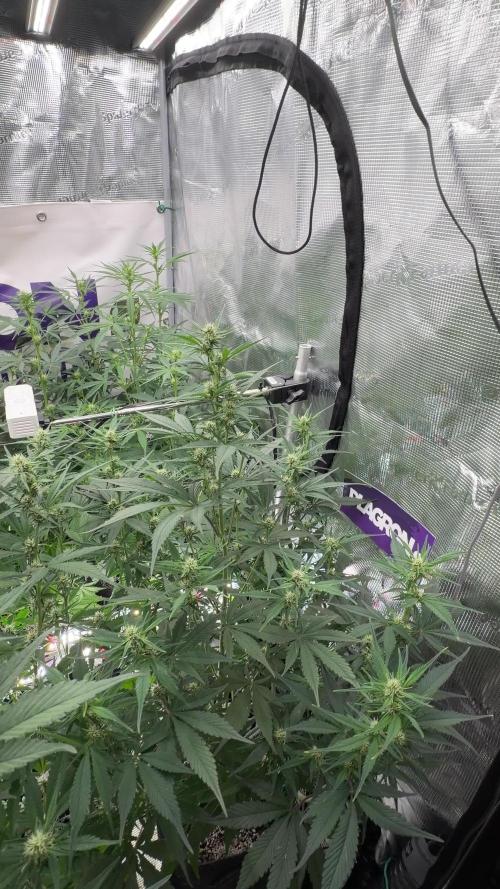
Guava Sundae is having a great Week 5 and has settled comfortably into flowering. The stretch is beginning to slow down, and the focus is now shifting toward building bud sites across the entire plant. Multiple tops are developing nicely, with fresh white pistils appearing daily and creating a strong foundation for the weeks ahead.
This week I’ve continued feeding with the Plagron nutrient line, and the plant seems to be responding very well. Healthy green foliage, strong stems, and vigorous growth suggest she’s enjoying the current feeding regime. Light intensity has been increased gradually, while maintaining a stable environment to encourage healthy flower development.
A little leaf tucking and gentle training earlier in the grow have helped create good light penetration and airflow throughout the canopy. Everything is looking on track, and I’m excited to see the buds begin stacking and resin production start ramping up over the coming weeks.
Thanks to Plagron for helping keep the garden thriving! 🌱💜
Likes
7
Share


@CannabisAprendiz
Follow
Esta cosecha fue muy buena con excelentes resultados de flores muy compactas y demasiado resinosas , la genética en sí es muy resinosa con olor muy característico , con sabores terrosos muy marcados .
Likes
61
Share


@BillMonroe
Follow
Smooth sailing. It's crowded so it's a challenge to take pictures. These plants have just kept going and going. It's a good grow to me.
I forgot to change it, but the lights have been on 12/12 for 2 weeks.
Dehumidifier and other decisions have helped me to have a pest and plague free grow (knock knock).

Likes
Comments
Share

@Northern_Ent
Follow
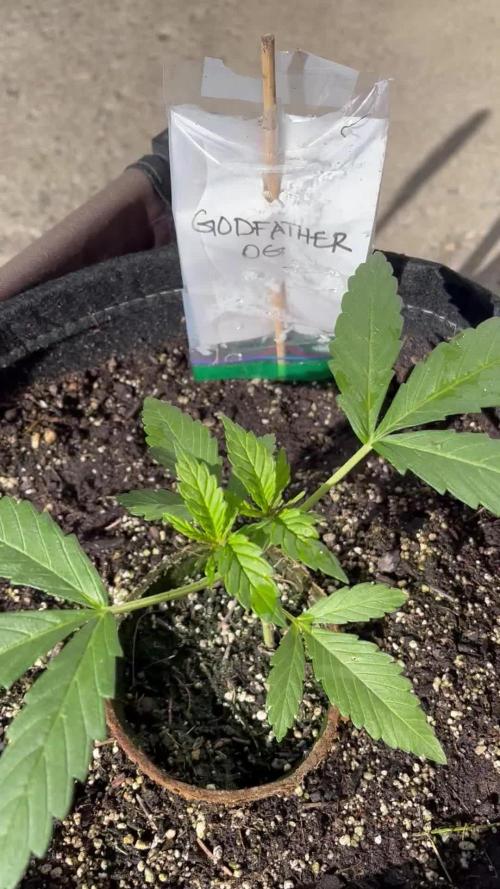
June 13: It has been a cool and kind of rainy spring but she looks ready to take off now with slightly warmer temperatures and long sunlight hours around the solstice.
June 17: missed a day in the photos but it looks like fast growth is happening now.
June 18: more rain. Did a foliar spray in the morning with Extreme Blend and Dr Bronners Peppermint Soap. The soap lowers the surface tension of the water allows it to better penetrate the leaf. The smell supposedly helps keep pests away too.


Likes
33
Share


@Prof_Weed
Follow
Der Orange Buds geht es ganz gut 👍.
In Hydroponic dauert es am Anfang immer ein wenig länger bis die Pflanze richtig durchstartet..
Ich denke mal in 2 Wochen fängt es dann richtig an.
DLI liegt bei 16.92 ( 20 h Licht bei 235 PPFD).
Heute wechsle ich das 1. Mal Wasser und gebe additiv Silicate von Terra Aquatica hinzu.
Die ersten Tage hatte ich Schwankungen im PH Wert,ich denke weil der EC Wert so niedrig ist und weil die Blähton Kugeln auch erstmal den angestrebten Ph Wert annehmen müssen.
Die Pflanze bekommt hier und da gelegentlich Streicheleinheiten von dem Mini Ventilator damit sie kräftiger wird
Bye