The Grow Awards 2026 🏆
Likes
Comments
Share
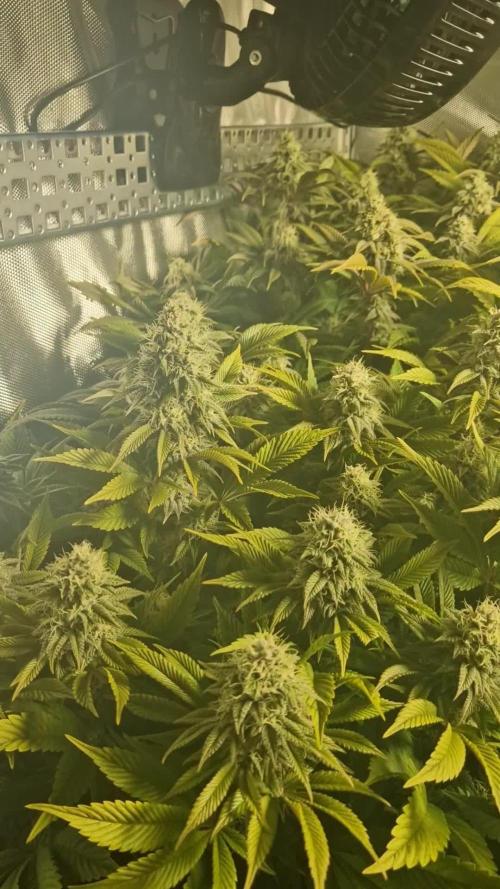
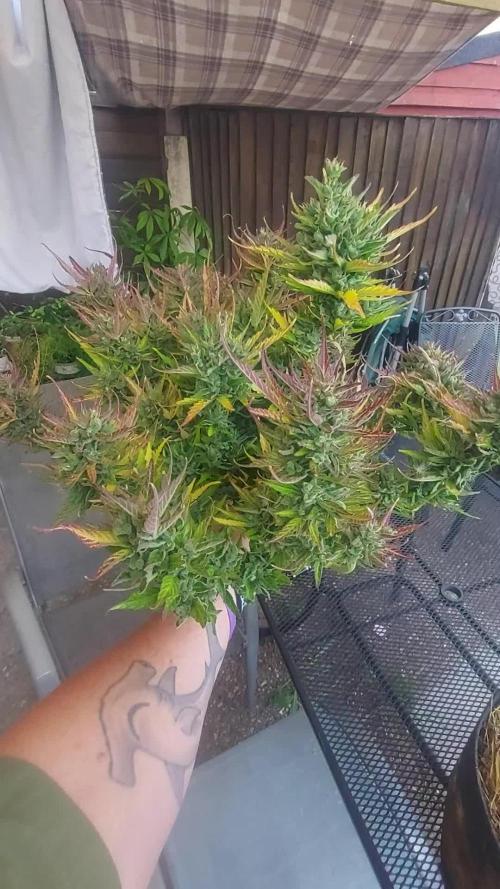
✋Ding Dong le Cut a sonné pour les belles demoiselles la semaine dernière après une belle floraison J'adore son feuillage qui à fait une belle sénescence et surtout c'est feuilles légèrement violet 😍 Remplit de trichomes 😍 Partis pour une petite semaine minimum de séchages et en bocaux 😎 Je vous dis à bientôt pour le résultat final 😉
Likes
73
Share
@Rwein93
Follow
Ciao ragazzi e bentornati qui con me e la Mimorange 🍊 Le ragazze sono fantastiche nessun segno di stress apprte qualche puntino strano sulle foglie dovuto sicuramente a dei piccoli acari che non riesco a vedere. Ho comunque provveduto a spruzzare loro con una soluzione apposta a base di olio di Neem.🤞 La numero 3 ha raggiunto la sorella numero 2 mentre la pianta numero 1 ha superato loro di almeno 15 cm. Infatti è lei la bestia da 140 cm, con 4 belle apicali da almeno 80 cm.💪🔝 Ho defogliato loro nel giorno 58 e mantengo i nuts costanti fino alla fine👍 Eh niente ragazzi! Siamo giunti al termine della settimana 9 e siamo CAMPIONI D' EUROPA!!!🏆🥇 GRANDI AZZURRI💙 🇮🇹FORZA ITALIA🇮🇹 Grazie a tutti per aver guardato e restate sintonizzati per nuovi aggiornamenti🙏 Buona settimana e felice crescita 🌱 🌱 🌱
Likes
22
Share
@Slobasian
Follow
You walk into the back yard and it’s a straight face punch of smells. Looking like some indoor rn moved all plants to safer place in case storm hits so now I atleast have a wind break
Likes
14
Share
Habe jetzt dann doch auf den Calcium/Magnesium Mangel reagiert und Biobizz Calmag zum Düngemix hinzugefügt. Nach 2 Tagen war bereits eine deutliche Veränderung der Pflanzenoberflöche festzustellen. Muss man mal beobachten wie sich das bei der geringen Dosis verändert. Man kann wunderbar erkennen wie die Pflanze jetzt anfängt zu blühen. Es werden nun von Tag zu Tag mehr weiße Härchen und die Pflanze macht einen ordentlichen Schuss. *edit* Vielleicht kann mir jemand erklären, warum mein Video, dass in 4K aufgenommen wurde hier gefühlt nur in 360p angezeigt wird? LG Pascal
Likes
11
Share
@Turbo420
Follow
Will begin the hang dry this week for this cheese!
Likes
44
Share
@Aedaone
Follow
The temperatures, humidity, height, and watering volume(if measured) in grow conditions are all averaged for the week. The pH is soil pH. Any watering done by me is well water which is 7.6 pH and 50° F. Coop Poop, Feather Meal, and Soluble Kelp are ml/gallon of soil top dressed. Everything else listed in nutrients is ml/gallon of water fed to plants without checking the solution Ph. Day 1 we had a high temperature of 73°. It was sunny, cool, and a dry 35% humidity. The girls are super happy. I watered about 5 gallons today. Day 2 we had a high temperature of 74°F. I watered about 5 gallons of well water. The nights are super cool and the pm is coming back. I'll have more Growers Ally fungicide arriving tomorrow. I'll hit these with the double treatment to clean them up. Day 4 we had a high temperature of 84°F with sunny skies. The humidity is tipping back up but still below 80%. I didn't get photos for day 3. The girls are doing great. I treated with biofungicide today. They're feeding off the nutes in the pot. They run a little low on nitrogen overnight. When I water in the morning the feather meal on the top soil breaks down and they darken up. Day 5 we had a high temperature of 87°F with partly cloudy skies. I watered about 5 gallons. Day 6 we had a high temperature of 80°F. Skies were cloudy and we have a hurricane now tropical depression about to hit. I watered about 5 gallons. No rain yet. Day 7 we had a high temperature of 72°F. Skies were overcast and there was a drizzling mist all day. Humidity was 110% for at least 24 hours. The girls seemed to be fine. There's more rain in the forecast and I'm hoping we miss it.
Likes
15
Share
Day 32 - Heater was blowing directly on a couple of the leaves that turned brown. Cut them off. Raised lights up again. I think my development is a little slower than others but I have had a lot of trial and error. Day 33 - added tomato rack for LST. growing nicely. Day 34 - Stopped nutes as I was getting a little leaf burn in lower leaves. Looks good otherwise. Lights are dialed in. Day 35.- This is what too much light looks like. Day 37 - Switched to the grow light. Moved the heater. Growing nicely. Day 38 - Lights dialed in REDUCED water. Stopped watering for 2 days. Day 39 - Full Lights on now. Put more holes in the pot. Draining nicely now.
Likes
16
Share
12/10/21 #1 Ph 6.0 E.C 1.4 #2 Ph 6.0 E.C 1.4 #3 Ph 6.0 E.C 1.7 #4 Ph 6.0 E.C 1.5 15/10/21 #1 Ph 6.0 E.C 1.4 #2 Ph 6.0 E.C 1.4 #3 Ph 6.0 E.C 1.4 #4 Ph 6.0 E.C 1.4
Likes
21
Share
@deFharo
Follow
🖐️👨‍🌾 Bienvenidos amantes de la Marihuana, comienzo una nueva temporada de cultivos, primavera/verano 24, con esta cepa que me va a llevar de viaje por el viejo reino de Siam a la búsqueda de la marihuana que pude fumar allí y antaño, tal vez en este camino cargado de recuerdos, me encuentre con otras flores... con más recuerdos. Después de unas semanas de descanso de la temporada anterior, comienzo este nuevo viaje con ganas y la esperanza de conseguir la mejor cosecha hasta el momento. Preparé concienzudamente el sustrato donde puse las semillas de las 9 cepas que voy a cultivar esta temporada, mi intención era emular la germinación espontanea que se produce en el bosque o campo, pensé en reproducir este escenario, mezclé un sustrato "cocinado" durante meses con nutrientes y minerales, añadí fibra de coco inoculada con Microorganismos de Montaña y mi Bio Coco EM que contiene minerales, hormonas, enzimas, etc. puse la semilla en superficie de ese sustrato y lo tapé con materia orgánica seca proveniente de Mulch rescatado de mi anterior temporada de cultivos, a continuación humedecí todo con agua caliente y miel, lo tapé y lo puse al calor de una manta eléctrica, a los 3 días asomó esta semilla de Thai Fantasy, dos días después otra semilla de Colombia Gold también salía del sustrato, pero 8 días después ninguna de las otras 7 semillas germinó, a la vista de una lupa, todas la semillas estaban podridas y con ácaros similares a los que se ven en el compost, el fracaso ha sido total, la ley de la selva a imperado y solo han sobrevivido las más fuertes, estas dos semillas tendrán las mejores macetas, se las han ganado. Ahora he vuelto a poner las semillas a germinar, pero esta vez sobre servilletas húmedas y calor, y prepararé un sustrato menos caliente para el momento del trasplante... adelante! Espero lo mejor de esta cepa con dominancia sativa, las cepas de Kannabia siempre sorprenden, y mi bodega está a falta de sativas asiáticas, así que a jugar!! ================================ Info de la cepa Thai Fantasy de Kannabia seeds: https://www.kannabia.com/es/semillas-marihuana-feminizadas/thai-fantasy "Nuestros paladares occidentales se abren a nuevas dimensiones cuando nos adentramos en los universos exóticos de Tailandia o Camboya." Kannabia Seeds - Genética: Thai x Black Domina - Sativa 80%, Índica 20% - Tiempo de Floración - 58-65 días - Rendimiento en interior: 500 g/m² - THC: 18,6 % - Sabores: Dulce y terroso ================================
Likes
12
Share
The wheater was very bad. i hope for a good harvest but it is so hard. too much rain and wind.
Likes
5
Share
@CalGonJim
Follow
9/15 12AM MONDAY!!! THEY ARE ALL DOING GREAT!!! VERY HEAVY AMINOS YESTERDAY, NO DAMAGE. 9/15 11:24PM. In plant cells, glutathione S-transferases (GSTs) act as transporters, facilitating the movement of anthocyanins from the endoplasmic reticulum (ER) to the vacuole for storage, though their exact mechanism is still being studied. The synthesis of glutathione (GSH) itself occurs in the cytosol of mammalian cells through two ATP-requiring enzymatic steps, while anthocyanins are synthesized via a separate phenylpropanoid pathway 9/15 11:42PM glutathione metabolism glutathione S-transferases plantsThinkingKicking off 5 searchesLooking at 71 sitesPutting it all together In plants, glutathione S-transferases (GSTs) are a diverse family of enzymes integral to glutathione (GSH) metabolism, primarily functioning in detoxification and stress response. The core of this process involves GSTs catalyzing the conjugation of the tripeptide GSH with various toxic compounds, or xenobiotics, making them less harmful and easier to sequester or transport. Glutathione (GSH) metabolism in plants GSH metabolism is a tightly regulated process that maintains cellular redox balance and protects against stress. Biosynthesis: GSH is synthesized in two adenosine triphosphate (ATP)-dependent steps:(gamma )-Glutamylcysteine synthetase (GSH1) joins L-glutamate and L-cysteine to form (gamma )-glutamylcysteine. In Arabidopsis, this enzyme is located exclusively in the chloroplasts.Glutathione synthetase (GSH2) adds glycine to (gamma )-glutamylcysteine to produce GSH. This enzyme is found in both the cytosol and the chloroplasts.Oxidation and reduction: GSH exists in two forms: a reduced monomer (GSH) and an oxidized disulfide dimer (GSSG).Oxidation: In the process of scavenging reactive oxygen species (ROS), GSH is oxidized to GSSG.Reduction: Glutathione reductase (GR) uses NADPH to reduce GSSG back into active GSH, which is essential for maintaining a high GSH-to-GSSG ratio inside the cell.Degradation: Glutathione can be degraded in the cytosol, apoplast, and vacuoles by (gamma )-glutamyltransferases (GGTs) and other peptidases, allowing for recycling of its amino acid components.Transport and compartmentalization: While synthesis occurs in the chloroplasts and cytosol, transporters move GSH and its conjugates throughout the cell, including to the mitochondria, peroxisomes, and vacuoles. Functions of glutathione S-transferases (GSTs) GSTs are a large, ancient gene family with diverse roles that extend beyond detoxification. The primary functions involving GSH are: Detoxification of xenobiotics and heavy metals: GSTs catalyze the conjugation of the thiol group of GSH to a wide range of electrophilic and hydrophobic substrates, including herbicides, pesticides, and heavy metals. The resulting GSH-conjugates are then recognized by ATP-binding cassette (ABC) transporters and sequestered in the vacuole, reducing their cellular toxicity.Protection from oxidative stress: Stress conditions like drought, salinity, and high light increase levels of ROS, which cause lipid peroxidation. 🚨Some GST isoforms have glutathione peroxidase (GPOX) activity, using GSH to reduce toxic lipid hydroperoxides to less damaging alcohols, thereby protecting cell membranes.Defense against pathogens: During pathogen attacks, GST activity increases to detoxify microbial toxins and secondary defense-related compounds. This helps to bolster the plant's resistance response.Metabolism of endogenous compounds: GSTs play roles beyond immediate stress response by participating in the normal metabolic processes of plants. Examples include:Hormone transport: Some GSTs act as binding proteins (ligandins) that transport plant hormones like auxins within the cell.Metabolite transport: Specific GSTs facilitate the transport of important compounds like flavonoids and anthocyanin pigments into the vacuole.Tyrosine degradation: The zeta GST class (GSTZ) catalyzes a critical step in the breakdown of the amino acid tyrosine.Redox signaling: By influencing the GSH/GSSG ratio and interacting with plant hormones, GSTs can regulate cellular signaling pathways that control growth and stress response. 🚨GSTs and plant stress response The expression of many GST genes is highly inducible by various environmental and endogenous cues, making them key players in a plant's ability to adapt to adverse conditions. Abiotic stress: Drought, salinity, heavy metals, and extreme temperatures all trigger increased GST expression, which helps plants manage resulting oxidative damage. Overexpression of specific GST genes has been shown to enhance stress tolerance in transgenic plants.Herbicide resistance: The ability of crops and weeds to detoxify herbicides through GST-catalyzed conjugation is a well-studied example of GSTs in stress adaptation. Herbicide safeners, chemical agents that protect crops from herbicide injury, work by boosting the activity of these GST enzymes.Developmental processes: Studies have linked the expression of certain GST genes to specific stages of plant development, such as fruit ripening, root and stem development, and flower formation. "" 9/16 12:32am AI Overview In plants, phenylalanine is the precursor for anthocyanin synthesis, a process that involves a multistep pathway in which glutathione (GSH) plays a critical role in the transport of the final pigment to the cell vacuole. Phenylalanine initiates anthocyanin synthesis The biosynthesis of anthocyanins begins with the amino acid phenylalanine, which is produced via the shikimate pathway. The conversion process, known as the phenylpropanoid pathway, involves a series of enzymatic reactions: 1. Phenylalanine ammonia-lyase (PAL): This enzyme catalyzes the first committed step of the pathway, converting L-phenylalanine into trans-cinnamic acid. 2. Downstream enzymatic reactions: A series of additional enzymes, such as chalcone synthase and chalcone isomerase, convert the intermediate compounds into unstable anthocyanidins. 3. Glycosylation: Glycosyltransferase enzymes stabilize the anthocyanidins by adding sugar molecules, creating the final, stable anthocyanin pigments. 4. Glutathione is crucial for anthocyanin transport After synthesis, glutathione is essential for transporting anthocyanins for storage. * Glutathione S-transferases (GSTs): These enzymes bind to the newly formed anthocyanins in the cytoplasm. This binding is a key step that facilitates the transport of the anthocyanin-GST complex across the tonoplast (the vacuolar membrane) and into the vacuole. * Vacuolar storage: Once inside the vacuole, the anthocyanins accumulate and provide color to plant parts, such as flowers, fruits, and leaves. * Catalytic role: Recent research has also found that certain GSTs have a catalytic role in anthocyanin synthesis. They can catalyze a dehydration step to form specific anthocyanidins, significantly boosting production in engineered systems. * The process in summary The synthesis and accumulation of anthocyanins involve a coordinated process of multiple steps: 1. Production from phenylalanine: The amino acid phenylalanine enters the phenylpropanoid pathway, where enzymes convert it into the basic flavonoid structures. 2. Formation of anthocyanidins: Further enzymatic modifications produce the colored but unstable anthocyanidins. 3. Stabilization and transport with glutathione: These anthocyanidins are stabilized by glycosylation and then bound by GSTs (which use glutathione). This binding enables their transport into the vacuole for storage and visible pigmentation. 9/15 12:46AM https://pmc.ncbi.nlm.nih.gov/articles/PMC7238016/ 9/16 1:30AM BKO is looking great!!! Conclusion The “butter frosting” resin on Cookie Apple F1, healthy yellow-green fusiform, and Blueberry KO’s pigmented cotyledons show your anthocyanin-glutathione-phenylalanine strategy is working—phenylalanine drives synthesis, glutathione ensures transport. Tweak amino acids to 100–150 mg/L to reduce tip burn. 9/16 3:34am 9/16 4:31AM Anthocyanin glutathione synthesis phenylalanine proline tmg powder relating current project: * Phenylalanine is a precursor: Phenylalanine is an amino acid and the starting point for the phenylpropanoid pathway in plants. * Anthocyanin synthesis: This pathway creates various secondary metabolites, including the flavonoid pigments known as anthocyanins, which give plants their red, purple, and blue colors. * Pathway activation: Multiple enzymes, such as phenylalanine ammonia-lyase (PAL), catalyze the conversion of phenylalanine into the building blocks for anthocyanin. * Anthocyanin and glutathione synthesis * Glutathione S-transferase (GST): This enzyme is crucial for synthesizing anthocyanins in plants. It transports anthocyanins into the cell's vacuole for storage. * Glutathione (GSH) production: Anthocyanins can promote glutathione synthesis in certain cells. For instance, the anthocyanin cyanidin-3-O-β-glucoside (C3G) has been shown to increase the expression of glutamate-cysteine ligase (Gclc), a key enzyme in GSH synthesis. * Antioxidant effect: By upregulating GSH production, anthocyanins contribute to the antioxidant defense system, protecting cells from oxidative stress. * Proline and glutathione synthesis * Shared precursor: In some organisms, the synthesis pathways for proline and glutathione share a precursor molecule called γ-glutamyl phosphate. * Alternative pathway: Research on bacteria and yeast has revealed an alternative, trace pathway where γ-glutamyl phosphate from the proline synthesis pathway can be diverted to produce the glutathione precursor γ-glutamylcysteine. * Oxidative stress response: Studies in mouse oocytes show that supplementing with proline upregulates genes related to glutathione synthesis (Gclc and Gclm), increases glutathione levels, and reduces oxidative stress. * TMG powder, methylation, and homocysteine * Methyl donor: Trimethylglycine (TMG), or betaine, is a potent methyl donor, meaning it provides methyl groups needed for various biochemical processes in the body, including the methylation cycle. * Homocysteine regulation: One of TMG's primary functions is to convert the amino acid homocysteine into methionine. This helps regulate homocysteine levels, which is important for cardiovascular health. * TMG and proline interaction: In plants and some organisms, TMG and proline act as compatible solutes or osmoprotectants, helping cells stabilize against osmotic stress like drought or salinity. However, in human biology, TMG mainly functions through methylation, while proline is involved in different metabolic and antioxidant roles. * How they all relate The listed components are connected through several overlapping metabolic and regulatory pathways: * Anthocyanin synthesis starts with phenylalanine. * Anthocyanins can promote glutathione synthesis via upregulation of key enzymes like Gclc. * Glutathione synthesis can be influenced by the proline synthesis pathway, as they share an intermediate in some contexts. * TMG powder supports the methylation cycle, which helps regulate homocysteine levels. While TMG and proline serve similar protective roles in some organisms, their primary human metabolic functions differ, with TMG focusing on methylation and proline having distinct roles in antioxidant response and metabolism 9/17 217am Die Hard Christmas Grow 9/18, 11:34 AM. I ordered some square saucers that were cartoonishly too small but they fit inside the AC infinity germination kit and they fit with the Bud Cups perfectly really nice so it’s not a total loss. 9/18 11:45AM mix. Foliar Spray, the rest of the mix ec 0.46 Mixed up Aminos first and separate and use 16 oz for foliar spray. Then mixed up: Root: 1 mL/L Connoisseur A & B GROW, .2 mL/L CaliMagic, .2 mL/L Purpinator. Setria Glutathione: 150 mg/L(Brand: Emerald 250mg capsule.) TMG: 150 mg/L = (Brand Nutricost) Phenylalanine: 150 mg/L (Brand Nutricost) Proline: 150 mg/L (Brand Nutricost). 9/18 228PM AI Overview Glutathione influences plant colors by regulating the accumulation of pigmented compounds, primarily anthocyanins. The tripeptide accomplishes this through its role in transporting pigments within plant cells and in protecting against environmental stresses like UV radiation that can cause oxidative damage. Transporting pigments into plant cell vacuoles Glutathione works with a class of enzymes called Glutathione S-transferases (GSTs) to transport pigments like anthocyanins into the vacuole for storage. Anthocyanin transport: In plants with pigmented tissues, such as purple grapes or red flowers, glutathione-conjugated pigments are transported by GSTs across the tonoplast membrane into the vacuole. This process is crucial for the stable accumulation of pigments. Genetic manipulation: Research shows that manipulating specific GST genes can alter a plant's pigmentation. For instance, silencing a particular GST gene in purple grape hyacinths caused their petal color to shift to a lighter shade of purple. Similarly, defective GST genes in carnations resulted in pale-colored flowers. Protecting against UV light and stress Glutathione helps regulate plant pigmentation in response to environmental factors, especially UV-B radiation. Activating flavonoid production: When plants are exposed to UV light, a surge in glutathione triggers the expression of genes involved in producing flavonoids. Flavonoids, including anthocyanins, can act as protective sunscreens for the plant, and their increased synthesis and accumulation can alter visible coloration. Balancing oxidative stress: Intense UV-B radiation increases reactive oxygen species (ROS) in plants, which can cause oxidative damage. Glutathione is a master antioxidant that helps detoxify these ROS, preventing cellular damage that can affect a plant's pigment-producing mechanisms. Indirectly influencing plant colors By regulating cellular redox status and interacting with other molecules, glutathione also affects pigment expression in more indirect ways. The xanthophyll cycle: As part of a plant's antioxidant system, glutathione helps maintain the reduced state of other protective antioxidants like tocopherol and zeaxanthin. Zeaxanthin is a carotenoid pigment involved in the xanthophyll cycle, which helps dissipate excess light energy. Redox signaling: The balance between reduced glutathione (GSH) and oxidized glutathione (GSSG) is a key cellular signal for stress response. A shift in this ratio during environmental stress can influence the production of secondary metabolites like pigments, allowing the plant to adapt. " 9/19 1:41AM AI Overview The key difference is that anthocyanins are the sugar-containing form (glycosides) of pigments, while anthocyanidins are the sugar-free form (aglycones). Anthocyanidins are the foundational molecules, and when a sugar molecule attaches to them, they become anthocyanins, which are more stable and water-soluble, making them the forms found naturally in plants, such as berries and purple vegetables. Anthocyanidin (Aglycone) Structure: The basic, sugar-free molecule of the anthocyanin structure. Location: Not found freely in nature but is the core component that is then glycosylated. Properties: Color changes with pH, being visible in acidic conditions but colorless in basic conditions. Examples: Cyanidin, delphinidin, pelargonidin, peonidin, petunidin, and malvidin. Anthocyanin (Glycoside) Structure: Consists of an anthocyanidin linked to one or more sugar molecules. Location: Found in the vacuoles of plant cells. Properties: Water-soluble and are the pigments responsible for the red, purple, and blue colors in plants. Function: The sugar attached provides stability, allowing for accumulation in plants and providing antioxidant properties. Examples: Cyanidin-3-glucoside and other derivatives like acylated anthocyanins. " 9/19 2:43AM I also saw a good mans immediate accent into Heaven, that perspective matters too. no less angry about it though. 9/19 10AM Heavy Amino spray 250mg each in 1L of Setria Glutathione and Phenylalanine 9/19 10:10PM The sons and daughters of americas real terror organization carried out the last horror show, and the one before that and before that. It's not a foreign country, it's always the anti white anti human black sheets and badges that did this. 9/19 10:43PM AI Overview Phenylalanine and glutathione contribute to plant colors through different biochemical pathways . Phenylalanine is a precursor for the pigments themselves, primarily anthocyanins, while glutathione is involved in the transport and stabilization of these pigments within the plant cell. Phenylalanine: The pigment precursor The source of aromatic compounds: Phenylalanine is an aromatic amino acid and the starting compound for the phenylpropanoid pathway in plants. This pathway produces a vast number of secondary metabolites, including anthocyanins, which give many plants their red, purple, and blue colors. Color enhancement: Research has shown that increasing the amount of available phenylalanine can lead to more intense red coloration in some fruits, such as mangoes and apples. Pathway stimulation: Phenylalanine ammonia-lyase (PAL) is a key enzyme in this pathway that converts phenylalanine into precursors for anthocyanin biosynthesis. An increase in phenylalanine levels stimulates this entire process. Glutathione: The pigment transporter Anthocyanin transport: After anthocyanin pigments are synthesized in the cell's cytoplasm, they must be transported into the central vacuole for storage. Glutathione S-transferases (GSTs) are a family of enzymes that facilitate this process. Color intensity: A functional GST is essential for proper anthocyanin accumulation. Mutations in GST genes can result in a significant decrease in color intensity, as seen in the pale or white flowers of certain gentian mutants. Mechanism of action: The GST binds to the anthocyanin pigment and moves it from the cytoplasm into the vacuole. If the GST is defective, the pigment cannot be transported correctly, leading to a loss of coloration. Summary of interactions The roles of phenylalanine and glutathione are distinct but cooperative in producing plant colors: Phenylalanine provides the essential building blocks for creating the colored compounds (anthocyanins). Glutathione, with the help of GSTs, ensures these colored compounds are correctly moved to their storage location (the vacuole). This cooperative system explains why mutations or deficiencies in either process can lead to reduced or altered coloration in plants." 9/19 10:51PM AI Overview. Trimethylglycine (TMG) supports the production of glutathione, a vital antioxidant . However, there is no evidence to suggest a direct relationship between these supplements, the amino acid phenylalanine, and the colors of plants. The concepts are linked indirectly via complex biological processes. Trimethylglycine (TMG) and glutathione TMG and glutathione are connected through the body's methylation cycle. TMG as a methyl donor: TMG plays a critical role in the methylation process by donating a methyl group, which helps convert the harmful amino acid homocysteine back into methionine. Support for glutathione production: This methylation cycle, which is supported by TMG, is essential for producing glutathione. Glutathione is a powerful antioxidant that protects against cellular damage and is crucial for detoxification. Supplementation considerations: TMG supplements are sometimes taken alongside other supplements to support health, though consultation with a healthcare provider is recommended. Phenylalanine and the methylation cycle Phenylalanine is an essential amino acid, but its role is distinct from the TMG-glutathione process. Essential nutrient: Phenylalanine is a key nutrient for cellular metabolism. Potential interactions: A separate medical study on experimental hyperphenylalaninemia (abnormally high phenylalanine levels) in chicks observed a decrease in other amino acids in the brain, including those involved in the glutathione pathway. This demonstrates how excessive levels of one amino acid can potentially influence others, though this does not represent a typical interaction. Plant colors The connection between the supplements and plant colors is purely conceptual, as the colors are determined by completely different biological processes. Anthocyanins: The colors of many plants, including red, purple, and blue flowers, come from pigments called anthocyanins. Glutathione in plants: While plants contain glutathione as an antioxidant to combat stress, it influences color by regulating the transport and accumulation of anthocyanin pigments, not by being a pigment itself. TMG and phenylalanine in plants: Plants contain TMG, which functions as an osmoprotectant (protecting against osmotic stress). They also contain phenylalanine, but these substances do not directly determine the plant's visible color." 9/19 11:21PM. !!!!!! this was pointless and im dumber for having read it. !!! Light intensity and spectrum affect metabolism of glutathione and amino acids at transcriptional level: https://pmc.ncbi.nlm.nih.gov/articles/PMC6938384/ 9/20 11:08 AM the seedlings and the four autos are doing just great. The amino spray with phenylene and glutathione really had nice effects no burning nice solid growth even seedlings from basil lavender various lettuce all are perfect.🚨🚨🚨👍👍👍👍👍 9/21 2AM I AM BECOME ANTHOCYANID!!! ITS WORKING AND ON A SEEDLING I SEE THE GELATO COLLORS IN BLUEBERRY KO AND THE LEAF SHAPE OF BUBBLES BLUEBERRY,!!!
Likes
5
Share
@JerMeds
Follow
Well these girls are really starting to hulk out. Buds are really stacking and smelling very exotic. They have been pretty hungry. I hit 880 ppm in there tank early in the week but I have slacked off on nitrogen so no more Floralicious Plus and I lowered all my nutrients later in the week to 650ppm I will give them some more time to swell before I switch too Overdrive. This could be a pretty massive harvest. I have been getting alot of condensation in the grow room and its sending my humidity threw the roof. I have a humidifier and it bring it too 60-70% on full blast. I'm sure these girls can handle it. I do need to be careful and not touch the buds so I don't contaminate them. Lets hope I can avoid bud rot.
Likes
5
Share
Hallo zusammen 🤙. Sie wächst sehr schön und macht keine Umstände
Likes
103
Share
@Fatnastyz
Follow
3-24 Silica 1.5, cal/mag 6, micro 6, flowers 6, frost nugs 3, green sensation 1.5, slf 1.5, drops 1.5 ppm in 710 ph 6.0 Runoff 1375 ph 6.9 She still rockin 🤘 3-27 6ml cal/mag, 1.5 ml slf-100, 1.5ml drops of balance, 1/2 tsp recharge. She will get a full feed, next feed. Gave recharge b/c she only got cal/mag, so why not do some good while washing out salts. Ppm in 325 ph 6.0 Out 995 ph 7.0 See how she do 😁🤘
Likes
175
Share
Day 71 Flower (Day 113) Today was the first day of week 11 of flower and another uneventful day. I took a couple of pics and gave the right girl 2.5 liters of pH 6.3 water. That was it. Day 72 Flower (Day 114) Yet another exciting day - open the tent, look at the trichomes, snap a pic, close the tent, repeat. The left girl is fading, but her trichomes are all cloudy. On the other hand, the right girl is hardly fading at all but shows some amber here and there. Day 73 Flower (Day 115) Today, all I did was to give each girl 2.5 liters of pH 6.3 water. Done Day 74 Flower (Day 116) Didn't do fuckall today. I'm so ready to harvest these girls. Already a solid month of overtime. I will cut in a few days I think. Amber trichomes be damned. 11 weeks of flower is enough! Day 75 Flower (Day 117) I gave the left girl 2.5 liters of pH 6.5 water today and checked the trichomes on both girls (again). That was it. Day 76 Flower (Day 118) Woohoo! I'm finally starting to see some amber trichomes here and there. The end is near! Day 77 Flower (Day 119) Today was the last day of week 11 of flower, and the grow is drawing to an end. I had a closer look at the trichomes, and they are showing enough amber to satisfy me. I think I will chop tomorrow on day 120. It's been a fun grow, and I have learned a bunch, but after over a month of overtime, I'm also ready to close down shop and have a bit of break.
Likes
3
Share
Likes
17
Share
Loved growing this unknown Indica Strain the effects are medicinal, the experience is euphoric and pleasant being surrounded by flowery herby scents while you bliss out. A true gem and pleasure to grow
Likes
17
Share
Die Woche ist sehr gut verlaufen nun ist der elfte Tag Blüte Sie scheint sich von den Larfen beziehungsweise Trauer fliegen Erholt zu haben die Blätter stehen wieder schön und sie ist sehr stabil leider ist mir ein Kopf abgebrochen ja ärgerlich aber was soll ich tun der Geruch kommt auch langsam durch es riecht ziemlich gut die Härchen sind schon zu sehen. Da ich Bio Grow Habe ich in der ersten Woche 8 g Blumen dazu gegeben und die reichen bis zur dritten Woche oder sogar bis zum Ende der Blüte in Enhancer habe ich diese Woche nicht benutzt
Likes
14
Share
@Pblc_10
Follow
So stehen jetzt alle in töpfe im Zelt aber ich habe das Problem das es super warm ist (29°C in der Wohnung) im Zelt. Da ich schon meine Abluft ziemlich hoch gedreht habe und ein lüfter schon auf höchster Stufe ist werde ich wohl noch ein zweiten Ventilator mit rein hängen und dann hoffen das ich nicht weiter andauernd bei 30 Grad ankomme🙈 vielleicht hat ja jemand Tipps wie ich die Temperatur runter bekommen kann und einen riesen Aufwand zu haben🙈😅
Likes
35
Share
@farahweed
Follow
I used overdrive fertilizer again this week. My God, girls get more beautiful like this. The last weeks make me very happy.😍🌷💐💥⚘️👽👽🎍 From now on, I will be very careful because the more I improve the conditions, the better results I get Especially the temperature difference between night and day. humidity Box ambient temperature 👊👊💧♠️
Likes
15
Share
Geerntet - Getrocknet - Ausgehärtet - Am 88 Blüte Tag im Dunkeln geerntet. - Dann zum Trocknen für 5 Tage im Zelt aufgehangen. - Danach in Gläsern ausgehärtet... Ergebnis der Ernte: Blüten: A: 51,44 g. B: 26,13 g. C: 23,33 g. Blüten gesamt gewicht (Getrocknet): 100,90 g. Zelt & Licht wurde mit 2 anderen Pflanzen geteilt...