


Likes
Comments
Share


@Hou_Stone
Follow
Tout se passe bien actuellement. j'ai l'impression de voir les premier pistils.
Due à mes différentes coupe , il y'a moins de branches sur les ztrawberry donc elle poussent plus haut que les AlienZ
-------------------------------------------------------------------
Grow Room: trafika urban hydroponics 100x100x200 cm
Lamp: kit trafika urban hydroponics ballast & lampe HPS : 250-600w
Extractor & carbon filter : Mars hydro 6 inch 402 CFM ( power 3/10 )
Soil : 20% perlite, 20% vermiculite, 60% universal soil
Average daily temperature & humidity : 20 à 29°C 35 à 60%
Average nigth temperature & humidity : 12 à 17°C & 50 à 70 %

Likes
4
Share


@Growstopher
Follow
4.21.25
3rd week of veg started today and the tie down method is starting to payoff!
Hoping to get another week or 2 of veg get some more green growth we will see.
Thanks for checking out grow have good week!

Likes
2
Share

@JuiceboxTerps
Follow
Hey guys!
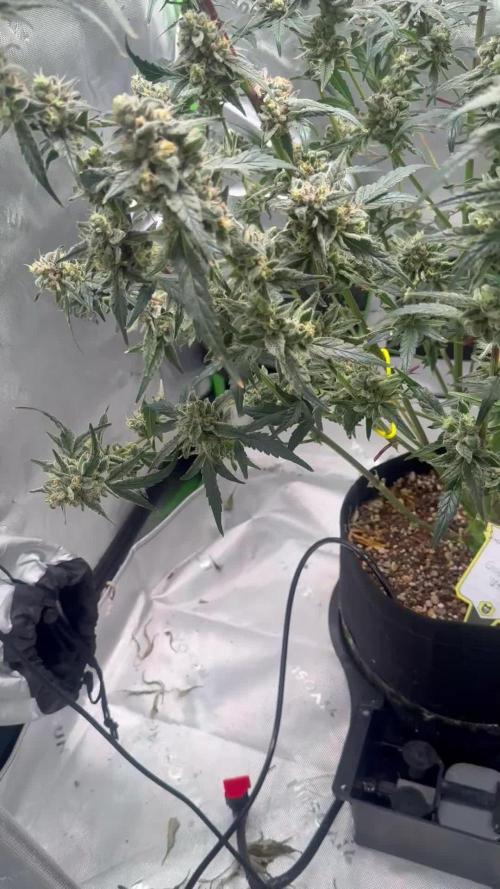
Harvested the purrorganic plant. Big bubblegum smell coming while trimminh. Bought the vcure and it was my first time running it and the dry came out 🔥.
The autopot plant ran 3 days of flawless finish and another 4 days of ph Ro water. This plant is big! Branches are starting to bend lol
But her time has come as well she will be cut in about 2 days from today.
Will update totals after ! Cheers



Likes
11
Share


@Gamestationx360
Follow
April 28th, 2021
8th week of flower. Only adding Shine bloom booster at 1.5 grams per gallon. PH'd to 6.0


Likes
5
Share


@LevanteCultiva420
Follow
Aquí os dejo fotos de los días 16 y 18 desde que salieron! Hasta el momento cumpliendo los parámetros y no están respondiendo nada mal!! Hos iré contando qué tal evolucionan!!
Buenos humos!!


Likes
53
Share


@SativaSteve88
Follow
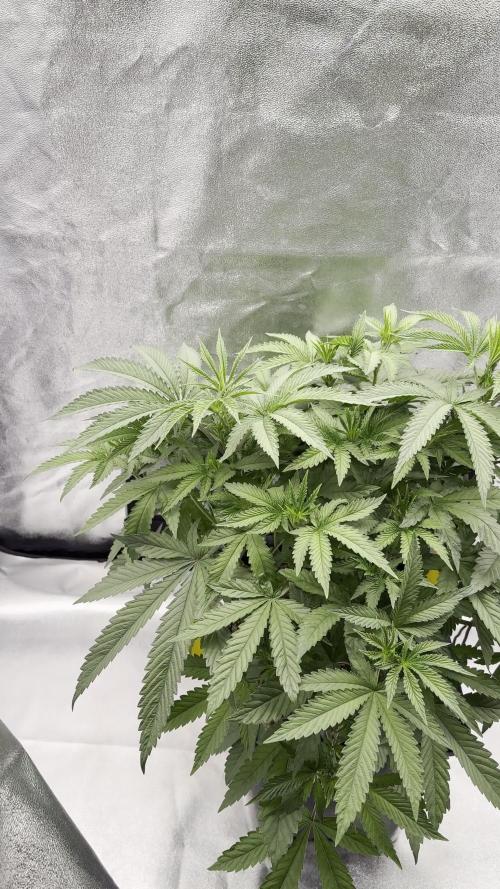
Growing really well upto now just transplanted them into there forever homes now they are 2 weeks old excited to watch them grow and see the results in a few months time, have not fed any nutrients yet but will now start commencing week 3 i will be using Canna products again on this grow


Likes
8
Share


@MG2009
Follow
01/04/31/2022
Decent growth, maybe take a clone of clone next week and start really vegging next week, lights went out while doing video,so these pics are at lights on, looking good

Likes
6
Share

@CalGonJim
Follow
1/19 1am MONDAY...TOO STONED TO TYPE..WHAT THE HELL IS THIS THEN..HEY SHUT UP....WAIT...IS THAT ME?😂
1/19 5 AM.🚨 I GOT THE HOLY TRIANGLE OF WEED THE WHOLE FUUCK'N TRAILER PARK IS HERE!!!!! Finally got black tea Tangie in the ground so Julian bubbles and Ricky are all growing with Montel and ice t.
1/20 1:20PM VEGING PERFECT AT 30 WATTS!!!
1/21 10:11 AM. The whole fucking park is here. Julian sprouted!!! Bubbles and Ricky are doing great. I’m gonna top them and then I’m gonna start them over from clones so they grow roughly the same time as Julian and I’ll keep the Ricky and the bubbles others as mother plants and I’ll just keep them going.
1/21 10:15 AM vegging 12 inches 30 W Samsung LED Mars Hydro light perfect
121 1:10 PM I moved black tea Tangie into the germination station. The 2 gallon fits in here just fine. This will be fine for germination.. She’s sprouted only after about 40 hours so she’s really strong.
1/21, 2:54 PM. I made a my own Star Wars movie. Special effects are incredible. It’s very removing made my own Obi-Wan.A CalGonJim Production 🎥🍿
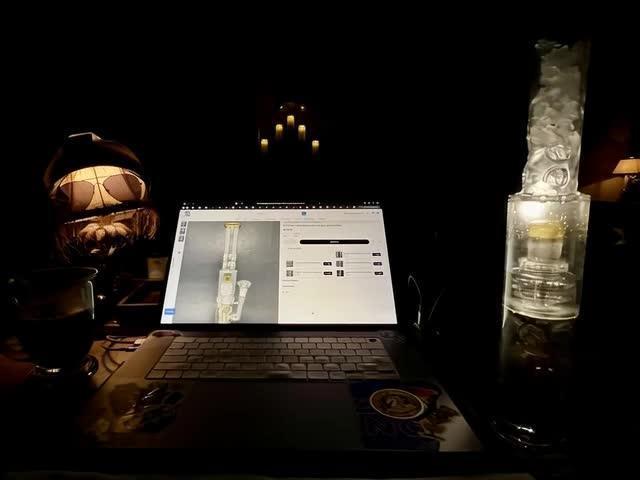
1/21 11:56PM Stoned Genie bong arrived today. my 2nd from them. Nice, this one has an ice catcher. got here in 2 days. 👍


Processing
Likes
3
Share


@Shugz_Nugz
Follow
not sure how to upload this grow, I have been making Youtube Videos for this grow rather then updloading here on regular basis, I am going to attempt to upload all photos and videos up to current day for flower


Likes
41
Share


@MadeInGermany
Follow
Hey guys :-)
A lot has happened this week :-).
She has developed very well.
Today it was topped on the main shoot for the first time.
How often I will use topping on her, I make it dependent on how everyone else develops.
I want to bloom soon so it won't happen very often :-).
It was poured twice this week with 1 l each time (for nutrients, see table above).
Fast plant spray from GBL was applied 2 times this week.
New was added this week Fast Bud from GBL is preparing her for the coming flowering.
Bio Grow Stay away for a while because the substrate is 30-50 % consists of fresh earth and the ladies are nice and dark green :-).
Today there was another spray with neem oil against the remaining tripse which I will repeat one last time next week.
As always, everything was cleaned and checked.
Have fun with the update and stay healthy 🙏🏻
👇🏼👇🏼👇🏼👇🏼👇🏼👇🏼👇🏼👇🏼👇🏼👇🏼👇🏼👇🏼
You can buy this Nutrients at :
https://greenbuzzliquids.com/en/shop/
With the discount code: Made_in_Germany you get a discount of 15% on all products from an order value of 100 euros.
👇🏼👇🏼👇🏼👇🏼👇🏼👇🏼👇🏼👇🏼👇🏼👇🏼👇🏼👇🏼
You can buy this strain at :
https://www.exoticseed.eu/
Water 💧 💧💧
Osmosis water mixed with normal water (24 hours stale that the chlorine evaporates) to 0.2 EC. Add Cal / Mag to 0.4 Ec Ph with Organic Ph - to 5.8 - 6.4
MadeInGermany

Likes
10
Share


@Hempire
Follow
Hello growers !
This week I start flush ! To clean the roots and to not smoke nutrients left. I fight against bugs and spiders that want to investigate my plants ... I check the trichomes and they are all white

Likes
37
Share


@Mr_Motalovah
Follow
Hey!
This was the last week of flower, I harvested on day 70 of flower.
Things could have gone better with this one, I've got a couple seeds left so next run they're going in and we're going to do things better..
Pretty happy with the results still, some terpy lemony stuff!!
Can't wait to see what this strain can really do.
Take care out there!
One love Growers & tokers!


Likes
10
Share


@L_Choppa
Follow
I’m very impressed with my first clone attempt doing good so far I will have to start some type of training not sure which way to go I will appreciate any Suggestions thanks


Likes
2
Share


@eldruida_lamota
Follow
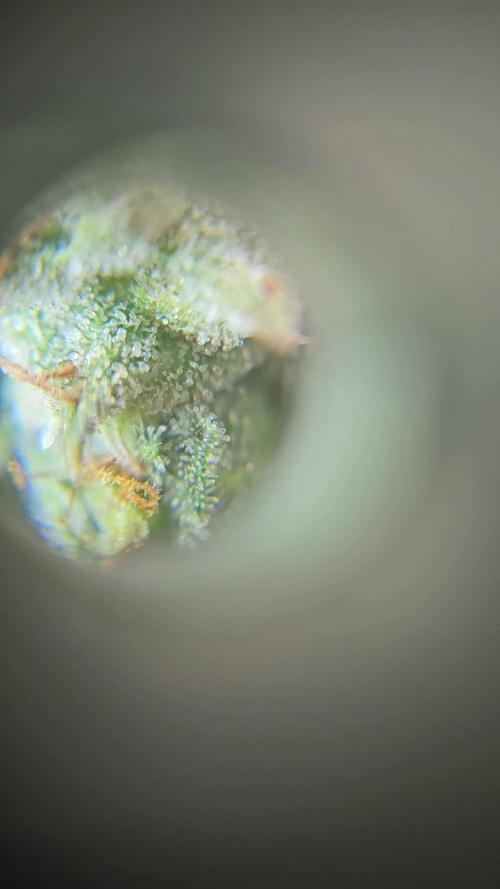
Que pasa familia, vamos con la primera semana de florscion de estas Gorilla Melon feminizadas de fastbuds.
Vamos al lío, de las 3 plantas, me quede con 2 por espacio, siempre pongo alguna semilla de más por si no abriese alguna por no perder ese hueco del indoor.
Y ya superaron el shock provocado por el mismo trasplante.
El ph se controla en 6.2 , la temperatura la tenemos entre 20/22 grados y la humedad ronda el 50%.
Hasta aquí todo, Buenos humos 💨💨💨


Likes
9
Share


@KcKush
Follow
*Raised the light from 15 to 18 inches.
*older leaves are looking like it’s having multiple deficiencies.
*Replaced Old Purple MarsHydro with TSL 2000
*Soil Ph seems low I’ll add like once it dries to raise ph.
