The Grow Awards 2026 🏆
Likes
108
Share
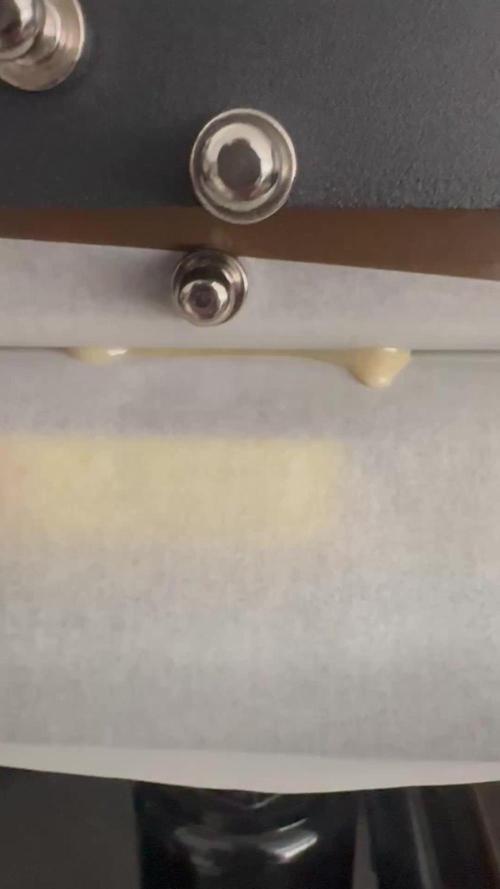
🤗 Hi fellow growers. We are back here to harvest the Northern Lights Auto from Seedsman. She took 11 weeks to finish flower and a total of 15 weeks from seed to harvest. 🌱Growing her was a little tricky as she was finicky at the beginning of flower. She wasn't the fastest auto but she put on some tall colas with some fair amount of resin smelling of sour stone fruit such as a plum. Chopped her down then dryed for 14 days in a environment controlled room. Then began the trimming process. After a nice manicure the plum smelling buds were then placed in a jar to set cure for 30 days. There was quite a bit of larf nugs on the bottom skirts that I should have trimmed off during the flowering cycle but sometimes I like keeping them to press into some rosin before my nugs are cured. I find that pressing the flowers with in the first week of the curing process produces the best quality flower rosin In the end I'm left with a gram and a half of some beautiful Northern Lights flower rosin that tastes and smells like a sour plum and packs a big punch. About a 10% return so not the greatest yield but it sure is some high quality rosin. Keep it mind it was the larf flower and I press at 180°F to preserve as much flavor as I can. I'm after quality and have been achieving that. Effects - Relaxing, calming, Happy Yield - 68 g nice nuggets 14 g of larf that went to rosin Smell - Sour plum Forrest Taste - Skunky plums
Likes
52
Share
Cream Brulee Auto was my pleasure to grow, I definitely will grow this one again! The weed is nearly finished by the time I write this, one of the strains which is gone very fast.. 😍 I didn't have to do any LST nor much defoliation, next time I would feed her a bit more, but that's was pretty much a smooth grow with the Cream Brulee girl! 🍮 She grew all by her own, to be a beautiful queen! 👑 Thank you, Hypno Seeds, this is amazing work!! 🙏 💚 Thank you, GD community! 💚💚💚 It's an honor to grow together with you!! 💚💚💚💚💚💚💚
Likes
19
Share
Yellow butterfly came to see me the other day; that was nice. Starting to show signs of stress on the odd leaf, localized isolated blips, blemishes, who said growing up was going to be easy! Smaller leaves have less surface area for stomata to occupy, so the stomata are packed more densely to maintain adequate gas exchange. Smaller leaves might have higher stomatal density to compensate for their smaller size, potentially maximizing carbon uptake and minimizing water loss. Environmental conditions like light intensity and water availability can influence stomatal density, and these factors can affect leaf size as well. Leaf development involves cell division and expansion, and stomatal differentiation is sensitive to these processes. In essence, the smaller leaf size can lead to a higher stomatal density due to the constraints of available space and the need to optimize gas exchange for photosynthesis and transpiration. In the long term, UV-B radiation can lead to more complex changes in stomatal morphology, including effects on both stomatal density and size, potentially impacting carbon sequestration and water use. In essence, UV-B can be a double-edged sword for stomata: It can induce stomatal closure and potentially reduce stomatal size, but it may also trigger an increase in stomatal density as a compensatory mechanism. It is generally more efficient for gas exchange to have smaller leaves with a higher stomatal density, rather than large leaves with lower stomatal density. This is because smaller stomata can facilitate faster gas exchange due to shorter diffusion pathways, even though they may have the same total pore area as fewer, larger stomata. Leaf size tends to decrease in colder climates to reduce heat loss, while larger leaves are more common in warmer, humid environments. Plants in arid regions often develop smaller leaves with a thicker cuticle and/or hairs to minimize water loss through transpiration. Conversely, plants in wet environments may have larger leaves and drip tips to facilitate water runoff. Leaf size and shape can vary based on light availability. For example, leaves in shaded areas may be larger and thinner to maximize light absorption. Leaf mass per area (LMA) can be higher in stressful environments with limited nutrients, indicating a greater investment in structural components for protection and critical resource conservation. Wind speed, humidity, and soil conditions can also influence leaf morphology, leading to variations in leaf shape, size, and surface characteristics. Small leaves: Reduce water loss in arid or cold climates. Environmental conditions significantly affect gene expression in plants. Plants are sessile organisms, meaning they cannot move to escape unfavorable conditions, so they rely on gene expression to adapt to their surroundings. Environmental factors like light, temperature, water, and nutrient availability can trigger changes in gene expression, allowing plants to respond to and survive in diverse environments. Depending on the environment a young seedling encounters, the developmental program following seed germination could be skotomorphogenesis in the dark or photomorphogenesis in the light. Light signals are interpreted by a repertoire of photoreceptors followed by sophisticated gene expression networks, eventually resulting in developmental changes. The expression and functions of photoreceptors and key signaling molecules are highly coordinated and regulated at multiple levels of the central dogma in molecular biology. Light activates gene expression through the actions of positive transcriptional regulators and the relaxation of chromatin by histone acetylation. Small regulatory RNAs help attenuate the expression of light-responsive genes. Alternative splicing, protein phosphorylation/dephosphorylation, the formation of diverse transcriptional complexes, and selective protein degradation all contribute to proteome diversity and change the functions of individual proteins. Photomorphogenesis, the light-driven developmental changes in plants, significantly impacts gene expression. It involves a cascade of events where light signals, perceived by photoreceptors, trigger changes in gene expression patterns, ultimately leading to the development of a plant in response to its light environment. Genes are expressed, not dictated! While having the potential to encode proteins, genes are not automatically and constantly active. Instead, their expression (the process of turning them into proteins) is carefully regulated by the cell, responding to internal and external signals. This means that genes can be "turned on" or "turned off," and the level of expression can be adjusted, depending on the cell's needs and the surrounding environment. In plants, genes are not simply "on" or "off" but rather their expression is carefully regulated based on various factors, including the cell type, developmental stage, and environmental conditions. This means that while all cells in a plant contain the same genetic information (the same genes), different cells will express different subsets of those genes at different times. This regulation is crucial for the proper functioning and development of the plant. When a green plant is exposed to red light, much of the red light is absorbed, but some is also reflected back. The reflected red light, along with any blue light reflected from other parts of the plant, can be perceived by our eyes as purple. Carotenoids absorb light in blue-green region of the visible spectrum, complementing chlorophyll's absorption in the red region. They safeguard the photosynthetic machinery from excessive light by activating singlet oxygen, an oxidant formed during photosynthesis. Carotenoids also quench triplet chlorophyll, which can negatively affect photosynthesis, and scavenge reactive oxygen species (ROS) that can damage cellular proteins. Additionally, carotenoid derivatives signal plant development and responses to environmental cues. They serve as precursors for the biosynthesis of phytohormones such as abscisic acid () and strigolactones (SLs). These pigments are responsible for the orange, red, and yellow hues of fruits and vegetables, while acting as free scavengers to protect plants during photosynthesis. Singlet oxygen (¹O₂) is an electronically excited state of molecular oxygen (O₂). Singlet oxygen is produced as a byproduct during photosynthesis, primarily within the photosystem II (PSII) reaction center and light-harvesting antenna complex. This occurs when excess energy from excited chlorophyll molecules is transferred to molecular oxygen. While singlet oxygen can cause oxidative damage, plants have mechanisms to manage its production and mitigate its harmful effects. Singlet oxygen (¹O₂) is considered a reactive oxygen species (ROS). It's a form of oxygen with higher energy and reactivity compared to the more common triplet oxygen found in its ground state. Singlet oxygen is generated both in biological systems, such as during photosynthesis in plants, and in cellular processes, and through chemical and photochemical reactions. While singlet oxygen is a ROS, it's important to note that it differs from other ROS like superoxide (O₂⁻), hydrogen peroxide (H₂O₂), and hydroxyl radicals (OH) in its formation, reactivity, and specific biological roles. Non-photochemical quenching (NPQ) protects plants from damage caused by reactive oxygen species (ROS) by dissipating excess light energy as heat. This process reduces the overexcitation of photosynthetic pigments, which can lead to the production of ROS, thus mitigating the potential for photodamage. Zeaxanthin, a carotenoid pigment, plays a crucial role in photoprotection in plants by both enhancing non-photochemical quenching (NPQ) and scavenging reactive oxygen species (ROS). In high-light conditions, zeaxanthin is synthesized from violaxanthin through the xanthophyll cycle, and this zeaxanthin then facilitates heat dissipation of excess light energy (NPQ) and quenches harmful ROS. The Issue of Singlet Oxygen!! ROS Formation: Blue light, with its higher energy photons, can promote the formation of reactive oxygen species (ROS), including singlet oxygen, within the plant. Potential Damage: High levels of ROS can damage cellular components, including proteins, lipids, and DNA, potentially impacting plant health and productivity. Balancing Act: A balanced spectrum of light, including both blue and red light, is crucial for mitigating the harmful effects of excessive blue light and promoting optimal plant growth and stress tolerance. The Importance of Red Light: Red light (especially far-red) can help to mitigate the negative effects of excessive blue light by: Balancing the Photoreceptor Response: Red light can influence the activity of photoreceptors like phytochrome, which are involved in regulating plant responses to different light wavelengths. Enhancing Antioxidant Production: Red and blue light can stimulate the production of antioxidants, which help to neutralize ROS and protect the plant from oxidative damage. Optimizing Photosynthesis: Red light is efficiently used in photosynthesis, and its combination with blue light can lead to increased photosynthetic efficiency and biomass production. In controlled environments like greenhouses and vertical farms, optimizing the ratio of blue and red light is a key strategy for promoting healthy plant growth and yield. Understanding the interplay between blue light signaling, ROS production, and antioxidant defense mechanisms can inform breeding programs and biotechnological interventions aimed at improving plant stress resistance. In summary, while blue light is essential for plant development and photosynthesis, it's crucial to balance it with other light wavelengths, particularly red light, to prevent excessive ROS formation and promote overall plant health. Oxidative damage in plants occurs when there's an imbalance between the production of reactive oxygen species (ROS) and the plant's ability to neutralize them, leading to cellular damage. This imbalance, known as oxidative stress, can result from various environmental stressors, affecting plant growth, development, and overall productivity. Causes of Oxidative Damage: Abiotic stresses: These include extreme temperatures (heat and cold), drought, salinity, heavy metal toxicity, and excessive light. Biotic stresses: Pathogen attacks and insect infestations can also trigger oxidative stress. Metabolic processes: Normal cellular activities, particularly in chloroplasts, mitochondria, and peroxisomes, can generate ROS as byproducts. Certain chlorophyll biosynthesis intermediates can produce singlet oxygen (1O2), a potent ROS, leading to oxidative damage. ROS can damage lipids (lipid peroxidation), proteins, carbohydrates, and nucleic acids (DNA). Oxidative stress can compromise the integrity of cell membranes, affecting their function and permeability. Oxidative damage can interfere with essential cellular functions, including photosynthesis, respiration, and signal transduction. In severe cases, oxidative stress can trigger programmed cell death (apoptosis). Oxidative damage can lead to stunted growth, reduced biomass, and lower crop yields. Plants have evolved intricate antioxidant defense systems to counteract oxidative stress. These include: Enzymes like superoxide dismutase (SOD), catalase (CAT), and various peroxidases scavenge ROS and neutralize their damaging effects. Antioxidant molecules like glutathione, ascorbic acid (vitamin C), C60 fullerene, and carotenoids directly neutralize ROS. Developing plant varieties with gene expression focused on enhanced antioxidant capacity and stress tolerance is crucial. Optimizing irrigation, fertilization, and other management practices can help minimize stress and oxidative damage. Applying antioxidant compounds or elicitors can help plants cope with oxidative stress. Introducing genes for enhanced antioxidant enzymes or stress-related proteins over generations. Phytohormones, also known as plant hormones, are a group of naturally occurring organic compounds that regulate plant growth, development, and various physiological processes. The five major classes of phytohormones are: auxins, gibberellins, cytokinins, ethylene, and abscisic acid. In addition to these, other phytohormones like brassinosteroids, jasmonates, and salicylates also play significant roles. Here's a breakdown of the key phytohormones: Auxins: Primarily involved in cell elongation, root initiation, and apical dominance. Gibberellins: Promote stem elongation, seed germination, and flowering. Cytokinins: Stimulate cell division and differentiation, and delay leaf senescence. Ethylene: Regulates fruit ripening, leaf abscission, and senescence. Abscisic acid (ABA): Plays a role in seed dormancy, stomatal closure, and stress responses. Brassinosteroids: Involved in cell elongation, division, and stress responses. Jasmonates: Regulate plant defense against pathogens and herbivores, as well as other processes. Salicylic acid: Plays a role in plant defense against pathogens. 1. Red and Far-Red Light (Phytochromes): Red light: Primarily activates the phytochrome system, converting it to its active form (Pfr), which promotes processes like stem elongation and flowering. Far-red light: Inhibits the phytochrome system by converting the active Pfr form back to the inactive Pr form. This can trigger shade avoidance responses and inhibit germination. Phytohormones: Red and far-red light regulate phytohormones like auxin and gibberellins, which are involved in stem elongation and other growth processes. 2. Blue Light (Cryptochromes and Phototropins): Blue light: Activates cryptochromes and phototropins, which are involved in various processes like stomatal opening, seedling de-etiolation, and phototropism (growth towards light). Phytohormones: Blue light affects auxin levels, influencing stem growth, and also impacts other phytohormones involved in these processes. Example: Blue light can promote vegetative growth and can interact with red light to promote flowering. 3. UV-B Light (UV-B Receptors): UV-B light: Perceived by UVR8 receptors, it can affect plant growth and development and has roles in stress responses, like UV protection. Phytohormones: UV-B light can influence phytohormones involved in stress responses, potentially affecting growth and development. 4. Other Colors: Green light: Plants are generally less sensitive to green light, as chlorophyll reflects it. Other wavelengths: While less studied, other wavelengths can also influence plant growth and development through interactions with different photoreceptors and phytohormones. Key Points: Cross-Signaling: Plants often experience a mix of light wavelengths, leading to complex interactions between different photoreceptors and phytohormones. Species Variability: The precise effects of light color on phytohormones can vary between different plant species. Hormonal Interactions: Phytohormones don't act in isolation; their interactions and interplay with other phytohormones and environmental signals are critical for plant responses. The spectral ratio of light (the composition of different colors of light) significantly influences a plant's hormonal balance. Different wavelengths of light are perceived by specific photoreceptors in plants, which in turn regulate the production and activity of various plant hormones (phytohormones). These hormones then control a wide range of developmental processes.
Likes
2
Share
Flowering in full swing. Let her rip. Water when dry.
Likes
6
Share
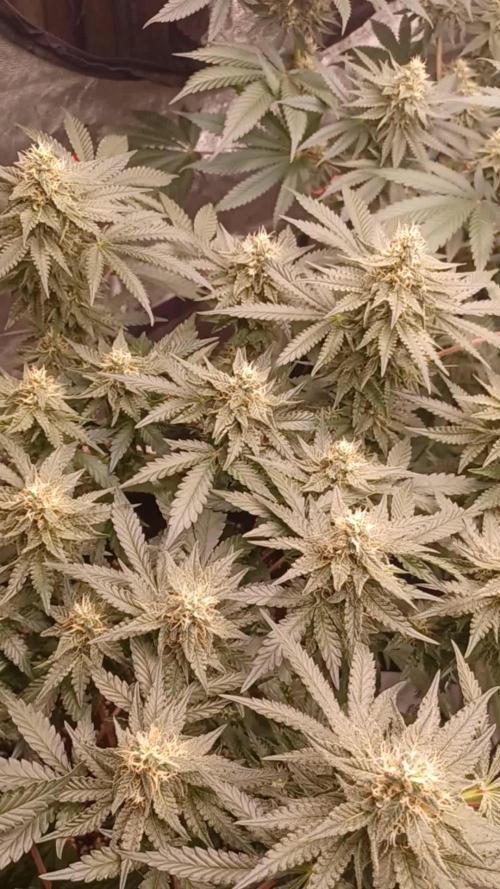
More Incredible Developments this week! I started adding General Hydroponics Bud on the first watering of the third week of flower - it has resulted in some surprisingly big and fast growth over the past week. You can see from going to the previous week and this one, the bud sites seem to just getting fatter and searching out for their neighbors above and below them with the white pistils - I know I keep saying this but as a lifetime cannabis user, this is the first time I have had the opportunity to watch my own garden closely through the entire plants development and life cycle, and so far this is VERY exciting and entertaining to see the developments each day. The topping and LST techniques I used (no experience, only watching videos and researching) have resulted in my plants taking on almost a bowl or basket shape, where the outside branches have reached far far above the middle canopy during their "final stretch" or first week or two of flowering. Now, the middle of all of my plants have numerous smaller bud sites that are developing - I am looking forward to how the lower canopy buds develop! I am currently watering them every other day - 8 cups of water each. This past week I increased their water intake from 6 cups to 8 cups - So far I am seeing no sign of stress in any way shape or form - only VERY happy plants working on bulking up on their flowers. I plan on letting them do their thing and working on maintaining their environment so it stays consistent. Definitely a big increase in smell this week - the Cherry Gorilla x Sol Sonic seem to be moving along and bulking up a little more than the GMO. When picking leaves off the GMO, I can already start to smell and recognize hints of the tremendous gas garlic stank I have been looking forward to - Appreciate the Likes and Follows! Look forward to more photos and developments from my First Grow :)
Likes
15
Share
Indoors flowering nicely, brown hairs starting to show. Outdoors still one of the Ultimate still hasn't started to flower. I'm starting to wonder if it's not an auto at all. The gelato is forming nicely, with a little visitor a bee. The other ultimate is also flowering nicely. Day 75, due to hothouse damage the three outdoor plants are now indoors
Likes
Comments
Share
Aqui llegamos a hacer la ultima poda y seleccion de ramas principales, siempre es mejor priorizar ramas. Esa energia se direcciona a menos flores y entonces tenemos cogollos mas densos. Seguimos
Likes
17
Share
@halexxo
Follow
Empiezan a oler bastante bien. El primer riego de esta semana fue de 1200ml. Les he conectado un extractor con salida a la calle porque empezaba a oler toda mi casa. Último riego de la semana 1500ml
Likes
11
Share
So, the big day finally came!💚 I harvested the plant and got her cut and hung up to dry. But before that, she spent a solid 72 hours in complete darkness to finish off. (A little boost before the chop)🌿 Everything went as planned and is looking pretty good so far. Nothing out of the ordinary, just smooth sailing through the final stage. Now it’s all about patience while it dries properly. Can’t wait to check out the final results in a couple of weeks! 🌱
Likes
38
Share
Info: Unfortunately, I had to find out that my account is used for fake pages in social media. I am only active here on growdiaries. I am not on facebook instagram twitter etc All accounts except this one are fake. Have fun with the update. Hey everyone 😃. Another week of beautiful growth goes by 😀. She continues to develop very well and beautifully. All shoots were topped up again. I think I'll go back a few more times do topping before it goes into bloom :-). The tent was cleaned and the humidifier refilled 👍. Otherwise nothing exciting happened this week. I wish you all the best and have fun with the update 👍. Stay healthy 🙏🏻 You can buy this Strain at : https://www.zamnesia.com/de/4532-zamnesia-seeds-gorilla-glue-feminisiert.html Type: Gorilla Glue ☝️🏼 Genetics: Chem's Sister x Chocolate Diesel 50% Sativa/50% Indica 👍 Vega lamp: 2 x Todogrow Led Quantum Board 100 W 💡 Bloom Lamp : 2 x Todogrow Led Cxb 3590 COB 3500 K 205W 💡💡☝️🏼 Soil : Canna Coco Professional + ☝️🏼 Fertilizer: Green House Powder Feeding ☝️🏼🌱 Water: Osmosis water mixed with normal water (24 hours stale that the chlorine evaporates) to 0.2 EC. Add Cal / Mag to 0.4 Ec Ph with Organic Ph - to 5.5 - 5.8 .
Likes
9
Share
Espero que os guste el resultado final. Buenos humos y nos vemos en proximos seguimientos
Likes
63
Share
@Ferenc
Follow
Day 79, 28th of November 2020: Here we go! Nice little plant! Nothing bad to say great smell also. Nothing much to even report all good I am happy great genetics. Fertilization is still the same every second day with the rationand mixture above stated. The lamp is on 11.15 min and off 12.45 min. Last week was 15 min longer light cycle.... So every week 15 min shorter light cycle until the 5th week. So far -45 min. It switches on at 6 am and off at 17.15 pm.
Likes
17
Share
@Naujas
Follow
She is much prettier than she was a week ago :) I remembered that I have my first grow light, which is more compact and it will give me more space, so I changed my light, now the girl's side branches get light too:) I add a lot of video memes, because I really want to win Iphone16 pro ;) and those who don't take risks don't drink champagne:) good luck to everyone.
Likes
7
Share
I still have ppm at 1000 and pH at 5.8. The pistils have started to appear, and it's emitting a bit more of that green scent. I'm looking forward to the flowering stage.
Likes
28
Share
@Ferenc
Follow
Day 72, 21st of November 2020: Gorgeous, tall and strechy. Nice nice and nice. Straching has stopped finally and more work on buds. Amazing creation. All good as it can be seen keep getting older haha. Buds are on the way getting fat ;) Fertilization is the same every 2nd day with the mix and the ratio above.... All LST has been removed as the plant remains the same so no need to keep her in "chains". The lamp is on 11.30 min and off 12.30 min. Last week was 15 min longer light cycle.... So every week 15 min shorter light cycle until the 5th week. So far -30 min. It switches on at 6 am and off at 17.30 pm.
Processing
Likes
15
Share
Buenos días familia, hoy traemos la 3 semana de floración de nuestras crazy cookies, zambezaseeds. Es una cepa bastante vigorosa con un tallo robusto 6mm, exactamente a mitad altura. Su cultivo es fácil, apenas se ve bloqueo alguno, traga muy bien en lo que se refiere a nutrientes. Ph en 6,5 y humedad por debajo de los 45 % . 48h entre riego y riego, no olvidemos que están en tiestos de 7L. Su floración está siendo bastante rápida estas semanas se verá como engordan nuestras flores, sin duda este es el momento para meter caña a big bud y bud candy.
Likes
17
Share
Day 58 - As you can see, buds are looking full but still looking like they want to go a bit longer, checking the trichomes frequently and seeing a lot of cloudy.. think i saw the first few ambers too. Any how, we shall keep going. Flush time soon. Day 62 - Looking good, smelling better.. really fruity and sweet. Seems ripe too. Feeds lowered and a little flush. Buds are rock hard, very dense and sticky. Looking forward to harvesting. She will be ready by day 63, but I'll see weather or not ill let her go longer. Stay tuned. Day 64 - trichomes ready, little flush and shes ready for the chop. Beautiful smelling strain and easy to grow. Very hard dense gassy and sweet buds. Once dry and cure, will be back with a little update.
Likes
10
Share
-Bulking up very nice and looking pretty frosty. -Trichomes are mostly clear still so should be another week or so until harvest -Watering every 3 days with 1 gallon of filtered water -Reeking like a bouquet of garlic and herbs
Likes
36
Share
@nonick123
Follow
Día 66 (05/08) Cerrado por vacaciones Día 67 (06/08) Mi amigo viene a casa a hacer un riego con 1 Litro de H2O pH 6,5 Día 68 (07/08) Cerrado por vacaciones Día 69 (08/08) Vuelta de vacaciones! A ver como están después de 5 días sin verlas... 😱 Riego con 1 litro. OnionOG con 1.5 L Añado 3 cm de sustrato nuevo porque se ha compactado y se ven las raíces! 😢 Día 70 (09/08) Riego 500 ml H2O pH 6,55 Eliminación de algunas ramas bajas Día 71 (10/08) OnionOG vuelvo a hacer topping a todas las ramas principales! 💥 Riego 500 ml H2O pH 6,55 Sesión de fotos semanal! Día 72 (11/08) Riego con 1 Litro de Té Vegetativo de Lurpe Solutions. Preparación: 24 horas con bomba de aire (oxigenación) con ingredientes: Green Sunrise 8 ml/L + Insect Frass 16 ml/L + Hummus Lombriz 8 ml/L + Melaza 1 ml/L + Kelp Hidrolizado 0,25 g/L Aplicación foliar Kelp hidrolizado de Lurpe Solutions a 0,25 ml/l 💦Nutrients by Lurpe Solutions - www.lurpenaturalsolutions.com 🌱Substrate PRO-MIX HP BACILLUS + MYCORRHIZAE - www.pthorticulture.com/en/products/pro-mix-hp-biostimulant-plus-mycorrhizae