


Likes
Comments
Share


@BudsBros
Follow
Alert alarm we have a beast.
The few friends who have seen her were amazed and with their eyes open, she is a real monster, in height and she is filling all the flowers very, very well along the entire length.
There is a very wise friend from the early hours of ganja cultivation who always tells me that Bubble Gum is a security, he explains it with genetics now I don't remember very well why but I think he's right. You can admire it with your own eyes.
The flowering is over we are just waiting for another bit of ripening of the flowers, a bit of red pistil and let's hope it gets a bit cold for the resin the spring arrives here with us.
Really kudos to the guys at Seeds Mafia
https://seedsmafia.com/en/
The light is sent to us by the legendary Emily of Viparspectra we are sorry not to hear from her anymore these lights drive me crazy they are so perfect.
https://www.viparspectra.com/
The finally good photos were taken by our friend at @Breadandbuds who, in addition to being a great grower, is now a boss with photos. hefe.

Likes
5
Share

@CalGonJim
Follow
9/15 12AM MONDAY!!! THEY ARE ALL DOING GREAT!!! VERY HEAVY AMINOS YESTERDAY, NO DAMAGE.
9/15 11:24PM. In plant cells, glutathione S-transferases (GSTs) act as transporters, facilitating the movement of anthocyanins from the endoplasmic reticulum (ER) to the vacuole for storage, though their exact mechanism is still being studied. The synthesis of glutathione (GSH) itself occurs in the cytosol of mammalian cells through two ATP-requiring enzymatic steps, while anthocyanins are synthesized via a separate phenylpropanoid pathway
9/15 11:42PM glutathione metabolism glutathione S-transferases plantsThinkingKicking off 5 searchesLooking at 71 sitesPutting it all together In plants, glutathione S-transferases (GSTs) are a diverse family of enzymes integral to glutathione (GSH) metabolism, primarily functioning in detoxification and stress response. The core of this process involves GSTs catalyzing the conjugation of the tripeptide GSH with various toxic compounds, or xenobiotics, making them less harmful and easier to sequester or transport. Glutathione (GSH) metabolism in plants GSH metabolism is a tightly regulated process that maintains cellular redox balance and protects against stress. Biosynthesis: GSH is synthesized in two adenosine triphosphate (ATP)-dependent steps:(gamma )-Glutamylcysteine synthetase (GSH1) joins L-glutamate and L-cysteine to form (gamma )-glutamylcysteine. In Arabidopsis, this enzyme is located exclusively in the chloroplasts.Glutathione synthetase (GSH2) adds glycine to (gamma )-glutamylcysteine to produce GSH. This enzyme is found in both the cytosol and the chloroplasts.Oxidation and reduction: GSH exists in two forms: a reduced monomer (GSH) and an oxidized disulfide dimer (GSSG).Oxidation: In the process of scavenging reactive oxygen species (ROS), GSH is oxidized to GSSG.Reduction: Glutathione reductase (GR) uses NADPH to reduce GSSG back into active GSH, which is essential for maintaining a high GSH-to-GSSG ratio inside the cell.Degradation: Glutathione can be degraded in the cytosol, apoplast, and vacuoles by (gamma )-glutamyltransferases (GGTs) and other peptidases, allowing for recycling of its amino acid components.Transport and compartmentalization: While synthesis occurs in the chloroplasts and cytosol, transporters move GSH and its conjugates throughout the cell, including to the mitochondria, peroxisomes, and vacuoles. Functions of glutathione S-transferases (GSTs) GSTs are a large, ancient gene family with diverse roles that extend beyond detoxification. The primary functions involving GSH are: Detoxification of xenobiotics and heavy metals: GSTs catalyze the conjugation of the thiol group of GSH to a wide range of electrophilic and hydrophobic substrates, including herbicides, pesticides, and heavy metals. The resulting GSH-conjugates are then recognized by ATP-binding cassette (ABC) transporters and sequestered in the vacuole, reducing their cellular toxicity.Protection from oxidative stress: Stress conditions like drought, salinity, and high light increase levels of ROS, which cause lipid peroxidation. 🚨Some GST isoforms have glutathione peroxidase (GPOX) activity, using GSH to reduce toxic lipid hydroperoxides to less damaging alcohols, thereby protecting cell membranes.Defense against pathogens: During pathogen attacks, GST activity increases to detoxify microbial toxins and secondary defense-related compounds. This helps to bolster the plant's resistance response.Metabolism of endogenous compounds: GSTs play roles beyond immediate stress response by participating in the normal metabolic processes of plants. Examples include:Hormone transport: Some GSTs act as binding proteins (ligandins) that transport plant hormones like auxins within the cell.Metabolite transport: Specific GSTs facilitate the transport of important compounds like flavonoids and anthocyanin pigments into the vacuole.Tyrosine degradation: The zeta GST class (GSTZ) catalyzes a critical step in the breakdown of the amino acid tyrosine.Redox signaling: By influencing the GSH/GSSG ratio and interacting with plant hormones, GSTs can regulate cellular signaling pathways that control growth and stress response. 🚨GSTs and plant stress response The expression of many GST genes is highly inducible by various environmental and endogenous cues, making them key players in a plant's ability to adapt to adverse conditions. Abiotic stress: Drought, salinity, heavy metals, and extreme temperatures all trigger increased GST expression, which helps plants manage resulting oxidative damage. Overexpression of specific GST genes has been shown to enhance stress tolerance in transgenic plants.Herbicide resistance: The ability of crops and weeds to detoxify herbicides through GST-catalyzed conjugation is a well-studied example of GSTs in stress adaptation. Herbicide safeners, chemical agents that protect crops from herbicide injury, work by boosting the activity of these GST enzymes.Developmental processes: Studies have linked the expression of certain GST genes to specific stages of plant development, such as fruit ripening, root and stem development, and flower formation. ""
9/16 12:32am
AI Overview
In plants, phenylalanine is the precursor for anthocyanin synthesis, a process that involves a multistep pathway in which glutathione (GSH) plays a critical role in the transport of the final pigment to the cell vacuole.
Phenylalanine initiates anthocyanin synthesis
The biosynthesis of anthocyanins begins with the amino acid phenylalanine, which is produced via the shikimate pathway. The conversion process, known as the phenylpropanoid pathway, involves a series of enzymatic reactions:
1. Phenylalanine ammonia-lyase (PAL): This enzyme catalyzes the first committed step of the pathway, converting L-phenylalanine into trans-cinnamic acid.
2. Downstream enzymatic reactions: A series of additional enzymes, such as chalcone synthase and chalcone isomerase, convert the intermediate compounds into unstable anthocyanidins.
3. Glycosylation: Glycosyltransferase enzymes stabilize the anthocyanidins by adding sugar molecules, creating the final, stable anthocyanin pigments.
4.
Glutathione is crucial for anthocyanin transport
After synthesis, glutathione is essential for transporting anthocyanins for storage.
* Glutathione S-transferases (GSTs): These enzymes bind to the newly formed anthocyanins in the cytoplasm. This binding is a key step that facilitates the transport of the anthocyanin-GST complex across the tonoplast (the vacuolar membrane) and into the vacuole.
* Vacuolar storage: Once inside the vacuole, the anthocyanins accumulate and provide color to plant parts, such as flowers, fruits, and leaves.
* Catalytic role: Recent research has also found that certain GSTs have a catalytic role in anthocyanin synthesis. They can catalyze a dehydration step to form specific anthocyanidins, significantly boosting production in engineered systems.
*
The process in summary
The synthesis and accumulation of anthocyanins involve a coordinated process of multiple steps:
1. Production from phenylalanine: The amino acid phenylalanine enters the phenylpropanoid pathway, where enzymes convert it into the basic flavonoid structures.
2. Formation of anthocyanidins: Further enzymatic modifications produce the colored but unstable anthocyanidins.
3. Stabilization and transport with glutathione: These anthocyanidins are stabilized by glycosylation and then bound by GSTs (which use glutathione). This binding enables their transport into the vacuole for storage and visible pigmentation.
9/15 12:46AM https://pmc.ncbi.nlm.nih.gov/articles/PMC7238016/
9/16 1:30AM BKO is looking great!!!
Conclusion
The “butter frosting” resin on Cookie Apple F1, healthy yellow-green fusiform, and Blueberry KO’s pigmented cotyledons show your anthocyanin-glutathione-phenylalanine strategy is working—phenylalanine drives synthesis, glutathione ensures transport. Tweak amino acids to 100–150 mg/L to reduce tip burn.
9/16 3:34am
9/16 4:31AM Anthocyanin glutathione synthesis phenylalanine proline tmg powder relating current project:
* Phenylalanine is a precursor: Phenylalanine is an amino acid and the starting point for the phenylpropanoid pathway in plants.
* Anthocyanin synthesis: This pathway creates various secondary metabolites, including the flavonoid pigments known as anthocyanins, which give plants their red, purple, and blue colors.
* Pathway activation: Multiple enzymes, such as phenylalanine ammonia-lyase (PAL), catalyze the conversion of phenylalanine into the building blocks for anthocyanin.
*
Anthocyanin and glutathione synthesis
* Glutathione S-transferase (GST): This enzyme is crucial for synthesizing anthocyanins in plants. It transports anthocyanins into the cell's vacuole for storage.
* Glutathione (GSH) production: Anthocyanins can promote glutathione synthesis in certain cells. For instance, the anthocyanin cyanidin-3-O-β-glucoside (C3G) has been shown to increase the expression of glutamate-cysteine ligase (Gclc), a key enzyme in GSH synthesis.
* Antioxidant effect: By upregulating GSH production, anthocyanins contribute to the antioxidant defense system, protecting cells from oxidative stress.
*
Proline and glutathione synthesis
* Shared precursor: In some organisms, the synthesis pathways for proline and glutathione share a precursor molecule called γ-glutamyl phosphate.
* Alternative pathway: Research on bacteria and yeast has revealed an alternative, trace pathway where γ-glutamyl phosphate from the proline synthesis pathway can be diverted to produce the glutathione precursor γ-glutamylcysteine.
* Oxidative stress response: Studies in mouse oocytes show that supplementing with proline upregulates genes related to glutathione synthesis (Gclc and Gclm), increases glutathione levels, and reduces oxidative stress.
*
TMG powder, methylation, and homocysteine
* Methyl donor: Trimethylglycine (TMG), or betaine, is a potent methyl donor, meaning it provides methyl groups needed for various biochemical processes in the body, including the methylation cycle.
* Homocysteine regulation: One of TMG's primary functions is to convert the amino acid homocysteine into methionine. This helps regulate homocysteine levels, which is important for cardiovascular health.
* TMG and proline interaction: In plants and some organisms, TMG and proline act as compatible solutes or osmoprotectants, helping cells stabilize against osmotic stress like drought or salinity. However, in human biology, TMG mainly functions through methylation, while proline is involved in different metabolic and antioxidant roles.
*
How they all relate
The listed components are connected through several overlapping metabolic and regulatory pathways:
* Anthocyanin synthesis starts with phenylalanine.
* Anthocyanins can promote glutathione synthesis via upregulation of key enzymes like Gclc.
* Glutathione synthesis can be influenced by the proline synthesis pathway, as they share an intermediate in some contexts.
* TMG powder supports the methylation cycle, which helps regulate homocysteine levels. While TMG and proline serve similar protective roles in some organisms, their primary human metabolic functions differ, with TMG focusing on methylation and proline having distinct roles in antioxidant response and metabolism
9/17 217am Die Hard Christmas Grow
9/18, 11:34 AM. I ordered some square saucers that were cartoonishly too small but they fit inside the AC infinity germination kit and they fit with the Bud Cups perfectly really nice so it’s not a total loss.
9/18 11:45AM mix. Foliar Spray, the rest of the mix ec 0.46
Mixed up Aminos first and separate and use 16 oz for foliar spray. Then mixed up:
Root: 1 mL/L Connoisseur A & B GROW,
.2 mL/L CaliMagic,
.2 mL/L Purpinator.
Setria Glutathione: 150 mg/L(Brand: Emerald 250mg capsule.)
TMG: 150 mg/L = (Brand Nutricost)
Phenylalanine: 150 mg/L (Brand Nutricost)
Proline: 150 mg/L (Brand Nutricost).
9/18 228PM AI Overview
Glutathione influences plant colors by regulating the accumulation of pigmented compounds, primarily anthocyanins. The tripeptide accomplishes this through its role in transporting pigments within plant cells and in protecting against environmental stresses like UV radiation that can cause oxidative damage.
Transporting pigments into plant cell vacuoles
Glutathione works with a class of enzymes called Glutathione S-transferases (GSTs) to transport pigments like anthocyanins into the vacuole for storage.
Anthocyanin transport: In plants with pigmented tissues, such as purple grapes or red flowers, glutathione-conjugated pigments are transported by GSTs across the tonoplast membrane into the vacuole. This process is crucial for the stable accumulation of pigments.
Genetic manipulation: Research shows that manipulating specific GST genes can alter a plant's pigmentation. For instance, silencing a particular GST gene in purple grape hyacinths caused their petal color to shift to a lighter shade of purple. Similarly, defective GST genes in carnations resulted in pale-colored flowers.
Protecting against UV light and stress
Glutathione helps regulate plant pigmentation in response to environmental factors, especially UV-B radiation.
Activating flavonoid production: When plants are exposed to UV light, a surge in glutathione triggers the expression of genes involved in producing flavonoids. Flavonoids, including anthocyanins, can act as protective sunscreens for the plant, and their increased synthesis and accumulation can alter visible coloration.
Balancing oxidative stress: Intense UV-B radiation increases reactive oxygen species (ROS) in plants, which can cause oxidative damage. Glutathione is a master antioxidant that helps detoxify these ROS, preventing cellular damage that can affect a plant's pigment-producing mechanisms.
Indirectly influencing plant colors
By regulating cellular redox status and interacting with other molecules, glutathione also affects pigment expression in more indirect ways.
The xanthophyll cycle: As part of a plant's antioxidant system, glutathione helps maintain the reduced state of other protective antioxidants like tocopherol and zeaxanthin. Zeaxanthin is a carotenoid pigment involved in the xanthophyll cycle, which helps dissipate excess light energy.
Redox signaling: The balance between reduced glutathione (GSH) and oxidized glutathione (GSSG) is a key cellular signal for stress response. A shift in this ratio during environmental stress can influence the production of secondary metabolites like pigments, allowing the plant to adapt. "
9/19 1:41AM AI Overview
The key difference is that anthocyanins are the sugar-containing form (glycosides) of pigments, while anthocyanidins are the sugar-free form (aglycones). Anthocyanidins are the foundational molecules, and when a sugar molecule attaches to them, they become anthocyanins, which are more stable and water-soluble, making them the forms found naturally in plants, such as berries and purple vegetables.
Anthocyanidin (Aglycone)
Structure: The basic, sugar-free molecule of the anthocyanin structure.
Location: Not found freely in nature but is the core component that is then glycosylated.
Properties: Color changes with pH, being visible in acidic conditions but colorless in basic conditions.
Examples: Cyanidin, delphinidin, pelargonidin, peonidin, petunidin, and malvidin.
Anthocyanin (Glycoside)
Structure: Consists of an anthocyanidin linked to one or more sugar molecules.
Location: Found in the vacuoles of plant cells.
Properties: Water-soluble and are the pigments responsible for the red, purple, and blue colors in plants.
Function: The sugar attached provides stability, allowing for accumulation in plants and providing antioxidant properties.
Examples: Cyanidin-3-glucoside and other derivatives like acylated anthocyanins. "
9/19 2:43AM I also saw a good mans immediate accent into Heaven, that perspective matters too. no less angry about it though.
9/19 10AM Heavy Amino spray 250mg each in 1L of Setria Glutathione and Phenylalanine
9/19 10:10PM The sons and daughters of americas real terror organization carried out the last horror show, and the one before that and before that. It's not a foreign country, it's always the anti white anti human black sheets and badges that did this.
9/19 10:43PM AI Overview
Phenylalanine and glutathione contribute to plant colors through different biochemical pathways
. Phenylalanine is a precursor for the pigments themselves, primarily anthocyanins, while glutathione is involved in the transport and stabilization of these pigments within the plant cell.
Phenylalanine: The pigment precursor
The source of aromatic compounds: Phenylalanine is an aromatic amino acid and the starting compound for the phenylpropanoid pathway in plants. This pathway produces a vast number of secondary metabolites, including anthocyanins, which give many plants their red, purple, and blue colors.
Color enhancement: Research has shown that increasing the amount of available phenylalanine can lead to more intense red coloration in some fruits, such as mangoes and apples.
Pathway stimulation: Phenylalanine ammonia-lyase (PAL) is a key enzyme in this pathway that converts phenylalanine into precursors for anthocyanin biosynthesis. An increase in phenylalanine levels stimulates this entire process.
Glutathione: The pigment transporter
Anthocyanin transport: After anthocyanin pigments are synthesized in the cell's cytoplasm, they must be transported into the central vacuole for storage. Glutathione S-transferases (GSTs) are a family of enzymes that facilitate this process.
Color intensity: A functional GST is essential for proper anthocyanin accumulation. Mutations in GST genes can result in a significant decrease in color intensity, as seen in the pale or white flowers of certain gentian mutants.
Mechanism of action: The GST binds to the anthocyanin pigment and moves it from the cytoplasm into the vacuole. If the GST is defective, the pigment cannot be transported correctly, leading to a loss of coloration.
Summary of interactions
The roles of phenylalanine and glutathione are distinct but cooperative in producing plant colors:
Phenylalanine provides the essential building blocks for creating the colored compounds (anthocyanins).
Glutathione, with the help of GSTs, ensures these colored compounds are correctly moved to their storage location (the vacuole).
This cooperative system explains why mutations or deficiencies in either process can lead to reduced or altered coloration in plants."
9/19 10:51PM AI Overview.
Trimethylglycine (TMG) supports the production of glutathione, a vital antioxidant
. However, there is no evidence to suggest a direct relationship between these supplements, the amino acid phenylalanine, and the colors of plants. The concepts are linked indirectly via complex biological processes.
Trimethylglycine (TMG) and glutathione
TMG and glutathione are connected through the body's methylation cycle.
TMG as a methyl donor: TMG plays a critical role in the methylation process by donating a methyl group, which helps convert the harmful amino acid homocysteine back into methionine.
Support for glutathione production: This methylation cycle, which is supported by TMG, is essential for producing glutathione. Glutathione is a powerful antioxidant that protects against cellular damage and is crucial for detoxification.
Supplementation considerations: TMG supplements are sometimes taken alongside other supplements to support health, though consultation with a healthcare provider is recommended.
Phenylalanine and the methylation cycle
Phenylalanine is an essential amino acid, but its role is distinct from the TMG-glutathione process.
Essential nutrient: Phenylalanine is a key nutrient for cellular metabolism.
Potential interactions: A separate medical study on experimental hyperphenylalaninemia (abnormally high phenylalanine levels) in chicks observed a decrease in other amino acids in the brain, including those involved in the glutathione pathway. This demonstrates how excessive levels of one amino acid can potentially influence others, though this does not represent a typical interaction.
Plant colors
The connection between the supplements and plant colors is purely conceptual, as the colors are determined by completely different biological processes.
Anthocyanins: The colors of many plants, including red, purple, and blue flowers, come from pigments called anthocyanins.
Glutathione in plants: While plants contain glutathione as an antioxidant to combat stress, it influences color by regulating the transport and accumulation of anthocyanin pigments, not by being a pigment itself.
TMG and phenylalanine in plants: Plants contain TMG, which functions as an osmoprotectant (protecting against osmotic stress). They also contain phenylalanine, but these substances do not directly determine the plant's visible color."
9/19 11:21PM. !!!!!! this was pointless and im dumber for having read it. !!! Light intensity and spectrum affect metabolism of glutathione and amino acids at transcriptional level: https://pmc.ncbi.nlm.nih.gov/articles/PMC6938384/
9/20 11:08 AM the seedlings and the four autos are doing just great. The amino spray with phenylene and glutathione really had nice effects no burning nice solid growth even seedlings from basil lavender various lettuce all are perfect.🚨🚨🚨👍👍👍👍👍
9/21 2AM I AM BECOME ANTHOCYANID!!! ITS WORKING AND ON A SEEDLING I SEE THE GELATO COLLORS IN BLUEBERRY KO AND THE LEAF SHAPE OF BUBBLES BLUEBERRY,!!!


Likes
4
Share


@Mr_nugs_lover_David
Follow
Sufro de lumbalgia desde hace 6 años,siempre fui una persona muy deportista,correr y jugar al fútbol siempre me ha hecho disfrutar de la vida,empecé a tener problemas con los isquiotibiales y al poco tiempo acabe con una lumbalgia,cada vez que hago un pequeño esfuerzo,como levantar peso del suelo,bolsas etc, siento unos pinchazos terribles, esta cepa de somango a pesar de ser autofloreciente me aporta pura vida,extremadamente efectiva a nivel físico,te quita cualquiera que sea tu dolor de un plumazo y también te aporta un buen mood como para ver tu peli favorita al final del dia,todo un auténtico placer.sin duda me encantaría cultivar esta cepa mas veces,aun tengo 3 mas, 2 de ellas también violetas. Espero wue os guste mi trabajo.he disfrutado mucho con esta genetica. 💚🤞🌱❤️💛

Likes
Comments
Share


@Batista
Follow
We noticed this week that she's growing much faster and the side branches too.
See the difference between the pictures April 18th - Topping view and April 20th- Topping view, and how much the side branches had grown.
Other than that, it was a week without major events :)
Sorry again for the pictures under the grow light.

Likes
23
Share


@Hashy
Follow
********************************************
Week 16 Fade (week 10 flower)
********************************************
Light cycle=12/12
Light Power=120w 50%
Extractor controller settings (during lights on).
High temp= 25c
Temp step=0c
High Rh= 50%
Rh step=0%
Speed max=10
Speed min=5
Extractor controller settings (during lights off).
High temp= 21c
Temp step=0c
High Rh= 55%
Rh step=0%
Speed max=10
Speed min=5
Smart controller settings (during lights on).
Lights on=9.00am
Radiator on= -22.c
Radiator off=+22.5c
Top fan on=
Smart controller settings (during lights off).
Lights off=9.00pm
Radiator on=-19.0c
Radiator off=+19.5c
Top fan on
VPD aim=1.0-1.4
DLI aim=30-40
EC aim=0.2-0.8
PH aim=6.0-6.5
💧💧💧💧💧💧💧💧💧💧💧💧💧💧💧💧
NPK= 0-0-0
Method= Automatic
Feed=Finishing nutes.
Neutralise=0.1ml/L
Flawless Finish=2ml/L
Easy Ph down=0.02ml/L
(1ml=24 drops, 1 drop=0.04ml)
Easy Ph Up=0ml/L
(1ml=24 drops, each drop is 0.04ml)
Ec=0.34 PH=6.1/6.0
Runs=18
Run times=4mins (L/L each)
Gap times=16 mins
Total runtime=72mins(L/L each)
Total flowrate= ml/min(ml/min each)
Auto start time=10.00am
Auto stop time=15.44pm
💧💧💧💧💧💧💧💧💧💧💧💧💧💧💧💧
********************************************
********************************************
📅19/1/25 Sunday (Day 106)(flower day 66)
📋
💧
Automatic finishing nutes
Ph down=0.01ml/L, 2 drops
Ec=0.3 PH=6.4/6.3
Volume=8.0L
Volume left=2.5L
Volume used=5.5L(90ml/min)
Volume each=5.5L(90ml/min)
Runoff.
Total runoff=0.8L
Ec=1.9 PH=/6.7
💧
📅20/1/25 Monday (Day 107)(flower day 67)
📋 Tops are ready, lowers not far off. Going to decide if im just going to harvest the tops and let the lowers mature a bit more, I'll check again in a few days and make the decision.
📅21/1/25 Tuesday (Day 108)(flower day 68)
📋
📅22/1/25 Wednesday (Day 109)(flower day 69)
📋
💧
Automatic Water (Neutralise)
Easy Ph down= 0.01ml/L (2 drop total)
Ec=0.15 PH=6.4/6.4
Volume=8L
Volume left=2.75L
Volume used=5.25L(90ml/min)
Volume each=5.25L(90ml/min)
Runoff.
Total runoff=1.3L
Ec=1.3 PH=/6.8
💧
📅23/1/25 Thursday (Day 110)(flower day 70)
📋 Small defoliation
📅24/1/25 Friday (Day 111)(flower day 71)
📋
📅25/1/25 Saturday (Day 112)(flower day 72)
📋 That's it for miss Zoap, she has matured as much as I want so she has got the chop today.
********************************************
Weekly roundup.
📋 She has bulked up enough now. Shame I can't get more light to lower parts of the plant.
Back soon.
Take it easy.
********************************************

Likes
35
Share


@OgHaze74
Follow
So she enter week 7 this Monday she growing spectacular my ppm is on 956 and I did do a mini flush just ph'd water prior to entering week 7 which was Sunday but i do adjust what I put in her at different stages. For every other watering I do put in cal-mag in the plain water and pH adjust it to 6.5 as well and she has been living healthy since she sprouted.


Likes
1
Share


@GrowMaster93
Follow
Hello friends, another week behind me. All in all, everything is going great, I have a light output of 300 watts and for that number of watts it already looks magnificent! At the Lemon tree and runtz muffin have formed in the last few days many trichome is also already a strong smell to perceive the thinning with biobizz grow was a unique thing and give the plants a nice boost for 2-3 weeks. Today I noticed something, when I saw to the tent was light on although it was dunekelfasse, somehow I got to the timer:/ it’s about 2 hours before it actually started, I turned it off again to restore the rhythm quickly, I hope I don’t have to expect big problems because so far everything was going great. What I also notice more and more that the buds have the right weight!! I tried at the runtz to take a photo where you see all the buds above, but no chance the leaf roof is too dense but still well lit, it’s just amazing how many flowers are forming there!!!!!!That’s it for this week and I wish you good smoke TM️
Hallo Freunde, wieder 1 Woche mehr hinter mir. Im grossen und ganzem läuft alles Top, ich habe eine Licht leistung von 300 Watt und für diese Wattanzahl sieht es jetzt schon prächtig aus! Bei der Lemon tree und runtz Muffin haben sich in den letzten tagen viele trichome gebildet zudem ist auch schon ein starker Geruch zum wahrnehmen 😁 die dünngung mit biobizz grow war eine einmalige Sache um den Pflanzen für 2-3 Wochen einen schönen Schub zu geben. Heute ist mir was aufgefallen, als ich zum Zelt sah war Licht ein obwohl es dunkelfasse war, irgentwie bin ich an die Zeitschaltuhr gekommen :/ es ist ca 2 Stunden bevor es eigentlich beginnt an gegangen, ich habe es wieder abgeschaltet um den rytmus schnell wieder herzustellen, ich hoffe ich muss jetzt nicht mit grossen Problemen rechnen weil bis jetzt alles top lief. Was ich auch zunehmend bemerke das die Buds richtig an Gewicht haben!! Das war es für diese Woche und ich wünsche guten Rauch.

Likes
8
Share


@Audi_grows98
Follow
Apricot got got the chop last night! That’s why I’m late on my diaries,I knew she’d be ready! But man,she was an amazing plant to grow. There towards the end she started throwing new pistols but I think that’s just due to going a little too long cause i was wanting amber tricombs. They’re all fully cloudy with slight amber,can’t wait to see how she dries and cures🔥🔥
Likes
87
Share


@Wicked_Stix
Follow
The white widow is still smaller than the rest but she is looking good. She is back row center. Gave them a flush and fresh nutrients. Been pulling some leaves here and there to keep budsites open. Going to keep spreading her out as she grows. Will switch them to flower in a week.
Likes
4
Share

@TTerpz
Follow
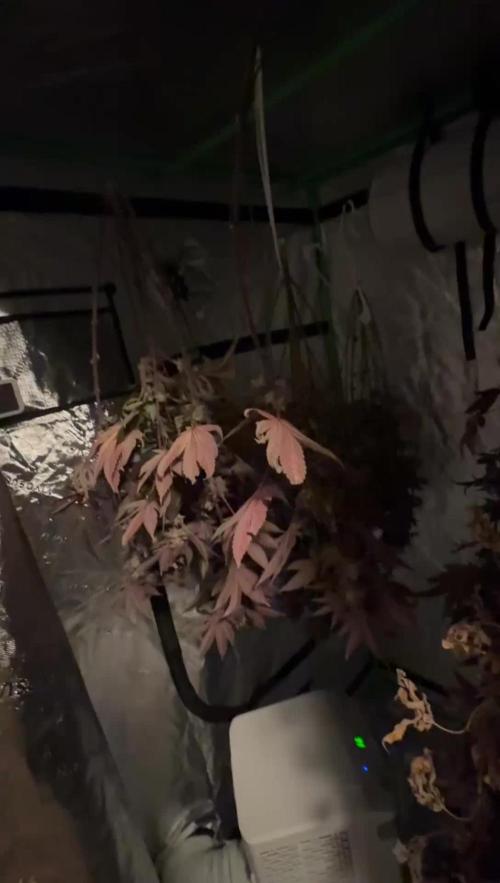
Harvest day! Whole plant gets chopped and hung
First day of of dry 10/2/25
Day 4 of dry 10/6/25 buds are drying up not much chlorophyll smell left except for on the bigger fan leaves that I kept on the plant buds are giving off a nice pungent smell
Likes
29
Share


@HarvesterOfSorrow
Follow
What I can i say other than Ethos Genetics kicks ass. I love growing their gear and will continue for as long as I can. This girl here took very well to training and feeding increases. Her terpene profile early on was undeniably Strawberry but gradually took a citrus dominant turn with some notes of pine. She was a moderate strechter and produced nice full trichomes that I'm sure would give a great return if pressed. The buds themselves are extremely sticky,pungent and dense. I used CX Horticulture and did what most dont do and used the recommended feeding chart 😲🙈🙊. I am glad to say she took it like a champ and for future grows of this strain I know I can up my ppm/EC next time. I yielded 6.25 ounces off of a 10 gallon pot and I know that's not impressive but it's my first time growing in a pot that big so many things learned. I will say after looking at the rootball I could have vegged for several more weeks but again knowledge is power and I've gained some 😉


Likes
16
Share

@DogDoctorOfficial
Follow
🌸 BlueBerry – Week 4 Flower Report
Grower’s Journal – Zamnesia BlueBerry | Entry 009
⸻
🌱 The Girls at Week 4
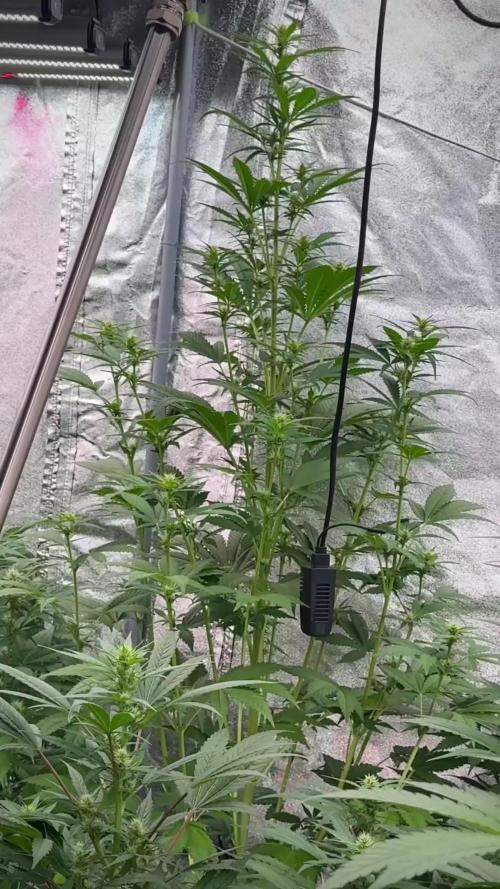
Both BlueBerry #1 and #2 are officially in their bloom stride.
• Structure: Stocky, balanced, strong branching.
• Stacking: Bud sites are forming beautifully and starting to swell.
• Frosting: Trichome production has begun — the first glitters catching the light.
They almost look like mirror images, which is a testament to the stability of these genetics. Every node is stacking just right, making this run a true delight to watch evolve.
⸻
💡 Under-Canopy Lights – The Hidden Secret
This week the under-canopy lights are proving their worth. Not only are the tops shining, but even the lowers are receiving enough energy to thrive. This setup is creating:
• Even growth across the whole plant.
• Healthier lower buds, not just popcorn.
• A canopy that feels alive from top to bottom.
It’s a real ecosystem of light, every layer glowing and working together.
⸻
Environment – Hot, Hot, Hot
Now, let’s talk about the truth of summer growing: the heat.
Temperatures are climbing so much that even taking pictures becomes a challenge. Let’s say this: by the time I’ve finished shooting the girls, I’m almost in “summer beachwear” mode 🌞👕😂. The garden is so warm and alive that it feels like stepping into a tropical bloom paradise, except instead of palm trees, I’m surrounded by BlueBerry flowers.
Humidity stays in balance, sensors are working, and despite the warmth, the girls are thriving.
⸻
🌿 Atmosphere & Gear
As always, the ecosystem setup is running smooth:
• TrolMaster brain + sensors keeping us updated.
• Spider Farmer + Aero Fans ensuring airflow in & out.
• Filters keeping everything fresh.
• LEDs (Future of Grow + ThinkGrow + Lumatek Zeus) pushing flower formation with perfect spectrum balance.
Every piece is connected, every reading aligned — it’s not just a grow tent, it’s a living orchestra of technology and nature working together.
⸻
✨ The Fun Side – Amnesia Moment
A little shoutout: taking care of the BlueBerry girls sometimes makes me forget the world outside (Amnesia closes, let’s call it that 😉). Between the heat, the scent of early terpenes, and the hypnotic way flowers are forming, time disappears in the room.
That’s the beauty of it — it’s not just gardening, it’s a whole-body, whole-heart experience.
⸻
🔮 Looking Ahead – Into Week 5
Next week, I expect:
• Flowers to bulk up heavily.
• Terpenes to become more noticeable, filling the room with the classic BlueBerry perfume.
• Trichomes to coat the buds more visibly.
• Room adjustments as needed once the AC comes into play, stabilizing the heat.
⸻
💬 Final Thoughts
Week 4 flower is the turning point — where the story moves from stretch to stack, from structure to sparkle. Both BlueBerries are stunning, almost identical, and thriving under both canopy and under-canopy light.
Yes, the heat makes it a sweaty job (half-naked photoshoot vibes 😅), but the result is worth it: strong, healthy, beautifully evolving BlueBerry ladies.
From genetics to gear, from environment to experience — everything is tuned for success. And now, it’s just about letting them shine. 🌸✨
DD (DogDoctor)🌱💚
📲 Don’t forget to Subscribe and follow me on Instagram and YouTube @DogDoctorOfficial for exclusive content, real-time updates, and behind-the-scenes magic. We’ve got so much more coming, including transplanting and all the amazing techniques that go along with it. You won’t want to miss it.
• GrowDiaries Journal: https://growdiaries.com/grower/dogdoctorofficial
• Instagram: https://www.instagram.com/dogdoctorofficial/
• YouTube: https://www.youtube.com/@dogdoctorofficial
⸻
Explore the Gear that Powers My Grow
If you’re curious about the tech I’m using, check out these links:
• Genetics, gear, nutrients, and more – Zamnesia: https://www.zamnesia.com/
• Environmental control & automation – TrolMaster: https://www.trolmaster.eu/
• Advanced LED lighting – Future of Grow: https://www.futureofgrow.com/
• Root and growth nutrition – Aptus Holland: https://aptus-holland.com/
• Nutrient systems & boosters – Plagron: https://plagron.com/en/
• Soil & substrate excellence – PRO-MIX BX: https://www.pthorticulture.com/en-us/products/pro-mix-bx-mycorrhizae
• Curing and storage – Grove Bags: https://grovebags.com/
⸻
We’ve got much more coming as we move through the grow cycles. Trust me, you won’t want to miss the next steps, let’s push the boundaries of indoor horticulture together!
As always, this is shared for educational purposes, aiming to spread understanding and appreciation for this plant. Let’s celebrate it responsibly and continue to learn and grow together.
With true love comes happiness. Always believe in yourself, and always do things expecting nothing and with an open heart. Be a giver, and the universe will give back in ways you could never imagine.
💚 Growers love to all 💚
Likes
5
Share


@BombBuds
Follow
Erntezeit!
Getrocknet wurde 9 Tage bei ~55% Luftfeuchtigkeit und 20 grad.
Trocken getrimmt.
Alle Popcorn nugs und Verschnitt zu Hash weiterverarbeitet.

Likes
19
Share


@ZombieKushAddicted
Follow
the girls are now in my backyard, they are in a 1.5 x 1.2m terrace completely amended by @elcaudilloorganicproducts
Pheno B Is still veg
Likes
22
Share


@SolitudeCorners
Follow
She said, "Where we goin'?" I said, "The moon"
We ain't even make it to the room
She thought it was the ocean, it's just the pool
Feeding 💧
Always foilage with T-rex Shield, MegaKelp+Recharge
25/5 Water 8L+Si 2ml+BioGrow 8ml+TrexGrow 8ml+Calmag 4ml+Whiteroot 4ml ppm530 ph6
27/5 Flush ph6.3 ppm27
29/5 Water 3L+Si 1ml+Calmag 1ml+BioGrow 4ml+TrexGrow 4ml+Recharge1tsp ppm600 ph5.5


Likes
8
Share


@Roberts
Follow
Fast version A is doing good. She is vegging nicely. Maturity signs should be showing up soon. Everything is looking good. Thank you Dutch Passion, SSSC, Athena, and Medic Grow. 🤜🏻🤛🏻🌱🌱🌱
Thank you grow diaries community for the 👇likes👇, follows, comments, and subscriptions on my YouTube channel👇.
❄️🌱🍻 Happy Growing 🌱🌱🌱
https://youtube.com/channel/UCAhN7yRzWLpcaRHhMIQ7X4g.
Likes
57
Share


@nonick123
Follow
Día 6 (29/04) Spray solo agua el top del sustrato. DLI 13
Día 7 (30/04) Spray solo agua el top del sustrato. DLI 13
Día 8 (01/05) Spray solo agua el top del sustrato. Subo a DLI 17
Día 9 (02/05) Elimino la cúpula casera de humedad y empiezo a regar con 300 ml solo agua
Día 10 (03/05) Empiezo a luchar con una ola de calor inesperada para esta época, que me trae temperaturas exteriores de 30 ºC y humedad relativa del 30%...
Mantengo la cúpula casera de humedad
Día 11 (04/05) Hace muchísimo calor.. 30 °C. A ver como lo llevan
Hago un invento casero para aumentar la humedad
Día 12 (05/05) Primera alimentación con Aptus! 300 ml H2O + Regulator 0,15 ml/l + CaMg-Boost 0,25 ml/l + Startbooster 0,25 ml/l - pH 6.2
Creo que las plantas se ven un poco pequeñas para tener 12 días... esperando por explosión de crecimiento en los próximos días....
💦Nutrients by Aptus Holland - www.aptus-holland.com
🌱Substrate PRO-MIX HP BACILLUS + MYCORRHIZAE - www.pthorticulture.com/en/products/pro-mix-hp-biostimulant-plus-mycorrhizae

Likes
3
Share


@mftexans420too
Follow
Week 3/4 preview of inside 3 tents. I’m learning how to navigate through ruff time amen Sundae it