Likes
Comments
Share
@Lazuli
Follow
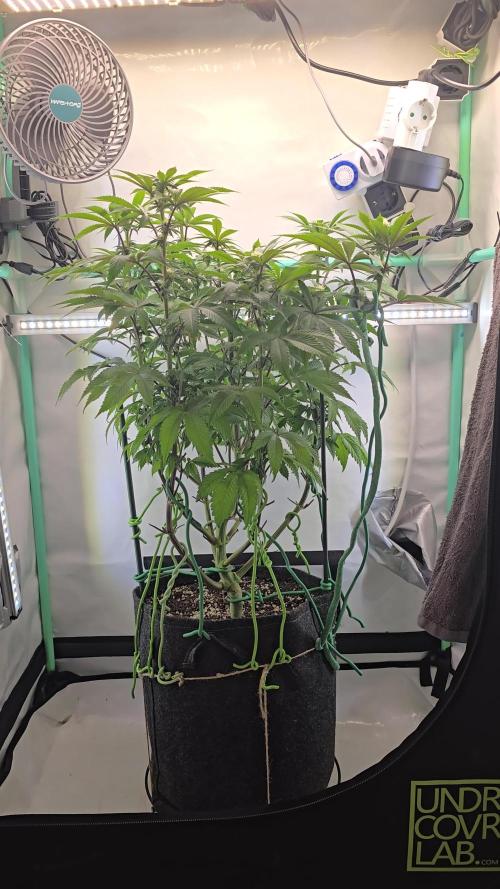
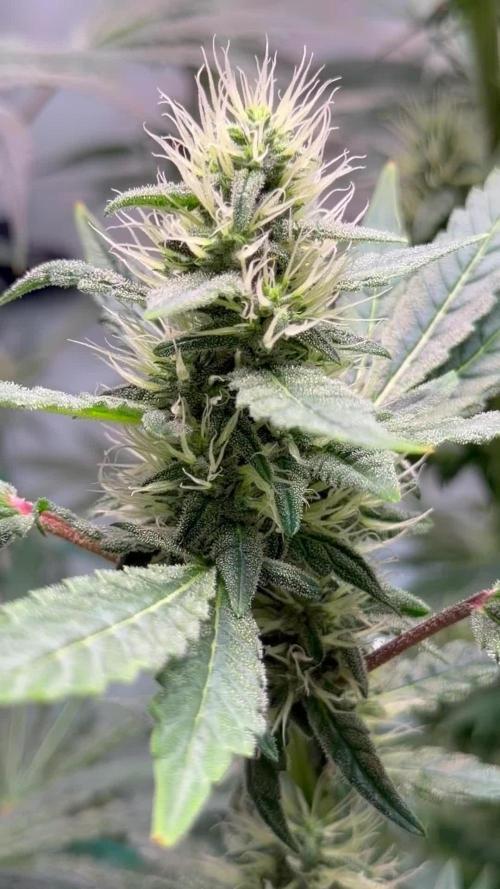
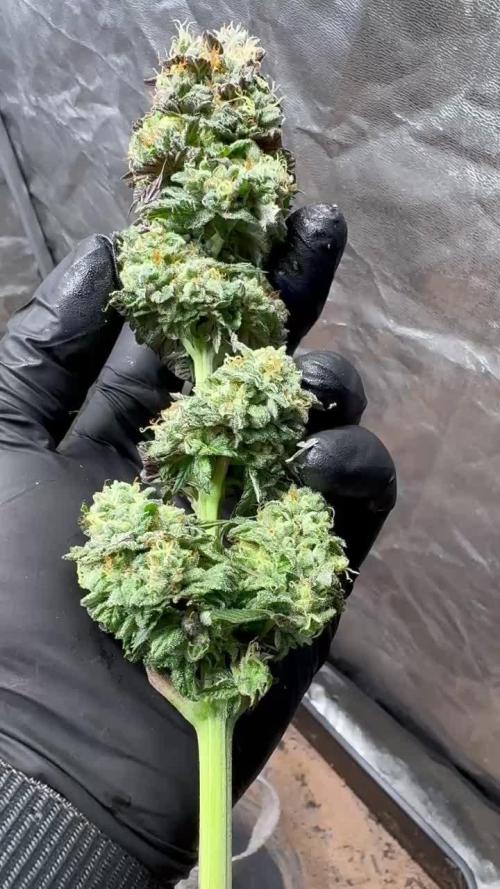
She starts to drink a lot now , final week stretch then she goes full flower
Likes
4
Share
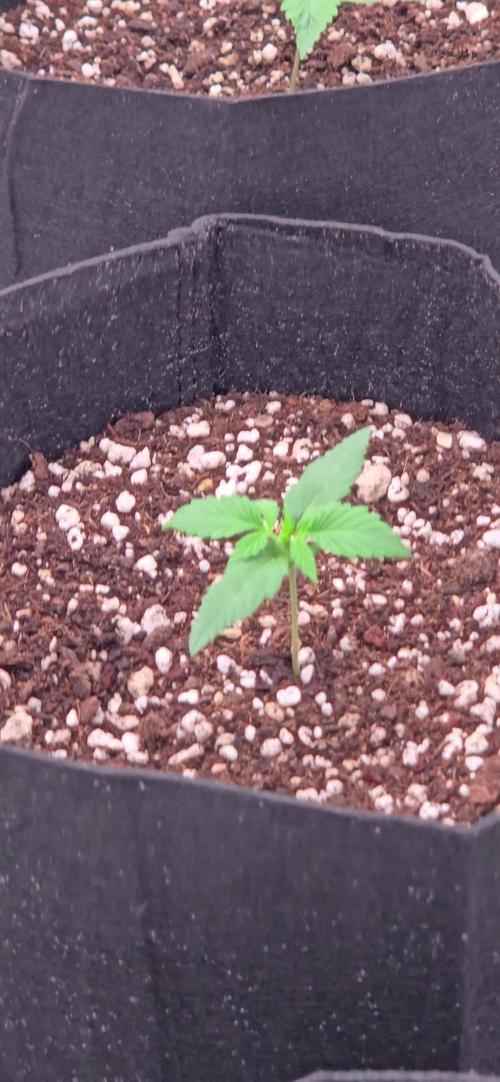
Buenas a tod@s... Segunda semana y las nenas de momento van bien, algo de enraizante, muy poco y listo... Eh tenido unos problemas pero todo bien, nada sin solución... Vamos a ver q tal siguen... 💪🏻💪🏻 Buenos humos para tod@s!💨💨 😎💎 🇦🇷🤝🏻🇪🇦
Processing
Likes
10
Share
@UrbanFog
Follow
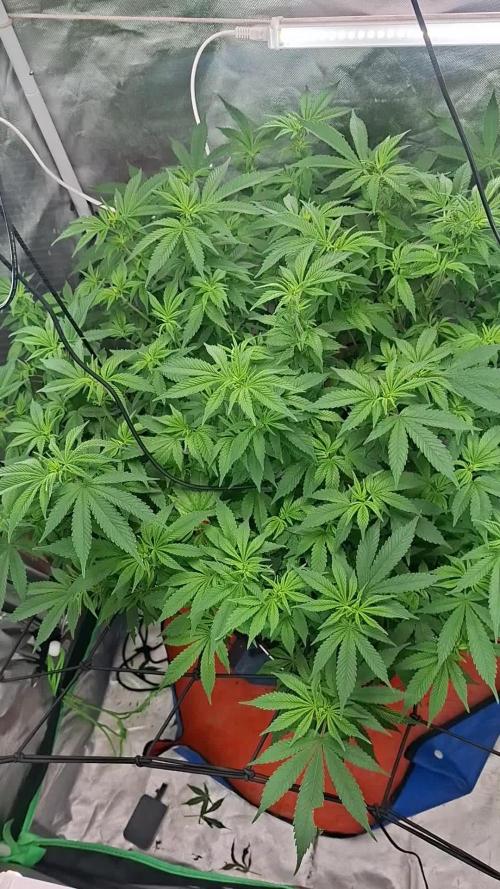
The ladies are starting to stretch and flower. We also did a defoliation and lollipop session at the end of week 2 flower. Canopy and bud sites look good and are a plenty. Looking forward to next couple of weeks.
Likes
36
Share
Day 179 28/10/24 Monday Last feed today possibly, using again de-chlorinated tap water pH 6. Also added calmag as a last push 💪💚 Day 181 30/10/24 Wednesday De-chlorinated tap water pH 6 only. I will add pictures tomorrow when lights off ✌️💚 Day 183 01/11/24 Friday De-chlorinated tap water pH 6 only today. Day 185 03/11/24 Sunday (End of week) De-chlorinated tap water pH 6 with Plagron PK13-14 today. Last nutrients now will allow 2weeks watering off ✌️💚 Picture and video update ✌️ 💚
Likes
4
Share
@cangrowz
Follow
Wir befinden uns jetzt in der 7 Woche sie hat deutlich nochmal aufgebaut bin sehr dran interessiert wie das Endresultat ist. Bisher haben sie schon leichte Lila spuren an den Buds hoffe das wird noch mehr. Soweit bin so zufrieden auch wenn ich denke sie sei zu klein.
Likes
4
Share
📆 Semana 7 El cultivo entra en la fase final de engorde, con el coco equilibrado y una absorción estable. La canopia se mantiene sana mientras la planta concentra su energía en las flores. Los cogollos siguen compactando y aumentando en peso, con una producción de resina cada vez más visible que empieza a cubrir bien las flores. La Red Banana Pudding continúa algo más baja pero mantiene un desarrollo uniforme y acompaña el ritmo del cultivo. El aroma del armario se intensifica y aparecen notas dulces y cremosas propias de esta etapa. Seguimos creciendo fuerte 💪!
Likes
72
Share
@BodyByVio
Follow
This week I had to Lollipop again (I know is very late and I hope I didn’t stressed the plant to much). My canopy is so tick and so many overlapping leaves and buds in the center of the plant that don’t receive enough light or any at all , n combination with the RH swings that I got going on (45 and 63 RH), I’m very afraid of mold. I should have did a better job at Lollipoping from day 21. I’m inexperienced grower and I didn’t knew better. I decided is better to risk to shock the plant a little bit risking a reduction in yield then get mold or pests and lose it all. My 30 pin dehumidifier works great with the AC but sometimes when the AC( compressor) stops my RH jump at 62% -63%, witch I don’t like . I’m trying to keep the humidity around 50% but in such a small room between the AC and Dehumidifier I got big swings in temp ( 75-82) and RH ( 45%-63%) witch is not ideal but is nothing that I can do. I played with the AC and Dehumidifier setting a lot trying to keep humidity around 50% and temp around 80 degrees and that’s the best I can. My AC is set at 82 degrees and my Dehumidifier is set at 45% RH. Also during the lights off (day time) is very hard to keep the temperature In control when outside is 110-115 degrees with my portable AC (1400BTU) in the 4x 6 closet. Is crazy but I do my best to keep temp under control. This is another rocky mistake I made is trying growing weed DWC in the middle of summer where temps are 105-115 degrees constant in a closet without centralized AC port and at second level in the building. LOL Also I think I underfed her (630 PPM TDS, PH 5.8-5.9) ) and I got a Ca deficiency witch I think is the reason my flowers developed slower then I anticipated. Hopefully I’m wrong and everything will be good. P.S. I got a little bit of calcium deficiency caused by salt buildup (to much PK boost) despite my earlier belief that is underfed. I increased the PPM from week 4 (630-640TDS) to 680 TDS) on week 5 while I kept the PK booster at 3+ml l per gallon. Slightly my PPM’s was rising in my reservoir for few days until I decided that my plant can’t take that much nutrients (PK). 2-3 days after I increased the TDS I’ve noticed more spots on the lower leaves with tip burns on top ( first signs of PK toxicity). One day later found spots and yellowing of the leaves on top of the plant that indicates Ca deficiency caused by salt buildup ( PK toxicity) and reversed osmosis (hope I’m not wrong). Going into week 6 I lowered the PK boost at 1.5ml / gallon and total TDS to 640 PPM. Seems like leaves damage to stop and my PPM to stay stabile at 630-640. Trying to keep PH at 5.8 max 5.9. I will post pictures of my Ca deficiency/ PK toxicity. If you guys have any suggestions please leave me a comment.
Likes
7
Share
@bagoweed
Follow
The sizes... the sizes was really really small due the hot weather as it was a outdoor grow. (I have a video holding the bottom of my bonsai hahah)
Likes
11
Share
Will report back with a smoke report, but this thing smells incredible and budded extremely well. Didn't have much of any issues with pests. Got a BIG 4' plant from only super soil in a 5-gallon fabric pot. Tons of resin. Very impressed with these automatic genetics from Pride of the Lion Seeds... and I'll definitely be growing another one of them in the spring.
Likes
3
Share
Hallo zusammen 🤙. Sie wächst sehr schön und macht keine Probleme. Rabattcode für den BIOTABS-Webshop https://biotabs.nl/en/shop/ GDBT420, damit erhalten Sie 15 Prozent
Likes
6
Share
Legend Timestamp: 📅 EC - pH: ⚗️ Temp - Hum: 🌡️ Water: 🌊 Food: 🍗 pH Correction: 💧 Actions: 💼 Thoughts: 🧠 Events: 🚀 Media: 🎬 D: DAY, G: GERMINATION, V: VEGETATIVE, B: BLOOMING, R: RIPENING, D: DRYING, C: CURING ______________ 📅 D71/B34 - 25/06/24 ⚗️ EC: 1.2 pH: 6.6 🌡️ T: 26°C H: 70% 🌊 10L 🍗 Calmag - Bloom A-B 💧pH- 💼 CO2 Dispenser added 🧠 🚀 🎬 4 nice pics and 1 TL video ______________ 📅 D72/B35 - 26/06/24 ⚗️ EC: 1.2 pH: 5.7 🌡️ T: 26°C H: 70% 🌊 🍗 💧 💼 🧠 🚀 🎬 1 TL video ______________ 📅 D73/R01 - 27/06/24 ⚗️ EC: 1.2 pH: 5.7 🌡️ T: 26°C H: 70% 🌊 12L 🍗 CalMag - Bloom A-B - B52 - Bud Candy - Overdrive 💧 💼 🧠 🚀 🎬 1 TL video trunked ______________ 📅 D74/R02- 28/06/24 ⚗️ EC: 1.2 pH: 6.0 🌡️ T: 26°C H: 70% 🌊 🍗 💧 💼 🧠 Last Timelapse videos are pretty useless. I'm thinking to don't them anymore.. 🚀 🎬 1 TL video ______________ 📅 D75/R03 - 29/06/24 ⚗️ EC: 1.3 pH: 5.4 🌡️ T: 26°C H: 70% 🌊 🍗 💧 💼 🧠 🚀 🎬 1 TL video ______________ 📅 D76/R04 - 30/06/24 ⚗️ EC: 1.3 pH: 5.4 🌡️ T: 26°C H: 70% 🌊 🍗 💧 💼 🧠 🚀 🎬 1 TL video ______________ 📅 D77/R05 - 01/07/24 ⚗️ EC: 1.3 pH: 5.0 🌡️ T: 26°C H: 70% 🌊 🍗 💧 💼 🧠 🚀 🎬
Likes
7
Share
Candy kush express #3 should be done by the end of this month and she's chunking up very nice and the smell coming from her is like nothing I've grown before it's wild!! Candy kush #1 is loving the foop bloom and is almost as tall as my gp x bkp which is like 6 weeks older 😅 😳 amazing growth with this strain. Candy kush #2 is growing super unruly lol 😆 branches growing every which way going to be a unique looking plant when all is said and done,I would seriously recommend this strain for anybody growing outdoors ,I'll be ordering a 10 pack for next season(depending on the smoke,which I already know is going to be fire 🔥) I was forced to move all 3 plants out in front of my house because the sun is slowly moving back behind the trees later and later as these fall weeks move foward but my front yard stays lit up from around 930am-730pm luckily or I'd be screwed
Likes
27
Share
@420
Follow
An Tag 41 wurde nochmal getrimmt und kleinere untere Blütenansätze entfernt. Heute ist Tag 45, würdet ihr mehr entlauben ? Tagsüber habe ich leider eine Luftfeuchtigkeit von 52 % mehr holt mein luftentfeuchter durch die vielen kleinen Blätter nicht raus. Nachts denke ich etwas mehr. Tag 46: Luftfeuchtigkeit wieder dauerhaft unter 50%
Likes
4
Share
Slow groth, salad head, but its still gonna produce An 8th Generation autoflowering strain. The stable hybridization of two excellent strains developed from US genetics. The product of crossing a specially selected very aromatic and resinous elite clone from the popular Mimosa family [Clementine (Tangie x Lemon Skunk) x Purple Punch (Larry OG x Grand Daddy Purple)] with our own Bruce Banner Auto (SWS91). Mimosa Bruce Banner XL Auto (SWS101) is an extra-large autoflowering strain with highly resinous and aromatic buds. These plants have a truly exquisite scent that is particularly sweet and attractive, with shades of citrus fruits reminiscent of mandarin and strawberry, fresh cypress, and pleasant undertones of smoked cheese. It has a potent, happy, even euphoric, and long-lasting effect that enhances the imagination and creativity. Some plants develop flowers and leaves with purple and reddish hues at the end of the flowering period.
Likes
1
Share
@nonick123
Follow
🚀 4 clones de Blueberry Pie F1 Fast seleccionados por @stacksfarmsltd - https://www.instagram.com/stacksfarmsltd 🚀 Breeding by @seedsmangenetics - https://www.seedsman.com/eu-en/blueberry-pie-f1-fast-feminised-seeds-sman-blpi-fast-fem 💦 BioTabs 15% DISCOUNT code "GDBT420" biotabs.nl/en/shop/ @biotabs_official 🌱Substrate PRO-MIX HP BACILLUS + MYCORRHIZAE @promixmitch @promixgrowers_unfiltered 💡2 x Mars Hydro FC1500 EVO Led Grow Light (2024 NEW FC 1500-EVO Samsung LM301H 150W LED) - https://marshydro.eu/products/fc1500-evo-led-grow-lights/ - https://www.amazon.de/dp/B0CSSGN5D8?ref=myi_title_dp
Likes
13
Share
@TPBzh
Follow
Easy to grow, smelling a lot, we'll see at the end ,hen dry, but promizing
Likes
45
Share
2nd net is up. Early bud formations are promising. holding up to the extremes pretty well, some leaves taking minor damage, but overall, she is holding up, gave her 1 night at 50F see how she would react, stressful. Not advised as it messes with her metabolism, but I want to see if it triggers any anthocyanin response. Love to see her purp up but no signs yet. Homework. If Rubisco activity is impaired and it cannot properly function or regenerate its substrate, the plant's leaves are likely to turn a pale green or lime green, a condition known as chlorosis. Essentially, Rubisco activity is highly regulated and susceptible to various environmental and metabolic factors that can cause it to become inhibited, leading to an apparent failure in RuBP regeneration due to a lack of consumption. Rubisco regeneration is intrinsically linked to nitrogen supply because Rubisco is a major sink for nitrogen in plants, typically accounting for 15% to over 25% of total leaf nitrogen. The regeneration phase itself consumes nitrogen through the synthesis of the Rubisco enzyme and associated proteins (like Rubisco activase), and overall nitrogen status heavily influences the efficiency of RuBP regeneration. RuBisCO is a very large enzyme that constitutes a significant proportion (up to 50%) of leaf soluble protein and requires large investments in nitrogen. Insufficient nitrogen supply limits the plant's ability to produce adequate amounts of RuBisCO, thereby limiting the overall capacity for photosynthesis and carbon fixation. Maintaining the optimal, slightly alkaline pH is crucial for the proper function and regeneration of Rubisco. Deviations in either direction (too high or too low) disrupt the enzyme's structure, activation state, and interaction with its substrates, leading to decreased activity and impaired RuBP regeneration. (LIME GREEN CHLOROSIS) Structural Component: Nitrogen is an essential building block for all proteins, and the sheer abundance of the Rubisco protein makes it the single largest storage of nitrogen in the leaf. Synthesis and Activity: Adequate nitrogen supply is crucial for the synthesis and maintenance of sufficient Rubisco enzyme and Rubisco activase (Rca), the regulatory protein responsible for maintaining Rubisco's active state. Nitrogen deficiency leads to a decrease in the content and activity of both Rubisco and Rca, which in turn limits the maximum carboxylation rate, Vmax, and the rate of RuBP regeneration Jmax, thus reducing overall photosynthetic capacity. Nitrogen Storage and Remobilization: Rubisco can act as a temporary nitrogen storage protein, which is degraded to remobilize nitrogen to other growing parts of the plant, especially under conditions of nitrogen deficiency or senescence. Nitrogen Use Efficiency (NUE): The allocation of nitrogen to Rubisco is a key determinant of a plant's photosynthetic nitrogen use efficiency (PNUE). In high-nitrogen conditions, plants may accumulate a surplus of Rubisco, which may not be fully activated, leading to a lower PNUE. Optimizing the amount and activity of Rubisco relative to nitrogen availability is a target for improving crop NUE. Photorespiration and Nitrogen Metabolism: Nitrogen metabolism is also linked to the photorespiration pathway (which competes with carboxylation at the Rubisco active site), particularly in the reassimilation of ammonia released during the process. To increase RuBisCO regeneration, which refers to the process of forming the CO2 acceptor molecule Ribulose-1,5-bisphosphate (RuBP) during photosynthesis, the primary methods involve optimizing the levels and activity of Rubisco activase (Rca) and enhancing the performance of other Calvin-Benson-Bassham (CBB) cycle enzymes. Biochemical and Environmental Approaches: Optimize Rubisco Activase (Rca) activity: Rca is a crucial chaperone protein that removes inhibitory sugar phosphates, such as CA1P (2-carboxy-D-arabinitol 1-phosphate), from the Rubisco active site, thus maintaining its catalytic competence. •Ensure optimal light conditions: Rca is light-activated via the chloroplast's redox status. Adequate light intensity ensures Rca can effectively maintain Rubisco in its active, carbamylated state. •Maintain optimal temperature: Rca is highly temperature-sensitive and can become unstable at moderately high temperatures (e.g., above 35°C/95F° in many C3 plants), which decreases its ability to activate Rubisco. Maintaining temperatures within the optimal range for a specific plant species is important. •Optimize Mg2+ concentration: Mg2+ is a key cofactor for both Rubisco carbamylation and Rca activity. In the light, Mg2+ concentration in the chloroplast stroma increases, promoting activation. •Manage ATP/ADP ratio: Rca activity depends on ATP hydrolysis and is inhibited by ADP. Conditions that maintain a high ATP/ADP ratio in the chloroplast stroma favor Rca activity. Enhance Calvin-Benson-Bassham (CBB) cycle enzyme activity: The overall rate of RuBP regeneration can be limited by other enzymes in the cycle. •Increase SBPase activity: Sedoheptulose-1,7-bisphosphatase (SBPase) is a key regulatory enzyme in the regeneration pathway, and increasing its activity can enhance RuBP regeneration and overall photosynthesis. •Optimize other enzymes: Overexpression of other CBB cycle enzymes such as fructose-1,6-bisphosphate aldolase (FBA) and triose phosphate isomerase (TPI) can also help to balance the metabolic flux and improve RuBP regeneration capacity. Magnesium ions, Mg2+, are specifically required for Rubisco activation because the cation plays a critical structural and chemical role in forming the active site: A specific lysine residue in the active site must be carbamylated by a CO2 molecule to activate the enzyme. The resulting negatively charged carbamyl group then facilitates the binding of the positively charged Mg2+ion. While other divalent metal ions like Mn2+ can bind to Rubisco, they alter the enzyme's substrate specificity and lead to dramatically lower activity or a higher rate of the non-productive oxygenation reaction compared to Mg2+, making them biologically unfavorable in the context of efficient carbon fixation. The concentration of Mg2+ in the chloroplast stroma naturally increases in the light due to ion potential balancing during ATP synthesis, providing a physiological mechanism to ensure the enzyme is activated when photosynthesis is possible. At the center of the porphyrin ring, nestled within its nitrogen atoms, is a Magnesium ion (Mg2+). This magnesium ion is crucial for the function of chlorophyll, and without it, the pigment cannot effectively capture and transfer light energy. Mg acts as a cofactor: Mg2+ binds to Rubisco after an activator CO2 molecule, forming a catalytically competent complex (Enzyme-CO2-Mg2+). High light + CO2) increases demand: Under high light (60 DLI is a very high intensity, potentially saturating) and high CO2, the plant's capacity for photosynthesis is high, and thus the demand for activated Rubisco and the necessary Mg2+ cofactor increases. Mg deficiency becomes limiting: If Mg2+ is deficient under these conditions, the higher levels of Rubisco and Rubisco activase produced cannot be fully activated, leading to lower photosynthetic rates and potential photo-oxidative damage. Optimal range: Studies show that adequate Mg2+ application can enhance Rubisco activation and stabilize net photosynthetic rates under stress conditions, but the required concentration is specific to the experimental setup. Monitoring is key: The most effective approach in a controlled environment is to monitor the plant's physiological responses e.g., leaf Mg2+ concentration, photosynthetic rate, Rubisco activation state, and adjust the nutrient solution/fertilizer to maintain adequate levels, rather than supplementing a fixed "extra" amount. In practice, this means ensuring that Mg2+ is not a limiting factor in the plant's standard nutrient solution when pushing the limits with high light and CO2. Applying Mg2+ through foliar spray is beneficial to Rubisco regeneration, particularly in alleviating the negative effects of magnesium (Mg) deficiency and high-temperature stress (HTS). While Mg can be leached from soil, within the plant it is considered a mobile nutrient, particularly in the phloem. Foliar-applied Mg is quickly absorbed by the leaves and can be translocate to other plant parts, including new growth and sink organs. Foliar application of: NATURES VERY OWN MgSO4 @ 15.0g L-1 in a spray bottle. Foliar sprays are often recommended as a rapid rescue measure for existing deficiencies or as a supplement during critical growth stages, when demand for Mg is high. Application in the early morning or late evening can improve absorption and prevent leaf burn. The starting point [of creativity] is curiosity: pondering why the default exists in the first place. We’re driven to question defaults when we experience vuja de, the opposite of déjà vu. Déjà vu occurs when we encounter something new, but it feels as if we’ve seen it before. Vuja de is the reverse—we face something familiar, but we see it with a fresh perspective that enables us to gain new insights into old problems. Come walk in the enchanted forest.