


Likes
Comments
Share


Likes
53
Share


@BudBoutique
Follow
Welcome to Bud Boutique Grow Diary - really appreciate all your love and support :)
Dont forget to check out my other current grows!
🗓️ This Week:
- Day 23: 2/3 plants got transplanted into 2 liter pots with a lot of mycorrhizal from Great White Shark around the roots & pot hole. lets get them roots even stronger!!
- plant development is still really super strong and fast as you can see
- Day 25 - recovered well from the transplant shock
🍸 started to give Cal-Mag Amino & Silica Force in a low dosages (at least once a week)
- EC: 1.2
- PH: 6.5
- 1/3 inside AC Infinity Germination Kit
- keep up high humidity with about 80% and open the dome completely now to get them used to the environment
- heatmap reduced to 22° Celcius - especially for the night
Thank you for still staying with me 💚
___________________________________________
--- 🌱 Strain (Sponsor) ---
🏷️ P.C.R. by Art Genetix
https://www.artgenetix.world/product-page/p-c-r
--- 🥗 Nutrients and Feeding (Sponsor) 🥗 ---
* 🍸 XPERT NUTRIENTS: Master Grow A+B, Master Root, Enzymes, Cal-Mag Amino, Silica Force
* 📅💪 baseline + additives: 2ml/l
https://xpertnutrients.com/
---💡 Lighting ---
💡AC INFINITY - Germination Kit
https://acinfinity.com/grow-accessories/propagation/humidity-domes/humidity-dome-germination-kit-with-seedling-mat-and-led-grow-light-bars-5x8-cell-tray/#product-warranty
--- 🏭 Grow Setup ---
* 🏠🌿 Indoor: Homebox 120x120x200cm (4x4)
* 📐🌀 PrimaKlima exhausting Fan 1180m3/h (running on 60-80%) & Can Light Filter 800m3/h & 1x Fanbox 1x Dyson fan for Air circulation
https://primaklima.com/de/shop/ventilatoren-de/ec-ventilatoren/pk160ec-tc/
https://canfilters.com/products/filters/
All Likes and comments are highly appreciated!!!
don't forget to check out my Instagram: budboutiquee
- Bud Boutique

Likes
85
Share


@OrganicNature420
Follow
• In House Genetics
• FlapJacks (Mac1 x Slurricane x Pancakes)
• THC dominant
• Terp %45
Nutrients • GreenBuzzNutrients
(DISCOUNT CODE • GD42025) %25 off
I use the whole product range and this stuff is a game changer. I've not had one bad grow with this company and it hasn't let me down once. Terps and taste are through the roof. No need for run off in coco only during flush week (i use a 0ppm distilled water) Hands down the best nutrients on the market
GREEN BUZZ OUR NOW GIVING YOU GUYS A WHOPPING %25 OFF USING THE NEW CODE ABOVE 💚🌱
LIGHT/TENT • Mars Hydro FC-E6500 5x5 tent
Buds are so dense and it's so gasy ⛽️ .. unreal smell of the Slurricane coming through. Another top shelf grow completed

Likes
66
Share


@BigBadLion
Follow
Well, it's finally time for an update, right? And for a newbie like me this week has been quite eventful! 😲
After last week's "Helmet Head" (which I suppose was my fault for not burying the seed deep enough 😱) her leaves started to look twisty, Honestly don't know why that happened but my three hypothesis are: because that's just the way she is, because I didn't properly bury the seed or I made a mistake somewhere else. However I also think she looks pretty and this makes her look quite "special" 👍.
In her 6-7th day after sprouting I noticed her leaves started to look even more twisty and she was about to outgrow her cup. I worried and decided that it was the right moment to transplant her. At first I didn't know "how" to do it and all I knew is that I could shock her if I did it wrong (which worried me haha 😨). None of the sites I checked really specified any kind of information regarding how I should prepare the medium for the new plant (just some vague information here and there) so I came with the idea to just water it bit and then "massage" the soil to avoid making it "lumpy" and I feel it did work out well in the end! I feel I didn't shock her much and in her second day she was growing even more as well! Nice! 😍
Next week I'll start feeding Puff with some nutrients but the PPM of the tap water where I live is somewhat high (around 600) and it's electroconductivity is around 1200 us/cm but a lot of growers in here still use it (they just wait for chlorine to evaporate) so I'll try doing the same. I'll use half dose of Biobizz Bio Grow and half dose of another product called Gold Sunshine from Quemanta (which is Cal-Mag with some amino acids) and see how things develop! 😃
I'll try to see if I can make my DSLR take the photos for future timelapses, because my webcam sucks for that job!
Thanks everyone for reading 😉

Processing
Likes
8
Share


@HonchosGrow
Follow
Looking great going into day 8!!! No nutes just plain tap water!
Likes
12
Share


@GREENPHOENIX6262
Follow
Week 1 Flower 09/04
Everything is running smoothly
Introduced NPK Phosphorus - Potassium
Scrog net dropped - Flowering evenly.
Veg nutes stopped.
*Mimosa (1&2) end of week recap -09/09
Both plants are in early flower and proceeding accordingly.
Nute feeds remain the same.
Plants have grown in height approximately 5inches.
Moderate defoliation on the bottom half of both the plants
Will LST to trellis next coming week.
Likes
3
Share


@Mett420
Follow
La defogliazione ha fatto sprigionare un bel po di altezza a tutte e 4 le piante e ora con la rete si punta a ricoprire l’intera superficie di verde. Temperature e umidità ottimali, luce 600w HPs che da problemi, infatti sono ancora con la mh400 , provvederò a cambiarla domani.

Likes
2
Share


@Ilovemykittys
Follow
The plants have been sitting in a homemade dome for a few days now. Today I decided to move them back to the ziploc dome so I could move my light a little closer. I was scared it would burn them but they seem fine so far, and they stretching a little too much imo. I think next time I pop seeds or run clones I need to get a small fluorescent to keep a few inches away from the plants so they dont stretch as much. Either way, they look good. I even broke the machine elves putting the dome on. I had some duct tape and a paper clip handy so I did some first aid and its kept growing. It was almost broke off completely so I'm not sure if itll make it in the long run. Cool to see how plants can survive something like that tho. It's not only looking fine, but it's the tallest too. I think my new humidifier is gonna be here Wednesday so until then I'll keep the domes on. I'm trying to make some taller domes too so I might not even need the humidifier yet. For now I've connected the veg tent to the flower tent with some ducting. It seems to be keeping it around 50% RH. I might keep this connected until I need to connect my filter.
I'm hoping to have these ready to move to my flower tent in 4-5 weeks. Ideally I'm planning to have a perpetual harvest going that will let me harvest every 4-5 weeks.

Likes
8
Share


@MarighellaGrower21
Follow
Sexta semana, fiz um flush nos vasos mais queimados, as outras plantas apresentam deficiência de magnésio também, segue sexta semana de flora e apesar dos problemas as flores tão bem resinadas, vou aplicar flowermind essa semana e ver se melhora. Obrigado por

Likes
16
Share


@Chocolopeison
Follow
Comenzando semana 7 de estás nenas, aun las mantengo en 1L y hoy le hicimos su primera defoliación masiva, ahora a esperar que se recuperen para hacerle trasplante a maceta de 3,5L.
La verdad no eh tenido muchos problema, todo sigue igual siguiendo el mismo orden de nutrientes, bacterias y hongos benéficos una vez por semana, enzimas ahora se las estoy dando día por medio o cada 3 día.
Ya logramos sacar los primeros clones de la watermelon, punch y cookie y la thc bomb. la dss aun la tenemos tirando fuerza que no va mal pero no tenia espacio para más clones.
Saludos


Likes
15
Share

@MuckmanMelts
Follow
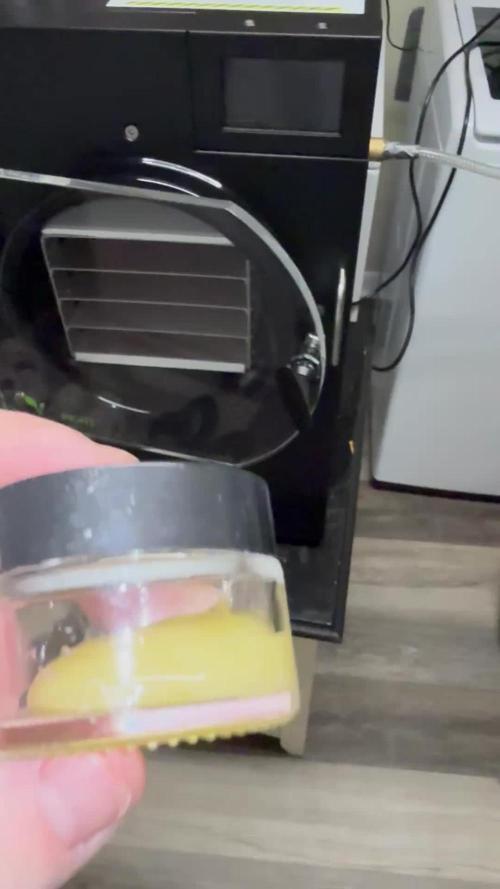
huge heads on all plants I’m going to say 100 colas in this tent. Yes 100. Not one nook or cranny isn’t filled with a big ole branch. Proud of my scrog. About to get a mountain of hash of these babies. Stinky fruit peel/ straight gas/ lil gmo not really to spicy. More funk and gas than anything else. Long trichromes indicated a good washing strains! I can’t wait to process!
Update: pulled trigger and chopped front left pheno. Ez 600 wet grams cut within 30 minutes. Super sticky I went through 3 pairs of gloves was very very gentle ripping and cutting calyx to dime to quarter size nugs. Disposed of fans only sugar left. Process tmrw morning!!!!! Very exciting!
Update: washed single font plant trichs all cloudy basically lil early but washing for rosin I’m trying to experiment with each plant and trichrome maturity. Yield on point for 500-600 wet grams. I’m predicting 50 grams bubble hash. We will see. Stay tuned
Update: I’m crying tears of joy. No caption needed.
Likes
2
Share


@Mik21
Follow
7 weeks! from what sweet seeds says now I should just wait another week or two and then I could cut it easily, but I don't know. If anyone can advise me on automatic plants I would be grateful! in summary the question is: with automatics only 5/6 weeks of flowering are needed? 🌱

Likes
16
Share


@Hydrostyle
Follow
Hi Guys and Girls
I will do this challenge to 😎
I use a tiny pot 16 oz-0.43 l (i dont have a solo cup)
I hope my Bart Simpson will do a lot
I used soil with perlite+coco
For this challange i will use BioBizz nutriments and a lot of love.😍😍
Thanks to read me
Good grow 🤘🤘
Likes
1
Share


@Wolves_den_genetics
Follow
Really loving how this lady has been growing from seed. Very stable genetics

Likes
8
Share


@phobic94
Follow
This week I defoliated the plants a bit. The plants have burnt leaf spots so I am going to give them a few watering sessions without feeding them with a PH of 6 next week I plan to switch them to 12-12.

Processing
Likes
18
Share


@wheedtobeus420
Follow
Day 70. For a lady who was given salt water. The the wrong ph water. She is really a massive lady. I’m proud of her. She’s taller then my damn light at the moment. But mainely is always hitting it out of the park. She’s bulking. Can’t wait to see what she will do.
Likes
12
Share


@Italianganya88
Follow
Habe alle Pflanzen Entlaubt, um eine bessere Luftzirkulation und um den unteren Blüten mehr Licht zu bekommen.


Likes
Comments
Share


Likes
44
Share


@Buffynuffy
Follow
I’m actually Super happy they sprouted on the 1st it just makes keeping track of what day your on so much smoother l think, but I think one was having a hard time getting the shell
Off so I helped just I tiny bit!
Likes
92
Share


@Roberts
Follow
The grow was going great till the air stone stopped. I got root rot in process and it hurt final size. Super stick, and strong smell or a earthy fruity scent. I had the polyploidy mutation in this plant. I started a clone and have a diary for it on here. I used a Spider Farmer SE5000 light, and New Level Hydro bucket. I also used hygrozyme. Thank you Spider Farmer, New Level Hydro, and Amsterdam Marijuana Seeds. 🤜🤛💪❄️🌱
Thank you grow diaries community for the 👇likes👇, follows, comments, and subscriptions on my YouTube channel👇. ❄️🌱🍻 Happy Growing 🌱🌱🌱
https://youtube.com/channel/UCAhN7yRzWLpcaRHhMIQ7X4g
Www.amsterdammarijuanaseeds.com
SE5000
https://amzn.to/3qFpAML
Spider Farmer Official Website Links:
US&Worldwide: https://www.spider-farmer.com
UK: https://spiderfarmer.co.uk
CA: https://spiderfarmer.ca
EU: https://spiderfarmer.eu
AU: https://spiderfarmer.com.au
Coupon Code: saveurcash (is stackable in most cases)
Www.newlevelhydro.com
Www.hygrozyme.com


