




Likes
12
Share


@thonhash
Follow
Sorprendido gratamente del resultado final tanto de producción como de sabor/efecto.

Likes
3
Share


@Unculti_responsable
Follow
Esta semana fue muy productiva hicimos poda apical y de bajos ,trasplantamos a una maceta de 3 litros, se recupero muy bien y sigue creciendo hermosa , esta semana la vamos a dejar descansar y darle cariño para que siga creciendo sana , las semanas siguientes ya la vamos a ir entrenando con cropping y amarres vamos a ir viendo!!!


Likes
2
Share


@KEVS_BEST
Follow
Woche 3 - Tägliches Gießen und weitere Düngerzugabe
In der dritten Woche wurde die Wassermenge weiter angepasst, um dem kontinuierlichen Wachstum der Pflanzen gerecht zu werden. Ab dieser Woche wurde jeden Tag gegossen, wobei die Menge bis Ende der Woche auf 0,45 Liter pro Tag erhöht wurde. Es ist nach wie vor nur ein Ventilator im Einsatz, um die Luftzirkulation zu gewährleisten. Die Luftfeuchtigkeit wurde weiterhin durch Tücher und Teller reguliert, indem täglich 500 ml Wasser verwendet wurden.
Am 27.04.2024 wurde die zweite Düngerladung verabreicht, diesmal mit einem Verhältnis von 30 ml Canna Terra auf 10 Liter Wasser. Das Wasser hatte einen EC-Wert von 1,28 und einen pH-Wert von 5,9. Die Pflanzen zeigten keine Anzeichen von Nährstoffmangel oder -überschuss.
Am Ende der dritten Woche hatten die Pflanzen bereits fünf Noden entwickelt und wuchsen mittlerweile täglich um knapp 1 cm. Die Pflanzen sahen weiterhin sehr gesund aus und waren auf einem guten Weg, kräftig zu gedeihen.
ENGLISH
Week 3 - Daily Watering and Continued Nutrient Feeding
In the third week, I further adjusted the water amount to support the plants' consistent growth. From this week, the plants were watered daily, with the amount increased to 0.45 liters per day by the end of the week. There was still only one fan in use to provide air circulation, and humidity continued to be regulated manually using towels and plates, with 500 ml of water daily.
On April 27th, 2024, the second dose of nutrients was applied, with a ratio of 30 ml Canna Terra per 10 liters of water. The water had an EC of 1.28 and a pH of 5.9. The plants showed no signs of nutrient deficiency or excess.
By the end of the third week, the plants had developed five nodes and were growing about 1 cm per day. They remained very healthy and were thriving.

Likes
4
Share


@AustinRon
Follow
OG 4Q24 Flower Week 7
Orangegasm (Fem) [ IRIE Genetics ]
12/12 @ Bolt (Day 21)
Germination: 20 November 2024
#3A Earliest Harvest Date: 9 February 2025
#3B Latest Harvest Date: 19 February 2025
_________________________________________
Start of Week: [Wed Jan 22,
2024 CR2 4Q24 43:F:6:1]
End of Week: [Tue Jan 28, 2024 CR2 4Q24 49:F:6:7]
OrangeGasm Fertigation:
- MAX: EC: [ 2.4, mS]
- LightIntensity MAX: [ 850, µMol/m2/s]
______________________________________
__
Wed Jan 22, 2025
OG 4Q24 43:F:6:1
- [x] R&R Each Drip Ring Assembly (Assure NO Fertigation/Bio Build up)
Runoff
- Amount: [ .5, l]
- EC: [ 3.8, mS/cm]
- EC∆: [ 1.2, mS/cm] # Danger!
Refresh Res (Filtered, pH’d Tap Water)
- [x] Amount: [ 2, gal]
- [x] Primer A&B: [ 35, ml]
- [x] SLF-100: [ 10, ml]
__
Thu Jan 23, 2025
OG 4Q24 44:F:6:2
Refresh Res (Distilled Water, pH: 7, EC: 0.0)
- [x] Amount: [ 2, gal]
- [x] Primer A&B: [ 39, ml]
- [x] SLF-100
Runoff
- Amount: [ 1.2, gal]
- EC: [ 4.3, mS/cm]
- EC∆: [ 1.6, mS/cm] # DANGER
__
Fri Jan 24, 2025
OG 4Q24 45:F:6:3
Runoff
- Amount: [ 0.3, gal]
- EC: [ 4.1, mS/cm]
- EC∆: [ 1.4, mS/cm] # DANGER

__
Sat Jan 25, 2025
OG 4Q24 46:F:6:4
Dump Res
- [x] Remove Chiller and Fertigation Pumps
- [x] Dump and CLEAN Reservoir, Note Sediment
- [x] Detach Main Feedline
- [x] Clean Chiller Pump
- [x] Clean Fertigation Pump
- [x] Dry ALL Components
- [x] REASSEMBLE When Dry
- [x] Clean 1/2” Fertigation Mainline
Watered In Primer A&B, CalMag Fuel, Silica Skin
- Amount: [ 1.9, l]
- EC: [ 2.7, mS/cm]
Refresh Res w/ Full Hydro (Primer A&B, Silica Skin)
- [x] Amount: [ 4, gal]
- [x] EC: [ 2.7, mS/cm]
- [x] Primer A & B: [ 73.1, ml]
- [x] SLF-100: [ 40, ml]
Runoff
- Amount: [ 0.25, gal]
- EC: [ 4.1, mS/cm]
- EC∆: [ 1.4, mS/cm] # DANGER
__
Sun Jan 26, 2025
OG 4Q24 47:F:6:5
Refresh Reservoir - 2 Gal, EC: 2.7
- [ ] Check, R&R Fertigation Manifold Filter as Needed
- [x] SLF-100: [ 10, ml]
- [x] Primer A & B: [ 40, ml]
Runoff
- Amount: [ 1.25, gal]
- EC: [ 4.2, mS/cm]
- EC∆: [ tbd, mS/cm]
__
Mon Jan 27, 2025
OG 4Q24 48:F:6:6

Watered In Primer A&B, CalMag Fuel, Silica Skin
- [x] Amount: [ 1.9, l]
- [x] EC: [ 2.7, mS/cm]
IPM
- [x] Spray sides - cover Air holes of Airpot
- [x] Spray tops of pots to drench
- [x] Dr. Zymes, 28ml/quart @ 85°F
- [x] APPLY Mosquito Bits to Top of Containers
Runoff
- [x] Amount: [ 1.5, gal]
- [x] EC: [ 4.9., mS/cm]
- [x] EC∆: [ 2.2, mS/cm] # *** Plants Should Be Fried!
Need to R&R Pre-Filter again. Fan Flow significantly diminished.
__
Tue Jan 28, 2025
OG 4Q24 49:F:6:7

Replace ACI Pre-Filter
- [x] Remove Plants
- [x] Disconnect Irrigation Emitters
- [x] Remove and Rinse Drain Tray
- [x] Drop Front of Light
- [x] Remove & Replace Pre-Filter
- [x] Verify Airflow (Make sure we don’t need to change the carbon in the filter)
- [x] Raise front of light to run position
- [x] Replace Drain Tray - Reposition Shims
- [x] Replace Plants AS THEY WERE
- [x] Replace Emitters
- [x] Verify Irrigation
Runoff
- [x] Amount: [ 0.5, gal]
- [x] EC: [ 4.8, mS/cm]
- [x] EC∆: [ 2.6, mS/cm] # *** Plants Should Be Fried!

Likes
7
Share


@wascanna
Follow
👹 Oni Seed Co.
I've been thinking of an all-Oni run for awhile now as he's been one of my favourite breeders since I started! I convinced myself I didn't deserve to run these until I felt more confident in my abilities so here we are, finally giving them an honest go!
🍭 Dub Trop BX1 // Dubble Trop x Tropicanna Cookie F1
🍓 Straw-Picanna // Strawberry Bananna x Tropicanna Cookies
🌿 Tropicanna Kush // SFV OG x Triangle Kush
🔥 Sunburn // TKT (Triangle Kush x Tangie) x Tropicanna Cookies
📦 Likely equipment/materials:
Gorilla 5x5
ChilLED Growcraft x6 / 1000w DIY
StepWell Super Soil + Amendments
Dynomyco Mycorrhiza
📅 Day 1
- Soaked for 20 hours in RO and kelp. 99% Germination
- Went into paper towel.
📅 Day 2
- 24 hours in paper towel.
📅 Day 3
- 100% germination!
- Labelled and into Rapid Rooters
📅 Day 4
- Added super special diffused light shield lol
- Started popping through!
📅 Day 5
- Success! Unfortunately, I accidentally decapitated a Dub Trop :(
📅 Day 6
- "Transplant" into first home! (Tray wouldn't fit 11, so one Tropicana Kush is hanging out in a veg tent with siblings)
- Used BioBizz Light Mix (0.4-0-0) soil.
📅 Day 7
- New home, no dome, with special guest: a small fan. 💪
- That 1 day growth though, let's gooo!

Likes
14
Share


@Okie4
Follow
Good week so far !! On to my last strength of nutrients !! Then the flush begins. Girls are starting to bulk up. Had to purchase a dehumidifier to keep the humidity down this week. Wish I knew exactly how long this strain went.. any idea ?

Likes
60
Share


@Lungboi
Follow
Not much to tell this week, happy to say that she's been doing well over the last week while she has been flushed with ph'd tap water! She is now getting close to harvest time, I think I might let her flush for a couple of days more before I harvest her😁 She is a little older and further along than the rest of the tent, so she will be the only one to be harvested and I will let the three other run until I see amber trichomes develop on them! I planted her a little earlier than the three others to allow me to use her as my "test dummy" for my first run, and so I could make corrections for the other three early on!
But even though she has been my tester and has taken a bit of abuse from time to time while I was still more unsure of everything at the start, she has still turned out way better than I ever had dared to hope for when I started this journey over 100 days ago, and the heavy aroma shes giving off is amazing and she has developed some of the more dense nugs out of my four girls so far! 🙏 But yeah I'm thinking that I will harvest her tomorrow or the day after at the latest to let me get a trail run off on drying before I harvest the other three girls, just to make sure I get that process down!
But the next update that I will come with will be after the harvest if things goes to plan, and like I said I am soo excited for that day to come and get my next run started! 😁
Happy growing everyone! and thank you for all the encouragement and comments, it has really helped a lot and I will for sure stay active on the community and make a dairy for my next run too!

Likes
5
Share


@Tmasm
Follow
Saudações
Iniciar diários fast buds
Encomenda chegou dentro do prazo, muito discreto.
Dia 16/11/2023
Selecção de 5 sepas, colocando em papel toalha
Dia 17/11/2023
Colocando em vaso final, com um cúpula para manter umidade alta.
Agora é esperar que corra tudo bem
Não se esqueça de ver novidades em https://2fast4buds.com
Processing
Likes
34
Share


@The_Bearded_Grower
Follow
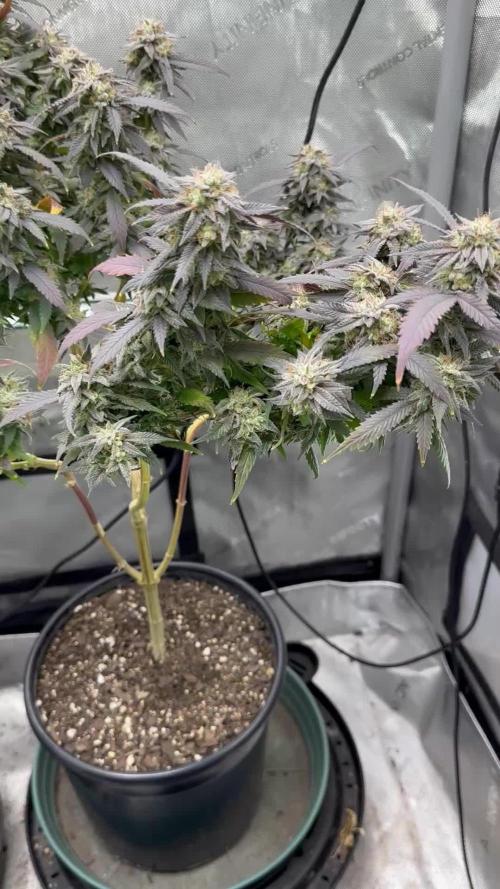
welcome to week 6 of flower. she is coming along very good and she is healthy i started overdrive today as this looks to be the last 2 weeks before flush enjoy to pics and drop any ? or comments below.
keep you stick on the ice


Likes
5
Share


@Chucklebrother1
Follow
She's just about done with overdrive, will start flushing her Monday. Looking at a half decent harvest from her, buds are nice n fat and resinous and she stinks to high heaven. Had to tie a couple of side branches up to the main stalk as they were hitting the floor almost.

Likes
6
Share


@RhodiesGrow
Follow
Day 22: First pistils showing.
Day 23: + Speed looking good. Largest of the group so far. Fed 750ml of 5ml FloraMicro, 6ml FloraGro, 4ml FloraBloom, 2ml CALiMAGic, 1ml RapidStart, 2.5ml ArmorSi and 1ml Floralicious Plus PH: 6.2 Solution Temp: 69º PPM: 900 Tent Temp: 79º RH: 56% PPFD: 600 VFD: .60 kPa
Day 24: Watered only PH: 5.8 Tent Temp: 79º RH: 56% PPFD: 600 VFD: .60 kPa
Day 25: Fed 4ml FloraMicro, 4ml FloraGro, 6ml FloraBloom, 2ml CALiMAGic, 1ml RapidStart, 2.5ml ArmorSi, 1ml Floralicious Plus, 1ml Liquid KoolBloom and 10ml FloraNectar PH: 6.2 Solution Temp: 69º PPM: 900 Tent Temp: 79º RH: 56% PPFD: 600 VFD: .60 kPa
Day 26: Watered only PH: 5.8 Tent Temp: 79º RH: 56% PPFD: 600 VFD: .60 kPa
Day 27: No water no feed. Let grow. Tent Temp: 76º RH: 56% PPFD: 600 VFD: .60 kPa
Day 28: Lite defoliation and LST. Little + Speed making a come back. May produce 1/4 oz by the time it's done. Fed .5gl 4ml FloraMicro, 4ml FloraGro, 6ml FloraBloom, 2ml CALiMAGic, 1ml RapidStart, 2.5ml ArmorSi, 1ml Floralicious Plus, 1ml Liquid KoolBllom and 10ml FloraNectar PH: 6.2 Solution Temp: 69º PPM: 900 Tent Temp: 77º RH: 55% PPFD: 600 VFD: .60 kPa
Day 29: + Speed looking quite nice. Good node spacing. Starting to stretch in her first few days of flowering. No water no feed. Bumped light up one notch on the controller to 8. Tent Temp: 76º RH: 52% PPFD: 750 VFD: .66 kPa


Likes
8
Share


@Kushflavouredsativa
Follow
She took of this week I’ve noticed today 2/3 pistols so she has got to stretch yet as well, il start first week of flower next week :)

Likes
8
Share


@RunWithIt
Follow
Did the switch i was talking about last week, moved my tent plants to the closet and closet plants to the tent. Made a video explaining briefly my rationale behind it. Hopefully they will speed up growth in my warm closet.
The next week will be an update for when ALL the plants are starting 🌼. Ill also be starting them on that Fox Farm Big Bloom i was talking about last week, and supplementing them with some Cal-mag by Botanicare as well. Cheers all, you wont be seeing me until there's visible flowers in the closet! ✌️


Likes
17
Share


@Notsogreenthumb
Follow
We’ll week ten is here and I’m amazed to say the least. The girls are doing wonderful. Getting sticky and thick. Probably going to start flushing the zkittles and purple lemonade here in the next day or so. Most of the tricomes are milky noticed one or two ambering. The blackberry has another week I believe. They all smell amazing. Can’t wait to smoke them!
Likes
7
Share

@Nftgrower
Follow
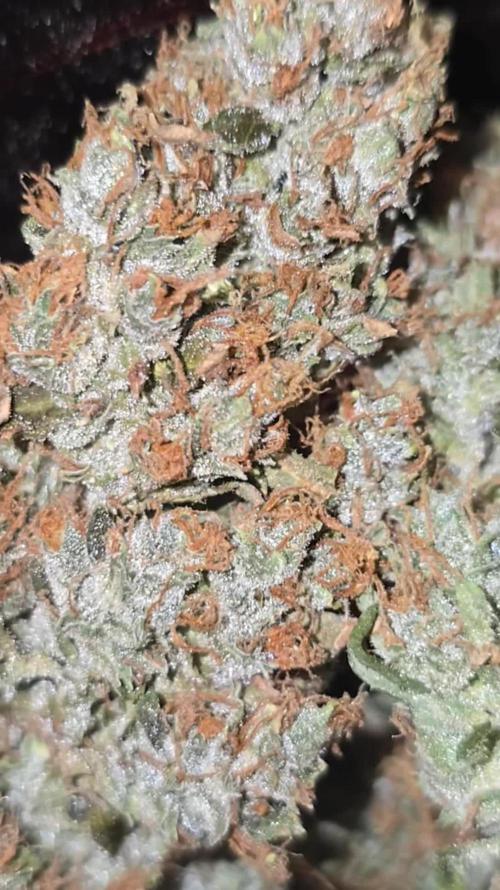
Very nice strain will grow it again. Didnt have time to update at weeks 11-14

Likes
Comments
Share


@cultivateorganic420
Follow
An incredible sweet cheesy smell and taste with amazing depth no mould very strong smoke covered in thc so yummy
