Likes
Comments
Share


@Young_agronomist
Follow
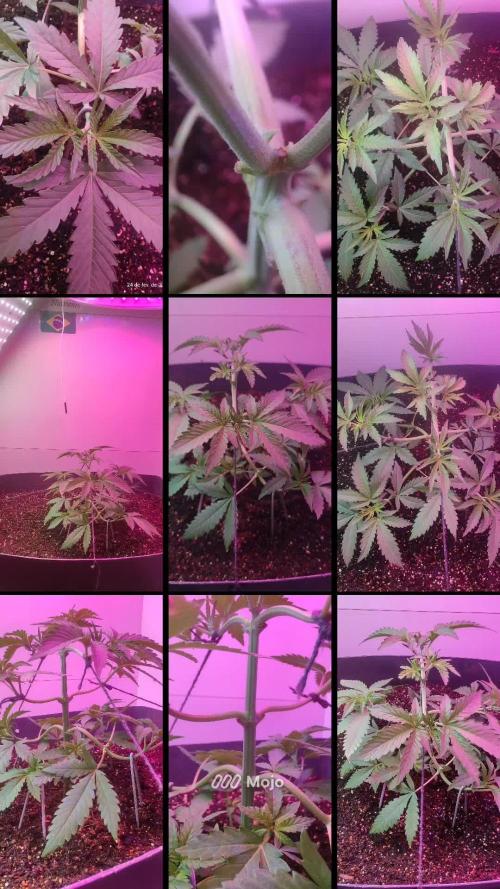
Всем привет 👋
Сегодня 02.10.23- и 94 дня от прорастания и 34 12/12.
На данный момент это мое любимое растение !
Она имеет множество крепких веток и ровный навес . Шишки и листья супер липкие …просто жесть)
Растяжка замедляется .
Я продолжаю изредка убирать большие листья и радоваться проделанной работе .
Спасибо за отличную генетику

Likes
6
Share


Likes
8
Share

@Kumba1190
Follow
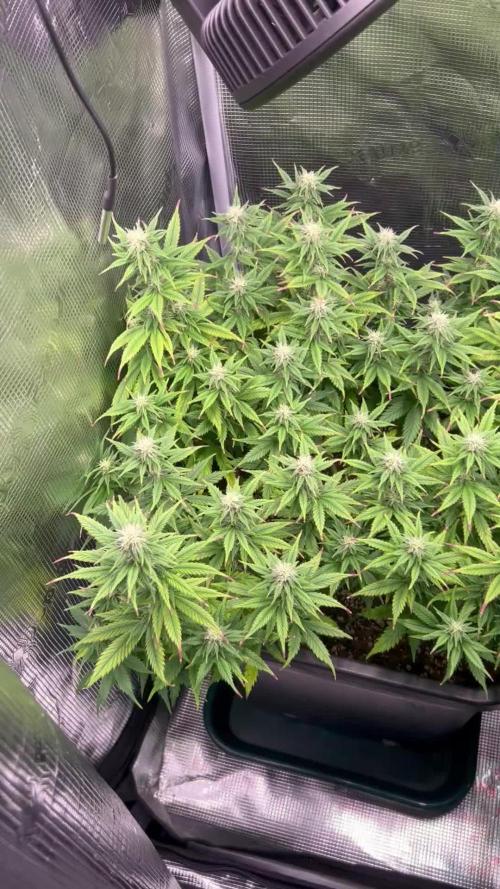
Blüte Woche 5 startet.
Die Trichome sind jetzt gut und in hoher Zahl zu sehen. Ich finde, die Pflanzen sehen im allgemeinen ganz gut aus.
ICH bin gespannt.

Likes
14
Share


@Toughpuff
Follow
Very good plant to grow 8/10 for me 💯💯🔥 very high yielding with a crazy yield of 131grams of 1 plant very tall and skinny but dense buds 🙏🏽


Likes
9
Share


@guitarrasrockeras
Follow
Vamos en la semana 12 y esperando con ansias que el 2022 sea bn prospero..!! jejeje

Likes
24
Share


@baboone
Follow
Yeah pretty decent this week. It didn't grow loads but it's looking pretty green and healthy.
Changed the nutrients to bloom gradually. I think it's gonna turn into a weed bonzi which will be cool.
She wasn't showing any sign of flowering just yet and is probably transitioning, so I thought Id do a quick defoliation to get the light on the lower bud sites and better air flow.
Any observations, advice or tips are very welcome. Happy to answer questions too. Thanks for looking! Baboon

Likes
34
Share


@Salokin
Follow
Hello Growmies,
As we approach the zenith of week 11, the crescendo of our Watermelon Candy F1 Hybrids' lifecycle is upon us. In harmony with the symphonic change in colors, their leaves continue the fade, a beautiful degradation that nature orchestrates so well, offering a visual feast that marks the prelude to their grand finale.
Each Watermelon Candy, from #1 to #3, has now fully embraced the transition, parading a spectrum of colors from golden yellows to deep purples, like the setting sun giving way to twilight's embrace. The buds, dense and resplendent with trichomes, now resemble crystalline sculptures, each one capturing the essence of our nurturing dedication.
The aroma has deepened, each inhalation a tapestry of earth and sweetness, indicative of the rich, flavorful experience soon to be savored. It's a heady bouquet that promises much to the connoisseur and a testament to the TrolMaster's steadfast governance over their environment.
Watermelon Candy #1, with its standout bud formation, is a sculpture in botanical form, a true marvel of genetic and environmental synergy. Its siblings, #2 and #3, are not a step behind, flaunting their heavy blossoms with a gravitas that speaks to the imminent harvest.
With the harvest scheduled for next week, the excitement is palpable. Our routine remains unaltered; like the beat of a drum leading to the climax of a song, we maintain the rhythm that has served us well thus far. The anticipation of the cut is an excitement unto itself - the final act in our labor of love.
Patience is our companion in these final days as we prepare for the harvest. The Watermelon Candy F1 Hybrids stand at the ready, soon to transition from their vegetative state to a form that will bring joy and relief to many.
Stay lifted,
Salokin

Likes
8
Share

@Zdenda
Follow
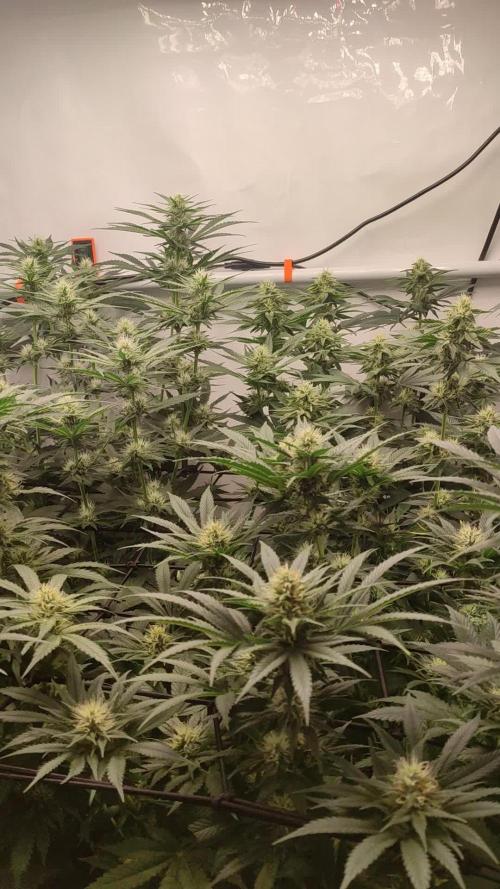
Tento týden už začínají palice prorůstat..
Protože jsem po prolití zjistil, že se v půdě trochu hromadí Ec tak jsem je to nechal vyžrat a tento týden ec 0.8 pH 6.4.. . Jinak se zdá, že i pijí méně a musím nechat častěji vysychat.. bude to chtít zase probrat listy, ale holky vypadají dobře a zatím žádný problém.. tvoří se pryskyřice a vypadá to hezky 😄..
Likes
11
Share

@MaryJaneJo
Follow
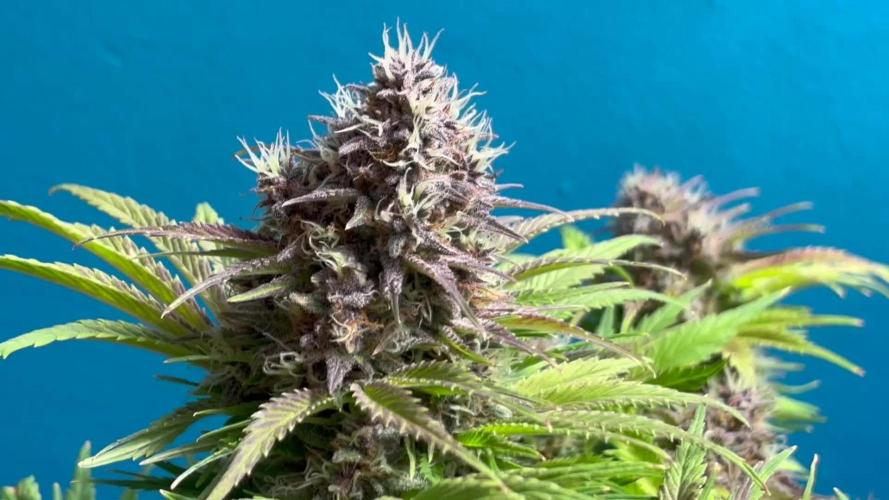
This video was taken just before the chop. It took me forever to cut the first branch __she seemed too pretty to touch with scissors.
Feelings aside now.
Time slipped again and it turned out to be her 9th week. Trichome checks were tricky because of the side lighting, often too close to the plant, so they were not consistently filling up__mea culpa. If I only had more space… & had not damaged the main stem…
As for patching up the broken stem, I am not sure it was a great idea. She grew OK, but the stem at the patch spot looked like it had maybe 40% living tissue left.
BAK__ more in a jiff.👽
Likes
6
Share


@420Hydro
Follow
I think i have cal mag deficiency..Ran out ...I usually start cutting back on my cal mag this week...but think i am add it for another week or so..Sorry for the pictures had use old camera this week..hopefully there not to bad....Stay safe and grow on..
Likes
2
Share


@TOMI08
Follow
64.nap
Valami nagy robbanás volt az ak47 lányokon..
Nagyon meleg van és szeretik 4 naponta itatomm őket
Ma nagyon meleg volt 34fok a fólia sátorban gondolom több
Likes
12
Share


@chrisss
Follow
Day 57) nothing
Day 58 ) Fed ph”d recharged water, half a gallon
Day 59) nothing
Day 60) Fed calmag and bloom , lotta calmag cuz I see cal def
Day 61) nothing
Day 62) flush with 2 gallons of phd water
Day 63)
Likes
3
Share

@Seeds_growforgreen
Follow
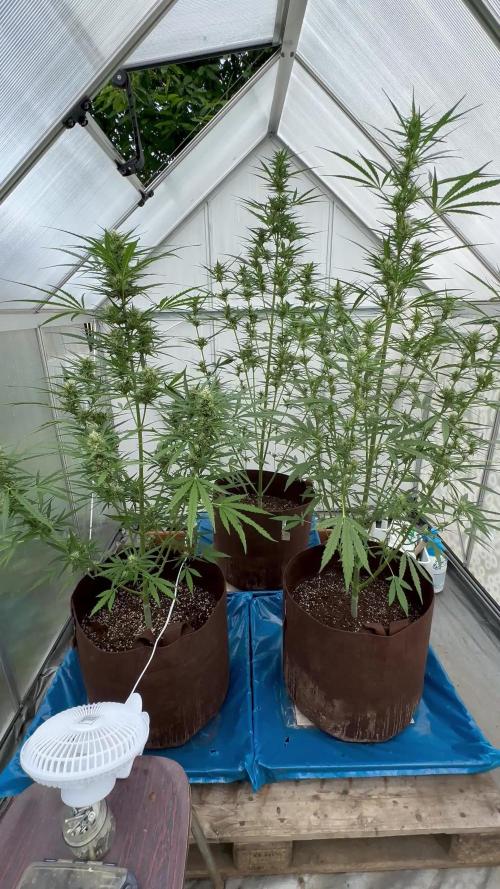
Nice start flowering time. Need sunny weather now. Left flower has bigger blooms, it is nice.
Edit: The left flower goes faster..
Start nutrients Plagron Green Sensation and Royal Sugar for maximum blooming now.
Likes
42
Share


@rhodes68
Follow
Harvest and grow was easy just too much going on around her for good yield cant blame the plant nor genetics as she did produce.
Not expecting too much here
128 grams... 128... SMH damn fungus gnats


Likes
6
Share

@growian420
Follow
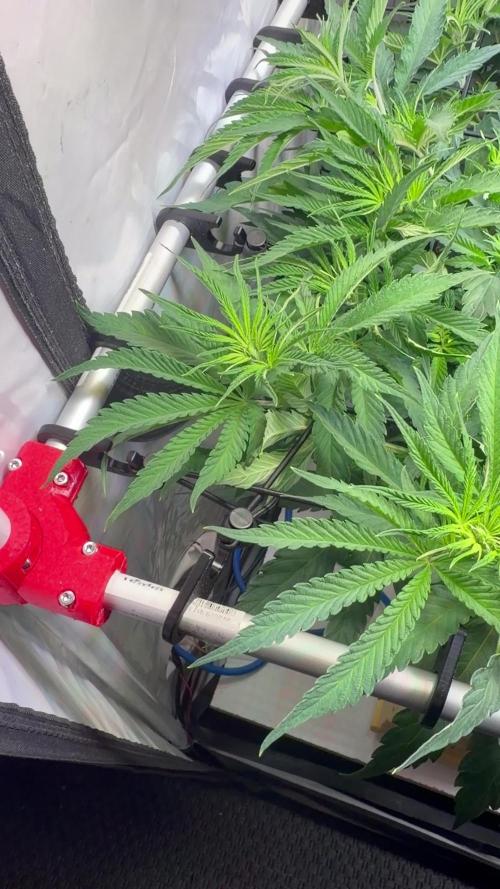
Wir schreiben den 5.10.2026 und es ist Blütetsg 1!
Letzten Samstag gab’s wie immer 1L Wasser mit 20ml Green Bull, 20ml All in One FPE, 10ml Hesi wurzelkomplex und 2ml Alfa Boost.
Die Pflanze hat sich im Scrog Netz schön Breit gemacht und nun dürfen die mind. 16 Triebe schön nach oben wachsen.
Hierzu wird der Stretch ausgenutzt.
Ab heute sind die Sanlights auf 70% und die UV-A/B Röhre läuft 15min zur Mittagazeit. Diese Dauer würd wöchentlich um 15min erhöht bis wir in Woche 8 bei 2 Std UV angekommen sind.
Ich habe diesmal bewusst auf eine entlaubung verzichtet um die kleine nicht zu sehr zu stressen. Gegen BT8 wird gelolipoppt und nach dem Stretch wird moderat entlaubt um das Schimmelrisiko zu minimieren.
Das war’s diese Woche auch schon wieder von mir.
Grüße euer Growian420

Likes
105
Share


@Natrona
Follow
Frostbanger Plants 1-6
Week 9 May 18– 24
FLOWER 5
Nutrients : 3 gal
GH Micro 20 ml
GH Gro 10 ml
GH Bloom 30ml
CalMag 15 ml
Recharge 10ml
Green sensation 15ml
Power buds 7.5 ml
5/18 PH 6.67, PPM 935, temp 68.5 1 ltr each
5/20 PH 6.67, PPM 1330, temp 68.5 2ltr each
5/23 PH 6.6, PPM 1570, temp 68.5 2ltr each
5/24 pics & vid
Since all 6 gals are getting frosty, I did some trichome pics. The statistics on Frostbanger indicate 50-day flower. Pics show mostly clear and milky.
There are a few with amber trichs and many orange pistils indicating maturation. At least 3 more weeks for maturity on these gals.
I continue manual control of the environment and using 3 circulating fans and the 4” exhaust vent from my 3x3.
I have the AC pushing air in and the exhaust pulling air out. This creates a neutral pressure tent environment-neither positive nor negative.
It looks like growth has stopped and plant height has been reached. Now is the time for buds to fatten and frost up. All 6 of them are short remaining less than 3 ft. They range from 15 to 31 inches. #4, 5 &6 are showing some fade, particularly #4.
Upon opening the tent, a melon smell comes off the buds if I get close, and more stickiness was observed during the process of defoliation. They are living up to the new strain’s name. #5 is the frostiest followed by #2. Wow week 3 of flower and that much frost already. Before FastBuds announced the strain name and characteristics, I was disappointed that FBA2502 could be an indica sleepy strain but the universe provides what you need at the time. The new strain profile indicates a whopping 29%THC with mainly sativa uplifting, euphoric, social effects with sweet fruity flavors which I love and enjoy. In addition, I recently bought a dap press and this strain is frosty and resinous. She will be great to press for live rosin.
FBA2502 is FROSTBANGER. Meet Frostbanger Auto, an autoflowering and Indica-leaning hybrid packing a staggeringly high THC content averaging 29%, making this one of the most potent strains on the market. It was created by Fast Buds through crossbreeding Gorilla Glue and Chemdawg, two equally iconic strains. Growers must know that these difficult-to-grow plants will pose specific challenges in terms of environmental control and nutrition, making them best suited for cultivators with some experience under their belt. The flowering cycle is short, averaging only 50 days, and yields are usually around 300g/m². The Frostbanger Auto flavor and aroma are both mouthwatering with a delightful combination of sweet, fruity, and flowery notes. The high is mainly Sativa-driven with uplifting and happiness-inducing effects that lead to euphoria and a general sense of well-being. You might feel sociable and talkative, but too spacey to say something. Following this surge of energy comes a deepening sense of relaxation, leaving you sedated and completely at ease with the world. Due to its potency and these long-lasting effects, medical patients hail Frostbanger Auto for treating chronic pain, stress, and even depression.
Measurements:
#1 15”
#2 20”
#3 17”
#4 30”
#5 31”
#6 24”
P.S I added a no churn ice cream recipe in week 4 of Natronas recipes. It is easy 3 ingredients. I bought Mango puree instead of fresh and reduced that to reduce water content. Try it. 😋
Your likes and comments are appreciated. Thanks for stopping by.
Growers love 💚🌿
💫Natrona💫
Likes
11
Share

@Yamamoto420
Follow
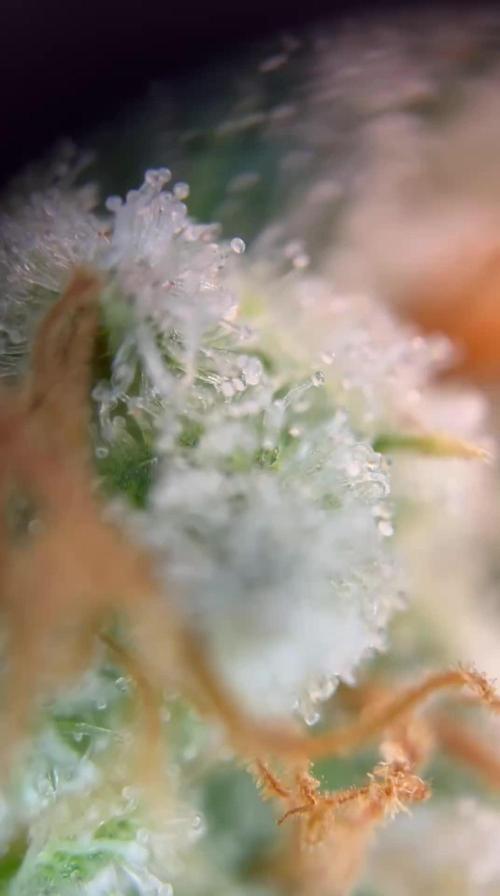
Week 9 flower day 60 begin to flush with only RO water with little bit of bio nova vitsol (molasses) and everyday i add fresh water till i reach 0 ec.. im not flushing with a lot of water i just cut the nutriants and let the plant to “eat itself “ from inside out, im checking tricoms everyday, there are mix cloudy and clear and some amber but most are clear.. ill give them few more days till i see more milky tricoms and some amber and they i harvest.

Processing
Likes
4
Share


@UK420hydrogrow
Follow
ok so ive repotted the clones into bigger pots and im thinking of moving them outside tbh i wanna get rid of this strain has done it for last 2 crops took a few weeks to notice any new growth roots forming etc but now plants are looking good and ready to be vegged properly
Likes
8
Share


Likes
17
Share

@masterofsmeagol
Follow
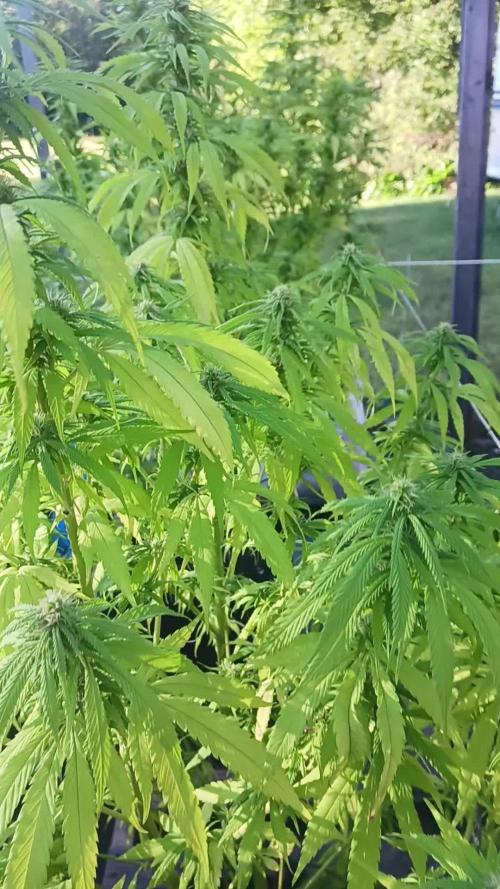
8/30 Rained yesterday and pretty much all night. Plants looked happy this morning. I'm thinking about feeding today or tomorrow. The late flowering special kush doesn't have much longer and it will be done. I'm going to need to do another treatment for the thrips. Nights are so cold that I think they aren't a major problem. No signs of septoria either. No signs of ANY molds or mildew. Even where I took the pillar out but I removed a lot. I am noticing (especially on the pink kush and the special kush in the back) the wierd "top hat" lower buds like I previously did. I don't think it's the chipmunk. It's like they eat fresh buds and leave the top there. I think it might be earwigs but I haven't seen ANY. Birds have been keeping my garden pretty clean. Almost everytime I walk down there it's like a flock of birds takes off lol. I was watching the little finches all perched on my cage. I've seen them dart in and grab a snack. It's pretty cool how it works. Symbiotic relationship. I feed the birds amd they help keep my garden pest free.
EDIT: Went to check the girls around 430. It seems like everytime I see the flowers they've swelled in size. Especially the natural mk ultra. Everything is really coming together. Pink kush is behind but it's starting. I'm getting lots of fall colors but I'm losing lots of leaves too. I wouldn't have defoliated as good as I have if I hadn't had problems. I thought the plants were done getting taller or stretching but after this rain they ALL seem taller. The buds are swelling as well. I'm on the home stretch with the early special kush. Few more weeks. Everything looked amazing tonight. I wanted to take some pictures but I left my phone. Smell is greatly increasing.
8/31 I don't get how we got NO rain the ENTIRE summer but it's rained the past few nights? Maines bipolar weather I guess. I see the same shit as prior years. Something crawls up and eats small shoots and developing buds but leaves larger ones alone. I thought it was earwigs before. I'm not sure now. I'll have to go look at night and figure out what's eating shit. It's just small secondary shoots mostly. Stuff I should've pruned but I leave on so the won't eat my fucking colas. I got some work to do but I'm getting closer.
9/1 Well we made it to September. Pink kush is finally STARTING to form little buds. After some research (and watching those fucking locusts try to fly into my cage but can't because they are to fucking big. I was lucky I found that enormous one on the stalk of the furthest special kush right where the tip cola starts. Luckily I was able to get him. Didn't have to take pics or a video or even check if they need water. It rained a little last night and the buds were a little wet. I'm planning to feed when I get back. If they need water I'll give it to them. My early special kush is getting real close. I want to harvest at peak timing but sometimes exigent circumstances screw that up. However i think I'll be able to let this girl finish properly.