


Likes
Comments
Share


@420DeepGrow
Follow
Gracias al equipo de AnesiaSeeds, Marshydro, XpertNutrients y Trolmaster sin ellos esto no sería posible.
💐🍁 Oracle Octane:
Oracle Octane es una cepa altamente potente y con un alto contenido de THC elaborada a partir de una Blackberry Octane seleccionada, excepcionalmente rica en THC y aromática, y de la pesada Blackberry Oracle, inédita, de nuestro propio acervo genético. El desarrollo de esta carismática e impresionante variedad abarcó 8 generaciones y un enorme esfuerzo de cría.
La variedad tiene un sabor intenso e inolvidable que recuerda a bayas dulces y limones frescos.
Las plantas a partir de semillas crecen increíblemente hermosas y sus hojas y cogollos a menudo desarrollan tonos de rojo, morado intenso e incluso casi negro.
Esta cepa vigorosa y ligeramente índica dominante tiene un tiempo de floración de unas 9 semanas, produce hojas grandes y alcanza una altura de unos 120-130 cm en el interior.
🌻🚀 Consigue aqui tus semillas:
https://anesiaseeds.com/product/oracle-octane/
💡TS-3000 + TS-1000: se usaran dos de las lámparas de la serie TS de Marshydro, para cubrir todas las necesidades de las plantas durante el ciclo de cultivo, uso las dos lámparas en floracion para llegar a toda la carpa de 1.50 x 1.50 x 1.80.
https://marshydro.eu/products/mars-hydro-ts-3000-led-grow-light/
🏠 : Marshydro 1.50 x 1.50 x 1.80, carpa 100% estanca con ventanas laterales para llegar a todos los lugares durante el grow
https://marshydro.eu/products/diy-150x150x200cm-grow-tent-kit
🌬️💨 Marshydro 6inch + filtro carbon para evitar olores indeseables.
https://marshydro.eu/products/ifresh-smart-6inch-filter-kits/
🍣🍦🌴 Xpert Nutrients es una empresa especializada en la producción y comercialización de fertilizantes líquidos y tierras, que garantizan excelentes cosechas y un crecimiento activo para sus plantas durante todas las fases de cultivo.
Consigue aqui tus Nutrientes:
https://xpertnutrients.com/es/shop/
💻 Trolmaster Tent-X TCS-1 como controlador de luz, optimiza tu cultivo con la última tecnología del mercado, desde donde puedes controlar todos los parametros.
https://www.trolmaster.com/Products/Details/TCS-1
📆 Semana 2:
Fantástica semana, estan creciendo de una forma espectacular gracias a la ayuda de @marshydro, @xpertnutrients y @trolmaster.
Se puede apreciar un tercer nudo aunque la aplicación de cola de caballo y el estar en una maceta pequeña ha influido en el tamaño de ella, se recupera muy rápido 😁.
Esta semana espero trasplantar a la maceta definitiva.
Potencia de la lámpara: 50%

Likes
54
Share


@TheCannaProphet
Follow
~ AirCube Active Oxygen Ebb/Flow System sponsored by GrowAce, featuring Strawberry Gorilla Auto by FastBuds ~
Well guy's and gal's here we go again on another exciting Autoflower run together! This time will be different as I will be doing a 'Hydroponic' run utilizing the AirCube Active Oxygen Ebb/Flow System by GrowAce, who were kind enough to sponsor me for this run, so it should be interesting to see what results I get and have some fun along the way!
•Let me first tell you about this 6 Pot Ebb/Flow system from GrowAce:
"The AirCube system is the one and only Ebb & Flow grow system on the market that combines the benefits of air pruning with a fully automated Ebb+Flow system! With the AirCube's proprietary fabric pot in bucket design, this system is guaranteed to outgrow any other Ebb + Flow system on the market. The results speak for themselves- grow MASSIVE roots that result in MASSIVE fruits!
Air Pruning- Air Pruning only happens with fabric pots. As the roots reach the fabric walls of the pot, they penetrate and grow into the breathable fabric. Once penetrated, the roots are exposed to air, which causes the tips of the root to dehydrate and naturally prune themselves. This natural pruning process forces the roots to grow tons of lateral fibrous feeder roots. This results in a plant that utilizes the entire root zone and fills the entire pot with tons of roots. These fibrous feeder roots are incredibly effective in uptaking water and nutrients, resulting in a plant that grows healthier and more vigorously!
Oxygen Benefits- Without oxygen, nutrient absorption cannot occur. On a molecular level, oxygen is needed to transmit nutrients across the cell walls and into the roots of a plant. With the AirCube's proprietary bottom lifted draining design, the system actively draws all of the water out of the bucket pulls vital oxygen into the root zone.
Maximum Versatility with Any Grow Medium: The AirCube System is the only system on the market that allows you to use any growing medium you like. Use coco coir, soil, peat moss, perlite, vermiculite, hydroton, rockwool or any other medium you wish! This system is the most versatile Ebb and Flow bucket system in today's hydroponics industry.
Temperature Control- with the fabric pots constructed with highly porous polypropylene fabric, heat dissipates easily and effectively. Unlike standard plastic pots, heat isn't trapped in the root zone. Heat in standard plastic containers can reach temperatures of up to 125 degrees. When this type of heat is trapped and unable to escape, it can damage your plant's health and limit the potential of your harvest. Growing in the AirCube System, plant roots grow cooler, healthier, and more vigorous.
Largest Pots in its Class- this system features 5 Gallon grow buckets, the largest pot size of any other ebb and flow hydroponic system in the market.
Modular and Expandable- start with 6 grow buckets and expand up to 36 grow buckets with the optional 105 gallons PopTank reservoir!"
For my medium and nutrients I decided to also switch things up from my regular Organic runs, going with Plagron Nutrients and Root Royale 70/30 Coco/Perlite. When filling the fabric pots with medium, I first added just under a gallon of horticulture perlite from Nor-Cal as a base layer to ensure good drainage and then filled the remainder with the Root Royale.
•Now for one of my favorites, and award winning strain from my friends at FastBuds... Strawberry Gorilla Auto:
I'll be running Strawberry Gorilla Autoflower which is a 55/45 Sativa/Indica Hybrid. "ATTENTION ALL! Due to our continuous efforts in evolving our breeding process, we are proud to confirm that our Strawberry Gorilla Auto has now become one of the most potent autoflowers in the world! Paving the way to our recent success where she ranked on top & brought home the gold at the very first American Autoflower Cup in California. Moreover, she proved that not only modern autoflowers can compete with photoperiods, but they can even beat them in their field. At the most recent edition of the Farmer’s Cup and competing against various photoperiodic strains, Strawberry Gorilla Auto took home the title of 'Highest Combined Terpenes' in the highly sought-after 'Home Grow Hash' category, with an impressive 97.163 mg/g total terpene content! Our exceptional genetic selection's crowning Strawberry Gorilla Auto strain is a spectacular hybrid known for producing yields of up to 600 gr/m2 in 70 days. This is a very manageable grow that can reach heights of up to 150 cm - due to its magnitude we recommend it for more experienced growers, as a huge plant may be a little overwhelming for first-timers. This show stopping sativa heavy hybrid is perfect as an all day smoke, producing a taste bud tingling, pungent berry and diesel terpene-rich flavor combo that leaves you with a grin from ear to ear, a perfect choice for those looking for a day-and-night autoflower! "*
*References: GrowAce.com, 2fast4buds.com
______________________________________________________________________________________________________________________________________________________________________________________________________________________________________________________________________________________________________________________________________
The Setup:
• AC Infinity 4x4 tent
•AC Infinity Cloudline T6 Exhaust Fan w/ Controller 67
•HLG 650R w/UVA Bar *** For some reason GD does NOT have a listing for the USA version of the 650R so I selected the closest match to it.
•AirCube Active Oxygen Ebb/Flow 6 pot System
•TrolMaster Hydro-X Controller for light
•AutoPilot APC8200 co2 controller fed by a 50# tank
•16" Hurricane oscillating fan and 8" floor fan
•Tent cooling via filtered outside air delivered by AC Infinity Cloudline T6 fan
•BlueLab instruments: PH Pen and Truncheon Nutrient Meter
______________________________________________________________________________________________________________________________________________________________________________________________________________________________________________________________________________________________________________________________________
Weekly Updates:
12/6- Week 5 of flower... Here we go! All three Strawberry Gorilla's continue to flower away with the #2 pheno still in the lead and looking the best of the bunch. The other two phenotypes have struggled constantly, but nevertheless have survived and I'm curious to see how they'll turn out when finished!
I'm continuing with running the AirCube reservoir for 5-6 days between drain/refill, only topping off with well water and checking/adjusting the PH. The beginning strength of the added Plagron nutrients is 800ppm, and over the course of the 5-6 days it has only been dropping approximately 150ppm's.
12/8- Yesterday I removed the other three plants that were growing in this run with the Strawberry Gorilla's to get finished up. Now the ladies are only sharing the nutrient solution with each other, which hopefully will have positive results... time will tell.
I'm continuing to monitor the AirCube reservoir, maintaining the solution level and PH twice daily. I have the HLG 650R set to 100% output now and have it hung 28" above the canopy.
12/10- Yesterday I went through the #1 and #3 plants and removed a bunch of shade leaves that were either blocking light or were damaged looking. The reservoir is beginning to stink so, tomorrow I'll be doing a drain/clean/fill on it which I'm sure the plants, and my nose will appreciate!
12/12- Now that I have removed the other three plants from their pots, I went ahead and pulled the #3 plant and placed it in the center empty pot giving everybody way more room to spread out. After moving the #3, I did some more LST on all three plants.
Well there goes the 5th week of flower for the FastBuds Strawberry Gorilla's. They're 8 weeks since breaking ground and have a good 3-4 weeks to go before they're finished.
💚 Thank you for checking out my passion in life! Please visit as often as you wish and I hope you enjoy this journey as much as I know I will! Grow what you love, Love what you grow!💚

Likes
7
Share


@GrowingFlavour
Follow
Today is day 28, and the garden is looking excellent. Everything is running exactly as planned. The light is now at 100%, and the plants are handling the intensity very well, with healthy leaf colour, strong praying, and no signs of stress.
Yesterday, the PK Booster Compost Tea was applied to support the transition into full flower. Everything is stable, vigorous, and developing beautifully.

Likes
32
Share

@DogDoctorOfficial
Follow
🌱🍯 Tical x Zamnesia — Nectar Drip | Cure & Smoke Report 🍯🌱
And here we are.
The final chapter.
Well… kind of 😄
Because if you followed this diary from the beginning, you already know by now that these reports have a habit of multiplying into several parts. So first of all:
sorry 😄
But honestly, there was simply too much happening during this run to compress everything into one giant update without losing important moments along the way.
And this final report matters.
Because this is where everything comes together:
- the seed,
- the environment,
- the genetics,
- the drying,
- the trimming,
- the curing,
- the patience,
- and finally…
the smoke itself.
For anyone only arriving now:
everything from germination until harvest was documented throughout the previous weeks in detail.
This final report is the complete closing reflection:
our honest experience with Nectar Drip after living with the medicine properly.
🌱 From Seed To Finished Medicine
This run started under a 12/12-from-seed cycle from day one.
No long vegetative period.
No giant training sessions.
No massive canopy manipulation.
Just allowing the genetics to express themselves naturally while observing:
- structure,
- resin production,
- flower formation,
- terpene evolution,
- morphology,
- and overall cultivar personality.
And honestly?
These girls impressed us almost the entire way through.
Compact plants.
Fast flowering behavior.
Dense stacking.
Strong lateral support.
Heavy trichome coverage.
Beautiful late fade.
Excellent flower-to-leaf ratio.
Outstanding resin production.
And by harvest?
They truly became something special.
One of the plants was frozen immediately after harvest for future washing and extraction work, which we will still return to later on once the fresh frozen process is completed properly.
The remaining plants continued through:
- controlled drying,
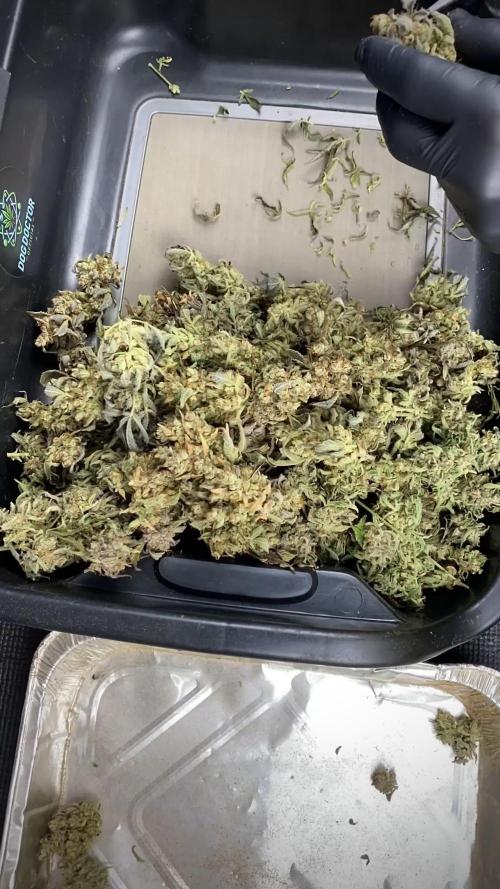
- hand trimming,
- curing,
- and final evaluation.
Final dry cured manicured flower numbers came to:
🌱 337.3 grams
Plus:
the fresh frozen material still resting for future washing and extraction work.
And honestly?
For a 12/12-from-seed run with this level of quality, resin, density, and expression…
very happy.
Very very happy.
? The Cure
After drying for roughly 10 days under controlled conditions:
- approximately 18–20°C
- around 60% RH
- with slightly lower humidity during the first couple of days to help remove initial surface moisture safely
…the flowers moved into glass jars for curing.
And this part matters deeply.
Because harvest is not the finish line.
Curing is where the flower slowly finishes becoming itself.
The flowers were cured for well over a month and a half before we felt comfortable properly evaluating them.
And honestly?
Even from day one they already smelled incredible.
But time transformed them.
The aroma became:
deeper,
rounder,
smoother,
warmer,
more layered,
and much more expressive.
During the first curing phase we burped the jars regularly:
- opening them briefly,
- allowing gas exchange,
- checking moisture stability,
- monitoring aroma evolution,
- and making sure the internal humidity remained balanced.
Thankfully, everything stabilized beautifully.
No excess moisture.
No hay smell.
No instability.
Just clean slow curing.
And honestly, there is something special about opening a properly cured jar after weeks of patience.
The smell no longer feels “fresh plant.”
It smells like the cultivar finally introducing itself properly.
🔥 Smoke Review
And now…
the important part 😄
This medicine is beautiful.
Truly beautiful.
The smoke is exceptionally smooth.
Soft inhale.
Soft exhale.
No harshness.
No aggressive throat burn.
No uncomfortable heaviness.
Just creamy, rich, flavorful smoke.
And the terpene profile became incredibly interesting after cure.
There is:
- sweetness,
- fruit,
- creamy warm notes,
- slight woody depth,
- resinous undertones,
- and this very unique almond-like note sitting somewhere in the middle of everything.
Almost roasted.
Almost nutty.
Almost dessert-like.
And honestly?
There are moments where I personally almost convince myself there are slight coffee-like notes hiding in there too… but that part might genuinely just be my brain trying to create connections 😄
But the almond note?
Absolutely present.
And combined with the sweetness, fruits, warm resin, and creamy backend, the whole experience becomes very unique.
There is also something tropical happening here.
Not necessarily pineapple specifically…
but something that mentally transports you somewhere warm:
- islands,
- beaches,
- ocean air,
- late sunsets,
- tropical fruit stands,
- warm evenings.
Very expressive medicine.
Very “alive” feeling.
🧠⚡ Effects
The effects are honestly one of the strongest parts of this cultivar.
Relaxing…
yet cerebral.
Body comfort…
yet mentally active.
You feel calm physically, but your mind stays bright, social, creative, and awake.
This is not a “lights out” cultivar for us personally.
In fact, if someone wants sleep?
This probably would not be our first recommendation 😄
Because this medicine keeps the conversation going.
It feels:
uplifting,
euphoric,
social,
creative,
emotionally warm,
and mentally stimulating without becoming overwhelming.
Very balanced.
Very functional.
Very enjoyable.
The type of medicine that works beautifully for:
- conversations,
- walks,
- music,
- art,
- social moments,
- nature,
- relaxing evenings,
- creative sessions,
- and simply feeling good without becoming disconnected.
And honestly?
The longer cure made everything even more refined.
The effect became smoother.
The flavor became rounder.
The smoke became softer.
The entire experience matured beautifully.
🍯 Temple Balls & Resin
Now we also need to talk about the resin itself.
Because Nectar Drip produces gorgeous resin.
Not just visually frosty.
Actually greasy.
The kind of cultivar that leaves:
- gloves coated,
- scissors glued,
- fingers sticky,
- and trim bins full of golden material.
The resin collected during trimming eventually became small temple balls cured separately inside glass.
And honestly?
Beautiful.
Dark.
Oily.
Soft.
Sticky.
Aromatic.
Rich.
The concentrated version of the flower profile itself.
Everything the flower expresses…
just intensified.
And the texture says a lot about the quality of the trichome heads here.
Very workable resin.
Very reactive to heat.
Very greasy behavior.
Extremely satisfying material to work with.
🙏 About The Collaboration
And honestly…
huge respect to Tical and Zamnesia for this collaboration.
Because this did not feel like a “hype-only” release.
The genetics genuinely performed.
And that matters.
This collaboration combined:
24K Gold Fangs × Apple Fritter
And the result honestly feels like both sides contributed something valuable:
- resin,
- density,
- sweetness,
- complexity,
- color,
- structure,
- and effect balance.
We were also incredibly fortunate to even get our hands on one of these limited packs:
#268 out of only 750 released.
And honestly?
Very grateful we did.
Because this cultivar absolutely earned its place in the garden.
📸 Documentation & Final Thoughts
This run became huge in documentation:
- macro photography,
- focus stacking,
- studio sessions,
- harvest videos,
- trimming time lapses,
- resin collection,
- cinematic portraits,
- drying updates,
- curing progression,
- and all the little behind-the-scenes moments in between.
Some of the focus-stacked macros alone became entire projects by themselves:
100+,
170+,
200+ merged images to create single final photographs.
And honestly…
that process reflects the grow itself:
slow,
patient,
detailed,
obsessive,
careful,
and built with love.
🌱 Final Thank You
And before closing this chapter properly…
thank you.
To Tical.
To Zamnesia.
To Plagron.
To F.O.G.
To Lumiflora.
To the platform.
To the gear.
To the followers.
To the silent supporters.
To the OGs still here.
To the new people arriving now.
To the curious observers.
To the skeptics.
To the haters too 😄
To everyone who spent even a few moments following this journey with us.
A grow diary slowly becomes more than just growing plants.
It becomes:
documentation,
memory,
learning,
art,
routine,
community,
and shared time.
And honestly…
this Nectar Drip run gave us a little bit of all of that.
This chapter closes here.
But somehow…
I still feel like these girls are not completely finished telling their story yet. 🌱🍯
🌿 Effects — Positives & Negatives 🌿
Honestly… this is one of those cultivars where it becomes genuinely difficult for us to find negative effects.
And we always try to stay honest in these reviews.
The only consistent “negative” we personally noticed?
Dry mouth 😄
But honestly, that comes with cannabis in general and especially with very resinous flavorful flowers like these.
Apart from that?
Nothing negative stood out for us personally.
No paranoia.
No anxious racing thoughts.
No uncomfortable heaviness.
No dry irritated eyes.
No mental fog.
No overwhelming sedation.
No “stuck on the couch unable to function” feeling.
Just a very balanced, warm, uplifting experience.
And honestly, this is where Nectar Drip became really special for us.
Because while the effect is relaxing physically…
it still keeps the mind active,
social,
creative,
giggly,
and emotionally light.
You feel calmer…
but still alive.
And for people dealing with:
- stress,
- anxiety,
- emotional exhaustion,
- low mood,
- or simply the weight of everyday life…
this type of cultivar can feel incredibly comforting.
Not because it “turns your brain off.”
But because it softens the sharp edges without removing your personality.
You still want to:
- talk,
- laugh,
- eat,
- listen to music,
- go outside,
- enjoy company,
- and experience things.
And yes…
the munchies are REAL here 😄
That creamy fruity sweetness mixed with those warm nutty almond-like notes somehow makes the entire experience feel even more appetite-opening.
You smell it…
and suddenly snacks start sounding like an amazing idea 😄
It is comforting medicine.
Happy medicine.
The type of flower that gently pulls you back toward enjoying simple moments again.
And honestly?
That alone makes this cultivar something special.
Sending love to everyone still here following along this journey.
Take care of yourselves.
Take care of each other.
And thank you for sharing another beautiful run with us. 🌱🍯
📲 Don’t forget to Subscribe and follow me on Instagram and YouTube @DogDoctorOfficial for exclusive content, real-time updates, and behind-the-scenes magic.
GrowDiaries Journal: https://growdiaries.com/grower/dogdoctorofficial
Instagram: https://www.instagram.com/dogdoctorofficial/
YouTube: https://www.youtube.com/@dogdoctorofficial Deleted by Youtube - https://www.youtube.com/@TheDogDoctorOfficial NEW
Vimeo : https://vimeo.com/dogdoctorofficial Under construction stay tuned ⸻
Explore the Gear that Powers My Grow
If you’re curious about the tech I’m using, check out these links:
🔆 Lighting & Environmental Control
• Future of Grow — Advanced LED lighting technology
https://www.futureofgrow.com/
DISCOUNT CODE: DOG20
• Lumiflora — Under-canopy LED lighting
https://lumiflorade.com/
• TrollMaster — Environmental controllers and automation gear (past collaboration)
⸻
Genetics
• Zamnesia Seeds — Genetics used in this project
https://www.zamnesia.com/
⸻
🌱 Soil, Substrates, Boosters & Root Support
• Plagron — Substrates, bio mixes, and supportive products
https://plagron.com/en/
⸻
🎒 Storage, Curing & Preservation
• Grove Bags — Curing and storage solutions
https://grovebags.com/
⸻
📸 Photography Equipment & Tools
(Not sponsors, but part of my creative toolkit)
• Sony A6700
• Sony full-frame macro lens + few more
• Stacking photography workflow - learning
• iPhone (for behind-the-scenes shots)
As always, this is shared for educational purposes, aiming to spread understanding and appreciation for this plant. Let’s celebrate it responsibly and continue to learn and grow together.
With true love comes happiness. Always believe in yourself, and always do things expecting nothing and with an open heart. Be a giver, and the universe will give back in ways you could never imagine.
💚 Growers love to all 💚
📸 P.S. – The Eye Behind the Lens
All photos in this diary (for now — except for the ones showing the camera, which I took with an iPhone) are taken with a Sony A6700 paired with a Sony full-frame macro lens and a few more.
Photography is part of the story — it’s how we share the fine textures, the glow, and the quiet details that words can’t always capture.
I’ve also started experimenting with photo stacking — a technique where multiple images, each taken at a slightly different focus point, are layered together to create one perfectly sharp image from front to back.
It’s not digital enhancement or AI; it’s pure photography — a way to reveal the plant’s beauty in microscopic depth, from trichome to petal.
You’ll even see a few shots of "ghost me" capturing the shots — camera, lens, setup — because every grow deserves not just to be cultivated, but documented like art.
FOR DISCOUNT CODES AND MORE JUST FOLLOW THE LINK https://website.beacons.ai/dogdoctorofficial
NEW DISCORD - Official Server Invite Link : https://discord.gg/ksjAkA5T74



Likes
7
Share


@GreenHouseLab
Follow
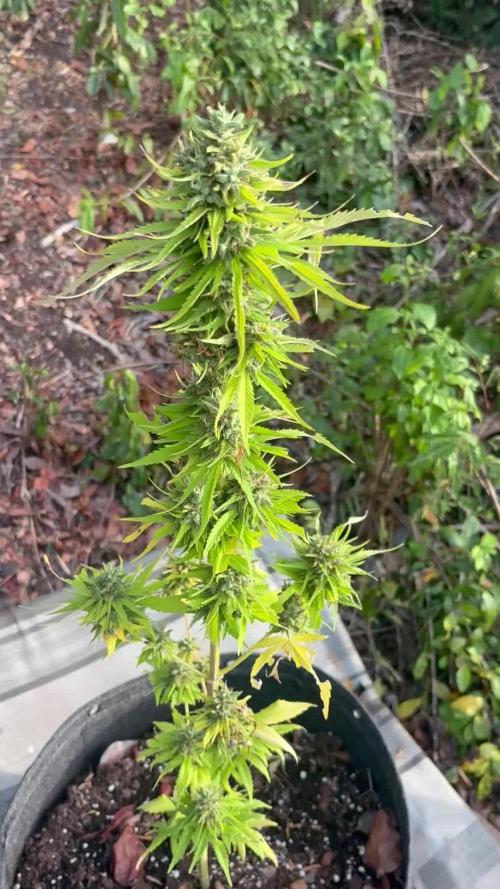
The buds smell like candy, it's a first for me with this strain and although the plant is short it seems like the buds will be of good size and quality.

Likes
19
Share


@ISCA_Abi_In_Da_HOoD
Follow
♪~(´ε` )(^3^♪┌(・。・)┘♪♪ヽ(・ˇ∀ˇ・ゞ)⁽⁽◝( •௰• )◜⁾⁾₍₍◞( •௰• )◟₎₎└|∵|┐♪₍₍ ◝( ゚∀ ゚ )◟ ⁾⁾

Likes
8
Share


@GreenForce
Follow
Hey Growers,
Day 1 of Week 10
Two ladys harvested today you can see in fotos how they look in my opinion Amazing Hahah (but im the father lol).
Purple one its like a mix of exótic fruits
The orange one its like a a cream of a fruit.
Both seens very sweet!!
Soon i Will share strains!!
The another two ladys more sativas i think , looks like they need around more 10 days lets us see.
The taller one smeels like gasy citrus, And the another one its a mix of strwaberry And another touch that I dont discover yet.
Thank you all.
Nice week 4 everybody!!
_GrF_


Processing
Likes
1
Share


Likes
21
Share


@victor_lion
Follow
Una cepa muy fácil de cultivar y con buena estructura y vigorosidad y resistente al clima variante y ataque de plagas, cogollos súper resinosos, lo intentaré de nuevo sin duda, esta la deje crecer normal para conocer su estructura y sus tiempos
Likes
25
Share


@Kakui
Follow
Estuve un tiempo sin actualizar el diario porque me contagie de COVID, ahora un poco mejor vuelvo a actualizar.
Flower58, las plantas están listas para la cosecha, en uno o 2 días empezaré a cortar y colgar para su secado.
Drying, secando con parámetros de humedad de 60% a 16°c por aproximadamente 2 semanas, están a 2 o 4 días de estar listas para pasarlas a frascos y ver cuánta cantidad final se logró.


Likes
1
Share

@SmokeyBoroGrows
Follow
Hello smokers and growers,
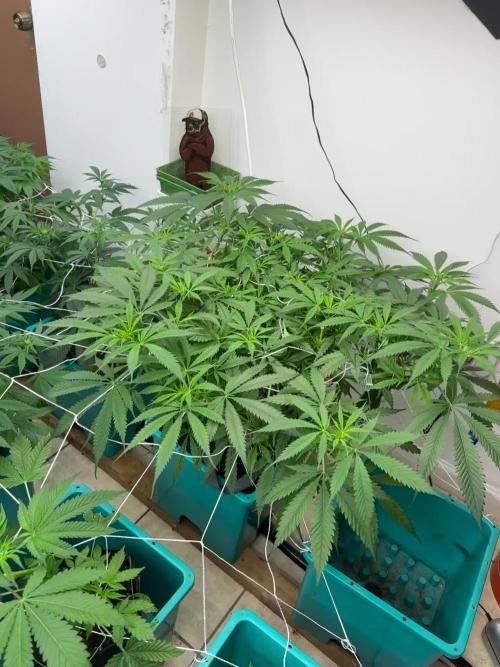
Steady maintenance on the flip did our first defol will go for another at 3 weeks flower. Just bumped the nutes up and did a small supplemental hand watering with molasses and did a top feed of power bloom last week after flipping. Not trying to over do it, just enough for what they want.


Likes
15
Share

@TheFamilyShire
Follow
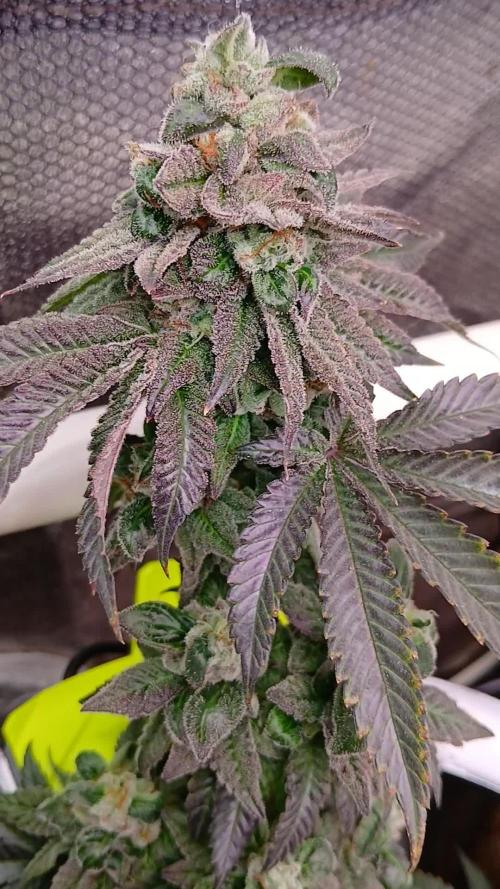
So it's 10 weeks flower. The reveg messed up the flow of flower. Most plants are ready but a few 2 b Blunt included seems to have an explosion of new growth. I might let them go another week or chopped this weekend. I haven't decided yet. I will probably chop tomorrow or Sunday. Well see

Likes
44
Share


@MadeInGermany
Follow
Info:
Unfortunately, I had to find out that my account is used for fake pages in social media.
I am only active here on growdiaries.
I am not on facebook instagram twitter etc All accounts except this one are fake.
Flowering day 50
since time change
to 12/12 h.
Hey guys :-)
The lady is in her final phase :-).
The buds swell more and more and smell more and more fruity.
You can now see how the lady turns her leaves yellow and uses up her last nutrients.
The next time it is poured, it is poured with GBL Clean Fruits and 10% drain.
Then it is allowed to stand again for 12-14 days before it comes into the darkroom before the harvest 👍.
As always, the tent was cleaned and everything was cleaned up.
I wish you a lot of fun with the update and stay healthy 🙏🏻
You can buy this Nutrients at :
https://greenbuzzliquids.com/en/shop/
With the discount code: Made_in_Germany you get a discount of 15% on all products from an order value of 100 euros.
You can buy this Strain at
https://www.amsterdamgenetics.com/product/super-silver-haze/
Type:
Super Silver Haze
☝️🏼
Genetics:
Haze x Skunk #1 x Northern Lights
Type:
70% Sativa – 30% Indica
👍
Vega lamp:
2 x Todogrow Led
Quantum Board 100 W
💡
Bloom Lamp :
2 x Todogrow Led
Cxb 3590 COB 3500 K 205W
💡💡☝️🏼
Soil :
Canna Coco Professional +
☝️🏼
Nutrients :
Green Buzz Liquids :
Organic Grow Liquid
Organic Bloom Liquid
Organic more PK
More Roots
Fast Buds
Humic Acid Plus
Growzyme Big Fruits
Clean Fruits
Cal / Mag
Organic Ph - Pulver
☝️🏼🌱
Water: Osmosis water mixed with normal water (24 hours stale that the chlorine evaporates) to 0.2 EC. Add Cal / Mag to 0.4 Ec Ph with Organic Ph - to 5.8 - 6.4
Likes
45
Share


@masterofsmeagol
Follow
8/14 Everything looked beautiful this morning. Seems like I've got the watering schedule down better. I do have one gmo that looks hungry so I need to increase nutes. At least on that plant. Toasted toffy has little spits that could be water marks, pests or septoria. I don't think it's septoria. In the pastvi lost far more leaves when I had septoria. I've been crazy busy. I'm surprised things are going this well. I need to put up the final supports so I can add to them once I've got big heavy buds. I was really stoked to see everything doing so well. The plant in the 50gallon is the furthest in flower. I'm so grateful to have the ability to grow high quality cannabis for myself amd my wife. There's nothing quite like it. That hash I made turned out great. I think I'll press it today. Supports will be done this week. Saw a few aphids on the plant I cut down. Earwigs aren't here this summer or there would be NO aphids. Plus when I cleaned out the insides this morning I found some dead leaves WAY in the middle by the stalk. They would've eaten that shit if they were here. Birds and other predators seem to be keeping pillars at bay. I'm not seeing the damage and when I do sfind one it's absolutely tiny like a newborn. I'll think about whether I need to spray BT.
8/15 That fucking cancel button always fucks everything out. I was done no I need to start over. Didn't water last night. Found pm on my gmo in the 30. Interior of the plant. Should've defoliated better and earlier. Oh well. I'll treat with k bicarb or plant doctor. I'll have to think about it. Other plants are looking good. Well they all are. I just hate pm. I can't isolate it due to local laws so it is what it is. Nothing I haven't dealt with before. Watered today. The middle gmo in the 30 got 1.5 gallons. The other plants each got a gallon. Including the one in the 10gal and 50 gal. Its supposed to rain but only like .1. I also chose to feed today. All plants got a gallon. I DID NOT WATER THE EVENT HORIZON IN THE MIDDLE AND THE SHERB PIE AS THEY WERE PRAYING AND HEAVY. I need to get these supports up. I'll update as I go.
Oh and one thing I remembered is that, I didn't properly sanitize the trellis nets I installed on the plant that has pm (non visible today but still). I harvested the plant that used that bet last year was harvested in two stages. The bottom I let go way later and ended up with a little pm on the stuff I left for hash material and it got some pm. I wonder if that's whete this came from.
8/16 Death in the family this morning. I couldn't decide if I should use organocide plant doctor or not. It's a systemic It's been discontinued and reformulated. It's a systemic fungicide. Instead I mixed two tsp potassium bicarbonate with a little dawn in a half gallon mister. I used gloves and defoliated everything that had pm on it. I checked the plants next to it and luckily it hasn't spread yet....but it will. I feel safer using the k bicarb. I'll do more research and try to find the best way to tackle this. I don't want to get rid of the plant and due to local ordinance I can't isolate it. If I can keep it to this one plantvthat would be fine. I'd just use it for extracts. So glad I didn't use all that netting and put up tjosr supports. I'll need to disinfect them if I decide to use them. We'll see. Plants are coming right along flowering.
WENT BACK OVER AND DEFOLIATED A BUNCH OF fan leaves and interior stuff to promote airflow. Still saw pm on that plant u had treated earlier with k bicarb. I can't isolate due to laws and I'm not willing to discard this massive monster cropped plant. So I'm going to treat it. I started by removing everything infected and improving airflow on that plant and all the others. I didn't make it to one event horizon. I plan to treat the infected plant with Organocide Plant Doctor since its what I have on hand and I've had good luck. It's a systemic. After I treat the one plant and see that it didn't hurt the plant I'll use a preventative dosage on the other plants. I've battled wpm several times. This is something I'm very familiar with. What sucks is it's totally my fault it happened due to grower error. This has set back me puttingvup my supports as well. Plants look good woth a haircut. Also the toasted toffy had some leaves removed with spots that looked like septoria. I think nutes havecreally kicked things in gear. Now there are little buds on plants.
8/17 BAGS still seemed heavy so I didn't water. It's been MUCH cooler. It's 63 at 9am. It would normally be 80 by now so maybe they aren't using as much water. I watered the the toasted toffy I missed last round but the Sherb Pie still had weight to it. I also watered the GMO on the far side and the one in the 30 as the seemed a little lighter. I looked in and I couldn't find a SPOT of powder mildew on the plant! I know it will come back but on this 100% rh day there isn't a spot I can find! I'm going to go check on them later today. Do some more defoliation and treat the plants with Plant Doctor to try to mitigate the spread of the P.M. Very suprised the k bicarb worked like that.
WENT BACK OVER AROUND 11. I WATERED THE TWO THAT DIDNT GET WATERED LAST TIME. THE EVENT HORIZON AND THE SHERB PIE. IT WAS COLD AND OVERCAST. TEMPS HAVE BEEN MUCH COOLER. SOON AS I WATERED THE SUN CAME OHT AND THE TEMP WENT UP. I WENT THROUGH THE PLANTS I MISSED AND SEFOLIATED LEAVES AND INTERIOR BRANCHES TO INCREASE AIRFLOW. SURPRISED TO STILL SEE NO PM WITH 100% HUMIDITY. I WENT THROUGH EVERY PLANT. ILL NEED TO GO TJROUGH AGAIN BUT TJIS IS MUCH BETTER. THE TOASTED TOFFY THAT MAY HAVE SEPTORIA I WILL TREAT TONOGHT WITH PLANT DOCTOR. I REMOVED ANYTHING LOOKING INFECTED. I LSTed THE BIGGEST BRANCHES WITH CLIPS TO THE BAG AMD TWINE. SO AIRFLOW IS MUCH BETTER. I THEN REMOVED A BU CH OF THE MIDDLE. I COULD TAKE MORE BUT ON OUTDOOR HARVESTS THAT LITTLE STUFF GOES IN EXTRACTS. I PUT A FEW HOURS IN TODAY. IM GOING BACK AND ILL TEST THE PLANT DOCTOR ON THE TOASTED TOFFY. BUT IF THE K BICARB WORKS THIS GOOD ILL JUST KEEP USING THAT.
8/18 It started sprinkling when I left this morning. I did more defoliation on a few different plants. Including the healthiest GMO. It seems like things should be further in flower but it is what it is. I'm not doing clones again. Only reason I did is because I lost my 72 seedlings and depleted my seed supply. I hate treating pm. Lost Coast Plant Therapy I'd really whete its at when it comes to treating pm. I might just order that. My commercial buddy told me that he wouldn't use the plant doctor and not to "spray shot all over my plants". He's probably right. I see something small and try to overcurrent. I dont see any more septoria looking leaves on the toasted toffy since I lsted it and removed damaged leaves. I was going to use the fungicide plant doctor on that and then use it ad a preventative. He's probably right. I've put a lot of work in defoliation and such. It WILL spread but it hasn't yet. I removed what I saw. I was going to hit it again with k bicarb but it said it should be weekly treatments.i hope I'm doing things right. I shouldn't be this worried about pm but I've got am anxiety disorder. I'll fully sterilize (AGAIN) my posts and trellis netting before I instal it. I'll probably go check on them later. It's hard to avoid pm with 100% humidity and 30° temp swings. I've got a few lights so maybe this winter I'll do indoor. I'll try to keep this updated. LOOKING BACK AT PRIOR DIARIES I GUESS IM RIGHT WHERE I SHOULD BE FLOWERING WISE. I JUST HAD A COUPLE REALLY EARLY PHENOS A COUPLE TIMES.
8/19 Defoliated some more stuff amd tried to improve airflow. Humidity is high and it was sprinkling earlier. I think we'll have showers. Not seeing much pm. MAYBE a little in the middle of that middle gmo but it could just be residue. I'll treat it again with potassium bicarbonate soon. If that doesn't work I'll switch up treatments. I've got citric acid amd some other stuff too. I almost ordered lost coast last night but decided I'd wait to try it out. The toasted toffy has SOME spots that look like septoria. It's the second furthest in flower and very indica leaning. It seems to be flowering vigorously so I don't want to fuck with it too much. I could use plant doctor on it and see what happens but I'm going to monitor for a few days after defoliating.
WENT BACK OVER AROUND 4 AND SHOOK OFFCTHE PLANTS. HADNT RAINED MUCH. BAGS ARE STILL HEAVY. THE TEN WAS LIGHT AND THE EVENT HORIZON BESIDE IT SEEMED A LITTLE LGHT AS WELL. I THINK IT MIGHT BE ME COMPARING THEM TO OTHER PLANTS THAT ARE SATURATED. SEEING HOW THEY BOTH LOOKED THE BEST IVE EVER SEEN THEM I HELD OFF WATERING. ITS ALSO SPRINKL9NG AMD GOING TO RAIN TONIGHT. ILL REASSESS IN THE MORNING. PLANNED ON USING PLANT DOCTOR ON TOASTED TOFFY BUT DECIDED AGAINST IT PARTIALLY DUE TO THE RAIN. PARTIALLY BECAUSE I PUSSED OUT. I WANTED TO FEED. IVE NOTICED SOME FADE AND PLANTS PUSHING AND TRYING TO GET OVER THE FENXE INTO FLOWER. THE TOASTED TOFFY AND THE UNKNOWN IN THE 50 ATE THE FURTHEST ALONG AND DEVELOPING ROCK HARD BUDS. GMO HAS A MASSIVE STRETCH. THINGS CHANGE DAILY. I WANTED TO GET A GOOD DOSE OF NUTES IN SO AFTER THIS LITTLE BIT OF RAIN WHEN WE GET THAT NICE SUNSHINE MY PLANTS WILL TAKE OFF!! THEY'VE BEEN PROGRESSING FAST DESPITE THE SHITTY WEATHER.
8/20 It's still sprinkling. It SAYS WE got zero rain yesterday but that's just not true. Today is supposed to be light showers with like .02 in 9f rain. I mixed up some water to check the plants. I figured a few would he light. The event horizon on the back SEEMED a little light. So did the one invthe ten. I realized it was just comparing it to the bags that were saturated. Still I ended up giving the event horizon in the back a half gallon and split the other half with the one in the 10 that dries out super fast. It's crazy. The weather just abruptly changed one day and I go from watering twice a day to hardly at all! Everything but the sherb pie and the seedling in the 10gal are vigorously flowering. Upping the nutes was a smart move. The seemed to like it. I'm gonna check later and as soon as I can I'll hit that toasted toffy with plant doctor. That's tied for furthest along in flower. I've done a bunch of research and I think this is the right move. I'll keep this updated. After this small patch of shitty weather we are goingvto get some sun amd these girls will EXPLODE!
WENT BACK OVER A FEW TIMES. LAST AT SIX. I DID SOME DEFOLIATION AND PRUNING OF PLANT INTERIORS. ITS ABOUT TIME TO TREAT THE TOASTED TOFFY AGAIN WITH PLANT DOCTOR. I CAN SEE SOME SEPTORIA SPOTS. I TREATED THE EVENT HORIZON THIS MORNING. IT GOT A FEW HOURS BEFORE A LITTPE RAIN WND THEN SUNNY AND 80. I USED BETWEEN A QUARTER AND HALF GALLON ON THE INE PLANT. I MAY NOT HAVE USED ENOUGH OF THE MIXED UP SOLUTION ONVTHE TOASTED TOFFY. IT HAD BEEN WORKING AWESOME AND NOW THAT ITS TIME TO REAPPLY I NOTICE A FEW LEAVES THAT LOOK INFECTED. OVER THE NEXT WEEK ILL BE MONITORING THE RESPONS FROM THE PLANT DOCTOR. I'M CONSIDERING APPLYING PLANT DOCTOR TO THE REST OF THE GARDEN. I THIBJ THE K BICARB HAS BEEN DOING GOOD KEEPING THE PM DOWN ON THE MIDDLE GMO. I HATE THAT I HAVE TO FIGHT DISEASES. IM NOT DOING CLONES AGAIN. AND IM GOING TO BE MUCH CLEANER. THE SHERB PIE LOOKS A LITTLE OVERWATERED AND HAS SOME YELLOW LEAVES BUT MANY HAVE TURNED PURPLE AND OTHER FALL COLORS. THE PLANTS ARE AGGRESSIVELY FLOWERING AND TEMPS ARE CHANGING. STILL IN EARLY FLOWER. IVE GOT A GOOD FEELING. IVE DEALT WITH MUCH WORSE AND CAME OUT GOOD.

Likes
69
Share


@ClubRiot
Follow
Kalini Asia
Week 13
11L Pot
LED: SP250 (245W) for Flow. Stage
Canna COCO
Mineral Nutrients:
👇
Sensi Cal-Mag Xtra: 1 ml/L
Power House Part A: 1.5 ml/L
Calcium Plus Part B: 1.5 ml/L
Stimulus: 1.5 ml/L
Bud Explosion: 1.5 ml/L
Likes
25
Share


@MindFlowers68
Follow
Top dressed with some more soil. The top was looking depleted and just want to keep it from completely taking all the nutrients from the soil. Added a mix of power bloom with azomite and glacial rock dust. I watered in with some pure protein dissolved into hot water then added to the water I was using at diluted levels. The second watering they got this week was with molasses. which also does a good job of dropping the ph of my water to the perfect level and a little bit of Epsom salt because I ran out of my cal mag and also want the plant to have plenty of sulfur.
Last week the stalks were starting to lean but were all getting good light so I did not mess with them but this week they were sagging just a little too much and i oppted for the plant tie to the top of the tent to keep the buds in the sweet zone of the light and to prevent pockets of an unfavorable environment.
Very happy with how the buds are developing. the are not rock hard but dense and the amount of trichomes and weight is surprising when i was lifting the branches. Starting to look like shes slowing down a little but may even go to 9 weeks from the looks of it. i and not going to rush her.
