The Grow Awards 2026 🏆
Likes
21
Share
@DRO420
Follow
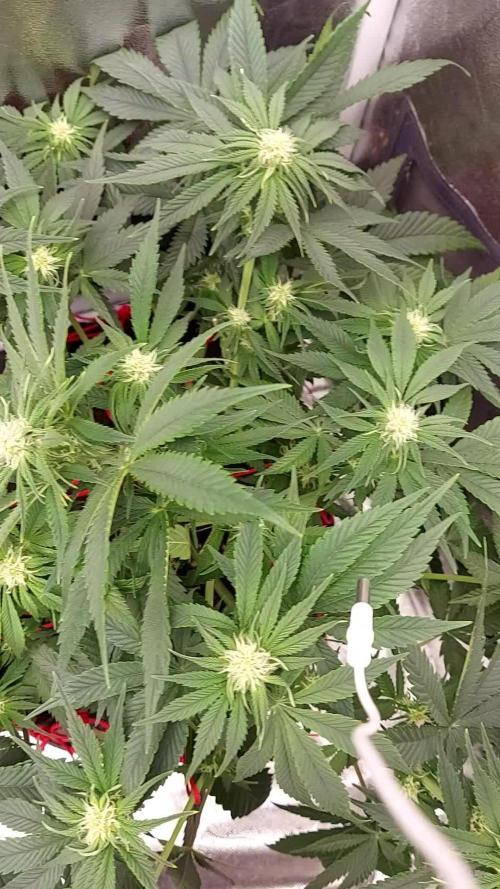
Switched to flowering . Plants are making their final stretch before producing buds.
Likes
26
Share
@Roberts
Follow
G 13 is starting to look better now after the neem oil treatments. She is under the Medic Grow mini sun-2. Growing in Athena nutrition. So hopefully she takes off and does really well. Thank you Medic Grow, Athena, and Weed Seeds Express. 🤜🏻🤛🏻🌱🌱🌱 Thank you grow diaries community for the 👇likes👇, follows, comments, and subscriptions on my YouTube channel👇. ❄️🌱🍻 Happy Growing 🌱🌱🌱 https://youtube.com/channel/UCAhN7yRzWLpcaRHhMIQ7X4g
Likes
5
Share
@CalGonJim
Follow
9/15 12AM MONDAY!!! THEY ARE ALL DOING GREAT!!! VERY HEAVY AMINOS YESTERDAY, NO DAMAGE. 9/15 11:24PM. In plant cells, glutathione S-transferases (GSTs) act as transporters, facilitating the movement of anthocyanins from the endoplasmic reticulum (ER) to the vacuole for storage, though their exact mechanism is still being studied. The synthesis of glutathione (GSH) itself occurs in the cytosol of mammalian cells through two ATP-requiring enzymatic steps, while anthocyanins are synthesized via a separate phenylpropanoid pathway 9/15 11:42PM glutathione metabolism glutathione S-transferases plantsThinkingKicking off 5 searchesLooking at 71 sitesPutting it all together In plants, glutathione S-transferases (GSTs) are a diverse family of enzymes integral to glutathione (GSH) metabolism, primarily functioning in detoxification and stress response. The core of this process involves GSTs catalyzing the conjugation of the tripeptide GSH with various toxic compounds, or xenobiotics, making them less harmful and easier to sequester or transport. Glutathione (GSH) metabolism in plants GSH metabolism is a tightly regulated process that maintains cellular redox balance and protects against stress. Biosynthesis: GSH is synthesized in two adenosine triphosphate (ATP)-dependent steps:(gamma )-Glutamylcysteine synthetase (GSH1) joins L-glutamate and L-cysteine to form (gamma )-glutamylcysteine. In Arabidopsis, this enzyme is located exclusively in the chloroplasts.Glutathione synthetase (GSH2) adds glycine to (gamma )-glutamylcysteine to produce GSH. This enzyme is found in both the cytosol and the chloroplasts.Oxidation and reduction: GSH exists in two forms: a reduced monomer (GSH) and an oxidized disulfide dimer (GSSG).Oxidation: In the process of scavenging reactive oxygen species (ROS), GSH is oxidized to GSSG.Reduction: Glutathione reductase (GR) uses NADPH to reduce GSSG back into active GSH, which is essential for maintaining a high GSH-to-GSSG ratio inside the cell.Degradation: Glutathione can be degraded in the cytosol, apoplast, and vacuoles by (gamma )-glutamyltransferases (GGTs) and other peptidases, allowing for recycling of its amino acid components.Transport and compartmentalization: While synthesis occurs in the chloroplasts and cytosol, transporters move GSH and its conjugates throughout the cell, including to the mitochondria, peroxisomes, and vacuoles. Functions of glutathione S-transferases (GSTs) GSTs are a large, ancient gene family with diverse roles that extend beyond detoxification. The primary functions involving GSH are: Detoxification of xenobiotics and heavy metals: GSTs catalyze the conjugation of the thiol group of GSH to a wide range of electrophilic and hydrophobic substrates, including herbicides, pesticides, and heavy metals. The resulting GSH-conjugates are then recognized by ATP-binding cassette (ABC) transporters and sequestered in the vacuole, reducing their cellular toxicity.Protection from oxidative stress: Stress conditions like drought, salinity, and high light increase levels of ROS, which cause lipid peroxidation. 🚨Some GST isoforms have glutathione peroxidase (GPOX) activity, using GSH to reduce toxic lipid hydroperoxides to less damaging alcohols, thereby protecting cell membranes.Defense against pathogens: During pathogen attacks, GST activity increases to detoxify microbial toxins and secondary defense-related compounds. This helps to bolster the plant's resistance response.Metabolism of endogenous compounds: GSTs play roles beyond immediate stress response by participating in the normal metabolic processes of plants. Examples include:Hormone transport: Some GSTs act as binding proteins (ligandins) that transport plant hormones like auxins within the cell.Metabolite transport: Specific GSTs facilitate the transport of important compounds like flavonoids and anthocyanin pigments into the vacuole.Tyrosine degradation: The zeta GST class (GSTZ) catalyzes a critical step in the breakdown of the amino acid tyrosine.Redox signaling: By influencing the GSH/GSSG ratio and interacting with plant hormones, GSTs can regulate cellular signaling pathways that control growth and stress response. 🚨GSTs and plant stress response The expression of many GST genes is highly inducible by various environmental and endogenous cues, making them key players in a plant's ability to adapt to adverse conditions. Abiotic stress: Drought, salinity, heavy metals, and extreme temperatures all trigger increased GST expression, which helps plants manage resulting oxidative damage. Overexpression of specific GST genes has been shown to enhance stress tolerance in transgenic plants.Herbicide resistance: The ability of crops and weeds to detoxify herbicides through GST-catalyzed conjugation is a well-studied example of GSTs in stress adaptation. Herbicide safeners, chemical agents that protect crops from herbicide injury, work by boosting the activity of these GST enzymes.Developmental processes: Studies have linked the expression of certain GST genes to specific stages of plant development, such as fruit ripening, root and stem development, and flower formation. "" 9/16 12:32am AI Overview In plants, phenylalanine is the precursor for anthocyanin synthesis, a process that involves a multistep pathway in which glutathione (GSH) plays a critical role in the transport of the final pigment to the cell vacuole. Phenylalanine initiates anthocyanin synthesis The biosynthesis of anthocyanins begins with the amino acid phenylalanine, which is produced via the shikimate pathway. The conversion process, known as the phenylpropanoid pathway, involves a series of enzymatic reactions: 1. Phenylalanine ammonia-lyase (PAL): This enzyme catalyzes the first committed step of the pathway, converting L-phenylalanine into trans-cinnamic acid. 2. Downstream enzymatic reactions: A series of additional enzymes, such as chalcone synthase and chalcone isomerase, convert the intermediate compounds into unstable anthocyanidins. 3. Glycosylation: Glycosyltransferase enzymes stabilize the anthocyanidins by adding sugar molecules, creating the final, stable anthocyanin pigments. 4. Glutathione is crucial for anthocyanin transport After synthesis, glutathione is essential for transporting anthocyanins for storage. * Glutathione S-transferases (GSTs): These enzymes bind to the newly formed anthocyanins in the cytoplasm. This binding is a key step that facilitates the transport of the anthocyanin-GST complex across the tonoplast (the vacuolar membrane) and into the vacuole. * Vacuolar storage: Once inside the vacuole, the anthocyanins accumulate and provide color to plant parts, such as flowers, fruits, and leaves. * Catalytic role: Recent research has also found that certain GSTs have a catalytic role in anthocyanin synthesis. They can catalyze a dehydration step to form specific anthocyanidins, significantly boosting production in engineered systems. * The process in summary The synthesis and accumulation of anthocyanins involve a coordinated process of multiple steps: 1. Production from phenylalanine: The amino acid phenylalanine enters the phenylpropanoid pathway, where enzymes convert it into the basic flavonoid structures. 2. Formation of anthocyanidins: Further enzymatic modifications produce the colored but unstable anthocyanidins. 3. Stabilization and transport with glutathione: These anthocyanidins are stabilized by glycosylation and then bound by GSTs (which use glutathione). This binding enables their transport into the vacuole for storage and visible pigmentation. 9/15 12:46AM https://pmc.ncbi.nlm.nih.gov/articles/PMC7238016/ 9/16 1:30AM BKO is looking great!!! Conclusion The “butter frosting” resin on Cookie Apple F1, healthy yellow-green fusiform, and Blueberry KO’s pigmented cotyledons show your anthocyanin-glutathione-phenylalanine strategy is working—phenylalanine drives synthesis, glutathione ensures transport. Tweak amino acids to 100–150 mg/L to reduce tip burn. 9/16 3:34am 9/16 4:31AM Anthocyanin glutathione synthesis phenylalanine proline tmg powder relating current project: * Phenylalanine is a precursor: Phenylalanine is an amino acid and the starting point for the phenylpropanoid pathway in plants. * Anthocyanin synthesis: This pathway creates various secondary metabolites, including the flavonoid pigments known as anthocyanins, which give plants their red, purple, and blue colors. * Pathway activation: Multiple enzymes, such as phenylalanine ammonia-lyase (PAL), catalyze the conversion of phenylalanine into the building blocks for anthocyanin. * Anthocyanin and glutathione synthesis * Glutathione S-transferase (GST): This enzyme is crucial for synthesizing anthocyanins in plants. It transports anthocyanins into the cell's vacuole for storage. * Glutathione (GSH) production: Anthocyanins can promote glutathione synthesis in certain cells. For instance, the anthocyanin cyanidin-3-O-β-glucoside (C3G) has been shown to increase the expression of glutamate-cysteine ligase (Gclc), a key enzyme in GSH synthesis. * Antioxidant effect: By upregulating GSH production, anthocyanins contribute to the antioxidant defense system, protecting cells from oxidative stress. * Proline and glutathione synthesis * Shared precursor: In some organisms, the synthesis pathways for proline and glutathione share a precursor molecule called γ-glutamyl phosphate. * Alternative pathway: Research on bacteria and yeast has revealed an alternative, trace pathway where γ-glutamyl phosphate from the proline synthesis pathway can be diverted to produce the glutathione precursor γ-glutamylcysteine. * Oxidative stress response: Studies in mouse oocytes show that supplementing with proline upregulates genes related to glutathione synthesis (Gclc and Gclm), increases glutathione levels, and reduces oxidative stress. * TMG powder, methylation, and homocysteine * Methyl donor: Trimethylglycine (TMG), or betaine, is a potent methyl donor, meaning it provides methyl groups needed for various biochemical processes in the body, including the methylation cycle. * Homocysteine regulation: One of TMG's primary functions is to convert the amino acid homocysteine into methionine. This helps regulate homocysteine levels, which is important for cardiovascular health. * TMG and proline interaction: In plants and some organisms, TMG and proline act as compatible solutes or osmoprotectants, helping cells stabilize against osmotic stress like drought or salinity. However, in human biology, TMG mainly functions through methylation, while proline is involved in different metabolic and antioxidant roles. * How they all relate The listed components are connected through several overlapping metabolic and regulatory pathways: * Anthocyanin synthesis starts with phenylalanine. * Anthocyanins can promote glutathione synthesis via upregulation of key enzymes like Gclc. * Glutathione synthesis can be influenced by the proline synthesis pathway, as they share an intermediate in some contexts. * TMG powder supports the methylation cycle, which helps regulate homocysteine levels. While TMG and proline serve similar protective roles in some organisms, their primary human metabolic functions differ, with TMG focusing on methylation and proline having distinct roles in antioxidant response and metabolism 9/17 217am Die Hard Christmas Grow 9/18, 11:34 AM. I ordered some square saucers that were cartoonishly too small but they fit inside the AC infinity germination kit and they fit with the Bud Cups perfectly really nice so it’s not a total loss. 9/18 11:45AM mix. Foliar Spray, the rest of the mix ec 0.46 Mixed up Aminos first and separate and use 16 oz for foliar spray. Then mixed up: Root: 1 mL/L Connoisseur A & B GROW, .2 mL/L CaliMagic, .2 mL/L Purpinator. Setria Glutathione: 150 mg/L(Brand: Emerald 250mg capsule.) TMG: 150 mg/L = (Brand Nutricost) Phenylalanine: 150 mg/L (Brand Nutricost) Proline: 150 mg/L (Brand Nutricost). 9/18 228PM AI Overview Glutathione influences plant colors by regulating the accumulation of pigmented compounds, primarily anthocyanins. The tripeptide accomplishes this through its role in transporting pigments within plant cells and in protecting against environmental stresses like UV radiation that can cause oxidative damage. Transporting pigments into plant cell vacuoles Glutathione works with a class of enzymes called Glutathione S-transferases (GSTs) to transport pigments like anthocyanins into the vacuole for storage. Anthocyanin transport: In plants with pigmented tissues, such as purple grapes or red flowers, glutathione-conjugated pigments are transported by GSTs across the tonoplast membrane into the vacuole. This process is crucial for the stable accumulation of pigments. Genetic manipulation: Research shows that manipulating specific GST genes can alter a plant's pigmentation. For instance, silencing a particular GST gene in purple grape hyacinths caused their petal color to shift to a lighter shade of purple. Similarly, defective GST genes in carnations resulted in pale-colored flowers. Protecting against UV light and stress Glutathione helps regulate plant pigmentation in response to environmental factors, especially UV-B radiation. Activating flavonoid production: When plants are exposed to UV light, a surge in glutathione triggers the expression of genes involved in producing flavonoids. Flavonoids, including anthocyanins, can act as protective sunscreens for the plant, and their increased synthesis and accumulation can alter visible coloration. Balancing oxidative stress: Intense UV-B radiation increases reactive oxygen species (ROS) in plants, which can cause oxidative damage. Glutathione is a master antioxidant that helps detoxify these ROS, preventing cellular damage that can affect a plant's pigment-producing mechanisms. Indirectly influencing plant colors By regulating cellular redox status and interacting with other molecules, glutathione also affects pigment expression in more indirect ways. The xanthophyll cycle: As part of a plant's antioxidant system, glutathione helps maintain the reduced state of other protective antioxidants like tocopherol and zeaxanthin. Zeaxanthin is a carotenoid pigment involved in the xanthophyll cycle, which helps dissipate excess light energy. Redox signaling: The balance between reduced glutathione (GSH) and oxidized glutathione (GSSG) is a key cellular signal for stress response. A shift in this ratio during environmental stress can influence the production of secondary metabolites like pigments, allowing the plant to adapt. " 9/19 1:41AM AI Overview The key difference is that anthocyanins are the sugar-containing form (glycosides) of pigments, while anthocyanidins are the sugar-free form (aglycones). Anthocyanidins are the foundational molecules, and when a sugar molecule attaches to them, they become anthocyanins, which are more stable and water-soluble, making them the forms found naturally in plants, such as berries and purple vegetables. Anthocyanidin (Aglycone) Structure: The basic, sugar-free molecule of the anthocyanin structure. Location: Not found freely in nature but is the core component that is then glycosylated. Properties: Color changes with pH, being visible in acidic conditions but colorless in basic conditions. Examples: Cyanidin, delphinidin, pelargonidin, peonidin, petunidin, and malvidin. Anthocyanin (Glycoside) Structure: Consists of an anthocyanidin linked to one or more sugar molecules. Location: Found in the vacuoles of plant cells. Properties: Water-soluble and are the pigments responsible for the red, purple, and blue colors in plants. Function: The sugar attached provides stability, allowing for accumulation in plants and providing antioxidant properties. Examples: Cyanidin-3-glucoside and other derivatives like acylated anthocyanins. " 9/19 2:43AM I also saw a good mans immediate accent into Heaven, that perspective matters too. no less angry about it though. 9/19 10AM Heavy Amino spray 250mg each in 1L of Setria Glutathione and Phenylalanine 9/19 10:10PM The sons and daughters of americas real terror organization carried out the last horror show, and the one before that and before that. It's not a foreign country, it's always the anti white anti human black sheets and badges that did this. 9/19 10:43PM AI Overview Phenylalanine and glutathione contribute to plant colors through different biochemical pathways . Phenylalanine is a precursor for the pigments themselves, primarily anthocyanins, while glutathione is involved in the transport and stabilization of these pigments within the plant cell. Phenylalanine: The pigment precursor The source of aromatic compounds: Phenylalanine is an aromatic amino acid and the starting compound for the phenylpropanoid pathway in plants. This pathway produces a vast number of secondary metabolites, including anthocyanins, which give many plants their red, purple, and blue colors. Color enhancement: Research has shown that increasing the amount of available phenylalanine can lead to more intense red coloration in some fruits, such as mangoes and apples. Pathway stimulation: Phenylalanine ammonia-lyase (PAL) is a key enzyme in this pathway that converts phenylalanine into precursors for anthocyanin biosynthesis. An increase in phenylalanine levels stimulates this entire process. Glutathione: The pigment transporter Anthocyanin transport: After anthocyanin pigments are synthesized in the cell's cytoplasm, they must be transported into the central vacuole for storage. Glutathione S-transferases (GSTs) are a family of enzymes that facilitate this process. Color intensity: A functional GST is essential for proper anthocyanin accumulation. Mutations in GST genes can result in a significant decrease in color intensity, as seen in the pale or white flowers of certain gentian mutants. Mechanism of action: The GST binds to the anthocyanin pigment and moves it from the cytoplasm into the vacuole. If the GST is defective, the pigment cannot be transported correctly, leading to a loss of coloration. Summary of interactions The roles of phenylalanine and glutathione are distinct but cooperative in producing plant colors: Phenylalanine provides the essential building blocks for creating the colored compounds (anthocyanins). Glutathione, with the help of GSTs, ensures these colored compounds are correctly moved to their storage location (the vacuole). This cooperative system explains why mutations or deficiencies in either process can lead to reduced or altered coloration in plants." 9/19 10:51PM AI Overview. Trimethylglycine (TMG) supports the production of glutathione, a vital antioxidant . However, there is no evidence to suggest a direct relationship between these supplements, the amino acid phenylalanine, and the colors of plants. The concepts are linked indirectly via complex biological processes. Trimethylglycine (TMG) and glutathione TMG and glutathione are connected through the body's methylation cycle. TMG as a methyl donor: TMG plays a critical role in the methylation process by donating a methyl group, which helps convert the harmful amino acid homocysteine back into methionine. Support for glutathione production: This methylation cycle, which is supported by TMG, is essential for producing glutathione. Glutathione is a powerful antioxidant that protects against cellular damage and is crucial for detoxification. Supplementation considerations: TMG supplements are sometimes taken alongside other supplements to support health, though consultation with a healthcare provider is recommended. Phenylalanine and the methylation cycle Phenylalanine is an essential amino acid, but its role is distinct from the TMG-glutathione process. Essential nutrient: Phenylalanine is a key nutrient for cellular metabolism. Potential interactions: A separate medical study on experimental hyperphenylalaninemia (abnormally high phenylalanine levels) in chicks observed a decrease in other amino acids in the brain, including those involved in the glutathione pathway. This demonstrates how excessive levels of one amino acid can potentially influence others, though this does not represent a typical interaction. Plant colors The connection between the supplements and plant colors is purely conceptual, as the colors are determined by completely different biological processes. Anthocyanins: The colors of many plants, including red, purple, and blue flowers, come from pigments called anthocyanins. Glutathione in plants: While plants contain glutathione as an antioxidant to combat stress, it influences color by regulating the transport and accumulation of anthocyanin pigments, not by being a pigment itself. TMG and phenylalanine in plants: Plants contain TMG, which functions as an osmoprotectant (protecting against osmotic stress). They also contain phenylalanine, but these substances do not directly determine the plant's visible color." 9/19 11:21PM. !!!!!! this was pointless and im dumber for having read it. !!! Light intensity and spectrum affect metabolism of glutathione and amino acids at transcriptional level: https://pmc.ncbi.nlm.nih.gov/articles/PMC6938384/ 9/20 11:08 AM the seedlings and the four autos are doing just great. The amino spray with phenylene and glutathione really had nice effects no burning nice solid growth even seedlings from basil lavender various lettuce all are perfect.🚨🚨🚨👍👍👍👍👍 9/21 2AM I AM BECOME ANTHOCYANID!!! ITS WORKING AND ON A SEEDLING I SEE THE GELATO COLLORS IN BLUEBERRY KO AND THE LEAF SHAPE OF BUBBLES BLUEBERRY,!!!
Likes
20
Share
Dia 76 desde la germinación y 48 dias después del trasplante se empieza a notar la robustez de las plantas ya miden bastante alto casi 2 M , y estan bastante ensanchadas, lo único que se puede notar la 1051 , sus ramas crecen muy rectas hacia arriba ,la white noise crece con las hojas un poco onduladas aunque no afecta a la planta. Pronto las amarraremos y ataremos con una estructura para que esten más cogidas y distribuidas las ramas y mas seguras contra viento y lluvias que empiezarán en septiembre
Likes
6
Share
Belle variété mais à du mal à pousser n'est pas très rapide. Mais belle variété
Likes
4
Share
Считаю начало цветения. В целом всё ОК. Запах стал гораздо сильнее. 4-ый день цветения. За два дня резко вытянулась и сегодня пришлось очень много гнуть под сетку. В итоге было сломано две серьёзные колы - очень жаль 😢. Немного порезал листья и срезал несколько мелких веток, что сильно не доросли до сетки. Воткнул их в кокос на клонирование, так как выкидывать было жалко. Что-то мне подсказывает, что они все, зараза, прорастут... Хер знает чего с ними потом делать🙈. На некоторых почках, там где активно светит ультрафиолет уже заметен сахар. А ещё вездесущий кот заметен на них😡 Влажность опять адская. Это показатель, что вентиляция не справляется. Ближе к понедельнику ещё порежу нижние листья и те, что закрывают что-нибудь, дабы улучшить воздухообмен и снизить влажность.
Processing
Likes
14
Share
d43 - 9.26 - Recovering quite nicely. Was able do just about all the training and trimming I want to before I switch to flower around the end of week 8. My Fast White Widows are definitely more ground hugging, while the Black Sugars are reachers, but still manageable. They have all been trained to best fit the recovery of each individual plant, so my canopy definitely isn't going to be even 😅Nonetheless, grateful they have been resilient little buggers and happy for the chance to take them flower, regardless of whether I'll have the picture perfect tent. 🙏 D47 - 9.30 - I lied. I had to train a little more. One BS cola was really outgrowing the rest, and the opposite side of plant had taken for damage from bug treatment two weeks ago so i HST'd it back and spread the other. Still planning to flower them in 7-14 days!
Likes
12
Share
@Smokwiri
Follow
Plant looks good, raised nutrient level a bit. Last week in veg. Switching to 12/12 this week
Processing
Likes
11
Share
This bugger neatly drank 3L of the solution I had prepared for three weeks!! there some serious growth happening. Defoliation was a good idea at this point to reduce the amount of wasted nutrients and increase the flowering priority. Had to share the last "video" to show my appreciation in learning about LST here on growdiaries, those are pepper plants.
Likes
11
Share
@Kirsten
Follow
☆♡ Gorilla Cookies: I've noticed a leaf fell off the bottom. I think I may've overdone the nutes. She's growing tremendously. I top dressed with the below, as the rest of my plants. I will only use PH'd water for the next several waterings, probably with Biosys or seaweed. ♡☆ 16.2.25: I decided to check out the lower canopies of all plants to see if I need to get rid of any foliage. I did get rid of a few small branches and leaves. However, whilst I was doing this, I saw more garden pegs from my LST remaining. There were about 6 or more in Pink Mist alone. Additionally, on Watermelon, there were some left in, too. I'm so annoyed to see that because the plants are really stretching, and I could've potentially disrupted this by leaving the pegs in for all this time without realising it. 🤞 that I haven't compromised things too much. We'll see. I watered today with 2ltrs of dechlorinated water PH'd to 6.3 containing the following nutrients; ♡ .8g Green Leaf Nutrients PK booster ♡ .5g Ecothrive Biosys I ordered quite a few things for the garden. I got Greenleaf Nutrients Sea K(elp) and Mega Crop Parts A+B. To go with their PK Booster I got last month. I'm excited to try it all together. Next run, maybe just using these. We'll see how it goes. 18.2.25: The plants are going crazy for water! Everything is getting used right up so fast! Today, I decided to add some more Black Strap Molasses to add some carbs and other micronutrients. I'll add the jar with the label in the photos section above. I watered a very small amount to each plant. What I put in: ♡ Black strap molasses 150g ♡ 2g Sea K(elp) Greenleaf nutrients. I dissolved everything in 4ltrs of dechlorinated water PH'd to 6.4. 19.2.25: I received the majority of the garden purchases that I made. I'm still waiting for the Ecothrive Life Cycle. I wanted to top dress, but it's been delayed unfortunately. I am using my Greenleaf nutrients products which I bought on Amazon. I got the Mega Crop 2 part system Part A and Part B. I have the Sea K(elp), and the bud explosion PK booster. I really wanted to get some of their sweet candy asking read many positive reviews. Unfortunately, for me, this is unavailable to buy currently. So that's a little disappointing. I needed to do a good watering so when my nutes were delivered today, I got excited 🤗 I watered 2ltrs of dechlorinated water per plant, PH'd to 6.4, containing the following nutrients: ♡ 1g Mega Crop Part A ♡ 1g Mega Crop Part B ♡ .5g Sea K(elp). The plants drank this up within a few hours. I'm going to try and hold off on watering in hopes that my Ecothrive Life Cycle will arrive so I can top dress and water it in then. 20.2.25: My Ecothrive Life Cycle arrived yesterday, and the plants are ready for their top dress and a good watering in. I have some Biobizz Light Mix, Canna Coco,and perlite. I'm going to use this as a base to mix my amendments in. I'm going to fill my 5 gallon bucket with about 4.5 gallons of my top dress mix. I will distribute this across 6, 4-5 gallon pots. Then I will water in well with Greenleaf nutrients Mega Crop Parts A+B and Sea K(elp). I've made a crude attempt to video mixing my top dress. Don't listen to the audio. lol, my YouTube didn't stop playing whilst I recorded this 😂 So anyway, I added the following amendments to the above base mix of 4.5 gallons; ♡ 3 TBSP Ecothrive Life Cycle ♡ 3 TBSP Vitalink Bat Guano ♡ 3 TBSP Ecothrive Charge ♡ 1 TBSP RHS Mycorrhizal Fungi granules ♡ 6 TBSP Ground Cinnamon.
Likes
3
Share
Quick update I know I been MIA..diary label xmas tree got deleted after losing the mother tree(die back)and about 80 cutting(weather) 1 of the cutting which I took before from the mother that died is the mother to set 1 and 2 (29)...took some cutting off of set 1 (30) jus waiting to see how rooting goes...mother tree jus hit the 2nd week of flowering will update with pic in week 2
Likes
27
Share
The ladies had some nice stretching the last few days, I wonder how much more stretch we will get. This coming weekend we're going to do some defolating to expose more budsights and to improve aircirculation. It also helps in lowering the humidity.
Likes
17
Share
Hello Diary. It has completed its sixth week of flowering, a total of 9 weeks since Purple Punch sprouted. As you can see in the photos, the plants look beautiful, the flowers are large and hard, full of trichomes. I believe the yield will be better than I had hoped. The smell is very intense. I would also say that Purple Punch is quite resistant, along with them, as you know on "Farm", there is also one plant Watermelon Auto that has suffered a lot due to over-feeding, which cannot be said for Purple Punch. The treatment they receive is the same. Watering is every three days, I regulate or lower the p.H of water to values ​​between 6.1 and 6.5. And I do that with every preparation of water for irrigation. I stopped adding any additives the previous week so they get clean water. Let’s take a look at the review of the week. 26/03/2021 - Day 59. Watering. p.H. water I regulated to 6.4 Temp / Humidity on the farm - 25 degrees and 32% humidity. 29/03/2021 - Day 62. Watering. p.H - 6.3 Temp / Humidity on the farm - 25 degrees and 36% humidity. 30/03/2021 - Day 63. Photography. This time I didn't photograph them on a black background, I didn't want to stress them too much, I'll take detailed photos for the end anyway. That’s it for this week, without much excitement, I’m patiently waiting for the harvest. See you soon.
Likes
19
Share
@DrLaggis
Follow
🌱 Start: 17.07. 🌱 Hello everyone! This is my very first grow and I'm thrilled to share every step with you! 🎉 I'd appreciate any tips you might have to help me achieve the best results! 😊 Equipment: I've geared up with an Indoor Grow Kit from MarsHydro along with some BioBizz supplements to ensure my plants get the best care. 🌿 🌼 Seeds: I opted for Fast Buds seeds after hearing great things about them. They were delivered super fast—just two days! I’m particularly excited to test the Grapefruit strain. 🚀 I've begun soaking the seeds and setting up my space. Eagerly awaiting the transition to the next stage in a day or two! 🌱 📅 Update: 19.07. My Grapefruit seeds sprouted 1-2 cm within just 1.5 days! 🌱 It’s often recommended that autoflowers be planted directly into their final home, so I'm following that advice. I'm working on improving the air circulation in my tent to ensure the best environment for growth. 🌬️ I'm currently using 0.2L cups with big holes over the sprouts to maintain higher humidity during their initial two weeks. 💧 🎉 UPDATE 22.07. - THEY ARE ALIVE 🎉 My Grapefruit sprouted on 20.07., and I'm overjoyed to soon share photos and a video of my little green buddy! 📸🎥 PS: My plant enjoys 2 hours of chill jazz music every day! HAHA 🎷🎶
Processing
Likes
6
Share
sour 76 stopped stretching at 22, 23 and 24 inches. yeti number 4 stopped at 32 inches, while yeti 3 stretches another few inches as sour "tower" begins stacking and starting to trich up
Likes
10
Share
Flowers coming along well, with frost now developing. Nutrient strength increased now they're gonna be eating more, with Remo grow reduced slightly now they're slowing their growth, but Bloom and AstroFlower have been increased to favour PK. Day 28 will be the last day feeding Growth Tech Liquid Silicone as it takes the longest to completely flush out of the plant. I never feed silicone later than this in flower otherwise you risk hard, black ash with a horrible burn in the end.. More leaves have been stripped here and there, but not too much. Just enough to allow the light to penetrate deeper and to uncover flower sites. Leaf stripping is also a great technique to stunt the growth of selected branches, allowing the others around to catch up and meet the top of the canopy more evenly. 🦊
Likes
46
Share
Hey, cannabis enthusiasts and connoisseurs! 🌿🔥 The journey with our Runtz F1 has been nothing short of legendary, and now we’re at the stage that every grower eagerly awaits—the trim and smoke report. This Runtz F1 has delivered beyond expectations, and I can’t wait to share the details with you. Let’s dive in! The Trim Process 🌾✂️ The trimming process was an experience in itself, filled with care and attention to detail. Here’s how it all went down: • Breaking Down the Branches 🌿: • First, we carefully broke down the plant into manageable branches, making sure to preserve the integrity of each bud. The structure of the Runtz F1 made this easy, with its dense, compact colas ready for precision trimming. • Trim Bin Magic ✂️: • Using a Trim Bin, we meticulously trimmed away the sugar leaves, leaving behind only the most beautiful, resin-coated buds. The Trim Bin isn’t just a tool; it’s a game-changer, allowing us to catch every last bit of precious kief that falls during the process. This extra kief is like a bonus for those special moments when you want to add a little something extra to your smoke. • Preserving Terpenes with Grove Bags 🛍️: • Once trimmed, the buds were placed into Grove Bags for curing. These bags are revolutionary in the cannabis world, designed to lock in terpenes and keep your buds fresh for the long haul. Unlike traditional jars, Grove Bags use a special TerpLoc technology that creates a perfect microclimate within the bag, balancing out oxygen and moisture levels. This means your buds cure evenly without the need for burping, preserving that incredible citrus terpene profile we’ve come to love from the Runtz F1. The Legendary Smoke 🌬️🔥 Now, let’s talk about the smoke—because this is where the Runtz F1 truly shines. • Flavor Explosion 🍊🍋: • The moment you take your first inhale, you’re hit with a symphony of citrus flavors. It’s like walking through a citrus grove with the sun shining down—notes of oranges, tangerines, and lemons come through strong, each one distinct yet harmoniously blended. But the magic doesn’t stop there; an underlying hint of vanilla sneaks in on the exhale, rounding out the flavor with a creamy, smooth finish. It’s an experience that dances on your palate, leaving you craving more. • Aroma 🌿🌸: • The smell is just as captivating as the flavor. As soon as you open the Grove Bag, the room fills with that zesty citrus aroma, complemented by a subtle sweetness from the vanilla undertone. It’s the kind of smell that makes you pause and appreciate the craft that went into growing this plant. • The Effects 🌟: • The effects of the Runtz F1 are as balanced as its flavor profile. Expect an initial wave of uplifting energy—perfect for daytime use or when you need a creative boost. As the high settles in, it mellows into a relaxed, yet focused state. It’s the best of both worlds: energizing without being overwhelming, and calming without knocking you out. This makes it an ideal strain for those who want to stay productive while still enjoying a potent, flavorful smoke. Final Thoughts and Invitation 🎥✨ The Runtz F1 has proven itself to be a true connoisseur’s strain—a perfect blend of flavor, aroma, and effects that’s both complex and satisfying. This was a journey that showcased the importance of patience, precision, and care, from germination all the way to the final cure. If you want to dive deeper into the entire process, from the first week of veg to the final trim, I’ve documented it all on my YouTube channel. Join me there for a closer look at how this incredible strain came to life, and learn more about the tips and techniques I used to bring out the best in these plants. Thank you to everyone who’s been part of this journey, from the community to the amazing brands like Gro Diaries, TrolMaster, Aptus Holland, Kannabia, and more. Your support and tools have been invaluable. Remember, the magic is in the details—so never stop learning, growing, and enjoying the fruits of your labor. Stay positive, stay curious, and keep spreading the love! 🌿💚 #RuntzF1 #LegendarySmoke #CannabisConnoisseur #GroveBags #TrimMagic #StayPositive #GreenMagic #YouTubeJourney Germination method 🌱 @thecannakan Genetics Runtz F1 @zam.nesia Runtz auto @kannabiaglobal Nutrition @aptusholland 🌿 @aptus_world 🌎 @aptus_es 🌍 @aptusbrasil 🌱 @aptus_thailand 🌿 @aptus_portugal 🌳 @aptususa_official 🍀 @aptusplanttechnz 🌺 @aptusplanttechaus 🍃 Ambient controls🎮 @trolmaster.eu @trolmaster.eu.support @trolmaster.support @trolmaster.agro Soil @promix_growers_eur @promix_cannabis LED - @lumatekeu Watering- @autopot_usa @autopot_global Love and attention- @dogdoctorofficial #aptus #aptusplanttech #aptusgang #aptusfamily #aptustrueplantscience #inbalancewithnature #trolmaster #trolmastereurope #trolmastersecrets #Autopots #RuntzBattle #KannabiaVsZamnesia #GreenJoy As always thank you all for stopping by, for the love and for it all , this journey of mine wold just not be the same without you guys, the love and support is very much appreciated and i fell honored and so joyful with you all in my life 🙏 With true love comes happiness 💚🙏 Always believe in your self and always do things expecting nothing and with an open heart , be a giver and the universe will give back to you in ways you could not even imagine so 💚 More info and complete updates from all my adventures can be found ⬆️ link in the profile description ⬆️ Friendly reminder all you see here is pure research and for educational purposes only 💚Growers Love To you All 💚
Likes
14
Share
These girls taking off like crazy. Growing under this badass Smart 8 from medicgrow Still at 40% until stretch has subdued I’ll crank it up and help pack the bud on. 2 left in the single bucket were topped, 2 I have in the basement under different lights. We’ll focus on the MedicGrow light plants here. Check out MEDICGROW website https://medicgrow.com/ Really excited to see what it can do I’m flower. Love the Bloom button which increases red spectrum when wanted/needed… Currently running at 40% Official Website: https://medicgrow.com/ Facebook: https://www.facebook.com/medicgrowled Twitter: https://twitter.com/medicgrow Instagram: https://www.instagram.com/medicgrow420/ YouTube: https://www.youtube.com/channel/UCNmiY4F9z94u-8eGj7R1CSQ Growdiaries: https://growdiaries.com/grower/medicgrowled https://growdiaries.com/grow-lights/medic-grow