


Likes
Comments
Share


@Sickone
Follow
Ab geht es in die nächste Woche!
Auf Empfehlung habe ich BioBizz Alga Mic Und Acti Vera zu meinen Plan hinzugefügt um die Ladys etwas zu retten.
Zusätzlich habe ich der Lady etwas unter die Arme gegriffen indem ich alle vertrockneten Blätter entfernt habe.
Ich lasse mich mal überraschen wie sie sich auf den letzten Metern machen.

Likes
4
Share


@RobinHoodGrows
Follow
I'm going light on the nutrients and just continuing to care for my plants as normal.
Day 33 - 7/31/20
Jenny the oldest Dreamberry is 24.5" tall 33 days old
Jasmine 27 days 16.5" tall

Likes
11
Share


@RunWithIt
Follow
Alright, so I applied some mykos on all of the BanDads, photos and autos alike. Just poured some at the base of each plant and gently rustled the soil to get it mixed in at root level. Then gave them all a nice blast of nutes for the first time. I'll be upping the dosage with the Liquid Seaweed next week.
Loving how sturdy they all are already! I can tell this is going to be a lovely run for sure.
You may have noticed I also added a Dos-si-dos and ChemP Auto into the tent as well. Just wanted to get them both started before sending em outside for spring 😊
Cheers all and happy growing 🎆😊

Likes
29
Share


@Sidbank
Follow
25.05 As can be seen in the attached images, they are not ready to be switched yet. They still need another week. I have spread them across the entire surface of the tent and turned on the second lamp. I set them at 40% power, applied Soil Attack, a minimal dose of Nitrogen using Organic Grow BAC, and liquid mycorrhizae. This time, I adjusted the pH to 5.9 using an organic pH regulator. By the end of the week, I will remove four more plants, keeping a total of 25. Unfortunately, I will have to leave again for a week, which I'm concerned about because all the efforts might go to waste. :P. Keep your fingers crossed for the success of this cultivation!
Wszystkich polskojęzycznych obywateli planety ziemia zapraszam na serwer Breedbros na discordzie o uprawie!
https://discord.gg/NjTyKJ7E
27.05 Today, I added homemade NPK 10-8-10 fertilizer tablets to my plants - two tablets on each side of the stem, 5 cm away from it. From now on, I will only water them until the end. After switching, I will also introduce mycorrhizae and provide foliar feeding. Depending on how the flowers develop, I might consider adding a bloom stimulator.
30.05 I;m waiting to the end of the week and switch them on 12/12

Likes
Comments
Share


@SmokeyBoroGrows
Follow
Hello smokers and growers,
A very special project to my heart. I traveled to Colombia and found a modern heirloom hybrid of Punta Roja, after smoke trials I selected seeds to bring back.
I crossed it with Supreme Bubba as well as NYCDiesel to make a new line of genetic options and flavors to divulge.
- Supreme Bubba Roja AKA NightShade {(pre-98 Bubba Kush x Goat Supreme by Cannabeizen) x Punta Roja Heirloom}
- Titti Roja AKA DreamCaster {(NYCDiesel by Sweets Seeds discontinued) x Punta Roja Heirloom}
Available via Direct Message
https://linktr.ee/smokeyboro
Likes
8
Share

@GermanGrow182
Follow
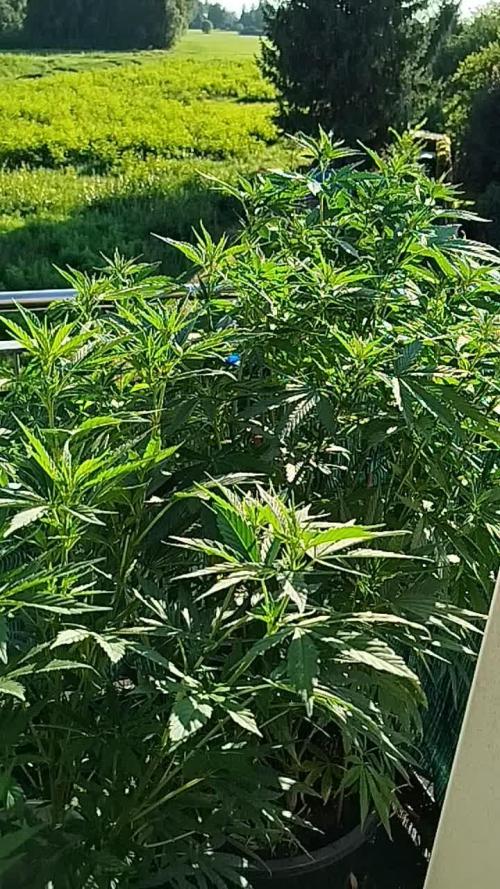
Sehr gute Woche 👍 viel Sonne, warm, und für Hochsommer relativ geringe Luftfeuchtigkeit (30%)
Muss nun viel gießen. Über 1,5l pro Pflanze und Tag.. nun bekommen alle biobloom. Alle zeigen vorblüten.
Bald geht es los. Mit dem topping habe ich aufgehört. Nur noch ein kleines bisschen supercropping sonst nur entlaubung und LST.
Es läuft ziemlich gut ☺️👍 bis nächste Woche ✌️

Likes
12
Share


@GrowGuy97
Follow
Dessert Runtz bred by Exotic Genetics, came out unbelievable! Probably some of the stickiest stinkiest bud I have ever grown the plant gave me no issues at all the entire grow honestly, highly recommend trying their genetics! Will post a smoke report & weight soon! Thanks for following & happy growing friends

Likes
11
Share


Likes
12
Share


@GREENPHOENIX6262
Follow
Fastbuds - Mimosa (2x) 08/27
Coming into week 4 Veg, User error stunted them lightly but things seem back on track.
Exhale 365 C02 bag introduced last week to setup for early flower.
No signs of concern or any deficiencies.
Early flowering has begun
*Mid-Week Update* *08/30*
Both plants have recovered nicely, and placed under trellis net.
Introduced NPK Phosphate
Purged Pure Blend Pro Grow
*End of week recap*
Flowering has begun
Stopped veg nute feed
Introduced Raw NPK Phosphorus and Potassium
Likes
109
Share


@Prototype0181
Follow
Flipped on 17-7 to flower🌺 and the first issue came 🤷 the sativa dom cookie ( stretchy girl ) couldnt handle the feed and got a little burned, nothing to bad. She's going on a water only diet next two rounds.

Likes
115
Share


@DogDoctorOfficial
Follow
Cherry Cola's Grand Flourish in the Floral Symphony
Greetings, fellow cultivators! Week 4 has unfurled its petals in the mesmerizing floral journey of our beloved Cherry Cola Auto. The tent is now a stage for a grand botanical opera, and our green queen stands as a testament to the wonders of cultivation. Let's dive into the details of this flourishing spectacle!
As we venture deeper into Week 4, the floral elegance of Cherry Cola Auto takes center stage. What was once a lush bush has evolved into a breathtaking beauty, a true testament to the success of our horticultural endeavors. The topping technique and the release from training supports have paved the way for a regal display of colas and buds.
The decision to set our Cherry Cola free from the constraints of training supports continues to be a triumph. The tent is now a realm of bushy brilliance, and our green queen stands tall, a majestic presence commanding attention. It's a living masterpiece in perpetual motion.
The echoes of our topping tales from previous weeks resonate in the structure of Cherry Cola's colas. Each topped branch has evolved into a flourishing bud-laden entity, contributing to the overall grandeur of our green canvas. The decision to embark on this topping journey has truly paid off.
Our nutrient symphony, now joined by the magical touch of Potassium (K), continues to fuel the botanical brilliance. P-Boost and Topbooster, with their orchestration of phosphorus, organic grace, and now potassium magic, create a harmonious dance of blooming processes. The buds are becoming robust, laden with fibers, resins, and sugars, promising a top-tier end product.
Every day, the visual majesty of Cherry Cola unfolds with new growth, showcasing the resilience and vitality she possesses. It's more than a plant; it's a living testament to the artistry of cultivation.
As we conclude Week 4, Cherry Cola Auto stands as a botanical opera in full swing. The tent is alive with the grand flourish of a floral symphony. Stay tuned, fellow enthusiasts, as we eagerly await the next thrilling act in the Cherry Cola Chronicles!
Genetics Cherry Cola Auto @Fast_Buds @fastbuds_genetics_official @fastbuds_official @fastbuds_espana
Nutrition: @aptusholland @aptus_world @aptus_
Love, Care, and Attention: @dogdoctorofficial
As always, thank you all for joining me on this journey, for your love, and for it all. My horticultural odyssey would never be the same without you. Your love and support are cherished, and I feel both honored and blessed to have you in my life
Friendly reminder all you see here is pure research and for educational purposes only
Growers Love To you All 💚 💚 💚


Likes
121
Share


@Cruzsider
Follow
Love this strain. My new favorite. I'll be back with more information.
Likes
4
Share


@Troll60x60
Follow
Esta es la semana actual en la que me encuentro, con plantas recuperadas del súper cropping (cayos formados), se sigue utilizando en menor intensidad para mantener la altura del cultivo, el riego aumento en 300ml, raíces ya más fortificadas y cogollos más grandes, el crecimiento ya es mucho más notorio, seguimos aplicando floración B y engorde C.
Recordar la poda de hojas que obstaculizan la luz.


Likes
43
Share


@TheCannaProphet
Follow
~ GG4 SHERBET FAST FLOWER by FastBuds ~
Well fam, here we go again with another epic strain from FastBuds Fast Flowering stable. After having such tremendous success growing their Gorilla Cookies Fast Flower outdoors last year, I've decided to run another of their fast flowering strains outdoors this year... GG4 Sherbet Fast Flower!
The best description of this awesome cultivar comes directly from my friends at FastBuds which is as follows:
"Bred from extremely potent and flavorful Gorilla Glue and Orange Sherbet genetics, GG4 Sherbet FF (Fast-Flowering) takes all the best traits to the next level, offering a high-yielding strain that can produce up to 600 g/m2 in a 7-week flowering time. This super resilient Indica-leaning hybrid thrives indoors and outdoors, and in all types of climates while producing mouth-watering sweet, fruity, spicy and earthy terps that translate into a delicious sugary hazelnut aroma. Expect an extremely relaxing and overall happy effect that’ll leave you with a huge smile from ear to ear. It’s the perfect strain for growers of all levels of experience seeking low-maintenance yet highly productive photoperiod varieties that deliver quality and quantity without extra effort.
GG4 Sherbet FF grows chunky buds with long dark orange hairs and spade-shaped calyxes that get encrusted with trichomes by harvest time, giving them a gorgeous silvery-white appearance. This medium-sized photoperiod can reach up to 200 cm in height and yields up to 650 g/m2 while developing that typical hybrid structure. GG4 Sherbet FF grows with a stocky, bushy appearance, developing one sturdy main cola and fat side branches that support huge yields without much effort. This super-fast variety produces distinctive light-green buds with a high bud-to-leaf ratio, making your trimming sessions a breeze. It’s a top-notch resin producer that doesn’t need much maintenance and will thrive in almost every climate, rewarding growers of all levels with extremely flavorful resin that makes for outstanding hash end extracts."
________________________________________________________________________________________________________________________________________________________________________________________________________________________________________________________________________________________________________________________
The Setup:
This is going to be an outdoor grow, but I have started the GG4 Sherbet Fast Flower indoors as our weather is still too cold to put her outside (nighttime temp's dipping regularly into the 30's℉).
The plan is simple... let her grow inside under a 19/5 light schedule until the nighttime temperatures stay above the mid 40's℉, at which point she'll be moved outside and transplanted into the soil which I have already setup and inoculated with beneficial microbes, and then let the fun begin!🤪💚
________________________________________________________________________________________________________________________________________________________________________________________________________________________________________________________________________________________________________________________
Weekly Updates:
5/16- The FastBuds GG4 Sherbet Fast Flower is going into Week Seven from seed now and is looking so much better with our weather steadily improving!
I started brewing a batch of Compost Tea today which should be ready in 24-36 hours, after which I'll give the GG4 Sherbet FF a treat!
5/18- Yesterday, I gave the GG4 Sherbet a healthy drink of the freshly brewed Compost Tea which will benefit the microbes in her soil greatly!
My Compost Tea recipe is as follows: In a doubled up mesh bag I put in 2 cups of wiggle worm castings, 1 cup of Alfalfa Meal, 1/2 cup of Dr. Earth 4-4-4 dry amendment w/beneficial mycorrhizae, 1 tbsp. Stash Blend, 1 tbsp. Plantonics Amino Bliss. Then in a 5g bucket filled with 68-74℉ non-chlorinated well water (which I do not adjust ph on, if it's good enough for me to drink... it's good enough for my plants) I add 4 tbsp. of unsulfured black strap molasses and 4 tbsp. of liquid Kelp Extract. I then aerate the water via a pump and large round air stone and hang the mesh bag so that it stays suspended above the bottom of the bucket and so the air bubbles can surround it. I then cover the bucket and leave it alone for 24-36 hrs after which there should be a generous layer of foam in the bucket which indicates that your tea is ready to serve!
5/20- I'm almost certain that slugs are the culprits of all of the leaf chewing that has occurred on the GG4 Sherbet FF. I only wish I had figured it out sooner but, on the bright side, this is a photoperiod and she has plenty of time to recover so she'll be just fine. Yesterday, once I figured out that I was facing a slug attack, I immediately deployed my favorite defense against slugs and other little soft bodied buggers and their larvae... Diatomaceous Earth. This stuff is death to fungus gnat larvae, along with other pest larvae and will ruin a slugs day quickly! If you look at diatomaceous earth under magnification, it resembles shards of glass and acts as the same on the soft bodies of pests either repelling, or killing them!
5/22- Our weather has dried out and warmed up so I'm watering daily with well water straight from the garden hose.
With seven weeks of growth now for the GG4 Sherbet Fast Flower, she just keeps looking better by the day and in a month you won't recognize her!
Thank you for checking out my diary, your positive comments and support make it all worthwhile! 💚Growers Love!💚😎🙏


Likes
18
Share


@berlinbeginner
Follow
i flipped them to flower. Noticed a bit of stretch which will probably continue for another two weeks. SD2 still looks light but i flipped them all anyway. Will see what happens
Likes
8
Share


@Kirsten
Follow
30.4.25:
This worked out very nicely 👌 I just found Ecothrives' new, Trace! I was looking for Cal-Mag with no NPK. I came across this, I'm genuinely so excited to get using this! Ecothrive has the best products, hands down.
As fate would have it, the plants are looking pretty dry!
I'm going to be watering with the Trace and Biosys. Let's see what happens 😁
6 litres of dechlorinated water PH'd to 6.1 contained:
♡ 3ml of Ecothrive Trace
♡ 1/4 Tsp (2.4ml) Ecothrive Biosys
Let's see how we're looking in a few days after the first Ecothrive Trace application!
The plants received 3 litres of this feed each.
PPM: 475
PH 6.0
1.5.25:
I mixed a foliar feed with my new Ecothrive Trace.
I filled a 250ml spray bottle with dechlorinated water PH'd to 6.0 with 4ml Ecothrive Trace.
I used the entire bottle in 3 plants throughout the course of the day.
The fan is very strong, so it didn't take long to dry. However, I did keep the lights dimmer to ensure no leaves were burnt. Additionally, I spent more time than I care to admit massaging the foliar spray into the leaves 😅
I also moved the LED lights up as Northern Lights is still stretching. Par was about 600-700. Which may be too much. I'll keep an eye on it.
I also watered with 1.5 litres of dechlorinated water PH'd to 6.0 to Northern Lights.
2.5.25:
I watered 1 litre today. With Greenleaf Nutrients Bud Explosion PK booster 1/2 Tsp dissolved in dechlorinated water PH'd to 5.9.
PPM came out high at 1300, so I watered another litre through just plain, PH'd to 6.2.
5.5.25:
FastBuds Mystery seed #1 is focusing on bud building. There are certainly chunky buds beginning to form here! 😍
She has pretty well stopped stretching, and so she's shorter than Northern Lights, which is still growing vertically, this is a little unfortunate as they're no longer a Sea Of Green. Unless Northern Lights is a tidal wave 😅
So because the canopy is no longer uniform, the lighting is difficult to dial in. Which has never been my strong point.
Her leaves are still very dark. I'm going to top dress with Ecothrive Life Cycle, but because of the darkness of leaves, I won't add the Ecothrive Charge. Which is mainly more vegetative growth needs. Which will contain more nitrogen, which we certainly don't need any more of at this stage.
Plant top dressed with;
♡ 2 Tbs of Ecothrive Life Cycle
♡ 1 Cup Worm Castings
♡ 1 Cup Canna Coco
♡ 1.25 Cups Perlite
I watered in with 2 ltrs of dechlorinated water PH'd to 6.3 containing .25g of Ecothrive Biosys.
So far, she's doing great, I've never grown FastBuds without topping them, so maybe they will grow taller without that training technique. We will try that with our next FastBuds strain. I'm not sure when I'll grow another FastBuds as I've got the rest of the year booked up. The tent is in demand! 😅
Nonetheless, they are always sturdy plants, which is great, of course.
This next week will just be monitoring of excess/ deficiency of nutrients and probably another foliar spray of the new Ecothrive Trace.
I have removed a few fan leaves at the lower canopies. As well as removing all the LST clips. Next week, we might remove all the fabric ties too, I'll see how we're looking.
That's pretty much it!
Thanks for checking out my diary and hanging out 💚✌️🍃😊🌱
Likes
35
Share


@NorCalCloset
Follow
At day 84 from seed, 38 days since the switch to 12-12, she is a little closer to my light than I want. She looks happy to me though so I hope I get away with it. She is just entering that part of her life cycle where she is developing and putting on weight. Not much to do much wait and see if she ends up too close to my light and if she'll need support later in flower.

Likes
79
Share


@bioaccessory
Follow
И это всё FastBuds! 😜В этот цикл у моих автоцветов случился полный рассинхрон. Вы только посмотрите👆 - лимонад вымахал выше метра(что еще раз доказывает, что в ограниченном пространстве нужно применять техники по сдерживанию роста), и уже сформировал красивые одуваны, также цветет 20:1. У cbd crack пока нет даже намека на цветение. Самое позднее время зацветания автоцвета в моей практике - на 53день, посмотрим, будет ли побит рекорд. Хоть и не хочется, но видимо придется перейти на раздельное питание.
А пока сделал перестановку, и теперь смог согнуть лимонад, надеюсь его рост прекратился. Т.к. в дальнейшем лазить в бокс будет уж проблематично, таки подсоединил фильтр(еще цикл без замены угля😱). Включил боковой досвет.
Ах да, в начале недели лимонад проявил фиолетовый фено, вот так резко, прямо на глазах в течении дня.
Спасибо, что заглянули, и будьте здоровы! 🙏
Продолжение следует...😶

