The Grow Awards 2026 🏆
Likes
Comments
Share
@TechDCo
Follow
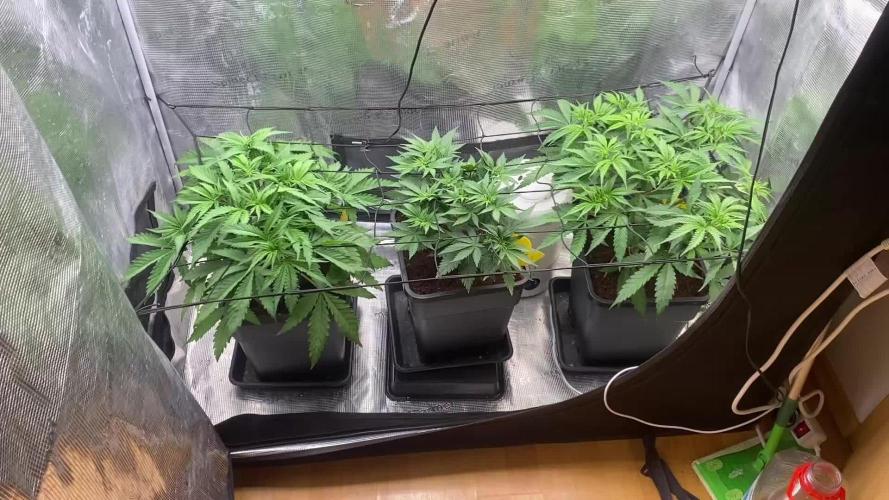
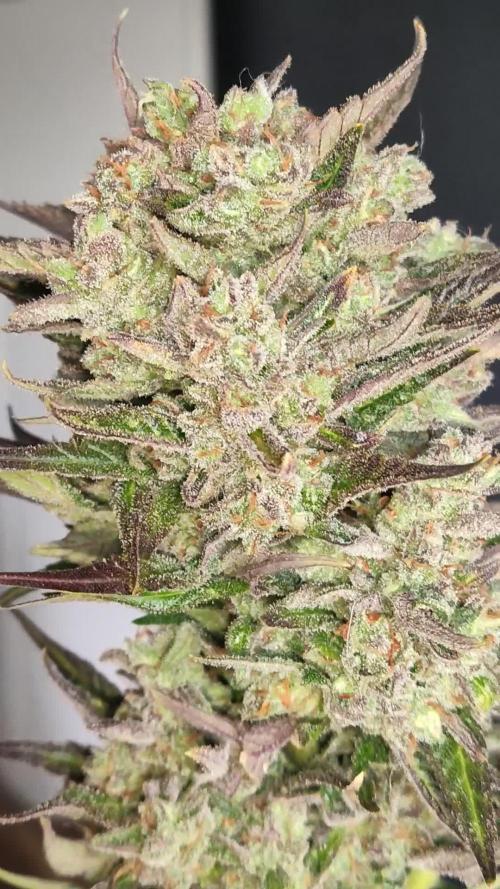
16/08/2024 Lights On! Mid-day! Looking very colourfull! 17/08/2024 Lights On! I think my 'plants' are turning gay as they mature! Being very colourfull! Mid-day check: Took some photos of all the colours 😍 👌 📸 "Daydream; I feel asleep amongst the flowers for a couple of hours on such a beautiful day!" 🎶 18/08/2024 Lights On! They're Sprouting new pistils! Going to just judge harvest by what the trichcomes are saying because the buds are still growing! Might be able to push to week 10- Night time before sleep check! #Night time before sleep check video! video! 19/08/2024 Lights On! All is swell! I've inserted colour coding within all my diaries of/for prior events vier the title for predictions. I planted On the 1st. Pablo Pisasso X The Future X Monkey Slapz The Future = Yellow/Green {Warning!) Bubblegum GPP = Blue {Blue Lipz) Monkey Slapz = Yellow {Yellow Fever) SlaPped with a diagnosis of proxy! Red - Pablo Picasso = Red {Alert! Dangerous Art Show of Chemicals) 20/08/2024 Lights On! I can see some more colours coming through on Peyote Wifi CBD 2:1 Overall; the colours seem more vibrant this evening! 20/08/2024 Mid-day: Early try cut; just over 1'ounce wet. "Mind I have been smoking the leaves and the very very early buds underneath, I kept a few branches I could nibble at as I wait! Smoking leaves and very early buds, doesn't get you stoned in that way! But it's very spacey feeling with no buzz! Defdo gets rid of anxiety smoking the leaves alone! FHC is one of my best I've grown in euphoric-wise highs". 21/08/2024 Lights On! PB is sprouting new pistils and still phattening up! I've dimmed light to 333watts21/08/2024 Lights On! PB is sprouting new pistils and still phattening up! I've dimmed light to 333watts for the last two weeks; unless they ask and show they csn handle more! They need a rest to mature a little! 21/08/2024 Lights Off! You can Zoom right into the trichcomes and see that they're all mostly cloudly and clear! 75%25% - I would like about 15-20% Amber 23/08/2024 Lights On! 23/08/2024 Some little FHC early nugs to try! Very colourfull! 23/08/2024 Little early nugs to try!
Likes
119
Share
💩Holy Crap Growmies We Are Back💩 Well after another short break we are back at it 😁 So what do you say we have some fun 👈 We got us the Strawberry Pie from FASTBUDS 😛 Alrighty growmies we are 7 days in and everything is going great👌 Lights being readjusted and chart updated .........👍rain water to be used entire growth👈 👉I used NutriNPK for nutrients for my grows and welcome anyone to give them a try .👈 👉 www.nutrinpk.com 👈 NutriNPK Cal MAG 14-0-14 NutriNPK Grow 28-14-14 NutriNPK Bloom 8-20-30 NutriNPK Bloom Booster 0-52-34 I GOT MULTIPLE DIARIES ON THE GO 😱 please check them out 😎 👉THANKS FOR TAKING THE TIME TO GO OVER MY DIARIES 👈
Likes
Comments
Share
@soil2bud
Follow
These ladies have just taken off and doing what they must... I started the BioBloom feeding today and did a very light defoliation
Likes
2
Share
@TEKNOGROW
Follow
CONTEST TEKNOGROW BIG BUDDHA SEEDS BUDDHA TAHOE GROWER GIOVANNI
Likes
1
Share
@Organic_G
Follow
Erste Blütewoche ist durch, ist genug Platz nach oben, Nachschub ist schon bald wieder am Start auch wenn ich noch mehr als genug übrig habe
Likes
3
Share
Likes
72
Share
@Natrona
Follow
Fractal was harvested on Sept 12. Due to extended period of high temperatures and humidity with more rain expected every day following another hurricane. The other gals were showing disease. That was the determining factor to chop all outside girls down. Fractal hung in the dark for 2 days. Because her grow family experienced bud rot and wilt, she was examined carefully for any disease. She was disease free. Fractal had a long vegetative phase. Probably too long since I started my outside grow in April so they would be hardened off before I went on vacay in May. Three months of veg caused massive vegetative growth. The various breeder notes on photo period seeds indicate late September or October harvest. So that was in the back of my mind during this grow. 👉 Note for next year start seeds later in spring. 👉 Plan start date based on counting back from the vernal equinox. 👉 Based on such a long growing season, Autos may be preferable to finish quickly and not have extended vegetation phase before flower. Thank you @DivineSeeds for the opportunity to grow your exotic strains and participate in your contest. I will definitely grow fractal again.
Likes
6
Share
In week 8 iv come to the sad realization that nearly all of the plants are at different stages of development. Dispite all the seeds being germinated at the same time. So iv had to take them off the wilma systems and am feeding them manually and there all on different diets. Which is an absolute headache especially as there is 16 plants to tend too. I think iv bit off abit more than I can chew for my first grow I maybe should have started with a couple of plants. I think the large wilma setups are designed for clones really so you know they are all going to progress and eat the same amount at once. It's not for autos . There all looking healthy though:)
Likes
32
Share
🍼Greenhouse Feeding BioGrow & BioBloom ⛺️MARSHYDRO The ⛺️ has a small door 🚪 on the sides which is useful for mid section groom room work. 🤩 ☀️ by VIPARSPECTRA (models: P2000 & XS 2000) 🌱 DUTCH HEADSHOP SEEDS: www.dutch-headshop.eu www.dutch-headshop.nl ONE STOP SHOP . 100% germination success on first try! with HUGE seed selection! . Very friendly customer service . Best bio-seed packaging . Sells other products @ best prices: . Nutrients . Vaporizers . Smoking accessories (grinders, cones) . CBD Tinctures . Resin Extracts . Boveda humidity packs . Ziplock bags . Other health supplements such as: . Lion’s Mane Organic Capsules . Hemp Seed coffee
Likes
4
Share
Ya tenemos una semana de floración y vemos cómo la planta comienza a mostrarnos el desarrollo de la flor con sus primeros pistilos espero seguir viendo el desarrollo de esta planta y documentarlo perfectamente 🙏🙏
Processing
Likes
34
Share
@Damonkey
Follow
So, starting the 6th week of flower with the phantom OG. BIg Bud has been stopped and has passed over the baton to Bloombastic for the last two weeks(ish) before flush. The POG. Are looking nice hopefully the next 3 or 4 weeks will get them looking a bit better than that.😍😍😍 The smell is awesome very fresh and clean, one leaning towards a minty aroma.
Processing
Likes
22
Share
Esta semana fue generalmente bien, salvo por los intentos de supercropping (primer intento) en 5 apicales de los cuales 3 de ellos estan bien, me imagino el supercropping funciono bien, salvo en la de la Royal Gorilla que siento que la doble mucho que casi se rompe, pero no le paso nada menos mal jajaja. La dosificacion nutritiva fue la misma de la semana pasada agregando 1 ml de top max junto con el riego de biobloom. Hasta el momento todo bien. Saludos!!
Likes
25
Share
ANTHOCYANIN production is primarily controlled by the Cryptochrome (CR1) Photoreceptor ( !! UV and Blue Spectrums are primary drivers in the production of the pigment that replaces chlorophyll, isn't that awesome! 1. Diverse photoreceptors in plants Many civilizations, including the sun god of ancient Egypt, thought that the blessings of sunlight were the source of life. In fact, the survival of all life, including humans, is supported by the photosynthesis of plants that capture solar energy. Plants that perform photosynthesis have no means of transportation except for some algae. Therefore, it is necessary to monitor various changes in the external environment and respond appropriately to the place to survive. Among various environmental information, light is especially important information for plants that perform photosynthesis. In the process of evolution, plants acquired phytochrome, which mainly receives light in the red light region, and multiple blue light receptors, including his hytropin and phototropin, in order to sense the light environment. .. In addition to these, an ultraviolet light receptor named UVR8 was recently discovered. The latest image of the molecular structure and function of these various plant photoreceptors (Fig. 1), focusing on phytochrome and phototropin. Figure 1 Ultraviolet-visible absorption spectra of phytochrome, cryptochrome, phototropin, and UVR8. The dashed line represents each bioactive absorption spectrum. 2. Phytochrome; red-far red photoreversible molecular switch What is phytochrome? Phytochrome is a photochromic photoreceptor, and has two absorption types, a red light absorption type Pr (absorption maximum wavelength of about 665 nm) and a far-red light absorption type Pfr (730 nm). Reversible light conversion between the two by red light and far-red light, respectively(Fig. 1A, solid line and broken line). In general, Pfr is the active form that causes a physiological response. With some exceptions, phytochrome can be said to function as a photoreversible molecular switch. The background of the discovery is as follows. There are some types of plants that require light for germination (light seed germination). From that study, it was found that germination was induced by red light, the effect was inhibited by subsequent far-red light irradiation, and this could be repeated, and the existence of photoreceptors that reversibly photoconvert was predicted. In 1959, its existence was confirmed by the absorption spectrum measurement of the yellow sprout tissue, and it was named phytochrome. Why does the plant have a sensor to distinguish between such red light and far-red light? There is no big difference between the red and far-red light regions in the open-field spectrum of sunlight, but the proportion of red light is greatly reduced due to the absorption of chloroplasts in the shade of plants. Similar changes in light quality occur in the evening sunlight. Plants perceive this difference in light quality as the ratio of Pr and Pfr, recognize the light environment, and respond to it. Subsequent studies have revealed that it is responsible for various photomorphogenic reactions such as photoperiodic flowering induction, shade repellent, and deyellowing (greening). Furthermore, with the introduction of the model plant Arabidopsis thaliana (At) and the development of molecular biological analysis methods, research has progressed dramatically, and his five types of phytochromes (phyA-E) are present in Arabidopsis thaliana. all right. With the progress of the genome project, Fi’s tochrome-like photoreceptors were found in cyanobacteria, a photosynthetic prokaryotes other than plants. Furthermore, in non-photosynthetic bacteria, a homologue molecule called bacteriophytochrome photoreceptor (BphP) was found in Pseudomonas aeruginosa (Pa) and radiation-resistant bacteria (Deinococcus radiodurans, Dr). Domain structure of phytochrome molecule Phytochrome molecule can be roughly divided into N-terminal side and C-terminal side region. PAS (Per / Arndt / Sim: blue), GAF (cGMP phosphodiesterase / adenylyl cyclase / FhlA: green), PHY (phyto-chrome: purple) 3 in the N-terminal region of plant phytochrome (Fig. 2A) There are two domains and an N-terminal extension region (NTE: dark blue), and phytochromobilin (PΦB), which is one of the ring-opening tetrapyrroles, is thioether-bonded to the system stored in GAF as a chromophore. ing. PAS is a domain involved in the interaction between signal transduction-related proteins, and PHY is a phytochrome-specific domain. There are two PASs and her histidine kinase-related (HKR) domain (red) in the C-terminal region, but the histidine essential for kinase activity is not conserved. 3. Phototropin; photosynthetic efficiency optimized blue light receptor What is phototropin? Charles Darwin, who is famous for his theory of evolution, wrote in his book “The power of move-ment in plants” published in 1882 that plants bend toward blue light. Approximately 100 years later, the protein nph1 (nonphoto-tropic hypocotyl 1) encoded by one of the causative genes of Arabidopsis mutants causing phototropic abnormalities was identified as a blue photoreceptor. Later, another isotype npl1 was found and renamed phototropin 1 (phot1) and 2 (phot2), respectively. In addition to phototropism, phototropin is damaged by chloroplast photolocalization (chloroplasts move through the epidermal cells of the leaves and gather on the cell surface under appropriate light intensity for photosynthesis. As a photoreceptor for reactions such as escaping to the side of cells under dangerous strong light) and stomata (reactions that open stomata to optimize the uptake of carbon dioxide, which is the rate-determining process of photosynthetic reactions). It became clear that it worked. In this way, phototropin can be said to be a blue light receptor responsible for optimizing photosynthetic efficiency. Domain structure and LOV photoreaction of phototropin molecule Phototropin molecule has two photoreceptive domains (LOV1 and LOV2) called LOV (Light-Oxygen-Voltage sensing) on the N-terminal side, and serine / on the C-terminal side. It is a protein kinase that forms threonine kinase (STK) (Fig. 4Aa) and whose activity is regulated by light. LOV is one molecule as a chromophore, he binds FMN (flavin mononucleotide) non-covalently. The LOV forms an α/βfold, and the FMN is located on a β-sheet consisting of five antiparallel β-strands (Fig. 4B). The FMN in the ground state LOV shows the absorption spectrum of a typical oxidized flavin protein with a triplet oscillation structure and an absorption maximum wavelength of 450 nm, and is called D450 (Fig. 1C and Fig. 4E). After being excited to the singlet excited state by blue light, the FMN shifts to the triplet excited state (L660t *) due to intersystem crossing, and then the C4 (Fig. 4C) of the isoaroxazine ring of the FMN is conserved in the vicinity. It forms a transient accretionary prism with the tain (red part in Fig. 4B Eα) (S390I). When this cysteine is replaced with alanine (C / A substitution), the addition reaction does not occur. The effect of adduct formation propagates to the protein moiety, causing kinase activation (S390II). After that, the formed cysteine-flavin adduct spontaneously dissociates and returns to the original D450 (Fig. 4E, dark regression reaction). Phototropin kinase activity control mechanism by LOV2 Why does phototropin have two LOVs? Atphot1 was found as a protein that is rapidly autophosphorylated when irradiated with blue light. The effect of the above C / A substitution on this self-phosphorylation reaction and phototropism was investigated, and LOV2 is the main photomolecular switch in both self-phosphorylation and phototropism. It turns out that it functions as. After that, from experiments using artificial substrates, STK has a constitutive activity, LOV2 functions as an inhibitory domain of this activity, and the inhibition is eliminated by photoreaction, while LOV1 is kinase light. It was shown to modify the photosensitivity of the activation reaction. In addition to this, LOV1 was found to act as a dimerization site from the crystal structure and his SAXS. What kind of molecular mechanism does LOV2 use to photoregulate kinase activity? The following two modules play important roles in this intramolecular signal transduction. Figure 4 (A) Domain structure of LOV photoreceptors. a: Phototropin b: Neochrome c: FKF1 family protein d: Aureochrome (B) Crystal structure of auto barley phot1 LOV2. (C) Structure of FMN isoaroxazine ring. (D) Schematic diagram of the functional domain and module of Arabidopsis thaliana phot1. L, A’α, and Jα represent linker, A’α helix, and Jα helix, respectively. (E) LOV photoreaction. (F) Molecular structure model (mesh) of the LOV2-STK sample (black line) containing A’α of phot2 obtained based on SAXS under dark (top) and under bright (bottom). The yellow, red, and green space-filled models represent the crystal structures of LOV2-Jα, protein kinase A N-lobe, and C-robe, respectively, and black represents FMN. See the text for details. 1) Jα. LOV2 C of oat phot1-to α immediately after the terminus Rix (Jα) is present (Fig. 4D), which interacts with the β-sheet (Fig. 4B) that forms the FMN-bound scaffold of LOV2 in the dark, but unfolds and dissociates from the β-sheet with photoreaction. It was shown by NMR that it does. According to the crystal structure of LOV2-Jα, this Jα is located on the back surface of the β sheet and mainly has a hydrophobic interaction. The formation of S390II causes twisting of the isoaroxazine ring and protonation of N5 (Fig. 4C). As a result, the glutamine side chain present on his Iβ strand (Fig. 4B) in the β-sheet rotates to form a hydrogen bond with this protonated N5. Jα interacts with this his Iβ strand, and these changes are thought to cause the unfold-ing of Jα and dissociation from the β-sheet described above. Experiments such as amino acid substitution of Iβ strands revealed that kinases exhibit constitutive activity when this interaction is eliminated, and that Jα plays an important role in photoactivation of kinases. 2) A’α / Aβ gap. Recently, several results have been reported showing the involvement of amino acids near the A’α helix (Fig. 4D) located upstream of the N-terminal of LOV2 in kinase photoactivation. Therefore, he investigated the role of this A’α and its neighboring amino acids in kinase photoactivation, photoreaction, and Jα structural change for Atphot1. The LOV2-STK polypeptide (Fig. 4D, underlined in black) was used as a photocontrollable kinase for kinase activity analysis. As a result, it was found that the photoactivation of the kinase was abolished when amino acid substitution was introduced into the A’α / Aβ gap between A’α and Aβ of the LOV2 core. Interestingly, he had no effect on the structural changes in Jα examined on the peptide map due to the photoreaction of LOV2 or trypsin degradation. Therefore, the A’α / Aβ gap is considered to play an important role in intramolecular signal transduction after Jα. Structural changes detected by SAXS Structural changes of Jα have been detected by various biophysical methods other than NMR, but structural information on samples including up to STK is reported only by his results to his SAXS. Not. The SAXS measurement of the Atphot2 LOV2-STK polypeptide showed that the radius of inertia increased from 32.4 Å to 34.8 Å, and the molecular model (Fig. 4F) obtained by the ab initio modeling software GASBOR is that of LOV2 and STK. It was shown that the N lobes and C lobes lined up in tandem, and the relative position of LOV2 with respect to STK shifted by about 13 Å under light irradiation. The difference in the molecular model between the two is considered to reflect the structural changes that occur in the Jα and A’α / Aβ gaps mentioned above. Two phototropins with different photosensitivity In the phototropic reaction of Arabidopsis Arabidopsis, Arabidopsis responds to a very wide range of light intensities from 10–4 to 102 μmol photon / sec / m2. At that time, phot1 functions as an optical sensor in a wide range from low light to strong light, while phot2 reacts with light stronger than 1 μmol photon / sec / m2. What is the origin of these differences? As is well known, animal photoreceptors have a high photosensitivity due to the abundance of rhodopsin and the presence of biochemical amplification mechanisms. The exact abundance of phot1 and phot2 in vivo is unknown, but interesting results have been obtained in terms of amplification. The light intensity dependence of the photoactivation of the LOV2-STK polypeptide used in the above kinase analysis was investigated. It was found that phot1 was about 10 times more photosensitive than phot2. On the other hand, when the photochemical reactions of both were examined, it was found that the rate of the dark return reaction of phot1 was about 10 times slower than that of phot2. This result indicates that the longer the lifetime of S390II, which is in the kinase-activated state, the higher the photosensitivity of kinase activation. This correlation was further confirmed by extending the lifespan of her S390II with amino acid substitutions. This alone cannot explain the widespread differences in photosensitivity between phot1 and phot2, but it may explain some of them. Furthermore, it is necessary to investigate in detail protein modifications such as phosphorylation and the effects of phot interacting factors on photosensitivity. Other LOV photoreceptors Among fern plants and green algae, phytochrome ɾphotosensory module (PSM) on the N-terminal side and chimera photoreceptor with full-length phototropin on the C-terminal side, neochrome (Fig. There are types with 4Ab). It has been reported that some neochromes play a role in chloroplast photolocalization as a red light receiver. It is considered that fern plants have such a chimera photoreceptor in order to survive in a habitat such as undergrowth in a jungle where only red light reaches. In addition to this, plants have only one LOV domain, and three proteins involved in the degradation of photomorphogenesis-related proteins, FKF1 (Flavin-binding, Kelch repeat, F-box 1, ZTL (ZEITLUPE)), LKP2 ( There are LOV Kelch Protein2) (Fig. 4Ac) and aureochrome (Fig. 4Ad), which has a bZip domain on the N-terminal side of LOV and functions as a gene transcription factor. 4. Cryptochrome and UVR8 Cryptochrome is one of the blue photoreceptors and forms a superfamily with the DNA photoreceptor photolyase. It has FAD (flavin adenine dinucle-otide) as a chromophore and tetrahydrofolic acid, which is a condensing pigment. The ground state of FAD is considered to be the oxidized type, and the radical type (broken line in Fig. 1B) generated by blue light irradiation is considered to be the signaling state. The radical type also absorbs in the green to orange light region, and may widen the wavelength region of the plant morphogenesis reaction spectrum. Cryptochrome uses blue light to control physiological functions similar to phytochrome. It was identified as a photoreceptor from one of the causative genes of UVR8 Arabidopsis thaliana, and the chromophore is absorbed in the UVB region by a Trp triad consisting of three tryptophans (Fig. 1D). It is involved in the biosynthesis of flavonoids and anthocyanins that function as UV scavengers in plants. Conclusion It is thought that plants have acquired various photoreceptors necessary for their survival during a long evolutionary process. The photoreceptors that cover the existing far-red light to UVB mentioned here are considered to be some of them. More and more diverse photoreceptor genes are conserved in cyanobacteria and marine plankton. By examining these, it is thought that the understanding of plant photoreceptors will be further deepened.
Likes
16
Share
@Mo_Powers
Follow
we have the first week of flowering behind us. the plant looks healthy, but is growing very slowly. unfortunately the german summer is a long time coming. we sometimes only have 8 degrees at night and not much sunshine.
Likes
1
Share
They've doubled in size again. I might end up having to take them out of the tent if they keep stretching like this 😆. All in all very happy with these free seeds. They look like they're going into preflower so hopefully the up growth will be done.
Likes
7
Share
Likes
57
Share
@nonick123
Follow
Día 69 (01/07) Riego con 1,25 Litro H2O + Regulator 0,15 ml/l + K-Boost 1 ml/l + CaMg-Boost 0,3 ml/I + TopBooster 0,3 ml/l - pH 6.2 Día 70 (02/07) Riego con 1 Litro H2O + Regulator 0,15 ml/l + K-Boost 1 ml/l + CaMg-Boost 0,3 ml/I + TopBooster 0,3 ml/l - pH 6.2 Día 71 (03/07) Riego con 1 Litro H2O + Regulator 0,15 ml/l + K-Boost 1 ml/l + CaMg-Boost 0,3 ml/I + TopBooster 0,3 ml/l - pH 6.2 Día 72 (04/07) Riego con 1 Litro H2O + Regulator 0,15 ml/l + K-Boost 1 ml/l + CaMg-Boost 0,3 ml/I + TopBooster 0,3 ml/l - pH 6.2 Está acelerando muy rápido la senescencia de las hojas a pesar de que sus cogollos no están maduros (revisión de tricomas con microscopio) También se nota que está llegando al final porque ha reducido ligeramente el consumo de agua a pesar de las altas temperaturas (32 ºC en las horas centrales del día) Día 73 (05/07) Riego con 1 Litro H2O + Regulator 0,15 ml/l + K-Boost 1 ml/l + CaMg-Boost 0,3 ml/I + TopBooster 0,3 ml/l - pH 6.2 Día 74 (06/07) Riego con 1 Litro H2O + Regulator 0,15 ml/l + K-Boost 1 ml/l + CaMg-Boost 0,3 ml/I + TopBooster 0,3 ml/l - pH 6.2 Reviso los tricomas y aún no está lista. A pesar de que que muestra senescencia en las hojas, los tricomas están en su mayoría trasparentes Día 75 (07/07) Riego con 1 Litro H2O + Regulator 0,15 ml/l + K-Boost 1 ml/l + CaMg-Boost 0,3 ml/I + TopBooster 0,3 ml/l - pH 6.2 💦Nutrients by Aptus Holland - www.aptus-holland.com 🌱Substrate PRO-MIX HP BACILLUS + MYCORRHIZAE - www.pthorticulture.com/en/products/pro-mix-hp-biostimulant-plus-mycorrhizae
Likes
3
Share
@Skuuuunk
Follow
Germinated 10/06 Defoliated pretty heavily a few days before the pictures. Have lights cranked up to 8 now. Turned down chiller 2 degrees and humidity down 5%. Changed feeding ratios to 1-1-1 for “Flora Trio”. Quit using Flora Micro and switched to my own blend (see photo). Now using 3 different solutions, Miller Microplex, Calcium / Potassium Nitrate, Ammonium Sulfate. Still same target ppm as FloraMicro, just can’t mix sulfates with Calcium Nitrate so I dose Ammonium Sulfate into my res first and then wait 15 minutes.
Likes
1
Share
@coriander
Follow
Christmas gifts that get you stoned are the best gifts in my opinion, so our kitchen gets crazy around this time of year. This stuff turned out real nice. Two pounds, running at about 45mg/tsp. It's not the wildest, but it's perfect for winter hibernation! It's going to be a cozy winter up here in the north. MERRY CHRISTMAS, and may all of your gifts also get you stoned. 🎅🥦
Likes
21
Share
@Siriuz
Follow
Week 5 Day 29 We started this week feeding them with floranova bloom fed her 7.5ml/1gal to begin flowering season!!! Day 30 Spent the whole morning outdoors until 2.00pm then put them on CFL lights Day 31st She's looking awesome but I just noticed some scratches on her main stem, wondering if I did them accidentally while performing LST, NOT SURE What are your thoughts? Thanks for the support We gonna keep updating daily guys Day 32 Amnesia showed her first white hairs today! We gave them 200ml of water to each one early morning and then tool them outside for the whole day until 3pm Day 33 We decided to give her more nutes since she's doing so well and absorbing them very fast, added 5ml more of Flora Nova bloom like 1450ppm on the first week of flowering, transition stage Day 34 She woke up looking awesome More tiny white hairs coming up We are so excited She's also staring to smell a lil Still weak smell tho But something tells me she's going to Fill the whole room with odor We will see how it goes Come back and heck out later We will continue to update daily Day 35 Looking super good and healthy and almost the end of week 5 Day 36 We start Week 6 @ 6.00pm