


Likes
Comments
Share


@InsideAz
Follow
Make sure to check out the videos!
Not much growin on this week just watering and letting them grow.
No smell yet
Increasing light to 80%
Nutrients in previous week and next week
Sunday morning video 10/6

Likes
2
Share


@Mr_nugs_lover_David
Follow
The nuggets are very sticky and compact, they are frosty as hell and the aroma is very strong already. I loved this strain. She's such an amazing autoflowering strain. Very powerful.

Likes
9
Share

@paetel
Follow
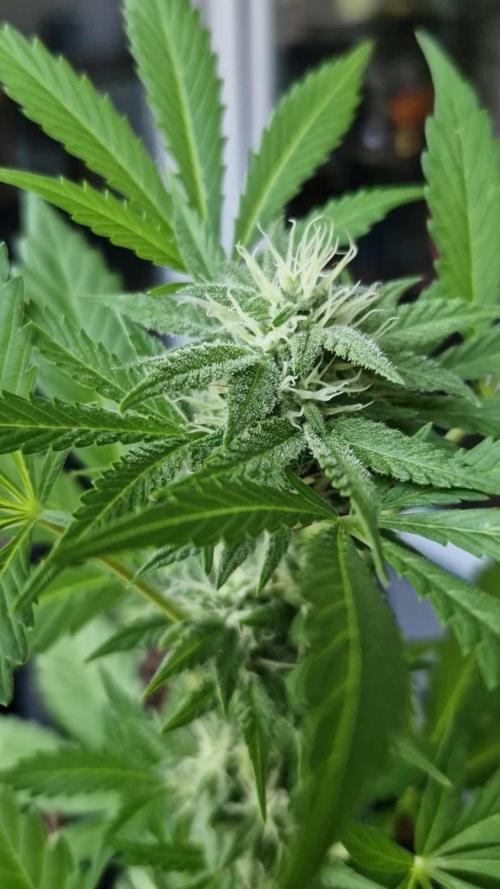
Nothing major to report, weather is still relatively cold and humid for july. Double Grape might be ready in 1 - 2 weeks, I included some macro shots. Let me know what you think.


Likes
13
Share


@DansHampf
Follow
Evertyhing looks fine.
A lot of small buds - let´s see how they will develop.

Processing
Likes
82
Share


@ClubRiot
Follow
Start week 5 , Bio Grow 2 ml/L + Sensi Cal-Mag Xtra 2 ml/L + Alg-A-Mic 2 ml/L + CarboLoad 2 ml/L + Bio-Heaven 2 ml/L + Bio-Bloom 1 ml/L ( Ph 6.5).

Likes
19
Share


@LittleBigTrees
Follow
All stretching at different rates so the canopy is all over the place , blue og smells like kalimist!
All really hungry at the moment and feeding well


Likes
5
Share

@Mosquito_Haarlem
Follow
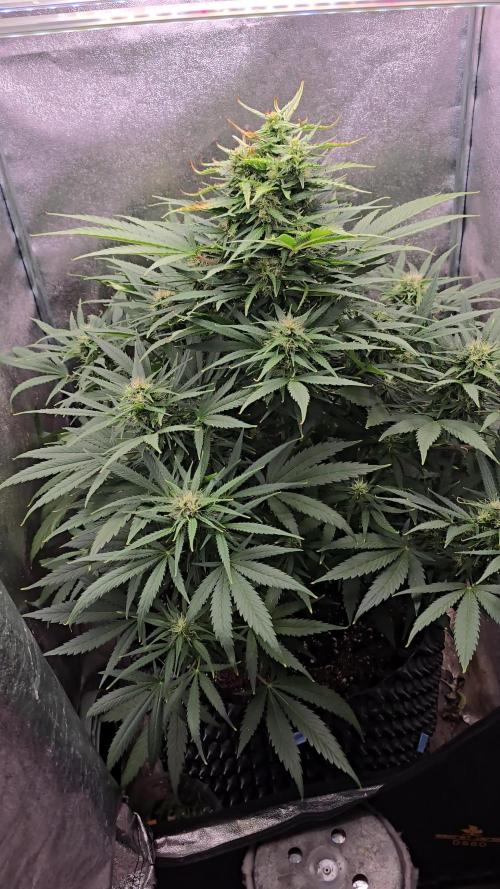
Dit was een zeer positieve week waarin de toppen flink zijn opgepompt.
Ze ziet er prachtig uit.
Ik zal haar nog enkele dagen nutriënten meegeven voordat ik overstap naar alleen water met flawless finish.
Dit zal de smaak ten goede komen omdat de grond word schoongespoeld van mineralen.
Laten we kijken hoe ze zich verder ontwikkeld, ze is echt supersnel.

Likes
7
Share


@greenvibez
Follow
Bueno chavales aquí os dejo a mis tres péqueñas ! Estamos a mediados de floriacion ! Estoy añadiendo las dos semanas aquí ya que no ha cambiado casi nada , hemos hecho un riego de base de floración a 2ml por litro ! La verdad que estamos muy contentos con los avances sobretodo de la runtz , su olor es espectacular comparadas a las otras y mira que es la más pequeña ! Sinceramente tal y como avanzan en la floración os recomiendo estas pedazo de semillas

Likes
20
Share


@420DeepGrow
Follow
Gracias al equipo de MSNL y XpertNutrients sin ellos esto no sería posible.
💐🍁 Forbidden Fruit Auto:
Forbidden Fruit Autoflower, llamada así por sus deliciosos sabores, es un cruce entre Cherry Pie, Tangie y Siberian Ruderalis. Esta variedad ofrece efectos estimulantes y relajantes con un sabor afrutado, cítrico y a pino. Ideal para quienes buscan un dulce escape.
🚀🌻 Consigue aqui tus semillas:
💡TS-3000 + TS-1000: se usaran dos de las lámparas de la serie TS de Marshydro, para cubrir todas las necesidades de las plantas durante el ciclo de cultivo, uso las dos lámparas en floracion para llegar a toda la carpa de 1.50 x 1.50 x 1.80.
https://marshydro.eu/products/mars-hydro-ts-3000-led-grow-light/
🏠 : Marshydro 1.50 x 1.50 x 1.80, carpa 100% estanca con ventanas laterales para llegar a todos los lugares durante el grow
https://marshydro.eu/products/diy-150x150x200cm-grow-tent-kit
🌬️💨 Marshydro 6inch + filtro carbon para evitar olores indeseables.
https://marshydro.eu/products/ifresh-smart-6inch-filter-kits/
💻 Trolmaster Tent-X TCS-1 como controlador de luz, optimiza tu cultivo con la última tecnología del mercado, desde donde puedes controlar todos los parametros.
https://www.trolmaster.com/Products/Details/TCS-1
📆 Semana 2:
Fantástica semana, estan creciendo de una forma espectacular gracias a la ayuda de @marshydro, @xpertnutrients y @trolmaster.
Se puede apreciar un tercer nudo aunque la aplicación de cola de caballo y el estar en una maceta pequeña ha influido en el tamaño de ella, se recupera muy rápido 😁.
Esta semana se ha puesto en la maceta definitiva y se traslada a su lugar definitivo 😎
Potencia de la lámpara: 50%


Likes
10
Share


@HideAndFly420
Follow
Day 43 this orange is running absolutely faster than the last I did. Every day flowers are getting bigggers and resin is awful to be at 42 days.
I’m really loving aptus product, but I really can’t ell what’s is pushing her so fast.
Behind, in the video, you can see another auto is a strawberry banana and germinated with just 24 h difference but is starting just now to get into flowering, same soil ‘, same feeding..
incredible
Let’s see what s happen

Likes
1
Share


@crudblowersanonymous
Follow
Plants began showing pre-flowers this week, officially the start of flowering.

Likes
13
Share


@Crazy_Doofus
Follow
She is taking her time, trichomes not ready. She has long thin formed bud/flower growth, long thin buds
Likes
Comments
Share


@OrganicBuds030
Follow
Forbidos wächst klein und buschig, eigentlich genau was ich suche. Bin gespannt ob sie das Topping genauso gut wie Jelly Breath annehmen werden.

Likes
45
Share


@masterofsmeagol
Follow
6/12 Thunderstorms turned to sun
Plants are growing substantially. The ones that were damaged from the sun have pulled out of it. I checked the fim I did on a gmo that later burned and it has five tops! I took a couple videos bur I'll have to wait until tomorrow to upload them. Despite the weather severity and inconsistencies I'm in a really good spot. I'll upload the two videos tomorrow when I'm in a better area. Wifi is far to slow.
6/13 Rained yesterday before turning to hot sun. Supposed to be in the 90s today. Due to the rain and storms we've been having I hacebt had to water. Soil is still moist. Plants seem to be growing at a great pace. With all this rain they've gotten a hearty dose of the nutes in my soul mix and then when the sun comes out and they bask for a few hours they look considerable bigger. Another storm coming up but other than that weather is good. Plants are happy and doing well.
6/14 Plants are loving this hot weather. Rainy then it will clear up and be sunny. All plants have recovered from the shock of the weather and are growing like crazy. Ice started some lsting. I haven't even had to water.
6/15 Medium is still damp. I don't think we'll get much rain the next few days but we've gotten a lot lately. I'll continue playing it by ear. The water lasts much longer with the smaller plants in lather containers. Later in the summer I could be watering daily. If there is no rain I'll allow the bags to dry out and I'll water them. I may start them on a small nutrient schedule like the fox farm organic one you use for the entirety. I've hesitated though because my soil is chock full of nutrients and they show no sighs of deficiencies. I'll keep an eye on it. They look great though.
9/16 Watered after church. 3 1/2 gallons so approximately a half gallon each. Iys been really hot and i dont see rain in the forecast. Also broke the gmo that I fimmed right at a topping point. It wasnt wilted, and I ran and grabbed duct tape and fixed it. I've had good luck in the past this way. Hopfully I will this time as well. Still sucks though
9/17 The plant that split at the V that I taped up seems to be doing just fine. Looks just like the other top next to it. Thank God. Things seem to be going well. I'm wondering if I should start giving nutrients but I don't see any deficiencies and I know this soil mix lasts pretty much through veg without showing signs of deficiencies. I think it might be a case of "if it's not broke don't fix it." I'll look back on diaries and I'll do some research.
9/18 It's overcast but it's been in the upper 80's. I checked the plants around 11 and they looked good. They'll need water but I'm holding off until the morning. The plant I broke at the crook shows no signs of wilting or any negative effects. I assume it will come back stronger. I was thinking about watering tonight but at 12 there was still a little moisture. They will be fine until morning. Plants seem bigger every day.

Likes
21
Share


@ChitownCannaChica
Follow
One plant and 40.5 grams. Super drenched in trichomes. Dense, sticky, and cookie flavor! Amazing buds! They are completely white with trics
Processing
Likes
8
Share


@eldruida_lamota
Follow
Buenas noches fumetillas, de nuevo volvemos, y es que estas green ak xL se están poniendo increíbles, son bastante delicadas a los cambios de temperatura y a las variantes en los nutrientes , hay que ser muy estable y cuidar en los cambios climáticos, si se consigue salen unas flores enorme y llenas de tricomas.
Ph controlado, temperatura y humedad dentro de los parámetros correctos, 1 de los 2 ejemplares que quedan recibirá un lavado de raíces pronto, la otra seguiremos abonándola una o 2 semanas más. La próxima semana nos vemos familia.

Likes
7
Share


@Messypies
Follow
With the majority of trichomes now turned milky with some turning Amber, i have decided to begin a 10 day flush using nothing but ph balanced water. Doing a shorter than normal flush as the plants with deficiencies don't have much nutes to use up.





Likes
12
Share

@Borberad
Follow
Woche 8
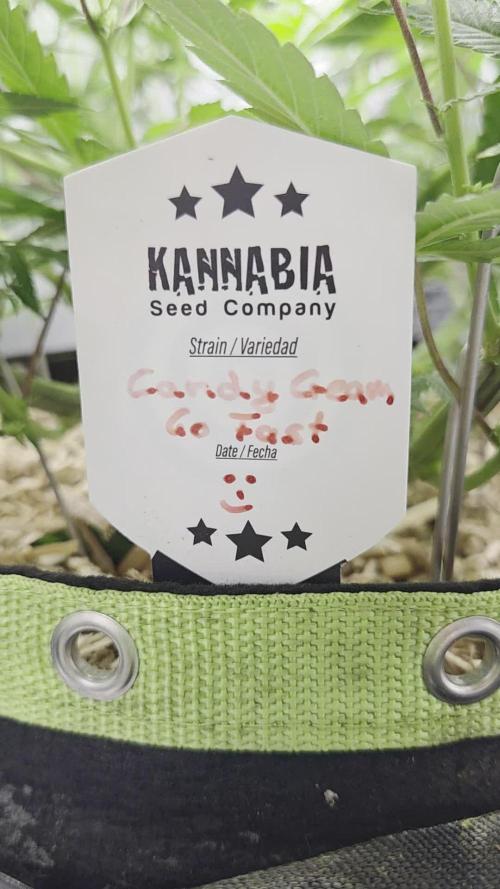
Sie ist wirklich fast. Das Blümchen streckt sich fröhlich, und die ersten Blüten haben sich bereits entwickelt. Beleuchtung weiterhin bei rund 36 DLI.

Likes
3
Share


@stephandjo
Follow
Sugar Bomb Punch
THC Bomb X (Critical Orange Punch x Bubba Island Kush).
Harvested on 63 th day of flowering.
A cool strain to grow from Dutch Passion 👍
4 on 4 on germination rate.
The 4 ladies were slightly different from each others but they gave some very cool buds !
The "black one" was a real beauty 😍