


Likes
Comments
Share


@NoProbation4Weed
Follow
all in all a good strain that stays small and compact. Taste is not my personal favourite but it grew without any complications.



Likes
1
Share


@Dendegrow
Follow
Good plant had haze mango terps was faster then the other ones i will try it again

Likes
14
Share


@RCUgrows
Follow
Plant is doing good started to stretch yesterday and lots of bud sites. High hopes for her.


Likes
5
Share


@Fefa128
Follow
Yes! It reversed, now it's going to self and create more feminized seeds, the selfed ones probably be like clones if the strain is stable enough, if not, it'll show 1-3 phenos in my experience.

Likes
14
Share


@Weedig_Weedigson
Follow
Es geht in Woche 4. So langsam nimmt man das Strawberry in dem Cookie wahr. 😊

Likes
22
Share


@Weedbadk
Follow
Día 1 y todas germinaron súper rápido 3 días
Día 5 desde puesta en sustrato
Ya todas están arriba
Estoy solo pulverizando el sustrato
Temperatura 23c humedad 75%

Likes
6
Share


@Growers4life
Follow
Steady healthy growth ive found no spidermites so far. Very chrystaline very beautiful. Very good recovery from spidermite damage so far.very exited to see how this goes. Red diesel smells very sweet and fruity other ones smell very strong but more earthy.
Likes
8
Share


@BigBaby420
Follow
Completely guessing at her actual height at this point because I tied her down and am planning to let her complete her grow like this. I’ve gotten my canopy pretty even. Also top dressed with a little natures organic this week.

Likes
9
Share

@Riseandshine
Follow
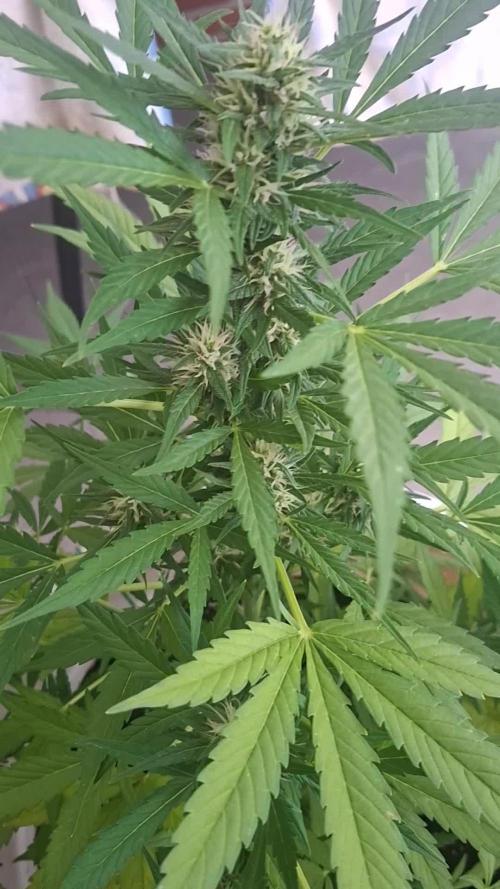
Dag 56 van mijn sweet child of mine😁
Hebben de pk en bloom voeding weeral prachtig verslonden van gisteren. 🤠🤠🌱🌱🌱🌱
Poesje stoei, poesje stoei, mijne canabis sta zwaar in bloei.🌲🌲🌲🌲🌳🌳🌳🌳😅
Het is gewoon prachtig en ontroerend om de gouden 4 zo te zien bloeien. Zeker om dit tafereel zo mogen te aanschouwen. Ik heb buiten wat, strijden met de luchtvochtigheid, geen problemen gekend tot nu toe.
Ik ben wel heel alert geweest voor regenbuien en hun verzorging. En opzoekwerk dat kan ook al tellen. Maar elke keer als ik naar hun hoofdtop kijk, was het telkens de moeite om er voor hun te zijn. 💋💘
Morgen komt mijne elektrische vochtvreter binnen en dan gaat die stress ook gelijk de deur uit.
Van die ventilators blijf ik snachts en overdag wel gebruik maken. Het is toch een extra buffer tegen die mottige schimmel en andere nest.
We blijven ze vertroetelen en ik hoop op een mooie week vrienden. 😁😎😎😎🌱🌱🌱🌱🌱🌱
Welkom in week 8 mijn lieve plantjes🤗?🤠😎🤓
Dag 57 van de swinging ladyyyys 😎🤓😎
Het ontbrekende lichtpuntje is gearriveerd in de kweek mensen.
Hij heeft gelijk de bijnaam GLOWI gekregen. Hij staat 90 min te draaien en boem we zitten op 52 procent luchtvochtigheid. 💥💢💯💥💢💯👌
114 euro en ze hebben nu een echte persoonlijke SENSI WATCHER. 😁
Daar heb ik dan snacht nog 2 ventilators bij staan en da begint er echt wel op te trekken. Dus mijn goeie raad, vecht niet tegen de natuur! Probeer er met samen te leven! Ook al kost u dat 114 euro. 😂😂😂
Maar het is allemaal een leuke belevenis.
Ik krijg ook veel aandacht van jullie hier en dat maakt mij en de 4 plantje echt wel trots en fier. Ik zaag den hele dag hier thuis er over. Ik hoop niet dat ze haar valies pakt op termijn jongens. 😂😂😂😂
Grapje, melleke is trots op haar alter ego in die pot tedju. 😁
Overdag staat er ook de hele dag onder de overkapping een ventilator bij. Die gaat geregeld op een andere stand wel met zwenkfunctie om een beetje de buitenwind na te bootsen. Ik heb den indruk dat ze dat waarderen. Maar da kan ook aan de weed liggen. Alee, we zijn weer rond voor vandaag mensen. Ik ken er eentje die deze nacht goed gaat slapen vrienden.😁😅😎
Dag 58 van mijn 4 schoonheden. 🤩🤩🤩
My woman#No cry😛😜🤪
Den glowi was het beste dat ons kon overkomen.
Trekt de vochtigheid constant naar de 45 in no time.
Alleen dat fucking appke nog geïnstalleerd krijgen op mijne gsm en ik kan ten alle tijden kijken hoe het zit met de procenten. 😅 Overbodige luxe, aangezien de glowi in de berging staat en mijn plantjes overdag buiten overdekt.😁
En snacht zaag ik bomen om. 😂😂😂😂
Maar tussen leuk om te hebben zeker. We moeten mee met den high teck. Mijn gat ja.😅😂😂😂
Tenzij dat het gaat over mijn plantjes. 🤭❤️
De dames hebben vandaag 1 liter water gekregen! (0.25 voordrink. 0.75 achterna 30 min later.
Lauw water en zuiver).
Ze bloeien mooi en als ik al die witte haartjes zo zie steken, zou ik toch graag over hun kopke wrijven.😊
Maar handjes thuis ouwe. 😁
Hooguit is strelen😊
Hun potten staan ook versierd klaar sinds zondag. Iedereen heeft zijn eigen pot versiert voor ieders eigen weed en ice hasj. Later meer hierover.
Maar serieus gasten die gade nie zien komen hebben. Deze jongen gaat smullen😁?😎
dag 59 van mijn prijsduiven?😁
ik zie hun mooie toppen goed zwellen en steeds minder afstand houden van mekaar op hun internodes. (jawel, ik weet ondertussen wat da wil zeggen vrienden😅😂😂😂😂).
ik hoop dat die de volgende weeken idd dan goed blijven zwellen. Want ik heb oprecht geen flauw idee, wat ik ga mogen verwachten van opbrengst in gram of laat staan wat er nog allemaal gaat veranderen de volgende weken. De tijd zal het me leren. Hun bloeihaartjes steken nog fier naar de zon en zien nog zeer wit.
Dus ze moeten nog efkes en ook zwellen hoop ik. Ik zet ze ook al om 6.30 buiten onder de overkapping.
Nog steeds op een tafel en met de ventilator op. En de Glowi? das echt een lichtpunt. ❤️🔥❤️🔥❤️🔥❤️🔥
Dag 60 van de shining dames. 😁😎😎
Het weer is zeer wisselvallig, maar we halen wel de 23 graden. Gelukkig heb ik die overkapping hier, maar de blazer swingt de hele dag. 🌗🌛🌞
En snacht ook, maar met hulp van onze glowi. 🚑🚑
Snacht koelt het af tot 16 graden, maar een luchtvochtigheid van 90 procent! Das de moeite, maar we proberen de controle te houden. 🤲🤝👊💪
Ze hadden hun liter zuiver water van woensdag verteerd, dus vandaag die dosis voeding gegeven.
Staan nu terug binnen trouwens.
Verder ga ik ze vanaf zondag zwaar de haartjes beginnen inspecteren, zodat ik tijdig begin met spoelen. Te tijd vliegt en ik weet niet wat ik mag verwachten ivm mijn oogst! Dju toch, dit is spannend, die laatste weken.🎰✨️🎊😁
Dag 61 van mijn dierbaren.💗💓💞
Ik heb deze week een badkamer getegelt, wat er voor zorgde dat ik alleen maar in de morgend ennin de avond mijn dames kon vertroetelen. Heel veel dank aan het vrouwke om dat zij de verzorging op haar heeft genomen. ❤️❤️❤️❤️❤️❤️☘️☘️🍀🍀🍀
De voeding van vrijdag heeft vooral zjan een serieuse boost gegeven want haar internodes zijn als een gek aan het dicht groeien. Zondag ga ik ze allemaal zwaar inspecteren, want gaadkloempke en melleke zijn al redelijk aan het bruinig/oranje aan het worden. 😁👊🤝 Da wil zeggen dat ik bij hun misschien moet stoppen met voeden en hun alleen nog zuiver water moet schenken!😁💗💗💗
Morgen meer......🌞🌞🌞🌞🌞🌞😎
Rise and shine😎🤪🌱🌱🌱
Likes
4
Share


@TheSurfBud
Follow
Zkitzz Auto has impressed me.
Massive chucks of solid dense bud rich in trichomes. Coke can size main colas and all side branches not far behind in size.. brilliant grow of top quality looking herb..
Can wait for the smoke test..
Happy growing friends 🇦🇺🇦🇺🇦🇺


Processing
Likes
24
Share


@GrowGuy97
Follow
HUGE shoutout to Paul at New420GuySeeds for sending me these new 3 Run Homer test seeds to try out! I am extremely excited to see how this grow goes & to make it even more interesting there are currently no diary’s with this strain on GD! Everyone go check out their website & get some for yourself! I will be back tomorrow with day 1 pics when I get them planted! Keep watching & happy growing friends!✌️🏼🤙🏼🌱
Day 1 - Everything is going great all 3 seeds popped!👍🏼 Finally got them planted & watered with Fox Farm Big Bloom (6tsp per gallon)
Day 2 - I can see all 3 seeds starting to come up we are off to a great start👍🏼✌️🏼 Gave them a little more water this morning with big bloom, grow babies grow!
Day 3 - Everything is going great!🙏🏼
Day 4 - All 3 are growing strong👍🏼
Day 5 - PH water 6.4
Day 6 - end of week 1, everything is looking good✌️🏼🌱

Likes
49
Share


@Roberts
Follow
I thought I had major issues, and stunned this plant during growth. Apparently this plant is a very short strain. I didn't mess it up as bad as I thought. I did have issue with the grow. Bud smells very intriguing, and looks potent. I don't have much else to report, but am curious to how it smokes. Thank you Fast Buds, Athena, and Medic Grow. 🤜🏻🤛🏻🌱🌱🌱
Thank you grow diaries community for the 👇likes👇, follows, comments, and subscriptions on my YouTube channel👇. ❄️🌱🍻
Happy Growing 🌱🌱🌱
https://youtube.com/channel/UCAhN7yRzWLpcaRHhMIQ7X4g
If anyone needs to purchase fastbuds here is a link for my affiliate program
https://myfastbuds.com/?a_aid=60910eaff2419
Likes
20
Share


@GanjagrowingGal
Follow
Get my scope tomorrow to find out finally what is going on with the trichomes!



Likes
14
Share


@eldruida_lamota
Follow
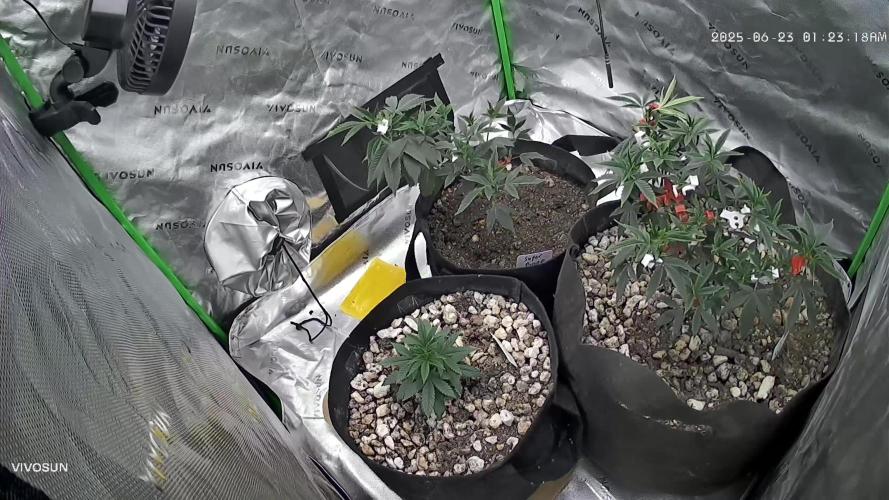
Que pasa familia, vamos con la octava semana de floración de estas Gorilla Zkittlez Auto de FastBuds.
Por supuesto el ph se mide en cada riego y se mantiene en 6.2, regando cada 48/72 horas e intentando mantener la humedad un poco alta al principio.
Se ven bien sanas ya en la recta final y no puedo quejarme, no tienen malos aromas,esta semana vemos como terminan de madurar las flores.
Agrobeta:
https://www.agrobeta.com/agrobetatiendaonline/36-abonos-canamo
Hasta aquí todo, Buenos humos 💨💨
Likes
14
Share


@Swiftgrow
Follow
Started LST on 3/6 of the plants.
Having no issues at all so far👌
Gave her some nutes twice so far at a very low dose. Currently feeding once a week. Soil holds enough nutes as is already.
Low dose Cal-Mag in every watering
- missed week 2 so I just started week 3

Likes
14
Share


Likes
19
Share


@Naujas
Follow
the girl looks good :) I have already removed the yellow "autumn" leaves:) she received food with 1500ppm, the weather is not very good, I am afraid that it will start to rot :( there will be an update :) in 2-3 weeks ;) good luck growing
