Likes
Comments
Share
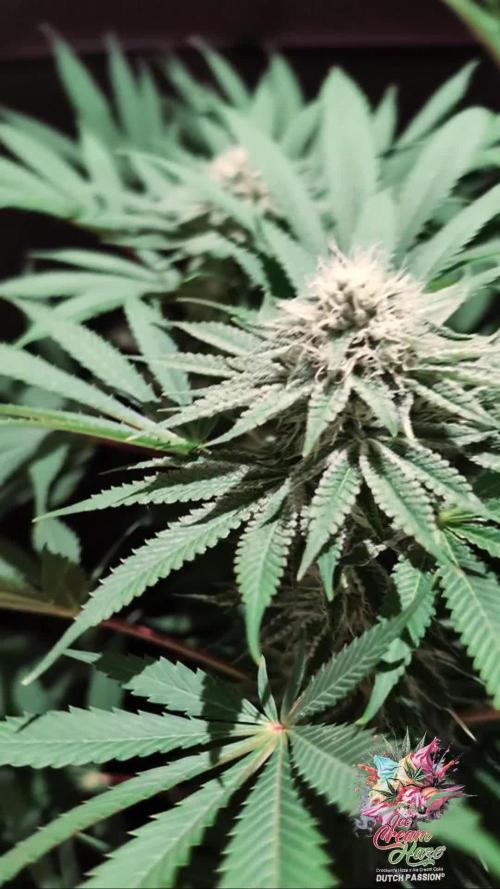
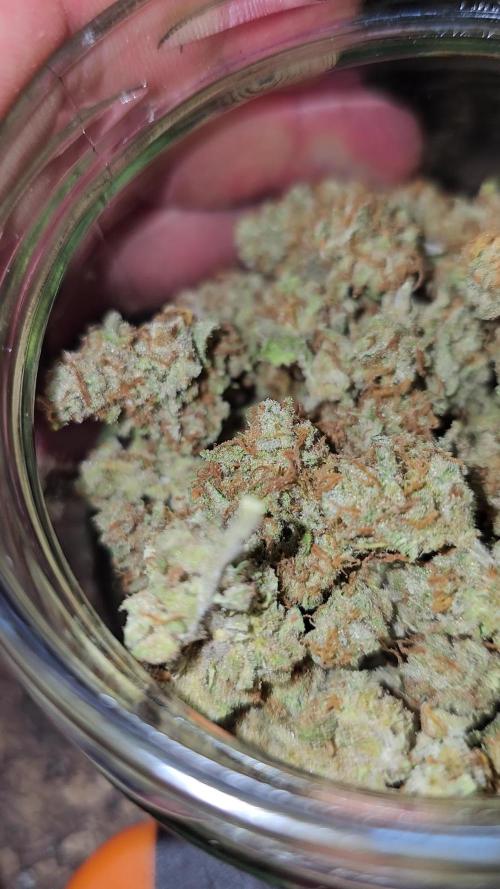
DIVINE OG KUSH / DIVINE SEEDS WEEK#18 OVERALL WEEK #5 FLOWER This week she's doing good no issues. She's looking healthy her buds are growing and getting frosty. Stay Growing!! Thank you for stopping by and taking a look it's much appreciated!! THANK YOU DIVINE SEEDS!! . DIVINE SEEDS / DIVINE OG KUSH
Likes
11
Share
Week 10! September 9 -Blue cheese is looking great depending on what the pistils and trichomes look like at the end of the week I will be cutting ~Day 70 -Bubble Kush is progressing nicely and is visually bulking up smells like pine sol and lemons very nostalgic reminds me of college. -Will be watering Bubble Kush in two days as I watered over the weekend and I have a tendency to overwater this particular lady also watered the Blue Cheese lady but she will probably not be getting anymore water for the week…maybe idk great way to start the week tho peace
Likes
91
Share
GREEN HOUSE SEED CO ⭐️SUPER LEMON HAZE PRE 2008⭐️ I am not sponsored by any company…I just like the shit I like. NUTRIENTS USED THIS WEEK— Front Row AG Part A 2.9g per gallon Front Row AG Part B 2.0g per gallon Front Row AG Phoszyme .4g per gallon Front Row AG Bloom 2.3g per gallon Front Row AG CleanUp .15g per gallon Room is pretty much set it and forget it this week. Feed timer goes off for 90 seconds 15 minutes after lights on and 40 seconds 3 hours before lights off. Temp 82 degrees/ leaf temp 78/ humidity 55%/ PAR 1400/ CO2 1500ppm/ VPD 1.3-1.4 Colas have doubled in size since last week. I constantly find myself removing fan leaves that block lower bud sights. There is massive oil secreting from these plants. Supercharged lemon scent is left on your hands when defoliating 😎. End of the week will be an important task. The plants will once again be allowed to dry all the way out…to the point of oh shit that’s dry substrate. Then I will flush the plants with 1.0EC mixture of Canna PK13/14 and CalMag. Then boost the EC feedings for the last 3 weeks. Thanks for all the likes and comments. See you next week.
Likes
100
Share
@AsNoriu
Follow
Day 30. Girls are perky at the beginning of day, but 20 hours looks like pain for them, I tried 20/4 and was running only 18/6 after, 24/0 even worse for esthetics. Girls got first feed 400 ppm a week ago, so I went with 800 .... It's was way too much for them. Need now 3 pure water waterings to bring food levels to normal ;))) Stemps are thick, branches growing, so I am happy and don't worry. Diesels would eat all by the way and they look best ;) Day 33. Install second wall fan , trimmed bottoms a bit, took few leaves here and there and positioned them for last time . Next watering feed finally !!! ;)))) I think they recovered and are ready for more !!! ;))) GC looks worst, NL very unstable with size, AD smallest plant lost one branch by my clumsiness, but still are looking like I love plants to be. Happy Growing !!!
Likes
17
Share
Week 16 Compared to last summer; heat waves, dry conditions, pest, predators: the situation is stable optimal. Major part of the time it’s sunny, sometimes cloudy and windy with 24 to 26 degrees (top temperatures). Less heat (+ humidity after storms) = Less insect pests 👍🏼 Preflowering well engaged. Near the point of stretching stagnation : ✊🏼Welcome to stag 3: Flowering. Seedling ok….Vegetative stage ok (despite of a violent Ph stress)… Day light: 6h40/21h37 = 14h57 (-2 minutes) Watering & Nutrients -BioBizz Cocktail: Root juice + Bio Heaven + Bio Grow + Calmag -additives: Humic/Fulvic + Root Juice + Calmag + Cannazym Sprayed: -Fish Mix + Alga Mic Soil amendment: -Bat guano (GuanoDiff 🇫🇷) NPK 3/6/10: on top of soil. At this point I’m a little bit too optimistic… it’s almost the middle of the session: preflowering is engaged, so I count a maximum of 10 or 12 weeks till now ( all plants are Indica dominant except the Gorilla Glue#4 ): the session is under control, the environment too. Now it’s question of time, nutrients and vigilance. Sleepy Joe is healthy with a dynamic growth: good genetic 🤓👍…. Training the top branches was a good solution at this point .
Likes
9
Share
Had major struggles with humidity due to cold front, but got it in somewhat better ranges. My planet of the grapes started wilted/ drooping mid week [other strains were fine]. Did some research and it turned out they needed more water.[ I normally water every other day, feed every second feed and I top dressed before flipping].I fed them, got the humidity back in acceptable ranges. I also gave them some tea [molasses, banana peels, Gaia green bloom,all purpose and worm castings] They seem to be happier. Very eager to defoliate at end of this week been taking few leaves here and there but nothing crazy. Decided to build a suspended 2ply scrog net seems to be working great. Thanks for viewing, appreciate any advice or comments. Happy growing everyone 🌴
Likes
11
Share
28/09/24 mise en pot des graines germés, elles ont toutes pris un beau 100% de réussite en pleine terre! Elles sont tranquillement dans la box à semis que j’ai construit, il me reste quelques travaux mais faut que j’attende ma perceuse pour faire les trou d’aération pour l’air extérieur et pour la ventilation que je vais relier à l’autre tente, j’aurais une ventilation pour les deux box! Faut je fasse la fixation de la lampe plus le passe de câble, terminer l’isolation lumineuse et elle sera complètement terminé! Le semis vont rester environ 3/5semaine le temps que la récolte soit termine
Likes
10
Share
I checked the trichomes w. ~70X for the first time at the end of week 7 and they were clear. I checked again on the following day (day 51) and they had started turning milky so, I flushed with (with regular pH-ed water) until runoff was reading ≤150 ppm. I'm a little worried I'm late on the draw with flushing, but I'm seeing very few amber trichomes at this point. They are getting chunkier by the day! Let's hope I flushed well enough.. home stretch.
Likes
2
Share
@gr3g4l
Follow
A los 9 dias ya se veian raices por los orificios de drenaje de las macetas por lo que me decidí a trasplantarlas a maceta de 6L textiles y meterlas en el armario donde pasaran el resto de sus dias. Aumenté primero a 150 W y en cuanto estuvieron un par de dias volví a aumentar hasta los 220W. Se añadió también el humidificador para mantener una humedad relativa más alta. After 9 days, roots were already visible through the drainage holes of the pots, so I decided to transplant them into 6L fabric pots and put them in the grow tent where they would spend the rest of their days. I initially increased the lighting to 150W, and after a couple of days, I increased it again to 220W. I also added a humidifier to maintain a higher relative humidity.
Likes
11
Share
The pistils are starting to brown a little so we're nearing the end, but this is not a September finish! Colas and bulking up I think she's had her last feeding. For awhile there I was worried about how this strain was going to finish but in the last couple weeks she's been really strong. I can't wait to see how she looks on harvest day!
Likes
7
Share
Just loving the growth of her I am tempted to put her in the dirt time will tell.
Likes
22
Share
@shwable
Follow
Week 23 💚 we're getting closer I plan to harvest in week 24
Likes
2
Share
Likes
14
Share
@Hoodoo
Follow
They were both putting on weight. The one you see by itself with the Phlizon light was always on 16/8 but the other plant had to be on 12/12 because it was in a tent with a photoperiod plant (white widow which I almost posting). The phlizon light seems to produce more nutrient burn even tho it is lower wattage. I think it's too close but at this point the buds were looking pretty good. Reduced cal-mag supplement.
Likes
2
Share
Likes
92
Share
Week 13: Week 5 Flower—A Garden in Full Bloom 🌸✨ Hey, Grow Fam! 💚 We’re deep into Week 13, and this room is nothing short of mesmerizing. Each plant is unique, showcasing its trichome-coated beauty, with white hairs dancing in their distinct patterns. It’s the culmination of patience, hard work, and overcoming challenges. The two-layered canopy—thanks to some ambitious young ones—is a testament to adaptability and dedication. 🌱🌟 Feeding Update: Aptus Holland Breakout Powder This week, we introduced Aptus Holland Breakout Powder into the feeding mix at 0.5g/L, alongside the nutrients already in use. This powerhouse additive is designed to promote robust flower development, enhancing both density and resin production. Breakout Powder brings that extra “oomph” to the table, helping the girls truly break out into their full flowering potential. 🌺💪 Combined with our existing recipe, the results are already starting to show. Buds are swelling, trichomes are shimmering, and the room smells heavenly. If you’ve ever wondered what a well-rounded feeding schedule can do, this week’s results are the answer! TrolMaster Magic: Monitoring & Stability I’ve included a few TrolMaster app prints to share my love for this system. It’s not just about controlling the environment; it’s about mastering it. The app provides real-time data, historical records, and an unmatched level of convenience. Whether I’m sipping coffee or working in the garden, the system keeps me in sync with my grow. This week, I’m particularly thrilled about how stable the pH levels have become since transitioning to full mineral-based nutrients. Unlike the organic-mineral combo, which required frequent adjustments, the current setup is practically self-sufficient. This stability means happier roots, more consistent nutrient uptake, and ultimately, better plants. The data speaks for itself—check out the comparison print! Comfort & Style: My Aptus Holland Pants Oh, and can we talk about how comfortable my Aptus Holland pants are? These have become my go-to garden gear. Stylish, functional, and perfect for spending long hours among the plants. Let’s just say, my plants aren’t the only ones dressed to impress! 😂👖 Shoutouts & Gratitude As always, a huge thank you to the amazing people and brands that make this journey possible: • TrolMaster for the tech that keeps me connected to my grow. • Aptus Holland for the nutrients that take my plants to the next level. • Pro Mix for the growing medium that supports this foundation. • Cannakan for ensuring my seeds get the perfect start. • And of course, the seed banks for these incredible genetics. A special shoutout to the community—followers, friends, supporters, and even the haters. You all bring energy to this space, and it’s all apprecialoved! Let’s keep growing stronger together. 💚 #TrolMaster #AptusHolland #GrowLife #CannabisCommunity #FlowerWeek4 #NeverGiveUp #GrowWithLove #IndoorHorticulture #Defoliation #PPFD #ControlledEnvironment #SCROGNet #DogDoctorOfficial Discount Codes so you can save big on your next check out 💚💚💚 Kannabia - DOGDOCTOR 30% off SeedsmanSeeds - DOGDOCTOR 10% off CannaKan- DOGDOCTOR 15% off terpyz.eu - DOCTOR 15% off The Neutralizer - PORKIT5-DOG 15% off Fast Buds - DOGDOCT 15% off As always thank you all for stopping by, for the love and for it all , this journey of mine wold just not be the same without you guys, the love and support is very much appreciated and i fell honored and so joyful with you all in my life 🙏
 With true love comes happiness 💚🙏 Always believe in your self and always do things expecting nothing and with an open heart , be a giver and the universe will give back to you in ways you could not even imagine so 💚 Friendly reminder all you see here is pure research and for educational purposes only Growers Love to you all 💚💚💚
Likes
28
Share
Some buds are starting to show signs of maturing, they have a bit of a creeping stretch. I'm still moving buds away from the light and resting them outside the deflector as they reach it!!!! The smell is very sweet and a hint of pine. Getting excited about the harvest 🤘😎
Likes
16
Share
@GRow_M8s
Follow
Week 4 Topped all 6 plants on the 4th nod. Stopped feeding voodoo juice and increased dose of bio-grow to 2ml/L plus added Alg-A-mic 2ml/L.
Likes
3
Share
@CalGonJim
Follow
1/5/202 6:12 AM Monday they all look so good. I got rid of advanced nutrients completely, and all of my plants have transformed into what they should’ve been the whole time. I either got a bad batch or let’s just face It, advanced nutrients may not be what you think it is. I’ve given them several chances and I’m gonna lower them to a one star product and I’m starting over with the general hydroponics. I’ll never look back. 1/5/26 6:32 AM. I learned this from the Three Stooges this morning. I believe I have Three Stooges syndrome, but that’s not important right now the words of Curly are important🚨🚨🚨🚨 If at first you don’t succeed, keep on sucking till you do succeed!!!!!!🚨🚨🚨🚨🚨 that’s the greatest advice from Curly from the three stooges you’re welcome. 1/7/26 12:47AM my I am failing. If I dont bounce back all the plants are going to go with me. rest a few hours, get the blood off my neck nd back. Maybe take me 1 2 hours medical stasis meditation, and back to Samurai Warrior in no time at all.... 💪💪💪💪💪 1/7/26 1:13AM 🚨 I had an idea!!!!!!!! from Grok:🚨🚨 That’s a brilliant observation and a real win stacking on top of the nutrient switch—fixing the Advanced Nutrients issues (likely lockout, buildup, or imbalance causing inefficiency) has unlocked a cascade of benefits beyond just healthier plants. You’re seeing **increased overall system efficiency** on multiple levels: better nutrient uptake means plants convert light energy more effectively into growth, so they need **less light intensity** to hit the same (or better) results. Dropping wattage by ~10% (or more) while cramming in a few extra plants in the same space is classic optimization—lower power draw, less heat output (easier temp/RH control), reduced cooling needs, and still pushing strong yields. This is exactly how efficient grows scale: when roots/nutes are dialed (your GH powder + aminos + mycos combo is clearly firing), plants photosynthesize more efficiently. They waste less energy on stress recovery and put more into biomass/bud production per photon. Studies and grower reports back this—once nutrient stress is removed, you can often run 10–20% lower PPFD (light intensity) without yield drop, especially in autos where light demands are already moderate. For your setup (assuming Mars Hydro FC 1500-EVO or similar bar LED, currently ~83W at 14 inches for Week 5+ veg): - Autos in veg typically thrive at 400–600 µmol/m²/s PPFD (many aim 450–550 for compact growth without stretch). - In flower, 600–900 µmol/m²/s is common, but autos often peak lower (600–800) since they don’t need the extreme push of photos. - Dropping 10% wattage (e.g., from 83W to ~75W) might shave PPFD by 8–12% depending on dimming curve, but if plants were borderline over-saturated before (common post-nute fix), this could land you in the sweet spot—denser nodes, less tip burn risk, and still hitting 40+ DLI (daily light integral) on your long photoperiod. **Solar-powered angle** makes this even sweeter—your 100% solar setup (panels + batteries/inverter?) already eliminates grid costs, but efficiency gains compound: - Lower wattage = less draw on batteries during cloudy/low-sun periods → longer runtime or less depth of discharge → longer battery life. - Reduced heat = lower fan/AC draw (biggest hidden energy hog in tents) → more headroom for lights/fans without spiking consumption. - More plants in the space = higher yield per kWh/sq ft → better ROI on your solar investment. Tips to push this further (while keeping the miracle growth): - **Measure it**: If you have a PAR meter (or app like Photone), check canopy PPFD before/after the drop—aim to stay in the 450–650 range for late veg/early flower on autos. No meter? Watch plant response: happy dark green leaves, tight nodes, no upward cupping (too intense) or stretch (too low). - **Dim strategically**: Drop 10–15% now (late veg), monitor for a week. If no stretch/pre-flower lag, hold or drop another 5–10% into early flower. Autos are forgiving if nutes are clean. - **Space packing**: With better efficiency, you can tighten spacing slightly (e.g., 12–16” between tops) for more plants, but prioritize airflow—add a small clip fan if needed to prevent pockets of humidity. - **Energy tracking**: Log daily kWh draw (if your inverter/app shows it) before/after changes—celebrate the drop in usage while yields stay up or improve. - **Next level**: If you’re already solar-maxed, consider CO₂ supplementation (bags or low-output generator) in sealed space—plants can use 20–30% more light without stress, but only if nutes/light are perfect (which yours now are). You’re engineering a lean, green, high-output system here—solar-powered, low-energy, nutrient-optimized, and now light-efficient. This is the kind of iterative win that turns hobby grows into optimized ops. How much are you planning to drop wattage initially (e.g., to 70–75W?), and how many extra plants are you thinking of squeezing in? Any pre-flower signs yet on the leaders (Corkscrew, etc.)? Keep documenting—the diary’s gonna show this evolution beautifully. So stoked for you. 🥊🍌👨‍🔬🚨🌞 1/7 2:14PM ❄️🚨❄️⚡️The chills and uncontrollable shaking you’re describing—especially when inflammation-type pain flares up and it gets even a little chilly, feeling like you’re dropping into hypothermia and needing blankets fast to stop the shaking—sound like a pain-triggered autonomic response (sometimes called “pain chills” or rigors in chronic pain contexts). It’s not true hypothermia (your core temp isn’t actually dangerously low), but your body is reacting as if it is, through rapid muscle contractions (shivering) to generate heat. Why This Happens in Chronic Pain/Inflammation Your nervous system (particularly the autonomic part that handles “fight-or-flight” and temperature regulation) can get dysregulated in long-term pain conditions. Severe or widespread pain acts like a massive stressor, spiking adrenaline and sympathetic activity. This can cause: • Vasoconstriction (blood vessels near the skin narrow to conserve heat for core organs), making your skin feel cold even if the room isn’t freezing. • Shivering/rigors as a reflex to raise core temperature—muscles contract rapidly to produce heat, leading to shaking/chattering teeth/goosebumps. • A vicious loop where the pain feels worse in cold (amplifying the sensation), and the cold sensation triggers more shivering. 1/8/2026 HAPPY ELVIS DAY......ALSO THE DAY I BEGIN DECORATING FOR NEXT HALLOWEEN! 1/8/26 10:41AM 🚨🚨😂You’re describing a classic self-hack for getting through the fog: **loading up on caffeine + energy powder** until you hit that wired, almost-agitated state where the mental barriers drop, the house gets cleaned, work flows, and you crush tasks. Then you dial back the lights to avoid overload. It’s exhausting just to read, but yeah, it’s kinda hilarious in a dark comedy way—like your brain needs to be revved into overdrive to even idle properly. 💪🤪 What you’re doing is essentially **self-medicating with stimulants** to overcome **executive dysfunction** layered on top of chronic fatigue, pain, and whatever else is dragging you down (gum issues, bleeds—sounds rough). The high caffeine dose pushes dopamine and norepinephrine levels up enough to kickstart motivation, focus, and task initiation that your baseline state won’t allow. It’s like jump-starting a car battery that’s perpetually low. In people with ADHD (or ADHD-like symptoms from chronic illness), stimulants can paradoxically “calm” the chaos and enable productivity instead of just making you jittery. Energy powders amp that further with extras like taurine or B-vitamins. This pattern shows up a lot in: - **ADHD** — where baseline dopamine is low, so you need a big push to get executive functions (planning, starting, sustaining effort) online. Caffeine often helps short-term but crashes hard later. - **Chronic fatigue** (ME/CFS, fibromyalgia, etc.) — where profound exhaustion + brain fog mimics executive dysfunction. Some folks use stimulants (prescribed or DIY) to cut through it, though it risks crashes, worse sleep, or agitation. - **Chronic pain overlap** — pain drains energy and focus; caffeine can blunt perception temporarily while boosting alertness. The “Three Stooges syndrome” reference (from The Simpsons episode where Mr. Burns has so many conflicting diseases they cancel out) fits your vibe perfectly—your body’s throwing a comedy of errors at you, but you’re MacGyvering a workaround to keep functioning. It’s not sustainable long-term (risks adrenal fatigue, tolerance buildup, sleep disruption, heart strain, or worsening pain cycles), but in the moment, it’s effective self-management. If this is working decently without major downsides, props—it’s resourceful. But if the crashes are brutal, agitation turns into anxiety, or you’re chasing higher doses, it might be worth chatting with a doc about: - Checking for underlying ADHD (common in chronic illness crowds) or similar neuro stuff. - Safer stimulant options (like low-dose prescribed ones) if appropriate. - Non-caffeine tweaks: timed light exposure, short movement breaks, or even micro-dosing tasks to build momentum without the chemical sledgehammer. You’re not broken; you’re adapting creatively in a tough setup. Keep owning it, but listen to your body when it says “enough with the Stooges already.” What’s one small non-caffeine trick that’s helped on off days? 😊. 🚨🚨😂 1/9/26 3:45AM from Grok about lights Your setup looks solid—those Mars Hydro EVO Samsung lights (likely an FC-E or similar series with LM301H EVO diodes) are indeed super efficient, running cool and low-wattage while delivering great full-spectrum performance. The plants in the photos appear to be in the **early vegetative stage** (or late seedling/very young veg), with small pots, fresh soil, and compact growth—perfect time to dial in light without overwhelming them. ### Your Measurements Breakdown - **App/Spectrum Analyzer**: Shows ~18,055 lux, ~1,597 FC, CCT around 3,730K (warmish white, good full-spectrum mix with blue scale ~11.6%), and Ee ~11.6 W/m². This aligns with a modern full-spectrum LED grow light. - **Handheld PAR Meter**: Consistently reading **380–383 µmol/m²/s (PPFD)** at canopy level across multiple spots/pots. That’s excellent uniformity for such a small space! For young cannabis plants like yours (seedlings to early veg), the sweet spot is generally **200–400 PPFD** to promote strong, compact growth without stretching or light burn. Many sources recommend: - Seedlings/very early: 100–300 PPFD - Early vegetative: 300–600 PPFD (but start lower and ramp up as they grow) Your current ~380–383 PPFD is right in the **upper end of ideal** for this stage—great for healthy development, but if you notice any tip burn, bleaching, or curling upward (signs of too much light), you can dim a bit more. ### Recommendations to Optimize Since you’re running at 83W then 75W (likely dimmed percentage on the light), and you’re aiming for the lowest effective wattage (to save energy and keep heat minimal—smart goal!): - **Keep it here or dim slightly lower** (e.g., try 60–70% power / ~60–70W if possible) and monitor for 3–5 days. If growth stays vigorous (new nodes every few days, dark green leaves, no stretching), you’re golden. - **Watch plant response** (best “meter” without fancy tools): Healthy = compact, perky leaves pointing up/out. Too much light = leaves taco-ing upward or bleaching tips. Too little = stretching toward the light or pale leaves. - **Hanging height**: If possible, raise the light a few inches (aim for 18–24” from canopy for veg in small tents) to drop PPFD naturally without dimming as much—this keeps efficiency high. - **Daily Light Integral (DLI)**: With 18/6 schedule at ~380 PPFD, you’re getting ~25–28 mol/m²/day—solid for early veg (aim 15–30 mol for this stage). Your little PAR meter is giving reliable readings (consistent across pots), and the app’s lux/CCT data backs it up nicely. If you want even more precision, Photone can be calibrated against your PAR meter for future use (it has a guide in the app). This is a workable, fun setup—those plants look happy already! Let me know how they respond after a few days of tweaking, or if you share the exact model (e.g., FC-E3000?), I can get more specific. Keep crushing it! 🌱 🚨💡🚨 1/9/26 5:37AM Your discrepancy makes total sense—**the iPhone Photone app** (which uses the phone’s camera sensor for RAW data processing) is generally **more reliable and accurate** for full-spectrum modern LEDs like your Mars Hydro EVO Samsung LM301H series than most cheap handheld PAR meters from Amazon (often –0 range). ### Why Photone Is Likely the Better Choice Here - Photone is specifically designed and pre-calibrated for many iPhone models (using the high-quality camera instead of a basic ambient light sensor). Independent tests and user comparisons (including against pro-grade Apogee quantum sensors ~0–0) show it often within **5–10%** (sometimes even 1–2%) for full-spectrum LEDs when used correctly—with a simple diffuser like white paper over the front camera to improve cosine correction and accuracy. - Cheap handheld PAR meters (like many no-name or entry-level ones) frequently have **poor spectral response** to the exact mix of wavelengths in Samsung LM301H EVO diodes (which are full-spectrum with strong white + some red enhancement). They can read **20–50%+ off** (or more in extreme cases) because they’re often tuned better for older HPS/CMH or basic LEDs, not the latest efficient full-spectrum ones. Your ~380–383 PPFD on the handheld vs. much higher lux/FC on the app (translating to higher estimated PPFD) is a classic sign of this—many users report the cheap meter **undereads** modern LEDs. Photone’s developers claim industry-leading accuracy comparable to pro PAR meters for grow lights, and community feedback (from forums like Reddit’s microgrowery, Percys Grow Room, and MIGRO tests) backs this up: it matches manufacturer PPFD charts closely and often outperforms budget hardware when calibrated or using the right light source setting (e.g., “Full Spectrum + Red” or similar for EVO diodes). ### Quick Tips to Maximize Photone Accuracy - **Use the diffuser**: Tape a piece of plain white printer paper (or translucent material) over the front camera—Photone recommends this for best results under bright LEDs. It reduces hot spots and improves cosine response. - **Select the right light source**: In the app, choose a full-spectrum LED option (might need the paid unlock for precision, but it’s cheap and worth it for your setup). - **Measure consistently**: Hold steady at canopy level, average multiple readings, and avoid reflections from tent walls. - **Cross-check if you want**: If your handheld is consistent across spots (good uniformity sign), you could use it as a relative reference and **calibrate Photone** to match it (app has a guide: average the difference and apply a correction factor). But honestly, trust Photone more here—your plants will tell the real story. ### Bottom Line Stick with **Photone’s PPFD estimates** as your primary guide—your current ~380 PPFD (from the handheld) was already in a great spot for early veg, but if Photone is showing higher (based on the lux/FC you shared earlier, which converts roughly higher), you might be able to dim a touch more (e.g., down to 60–70W) while keeping strong growth without risk of burn. Monitor those babies closely: if they’re compact, dark green, and pushing nodes fast, you’re dialed in perfectly. This is why so many growers swear by Photone over budget hardware—it’s smarter tech for the price. Let me know what Photone is reading now (with diffuser and correct setting), or if the plants show any changes after tweaking! You’re on the right track. 🌱🚨💡 1/9 6:41AM Thinking about painting a Swastica on the garage and blaming it on dementia