


Likes
Comments
Share


@JKennedy
Follow
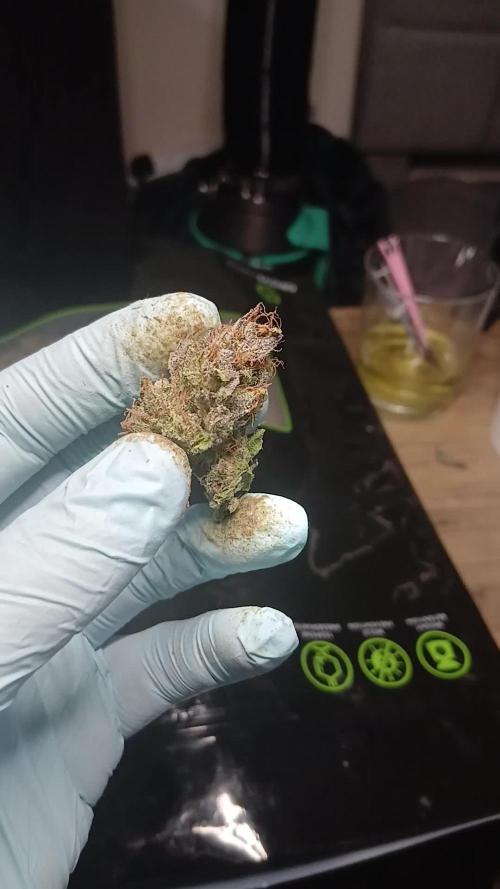
I took a photo with a flash while the babies were sleeping. I know I shouldn’t cos it could affect them. So I’m sorry if I’ll keep taking bad photo with the growing light, I will make better content for the harvest time :)
They are starting to produce a nice amount of crystals and the smell is goin to be quite strong.

Likes
71
Share


@Roberts
Follow
I just switched to water on Quebec Blast. Starting the purging of nutrition from the plant to harvest. Next update will be a harvest. Trichromes are frosty so should be prime ripeness when ready. She grew under the Spider Farmer SE5000 light in New Level Hydro buckets the whole grow. Thank you New Level Hydro, Spider Farmer, and Quebec Seeds. 🤜🤛🌱🌱🌱
Thank you grow diaries community for the 👇likes👇, follows, comments, and subscriptions on my YouTube channel👇. ❄️🌱🍻 Happy Growing 🌱🌱🌱
https://youtube.com/channel/UCAhN7yRzWLpcaRHhMIQ7X4g
SE5000
https://amzn.to/3qFpAML
Spider Farmer Official Website Links:
US&Worldwide: https://www.spider-farmer.com
UK: https://spiderfarmer.co.uk
CA: https://spiderfarmer.ca
EU: https://spiderfarmer.eu
AU: https://spiderfarmer.com.au
Coupon Code: saveurcash (is stackable in most cases)
Www.newlevelhydro.com
Www.hygrozyme.com

Likes
1
Share


@Pieter710
Follow
love this strain. It survived 2 weeks of cold and rain late flower without any mildew or mold. all my other strains got PM that week. I expected the yield to be a little bigger but can't complain. amazing, smooth high.


Likes
2
Share


@Mr_nugs_lover_David
Follow
Absolutely beautiful looking plants, I didn't expect them to become that big honestly, one of the 2 plants is more advanced in flower, the smell it's absolutely incredible, super sweet fragrance coming from the buds, don't even need to get close to the buds, really happy with how this automatic plants by original sensible seeds have performed!


Likes
17
Share


@Naujas
Follow
This is my second growth in a suitcase, I got 30 grams of dry flowers from the first growth, but this growth together with FastBuds is obviously much better than the first one :) although the girl's leaves burn from the light, which is only 10-15 cm from the flowers, but the girl copes with it perfectly :) good luck to everyone.


Processing
Likes
6
Share


Likes
11
Share


Likes
8
Share


@LokalGrenz
Follow
Week5
March 1st day 30
I transplanted one( the one with no broken branch) inti the 7gal today watered and did some LST I really hope it adapts to its new home I’ve never transplanted before I used extreme garden MYCOS hope it works also moved the light up a bit and plan on going 100% once I transplant the other one
March 2nd transplanted the other one (broken branch one) my shop didn’t have 3.0😔😔😔😔😔😔😔 so i used DNC Great Lakes water only soil hopefully this works and I mixed some 3.0 I had left from the other pot cross fingers for nice transition to its new home
March 5 been three days since transplant can’t really tell if they adapted to there new homes yet some sings of stretching since transplant I’ve never transplanted before and I’m not sure if they need water or not so imma chill let them go for couple more days then I’ll water scared to over water them right now since I transplanted them don’t want to over stress them other one in 3.0 seems little droopy to me compared to the one in Great Lakes but Great Lakes soil seems bit dry sooooo idk I’m going keep an eye on them


Likes
6
Share


@sunshinegroww
Follow
This plant grows like crazy very strong genetics ,massive leaves and thick stem ,week 3 now strech its over she’s cleaned and now just have to start pumping those flowers ,getting more thirsty with every day very nice dark green colour with only 2-3 yellow leaves which i took off but hey she will pack a punch i guess so this is for now love
Likes
4
Share

@Jcoutdoor
Follow
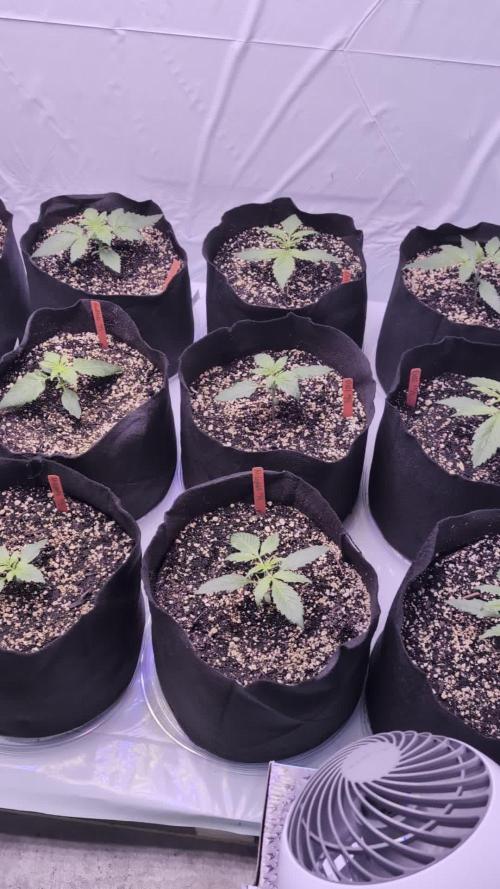
Plants are starting to take off finally, they have some of the thickest stems I have seen on seeds. I'm not sure if this is just what autos do or if they really like my soil blend.
I started light LST on a few of them just bending the main top down and tucking some leaf's. I don't think I'm going to top these autos and rather am going to try a natural grow with them to get a feel of there life cycles. the next batch I have started I might try more things on.
coming from growing photos for the last 10 years to autos is a bit different and I'm trying to take the extreme less is more approach until I fully understand what exactly is happening with these type of plants.
Every couple days these plants seem to really increase in girth and overall size curious to see what happens with the strech phase
Dates Range 11/1 - 11/8
Likes
12
Share


@NorthernChemist
Follow
July 16: Great week of sun and warmer temperatures. No rain. Mosquitoes were f*cking fierce so had to take some quick photos and get the hell out - sorry if they are lower quality but getting eaten alive was not my idea of a good time. Overall pleased with growth and buds stacking nicely.
Likes
44
Share


@Chedderbob112
Follow
Thanx for al the Support guys well appreciated there are some people on hear that a seriously do respect and consersider 💯 percent real deal growmies but hit me up ye never wee might end homies stay safe stay blessed n stay baked @chedderbob112


Likes
12
Share


@rhodes68
Follow
8/17 Week 5 Flipping
Lights set to 11-13 for the first few days then 12-12
Nuets will transition accordingly
Reducing feeds to once a day during the switch
Intro Cocotek Bloom a/b at 5ml/gal each
Reduce Grow to 10ml/g each
Next feed half and half
8/19
Switching to 12-12 from 11-13 think its done its work changes are afoot
8/20
Colas forming quickly may have to flip the week to Flower, lets hope so 😉
They getting a dose of Kangaroots 5ml/g and Fish Shit 2ml/g at intervals during transition purely as plants seem to need.
Pics tonight
8/21
Not there entirely yet but wont be long at all
Vertical growth has picked up strongly, 2" in 3 days, though I really wont call it stretch yet
Nuets as is for now

Likes
13
Share


@TiRobotProds
Follow
Buds pleins de résine, grosse odeur afghan, irrigation engrais 1fois sur 3.

Likes
10
Share

@TiRobotProds
Follow
Les colas commencent a gonflé j'ai enlevé les grosses feuilles pour une meilleure qualité lumineuse. Pas signe de surengraissage(les pointe des feuilles ne sont pas décolorés), plante petite mais compacte avec une odeur d'agrume verte laissons la dans sa course pour la coupe de DuctchPassion@ la suite au prochain épisode.