


Likes
Comments
Share


@Growing_Spartan
Follow
I finally started flowering the crescendo rbx1 and I’ve got to say, she looks great! Green stems and leaves. She fills out this 5x5 pretty well and I’m happy with it.
Plucked a couple leaves that blocked prime bud sites and weaved her long arms outwards to fill up my tent and get more light penetration.

Likes
1
Share


@Geili_Seili_fireinfireout
Follow
Day 1 in flower. The last clones from this company. But 4 in the garbage.


Likes
24
Share


@Puraweeda
Follow
Gorilla zkittlez on the left and Blue Sherbet x purple punch on the right.
Everything works perfectly. This week I add power feeding booster. I have some left. I know it's not the best when you do everything in organic. But it's full of minerals and I want to avoid deficiencies I had in my previous grow.
I started to see trichromes. But it doesn't really smell in the grow space. When smell the my fingers after I had touche the bud, I smell something really sweet for both strains.


Likes
Comments
Share


@spastagia
Follow
Hey all!
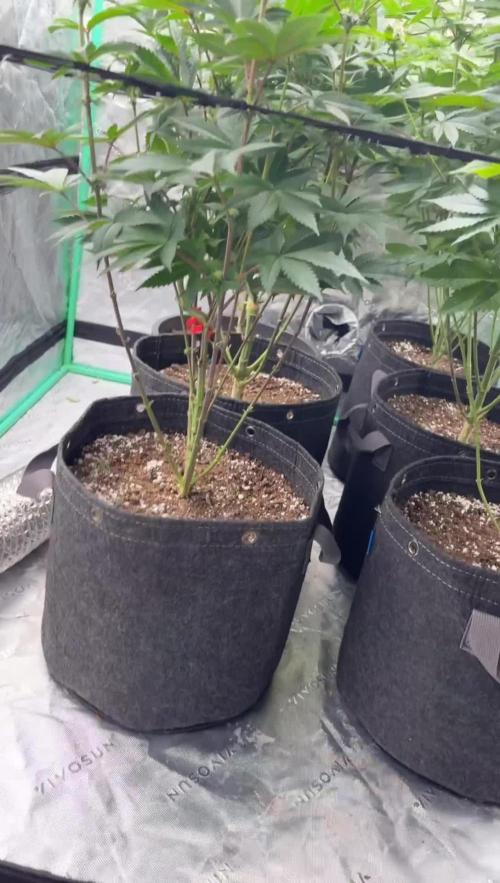
She has finally started to flower! To see the transition, its nothing but magical! I fed her Green Rush Bloom nutrients (1tsp/1L) with 1 L of water at pH 6. She has began to really stretch now. The light is lowered down at 16 inches.
Will feed her Cal-Mag, and seaweed extract this week.
Maintaining the RH between 55 to 65.
Removing the fan leaves that blocks the lower buds.

Likes
Comments
Share

@Raul2021
Follow
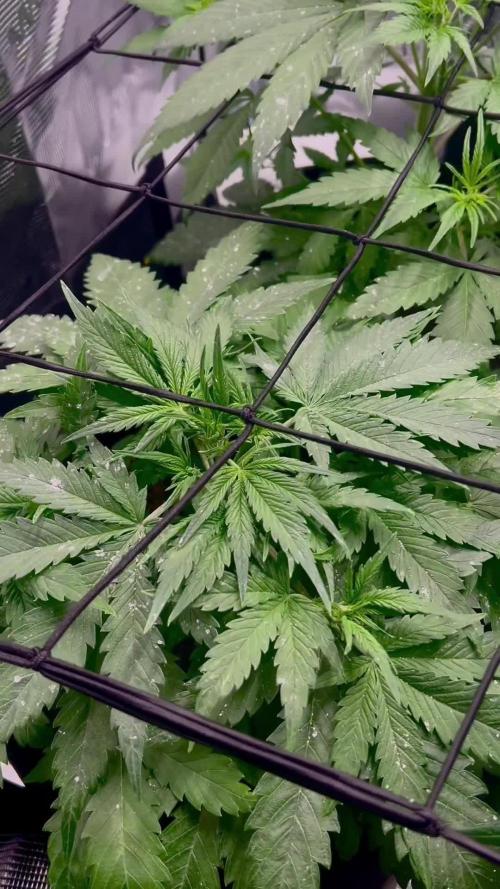
Día 34 de vida de las plantas, con un crecimiento optimo, mas o menos se han mantenido las condiciones de cultivo, se ha regado con agua unos 0,5 litros por planta con un PH de 6,1 y una EC de 0,4. Como preventivo de plagas he polvoreado las hojas con tierra de diatomeas, he aplicado un poco de LST y he colocado la malla SCROG para ir colocando las hojas según vayan creciendo. 2 de las plantas van mas avanzadas entrando en la floración mientras que las otras 2 se siguen desarrollando, la más pequeña de todas tiene un calzo en la maceta para que este a la misma altura de las demás, su tallo no se ha estirado y los nudos entre hojas están muy compactos.
Estas son las condiciones de esta semana:
Ventilación: nivel 50% oscilación 90 grados
Extractor: 45%
Humidificador: Off
Luz: 76% con altura de 40 cm
Ppfd: 550 umol/m2/s
Periodo: 18-6
Humedad: 65% a 70%
Temperatura: Día 23 C - Noche 20 C
Vpd: 0,62 a 0,92 kpa
Co2: 314 a 818 ppm
Temperatura del sustrato: mínima 19,4 C máxima 21,9 C
Humedad del sustrato: mínima 7% máxima 22%
Productos y Marcas usadas:
Indoor: MARSHYDRO 80x80x160
Led: MARSHYDRO FC 1500 EVO SAMSUNG
Ventilacion y extracción: MARSHYDRO
Controlador: IHUB PRO MARSHYDRO + Kit Sensores
Medidor PH: Milwaukee PH 600
Medidor EC: Milwaukee C66
Sustrato: COMPOSANA Semilleros / LIGHT MIX BIOBIZZ
Ph: BIOBIZZ UP / DOWN
-Fertilizantes-
BAC: GROW, BLOOM, PK, CALMAG
ADVANCED NUTRIENTS: VODOO JUICE, BUD CANDY, TASTY TERPENES, BIG BUD, OVERDRIVE, BUD IGNITOR.

Likes
7
Share


@Damonkey
Follow
Retrained and defoliated slightly. She’s been topped and tipped a couple of times in most places this girl here and is responding very well to it and to the bending. She does look like she could become some sort of powerhouse😳 not too much of I hope. I have created a lot more space for a much bigger plant within the flower tent she’ll be moved to but my biggest problem is my vegetation space😱😱😱 I think it can all be accommodated, let’s see.
Likes
29
Share

@GERGrowDesigns
Follow
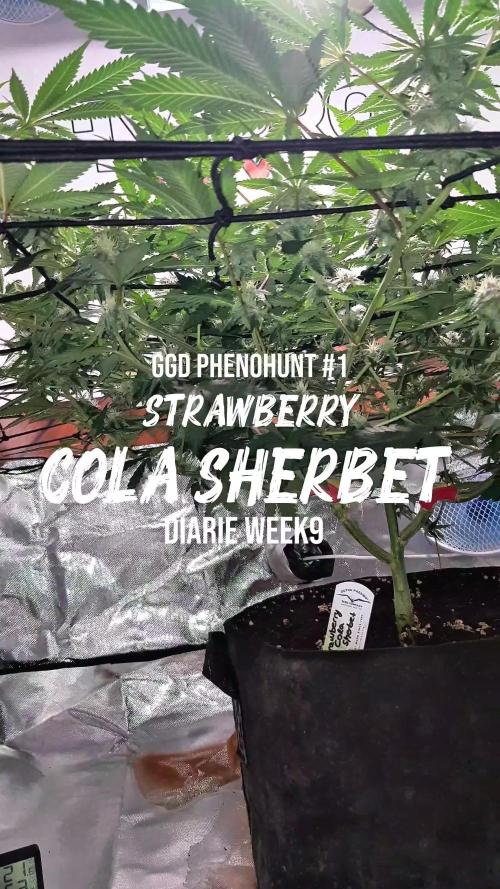
Welcome to GERGrowDesigns Breeding Cut Phenohunt #1 Diarie Week 9 (Flower Week 2 Day ~15 Since 12/12)
This diary is designed for a documentation of an indoor grow, with a strong focus on plant health, environmental control, and optimized nutrient strategy to hold this Genetic and use her for Breeding in Future projects .
The Harvested Mother Plant ,can be found in the older Strawberry Cola Sherbet Diarie💚
What happend in the past ?
-Cut removed from Mother in Flower Week 2
-Clonex Gel used ~10 days Rooting Process
- 2-3Weeks Revege Process
-transplanted in 0.3l pot
-transplanted in 12litre pot + Bigger Tent
-Plant/Health/Root Care
-Motherplant Feeding Shema , low EC , Spraymix
-Took 9 Cuts From The Plant
-Took 6 Cuts From The Plant
-Feeding Shedule for Regeneration and Growth
-Prepared New Mother Plant
-Last Veg Week before Flower
-tent move in bigger Home 100x100
-light Switch to 12/12h ,its Flower time 15.03
-One Time nutriets Boost for Flower Switch & Stretch
-ScroG Install and Daily Training in First Flower Weeks
Grow Setup & Strategy:
• 🌱 Genetics: Strawberry Cola Sherbet -Sweet Seeds
• 🏕️ Grow Space: 100x100x200cm
• 💡 Lighting: 1x200W LED
• 🌡️ Average Temperature: ~26°C
• 💧 Humidity: ~50%
• 🍵 Pot Size: 20L
• 🌿 Base Nutrients: Hy-Pro
• ⏳ Flowering Expectation: 5 weeks
Flower Week Two is Done , Media is from 31.03 flower Switch was at 15.03 (12/12)
Flower Day ~15 , looks like shes taking the shortcut of 4-5 Weeks Flower Again Like the Mother 🎯
Isnt it Fascinating how Fast some Strains can Develope After Switch🏆 she will probably overun my other Photo Tent which changed 2 Weeks before to Flower 🌱
Also Special attention will be given to Hy-pro during all phases, aiming to enhance Structure , nutrient uptake efficiency, and final quality, while closely monitoring plant response.
Feedback, questions, and constructive discussion are always welcome. Community interaction is a key part of what makes competitions like this valuable.
🌿 Happy growing & good luck to everyone!
Likes
12
Share

@GoodTimesOrganics
Follow
Hi liebe Community and Welcome Back! 🌿💚
Willkommen zur sechsten vergangenen Blütewoche!
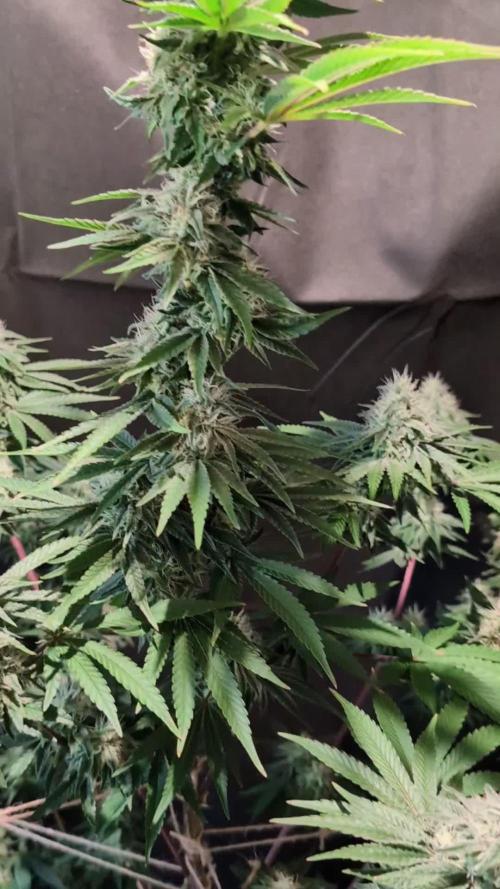
Hier im Bio Tabs NL Grow, erreichen wir aktuell eine höhe von 140cm. Und eine richtig krasse Breite von 70cm.
Insgesamt zeigt sich hier in diesem Grow eine stärkere Blütenausbildung, als bei der anderen Pflanze.
Auf jeden Fall zeigen sich Phenotypische unterschiede in der Gesamtstruktur.
Die Pflanze hat ihren Stretch beendet und konzentriert sich nun völlig auf die Blütenausbildung.
Beide Pflanzen sind jetzt tatsächlich gleich hoch.
Das Aroma hat bei dieser Pflanze einen stärkeren süsslichen Zitrustouch mit nun ausreifend fruchtigen Noten.
Die Umgebungsgegebenheiten sind aktuell gut:
—————
🌞 Temp: 26
🌚 Temp: 18°C bis 19°C
💨 RH: 56%
VPD: 1,10kPa
💡ppfd: 830 mpm
—————
Viele Grüße 👋


Processing
Likes
23
Share


@GrowGuy97
Follow
Wish the buds would have got a little bigger but feel like that’s particularly my fault for a short Veg but overall I am blow away by the outcome for all the seeds to just be random bag seeds! 2 of the plants are drying now 3rd one will be cut tomorrow & the other 2 got probably 2 more weeks! Will do a taste & smoke report and also give a weight as soon as they dry & cure a little bit but honestly couldn’t be happier with my first grow! Thanks for all the support & help along the way & happy growing friends!🤙🏼✌️🏼🌱
Update on 1st plant - dry weight 42g, still smelled pretty Earthy when I put it in the jar but the smell is definitely coming out now, extremely sticky & frosty buds❄️: 1:🏼🙏🏼
Update - plant 2 Dry weight was 40 grams! Extremely happy with the out come this is honestly some of the best bud I have ever smoked! Amazing to me this came from a random bag seed, it has a very citrusy flavor, smells & smokes amazing! Honestly a 10/10 in my book, wish I could knew what strain this was so I could grow it again!😫❄️✌️🏼🌱
Update - plant 3 Dry weight 34g, smells & look phenomenal, the buds are much smaller & had the smallest yield so far but this is by far the best smelling so far! Will have a smoke update on this one soon, stay tuned friends & happy growing!✌️🏼🌱
Update - plant 5 dry weight was 52g it dried a little faster than plant 4 which I will probably jar tomorrow! Will update again with a smoke report soon, this plant brought my total so far up to 168 off 4 plants👍🏼 Thanks for following friends & happy growing! Also the butter I made from the trim was 🔥🔥
Likes
11
Share


@Itashish
Follow
Graine germée 26mai.
La chèvre a été rempoter dans son pot final, il a enfin la tête à l'envers !
J'ai mis des photos des étapes à la suite, ça a été plus simple que je pensais pour y arriver.
Tout d'abord j'ai fixer une règle en inox sur un poteau
J'ai mis des billes d'argile sur la surface du pot en géotextile
J'ai emballé le chèvre dans du cellophane
Je l'ai passer dans le trou de drainage et retiré le cellophane
J'ai découpé le géotextile pour le retirer
J'ai complété le pot de terreau
J'ai mis tous les ingrédients (photo6) en top dress (sauf levure qui a servi arrosage) et j'ai complété pas du foin en Paillage
J'ai découpé une feuille en papier blanc au diamètre du pot pour couvrir le paillage comme une bâche meme si je sais que ça sera pas aussi efficace que la bâche mais ça permettra de garder le tout un maximum humide et accélérer la décomposition du top dress
J'ai fixer le chèvre a son guide
Et je l'ai posé à son emplacement final
Maintenant plus qu'à laisser pousser en espérant que ça fonctionne bien, en faisant ça j'espère forcer la ramifications. The Goat est un peu à l'ombre vu qu'il a la tête à l'envers mais c'est pas plus mal vu la puissance du soleil actuelle (+45 degrés celsius)
Hate de voir la suite de l'aventure ! Let's grow🌱🍀

Likes
14
Share


Likes
79
Share


@Salokin
Follow
Hello Growmies,
As we conclude the sixth week with our Epic Buzz plants in the Tent-X Ultimate Grow Showdown, we've seen substantial growth and faced some climatic challenges head-on. The plants have thrived under a regimen of defoliation, lollipopping, and scrogging, developing into robust specimens ready for the flowering stage. The extended watering intervals and the consistent application of our chosen nutrient blend, Alga Grow, Sugar Royal, Power Roots, and Orca, have supported their vigorous development, ensuring they are well-nourished and hydrated.
However, managing the environmental conditions, particularly during the night, has presented some hurdles. The recent introduction of a custom-built extraction box has been our latest strategy to combat the high humidity levels we've been battling during the lights-off period. This innovative solution has shown promising results, offering a more controlled grow atmosphere by extracting humid air directly outside, preventing it from lingering in the lung area of our setup.
Despite this improvement, the integration of the Mars Hydro fan with the Tent-X system remains unresolved, leading to less than ideal fluctuations in our VPD levels. The lack of support from Mars Hydro, Secret Jardin, and even TrolMaster in providing clear guidance for this integration has been a stumbling block. We're considering a shift back to the reliable Prima Clima system, known for its seamless compatibility and ease of use.
In the spirit of community and shared growth, we're reaching out for any advice on connecting a 5-phased PWM motor to the TrolMaster controller. The collective wisdom of this community has always been a guiding light, and any insights would be greatly appreciated.
The resilience of the Epic Buzz plants, their lush canopies, and strong structures speak volumes of their potential as we edge closer to the flowering phase. With a mix of innovation, community support, and a bit of grower's grit, we're navigating these challenges, committed to providing the best care for our plants.
Stay Lifted, Salokin

Likes
4
Share

@eldruida_lamota
Follow
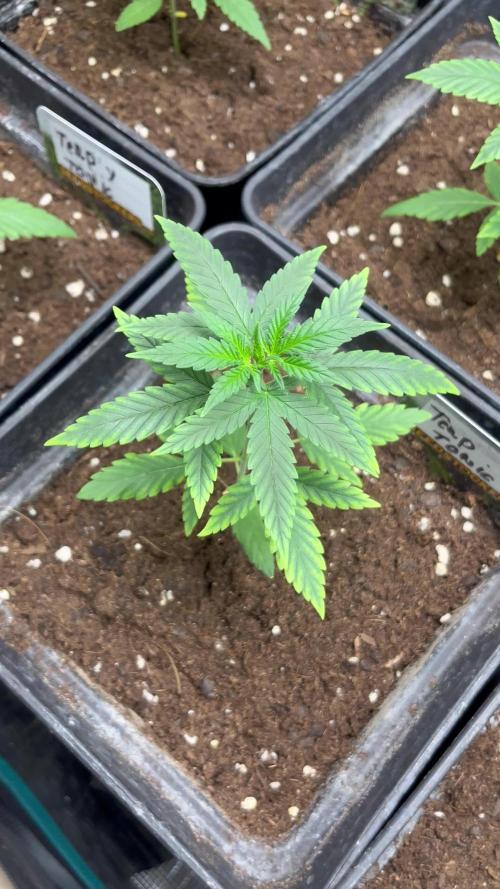
Vamos familia, actualizamos la cuarta semana de vida de estas Terploc & Tonic de Seedstockers.
Tuve problemas con la temperatura que estuvo alta 28/26 grados y humedad dentro de los rangos correctos, la única queja es la temperatura por empezar pronto, 16 horas luz, 8 oscuridad, estiraron un poco, pero van lentas por el momento, que cojan fuerza.
El trasplante a sido realizado a la maceta definitiva, 7L con sustrato Top crop.
Hasta aquí todo, Buenos humos 💨💨💨
Likes
6
Share

@MmaJunkie420
Follow
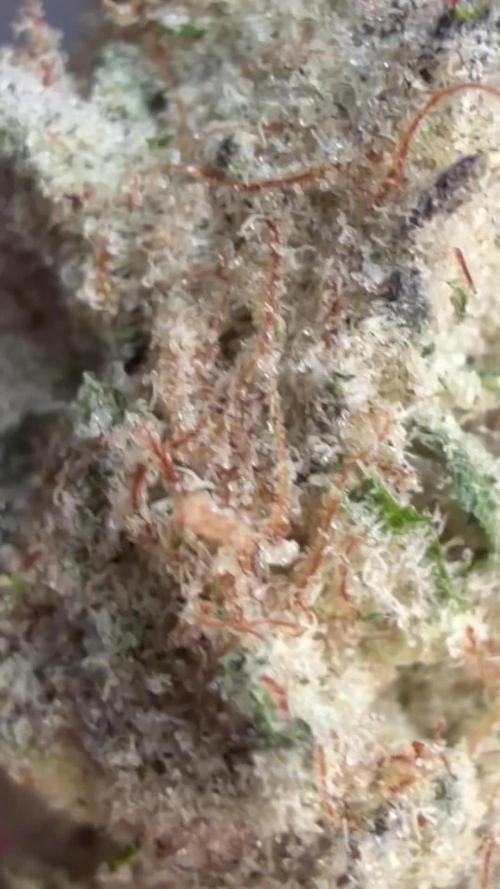
Final week papaya was 10/10 frozen biscotti smells even better the zkittlez I picked up was a real old school pheno and we got done heavy colas one of the frozen biscotti is behind a little hoping it tightens up abit before the 12th as they all need chopping together unfortunately but overall been a nice run.



Likes
9
Share

@KurtThePlantGuru
Follow
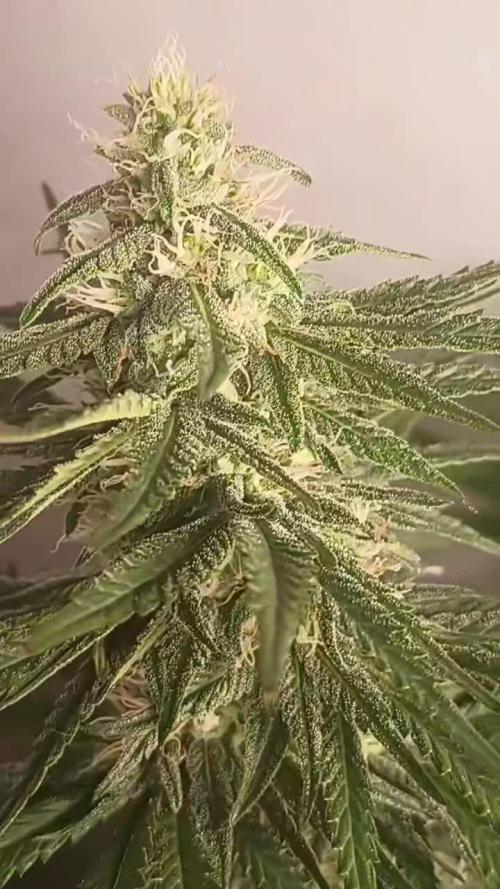
The Terps are developing to be insane on this one!
I'm getting notes of Black Cherry, Fruit Punch, some Superboof citrussyness and sum funky fuel. Very sweet almost bubblegummy!
One of the craziest Terps profiles I've ever grown!
Nugs aren't crazy dense, they're airy and light. Spear shaped nugs but absolutely packing on frost for it only being week 5, I am more then blown away with this grow I am without a doubt packing my next grow with these Homegrown Genetics !
Look forward to growing more of this fantastic breeder and very happy I was taken in to become a tester for these wonderful genetics.
Proof is in the pudding these are sum bangers. Terps are off the charts compared to my Grape Sour Diesel which is a bit behind in terms of maturing

Likes
6
Share

@Zebec
Follow
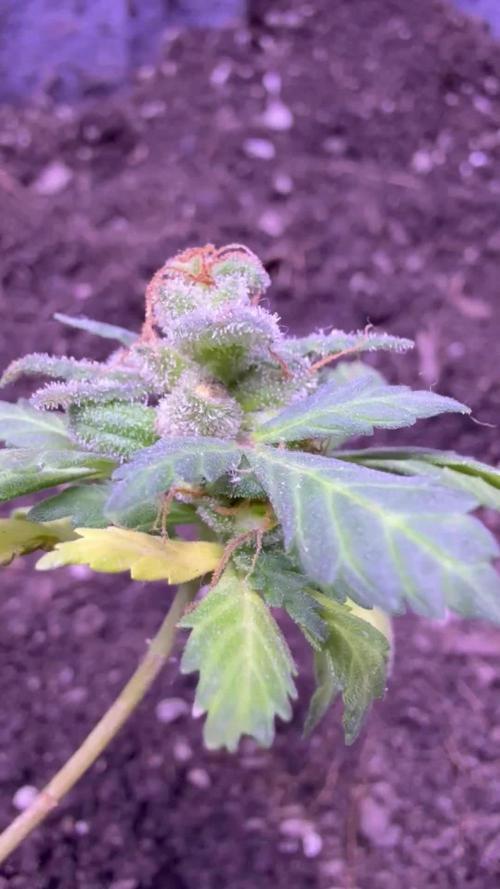
I am open to suggestions and try new things help me out with suggestions and things I should take care from next grow thank you everyone this was a fun learning experience if anyone has some spare seeds or new strains to experiment with I am open please help me out with seeds
Likes
18
Share


@Changman
Follow
I have chosen to transplant both plants as their roots have began breaking the bag. One i have dug a half a meter hole which i topped with my bag soil and then placed the bag ontop of the hole and deep watered the entire pot. Same with second plant except she has been placed into another grow bag with a larger width and depth giving her an extra half a meter to grow all round. Lets see if she takes as well as her sister the fruity pebbles next to her, time will tell

Likes
14
Share


@b_deal
Follow
This week was amazing guys. I literally watched the buds getting fat day by day. I am still feeding with a similar program and adding Aptus Regulator once per week to boost silica and some other minerals like molybdenum and boron. I'm flowering my plants in a hot environment with CO2 boost. PPFD is high to support these settings and thankfully my the pots aren't getting hot. No fungus gnats or any other pests, no root rot and bad smell. Everything is perfectly neat and buds are exploding. My expectations from this harvest is really high and I'll keep adding CO2 for another week.
Some fellow growers asked for CO2 and PPFD measurements. I am sharing these information on this week's pictures. I got my CO2 meter fixed and I tested the CO2 PPM in different places of the canopy. Typical value for this grow tent with this CO2 setup is around 1100-1350. Temperature is fluctuating between 28-31 and the average PPFD on the bud sites is 1100 micro moles.
I'm sharing CO2 measurements right under the fan, where you expect it to show the lowest value. Then I'll also share the CO2 PPM value coming out from the air pipe, which is normally attached to the grill of the fan. Direct output is now around 5500PPM and in the first two days, the meter shows 10000PPM which is the max value that it can reads. This bucket yeast CO2 reactor lasts for four days and I'm refreshing the mixture twice a week. This is huge CO2 with a fairly low cost compared to propane burners or CO2 tubes.
Edit: I refreshed the CO2 bucket today and got you guys a video of the direct output. The system is outputting more than 10000PPM of CO2 and the meter can't measure it for the first two days. This CO2 method is a killer one for tent grows. Very low cost for very high CO2 concentrations.
Hope these information helps. Happy growing 💪
