




Likes
2
Share


@Maddadog
Follow
From this week we started to give some extra nutrients to the plant. I used half of the quantity suggested from the fertilizer in order to reduce the overfert risks. She is growing day by day. I used to give water one time each 2 or 3 days during the night hours.

Likes
1
Share

@bavarian_original
Follow
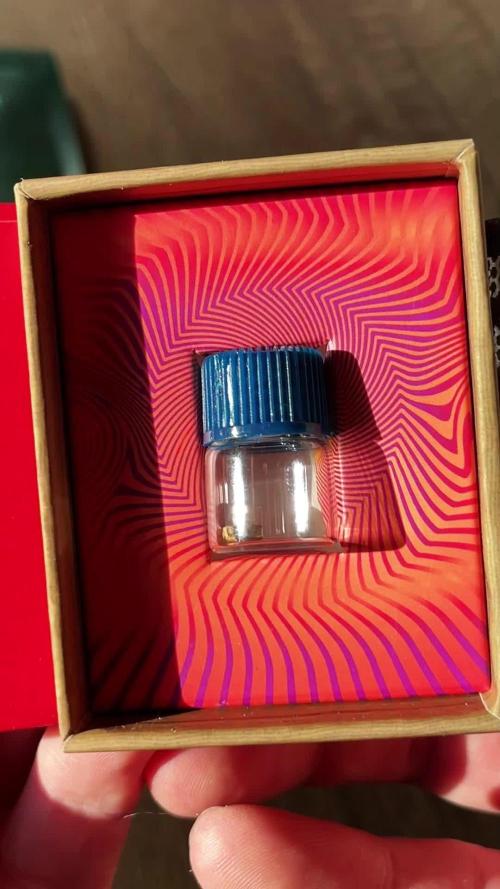
Die Seeds mit SeedTreatment gecodet - danach in einen 1L Topf mit Seedtreatment und Boron von rootinn
Likes
3
Share


@JeyGanesha
Follow
Quarta settimana di fioritura anche queste runz layer cake sta venendo very strong 😂🙏💪

Likes
13
Share


@FlavoursUk
Follow
Day 15 - The start of week 3 and the girls are really taking off, from 1-2 Inches of vertical growth daily. Consuming a good amount of water, almost leaving the bucket empty. lol.
Lightly defoliating to keep the bud sites exposed to light, as they get bushy very fast and recovery is only taking a day for them to bounce back. Pretty happy with how things are going right now. Slightly increased the EC by .2 but not enough to burn them.. which is the goal. Grateful for my trolmaster unit as it has made keeping tracking of my parameters much easier and effortless.
Day 16- Topping up the res with RO water every two days. Otherwise I'm sure it would be empty! Pistils are showing and the bud sites are very visible. Seeing one pheno with slightly more sativa dominant traits. Luckily I took clones so I can run the best pheno next time around, although all these plants are special. Still going through the flower stretch. Excited for what is to come. Stay tuned for the results.
Day 18 - As you can see, the difference is night and day over a period of 2 days they have had an explosion of growth. They were
heavily defoliated on day 17 and bounced back within a day. Happy plants preying. Bud sites are forming everywhere now. Not much to report. Until the end of week 3 in a few days. Bring on week 4.
Follow my Instagram and YouTube (link in bio)

Processing
Likes
13
Share


@GrowGuy97
Follow
Flower day 31 - Having a little trouble with the temperature getting higher than I would like because my dehumidifier puts off some heat while it’s running so it’s been a constant struggle to keep the environment in this tent stable! Definitely will not have so many plants next run lol, but all in all the ladies are growing great & I can’t wait to see how they turn out! Thanks for following friends & happy growing!✌️🏼🌱
Flower day 33 - Fed half the plants today with PH at 6.4 to try and keep the humidity down some I’ll water the other half tomorrow!


Likes
6
Share


@BigGGrows
Follow
The candy cush bounced back with resilience this week after the transplant. She is about to go into stretch and seems to be doing well this week.


Likes
9
Share


@JuicyFruit
Follow
Day 64 - 30/12/19
yo whats up folks, hope you all had a good christmas, apologies for no updates over the last month i took a little break to rest up and get started again fresh!
everything has been going great over the last month, i smoked my last plant all over christmas and it improved my mental health so much.
anyways on to the final weeks of the diesel auto.
when the plant went into flowering its constantly had minor issues with leaves yellowing and falling off. could be my ph pen again or it could be that the plants are growing into the light and getting bleached. its still producing really sticky buds and I started my flush yesterday (day 63) so yellowing is fine.
Il update and let you guys know what harvest is like next week :)
Until then have a happy new year and keep on growing!

Likes
36
Share


@MadeInGermany
Follow
Hey everyone .
This week she was left in her 1 L pot, and will not be in the 11 L pot until next week :-).
She was topped again and accepted it super 😃.
By the time she is repotted next week and given Green House Powder Feeding for the first time, she will have received a small portion of Canna Vega :-).
Otherwise it grows very quickly and vigorously, and they look beautiful 😍👌.
I wish you all a lot of fun with the new update, stay healthy and let it grow 🙏🏻👍
You can buy this Strain at :
https://sweetseeds.es/de/sweet-skunk-f1-fast-version/
Type:
Sweet Skunk F1 Fast Version
☝️🏼
Genetics:
Sweet Skunk Auto (SWS34)
X
Early Skunk
👍
Vega lamp:
2 x Todogrow Led
Quantum Board 100 W
💡
Bloom Lamp :
2 x Todogrow Led
Cxb 3590 COB 3500 K 205W
💡💡☝️🏼
Soil :
Canna Coco Professional +
☝️🏼
Fertilizer:
Green House Powder Feeding
☝️🏼🌱
Water:
Osmosis water mixed with normal water (24 hours stale that the chlorine evaporates) to 0.2 EC. Add Cal / Mag to 0.4 Ec Ph with Organic Ph - to 5.5 - 5.8 .

Processing
Likes
2
Share


@KeemBboomin
Follow
This was the week I decided to take a look at my trichomes with about 2-3 weeks left why not see what’s in store for me. And what I saw was some pretty milky stuff with surprisingly some amber to me that just means I’m going to get some good thc levels I’m shooting for at least 22-25% thc wish me luck we are almost there final stretch
Likes
4
Share

@Easywalker
Follow
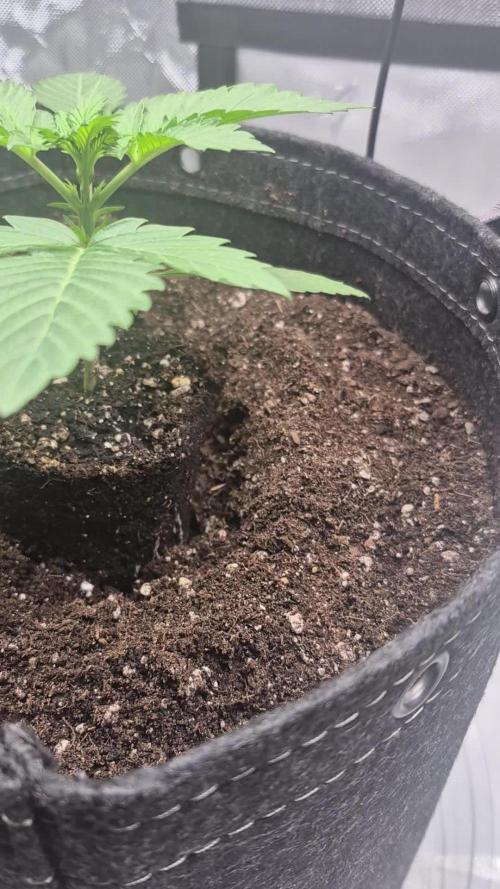
I was going to wait and post this weekend but f it. Just transplanted keeping it as simple as possible. Smell very faint. Her running mate is staying in the cup which is not doing her justice but its my first solo cup run gotta stick to it

Likes
Comments
Share

@UDUDUDUDU
Follow
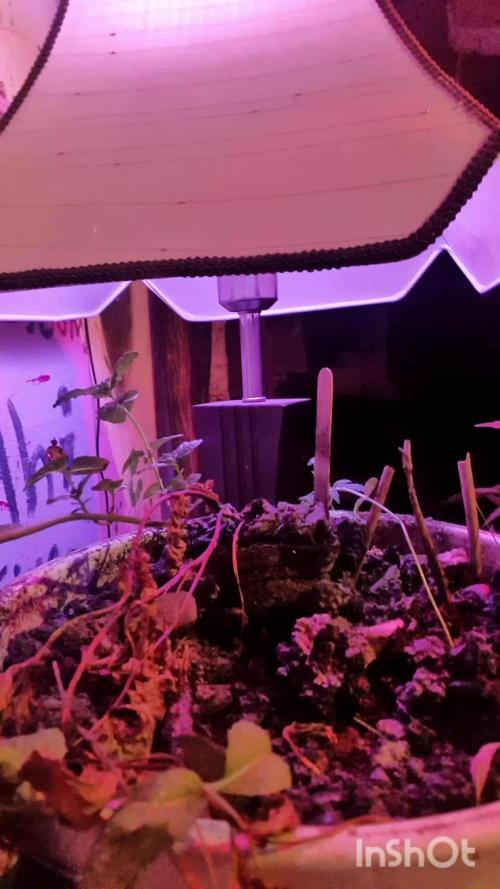
Mysic therapy ? really ? What ? you nVr watched mythbusters ? dey proVed it!
Processing
Likes
13
Share


@Greenbean15
Follow
Getting ready to harvest one of the Purple Trainwreck plants next weekend. I’ve decided to harvest the mother plant this weekend and wait another week for the clone plant. Plants have been getting straight water for a little over a week.
I did go ahead and harvest popcorn buds off the mother PT plant last week. I have struggled with getting the humidity below 50-60% in my tent so that being said, I also wanted to thin out the middle of the plant so the larger colas wouldn’t be blocked from light. The buds on numerous stems were touching and starting to stick together. I don’t want to get bud rot on any of my larger colas.
Total harvest off the mother PT so far:
Wet weight with stems: 3.75 Ounces
Dry without stems: 30 grams
Day 60-harvested another 1.25 wet ounces... not dry yet
I have not touched the PT clone that’s in flower, I have another PT clone in my veg tent for clones.
I also harvested some smaller buds off the Widow X Plant. I have two clones of this plant in my veg tent.
Wet with stems: .75 ounces or 21 grams
Dry without stems: .20 ounces or ~6 gram
Harvested another 1.15 wet ounces. Not dry yet
Setup:
24”x48”x60” tent
Two 1000W Sunraise LED lights
6” Vivosun inline fan
Two clip fans
Plants are in 5 gallon cloth pots with happy frog soil and perlite.
Nutrients: Fox Farm Dirty Dozen
I have learned a lot with this grow, I’m excited to see how my future grows turn out. I have started a perpetual grow and have a second tent with vegetative plants. The newly flowering plant that was added to the flowering tent last week is a purple trainwreck clone. I think it will be quite the monster once it’s done. I have been essentially lollipopping this plant but not entirely.
Any feedback appreciated!
Likes
15
Share


@AK1210
Follow
The bud sites are just covered in tricomes, I had my magnifying glass out to check the colour and most are milky but not as much as I thought by going by the pistol coloring, as they are mostly brown.
There is a more of a spicy dank smell to her now and the fan leaves have mostly died or are close to dying.
Hopefully I can start the flush process soon but will not do this till I'm happy with the tricome colouring.
Likes
3
Share


@Mr_nugs_lover_David
Follow
She has opened up exactly 48hs after being planted,she's going to beba. Beautiful plant,let's see how she performs.

Likes
18
Share


@EaRtH
Follow
24.10. - Today I've switched the LST technique. I've drilled a few holes to the pots and tied down my plants. One of them is significantly stronger and bigger. I'm wondering if it's because of genetics or if I did something wrong that slowed down the others.
26.10. - Plants started to show first signs of pre flowering stage. I've decided to completely untie the smallest plant as I don't think there will be much yield at all. Other two are growing pretty fine, branches are getting longer and thicker. I will slowly decrease the amount of Bio Grow and start to add a bit of Bio Bloom to the mix.
30.10. - All plants are showing nice improvements. Branches gained on height and got thicker. I can already see some bud sites developing, so I've decided to completely replace Bio Grow with Bloom.
24.10. - 30.10.2023


Likes
6
Share

@Chubbs
Follow
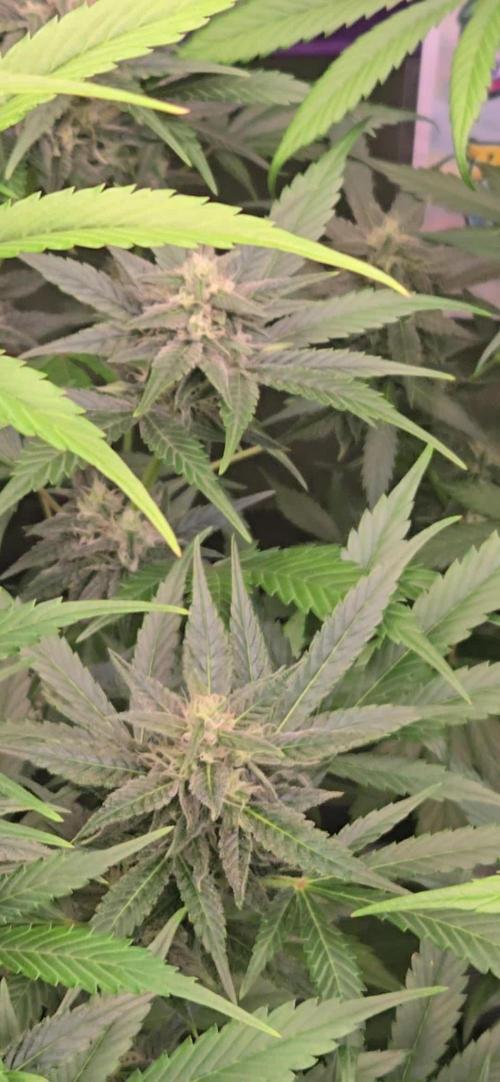
What up Fam, weekly updates on these lovely ladies. This week it's been warm and such a bad time for my AC to go out but overall temps been in the mid it's inside the tent and the plants seem to not mind at all. They're still getting fed 16oz daily. I'd say from the looks, maybe 2-3 more weeks until harvest. Happy Growing
Likes
4
Share

@Mr_NYceguy
Follow
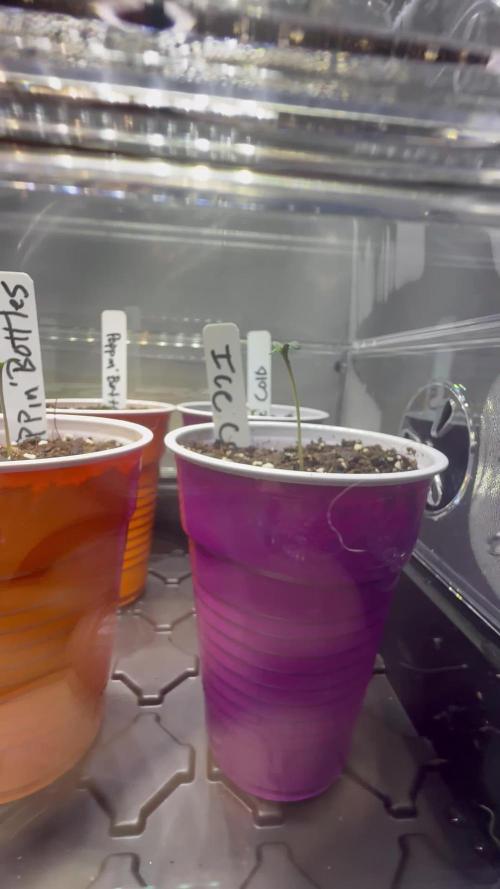
Paper towels placed between two dinner plates, placed on heating mat. 48 hours all seeds had tap roots. Placed in solo cups filled with coco loco, and sprinkled a little Great White in the holes. All seeds sprouted with in 36 hours. 76-78 degrees with 80% humidity. 100% Germination - AMAZING! #nomids

Likes
31
Share


@AccidentalB
Follow
PAR 450 PPFD
It's all about creating new branches during these weeks of vegetation and LST for me is the best way to achieve that. More branches means more Green Gelato cones at the end of my grow. I try to create about 20 per plant at the end of vegetation.