


Likes
Comments
Share

@Earthsower
Follow
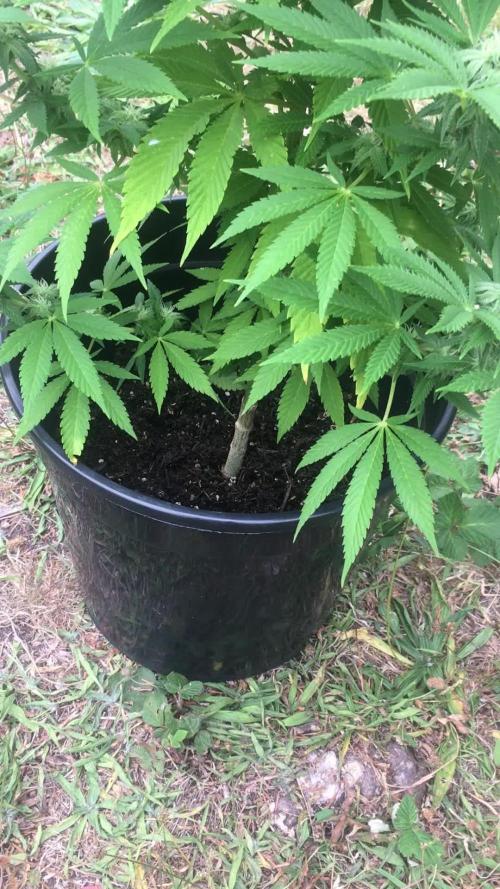
The super skunk feminised stands at 62cm tall with bushy growth. The growth this week has ceased with most of her energy being used for bud formation. Her leaves are dulling. Calyxes beginning to swell. Ph remains at 5.9 as she is fed when the her pot is light enough. Overall the super skunk looks good!


Likes
Comments
Share

@DogDoctorOfficial
Follow
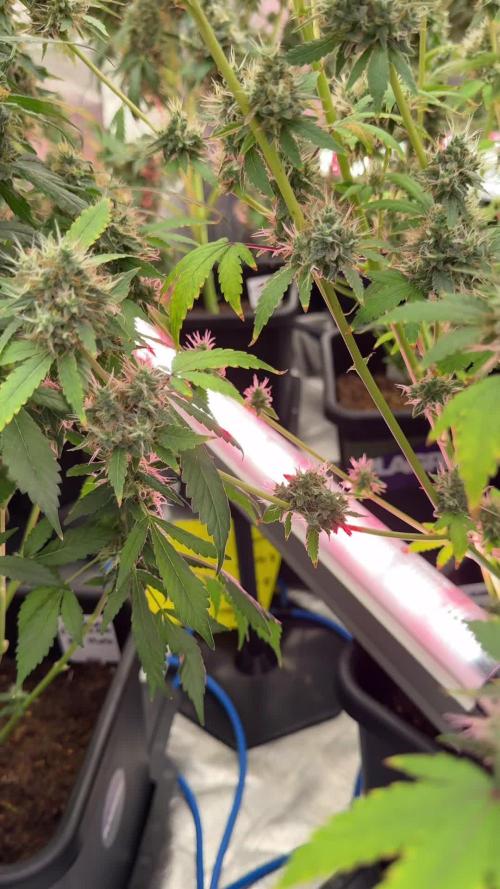
🌿 Frosted Guava Auto by Zamnesia | Pheno B | Week 13 🦄💎
The Dark Little Unicorn Is Showing Us Her Genetic Signature 🦄🌸✨
Welcome back to another chapter of the 8×8 Adventure! 🌱💚
Well...
Here we are again.
😂
And honestly?
I'm starting to think this girl might be trying to tell us something.
Because the more I look at Frosted Guava Pheno B...
the more I look around the rest of the room...
and the more I compare what we're seeing...
the more I'm beginning to wonder if this beautiful little foxtailing madness is simply part of her genetic personality.
🦄🌸
The majority of the room isn't doing this.
Yes, we have a few other plants showing some foxtailing here and there.
But overall?
Statistically speaking...
the room is not a foxtailing jungle.
😂
These Frosted Guava girls, however?
They seem to have received a completely different memo.
😂🦄🌸
And I actually love that.
Because that's exactly what the 8×8 Adventure is here to show us.
Same room.
Same general environment.
Same photons.
Same grower.
Same ecosystem.
Different genetics.
Different expressions.
Different personalities.
And sometimes...
those genetics speak VERY loudly.
😂🌸🦄
So this week...
let's give our dark little unicorn the spotlight.
Because she's shining.
She's doing her thing.
She's continuing to evolve.
And honestly?
I'm reaching the point where I'm simply enjoying the view.
😂💚
────────────────────────
🦄 WEEK 13 – THE FOXTailing SIGNATURE?
This week, I'm looking at her and thinking:
"Okay... this is starting to look genetic."
😂
Now, obviously, I'm not going to pretend that one grow is enough to prove exactly which gene is responsible for what.
We're observing.
We're comparing.
We're learning.
But when you have two Frosted Guava phenotypes showing very similar unusual flowering behaviour...
while the majority of the rest of the room isn't...
well...
it's certainly an interesting pattern.
🦄🌸
And that's one of the things I love most about this project.
We're not looking at one plant in isolation.
We're looking at twelve plants sharing the same room.
And when something repeatedly appears in one genetic line...
your curiosity naturally starts asking questions.
Is it environmental?
Is it nutritional?
Is it simply the individual phenotype?
Or is there a genetic component?
🤔🌿
I don't have the final answer.
But I'm certainly enjoying watching the evidence build.
────────────────────────
🌸 THE ROOM IS NOT A FOXTailing JUNGLE
This is where the comparison becomes really interesting.
We've got a room full of plants.
Different cultivars.
Different phenotypes.
Different structures.
Different flowering behaviours.
And yes...
there are a few other foxtails around the room.
But overall?
The majority are not expressing this characteristic to anything like the same degree.
And then we look at Frosted Guava...
🦄
"Hello."
😂🌸
There she is.
And her sister is basically standing beside her saying:
"Yeah... us too."
😂😂😂
That's what makes me suspicious that we're looking at something inherent to the genetics rather than simply something happening randomly throughout the room.
Again...
I'm not claiming we've scientifically identified a specific gene.
I'm simply saying:
the pattern is interesting.
And in a project like this...
patterns are exactly what we're here to observe.
────────────────────────
GENETICS ARE WHISPERING... OR MAYBE SHOUTING
This is where the 8×8 Adventure gets really fun.
Because sometimes genetics don't whisper.
Sometimes they walk into the room...
look at you...
and scream:
"THIS IS WHAT I DO."
😂🌸
Frosted Guava seems to have chosen:
"Flowers?"
Yes.
"Lots of them?"
Yes.
"Normal structure?"
Absolutely not.
😂
"Foxtails?"
YES.
🦄🌸🔥
And honestly?
I'm here for it.
Because this is exactly why we grow multiple plants and document individual phenotypes.
If every plant behaved exactly the same...
there wouldn't be nearly as much to learn.
But they don't.
They show us differences.
And those differences are the story.
────────────────────────
🦄 OUR DARK LITTLE UNICORN IS STILL SHINING
And let's not forget the most important part.
Whatever the reason...
she's beautiful.
💚🦄
She's still carrying that gorgeous deep-green character.
She's still developing beautifully.
She's still building flowers.
She's still looking substantial.
And she's still doing everything at her own rhythm.
She's not trying to copy her sister.
She's not trying to copy anybody else in the room.
She's simply being Frosted Guava Pheno B.
And I really like that.
There is something incredibly satisfying about watching a phenotype become recognizable.
At the beginning...
she's just another plant.
Then week by week...
you start noticing little things.
Then you start recognizing her from across the room.
And eventually...
you don't even need the label.
You just look and think:
"Yep.
That's her."
😂🦄💚
────────────────────────
🌸 MORE FOXTails = MORE CHARACTER
And yes...
I'm going to keep enjoying those foxtails.
😂
Because I know some people love them.
Some people don't.
Some people see them as beautiful.
Some people prefer traditional, compact flower structures.
And that's perfectly fine.
That's the beauty of growing.
Everybody has different eyes.
Different preferences.
Different favourite structures.
Different colours.
Different expressions.
Me?
I like the weird stuff.
😂💚💜💙
I like green.
I like purples.
I like blues.
I like unusual structures.
I like plants that make me stop and ask:
"Okay... what the hell are you doing?"
😂🦄
And Frosted Guava Pheno B definitely qualifies.
────────────────────────
🌿 SAME ROOM – DIFFERENT STORY
Once again...
we come back to the heart of the 8×8 Adventure.
Same room.
Same general environmental conditions.
Same lighting ecosystem.
Same nutritional foundation.
Same irrigation system.
Same 12/12 schedule.
Same grower.
And yet...
look at the plants.
Some are compact.
Some are tall.
Some are dense.
Some are open.
Some are incredibly frosty.
Some develop different colours.
Some move faster.
Some move slower.
And these Frosted Guava girls?
They're apparently members of the Foxtail Club.
😂🦄🌸
That's the experiment.
The environment provides the stage.
Genetics decide what kind of performance happens on it.
And Pheno B is putting on a very recognizable performance.
────────────────────────
☀️ SAME PHOTONS – DIFFERENT INTERPRETATION
The lighting environment remains the same upgraded setup we've been running across the room.
The additional Future of Grow Black Series 600W fixtures are still giving us that expanded lighting capability.
We're controlling the output rather than simply running everything flat out.
Approximately:
💡 ~59% power from the plug
with around:
☀️ ~1,500 PPFD across the upper canopy
with natural variation depending on plant height and position.
And this is another thing I love watching.
The photons are basically the same opportunity.
They arrive.
The plants receive them.
And then...
genetics interpret them.
😂☀️🌿
Pheno B has apparently decided:
"Thank you very much.
I'll use these photons to make some wonderfully weird flowers."
😂🦄🌸
Fair enough.
────────────────────────
💡 MORE CAPABILITY – STILL NO NEED TO INTERFERE
The lighting upgrade gave us more capability.
It didn't give us more reasons to constantly touch the plants.
And I think that's important.
We have more control.
More flexibility.
More ability to provide a strong, consistent lighting environment.
But the plants still get to decide what they do with it.
And Frosted Guava Pheno B?
She's doing just fine.
So I'm not going to interfere just for the sake of being busy.
😂
The grower doesn't get extra points for touching the plant every five minutes.
Sometimes the best thing we can do...
is watch.
────────────────────────
😂 I'M ALMOST JUST ENJOYING THE VIEW NOW
Honestly?
That's where I'm at.
I'm almost becoming a tourist in my own grow room.
😂📸🌿
I walk in.
I look around.
I see the girls.
I check that everything is running properly.
I look at the flowers.
I look at the structures.
I look at the frost.
And then I just...
enjoy the view.
😂
Because what else am I supposed to do?
They're growing.
They're developing.
They're healthy.
They're doing their thing.
So I'll keep providing.
I'll keep maintaining.
I'll keep observing.
And I'll let them entertain me.
That's a pretty good job description.
😂💚
────────────────────────
🌸 THE FLOWERS KEEP DEVELOPING
And underneath all the foxtailing...
there's still a lot of beautiful flower development happening.
The structures are becoming more substantial.
The flowers continue to gain presence.
The plant continues to mature.
And that's what matters.
The foxtailing is simply one of her characteristics.
It isn't the entire story.
She's also:
🌿 Green.
🌸 Flowering.
❄️ Frosty.
💪 Substantial.
🦄 Unusual.
💚 Beautiful.
And together...
all those characteristics make her what she is.
Frosted Guava Pheno B.
────────────────────────
❄️ THE DARK LITTLE UNICORN IS STILL FROSTY
And yes...
the frost hasn't gone anywhere.
😂❄️🦄
The flowers continue carrying that beautiful resinous appearance.
The darker foliage creates a beautiful contrast.
The developing flowers stand out.
And then the camera gets closer...
and suddenly you find another layer of detail.
Pistils.
Trichomes.
Flower texture.
Little foxtailing structures.
Tiny differences between one cola and another.
It's almost like every flower has its own little personality.
📸🌸
And I love documenting that.
────────────────────────
🦄 PHENO A AND PHENO B – THE UNICORN SISTERS
And of course...
we have to talk about her sister.
Because this is becoming more and more interesting.
Two Frosted Guava girls.
Same room.
Same general conditions.
Same grower.
And both showing this unusual flowering characteristic.
That doesn't prove anything by itself...
but it certainly makes the genetic theory more interesting.
🦄🦄
Pheno A has her own expression.
Pheno B has hers.
They're not identical plants.
But they share something.
And that something is worth watching.
That's the beauty of keeping individual phenotype diaries.
You can actually go back.
You can compare.
You can look at the photographs.
You can look at the progression.
And eventually...
you start seeing patterns that you might completely miss with a single plant.
────────────────────────
🌿 THERE'S STILL NOT MUCH FOR ME TO DO
And yes...
we're repeating ourselves again.
😂
But that's because reality hasn't changed.
There's not much for me to do.
And I'm not complaining.
I'm celebrating it.
Because if something suddenly needs major intervention at this stage...
that's normally not the kind of surprise I want.
😂
So thank God...
we're simply maintaining.
We're looking.
We're providing.
We're supporting.
We're observing.
And we're letting the plant continue.
That's a good week.
A very good week.
────────────────────────
🙏 SOMETIMES "NOTHING" IS THE BEST NEWS
This is something I think gets overlooked when people document grows.
We tend to celebrate action.
"Today I did this."
"Today I changed that."
"Today I trained."
"Today I adjusted."
But sometimes...
the best update is:
"Nothing needed changing."
😂🌿
Because that means the system is working.
The plant is happy.
The environment is stable.
The flowers are developing.
And the grower isn't having to put out fires.
That's not boring.
That's success.
And Frosted Guava Pheno B is giving us exactly that kind of week.
────────────────────────
⚗️ NUTRITION – KEEPING THE ROOM MOVING FORWARD
The nutritional programme continues along with the overall progression of the room.
We're not trying to create a special recipe just because she's Frosted Guava.
She's part of the same environment.
Part of the same nutritional strategy.
And once again...
she's showing us what she does with it.
That's what I'm interested in.
Not forcing her.
Not trying to make her behave differently.
Just watching.
Observing.
Learning.
And supporting.
Because she's already doing the interesting part.
🌿💚
────────────────────────
🌡️ WEEK 13 – ROOM CONDITIONS
The room continues broadly around:
🌡️ Day temperature: ~26.5°C
🌙 Night temperature: ~26°C
💧 RH: ~61%
🌱 Substrate temperature: ~25°C
💦 Nutrient solution: ~25°C
⚗️ pH: ~6.02
⚡ EC: ~2.14 mS/cm
💨 CO₂: ~693 ppm
💡 Light schedule: 12/12
Same room.
Same general environment.
Same lighting philosophy.
Same ecosystem.
Different genetic expression.
🦄🌿💚
────────────────────────
📸 JUST ENJOYING THE VIEWS
I think this is probably my favourite sentence for this week:
I'm just enjoying the views.
😂📸🌿
Because sometimes you reach that point where the grow becomes less about what you're doing...
and more about what you're seeing.
You look at the canopy.
You look at the flowers.
You look at the different phenotypes.
And you realize:
"Damn...
we built something pretty cool here."
😂💚
The plants are doing the work.
The room is running.
The genetics are speaking.
And I'm lucky enough to stand in the middle of it with a camera.
Not a bad place to be.
────────────────────────
IS FOXTailing PART OF HER GENETICS?
That's the question I'm increasingly curious about.
Again...
I'm not claiming we've scientifically proven it.
We're simply observing a pattern.
The room overall isn't heavily foxtailing.
There are a few other examples.
But the Frosted Guava girls?
They're definitely making a case for themselves.
😂🦄🌸
So maybe there's a genetic tendency here.
Maybe there's something in this cultivar that encourages this type of flower expression.
Maybe it's a combination of genetics and environment.
Maybe it's simply how these particular phenotypes express themselves.
That's what makes the experiment interesting.
We don't have to pretend we already know.
We can simply observe.
And say:
"That's interesting."
Then keep watching.
That's science enough for a grow diary.
😂🔬🌿
────────────────────────
🍇 MORE FLOWER TO ENJOY
And at the end of the day...
whether you call them foxtails...
extended flower structures...
or simply this girl's weird little personality...
they're still beautiful flowers.
😂🌸
And more flower means more to appreciate later.
The harvest chapter will eventually come.
The trimming chapter will eventually come.
And yes...
these unusual structures may make the trimming a little more interesting.
😂✂️
But that's Future DogDoctor's problem.
Right now...
Present DogDoctor is busy enjoying the view.
😂📸🦄
────────────────────────
🔮 FUTURE DOGDOCTOR CAN DEAL WITH THE SCISSORS
I've learned to stop solving problems that don't exist yet.
😂
Harvest?
Later.
Trimming?
Later.
Drying?
Later.
Curing?
Definitely later.
Right now?
She's still growing.
So let her grow.
Let her finish her story.
Let her surprise us.
And when the scissors eventually appear...
we'll deal with whatever beautiful weirdness she gives us.
😂✂️🦄
Until then...
back to watching.
────────────────────────
🌸 THE UNICORN DOESN'T NEED A SCRIPT
I think that's another thing I love about this girl.
She doesn't seem to care what I expected.
😂
She just does her thing.
I can make predictions.
I can make theories.
I can look at her sister.
I can look at the rest of the room.
And she'll still look back at me and say:
"Yeah...
anyway...
I'm going to do this."
😂🦄🌸
And honestly?
Good.
That's what I want.
I want plants that teach me something.
I want plants that surprise me.
I want plants that make me question assumptions.
And Frosted Guava Pheno B is doing exactly that.
────────────────────────
👑 LET HER HAVE HER SPOTLIGHT
Some girls demand attention.
Some steal it.
Some quietly earn it.
And this little unicorn?
She's earned it.
🦄👑
She's beautiful.
She's unusual.
She's developing.
She's frosty.
She's green.
She's building flowers.
She's showing a very interesting genetic expression.
And she's doing all of it without asking for much from me.
So yes...
the spotlight belongs to her this week.
Let's make her shine.
Let's appreciate the weirdness.
Let's appreciate the structure.
Let's appreciate the frost.
Let's appreciate the genetics.
And let's simply enjoy the view.
🦄🌸❄️💚
────────────────────────
🔍 WHAT I'M WATCHING NOW
At this stage, I'm watching:
Whether the foxtailing expression continues.
🌸 How the flowers continue developing.
❄️ Resin development.
🌿 Overall plant health.
💚 Her beautiful dark-green character.
🦄 How much more personality she decides to show us.
📸 And, of course, documenting the journey.
That's enough.
No need to force anything.
No need to invent work.
No need to predict the ending.
Just keep watching.
────────────────────────
💭 FINAL THOUGHTS – THE DARK LITTLE UNICORN SHINES
Week 13.
Frosted Guava Auto Pheno B.
🦄🌿💚
And honestly...
I'm starting to really appreciate how different she is.
She's not simply another plant in the room.
She's becoming a very recognizable phenotype.
The dark green.
The beautiful flowers.
The frost.
The structure.
And now...
the foxtailing.
😂🦄🌸
The more I compare her with the rest of the room...
the more interesting that characteristic becomes.
Maybe it's genetic.
Maybe it's part of this cultivar's expression.
Maybe the environment is simply helping reveal it.
Whatever the final answer is...
I'm enjoying watching the story unfold.
And that's the whole point.
We're not here to force every plant into the same mould.
We're here to see what they become.
And Frosted Guava Pheno B?
She's becoming one beautiful, dark, frosty, foxtailing little unicorn.
😂🦄❄️🌸
She's shining.
She's doing her thing.
And I'm almost just standing there enjoying the view.
That's a pretty damn good place to be.
So let's give her the spotlight.
Let's let her shine.
Let's keep watching.
Let's keep documenting.
Let's keep maintaining.
And let's let this girl finish the story she started.
The harvest can wait.
The scissors can wait.
The trimming can wait.
All of that belongs to another chapter.
Right now...
we grow.
We observe.
We provide.
We appreciate.
And we enjoy.
🦄🌸💚✨
Keep doing your thing, Frosted Guava.
Keep surprising us.
Keep showing us your personality.
Keep making those beautiful weird flowers.
And let's see where this genetic journey takes us.
────────────────────────
🙏 THANK YOU
As always, thank you so much to everyone following the 8×8 Adventure. 💚🌱
Thank you to GrowDiaries for giving us the space to document these individual journeys and share the experience with growers around the world.
Thank you to Zamnesia for the Frosted Guava genetics and for giving us these beautiful unicorns to follow.
Thank you to Plagron for supporting the nutritional side of the adventure.
A huge thank you to Future of Grow for supplying the additional Black Series 600W fixtures and allowing us to explore this expanded lighting setup. 💡☀️🌿
Thank you to LumiFlora for helping illuminate the deeper areas of the canopy.
Thank you to TrolMaster for helping keep the environment stable behind the scenes.
And of course...
thank you to everyone following the 8×8 Adventure.
Every comment.
Every question.
Every message.
Every person stopping by to see what these girls are doing.
It genuinely means a lot. 💚
And Frosted Guava Pheno B?
You're still doing exactly what you want.
😂🦄
You're evolving.
You're developing.
You're shining.
You're showing us a very interesting expression.
And you're giving us another reason to love the genetic diversity inside this room.
Maybe that foxtailing is genetic.
Maybe there's more to discover.
Maybe we'll understand it better by the end.
And maybe...
she'll simply keep being a beautiful little freak and leave us wondering.
😂🦄🌸
Either way...
I'm enjoying the ride.
So this week, the spotlight belongs to you.
Let's make you shine.
Let's appreciate every flower.
Every foxtail.
Every frosty little detail.
Every beautiful green leaf.
Every strange little structure.
Because you're not trying to be anyone else.
You're just being you.
And that's exactly what makes you interesting.
🦄💚🌸✨
Growers Love, my friends. 💚🌱
See you next week in the 8×8 jungle...
where the photons keep flying,
the flowers keep developing,
the genetics keep speaking,
the grower keeps enjoying the view,
and our dark little unicorn keeps doing exactly what the hell she wants.
😂🦄🌿
Let her shine. 💚

Likes
4
Share


@grassfanatic
Follow
Not ideal drying temperatures as summer has begun. Starting the dry at 27c and 52% humidity. I will keep a close eye on the drying process as hot temps could dry it a bit quicker

Likes
15
Share

@MrMaabra
Follow
Hallo Leute, diese Woche gab es kein Wurmtee, da sehr wenig davon entstanden ist. Das lag sicher an den vergangenen kalten Tagen und Nächten. Erste Maßnahme: Wurmbox anfüttern, feuchtes Papier und leicht durchmischen, damit die Mikrobiologie beim Zersetzen Reste den Würmern behilflich ist - s. Video 1.
Ansonsten ist die Lady erwartungsgemäß in ihrer letzten Phase angekommen, was die herbstliche Färbung anzeigt. Die Pflanze zieht Nährstoffe aus ihren Blättern. Eine Vielzahl der Pistillen sind bereits orange-braun gefärbt - die Ernte ist nicht mehr lange hin - s. Video 2.
Es ist jetzt schon ersichtlich, dass die Buds um 1/3 geringer sind, als bei dem Grow davor mit 30 Litern. Das wird auch mein künftiges Set-Up für die Bio Hanferde von Sonnenerde - 30.
Die Luftfeuchtigkeit und Temperatur sind weiterhin mit 52% und 23 Grad stabil. Die Leistung der Lampe habe ich für die restlichen zwei Wochen auf 60% erhöht, um die Entwicklung der Buds zu pushen. Der Geruch ist zurückhaltend, aber wehe, man kommt versehentlich an die Blüten, explodiert es förmlich in einer süßen und cremigen Note - unaufdringlich gut.
Die Trauermücken sind erledigt und entwickelte sich nicht zu einer größeren Problematik. Ich bin weiterhin zufrieden mit der Gelato Auto.
__________
Hi everyone, there was no worm tea this week as very little was produced. This was likely due to the recent cold days and nights. First step: feeding the worm bin, adding damp paper, and mixing it slightly to help the microbiology break down scraps for the worms – see Video 1.
Otherwise, as expected, the lady has reached her final stage, indicated by the autumnal colors. The plant is pulling nutrients from its leaves. Many of the pistils have already turned orange-brown – harvest isn't far off now – see Video 2.
It’s already apparent that the buds are about 1/3 smaller than in the previous grow using 30 liters. That will be my future setup for the Sonnenerde organic hemp soil – 30 liters.
Humidity and temperature remain stable at 52% and 23 degrees. I’ve increased the lamp power to 60% for the remaining two weeks to push the bud development. The scent is subtle, but if you accidentally touch the flowers, it literally explodes with a sweet and creamy note – unassumingly good.
The fungus gnats are gone and didn't turn into a major issue. I’m still very happy with the Gelato Auto.

Likes
12
Share


@blindreaper9
Follow
Buds are getting bigger and frosty. Still full strength on the bloom nutrients.


Likes
59
Share


@burnerac
Follow
I think I was pHing wrong. My cheap digital meter isn't helping. Switching to drops shows that my run off is pH 4. I am currently doing a flush with 2 tablespoons per gallon of Hurculean Harvest pH'd to 8.
Questions:
1) For the flush, do I just keep running water through all at once until the run off changes?
2) How do I save this plant?
3) When do I begin trimming?
4) How and what do I trim?
5) When do I begin Sog or Scrog training?
6) How do I flush and avoid root rot?
7) When do I switch to flowering?
Grown from seed. Gold Leaf.
Grow medium: Strawberry Fields. Initially germinated in Happy Frog.
Light: MarsHydro 300W LED Grow Light Full Spectrum for Hydroponic Indoor Plants Growing Veg and Flower
Pot: 5 gallon Smart Pot
watering schedule: about every 4-7 days
pH: runoff is 4. Food is pH 6. Currently doing a flush at pH 7-8
Plant in a Hongruilite Hydroponic Indoor Grow Tent Room w/Plastic Corner (32''x32''x63'').
Likes
19
Share


@MrGrowMan
Follow
I felt very good inside,
Today is over and I feel so bad
It was delicious, aromatic, high, short but long,
I bought it as autoflower but it took a feminized time


Likes
7
Share


@hooolian
Follow
16/11/21: The plants are growing as they should have adjusted to light to 80% brightness and are at a height of 22 inches for next week. they were rolling at 18 inch height and 70& brightness for this week.
defoliated some of the more dead and smaller leaves at the base of the plants.
topped all of the plants which will affect height but will hopefully bring a greater yield.
plants are doing well - around 18 inch in height on avergage with the bottom far left coming in at 24 inches alone.


Processing
Likes
3
Share


@Cultiv8or
Follow
Brought them inside this week and borrowed a Dehumidifyer. I’ve been able to get RH , 45-55 now and the resin production has already started increasing


Likes
3
Share

@Thedibber
Follow
Got myself some new genetics for the next run after the badazz og and Bubba cheesecake. Both Ethos Dip n stax and Capjunky x Endgame #3 special limited edition 🙏🙏
Once the Pyschoberry cheese is ready ill scrog 2x Bubba and 1 Badazz Og in the 3x3 should be within the next week or two 💪

Likes
9
Share


@Joesgrows
Follow
Day 23 I made many mistakes this is my second indoor grow I showed a glimpse of my first in the video . Day 23 she is starting to finally get taller I had my light way to close so she wasn't getting any taller at all just fat anyways now she'll start growing have mer some fish emulsion three days ago then the hairs are Poppin so I gave her a teaspoon of more bloom.
Likes
14
Share

@420DeepGrow
Follow
📆 Semana 9
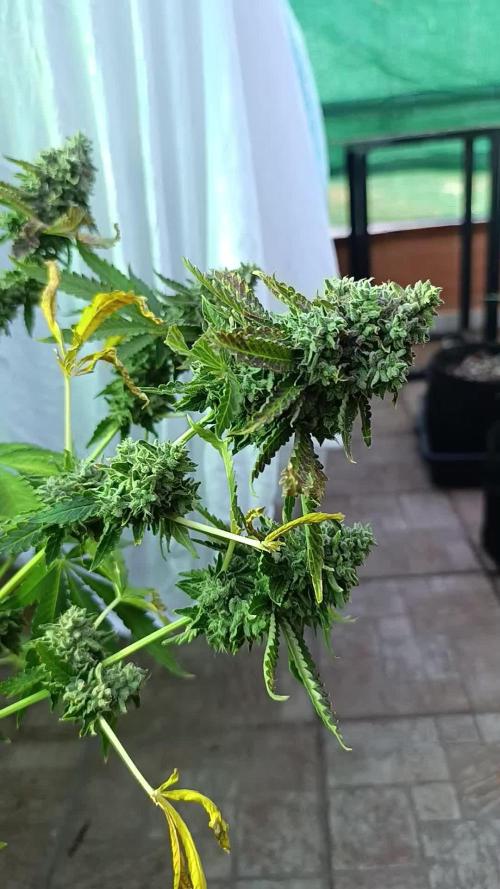
Llegamos a la última semana de floración y al momento de la cosecha. Los cogollos han completado su engorde, alcanzando un buen tamaño, peso y densidad, con una gran producción de resina y aromas cada vez más intensos.
Esta última etapa estuvo marcada por los inconvenientes ocasionados por la evacuación, que dificultaron mantener los cuidados habituales. A pesar de ello, las plantas consiguieron finalizar correctamente y llegar a cosecha con un resultado muy satisfactorio.
🔥 Nota: Semana de cosecha. A pesar de las dificultades, el cultivo ha conseguido llegar al final con muy buenos resultados.
¡Seguimos creciendo fuerte 💪!



Likes
2
Share

@IslandTerps
Follow
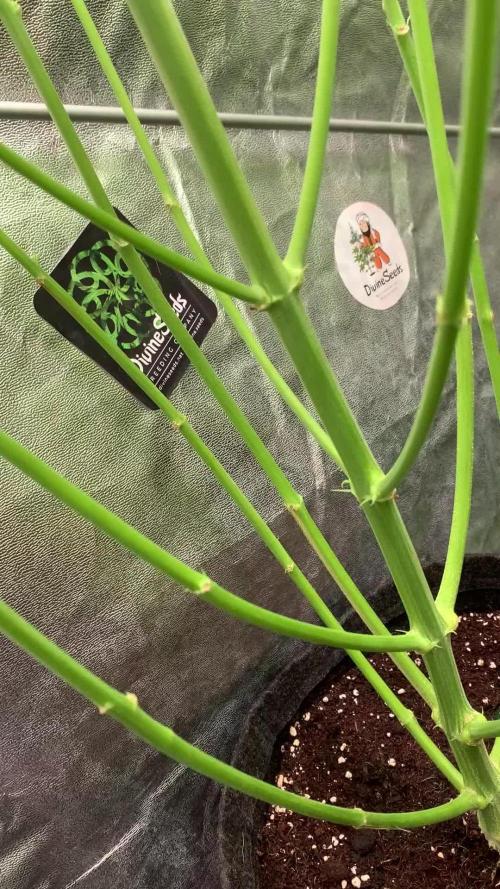
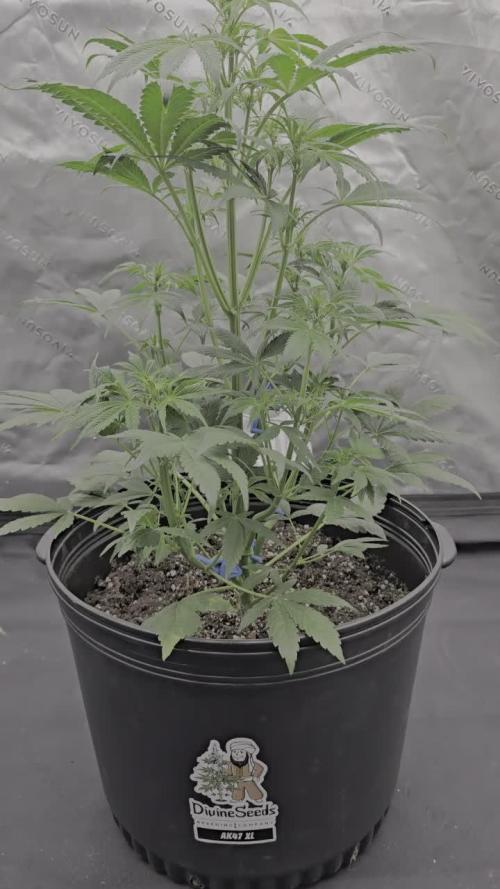
Strain: Divine Seeds – AK47 XL
Grow Type: Indoor
Pot Size: 7 Gallon
Medium: Peat Moss & Perlite
Nutrient Line: Athena (Bloom)
Week 5 Update
She’s doing great this week getting a little taller and showing steady progress as she settles into flower. She’s taking her nutrients well with little to no deficiencies, just a slight yellowing on the tips, but nothing too concerning at the moment.
It’s week two of flower, and everything looks fine so far. Hoping to see more pistil coverage and early bud development as the week goes on.
Feeding
1.7 L Athena Bloom nutrient mix (will raise gradually if needed).
Indoor Climate Conditions
Temperature: 18–23°C
Humidity: 60–65%
VPD: ~0.5–0.8 kPa
See y’all next week!
Processing
Likes
12
Share


@Mistertemps
Follow
They are still plumping up nicely I’ve been only feeding ph water up until the end of this week. I’ve done a mix of ph’ing and not(laziness) started to notice purple leaves and buds last couple days. Just waiting for more green to disappear from the leaves.
Likes
10
Share


@CanadianFillmore
Follow
Start of week 4. Glueberry OG is coming along nicely. Lots of bud sites are developing and she's starting to smell. Until next week, happy growing everyone!

