


Likes
Comments
Share

@therealgrowmie
Follow
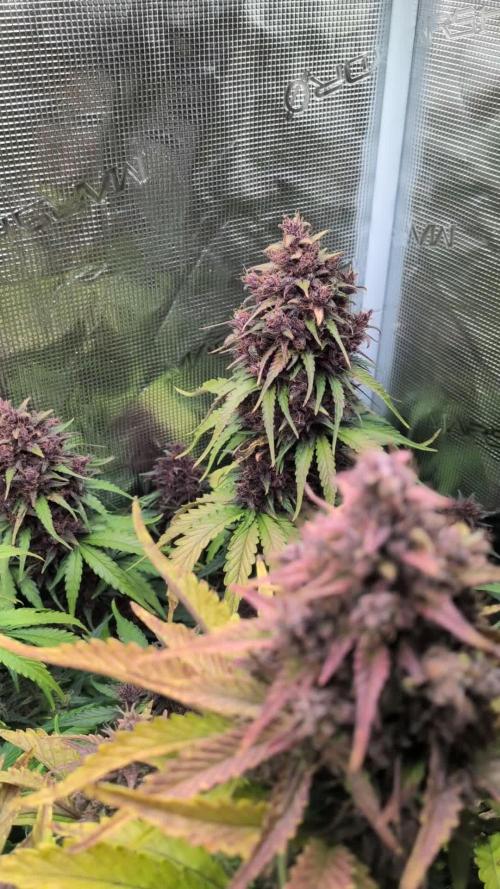
Ladies and Gentlemen — we’re closing in on the harvest window! 🌿✨
This run has been particularly fast, as we’re only at day 70. The plants are nicely stacked, and I’ll let them ripen right up to the last minute to hit around 20% amber trichomes — aiming for those dense, sticky nugs. 💪
By the way, the smell is amazing. It’s only pH’d water from here on out! 😎
Stats so far:
💧 Watering: 1.5L every other day
💦 Humidity: ~55% RH
🌡️ Temp (lights on): 22–26°C
🌡️ Temp (lights off): 20–22°C
📈 Avg. VPD (lights on): ~1.45 kPa

Likes
6
Share


@Medicine_Tree_Family
Follow
Overall an excellent grow. Grew three total plants, they finished around day 75 from seed. Super happy with the size of thesr plants and overall yeild. They grow as advertised. Short and stalky, but nearly all bud. Picture perfect plants that smell super strong.

Likes
8
Share


@I_Identify_As_A_Dan
Follow
Week 7 for Ztrawberry by greenhouseseedco,
End of week 7 for this cultivar, Shes been growing quite nicely.
Not too much to report on her just letting them growth vertical now just maintaining the tops at the same quite as well as i can.


Likes
54
Share


@TheWeedaltor
Follow
Love is in the air 🌪️💚
Have 3/4 degrees less with big fan direct on lamp!
Almost one month and quit growing for this summer

Likes
24
Share

@TrickzGrowz
Follow
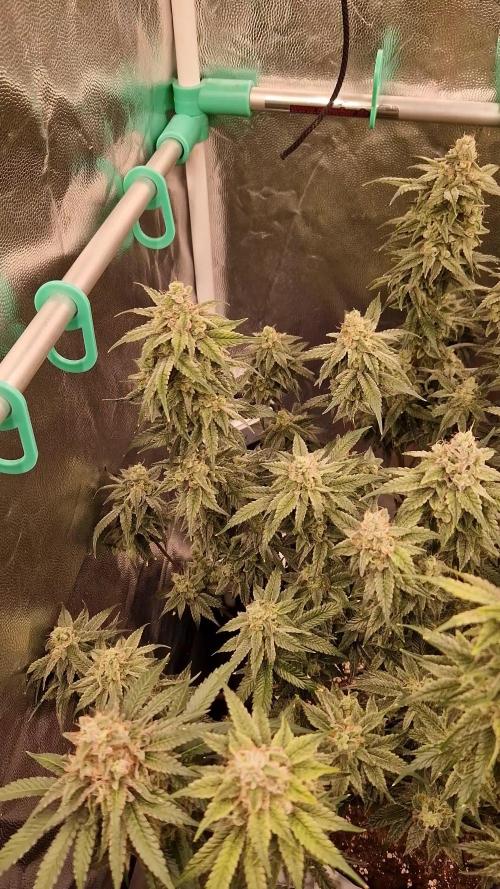
Servus Moin!
Bin richtig zufrieden mit der Pink Poochie. Schöne Knollen. Alles was man will.
Likes
19
Share


@Naujas
Follow
Amazing!!!!! a wonderful girl, she managed to keep herself so beautiful and strong :) she was not visited very often :) the house has a wonderful smell of tropical fruits :) Thanks to Dutch Passion for the opportunity :)

Likes
42
Share


@Hashy
Follow
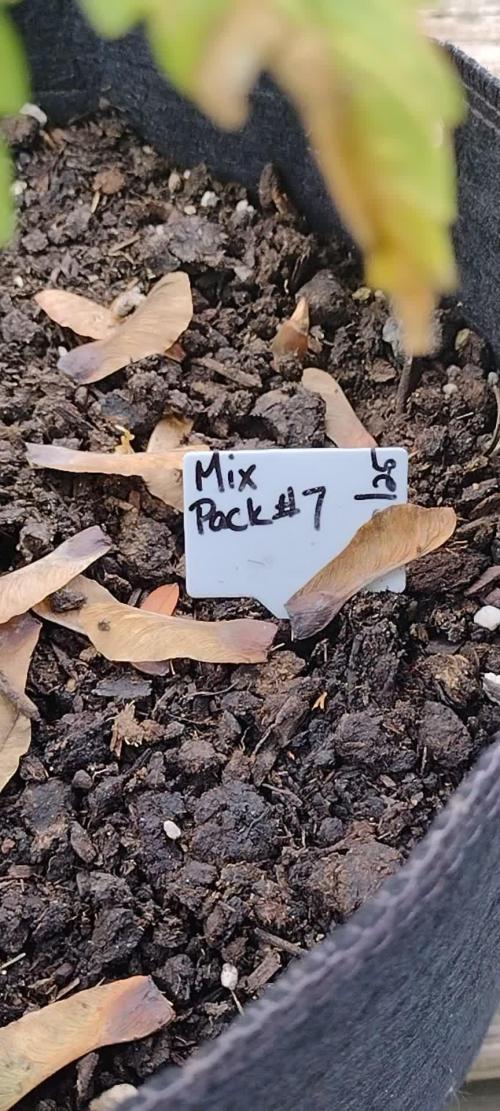
I was away this week so she was being autofed every day for 3 hours which is about 1.5L every day.
Notes
Day 106 autofeed this weeks
Day 107 autofeed this weeks
Day 108 autofeed this weeks
Day 109 autofeed this weeks
Day 110 autofeed this weeks
Day 111 autofeed this weeks
Day 112 autofeed this weeks also manually water. 636 ppfd 27.5 Dli.
Back in a week
Take it easy.


Likes
7
Share


@Snooziecheesecake
Follow
It’s frosty time these bruccies are putting out trichomes like nobodies business!!
This update is coming in at around halfway through week 9 as I’ve been very busy recently and haven’t been able to give the girls quite as much attention but boy oh boy are they doing well. Stopped pruning and trimming of any sort, just letting them run their course now. Switched big bud for overdrive, I read online that overdrive is more beneficial for calyx production so hoping they continue to bulk up a bit before I harvest.
Was under the impression that autos would be finished by week 11, leaving for a trip around that time so I will be forced to harvest the girls then, regardless of how mature they are. Ideally they would go for another 4 weeks but it is what it is, my first grow and it’s been an enormous learning experience.
Just bought some 3 bears OG from the Mephisto restock, super hyped on these. Also hoping to grab a few of their new illuminautos as well when they drop tomorrow. Gotta set my alarm for that!! Really hyped on this upcoming run, learned so much from these bruccies that I’m ready to put into the Mephistos.

Likes
27
Share


@Ezzjaybruh
Follow
TRUFFLE TREATS DOWN day 53 flower
Absolutely stunning plant with beautiful colors of green flowers just cakes in trichs with purple sugar leaves.
I have her going outdoor as well at about week 4-5 of flower. Will add some pics in but today she got the chop!
Medic grow smart 8 KILLED IT
Check out MEDICGROW website
https://medicgrow.com/
Really excited to see what it can do I’m flower. Love the Bloom button which increases red spectrum when wanted/needed…
Currently running at 40%
Official Website:
https://medicgrow.com/
Facebook:
https://www.facebook.com/medicgrowled
Twitter:
https://twitter.com/medicgrow
Instagram:
https://www.instagram.com/medicgrow420/
YouTube:
https://www.youtube.com/channel/UCNmiY4F9z94u-8eGj7R1CSQ
Growdiaries:
https://growdiaries.com/grower/medicgrowled
https://growdiaries.com/grow-lights/medic-grow


Likes
36
Share


@CannabisCultivate
Follow
Opium is missed already, she was my favourite (the other half) and she was brilliant. The outcome section of the diary will not load properly so I will mention how delicious she is right here, it seems insulting of the plant to finish off the diary in the yellow…
Opium was a pleasure to grow, she was flawless, she provided me so much therapy and she was strong. The only issue was the moisture in the end but every plant in the garden eventually became victim to the bud rot and she held on as long as she needed. This beauty was not infected by any other ailment and she seemed to home many white spiders along with ladybugs, which is a good sign that she was worth being protected by nature. We can’t even imagine how she would have been if she had been planted in the cover crop bed, it is hard to picture her in a bigger or better form then she actually was. As you can see she had the wash and there wasn’t any waste, we have already pressed some of her in the dab press. Opium has a sweet fruity skunk scent and she tastes exactly the same. To say the least, we are very much enjoying her on a daily but we have been doing that since the day she sprouted. Our wet weight is an estimate due to scale issues which don’t cause us any concern. Believe me when I say, she deserved a green faced diary for her harvest log.🤷♀️🏻 💚✌️

Likes
9
Share


@Northerngarden85
Follow
Looking nice now taking a bit for feed now
The smell is definitely getting stronger now really looking forward the see these baby's in final stage also big shout out the @barnysfarm my seed have arrived today ready for launch. And new diaries tk come piece out growmies update few pictures when lights are off 🍋🍋
Likes
16
Share


@Andres
Follow
I would believe this variety again ... I think it could be better ... and do not make some mistakes in it ... I recommend it to all growers ...

Likes
11
Share


@Mo_Powers
Follow
the first week is behind us. the weather is still very changeable. a lot of rain and not yet the desired daytime temperatures. the little one is growing, but is taking her time.
Likes
10
Share


@PolezGardn
Follow
week two flower everything looks healthy :D
today i defoliated them
i watered them with 1.5l every 48h
the light i use was set to 80% and it hangs 80cm away from the tops

Likes
Comments
Share


@Chamed33
Follow
Just feed her ph water for the last couples of days I’ll be chopping her down this week due to heat wave in my area ..
wish I could let her go few more days
At this stage she’s releasing nitrogen still
Likes
6
Share


@ItsAllAuto
Follow
She was great off the start ! Nothing bad to say except I only got 1 seed of this strain :( I wish I had more loll

Likes
37
Share


@Capo420
Follow
Finally arriving at the end!
🎉🎉
This has been a Great first growing experience. Once again, I want to thank all those that helped me along the way 🙏🏻
Couldn't have done it without the help and support of this community💪
The girls are looking great about 5%-10% amber trichs. 😍
Today is day 85 from sprout.
Going to be chopping Friday most likely, Saturday at the latest.
Would love to hear opinions on the 48hrs of darkness. Is it necessary? Is there any difference from harvesting at the end of their night cycle when thc is peaked?
Will update with pics later on in the week.
Happy Growing!
💚💪🌱😎🌱💪💚
Likes
37
Share


