Likes
Comments
Share
@Ninjabuds
Follow
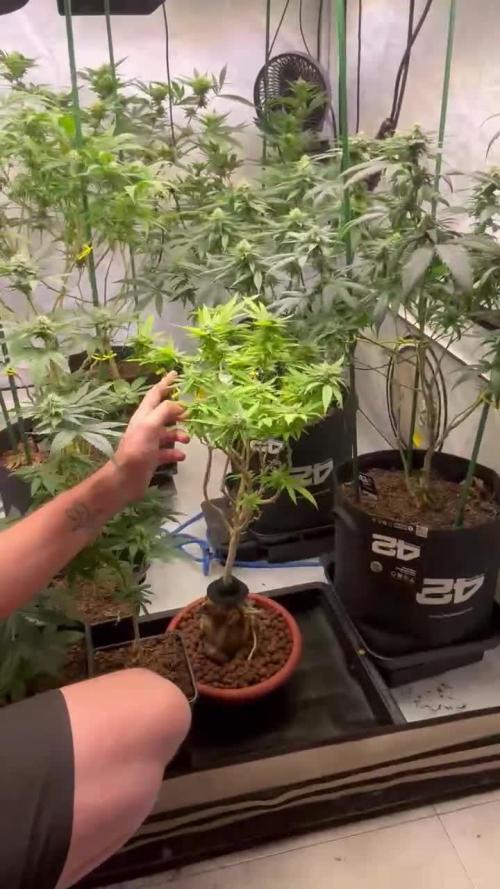
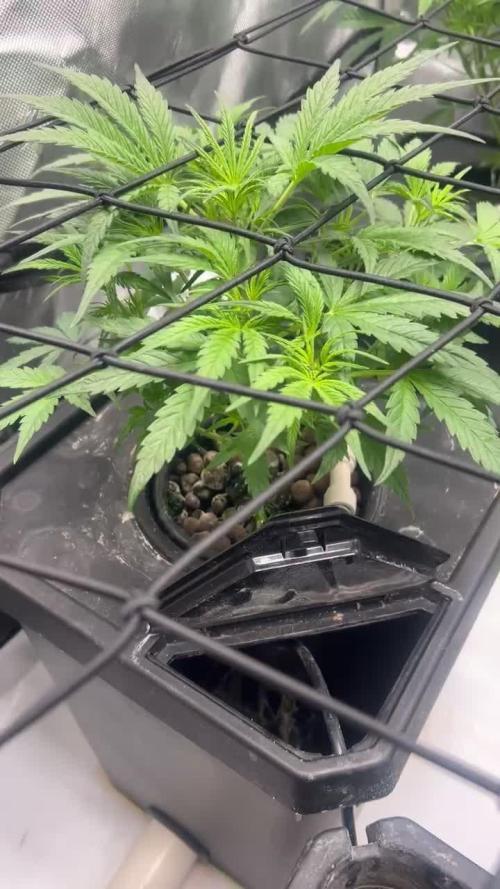
My wedding gelato is one of the only plants that seems to be over sensitive to being transplanted and moved under the larger light. I guess it’s possible it’s sensitive to over watering but I have not watered the plants in the large pots sense I transplanted them I still have a back up of every plant so of this one don’t come around quick I’ll just rip it out and switch with its sister that’s doing just fine
Likes
13
Share
next week of flowering she is so huge no ideaa how this is going to end. thx for watching by have a nice day and an even better grow. see ya around.
Likes
34
Share
Yellow butterfly came to see me the other day; that was nice. Starting to show signs of stress on the odd leaf, localized isolated blips, blemishes, who said growing up was going to be easy! Smaller leaves have less surface area for stomata to occupy, so the stomata are packed more densely to maintain adequate gas exchange. Smaller leaves might have higher stomatal density to compensate for their smaller size, potentially maximizing carbon uptake and minimizing water loss. Environmental conditions like light intensity and water availability can influence stomatal density, and these factors can affect leaf size as well. Leaf development involves cell division and expansion, and stomatal differentiation is sensitive to these processes. In essence, the smaller leaf size can lead to a higher stomatal density due to the constraints of available space and the need to optimize gas exchange for photosynthesis and transpiration. In the long term, UV-B radiation can lead to more complex changes in stomatal morphology, including effects on both stomatal density and size, potentially impacting carbon sequestration and water use. In essence, UV-B can be a double-edged sword for stomata: It can induce stomatal closure and potentially reduce stomatal size, but it may also trigger an increase in stomatal density as a compensatory mechanism. It is generally more efficient for gas exchange to have smaller leaves with a higher stomatal density, rather than large leaves with lower stomatal density. This is because smaller stomata can facilitate faster gas exchange due to shorter diffusion pathways, even though they may have the same total pore area as fewer, larger stomata. Leaf size tends to decrease in colder climates to reduce heat loss, while larger leaves are more common in warmer, humid environments. Plants in arid regions often develop smaller leaves with a thicker cuticle and/or hairs to minimize water loss through transpiration. Conversely, plants in wet environments may have larger leaves and drip tips to facilitate water runoff. Leaf size and shape can vary based on light availability. For example, leaves in shaded areas may be larger and thinner to maximize light absorption. Leaf mass per area (LMA) can be higher in stressful environments with limited nutrients, indicating a greater investment in structural components for protection and critical resource conservation. Wind speed, humidity, and soil conditions can also influence leaf morphology, leading to variations in leaf shape, size, and surface characteristics. Small leaves: Reduce water loss in arid or cold climates. Environmental conditions significantly affect gene expression in plants. Plants are sessile organisms, meaning they cannot move to escape unfavorable conditions, so they rely on gene expression to adapt to their surroundings. Environmental factors like light, temperature, water, and nutrient availability can trigger changes in gene expression, allowing plants to respond to and survive in diverse environments. Depending on the environment a young seedling encounters, the developmental program following seed germination could be skotomorphogenesis in the dark or photomorphogenesis in the light. Light signals are interpreted by a repertoire of photoreceptors followed by sophisticated gene expression networks, eventually resulting in developmental changes. The expression and functions of photoreceptors and key signaling molecules are highly coordinated and regulated at multiple levels of the central dogma in molecular biology. Light activates gene expression through the actions of positive transcriptional regulators and the relaxation of chromatin by histone acetylation. Small regulatory RNAs help attenuate the expression of light-responsive genes. Alternative splicing, protein phosphorylation/dephosphorylation, the formation of diverse transcriptional complexes, and selective protein degradation all contribute to proteome diversity and change the functions of individual proteins. Photomorphogenesis, the light-driven developmental changes in plants, significantly impacts gene expression. It involves a cascade of events where light signals, perceived by photoreceptors, trigger changes in gene expression patterns, ultimately leading to the development of a plant in response to its light environment. Genes are expressed, not dictated! While having the potential to encode proteins, genes are not automatically and constantly active. Instead, their expression (the process of turning them into proteins) is carefully regulated by the cell, responding to internal and external signals. This means that genes can be "turned on" or "turned off," and the level of expression can be adjusted, depending on the cell's needs and the surrounding environment. In plants, genes are not simply "on" or "off" but rather their expression is carefully regulated based on various factors, including the cell type, developmental stage, and environmental conditions. This means that while all cells in a plant contain the same genetic information (the same genes), different cells will express different subsets of those genes at different times. This regulation is crucial for the proper functioning and development of the plant. When a green plant is exposed to red light, much of the red light is absorbed, but some is also reflected back. The reflected red light, along with any blue light reflected from other parts of the plant, can be perceived by our eyes as purple. Carotenoids absorb light in blue-green region of the visible spectrum, complementing chlorophyll's absorption in the red region. They safeguard the photosynthetic machinery from excessive light by activating singlet oxygen, an oxidant formed during photosynthesis. Carotenoids also quench triplet chlorophyll, which can negatively affect photosynthesis, and scavenge reactive oxygen species (ROS) that can damage cellular proteins. Additionally, carotenoid derivatives signal plant development and responses to environmental cues. They serve as precursors for the biosynthesis of phytohormones such as abscisic acid () and strigolactones (SLs). These pigments are responsible for the orange, red, and yellow hues of fruits and vegetables, while acting as free scavengers to protect plants during photosynthesis. Singlet oxygen (¹O₂) is an electronically excited state of molecular oxygen (O₂). Singlet oxygen is produced as a byproduct during photosynthesis, primarily within the photosystem II (PSII) reaction center and light-harvesting antenna complex. This occurs when excess energy from excited chlorophyll molecules is transferred to molecular oxygen. While singlet oxygen can cause oxidative damage, plants have mechanisms to manage its production and mitigate its harmful effects. Singlet oxygen (¹O₂) is considered a reactive oxygen species (ROS). It's a form of oxygen with higher energy and reactivity compared to the more common triplet oxygen found in its ground state. Singlet oxygen is generated both in biological systems, such as during photosynthesis in plants, and in cellular processes, and through chemical and photochemical reactions. While singlet oxygen is a ROS, it's important to note that it differs from other ROS like superoxide (O₂⁻), hydrogen peroxide (H₂O₂), and hydroxyl radicals (OH) in its formation, reactivity, and specific biological roles. Non-photochemical quenching (NPQ) protects plants from damage caused by reactive oxygen species (ROS) by dissipating excess light energy as heat. This process reduces the overexcitation of photosynthetic pigments, which can lead to the production of ROS, thus mitigating the potential for photodamage. Zeaxanthin, a carotenoid pigment, plays a crucial role in photoprotection in plants by both enhancing non-photochemical quenching (NPQ) and scavenging reactive oxygen species (ROS). In high-light conditions, zeaxanthin is synthesized from violaxanthin through the xanthophyll cycle, and this zeaxanthin then facilitates heat dissipation of excess light energy (NPQ) and quenches harmful ROS. The Issue of Singlet Oxygen!! ROS Formation: Blue light, with its higher energy photons, can promote the formation of reactive oxygen species (ROS), including singlet oxygen, within the plant. Potential Damage: High levels of ROS can damage cellular components, including proteins, lipids, and DNA, potentially impacting plant health and productivity. Balancing Act: A balanced spectrum of light, including both blue and red light, is crucial for mitigating the harmful effects of excessive blue light and promoting optimal plant growth and stress tolerance. The Importance of Red Light: Red light (especially far-red) can help to mitigate the negative effects of excessive blue light by: Balancing the Photoreceptor Response: Red light can influence the activity of photoreceptors like phytochrome, which are involved in regulating plant responses to different light wavelengths. Enhancing Antioxidant Production: Red and blue light can stimulate the production of antioxidants, which help to neutralize ROS and protect the plant from oxidative damage. Optimizing Photosynthesis: Red light is efficiently used in photosynthesis, and its combination with blue light can lead to increased photosynthetic efficiency and biomass production. In controlled environments like greenhouses and vertical farms, optimizing the ratio of blue and red light is a key strategy for promoting healthy plant growth and yield. Understanding the interplay between blue light signaling, ROS production, and antioxidant defense mechanisms can inform breeding programs and biotechnological interventions aimed at improving plant stress resistance. In summary, while blue light is essential for plant development and photosynthesis, it's crucial to balance it with other light wavelengths, particularly red light, to prevent excessive ROS formation and promote overall plant health. Oxidative damage in plants occurs when there's an imbalance between the production of reactive oxygen species (ROS) and the plant's ability to neutralize them, leading to cellular damage. This imbalance, known as oxidative stress, can result from various environmental stressors, affecting plant growth, development, and overall productivity. Causes of Oxidative Damage: Abiotic stresses: These include extreme temperatures (heat and cold), drought, salinity, heavy metal toxicity, and excessive light. Biotic stresses: Pathogen attacks and insect infestations can also trigger oxidative stress. Metabolic processes: Normal cellular activities, particularly in chloroplasts, mitochondria, and peroxisomes, can generate ROS as byproducts. Certain chlorophyll biosynthesis intermediates can produce singlet oxygen (1O2), a potent ROS, leading to oxidative damage. ROS can damage lipids (lipid peroxidation), proteins, carbohydrates, and nucleic acids (DNA). Oxidative stress can compromise the integrity of cell membranes, affecting their function and permeability. Oxidative damage can interfere with essential cellular functions, including photosynthesis, respiration, and signal transduction. In severe cases, oxidative stress can trigger programmed cell death (apoptosis). Oxidative damage can lead to stunted growth, reduced biomass, and lower crop yields. Plants have evolved intricate antioxidant defense systems to counteract oxidative stress. These include: Enzymes like superoxide dismutase (SOD), catalase (CAT), and various peroxidases scavenge ROS and neutralize their damaging effects. Antioxidant molecules like glutathione, ascorbic acid (vitamin C), C60 fullerene, and carotenoids directly neutralize ROS. Developing plant varieties with gene expression focused on enhanced antioxidant capacity and stress tolerance is crucial. Optimizing irrigation, fertilization, and other management practices can help minimize stress and oxidative damage. Applying antioxidant compounds or elicitors can help plants cope with oxidative stress. Introducing genes for enhanced antioxidant enzymes or stress-related proteins over generations. Phytohormones, also known as plant hormones, are a group of naturally occurring organic compounds that regulate plant growth, development, and various physiological processes. The five major classes of phytohormones are: auxins, gibberellins, cytokinins, ethylene, and abscisic acid. In addition to these, other phytohormones like brassinosteroids, jasmonates, and salicylates also play significant roles. Here's a breakdown of the key phytohormones: Auxins: Primarily involved in cell elongation, root initiation, and apical dominance. Gibberellins: Promote stem elongation, seed germination, and flowering. Cytokinins: Stimulate cell division and differentiation, and delay leaf senescence. Ethylene: Regulates fruit ripening, leaf abscission, and senescence. Abscisic acid (ABA): Plays a role in seed dormancy, stomatal closure, and stress responses. Brassinosteroids: Involved in cell elongation, division, and stress responses. Jasmonates: Regulate plant defense against pathogens and herbivores, as well as other processes. Salicylic acid: Plays a role in plant defense against pathogens. 1. Red and Far-Red Light (Phytochromes): Red light: Primarily activates the phytochrome system, converting it to its active form (Pfr), which promotes processes like stem elongation and flowering. Far-red light: Inhibits the phytochrome system by converting the active Pfr form back to the inactive Pr form. This can trigger shade avoidance responses and inhibit germination. Phytohormones: Red and far-red light regulate phytohormones like auxin and gibberellins, which are involved in stem elongation and other growth processes. 2. Blue Light (Cryptochromes and Phototropins): Blue light: Activates cryptochromes and phototropins, which are involved in various processes like stomatal opening, seedling de-etiolation, and phototropism (growth towards light). Phytohormones: Blue light affects auxin levels, influencing stem growth, and also impacts other phytohormones involved in these processes. Example: Blue light can promote vegetative growth and can interact with red light to promote flowering. 3. UV-B Light (UV-B Receptors): UV-B light: Perceived by UVR8 receptors, it can affect plant growth and development and has roles in stress responses, like UV protection. Phytohormones: UV-B light can influence phytohormones involved in stress responses, potentially affecting growth and development. 4. Other Colors: Green light: Plants are generally less sensitive to green light, as chlorophyll reflects it. Other wavelengths: While less studied, other wavelengths can also influence plant growth and development through interactions with different photoreceptors and phytohormones. Key Points: Cross-Signaling: Plants often experience a mix of light wavelengths, leading to complex interactions between different photoreceptors and phytohormones. Species Variability: The precise effects of light color on phytohormones can vary between different plant species. Hormonal Interactions: Phytohormones don't act in isolation; their interactions and interplay with other phytohormones and environmental signals are critical for plant responses. The spectral ratio of light (the composition of different colors of light) significantly influences a plant's hormonal balance. Different wavelengths of light are perceived by specific photoreceptors in plants, which in turn regulate the production and activity of various plant hormones (phytohormones). These hormones then control a wide range of developmental processes.
Likes
Comments
Share
I overfeed them once,but except that all went good.Hyped to see the results after drying. update coming soon :)
Likes
4
Share
@twenty20mendocino Ateam R&D Update ~ Let’s Go day 18 of 🌸almost 3 weeks in an we are looking great! Gave em another aggressive trim up some lollipops this week hopefully wasn’t too early but hey it’s we learn as growers, but they are bouncing back super nice, praying a looking happy y’all! Can’t wait to see what these girls do over the next few weeks, y’all have to keep them eyes peeled for next weeks update. Y’all have an amazing productive rest of your day as well as great rest of your week! Hope y’all enjoy, peace love an positive vibes to all y’all Cheers an blaze on 😶‍🌫️💨💨💨💨
Likes
3
Share
Good morning, we're finally here. We've changed locations, still in southern Spain, but this time much closer to the sea and with a Mediterranean climate, like my Italian roots. Love it. We'll start with the autoflowering plants first; this time, they'll all be grown without cutting techniques. We'll always have two plants: one grown with just a little tidying and left to grow straight, and the other using techniques that don't involve cutting, and therefore slowing things down. I need weed; the grower must also consider this, so the autoflowering plants will finish as quickly as possible. In most cases, it will be a nice, firm LST, not too delicate, and I'll fim if the plant seems to touch the sky, as has happened recently, probably thanks to the Plagron fertilizers, which will be with us this time too. The chosen soil is the recently released Plagron Bio LightMix, which will allow us a more regular and reliable start without the sudden changes that liquid fertilizers can cause. We're 100% organic this time too. For the germination, we also used Seedbooster as soon as it arrived with the last and first ones: 75% water + 25% hydrogen peroxide. *** From my point of view, it's very important to add hydrogen peroxide if you start with the seed in a small glass of water. As soon as it's opened, it would drown too; the oxygen bubbles in the hydrogen peroxide prevent suffocation. www.plagron.com That said, our Critical Cheese Automatic is a classic strain. We expect stability and potency, and to be honest, we're looking for that cheesey smell that has been lost in hybridizations over time. We're still hoping for it. Come on, my friend, you've grown beautifully under the watchful eye of our mirrorless camera. Keep giving us thrills until the very end. The seedling started well without any particular problems. Its little sister stretched a little because I took a timelapse under different lighting, but we're there and ready to give it our best. https://www.zamnesia.io/en/3334-zamnesia-seeds-critical-cheese-automatic-feminized.html Zamnesia Description - An iconic strain from the UK, Cheese has quickly become one of the most sought-after strains in the world. Thanks to the breeders at Zamnesia Seeds, we now have an easy-to-grow autoflowering variant with identical qualities to the extraordinary original, the only major difference being that it can be harvested in 10 weeks! www.zamnesia.com
Likes
2
Share
@GrowerGaz
Follow
Day 56 Things are coming on nicely , buds are in boost mode , so gave them just organic PK booster from BAC and homemade Fermented fruit Juice , KNF FFJ ( banana x sugar )
Likes
45
Share
8/7 Plants were still heavy this morning. Temperatures have been much milder. 70's is much better than 90's. I had to water twice a day for a while. I defoliated ahind found some heat stress ob the gmo canary on the end with some twisted leaves. Some leaves are turning purple on an event horizon and gmo. Night Temps are much cooler plus its probably a pheno thing. I defoliated everything dead yesterday. Found lacewind eggs. Saw an adult green lace wing this morning in the garden along with a couple more lady bugs. There were also some lady bug larvae so I hope the go right to town. It's getting cooler so if I'm going to poorly I need to do it. Sherb pie plant seems to he the pillars favorite. I've killed a few of them. Still need to fix supports and do a little more defoliation. I have a video too but it's too slow to upload now. STOPPED AFTER GETTING MY TIRES PUT ON AND DAD SAID THE LITTLE PLANT IN THE 5 GAL BUCKET IS DROOPING. I WENT BACK AND OF COURSE IT WAS. I WATERED THAT AND THE ONE IN THE TEN AND THE 50 AS IT LOOKED DROOPY. 10 GOT A HALF GALLON AS IT WAS DRYING UP AND ITS GOING TO BE HOT TOMORROW TOO. NOT 90S PROBABLY 80S AT MOST BUT STILL. I GAVE PRETTY MICH EVERYTHING A HALF GALLON EXCEPT THE EVENT HORIZONS TGAT ARE FURTHEST IN FLOWER. WITH THIS SUPER HOT WEATHER AND LACK OF RAIN I DONT WANT TO OVERWATER. DAY AFTER TOMORROW IT SAYS WE ARE SUPPOSED TO GET AN INCH. IM DOING MY BEST. IM TRYING TO UPLOAD THE VIDEO I DID TONIGHT. ILL UPLOAD ThE OTHER ONE TOMORROW. 8/8 Went over this morning and it was 55°. I gave the event horizon in the back half a gallon of water. I gave the other event horizon a LITTLE water but it still is holding weight. It doesn't get the wind blowing through it since it's in the middle. Still need to do supports and decide about whether to spray BT. population is down. A couple plants look hungry so I'm going to have to look at nutes. I defoliated the toasted toffy some this morning. I have more to do on a few others. TALKED TO MY BUDDY AND SHOWED HIM A VIDEO. HE WAS KINDA ALREADY IRRITATED AND SAID OMP WAS IN THE AREA. UE SAID MY PLANTS LOOKED DROOPY AND THAT I NEED TO GIVE THEM THE 10% AND AT LEAST WATER TWO GALLONS A TIME. HE ALSO SAID NOT TO BET ON THE RAIN. I DONT AGREE WITH THE LAST PART AS IVE STUCK A BICKET OUT DURING THESE RAIN STORMS AND EVEN PHED IT. I WATERED EVERYTHING A GALLON. PLUS THE HALF LAST NIGHT. I THINK MY BUDDY MAY BE RIGHT AND THAT I NEED TO INCREASE THE VOLUME OF WATER AT A TIME SO I DID. I NEED TO INCREASE NUTES TOO. ILL CHECK LAST TIME I FED AND FIGURE THAT OUT. KILLED A FEW JPN BEETLES, A LEAF HOPPER AND A COUPLE PILLARS WITH HAIR ALL WEBBED UP. IM WONDERING IF THE TOASTED TOFFY HAS SEPTORIA. IM LEANING TOWARDS PESTS THOUGH. IVE SEEN TONS OF PESTS IN THE GARDEN. I REALLY SHOULD SPRAY IF IM GOING TO. I NEED TO DO THE SUPPORTS AND REARRANGE A FEW THINGS FOR FLOWER. THE SEED IN THE 5 GAL BUCKET (I THINK ITS A BLUEBERRY IS VIBRANT DARK GREEN BUT THE TIPS OF THE JEWLY FORMED FLOWERS ARE TURNING BROWN ON SOME. ILL GET A PICTURE TOMORROW. A FEW OTHERS EXPERIENCED SOME BURNS AND HEAT STRESS. I HOPE ITS NOT ROOTBOUND OR A ROOT ISSUE. IF IT IS ILL HAVE TO CUT THE BOTTOM OFF THE BUCKET AND STICK IT IN A HOLE. IT WILL HAVE TO BE OUTSIDE MY CAGE WHICH WILL SUCK. WE'LL SEE HOW IT GOES. 8/9 Got like an inch of rain. Plants are looking great. Some look a little hungry. MY buddy was right about the water. I made a SHIT TON of bubble hash today so I'm barely able to type this. NY plant is the 5 gal has some burns that look like it could be root issues. I've finished in buckets before with no issue. I think it's just from being too hot. You can see at the end of the video what I'm talking about. Oh well. I'm tired and done for now. I made a large ice hash pizza now I'm waiting for it to dry so i can make a temple ball. Things are kicking off. We're in flower that's for sure. 8/10 Everything looked good bit I wad in a hurry and didn't get out of the car. I'll check things out when I get back. HOLY FUCK. WE GOT SO MUCH HARD RAIN THAT I FOUND MY FAVORITE GMO PLANT PUSHED OVER AND LYING ON THE CAGE THATS USED AS THE FIRST SUPPORT. I DIDNT GET OVER THERE UNTIL LIKE 11AM. I IMMEDIATELY FIXED THE PLANT THAT WAS LYING DOWN AND PUT A TRELLIS NET OVER IT AS DEEP AS I COULD AND ZIP TIED IT TO THE PALLETS. I ALSO ADDED A PLASTIC GARDEN STAKE AND USED TWINE TO SECURE THE MAIN STALK HIGHER UP. I DID THE SAME THING WITH THE GMO NEXT TO IT. THE OTHER IN THE FRONT LOOKED BETTER THEN EVER. SAME WITH THE TWO EVENT HORIZON. IM GETTING LITTLE BUDS NOW. I SHOULD GO FEED TONIGHT. THE TOASTED TOFFY EITHER HAS SOME PESTS OR ITS GOT SEPTORIA. COULD JIST BE A DEFICIENCY. I WORRY A LOT. IT WAS SUPER HOT AND HUMID. I DID WHAT I COULD AND THEN I RAN SOME STRINGS ACCROSS THE CAGE TO TEMPORARILY HELP WITH HIGH WINDS OR RAIN (EVEN THOUGH THE STORMS OVER.) I STABBED MY THUMB TOWARDS THE END OF MY WRIST WITH A COLD STEEL RECON 1. WOULDNT STOP FUCKING BLEEDING. I SHOULD'VE KNOWN MY LIMITS AND WAS MORE CAREFUL. I TOOK A COUPLE PICTURE AND DID A MINUTE VIDEO. NO REST FOR THE WICKED. IM FUCKING DEAD TIRED. I RAN SOME MATERIAL FROM LAST YEAR THROUGH BUBBLE BAGS. GOT A TON OF HIGH QUALITY BUBBLE. IM ABOUT TO TRY IT. AFTER IT DRIES A LITTLE MORE ILL MAKE A TEMPLE BALL. I JUST CHECKED THE WEATHER AND THE RAIN TOTALS FOR TODAY AND YESTERDAY AND ITS A COUPLE POINTS UNDER 3 INCHES. I HAD WATERED A GALLON THE NIGHT BEFORE THAT. I HAVE NO IDEA WHY MY PLANTS AREN'T DROWNED BUT THEY ARENT. 8/11 Its going to be hot again today. Plants looked amazing. I took a video. I FED TODAY. EVERYTHING GOT A QT EXCEPT THE 10 GOT HALF A QT. THE 50 GOT SLIGHTLY MORE. A fucking chipmunk ran in my garden when the door was open. He was going fast and I couldn't find him. I looked under the pallets the entire length. Hopfully he just ran out of a hole or up the fence. I'm going to get an air horn and blow it inside the cage. I need to get some zip ties and do a little rearranging before I setup the other supports for flower. Suprisingly the plantvin the 50 went from the furthest from flower to having little budlets on it. Can't be an auto or I think it would've flowered already. 8/12 Ending of the lions gate portal. Everything looked good this morning. The one in the 5gal was removed until I figure out its issue or trash it. The yield would be less than a branch anyway. Probably chronic underwatering. The 10 was bone dry despite the 3in of rain. Some bags seemed light. Looked at last years diary and went with my intuition. WATERED TODAY. Gave everything a gallon. I moved the event horizon to where the 5gal bucket wad and STARTED reorganizing to use the most of my space. I gotta pick up some zip ties and finish the supports but I'm happy. Plants look happy. Not as tall as last year but they are SUPER bushy. I'm going to have to open some up and spread the branches. I'll keep this updated. WENT OVER AROUND THREE. I CHECKED OUT THE LITTLE PLANT AND NOTICED MULTIPLE BUDSUTES DIEING. I ALSO SAW WHAT "COULD'VE" BEEN A MALE PREFLOWER. MY INTUITION TOLD ME TO GET RID OF IT. ITS LESS THAN A BRANCH OFF THE CROP IT COULD HARM. LUCKILY I HAD BAGGED IT UP BEFORE IT BEIBG REMOVED AND IT WAS FAIRLY WELL SEPERATED. AFTER CUTTING AND DISPOSING OF IT I BROUGHT THE BUCKET TO EMPTY. IT WAS EXTREMELY ROOTBOUND. THE ROOTS WERE WHITE EXCEPT THE ONES ON THE OUTSIDE WHICH WERE A NEON GREEN. THE INSIDE OF THE BUCKET HAD WHAT LOOKED LIJE GREEN ALGAE ON IT. I IMAGINE THAYS PROBABLY WHERE MY PROBLEMS CAME FROM. I'VE USED THIS BUCKET SECERAL TIMES AND IVE SEEN TJIS TYPE OF ALGAE BUT USUALLY ONCE I SANITIZE ITS GOOD TO GO. IM NOT SURE IF IT WAS BEING ROOTBOUND OR THE ALGAE THAT DID IT IN BUT I HAVE MUCH BETTER SPACING NOW. THIS WAS THE RIGHT DECISION. I COULDNT BEAR THE RHOUGHT OF MY GIRLS GETTING POLLINATED. I DID A VIDEO TOO BUT ILL HAVE TO UPLOAD TOMORROW. ALSO CAUGHT THE TINIEST EVER MOUTH LARVAE. I SEE TINY GOLD FINCHES AND OTHER BIRDS DARTING IN MY CAGE AND AWAY WHEN I APPROACH. I THINK THEY ARE GIVING ME A HAND. 8/13 Thought thos was a new week so I took a ton of pictures and did a video. Who knows what will upload. Plants look hetter with the increased room spacing. I have the materials to finish final supports. I've just got to do it. Same with the BT spray. I'm thinking I should've upped the water to a gallon and a half or two but I'll do that next time I guess. Only problem I can see is some septoria looking spits on the toasted toffy and one gmo looks like itscrunning through nutrients quicker than others. Dad said he thinks this is my best year. He said they're more full and healthier looking. I looked at my diary last year and I had plants over the top of the cage. The weren't as bushy but I'm not complaining. These are far more indica dominant than last year so that's probably part of it. Leaves on the event horizons are starting to turn purple. I'll update what I do. I defoliated what needed it and combed through the plants hunting pillars. I GUESS I FORGOT TO UPDATE THIS OR IT DIDNT SAVE. I BOUGHT A WATERING CAN THAT HOLDS A GALLON AND A HALF AND EMPRIED VERY QUICKLY IN SMALL STREAMS SO IT DOESNT HURT THE ROOTS. GREAT INVESTMENT. COULDNT GET OVER UNTIL 2 AND I GAVE EVERYTHING A GALLON AND A HALF. EXCEPT FOR THE ONE IN THE 10 TJAT GOT A GALLON AND THE TWO PLANTS IN THE MIDDLE THAT GOT A GALLON. ONE EVENT HORIZON AND THE TOASTED TOFFY.
Likes
10
Share
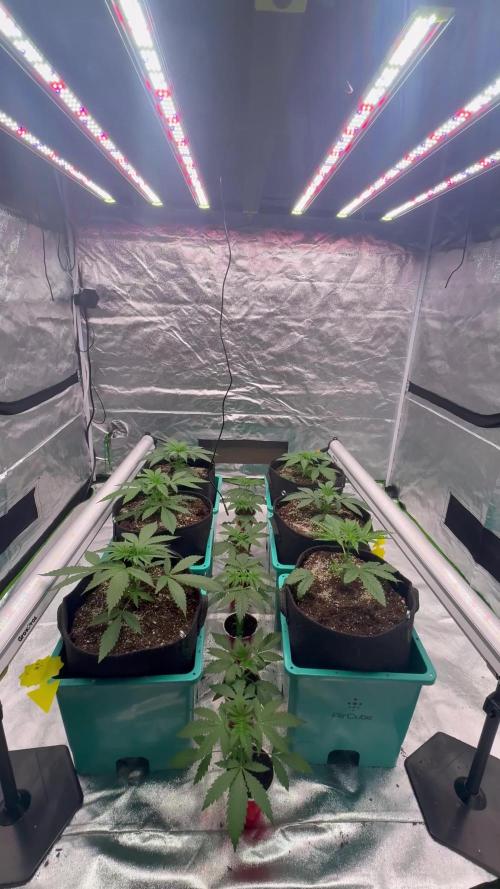
Week 2 feeding wasn’t much higher than the 1st feeding. Starting to see growth starting to explode.
Likes
51
Share
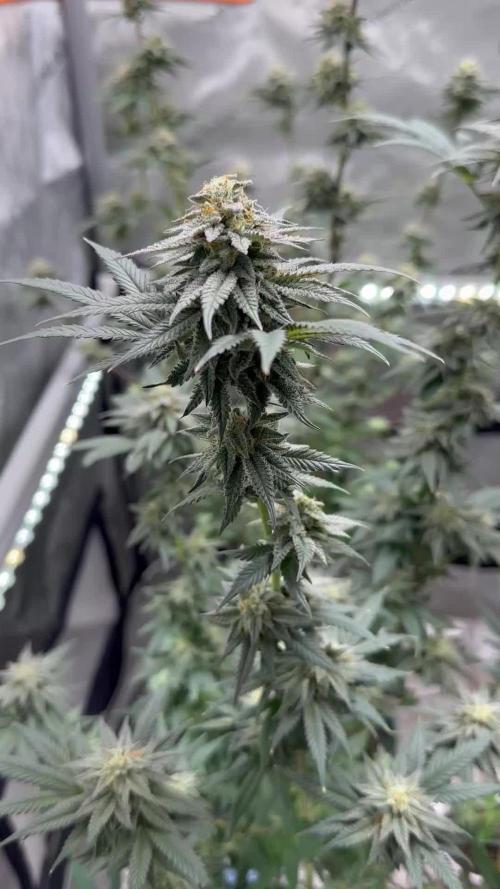
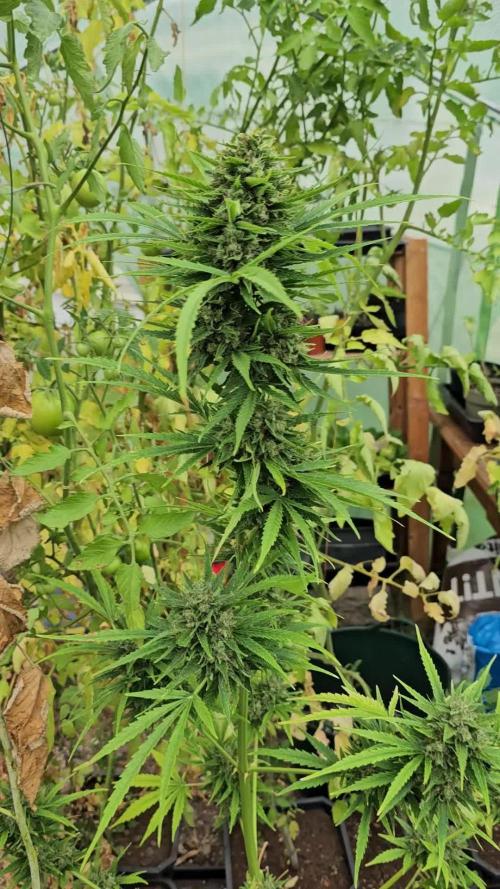
Sticky dankolicious! I can't friggin wait to smoke this one...prolly tomorrow morning.. It grew like a dream, didn't hog much space and grew an amazingly fat and dense cola. That cola weighs over 40g by itself!!! I'll update after I've tested...stay tuned! Special thanks go out to Wicked_Stix for the opportunity to grow yet another phenomenal strain!👈🙌
Likes
4
Share
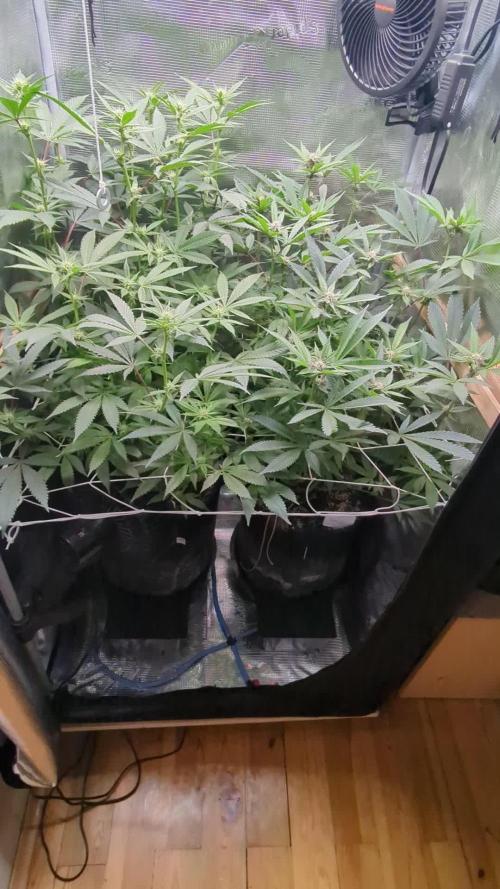
Lets go week 2 so far so good looking happy as ever kinda bushy which i like ❤️
Likes
12
Share
Strong start for week 8, last week of veg. Pretty impressed by these mix of nutrients, total recovery and explosive growth right after watering. And they are totally Bio! Day 55, I did top feeding with worm castings, nitroguano and amino perlas. Tomorrow I'll switch to 12/12 light cycle and start flowering stage. The vegetation stage for Mimosa Evo it's been awesome, althought every single plant grew very different from the others showing opposite phenotypes
Likes
23
Share
I'm just giving them water until finish now. Not long left, I am checking the trichomes daily!