


Likes
Comments
Share

@TerpTurtle
Follow
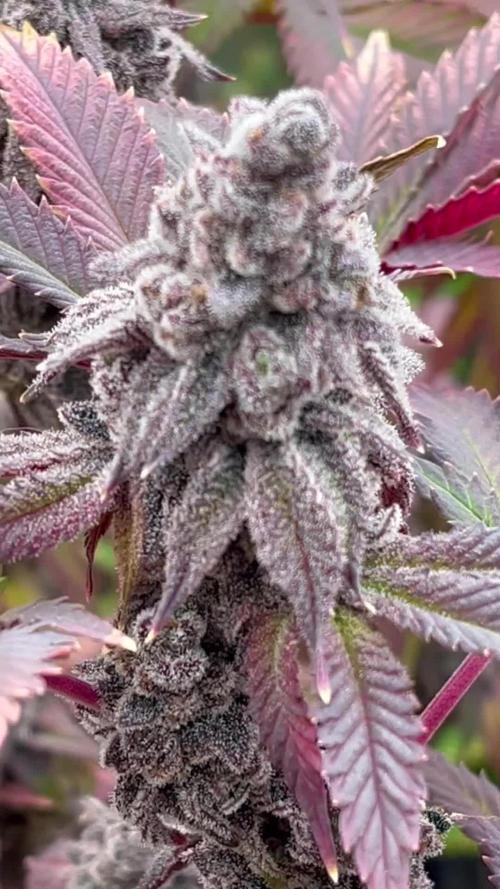
Earthbox pics of Strawberry Truffle s1 | Perpetual grow 👽🐢👽🐢
harvest coming on new moon, flipping veg tent👍
3I/ATLAS passing the sun👽🌞🛸


Likes
4
Share

@fadedgreentaurus
Follow
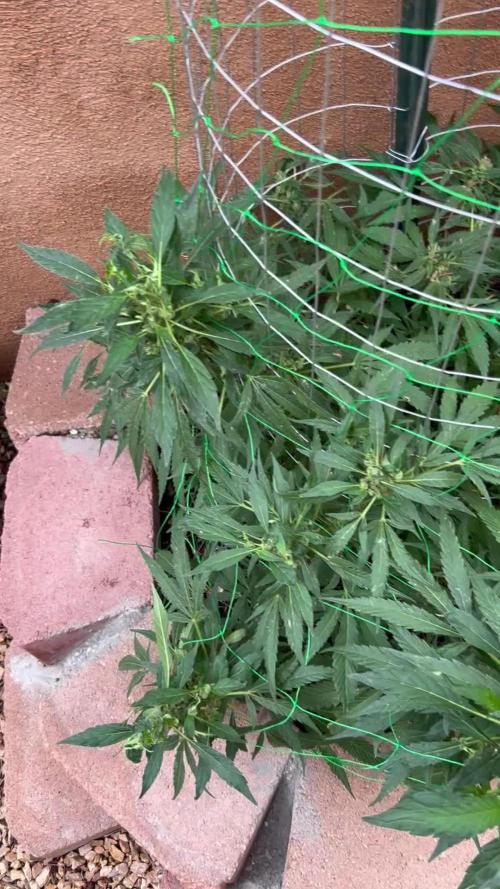
Cover crop breaking through lots of visible beneficial insects dirt smells good. Primed for the rest of veg/preflower.
It with mycorrhizae molasses humic fulvic liquid this water will hit with the remainder of the alaska fish emulsion the next few watering plan on keeping kelp mycorrhizae and molasses. Mostly applying top dress going through flower as well as some potash and the remainder Pk blend I prepared.
Ph a little higher than I wish might be a culprit of some over watering gonna allow a long dry retest and go from there those that have overcame the hormonal flowering shit are beginning to take off. Been amending the gravel and dirt surrounding my planting area and water around it too trying to encourage further outward root spread.
Processing
Likes
15
Share


@GanjaFarmerGrow
Follow
Week 6 is has just passed..
Haven't done anything different than last week...
She is in FULL FLOWERING...
producing hairs like crazy...
hope it keeps on like this...
fingers crossed👍

Likes
Comments
Share


@mojogrow
Follow
It was my first grow and I really screwed it up a lot, but it resisted all my beginner mistakes, pests, stress, being without irrigation, irrigation without measuring PH, revegetation, etc.
I love her, really, in love with this strain.
It is a genetics with a very relaxing effect, recommended for those who cannot sleep at night.
shoutout for trimix, very good prices for begginers> https://www.trimix-pro.com/

Likes
1
Share


@PositiveEnergy
Follow
Week 4 looks good gorilla zkittlez it’s beginning to flowering I will amend the soil soon


Likes
5
Share


@BudXs
Follow
Super busy with a move and a big garden reno. Sorry, this is the only update for this week
Likes
7
Share



Likes
28
Share


@Heregrowsnothing
Follow
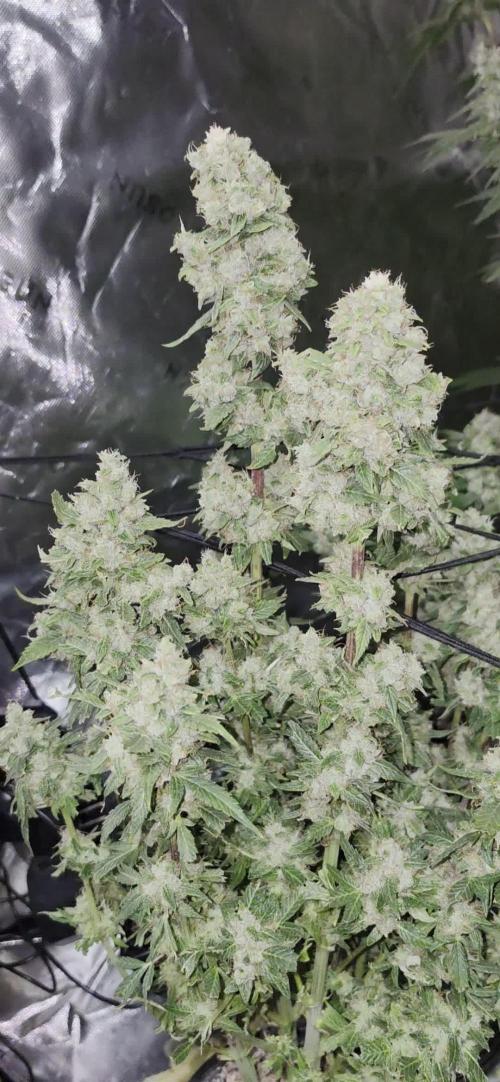
At the start of this week I bought another lumatek light for the 2nd tent and I'm already seeing the rewards. We have a smart meter and it seems the tent cost on average is 5p per hour so why the fuck not get another one eh?🤷♂️🏼 I have been feeding the solo plant from the wilma Res so it stays consistent but I'll be flushing them very soon indeed. Also this week I made my first ever vlog! *cringe* Thanks for stopping by ✌️🏻

Likes
20
Share


@Chronicbastard
Follow
So everything is going pretty well.i do wish the colas were bigger.im getting ready to flush with final finish.harvest should be in 2 weeks.

Likes
18
Share


@valiotoro
Follow
Hello everyone week 6 of flower has passed for this Gelato auto 🍦
She’s ready 😍
Green Sensation 0,5ml/L
Spider Farmer SE7000 80%
have a great day and wish you all happy growing 😎


Likes
17
Share


@OrganicChronic
Follow
GMO (Garlic mushroom onion) was slow to flower but came on strong weeks 8 and 9 to produce some dense heavy sticky buds. The dry weight of the plant material is unsure, but I’ll report the weight of various bubble microns when dry. Pictures of the dry bubble and maybe a melt shot impending! To dry, I decided to microplane into pizza boxes lined with parchment. It’s been fun growing along with everyone on grow diaries. Awesome
Likes
48
Share


@DogDoctorOfficial
Follow
Gather 'round, because it's time for the grand finale of my Tropicana Cookies Auto journey. Week 10 has arrived, and boy, oh boy, this gal has been an absolute delight from start to finish. Let's dive into the final chapter of this epic adventure!
I harvested my lovely lady at day 69 from seed, and let me tell you, it was a celebration of beauty and abundance. Picture this: a majestic all-girl harvest, suspended upside down for a glorious two-week drying extravaganza. At a temperature of 60 degrees Fahrenheit (15 degrees Celsius) and a relative humidity of 60%, the drying process unfolded like a symphony of perfection.
Now, let's talk trichomes, shall we? Oh, those glorious little resin factories! This Tropicana Cookies Auto has blown my mind with the sheer amount of trichomes it boasts. It's like a frosty wonderland, sparkling like a million tiny diamonds. I've never seen trichomes in such numbers, shapes, and colors before. It's a trichome party, and everyone's invited!
But let's not forget the benefits of the drying process. By allowing our precious buds to dry slowly and evenly, we're enhancing their flavors, aromas, and overall quality. It's like fine wine, my friends, getting better with age. Patience is the name of the game, and trust me, the reward is worth every second of anticipation.
Now, let me take a moment to give a big shout-out to @Fast_Buds. They've truly outdone themselves with this Tropicana Cookies Auto. It's like they sprinkled magical trichome dust all over these seeds, ensuring a frosty experience like no other. They've got the genetics game on lock!
So, my fellow cannabis enthusiasts, as we bid farewell to this remarkable journey, let's cherish the memories, the lessons learned, and the joy shared. From seed to harvest, this Tropicana Cookies Auto has captured our hearts and ignited our passion for the green wonders of the world.
May your drying process be smooth, your trichomes plentiful, and your buds burst with flavor. Thank you, Tropicana Cookies Auto, for gracing my garden with your extraordinary presence. You've left an indelible mark in my cannabis-growing adventures.
Keep cultivating with love, spreading the joy of this amazing and holy plant we all love so much, and remember, my friends, trichomes are like the glitter of the cannabis world—bright, beautiful, and absolutely fabulous!
As always thank you all for stopping by and for supporting me on this journey, i am super passion about growing and fell blessed to have you all with me on this new journey <3 <3 <3
Genetics - Fast Buds Tropicana Cookies Auto
Ligth - LUMATEK ZEUS 465 COMPACT PRO
Food - APTUS HOLLAND
Tent - MARS HYDRO
All info and full product details can be find in can find @
https://2fast4buds.com/
https://aptus-holland.com/
https://autopot.co.uk/
https://lumatek-lighting.com/
<3 <3 <3 Growers love to you all <3 <3 <3
Tropicana Cookies Auto is the perfect variety for growers of all levels, especially beginners as this strain performs very well outdoors and indoors, and can produce up to 500gr/m2 in 56-63 days without needing extra maintenance. Reaching up to 110cm, this strain grows fairly tall with medium-sized branching, showing its mixed heritage. Definitely the right choice for those with a high tolerance looking to get their hands on the strongest autoflowers out there. Thanks to the 27% THC, you can expect an extremely powerful and long-lasting high that’ll boost your mood and give you that extra push you need to start your days on the right foot. This variety offers the whole range of citrusy and woody flavors with a strong candy-sweet background that will keep you coming back for more and more.
Bud description
Tropicana Cookies Auto produces gorgeous dark purple flowers, so expect really dark buds with gorgeous hues of pink, purple and blue, and thick dark-orange hairs that get completely covered in resin by harvest time, giving them an almost shiny-white appearance.
This variety develops a typical Indica-like structure and very few sugar leaves that will make your trimming sessions a breeze. But make sure to store your trimmings as the gorgeous flowers reek of a mouth-watering blend of lemon peels, orange juice, and sandalwood that gives it almost a citrus candy-like flavor that makes for the most aromatic hash and extractions.Smoke report
Thanks to the 27% THC, Tropicana Cookies Auto’s effect starts with an energizing head rush that gets your mind up and running while leaving you in a nice calm state. As the Indica-dominant side kicks in, the powerful cerebral effect gradually moves downwards and hits your whole body with a deep relaxation that leaves you with a joyful stoney sensation that alleviates chronic pain while leaving you in an overall happy and positive state of mind.
It’s the perfect daytime and nighttime strain as it can boost your mood and enhance a night out with friends but can also quiet your mind as you get ready for a good night of sleep. No matter the scenario, expect a powerful high that lasts for hours on end.Plant appearance
Tropicana Cookies Auto reaches up to 110cm and develops a tall main cola with shorter side branches, typical of hybrid strains. You can expect a stocky yet tall main cola with medium-sized side branches and thin fan leaves that fade into a yellowish hue with a beautiful dark purple tint. Thanks to the excellent selection, this variety develops a short internodal spacing that makes the medium-sized flowers look like they’re growing stacked on top of each other. It’s the ideal choice for growers who want to get big yields without having to deal with huge plants, as this monster yielder can produce up to 150g per plant while growing relatively short.
Grow tips
This variety grows super dense buds so make sure to space out the branches by tying them down, this way you improve airflow which helps prevent mold and other pests. Tropicana Cookies auto reek of a delicious sweet and sour smell so make sure to flush thoroughly to enhance the aromas even more. This terpene heavyweight finishes with lots of resinous sugar leaves that make for fantastic hash and extractions so remember to have your trim bucket ready!Flavor
Tropicana Cookies Auto boasts remarkably sweet flavors that resemble a blend of lemon peels and fresh orange juice, with subtle floral undertones that make it the perfect choice for extractors looking for unique terpene profiles.
Expect an overall citrusy zest that’ll coat your whole mouth and leave a delicious tropical candy-like flavor aftertaste. The sweet and sour flavors get balanced out with a herbal background that gets stronger as you exhale and gradually opens up, bringing out the whole range of woody, floral, and spicy flavors, making it the perfect choice for the most flavorful extracts
Likes
226
Share


@Kitties_and_Colas
Follow
~_~_~_~_~_~_~_~_~_~_~_~_~_~_~_~_~_~_~_~_~_~_~_~_~_~_~_~_~_~_~_~_~_~_~_~_~_~_~_~_~_~_~_~_~_~_~_~_~_~_~_~_~_~_~_~_~_~_~_~_~_~_~_~_~_~_~_~_~_~_~_~_~_~_~_~_~_~_~_~_~_~_~_
08/13/21:
😺Week 5 is here!!🐱 they're growing fast and the yellowing seems to have corrected on its own (keeping the feeding routine consistent)
.. we removed some growth from the mainline and topped at the ends (we decided to try topping at 3rd node for a wider plant, we'll see what happens lol), our goal is for 4-6 mains per side. All the BigBud plants need to be re-potted this week into their final homes..we're running a little low on promix so 50% will be reused..thanks for reading, drop a like if you made it this far lol..we'll update midweek ❤️🐱💡🌱
~_~_~_~_~_~_~_~_~_~_~_~_~_~_~_~_~_~_~_~_~_~_~_~_~_~_~_~_~_~_~_~_~_~_~_~_~_~_~_~_~_~_~_~_~_~_~_~_~_~_~_~_~_~_~_~_~_~_~_~_~_~_~_~_~_~_~_~_~_~_~_~_~_~_~_~_~_~_~_~_~_~_~_
8/14/21
😽Everyone was up-potted to 5- 6 gallon containers toady..I also cleaned out a tent and moved a light, creating a space just for the ILGM Big Bud 😺👌
~_~_~_~_~_~_~_~_~_~_~_~_~_~_~_~_~_~_~_~_~_~_~_~_~_~_~_~_~_~_~_~_~_~_~_~_~_~_~_~_~_~_~_~_~_~_~_~_~_~_~_~_~_~_~_~_~_~_~_~_~_~_~_~_~_~_~_~_~_~_~_~_~_~_~_~_~_~_~_~_~_~_~_
8/16/21:
😺I think my transplant solution was a little too spicy for them, we're starting to get glossy and claw (pics) but no dead tips yet..definitely water only for a little while...
~_~_~_~_~_~_~_~_~_~_~_~_~_~_~_~_~_~_~_~_~_~_~_~_~_~_~_~_~_~_~_~_~_~_~_~_~_~_~_~_~_~_~_~_~_~_~_~_~_~_~_~_~_~_~_~_~_~_~_~_~_~_~_~_~_~_~_~_~_~_~_~_~_~_~_~_~_~_~_~_~_~_~_
8/18/21
😻Crazy fast new growth after last topping despite looking over fed.. this seems to be a very forgiving strain.. A+ so far 👊🐱
~_~_~_~_~_~_~_~_~_~_~_~_~_~_~_~_~_~_~_~_~_~_~_~_~_~_~_~_~_~_~_~_~_~_~_~_~_~_~_~_~_~_~_~_~_~_~_~_~_~_~_~_~_~_~_~_~_~_~_~_~_~_~_~_~_~_~_~_~_~_~_~_~_~_~_~_~_~_~_~_~_~_~_

Likes
5
Share


@ThinkDankGenetics
Follow
Another week has passed for these f-1 they are at day 54 they have been moved to the laundry room under a 150 watt to finish up in the cold the last feeding was December 20th of 4 tbs bloom and 2 tbs all purpose from Dr eartg.the smell on all three are identical from the stem rub test pleased about that. However the smell of the two in the same pot are identical my favorite one has a grapeyness to it it also seems to be more frosty than the other two that I'm sure was from the mephisto's wedding mother as it smelled of grapes gas and wedding cake and was deff quite frosty for a auto flower . The One seems to be finishing up in the next week or two it would seem. So looking forward to trying it. I'm please enough with smelled and structure to continue on with a back cross of a choice mephisto wedding then will continue with f-2 of this. I'm also pleased enough with smell and structure to find a choice selected male for breeding with a chemdawg , gorilla zkittlez from fast buds and a forum stomper from mephisto.

Likes
10
Share


@barlobruz
Follow
7/19/2021
- Fed her with a mix of veg + bloom + worm castings + insect frass. We're 'bout to flip her. Unsure of the rate of application, going with feel.
- Irrigated with a mix of water, coconut water, and unsulfured black strap molasses.
- Decreasing the light timer by an hour each day to gently bring her into the flowering stage.
- Defoliated again, she gets bushy fast.
7/24/2021
- Been defoliating this one every other day, she get's bushy reaaally fuckin' fast.
- Lights finally reach 12/12 tonight.
7/25/2021
- First day of 12/12, gave her ANOTHER trim loll

Likes
9
Share


@Mr_nugs_lover_David
Follow
She's developing very healthy and strong, she's responding very well to tje training techniques and she looks fantastic right now, she's enjoying life! Hope you guys enjoy my work! ❤️💚💎

Likes
39
Share


@GrowWiththeBro
Follow
Start of week 3.
Feeding a little more consistently. 1gal of the above every 3 days.


Likes
8
Share


@madlangs
Follow
All going well. No problems.
Smoothie and strawberry nuggets have about a week left and looking nice
Likes
6
Share


@Chucky324
Follow
End of week 9 and the beginning of week 10 of veg.
Got them outside... A bit late this year because of the weather. Cold nights.
I put a heat sink in there this year to help keep the temp up at nights.
40 gallons of water is under the table. 8 - 5 gallon containers.
I'll get them out of there when the weather gets warmer at night.
The plants sure look happier in the last pictures that were taken this morning.
The soil is 5 gallons of Sunshine Mix #4 (70% Moss) and 5 gallons of compost out of my composters, and mixed them.
When I transplanted the plants I surrounded the root balls in the Sunshine mix that has neutral ph, so the roots will grow into the compost and not get burnt by the hot soil right next to the root ball. I added another 3 gallons of Sunshine mix to do that, and to top dress and fill the pots. All the plants have about the same amount of soil in their new pots.
Just rain water for now. There is lots of food for them when the roots get to the compost mix.
OK. Be Cool.
Chuck.