




Likes
1
Share

@ElCapitol
Follow
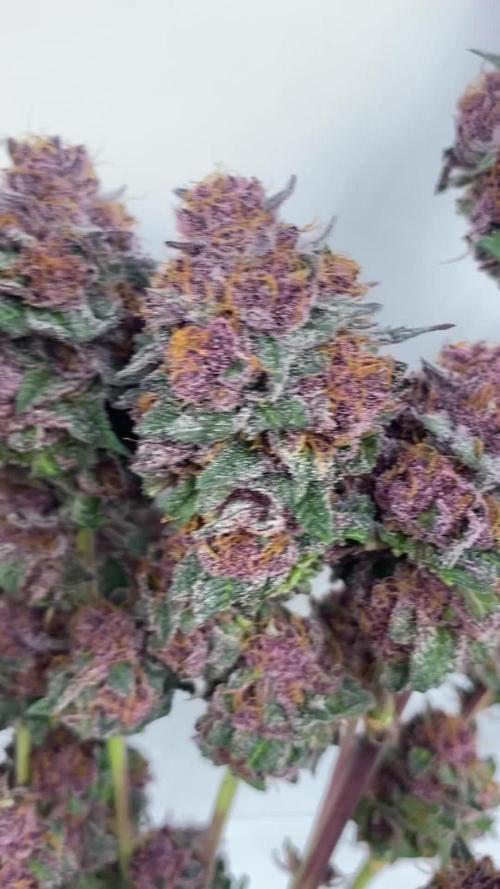
After four weeks alone with only light and water due to local forest fires I think she has done very well.
Frost banger is the name and she earns it. Solid nugs all over this plant and huge frosting. Very much a favourite for me. Despite the neglect it has done amazing. Even though I could not defoliate mid flower all the buds are very solid.
Smell is very familiar and reminds me a little of the dessert strains like cake and gelato. Soon ready for harvest I will update you with weights. It looks good 👍

Likes
14
Share


Likes
8
Share


Likes
6
Share


@MG2009
Follow
11/12/2020
She getting funky (good) smells under flourecent light. One more week, then back to LED under11-14 to finish her off.
11/14/2020
Did a little defoliating and my fingers smelled of Skittles candy combined with earthy minty-ness gonna be interesting I think. Also switching to LED tent early, I want her under full spectrum for last couple of weeks as she puts on some weight. I'm hopeful she will finish under 70 days but not harvesting till she is done! 80/20 cloudy/amber😎
Likes
2
Share


@GingaNinjaGenetics
Follow
Apparently I forgot to update last week. Oops she's doing great. Switching her over to swell now
Likes
3
Share
@Wizardgreen317
Follow
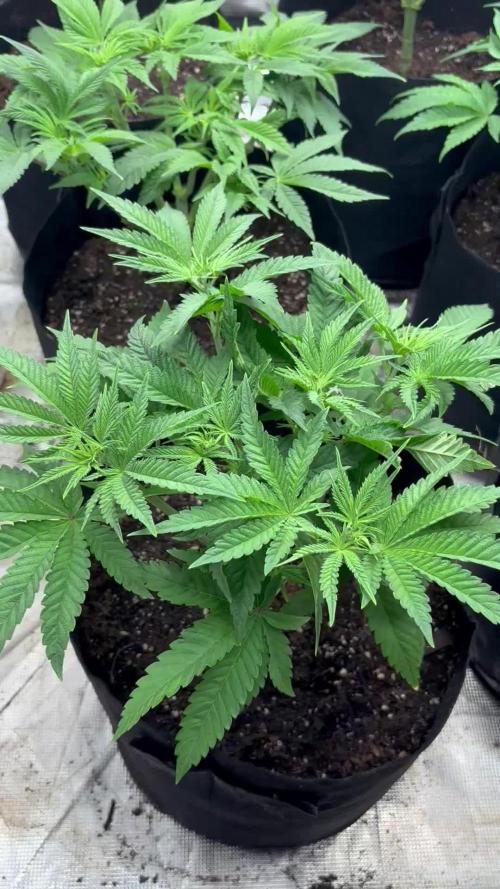
Well one herm I was really sad but I can have her ruining the other girls party, but yeah both are looking kinda small I have to flower so early but I think stretch will bring them to where they suppose to be . But yeah one is keeping up with the tent and the other one is looking real little lol but yeah little leave scary me lol .. but yeah there doing okay nothing impressive other than one herming on me was crazy I have never had a Humboldt seed to herm but yeah I’ve grown hundreds and out 1 that good math lol so yeah . They growing in there pots so we flowering lol

Likes
6
Share


@Lazuli
Follow
I defoliated this plant before the pictures so i can really push weight out of her
Likes
4
Share


@The_Projexx
Follow
Welcome to week 3 of flower for these fine ladies! As the stretching period comes to and end in about a week or so I'm excited to see the plant's develop their flowers. Some of the plants have already developed quited the frost for their age and as the cycle continues its just going to get more pronounced. Some of the plants are giving off a faint smell now mostly the Banana Smoothie smelling of cream and bananas so far. Overall I'm really pleased with what's going on so far and can't wait for further development of the flowers!
Huge shout out to both Hidden Vault Genetics as well as @MarsHydroLED for all the work they put in to make growing a breeze
Extra special shout out goes to all my followers and people who stop into the diary alike. Keep inspiring to grow!
-The Projexx
Day#15F Ladies continue their stretching, will be looking to remove some leaves to open the plants up soon.
Day#16F Watered ladies 4L each at 550PPM. Things are moving along as the plants keep stretching like crazy
Day#17F Ladies are producing more and more size on their cotton balls while stretching up and stacking hard.
Day#18F Ladies are producing quite the frost levels for their age. Watered 4L each at 550PPM.
Day#19F Pictures N/A. Plants continue to stretch and stack.
Day#20F Ladies look like their slowing down on their stretch hopefully haha. Watered ladies 4L each at 550PPM.
Day#21F The plants are still stretching abit while putting mass on their flowers slowly. Wont be long till we see some giant flowers covered in trichomes!
Recap: Things went very well this week, some of the plants are starting to put out a smell and everyone's pumping trichomes like crazy! With about a week or so left on the stretching period I will be looking to place my secondary nets very very soon. I'm looking forward to seeing
what the plants smell like and how they continue to develop their flowers!
Likes
6
Share


@BLAZED
Follow
Week 7 (10-3 to 16-3)
10-3
Temps: 17.5 to 21.8 degrees
Humidity: 57% to 70%
11-3
Temps: 18 to 21.8 degrees
Humidity: 61% to 65%
Watering #2: 500 ml.
12-3
Temps: 17.5 to 21.7 degrees
Humidity: 57% to 66%
The individual ScrOG project is done!
I attached the screen to the #1, the #2 will be done tomorrow!
I had to do some Supercropping (HST) to the plant to make everything fit.
Set the light to 40% strength with a distance of 60 cm.
I didnt think about the poles of the tent, so its not fitting perfectly, but i will fix that tomorrow!
13-3
Temps: 17.6 to 21.2 degrees
Humidity: 56% to 64%
Watering: Both 1000 ml.
Attached the screen to the #2 and did some supercropping aswell.
The screens fit perfectly now, i am very happy with the end result!!
14-3
Temps: 17.2 to 21.1 degrees
Humidity: 58% to 69%
Watering: Both 330 ml. (Only Calcium added)
15-3
Temps: 17.2 to 21.5 degrees
Humidity: 60% to 71%
Watering: Both 1000 ml.
Set the light from 40% to 45% strength.
16-3
Temps: 17.5 to 21.6 degrees
Humidity: 64% to 70%
Progress of 2 White Widow's in the same tent: https://growdiaries.com/diaries/254339-green-house-seed-co-white-widow-grow-journal-by-blazed

Likes
10
Share


@Uneasy
Follow
04.11--> Pistil appeared 6 days after changing the light pattern to 12-12. They're growing faster than I expected, won't fit in the cabin 😬
07.11--> One of the plants turned out to be male. I saw buds with pollen sacs and moved them away from the cabin. This was not nice. I will not be able to get close to the harvest amount I planned. 😔

Likes
49
Share


@masterofsmeagol
Follow
5/24 Woke up on payday to find that my father is in the hospital. My house was robbed a few days before so I guess the hits keep coming. The plants are doing good though. I'm glad I kept them in as we had a frost last night. I moved my cage yesterday onto the asphalt and put the big pallet in. I just need to sanitize the others before they go in the cage. I'm being super cautious. I think tomorrow will be the day I make the switch to the garage while they fill out these 3's.OK.
5/25 Plants were all moved to the garage with the door open for indirect light. It's 54 degrees. At night I'll pull them back in and give them a few more hours under the hps which will also help with heat. Knocked a stem sideways but it'll pop back. Feels good to get things moving. HST seems to being going good.
UPDATE: Went back over at one and noticed that the plant I hit with a wire (or something I didn't see what happened) was almost sideways and really loose. I had tied it to a clip with flagging. That didn't work. I asked a friend and I ended up pinching off the first true leaves then mounded happy drug up around it to keep it upright. It LOOKS much happier. Of course that shit happens to your biggest healthiest plants. Oh well all the 10th planet are doing phenomenal. Can't wait to move these girls to there final homes. Plants went under lights at seven. I'm acclimenting them to the right light schedule. I don't want to jump from 18/6 to 15 hours. They did really good in the cold Temps and wind. The big one I had to fix looks like it's doing great. Once they are hardened and fill these pots they go in their final home.
5/26 Plants did great being in direct sunlight for a few hours and staying in the garage at night. They look super healthy. I'm planning on watering tomorrow. Wondering if I should start to add some silica to strengthen the stalks. Also wondering if I should add more soil to some of the pots like I did to the other one as the stretched a little. This is something I may do tomorrow before I water.
Went back over to switch the lights on and pull the plants back and lock up at 7:30. Forgot my phone of course and these girls were looking amazing. I have to water tomorrow. I coukd add more soul to some of the pots but I'm reluctant due to stem rot. They'll get buried much deeper in there final homes. Don't want to mount up soil and then water and promote rot. Anyway plants are adapting amazing. Dialing the light closer to normal here. This is a great transition place for them to he. I've noticed a few wrinkled leaves but thats to be expected. Oh, I got my free pure Michigan seeds from premium cultivars!!!
5/27 WATERED EVERYTHING TODAY WITH HALF A Powerade BOTTLE APPROX. 16OZ. Plants are in direct light in the mornings and I haven't seem any burning yet. I noticed a small spot on one of the first true leaves but I think it's just a bite from an insect. Everything is green as hell. I'm wondering if I should add fresh soil to the pots but I didn't want to do it on a watering day. Plus the plants will be going in there final homes shortly. Very happy with progress this far.
UPDATE Went over at 1230 and everything looked great. I sanitized the cage AND the pallets. Also bought 3 more 30 gallon grow bags. Once they go in there they will explode! I can't wait. I'm considering ordering netting for moths. Depending on price i might get some. If not I'll keep using the BT.
UPDATE: Went and checked around 430. Temps were in the 70's and they had a few hours of direct sun. No burns evident as of yet. Pallets fit in the cage like puzzle pieces. Now I need to sanitize my grade stakes bamboo and trellis and setthat stuff up. I'm going to screw the grade stakes to the pallets and attach garden rods and bamboo with zip ties and I'll have a horizontal trellis. Once branches are a little bigger I'll begin LST. The plants that I topped AND the ones I FIMed are doing great. The FIMed ones with at least three colas some have four. Hoping the plants took that time growing roots.
5/28 Plants are all standing up tall. They loved that water. Haven't noticed any burns and they get direct sunlight in the mornings. Soon I can put them in the cage and start setting up my trellis and supports. Fan leaves on soms are bigger than my hands. These girls are probably the healthiest plants I've grown. I usually do clones and end up starting with problems. This is great starting with seeds and have no problems.
UPDATE: Went back around two because Temps had reached 92f and rh was only 20%. Nights cool off greatly so it's a dramatic temperature shift. Plants looked great. All standing up looking great. Put plants in at 7:30 ,and continue the light until 9 and have it turn on at 4am. Then they are out by sunrise. Did notice some burning on one of my plants a large fan leaf. What can I say? It was extremely hot. I'm surprised they did as well as they did.
5/29 Everything standing up perfectly looking great. Plantscget an extra hour of sun at night and morning and are on 19/7 with the extra added light. Trying to acclimate and finish hardening off this week. I'd love to be able to at least put them in full sunlight for the day. I think they'd be fine. I'm really impressed with how they are growing. Second guessing not HST all of them. However I think I might light dep a couple. We'll see. I've still got work to do.
UPDATE: put the plants in around 7. One of my lights shit the bed. They are just 150 watt hps but I was using them to finish hardening off my plants and slowly adjust them to the natural light. The on/off switch fell off. I'm sure my cousin can fix it bit the one is pe9bably fine as I'm only going fir a few more days. The thing about having this many plants to choose from is that I can pheno hunt and put the VERY best into the final containers and if I decide too I could light dep.
5/30 WATERED EVERYTHING TODAY WITH HALF A POWERADE BOTTLE. My cousin can probably fix the other light but I don't think it will matter. Within a week I'm going to have these girls in their final homes. I just need to sanitize the trellis and posts and then screw them to the pallets. I'll have this all taken care of before the plants go in the hole. I did notice another burn on a leaf. Def glad I'm taking the time to do this right.
UPDATE: I put the girls in the barn around 7:30 and flicked the one 150 watt HPS light I have working on. I added a half hour more of darkness to try to acclimate them quicker. Light stays on until 9 qnd came back on at four but i changed it to 4:30. I'm usually there by 5. I'm looking through my surveillance cameras and it doesn't even look like the light is on. Of course its super bright out but I should be able to see from that image. Luckily the building the go in has massive windows up top to let light in and windows on every side so the light is probably unnecessary. However due to my bullshit luck last year I'm being as cautious as I can. Tomorrow is supposed to be extremely hot again as is the next day. I think I'll leave the door down a little, open the other and move the plants back so they have no direct sunlight and adding a fan. That way they can continue to recover. They seem bigger everything I see them.
5/31 Another hot day. I figure a few more days (under a week) and I can transplant these girls! Supposed to be 85 today and 90 tomm. It was 45 when I got here. These girls are doing well handling this bipolar weather.
UPDATE: IM AN IDIOT AND THIS IS AN 8 DAY WEEK lol. Maybe I'll do a six day week next time to get back on track. Went back over at two and noticed some burns. Sent a video to a friend andcwith the sun we've had and the weather in the 90's he agreed the damage was minimal. However there was someone there working who opened more doors which let a lot more light in. It's supposed to be in the 90s tomorrow too. I may leave the doors shut. There are windows on everyside and an enormous cone at the top so the get plenty of sun. He also grows and I've been careful to not let anyone that grows go around my plants. I'm going to have to talk with family about this. To be honest I'm kinda pissed. Next watering I may add some kelp me kelp you and start a small nute regimen.
UPDATE Went back over at seven after having a panic attack. Half stoned half asleep. Stupidly I was looking at a plant and thought "shit" the FIM must not have took but in reality I was just stoned and tired so I topped a plant that had already been fimmed so we'll see how that goes. Purple punch is so far behind everything else it's not even funny. There might be one that's doing pretty well and that of course is the one with no HST. Branches on the other strains are thick and ready for LST though. What I think I'll do is transplant the 10th planets and the blueberry cheese ones that are ready and hold off on the rest for a while. Hopfully I'll be able to show plants in final homes next week.


Likes
12
Share


@Boomer911
Follow
Stage: Week 8 of flowering
Height: The plant has reached an impressive height, with a strong, vertical growth pattern.
Buds: The buds are getting thick and dense, forming a long, massive cola that runs almost the entire length of the main stem. They’re covered in trichomes and emit a strong, citrusy aroma.
Health: The plant is thriving, showing no signs of stress or deficiencies. The leaves are a healthy green, and the buds continue to swell nicely.
Strain Description: Critical Orange Punch by Dutch Passion is known for its vigorous growth and high yield potential. It produces dense, resinous buds with a sweet, citrusy flavor and a balanced, relaxing effect. 🍊🌿
Thank you to Dutch Passion for this incredible strain! 🌱

Processing
Likes
26
Share


@eldruida_lamota
Follow
De nuevo, actualizamos la séptima semana de floración y es que estas skunk están preciosas, es una Indica muy conocida y típica entre nosotros los cultivadores, muy sencilla de cultivar.
El ph, la humedad y la temperatura son correctos, zambezaseeds está haciendo muy buen trabajo con sus variedades gente, os lo aseguro que ya son varios los cultivos con ellos. Hasta la semana que viene.

Likes
11
Share
@DutchBarnacle
Follow
Week 6!
Well, even though she was restrained by the trellis net, the stretch was untamable. During two days on her own, she wrestled herself free and we had to reconsider our strategy. We opted for supercropping her and laying her down in a spiral.
..and still.. she's fiesty.
She's mostly flat now, and: wow, she takes first spot in the amount of viable bud sites. Most of these sites receive more than 500 PPFD on an 18/6 schedule while some of the escaped branches take in well over 900 PPFD.
Since she's not showing signs of any burn, we upped the nutrients once again! We also defoliated her bottom 3rd, as well as thinned out her center canopy.
Likes
47
Share
@Arcadium
Follow
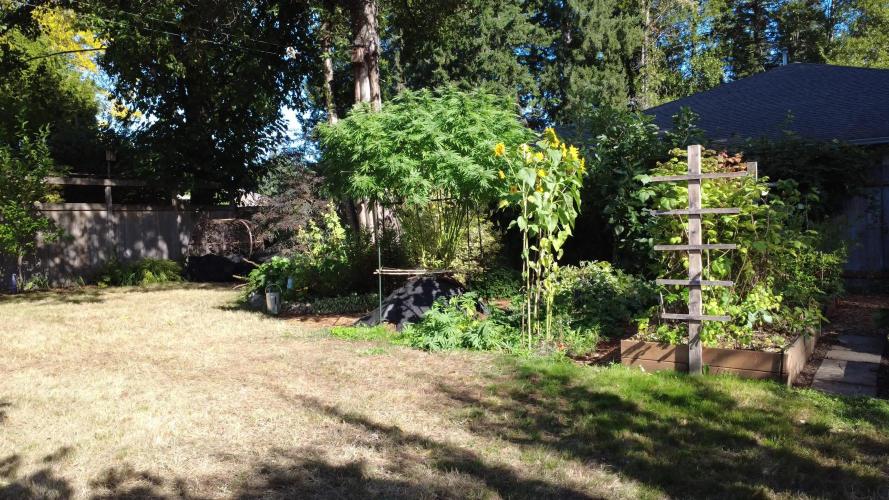
Well, atmospheric river on the way tonight, so I thought I'd do an early harvest, 42 tops in total! Even though it's a few weeks early, the buds are a really good size and very frosty. I also wanted to open the canopy up for the remaining buds and also check out how bad the rot was, and to my surprise really good! None of the main tops had rot, I spotted a half dozen smaller nugs during harvest.
All bud was washed, 3 buckets, baking soda and lemon juice in 1, then 2 clean cold rinse buckets. Snip top, snip off fan leaves only, wash in bucket 1,2 3, hang to dry outside for 15 min, then bring into basement for drying. Will hang dry for 7 days, sweat in paper for a day or 2, then light trim and into grove bags. Bucket 1 after wash was NASTY, grey, couldnt even see the bottom, please wash your outdoor!
After harvest I took some more pics, still TONS left to "hopefully" ripen over another 2-3 weeks.
Even being this early, the trichomes were looking good. I mostly do Rosin and Edibles, so I don't need max swollen buds. We have 98% humidity over nights, and there's no way to fully ripen in that kind of weather.
This is my new favorite strain so far, this was the earliest harvest I've had in a while, buds are great, uniform, almost no budrot so far.
I bought bubble bags to try out some hash washing. I fresh froze some small stuff from another plant. If it works out and the rest of this doesn't rot out I'll fresh freeze a ton. I have a small Rosin press to so I finally get to try out some Live Rosin!


Likes
4
Share


@Hommero75
Follow
Week 9 was good .. Forbidden Runtz is getting ticker .she is taking longer than expected. No sign of amber yet. The thricomes are getting milky.. hopefully she finished in the next few days.
Likes
8
Share


@AnnGeneLabs
Follow
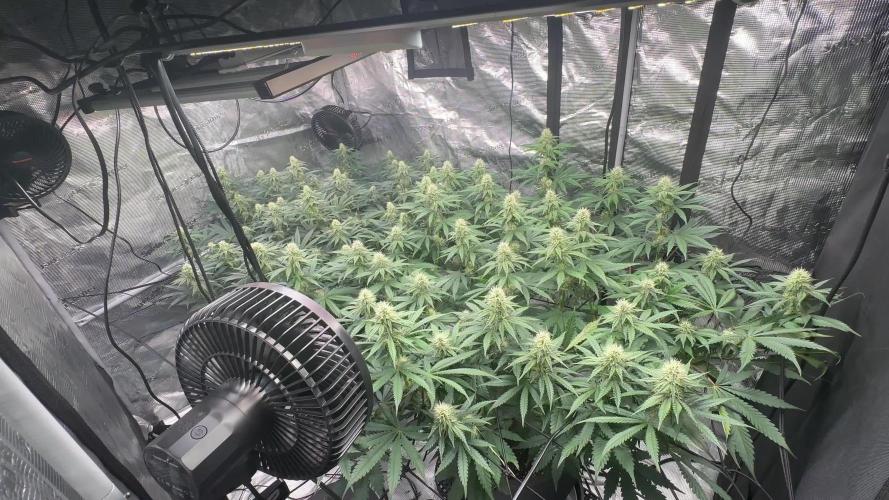
Hey Diary! Just wrapped up week 5 of my green project, and we're fully in the blooming stage now! 🌸
Out plant has stretched up beautifully. It seems to be enjoying life just as much as I am.
Here's the weekly rundown:
Automated Watering: This is cool! I've set up an automated watering system that I can control through a Telegram bot. Hello, technology! 🤖💧
Defoliation: Last week, we did some defoliation, trimming off the unnecessary leaves. This helped the plant focus more on flowering. Sometimes less is more, right?
Can't wait to see what the next week brings. Catch you later, GD! 🌿📚