Likes
4
Share
@CalGonJim
Follow
7/28 1220AM MONDAY.... Bubbles are looking ok, I need to trim them back to 4 colas, I am really stressing them with small space limitations, and temps at 80 to 81 7/29 Tuesday 5:45 AM💦💦 6:15 AM water with methylene blue two pills of nitric boost amino acid, five drops of Quick Sorb and I added bud factor X today and a quarter mL per liter of rhino silica💦💦💦. 1030 AM I don’t know what I’m gonna do. It turns out the bubbles plants are terrible. The stems are all very weak and they’re growing bushy at the top. I didn’t get them separated so all of the side branches grew up really long it’s completely useless. It is absolute this plant. It will be thrown in the garbage. Can you fucking believe I have to throw another entire plant in the fucking garbage😡😡😡😡. TREVOR plant cut down to 2 colas only, very top heavy not liking my grow space, had 2 more than I wanted so it's all fucked.... will remove shitty small colas and get maybe 2 good colas per plant, not expecting much. 1219pm....HOLY SHIT I FUCKED THESE.....TOOK OFF SOME COLAS.....NOT ENOUGH SPACE AND I PUSHED THEM TOO FAR.....I CAN FIX IT 7/30 1215am found a GREAT science link::: ""https://www.frontiersin.org/research-topics/8125/cannabis-genomics-breeding-and-production/magazine"". 345am PROLINE WILL BE HERE TODAY.ALL RESEARCH INDICATES PROLINE WILL PROTECT FROM HEAT STRESS!!!! 11:30 AM they are good again they are recovering from heavy defoliation half of the plant was taken off of one of them. I pushed it a little far but today they are recovering from heat and lack of air and lack of space the leaves are reaching up and they are not folding under heat stress. They look good today. Fast recovery heavy amino yesterday.👍👍👍👍🚨🚨🚨🚨 🚨🚨🚨🚨🚨🚨🚨🚨 GOT THE AMINOS AND HERE IS THE GROK RESULT OF MY MIX.......🚨🚨🚨🚨🚨🚨🚨🚨 The effects of applying essential amino acids (EAAs), proline, trimethylglycine (TMG), and glutamine to cannabis plants can be significant, as these compounds act as biostimulants, influencing growth, stress resilience, and secondary metabolite production. The available research, primarily from studies on amino acids in plants, including cannabis, provides insights into their roles, though specific data on this exact combination is limited. Below, I summarize the effects of each compound on cannabis plants, drawing from relevant studies, and infer potential synergistic effects based on their known roles in plant physiology. Note that TMG (betaine) has less direct research in cannabis, so some effects are extrapolated from other plants. ### 1. Essential Amino Acids (EAAs) EAAs (e.g., leucine, lysine, methionine, etc.) are critical building blocks for proteins and play roles in plant metabolism and stress response. In cannabis: - **Growth and Development**: EAAs enhance protein synthesis, supporting shoot and root growth. Foliar or soil application of EAAs (e.g., 150–300 mg/L) increases leaf chlorophyll, shoot biomass, and root development in various plants, likely applicable to cannabis.[](https://www.nature.com/articles/s41598-022-21273-6) - **Nutrient Uptake**: EAAs like methionine and lysine improve nutrient absorption (e.g., nitrogen, iron) by acting as chelators, potentially enhancing cannabis nutrient efficiency in hydroponic or soil systems.[](https://cannabisindustryinstitute.com/news/amino-acids-what-they-mean-to-your-cannabis-grow/)[](https://mycsainc.com/newsletter/en/2023/03/03/amino-acids-and-their-function-in-plants/) - **Stress Mitigation**: EAAs, particularly methionine, support antioxidant production (e.g., glutathione), reducing oxidative stress from drought, salinity, or high light, common in cannabis cultivation.[](https://www.frontiersin.org/journals/plant-science/articles/10.3389/fpls.2020.00928/full)[](https://www.ncbi.nlm.nih.gov/pmc/articles/PMC9008891/) - **Cannabinoid/Terpene Production**: Limited evidence suggests EAAs may influence secondary metabolism. For example, methionine could enhance sulfur-containing compounds, potentially affecting terpene profiles in cannabis.[](https://www.ncbi.nlm.nih.gov/pmc/articles/PMC9008891/) **Application Notes**: EAAs are often applied via foliar spray (150–300 mg/L) or soil drench. Overuse may lead to nitrogen imbalance, so moderation is key.[](https://cannabisindustryinstitute.com/news/amino-acids-what-they-mean-to-your-cannabis-grow/) ### 2. Proline Proline is a non-essential amino acid that accumulates in plants under stress and serves multiple functions: - **Stress Tolerance**: Proline acts as an osmolyte, stabilizing cell membranes and scavenging reactive oxygen species (ROS) during drought, salinity, or temperature stress. In cannabis, exogenous proline (e.g., 50–100 mM) may enhance tolerance to environmental stressors, improving resilience in outdoor or controlled environments.[](https://www.researchgate.net/publication/349966775_THE_ROLE_AND_IMPORTANCE_OF_AMINO_ACIDS_WITHIN_PLANTS_A_REVIEW)[](https://pmc.ncbi.nlm.nih.gov/articles/PMC3548871/) - **Limited Growth Effect**: Proline alone is a poor nitrogen source for growth. Studies on Arabidopsis show it has a neutral or inhibitory effect on growth when used as the sole nitrogen source, suggesting it’s better for stress response than biomass accumulation.[](https://www.frontiersin.org/journals/plant-science/articles/10.3389/fpls.2023.1281495/full) - **Cannabis-Specific**: Proline helps cannabis maintain water balance, potentially improving resistance to extreme temperatures, which is critical for outdoor grows.[](https://cannabisindustryinstitute.com/news/amino-acids-what-they-mean-to-your-cannabis-grow/) **Application Notes**: Foliar or root application (50–100 mg/L) is effective for stress mitigation. High doses may inhibit growth if not balanced with other nutrients.[](https://www.frontiersin.org/journals/plant-science/articles/10.3389/fpls.2023.1281495/full)[](https://www.researchgate.net/publication/349966775_THE_ROLE_AND_IMPORTANCE_OF_AMINO_ACIDS_WITHIN_PLANTS_A_REVIEW) ### 3. Trimethylglycine (TMG, Betaine) TMG is less studied in cannabis but known as an osmoprotectant and methyl donor in other plants: - **Stress Protection**: TMG stabilizes proteins and membranes under salinity, drought, or temperature stress, similar to proline. It may protect cannabis plants in harsh conditions, maintaining photosynthetic efficiency.[](https://www.mdpi.com/2311-7524/9/7/807) - **Methylation Support**: TMG donates methyl groups, potentially enhancing secondary metabolite synthesis (e.g., cannabinoids, terpenes), though direct evidence in cannabis is lacking. Its role in methylation could support metabolic pathways linked to EAAs and glutamine. - **Growth Effects**: Limited data suggest TMG may improve chlorophyll content and photosynthesis, indirectly supporting biomass in cannabis. **Application Notes**: TMG is typically applied at 0.5–2 g/L via foliar spray. Its effects in cannabis are inferred from other crops, so careful experimentation is needed. ### 4. Glutamine Glutamine is a conditionally essential amino acid central to nitrogen metabolism: - **Growth Promotion**: Glutamine (10–1000 mg/L) significantly enhances shoot elongation, root growth, and chlorophyll content in plants like lettuce and hibiscus, likely benefiting cannabis vegetative growth. In cannabis, it may support lush foliage and robust rooting in hydroponics.[](https://www.scielo.br/j/oh/a/GZxMgqXb9wm7bsCTv4WwPdc/?lang=en)[](https://www.degruyterbrill.com/document/doi/10.1515/opag-2019-0016/html)[](https://www.degruyterbrill.com/document/doi/10.1515/opag-2019-0016/html?lang=en) - **Nitrogen Assimilation**: As a primary nitrogen acceptor, glutamine improves nitrogen use efficiency via the glutamine synthetase/glutamate synthase cycle, enhancing nutrient uptake in cannabis.[](https://academic.oup.com/jxb/article/58/9/2339/544408)[](https://www.frontiersin.org/journals/plant-science/articles/10.3389/fpls.2019.01743/full) - **Stress Response**: Glutamine supports proline synthesis, boosting stress tolerance. It also contributes to chlorophyll and protein synthesis, improving photosynthesis and yield potential in cannabis.[](https://www.mdpi.com/2311-7524/8/12/1110)[](https://www.frontiersin.org/journals/plant-science/articles/10.3389/fpls.2019.01743/full) - **Secondary Metabolism**: Glutamine is a precursor to glutamate, which influences GABA, arginine, and proline synthesis, potentially affecting cannabinoid or terpene production indirectly.[](https://www.frontiersin.org/journals/plant-science/articles/10.3389/fpls.2019.01743/full) **Application Notes**: Foliar sprays (250–1000 mg/L) or root application twice weekly are effective. Glutamine at 250 mg/L combined with other amino acids (e.g., glycine) shows synergistic growth effects.[](https://www.degruyterbrill.com/document/doi/10.1515/opag-2019-0016/html) ### Synergistic Effects on Cannabis - **Growth and Yield**: The combination of EAAs, glutamine, and proline may enhance vegetative growth and biomass. Glutamine and EAAs drive protein synthesis and nitrogen uptake, while proline supports tissue integrity under stress. TMG likely amplifies these effects by improving cellular hydration and methylation, potentially increasing leaf area and bud quality.[](https://www.mdpi.com/2311-7524/8/12/1110)[](https://www.nature.com/articles/s41598-022-21273-6) - **Stress Resilience**: Proline and TMG act as osmoprotectants, while EAAs and glutamine bolster antioxidant systems, collectively improving cannabis resilience to drought, salinity, or temperature extremes common in cultivation.[](https://www.mdpi.com/2311-7524/9/7/807) - **Secondary Metabolites**: Glutamine and TMG may enhance cannabinoid and terpene production by supporting metabolic pathways (e.g., methylation, nitrogen metabolism). EAAs like methionine could influence sulfur-based terpenes. However, direct evidence for cannabinoid enhancement is sparse.[](https://www.ncbi.nlm.nih.gov/pmc/articles/PMC9008891/) - **Nutrient Efficiency**: Glutamine and EAAs improve nitrogen and micronutrient uptake, while TMG may enhance nutrient transport, optimizing cannabis growth in nutrient-limited systems like hydroponics.[](https://mycsainc.com/newsletter/en/2023/03/03/amino-acids-and-their-function-in-plants/) ### Potential Risks and Considerations - **Inhibition at High Doses**: High concentrations of proline or certain EAAs (e.g., lysine, valine) can inhibit growth if used as sole nitrogen sources. Balanced mixtures mitigate this, as glutamine can antagonize inhibitory effects of proline or other amino acids.[](https://www.frontiersin.org/journals/plant-science/articles/10.3389/fpls.2023.1281495/full) - **Nitrogen Overload**: Excessive EAAs or glutamine may lead to nitrogen toxicity, causing leaf burn or stunted growth in cannabis. Monitor plant response and maintain balanced nutrient solutions.[](https://cannabisindustryinstitute.com/news/amino-acids-what-they-mean-to-your-cannabis-grow/) - **TMG Metabolism**: TMG may increase trimethylamine production in the soil microbiome, potentially affecting cannabis root health if not managed. Healthy soil microflora can mitigate this.[](https://cannabisindustryinstitute.com/news/amino-acids-what-they-mean-to-your-cannabis-grow/) - **Application Timing**: Foliar sprays (150–500 mg/L for EAAs, glutamine, proline; 0.5–2 g/L for TMG) during vegetative growth or early flowering maximize benefits. Avoid overuse during late flowering to prevent nutrient imbalances affecting bud quality. ### Cannabis-Specific Insights - **Hydroponics and Soil**: In hydroponic systems, EAAs and glutamine ensure efficient nitrogen delivery, while proline and TMG support stress resistance in fluctuating pH or nutrient conditions. In soil, maintaining microflora is crucial, as it naturally supplies amino acids; supplementation should be moderate.[](https://cannabisindustryinstitute.com/news/amino-acids-what-they-mean-to-your-cannabis-grow/)[](https://www.ncbi.nlm.nih.gov/pmc/articles/PMC9008891/) - **Cultivar Variability**: Cannabis cultivars differ in nutrient demands and stress responses. Sativa-dominant strains may benefit more from proline and TMG for stress tolerance, while indica strains may respond better to EAAs and glutamine for dense bud growth. Testing is needed. - **Secondary Metabolites**: While amino acids influence secondary metabolism, direct effects on THC or CBD levels are unconfirmed. Glutamine and TMG may indirectly enhance terpene diversity via improved photosynthesis and methylation.[](https://www.ncbi.nlm.nih.gov/pmc/articles/PMC9008891/) ### Practical Recommendations "🚨🚨🚨🚨"🚨🚨🚨🚨"🚨🚨🚨🚨 - **Dosing**: Apply EAAs (150–300 mg/L), glutamine (250–500 mg/L), proline (50–100 mg/L), and TMG (0.5–1 g/L) via foliar spray or root drench twice weekly during vegetative growth and early flowering. - **Combination**: Use a balanced mix (e.g., 250 mg/L EAAs + 250 mg/L glutamine + 50 mg/L proline + 500 mg/L TMG) to avoid inhibition. Test on a small batch first.[](https://www.frontiersin.org/journals/plant-science/articles/10.3389/fpls.2023.1281495/full) - **Monitoring**: Check for signs of nitrogen toxicity (dark green leaves, clawing) or stress relief (improved vigor, greener leaves). Adjust doses based on plant response. "🚨🚨🚨🚨"🚨🚨🚨🚨"🚨🚨🚨🚨. - **Synergy with Nutrients**: Pair with balanced NPK fertilizers and micronutrients (e.g., iron, calcium) to enhance uptake.[](https://www.degruyterbrill.com/document/doi/10.1515/opag-2019-0016/html) - **Cultivation Context**: In hydroponics, use lower doses to avoid nutrient lockout. In soil, ensure healthy microbial activity to complement amino acid supplementation.[](https://cannabisindustryinstitute.com/news/amino-acids-what-they-mean-to-your-cannabis-grow/) ### Evidence Gaps - **Specific Combination**: No studies directly address EAAs, proline, TMG, and glutamine together in cannabis. Effects are inferred from individual amino acid studies and general plant research. - **Cannabinoid Impact**: Limited data on how these compounds affect THC/CBD levels. More research is needed on secondary metabolite pathways.[](https://www.ncbi.nlm.nih.gov/pmc/articles/PMC9008891/) - **TMG in Cannabis**: TMG’s effects are extrapolated from other crops. Cannabis-specific trials are needed to confirm benefits. ### Conclusion Applying EAAs, proline, TMG, and glutamine to cannabis plants can enhance growth, stress tolerance, and nutrient uptake, with potential benefits for yield and secondary metabolite production. EAAs and glutamine drive biomass and nitrogen efficiency, proline and TMG bolster stress resilience, and their combination may optimize cannabis health in challenging environments. However, careful dosing and monitoring are crucial to avoid inhibition or toxicity. For best results, test small-scale applications and consult with a horticulturist familiar with cannabis cultivation. If you want more details on application methods, specific cultivars, or further searches for cannabis-related studies, let me know!""🚨🚨🚨🚨 🚨🚨 7/31 125am!!!!! Adding L-glycine to the combination of essential amino acids (EAAs), proline, trimethylglycine (TMG), and glutamine can further influence the effects on cannabis plants, as glycine is a non-essential amino acid with unique roles in plant physiology. Below, I outline the potential effects of L-glycine alone and in combination with the previously mentioned compounds, focusing on their impact on cannabis growth, stress response, and secondary metabolite production. Since specific studies on this exact combination in cannabis are lacking, I’ll integrate findings from plant science and infer synergistic effects based on known mechanisms. I’ll keep it concise and tailored to cannabis cultivation. ### Effects of L-Glycine on Cannabis Plants L-Glycine is a simple amino acid involved in protein synthesis, stress response, and metabolic pathways: - **Growth Promotion**: Glycine (50–500 mg/L) enhances shoot elongation, root growth, and chlorophyll content in plants like lettuce and rice, likely benefiting cannabis vegetative growth. It serves as a nitrogen source and supports protein synthesis, complementing EAAs and glutamine. - **Stress Tolerance**: Glycine acts as a precursor to glutathione, a key antioxidant, reducing oxidative stress from drought, salinity, or high light. In cannabis, it may improve resilience in challenging environments (e.g., outdoor grows or high-intensity indoor setups). - **Secondary Metabolism**: Glycine is a precursor to purines and chlorophyll, potentially enhancing photosynthesis and energy metabolism. It may indirectly influence cannabinoid and terpene production by supporting metabolic pathways, though direct evidence in cannabis is limited. - **Nutrient Uptake**: Glycine chelates micronutrients (e.g., iron, zinc), improving their availability, which is critical for cannabis in hydroponic or nutrient-poor soil systems. **Application Notes**: Foliar sprays or root drenches (100–500 mg/L) are effective, often applied twice weekly during vegetative growth or early flowering. ### Synergistic Effects with EAAs, Proline, TMG, and Glutamine Adding L-glycine to the mix may enhance the effects on cannabis plants in the following ways: 1. **Enhanced Growth and Biomass**: - **Glycine + EAAs/Glutamine**: Glycine complements EAAs and glutamine in protein synthesis and nitrogen metabolism. Studies show glycine (250 mg/L) combined with glutamine enhances shoot and root growth in plants, likely amplifying cannabis vegetative vigor and bud development. - **Synergy**: Glycine’s role in chlorophyll synthesis boosts photosynthesis, supporting the energy demands of EAA-driven protein synthesis and glutamine’s nitrogen assimilation, potentially increasing leaf area and yield. 2. **Improved Stress Resilience**: - **Glycine + Proline/TMG**: Glycine and proline both contribute to glutathione production, enhancing antioxidant defenses. TMG’s osmoprotectant properties further stabilize cells under stress. Together, they may improve cannabis tolerance to drought, heat, or salinity, maintaining growth in adverse conditions. - **Cannabis-Specific**: This combination could be particularly beneficial for outdoor cannabis or indoor setups with inconsistent temperature/humidity, reducing leaf wilting or nutrient stress. 3. **Secondary Metabolite Production**: - **Glycine + Glutamine/TMG**: Glycine and glutamine are precursors to metabolic pathways (e.g., GABA, purines) that may influence cannabinoid and terpene synthesis. TMG’s methyl donation could enhance these pathways by supporting enzyme activity. While direct evidence is sparse, this stack may increase terpene diversity or cannabinoid yield in cannabis buds. - **EAAs Contribution**: Methionine (an EAA) and glycine may support sulfur-containing compounds, potentially enriching terpene profiles. 4. **Nutrient Efficiency**: - **Glycine + EAAs/Glutamine**: Glycine’s chelating properties enhance micronutrient uptake, complementing EAAs and glutamine’s role in nitrogen assimilation. This could optimize nutrient use in hydroponic cannabis systems, reducing nutrient lockout. - **TMG Synergy**: TMG’s role in cellular hydration may improve nutrient transport, amplifying glycine’s effects on micronutrient availability. ### Potential Risks and Considerations - **Inhibition at High Doses**: High glycine doses (1000 mg/L) may inhibit growth by disrupting nitrogen balance, especially if combined with EAAs or glutamine. Studies on Arabidopsis show glycine can be toxic as a sole nitrogen source, so balanced mixtures are crucial. - **Nitrogen Overload**: Adding glycine to EAAs and glutamine increases nitrogen input, risking toxicity (e.g., leaf burn, stunted growth) in cannabis. Monitor for dark green leaves or clawing and adjust doses. - **Competition for Absorption**: Glycine, EAAs, and glutamine may compete for root or foliar uptake, reducing efficacy. Split applications (e.g., glycine in the morning, EAAs/glutamine post-light cycle) can help. - **TMG Interaction**: Glycine and TMG both influence methylation pathways, but excessive methyl donors could disrupt metabolic balance in sensitive plants. Stick to moderate doses (e.g., 100–500 mg/L glycine, 0.5–1 g/L TMG). - **Cultivar Variability**: Cannabis strains (e.g., sativa vs. indica) differ in nutrient and stress responses. Glycine’s benefits may be more pronounced in stress-prone sativas or nutrient-sensitive hybrids. ### Practical Recommendations - **Dosing**: Combine glycine (100–500 mg/L), EAAs (150–300 mg/L), glutamine (250–500 mg/L), proline (50–100 mg/L), and TMG (0.5–1 g/L) in a balanced foliar spray or root drench. Apply twice weekly during vegetative growth and early flowering. - **Application**: Use foliar sprays for rapid uptake during vegetative stages or stress events. Root drenches suit hydroponic systems. Test on a small batch to assess plant response. - **Monitoring**: Watch for nitrogen toxicity (dark, curled leaves) or stress relief (greener, more vigorous plants). Adjust concentrations based on cultivar and growth stage. - **Synergy with Nutrients**: Pair with balanced NPK fertilizers and micronutrients (e.g., iron, calcium) to maximize glycine’s chelating benefits. Ensure adequate magnesium for chlorophyll synthesis. - **Cultivation Context**: In hydroponics, use lower doses to avoid nutrient imbalances. In soil, maintain healthy microbial activity, as microbes naturally produce glycine and other amino acids. ### Evidence Gaps - **Specific Combination**: No studies address glycine combined with EAAs, proline, TMG, and glutamine in cannabis. Effects are inferred from individual amino acid studies and general plant research. - **Cannabinoid/Terpene Impact**: While glycine may support secondary metabolism, direct effects on THC/CBD or terpene levels are unconfirmed. Cannabis-specific trials are needed. - **TMG and Glycine**: Their combined effects on methylation in cannabis are speculative, as most TMG research focuses on other crops. ### Conclusion Adding L-glycine to EAAs, proline, TMG, and glutamine likely enhances cannabis growth, stress tolerance, and nutrient efficiency by supporting protein synthesis, antioxidant production, and micronutrient uptake. The combination may improve vegetative vigor, bud quality, and resilience to environmental stressors, with potential (but unconfirmed) benefits for cannabinoid and terpene production. Careful dosing and monitoring are essential to avoid nitrogen toxicity or absorption competition. Start with low doses, test on a small scale, and consult a cannabis cultivation expert for tailored advice. If you want me to search for more studies, focus on a specific aspect (e.g., glycine’s role in terpene synthesis), or provide application protocols for a particular cannabis strain, let me know!"""
Likes
2
Share
ถ่ายรูปไว้เมื่อวันที่13/10/2023
Likes
4
Share
End of week 6 flowering From this week to end ROW only, that will enough for flush the soil. 2 or 3 weeks
Likes
14
Share
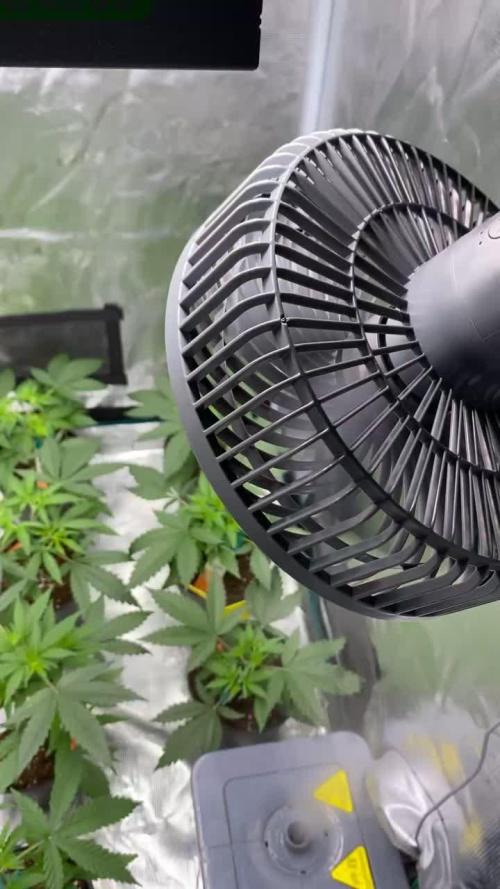
The heat stress is always a problem in my grows but now I have a new climatization system that can really help me !
Processing
Likes
9
Share
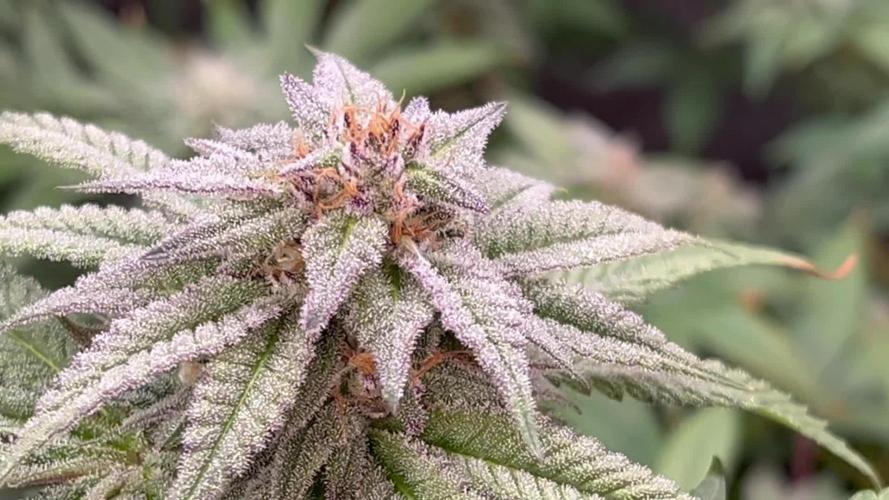
Bud sites/ pistils starting to pop through now ...really happy with how she has turned out in the end, learned so much from this plant I've become emotionally attached...and took 2 clones ...really hoping they take to (never cloned on my life🤞)
Likes
6
Share
@XanHalen
Follow
Officially week 7 Dec 31: Came back a week later to very heavy pots, needed 36 hour drying period, not happy, smaller plant has tips of leaves curling down, some like taco, dryed out the pots and went back to normal conservative feeding, need to fine tune the auto irrigation setup before I use it again for sure. All in all, nothing crazy happened. Really cool to see a plant be small, but way bigger after a week of vacation. First grow seems to be going pretty good! PS: I think my hygrometer is broken, saying 85-100% RA even when I significantly improve airflow and it doesn't seem anywhere near that. Gonna do the salt paste test on the hygrometer . Jan 1: I recalibrated my hygrometer and it’s working great, weird leaf curling of smaller plant still happening but seems to be improving, big plant is frosty and fat for week 7, seems to be at same stage in development as smaller plant but the pheno is beautiful.
Likes
15
Share
Likes
327
Share
@FoTwenny
Follow
•••••••••••••••••••••••••• Sept. 28 - Oct. 4 •••••••••••••••••••••••••• CULTIVARS: •••••••••••••••••••••••••••••••••••••••••••••••••••••••••••••• WEDDING CAKE: STARTED = 8/10 • BLOOM = 10/1 RED HOT COOKIES: STARTED = 8/10 • BLOOM = 10/1 CHOCOLATE MINT OG: STARTED = 8/10 • BLOOM = 10/1 WILDBERRY: STARTED = 8/10 • BLOOM = 10/1 CINDERELLA 99: STARTED = 8/10 • BLOOM = 10/1 PEYOTE WIFI: STARTED = 8/10 • BLOOM = 10/1 SUGAR TITS: STARTED = 8/10 • BLOOM = 10/1 MONSTER ZKITTLEZ: STARTED = 8/10 BLUEBERRY: STARTED = 8/10 • BLOOM = 10/1 BLUE DREAM: STARTED = 8/10 • BLOOM = 10/1 HELL'S ANGEL OG X PLATINUM KUSH MINTS: STARTED = 8/10 • BLOOM = 10/1 COTTON CANDY CANE: STARTED = 9/5 • BLOOM = 10/1 •••• EXTENDED VEGETATIVE PERIOD •••• MELON GUM: STARTED = 8/10 GREEN GELATO: STARTED = 8/10 FRENCH COOKIES: STARTED = 8/10 SOUR LEMONAID: STARTED = 8/10 LSD: STARTED = 8/10 GORILLA x COOKIES: STARTED = 8/23 •••••••••••••••••••••••••••••••••••••••••••••••••••••••••••••• WEEKLY SUMMARY: •••••••••••••••••••••••••••••••••••••••••••••••••••••••••••••• 🙋‍♀️Fo' Twenny here!🙋‍♀️ Back with another update on the viewer selected multi strain SOG. If you're just joining us, we have these photo-dependant ladies vegging in our 48"x 24" VIVOSUN tent. I have been doing a lot of heavy defoliation and pruning the past week. I also made a few upgrades in the bloom tent and moved a few of the cultivars into bloom under 12/12. Also, I realized my BlueLab Conductivity Meter has the option to switch to EC. Since EC is the most accurate way to measure the nutrient concentration in a solution, I will now be measuring and reporting EC readings rather than PPM. I am honestly super stoked about every single plant in this run. That said, I think I am probably most impressed by the 🍭🎅🏻 COTTON CANDY CANE lady from Emerald Triangle Seeds. She is incredibly vigorous. She was started nearly a month after all the others (except the 🦍🍪 GORILLA x COOKIES) and has already caught up to some of the taller plants in the run. Special thanks to those guys for sending the freebies for me to try out! Definitely want to try more from this breeder! She is almost a month behind the other plants and is almost as tall as the tallest cultivars started on 8/10. All in all, everything looks great. Any advice, suggestions, or constructive criticisms are always welcome. Now, for the weekly break down! •••••••••••••••••••••••••••••••••••••••••••••••••••••••••••••• THIS WEEK'S BREAK DOWN •••••••••••••••••••••••••••••••••••••••••••••••••••••••••••••• 9/30 - Day 52 for Majority of the Garden - 🍭🎅🏻 COTTON CANDY CANE: Day 26 - 🦍🍪 GORILLA x COOKIES: Day 39 °°°°°°°°°°°°°°°°°°°°°°°°°°°°°°°°°°°°°°°°°°°°° 🎥 FILMING DAY! 🎥 •••••••••••••••••••••••••••••••••••••••••••••••••••••••••••••• 10/1 - Day 53/Day1 of Bloom for Majority of the Garden - 🍭🎅🏻 COTTON CANDY CANE: Day 27/Day of Bloom - 🦍🍪 GORILLA x COOKIES: Day 40 °°°°°°°°°°°°°°°°°°°°°°°°°°°°°°°°°°°°°°°°°°°°° 📸 PHOTOSHOOT! 📸 🎥 FILMING DAY! 🎥 👩‍💻 UPGRAYED! 👩‍💻 - Added a BOTANICARE 48" x 48" low-tide flood tray on top of six 4" tall cinder-blocks with a low-profile motorcycle oil-pan for the water to drain into beneath the flood tray. - I transplanted eleven cultivars into black 12" tall Active Aqua brand 12" x 12" square pots and inserted 3' fiberglass garden stakes into the center of the rootball near the main stem of each plant. Each stake goes to the bottom of the 12" pot. All transplants have nice solid root balls due to being slightly rootbound. I knew I'd likely run short on premixed soil, so I decided to transplant the largest plants first. Of course, I ran out of soil after 11 plants were transplanted. It seems like I used a lot more soil than usual with this method and in tgese pots. - I mixed a new batch of soil using the same recipe. I will give the five smallest gorls a few more days to grow taller. That will give this batch of soil a little time to innoculate. - I moved the 11 transplants into the 96" x 48"bloom tent under 12/12 lighting schedule. 🚿FEED DAY!🚿 She received approximately 1 gallon of solution. I mixed 12 gallons of solution for all the plants I have in flower. 1 gallon of that was then measured and fed to this cultivar. 👩‍🔬NUTRIENT SOLUTION👩‍🔬 ⬇️Mixing Rundown⬇️ The solution starts with 12 gal tap H2O through two kdf filters mixed in a 36 gallon reservoir. The solution is applied via wand sprayer powered by a submersible pump attached to a garden hose. Nutrients and additives are added to the reservoir in the order listed below and thoroughly mixed uding a plastic stir spoon. The reservoir is oxygenated by four 4 inch air stones. Start pH: 7.8 Start EC 1.0 TEMP: 74°F 4 ml/gal - Blue Planet Gold Shield Silica Supplement .5 tsp/gal - Fox Farm Gringo Rasta Cal-Mag 3 tsp/gal - Fox Farm Big Bloom 1.5 tsp/gal - Fox Farm Grow BIG .5 tsp/gal - Fox Farm Boomerang .25 tsp/gal - Fox Farm Wholly Mackerel .25 tsp/gal - Fox Farm Kelp Me Kelp You .0625 tsp/gal - Fox Farm Open Sesame pH: 6.3 EC: 2.8 Our target pH is in the range of 6.0- 6.6 prior to adding any microbial innocclants. pH already in range, no adjustments needed. 1 tsp/gal - Grower's Choice Recharge .6 ml/gal - Mammoth P. .5 tsp/gal - Fox Farm Kangaroots 1 tsp/gal - Azos pH: 6.4 EC: 3 •••••••••••••••••••••••••••••••••••••••••••••••••••••••••••••• SUPPLIES & EQUIPMENT CURRENTLY IN USE: •••••••••••••••••••••••••••••••••••••••••••••••••••••••••••••• • A/C: Whynter ARC-14S 14,000 BTU Dual Hose Portable Air Conditioner • TENT: VIVOSUN 48"x24"x60" Mylar Hydroponic Grow Tent with Observation Window & Floor Tray • POTS: Black 8"tall Active Aqua brand 6" x 6" one gallon square pots/Black 12" tall Active Aqua brand12" x 12" 3.4 gallon square pots • VEG/AUTOFLOWER INTAKE FAN: None (PASSIVE) • VEG/AUTOFLOWER EXHAUST FAN : VIVOSUN 6 Inch 390 CFM Inline Duct Fan with Variable Speed Controller • BLOOM INTAKE FAN: VIVOSUN 6 Inch 390 CFM Inline Duct Fan with Variable Speed Controller VEG/AUTOFLOWER EXHAUST FAN : VIVOSUN 6 Inch 390 CFM Inline Duct Fan with Variable Speed Controller • BLOOM EXHAUST FAN: AC Infinity CLOUDLINE T8, Quiet 8” Inline Duct Fan with Temperature Humidity Controller - Ventilation Exhaust Fan • AIR MOVEMENT: 6-Inch Lasko FBA 2004W 2-Speed Clip Fan • Bluelab PENPH pH Pen Fully Waterproof Pocket Tester • Bluelab PENCON Conductivity Pen Fully Waterproof Pocket Tester • Kolder Multi-Purpose Liquid and Dry Measuring Cup, 16-Ounce • Fox Farm Measuring Spoons • WATER TREATMENT: Tap H2O run through two AQUACREST Garden Hose Water Filters to remove chlorine and chloramine. – COMING SOON: Hydro-Logic 31023 1000-GPD Evolution RO1000 High Flow RO System, White (HL31023). • WATER APPLICATION: I use 2 different watering systems. The pump sprayer is typically used in early veg, between feeds, or for lighter feeds. Most feeds are usually run through the pump and reservoir because it's faster and easier when dealing with larger volume feeds. – 2 GALLON LAWN & GARDEN PUMP PRESURE SPRAYER. * I removed the spray head due to clogs and it's just faster. – Superior Pump 91250 Utility Pump, 1/4 HP in a heavy duty 27 gallon Tote attatched to a 10 foot garden hose to an Orbit Underground 56246 Green Thumb 9-Pattern Telescoping Wand. – Aeration of the reservoir is accomplished using a General Hydroponics HGC728040 Dual Diaphragm Air Pump 320 GPH 4 Outlet attached with standard aquarium air hose to four 4-Inch Air Stone Disc Bubble Diffusers. • VEG/AUTOFLOWER LIGHTING: 320w MosterBoard V4-PLUS powered by a MEANWELL 320H-48AB DRIVER. There are three V4-PLUS boards prewired and mounted on a 935x195x10mm black heatsink. Dimmer, UV Switch, and IR Switch included. Each board contains two hundred fifty two 3000k lm301h diodes + twelve Osram 660nm diodes plus 4 separately switchable LG UV 395nm diodes and 4 separately switchable Osram IR 730nm diodes. • BLOOM LIGHTING: Two custom mounted lighting units: Each mount has one 480w MEANWELL 480H-48B driver and one 240w MEANWELL 240H-48AB powering 6 KingBright Quantum Boards. Each board contains two hundred fifty two 3500k lm301h diodes + twelve CREE XP-E2 660nm diodes plus four separately switchable CREE XP-E2 730nm diodes and four LG UV 395nm diodes. Hanging between the two mounts are two additional quantum boards with two hundred fifty two 3000k lm301h diodes + twelve 660nm diodes plus four constant power 730nm IR diodes and four 395nm UV diodes. That's a total of 1680 watts of quantum board power in our 96" x 48" bloom tent. ⚠️ ALL DRIVERS MOUNTED REMOTELY IN AN AIR COOLED BOX INSTALLED BETWEEN THE FILTER AND EXHAUST FAN ⚠️ • SLMOTO Universal Oil Drain Pan, 2 Gallon (8 Liter) Capacity ABS Low Profile Oil Drain Pan w/Spout Fit for Motorcycles • Modified Botanicare Low Tide LT Black Tray - 4' x 4' - Modification: Cutaway at corners and used flex-seal tape to create a new edge that will be soft to fit between tent supports. She is supported by 6 Standard Cored Concrete Blocks (Common: 4-in x 8-in x 16-in; Actual: 3.625-in x 7.625-in x 15.625-in). ⚠️THIS TRAY WILL NOT FIT BETWEEN SUPPORTS IN A 48" x 48" or 48" x 96" TENT WITHOUT MAKING MODIFICATIONS TO THE TRAY!⚠️ • Blue Sticky Pads • Yellow Sticky Pads •••••••••••••••••••••••••••••••••••••••••••••••••••••••••••••• SOIL MIX DETAILS: •••••••••••••••••••••••••••••••••••••••••••••••••••••••••••••• All components were mixed into a 50 gallon tote that is kept in a warm environment to help innocculate to promote a vast and diverse microbial life in the rhizosphere. Once mixed, add 32-64oz water once every 7-14 days as needed. The goal is to keep the soil moisten without oversaturating. 2 Part - Royal Gold Tupur INGREDIENTS: Coco fiber, aged forest materials, perlite, and basalt 1 Part - Fox Farms Ocean Forest INGREDIENTS: Aged forest products, sphagnum peat moss, earthworm castings, bat guano, fish emulsion, and crab meal. 1 Part - Roots Organics INGREDIENTS: Perlite, Coco Fiber, Peat Moss, Composted Forest Material, Pumice, Worm Castings, Bat Guano, Soybean Meal, Alfalfa Meal, Fishbone Meal, Kelp Meal, and Greensand. Also contains beneficial mycorrhizal fungi: Funneliformis mosseae, Rhizophagus intraradices, Septoglomus desertícola .5 Part - Wiggle Worm Soil Builder Pure Earthworm Castings .5 Part - Ancient Forest Humus .5 Part - Coarse Grade Perlite Inocculated by mixing 1 cup of Extreme Gardening Mycos Watered with pH 6.5 h2O 1 Tsp/gal Real Grower's Recharge 1 tsp/gal Hi-Brix Molasses 2 tsp/gal Fox Farms Kangaroots •••••••••••••••••••••••••••••••••••••••••••••••••••••••••••••• •••••••••••••••••••••••••••••••••••••••••••••••••••••••••••••• Want to see more cultivars I have growing❓ Please, be sure to check out my other diaries & give me a follow! 👍👍 🙏Thank you for stopping by my garden!🙏 Peace, ☮️✌️ Love, 💚🤟 & Frosty Nugs! ❄️🌲 Happy farmin' my friends! ☺️🌱 - Fo' Twenny 👩‍🌾🏻
Likes
4
Share
pH was still leaning towards the low side earlier in the week, but by Saturday's watering, pH is within desired range. Indoor AC unit is broken this week (will be replaced by next week) - but have been improvising to perform temperature control inside the tent as much as possible. Daytime light is currently set for overnight, as to mitigate overheating during summer months. During this week while we are improvising, the focus is on keeping the tent temperature as close to 80 degrees F (ideally below, but with outdoor air temps being around 100 daily, this is difficult this week). Using ice buckets and multiple oscillating fans to control the temperature as much as possible. Plants are under some stress from this, but leaves are not wilting and are only slightly discolored on some of the tips, which has improved with Saturday's heavy nutrient feed. Will update next week once AC unit is back and tent conditions are more under control, but thankfully plants seem to be making it through, and should bounce back quickly once conditions are back to normal. Nutrient type was switched to Fox Farm Big Bloom; a heavy feeding was performed on Saturday as the plants were a bit nutrient deficient, but will return to maintenance feedings on next feeding. Tuesday's Watering: Plant 2 - 1.25 gallons of water (pH: 5.41) - 0.5 tsp/gal of Bergman's Plant Booster Plant 3 - 1.25 gallons of water (pH: 5.56) - 0.5 tsp/gal of Bergman's Plant Booster Plant 4 - 1.25 gallons of water (pH: 5.91) - 0.5 tsp/gal of Bergman's Plant Booster Saturday's Watering: Plant 2 - 1.5 gallons of water (pH: 6.43) - 1/2 cup/gallon of Fox Farm Big Bloom (heavy feeding) - Height: 28.74 in Plant 3 - 1.5 gallons of water (pH: 6.27) - 1/2 cup/gallon of Fox Farm Big Bloom (heavy feeding) - Height: 23.23 in Plant 4 - 1.5 gallons of water (pH: 6.54) - 1/2 cup/gallon of Fox Farm Big Bloom (heavy feeding) - Height: 27.56 in ***General Hydroponics pH UP solution added. Will hold on next feed to re-assess where pH levels sit, now that they are within desired range.
Likes
51
Share
@DE_BW
Follow
After flushing, I let the pot dry out completely before harvest. The plant looks fully mature now, with excellent bud development and an extremely impressive yield. She finished covered in resin and exceeded my expectations in both quality and productivity.
Likes
9
Share
Seeing pistols today on 28 so I had to get photos! These girls are looking great. I have cut back on watering and they're looking much better imo. A few burnt tips but I'm not too worried. My ph was almost 7 a week ago so I go a ph pen for my water and did some watering at 6ph and now going with 6.3 to slowly bring her down. These girls are looking super bushy, green, and hardy imo and they're more appealing to me than the Orginal Afghan Kush Auto from Fastbuds grown side by side. Both look so gorgeous that Im feeling truly blessed to garden my own medicine. Thanks for dropping by! Any tips and comments are always welcome 🙏
Likes
30
Share
Put banana peels on the soil and cover with more soil, they are almost flowering 🍁🌺🌺
Likes
20
Share
@DrGanj
Follow
another week on full dose. 3-4 weeks remaining.
Likes
10
Share
@Elpicor
Follow
the weather forecast says 2 weeks of rain, it will be a challenge to keep the humidity low in the house and of course in the growbox.
Likes
Comments
Share
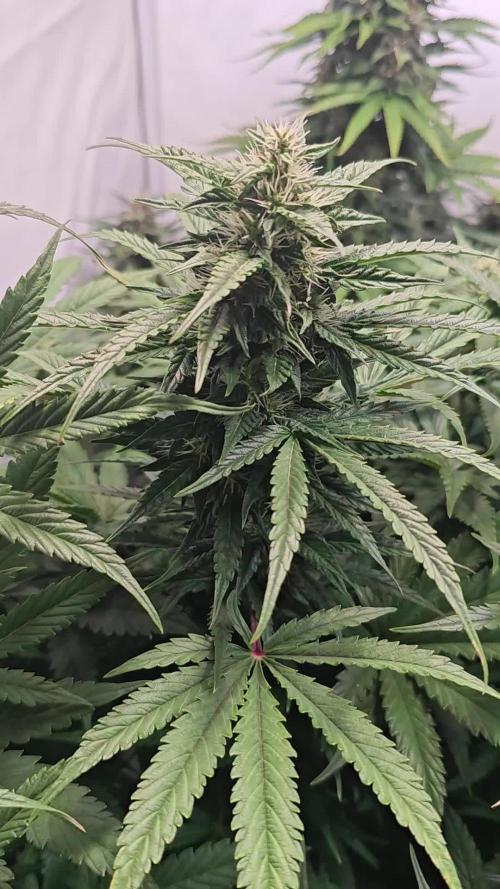
The outdoor girls settled into mid-vegetative growth this week under stable late-summer conditions. Daytime highs hovered in the mid-80s °F with warm evenings and good airflow. The 5-gallon plant continued to bulk up with thick stems and wide fans, while the two 3-gallon pots stayed slightly smaller but healthy and even. Light training was maintained to keep open canopies and even tops. All three plants showed solid color—medium green with no major deficiency signs—but minor heat stress and light leaf curl appeared on the hottest days. They were watered evenly through the auto-watering bases with RO water and light Cal-Mag, letting the soil dry back fully before refilling. No top-dress or compost tea this week; amendments from earlier feedings were still active. Overall, Week 6 was a steady outdoor stretch phase with healthy structure, balanced moisture, and a smooth lead-in toward pre-flower.
Likes
48
Share
@Theia
Follow
I am very happy with the Chiquita Bananas in the end. Clones were total seed factories but I think we may have a go at making some hash with those as the foot long buggers are caked in crystal.. 62g and 63g . Plant 1 is just a monster for me 365g wet. Long dense buds thick dank smell of tropical sweets. Not as much seed as I thought there would be so glad I was convinced to push her a bit more. Plant 2 is smaller but has taken a pure turn in the last week.i don't think she was stressed at Al. I did switch to just water for last 10 days but apart from that I dunno. I don't think she has any thing with pure in her genetics but either way she looks beautiful. 169g wet from her. Everything is drying for the next 10 days when I shall report back. Happy grows.🌿🌱👊 Stay safe.😷
Likes
4
Share
We had some days of hanging leaves after placing them in new pots, probably root stress. After some days they recovered and now they are doing well in their new homes 🌱✨ I topped them on the weekend, let’s see how they’ll react 🧙‍♂️
Likes
5
Share
Still feeding at full strength with 20% run off. I've defoliated the main fan leaves. Ill keep them rootbound untill I'm ready to re pot and switch to flower.
Likes
8
Share
White Widow is swelling the peaks it was finally a little slow maybe but they are swelling very well. The trunk is beautiful thick and resistant, on the flowers the first trichomes are seen, the plant is finally coming.