


Likes
Comments
Share

@MO_PureLeaf
Follow
Bis lang sieht echt gut aus. Eine von den größeren Pflanzen geht in die Blüte und die anderen ziehen grade nach die größte Pflanze müsste jetzt auch (ohne Topf) 180-185cm sein, und die kleine Automatik die fängt an sogar zu purpeln das ist auch ein cooler neben Effekt :) der Dünger würde umgestellt bei allen jetzt auf alga Bloom Green Sensation und Royal Sugar :)

Processing
Likes
42
Share


@Teamdirtbag3
Follow
Blasted a small amount just to see ...💎
Started to chop at 8 weeks
I'm on plant 9 of 19....
🍊🍊🍊🍊🍊🍊🍊🍊🍊 😈


Processing
Likes
9
Share


@H473crew
Follow
HST - heavy feeding - defoliation this week. Should of been done last week *shameface* now some of them are very top heavy and are starting to bend, this is also due to having my clones way to long to begin with. They should have been a lot shorter. 😤
Very happy they have finally picked up from such a bad start in the beginning.
loving how short and bushy they are. 😃
Next week will be changing to Flower Cycle 👽

Likes
3
Share


@TS_Greens23
Follow
Due to the high number of tops that naturally produced themselves on the pop,,I had to start some LST,,and in the process,,accidentally knocked the top off it,,😁😂😂🙏 Thankfully the main stem plugged itself,,and the branches that have been trained,,,look promising,,,,🙏🙏💚🇦🇺

Likes
27
Share


@eldruida_lamota
Follow
Bueno pues ya llegamos al final familia, do sweet dos es una variedad bastante productiva. De cuatro plantas casi 180gs y la verdad que bastante contento, no tuve tiempo para poder hacer más fotos y trabajar más este post pero con la prisa y la mudanza pues bueno, bastante e cosechado.
Humedad en el secado relativamente baja al 40% y la temperatura estuvo entorno a 23 grados ambientales.
Hasta aquí todo familia, os recomiendo también la gama de productos de agrobeta, ya que los resultados son llamativos.
Likes
49
Share


@masterofsmeagol
Follow
8/8 Rained all night. Still raining today and the forecast says it will continue throughout the day until midnight. It's come down heavy at times but for the most part it's a rain that plants like. Defoliated a couple leaves but nothing really needed it. Without a trellis or my tarps up the grow bags seem to dry out incredibly fast so I need to watch that. It's also "toughened" up the plant wants. I've seen them blowing straight sideways and they were fine. I do need to find that four lined plant bug and spray BT after the rain. Plants lovedcthe nutes. I might feed a little later today or tomorrow. I've got a few things to do but I'll keep this updated.
Went over and defoliated ANYTHING that needed it and combed through every plant during a pause in the storm. Then I shook them all off and did a video. This is by far the healthiest crop I've grown! I think they can handle more nutes too so I'm going to up it next feed. Still seeing stptadoc chunks missing and random pillar damage. BT will handle it. It's just so minor I'm not even sure if it should be addressed that way. I've had pretty good luck just looking for them and picking them off.
8/9 Cannabis can grow an inch or two in a day and it definitely has been! The rain has finally stopped. I went and shook all my plants off. I'm going to check and see the last time I fed and try to get a feeding schedule created that won't cause lockout. That's been a problem in the past. I've defoliated a lot of leaves lately but EVERYTHING is looking amazing. Extremely healthy. I DO need to spray BT for the pillars and I need to move that one plant back. I keep forgetting to grab the little wheels I need to make a platform. There are other ways I could do it I guess. I'll keep this updated. No damage from the storm and I went through and defoliated before and after. Forgot to upload shit and now I'm back home with this shitty internet connection. I'm trying to upload this video but we'll see. It's at like 32%. I did a full workout and came back to find this at 77% lol. I need to remember to upload things when I'm not in the middle of the woods.
UPDATE: Checked on things and did a video. Need to feed, apply bt and secure individual branches before flowering increases
8/10 LOOKS to be a beautiful day. Growbags are heavy as hell and wet on the bottom. I ALMOST fed today and I still might. The pp in the 10 seems to have leeched a lot of nutes. That and a giant blueberry cheese are the only places I'm seeing a deficiency and I want to keep it simply. I also need to put a trellis up apply BT. also if I'm going to move things around I've got to do it before I put up flowering supports. It's harder to move stuff when it's wet. I'll keep this updated. The girls look fantastic.
UPDATE: Went and trellised two of my plants. I was going to feed today but decided to wait until the next time I water. I'm only seeing deficiencies on the phrple punch in the ten and the GIANT blueberry cheese that I watered the most. Bags were heavy as hell this morning but I bet I'll need to water tomorrow. We'll see. Hahaha wow. I'm trying to upload a video but even my tough as fuck plants might have some difficulty in torrential rains like this. Wow. That's all I can say. I'll either go check and shake them off tonight or if it keeps it up I'll wait until morning I guess. What a shit show
8/11 WOW. That's probably the hardest I've ever seen it rain. Got to the grow this morning and found NO damage. It's super sunny amd windy so the bags will probably dry out. I think it's suppised to rain again Sunday. I definitely haven't had to water that's for sure. Nothing was even bent over this morning. The blue cheese I didn't fim or top (I wanted to see gow it grew naturally) pop ka was bent down a little bit but not much considering the pounding it got. You can see on the videos. Since bags were saturated I didn't need to water before I fed. I fed 1.25 pints to every plant. I gave the fifty 2.5 pints and the purple punch in the 10 got closer to a pint. I want to start out slow with nutes as I'm nor seeing many deficiencies. I may fuck around today and put some more trellises up seeing this wind bur when flower comes I can just put my tarp up. I'll update as I go.
UPDATE: WENT BACK OVER BECAUSE THE WIND WAS WHIPPING LIKE CRAZY AND TREES WERE DOWN. I SANITIZED ALL MY TRELLISING AND HORIZONTALLY TRELLISED TWO 10TH PLANETS IN FRONT AND VERYICAL TRELLISED THE THIRD. HORIZONTAL TRELLISED THE PURPL WE PUNCH IN THE 10 AND VERTICAL TRELLISED THE BLUE CHEESE IN THE 50 AND THE 10TH PLANET IN THE MIDDLE OF THE CAGE. GLAD I GOT THIS DONE. NOW I JUST NEED TO SPRAY BT AND I'LL FEEL CAUGHT UP.
8/12 Got my supports up and ready now I've just got to find the time to give the girls an application of BT. I've done a pretty good job with manual removal thus far. Bags are over watered. It's Rained so hard and so often that the bags have stayed drenched. Luckily this ridiculous wind has been drying my grow bags out relatively fast. I'm hoping that will be the case today. They're starting to dry out but it's supposed to rain tonight and I think tomorrow. Bright and sunny right now. These are some resilient plants. They seemed to like the liquid kool bloom. I noticed (barely noticeable but I was looking for it) a SLIGHT color change at the very TIPS of a few leaves on a plant but not enough to consider it burn. I will monitor but I think ive got a pretty good feeding regimen. I plan to use as little as I can get away with. I'll keep this updated.
UPDATE: WENT TO CHECK ON PLANTS AS I GOT "THAT FEELING". EVERYTHING WAS LOOKING GREAT BUT THEN I WENT AND LIFTED MY DRY 22GALS OF SOIL AND COMPATED IT TO MY 20S AND LIKE I THOUGHT THE WIND HAD DRIED THEM OUT. I CANT BELIEVE HOW QUICK THEY DRY OUT. I GAVE EVERYTHING 1.5 GALLONS AT LEAST EXCEPT FOR THE 10 WHICH I GAVE A LITTLE LESS THAN A GALLON. I GAVE THE 50 A LITTLE OVER 2 GALLONS AND I DISNT NOTICE RUNOFF. I HAD MORE WATER MIXED UP IM THINKING I SHOULDVE GIVEN IT ANOTHER GALLON. OH WELL ITS SUPPISED TO RAIN A LITTLE TONIGHT AND THEN TOMORROW. I HAVEN'T WAYERED IN LIKE A WEEK SO I PROBABLY SHOULD'VE GIVEN THE WHOLE 2 GALLONS. THEY GOT DAMN CLOSE THOUGH.
8/13 Rained like hell last night. Oh course it did. Doesn't really matter though. I had to water. I thibk the last time "I" watered was lime a week ago. My bags were dry. Plants weren't drooping and they might've been ok but I've under-watered twice already to the point they drooped right over dead looking and I wasn't going to do that again. Plants seem to love the nutes I gave. Keeping the tarps off and allowing the wind through and having my bags on pallets has really saved me this year. Everyone else is bitching about the rain and lack of sun but things are going great for me knock on wood. I'm not 'in the ground' though so that probably has something to do with it. I just need to check my plants multiple times a day. These plants are getting massive. The cage is at least 8ft tall and the biggest one is about to the top now. Almost as wide too.
8/14 I forgot to write the entry but I uploaded some pics from this morning. They were wet from the storm but I went back over and took video that's like two and a half minutes plus I took some pictures. I pulled the cage out but I need to undue one of the lathes and pull it forward. I also need to apply BT. Plants seem to be aggressively flowering (some more than others) so it's a real exciting time. I went over this afternoon and everything looked fantastic. I'll try to upload a few pictures but the video will have to wait. Didn't rain today and my bags sry out quick so I'm sure they'll be fine even if it rains. I did notice that the two plants I watered most including the smallest container seem lighter in color. IT might hust be the transition to flower but u think I need to increase feed. On the 10th planet's they are green as can be and have that SLIGHT little almost unnoticeable part you really have to look for on the tips that means it's getting its nutes but it's not burnt. I believe I'm going to have to make feeding schedules for each strain


Processing
Likes
3
Share


@Green_Dream
Follow
Things are looking great, I've put them under the LED this week so they can get used to it... and to get a better video quality :D
I'm mostly hand watering at the moment one time a day.

Likes
8
Share


@STAYINGONMYMAINCBATORUNTWO
Follow
Marry me gelato 🍧 is what I’d be saying if weed was a person lol na just to be real the flavors are going to be crazy on this one! It formed buds early and they have only got bigger and turned into Little Rock’s literally so hard and dense so when they swell during flush I got an idea of what I’m expecting! I have no complaints just have to wait a week before I start the flush and I’ll use flawless finish in the first feed and water after and through out until ready! I literally have zero complaints or deficiencies! Just a waiting game now! 😉 and oh yeah buddies if you Like please hit the like and if not leave some criticism at least so I can improve thank you! 😇


Likes
19
Share

@Susquihanna
Follow
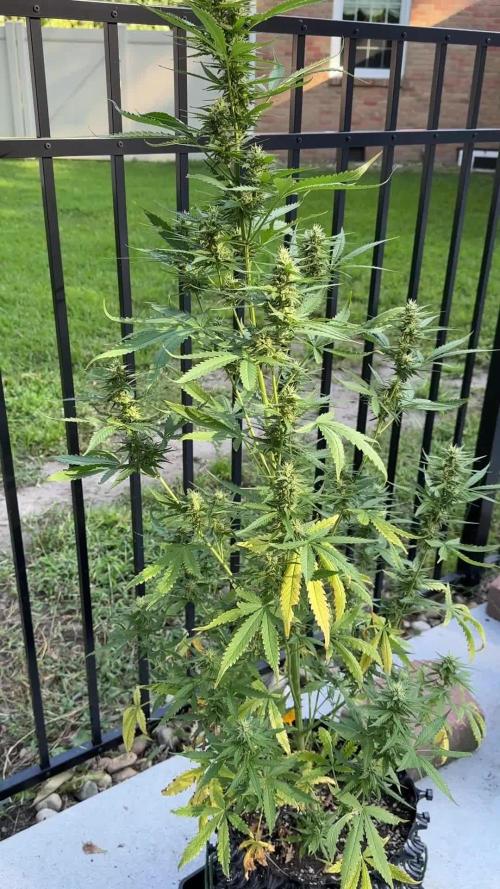
2nd time around Miss Candy Auto is doing very good. She is putting on weight in her buds and Getting very frosty.
This Fall weather is much better than the dog days of summer. I stole a bud off of her so I could use my max-see to get a few close up pictures. She isn't just ready for a harvest yet but she is close!
Stay tuned and Be Happy! Comments and Likes appreciated.

Likes
37
Share


@DaddyPrime2
Follow
6/3/24
These genetics really chunk up.
I may have to harvest everything early. Luckily the autos in my tent are close to being done. They could be chopped now without much issue.
My whole tent system went out for about 8 hours and My humidity was 75 and my Temps were 73. I really hope everything is ok but that is a possible
6/5/24 she's still plumping up alot. She's going through water almost too fast now. Not giving anything but water and slf100 for a week or
Likes
15
Share


@BlaKX
Follow
Ai Gude Growmies des gepflegten Outdoor Spaß!
Der Topf ist nun mit alten Laub und Garten Abfall bedeckt worden. Vorher lag das aber alles für 2 Tage in der prallen Sonne.
Auch habe ich die Pflanze aus der prallen Sonne raus rubtergebunden und so hingestellt das der Topf nicht mehr in der Sonne kocht.
Schande über mich ich habe sie 1 tag vergessen zu Gießen was ich mit Topf tauchen korrigiert habe und seit dem täglich 6 Liter Wasser Verbrauch.
Habe sie von 92cm auf 72cm runter gebunden.
Substrat mit Guano gedüngt um bis zur Blüte auf mineralischen Dünger zu verzichten.


Likes
26
Share


@PedroAndHisPlants
Follow
My first grow has been a great learning experience, and I couldn’t be happier with the results. From the reliable BioBizz soil and nutrients to the impressive performance of the Spider Farmer SF 1000, everything worked well together. Each component contributed to a successful harvest, and I’m excited to continue experimenting and improving my setup with new gear and techniques.
💚☀️🤙🏼
Likes
2
Share


@TowersD
Follow
I put the plants under the Electric Sky 180 V2
I kept only 4 plants because one was growing really slow compare to the others and another turned out to be a automatic plant so i took it away as well.
I am keeping 2 phenos of the Nanaz x BBC and 2 ot the Humboldt Headband.

Processing
Likes
4
Share


@Grownewgenetics
Follow
we begging week 5 and the flowers are getting bigger and bigger These Strain is the fastest on these test , and the dark colors are begging to take over the plant .
the second one is a weel younger but also getting fast really frosty
Likes
3
Share


@CaliJ
Follow
fast eddy measures 60 cm, the 3 gelato cookies between 70 and 80 cm, the 3 northern light from 90 cm to 1 meter 20, the smell is stronger when the tent is opened, major heat problem solved thanks to a portable air conditioning🍀
Likes
8
Share


@Timbo_Growz
Follow
Picture 1 and second video:
20th and 21st November
Plant is looking really healthy so far and can take a decent amount of Water and Nutrients. Also the first Pistols are showing up!
pictures and video (3-5):
25th November
Plant made a good stretch and reached a height of 145cm. Looking like a bonsai tree right now. Gave her 10l with a 2.3EC on the 24th and she is looking very healthy!
I’m looking to thin her up a bit at thursday (day 21) to get some light penetration. I will also do some lollipopping to get this plant to its full potential.
pictures and video (6-9)
28th November
Gave her a really aggressive cut/lollipopping and deployed the scrog net… also did a little lst to get an even canopy.
The plant was quite big before and I was a little scared that she will stretch too much…. But we will see 😜🤟🏻
See ya next week
