


Likes
Comments
Share

@Canna-Lytiker
Follow
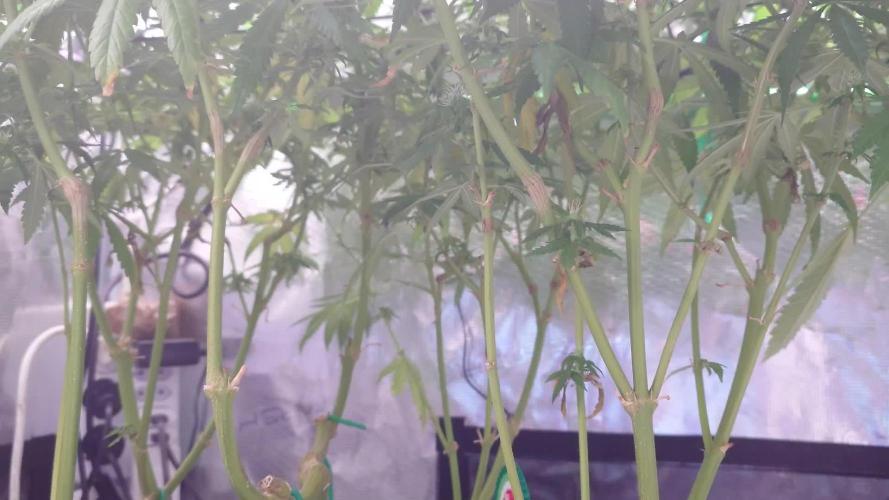
Lollipop Lollipop oh lalalalaPop... Ja das war eine ganz schöne Arbeit hier für die richtige Lichtung zu sorgen. Aber wie man schön sieht der Urwald hat sich gelichtet die Stäbe können frei atmen und stehen wie eine eins von oben dringt das Licht nach unten gut durch was will man mehr!
Jetzt ist das Schwellen angesagt. 🤡


Likes
35
Share


@eldruida_lamota
Follow
Venga familia, va la quinta semana de crecimiento de estas Frosted Guava de Zamnesia.
Veremos si esta semana puedo añadir ya la malla y empezar a moldear el Scrog.
Que color que sanas se ven como se nota que Agrobeta es de lo mejor, las niñas están de 10.
Añadimos flash root de Agrobeta, también echamos tucán y Gold Joker, aparte las bases blue line A de Agrobeta, aporte tetra 9 de Agrobeta vía foliar.
Vamos a incentivar a un buen enraizado, y darles chicha para que empiecen a crecer un poco a lo ancho.
La humedad está en su punto, me podría quejar por temperatura ya que me gustaría tenerla par de grados abajo pero aún así va a a crecer bien.
Próximamente voy aplicar una poda de bajos que es necesaria, también voy hacer una poda apical en la punta para incentivar los satelites ( ramas laterales ).
Os comento que tengo un descuento y para que compréis en la web de Zamnesia de un 20%, el código es ZAMMIGD2023
The discount 20% and the code is ZAMMIGD2023
https://www.zamnesia.com/
Mars hydro:
Code discount: EL420
https://www.mars-hydro.com/
Agrobeta:
https://www.agrobeta.com/agrobetatiendaonline/36-abonos-canamo
Hasta aquí es todo, buenos humos 💨💨💨.

Likes
26
Share


@PedroAndHisPlants
Follow
Day 64 (First Grow, Flowering Phase):
Hey everyone!
We’re on day 64, and the flowering phase is in full swing. The buds are forming beautifully, and the plants have grown 5-10 cm above the SCROG net, creating a lush canopy. The humidity is steady at around 50% or lower, which is ideal for this stage.
To recap, we've been maintaining an even canopy with the SCROG net and our Timor shield mantis continues to keep pests at bay naturally. Our plants are thriving, thanks to the even light distribution and careful humidity control.
We're considering installing a second fan in a few weeks to improve airflow and potentially adding a second SCROG net to support the plants as they continue to stretch during flowering. This should help stabilize the plants and ensure they get the support they need as the buds get heavier.
Any tips or advice for the next steps? Let us know in the comments!
Likes
6
Share


@CanarianGrow92
Follow
Perfect strain to grow, easy, fast and sweet as sugar totally covered in trichomes.
The plants showed a very equaled and stable genetics and are very generous with a little care, this strain is almost like walking directly into a dutch candy shop with all kind of winegum smells, simply perfect.

Likes
11
Share


@BruWeed
Follow
🍀21/07 - Ya se encuentra en etapa de secado.
🍀El lunes le agregue 30L de agua y 10ml de Top Wash.
🍀Esta planta se encuentra mas resinosa y densa que la otra que también cultive.
🍀Todo fue perfecto desde el momento uno, no tuvo ningún problema en toda su etapa de vida.
🍀Tiene mucho olor, a caramelo o crema, todos sus cocos son densos y gordos.
🍀En total dio 163g.
🍀En estos días seguiré subiendo mas imágenes de como viene.
😶🌫️🇦🇷🍀Podes seguirme en Insta gram como @bruweed_arg🍀😶🌫️🇦🇷

Likes
51
Share


@Chumpkilla
Follow
1/21/24 - Day 76 - Everything is looking good still. Today is water change day! This time i was out at the box during the change. Everything went well. I did install a new temperature sensor to replace the old one. Also I installed a new C, and PH- bottle.
1/23/24 - Day 78 - I noticed the buds are starting to fatten up. They kind of grow in little nodules sticking out from the main bud site. Its really cool to see. I added some pictures up top! Ill update on some more pictures in the next couple of days.
1/25/24 - Day 80 - The buds are getting fatter and the smell is getting super pungent. Everything is going as planned. I need to start scoping it to check for color. We are still a long ways from starting the flush but it time to start looking!
Processing
Likes
10
Share


@Fibro_Witch
Follow
I finally got them in the garden! It was a trip getting out there, so they don't look the greatest because they're stressed.
I broadforked the bed because I have very hard clay soil and put down Ocean Forest potting soil. I have some wire support hoops for the AG19 row cover I'm going to be using for the transition. It's lightweight and breathable but it will cut down on some of the sun so they don't burn and it will also keep them warmer at night since it's still pretty cool.
And please disregard my comment about the Chamomile and Nitrogen... Chamomile sequesters Calcium, Potassium and Sulfur, not Nitrogen😜. Clover sequesters Nitrogen.
I added about 5-10% Biochar in with the Fox farm potting soil which is an excellent source of carbon and helps retain soil moisture. I added some lime to stabilize ph and try to deter lockout which I had last year. I also added mycorrhizal inoculant for root health, it helps to reduce stress in plants and helps them to uptake more sugars which is exactly what we want.
Likes
15
Share

@Meisterwulle
Follow
Moin Leute,
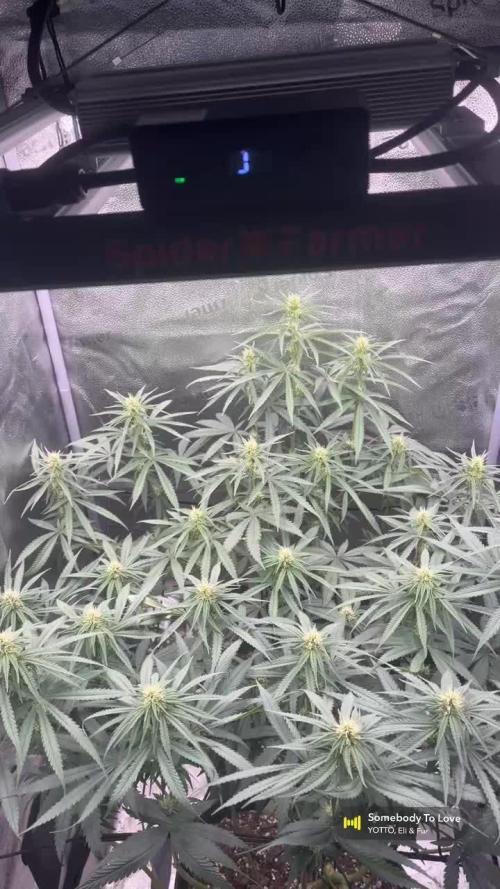
die Woche ist einiges passiert, habe aus Platzmangel #2 aus dem Zelt entfernt und nach draußen gestellt. Sie macht sich aber prächtig und hat sich sehr schnell an die Wetterbedingungen gewöhnt und wächst fleißig weiter. Hab außerdem ein wenig den Dünger umgestellt, allerdings einfach aus logistischen Gründen :D
Die anderen beiden machen sich ebenfalls hervorragend und füllen den ganzen Platz im Zelt, habe die etwas höher wachsenden Triebe noch etwas angepasst - sieht man dann in den Bildern nächste Woche. Ansonsten keine Auffälligkeiten die Woche, läuft alles nach Plan 🏻
Gruß Wulle


Likes
12
Share


@Skunkiest_bender39
Follow
The fimming does what I wished. The single headbud, „twin‘ed“ into 3 headbuds. The fimming also stops the vegetation, but most times luckily only the node of the headbud! Then does the twinheadbuds build a roof-crown with the other nodes.
Likes
24
Share


@Dingle
Follow
All four plants successfully transplanted into lager 16lt fabric pots this week. ✅
Will let them recover and grow more over the next week or so before I start any training.
Peace ✌️
Likes
15
Share


@Bread_n_Buds
Follow
And off we went, the adventure with Zamnesia's F1 Hybrids started off great, with a stunning 100% germination 8/8 born without any hesitation after a very short time in water and subsequently in soil.
She is exactly at the 10th, she is the Wurlz, she grows well regularly and very similar to the little twin. One of the characteristics of the F1 Hybrids is stability and for now it has been thoroughly demonstrated since day 10.
For the rest we have to say everything is going very well, the parameters are in order, the girls were born in a biodegradable jar which biodegraded a little earlier than expected and I proceeded with the potting, no repotting, be careful the seedling never came out of the jar biodegradable the roots pass it at a certain point of decomposition. So we are now in a comfortable 11 liter house that is perfect for autoflowering in my opinion. Unfortunately, the Zamnesia pots are about to arrive but I didn't have them in time, I preferred to repot them for the sake of the plants, we need to photograph them of course but first and foremost I'm a grower and I care about the health of my little girls.
Something tells me we will be growing a lot of Zammi plants so we will use them in the Official Grower version next time.
Wurlz F1 seeds specifically
https://www.zamnesia.com/10669-zamnesia-seeds-wurlz-f1-automatic.html
Site Description
ZAMNESIA SEEDS - WURLZ F1 HYBRID AUTOMATIC: EFFECTS TO LEAVE YOUR HEAD IN A WHIRL!
As the end product of combining Runtz with Watermelon Candy, Wurlz F1 hybrid Automatic showcases a reliable, uniform, and, above all, easy growing experience. The resulting buds offer mind-blowing flavors and soothing effects, making Wurlz F1 Automatic more than worthy of being on your radar.
GROWING WURLZ F1 HYBRID AUTOMATIC
As an autoflowering strain, it takes just 9–10 weeks for Wurlz F1 Automatic to move from germination to harvest. Fortunately, there's very little required other than a bit of maintenance along the way. This is partly due to the F1 genetics that make this strain robust and uniform, resulting in plants that reach a similar height and provide a similar (large) yield. Moreover, Wurlz F1 Automatic is highly resistant to disease, pests, and other ailments.
Reaching heights of about 65–80cm, Wurlz F1 Automatic is not an overbearing plant and can fit into smaller spaces with zero fuss. Once ready to yield, growers have the potential to see a return in the region of 450–500g/m² indoors and 50–150g/plant outdoors.
AROMAS, FLAVORS, AND EFFECTS OF WURLZ F1 HYBRID AUTOMATIC
After Wurlz F1 Hybrid Automatic wows you with its easygoing growing experience, the best is yet to come: the smoke test. Teeming with terpenes, this cultivar offers a fruity and candy-like flavor tinged with just a little bit of pine for good measure. In terms of effects, Wurlz F1 Automatic is bolstered by 24% THC and a finely tuned array of cannabinoids, making for a soothing, physically relaxing, and, in larger amounts, couch-locking high. So settle in with some of your favorite friends, snacks, and movies; this is relaxation at its finest.
As for fertilizers, I'm doing a small comparative experiment to finish off the fertilizers I had at home, it's not 100% indicative, it's only on two specimens but given the stable genetics I decided to try to compare the results of Plagron Vs Aptus, both excellent brands which they will certainly produce beautiful plants which are already of excellent stable genetics. In the next few weeks the comparison will be more evident now the seedlings are still very small and just potted.
So seeds of all brands, in addition to these great F1 Hybrids and the entire Zamnesia line, fertilizers and everything related to the world of cannabis, you should buy them from the best online store in the sector www.zamnesia.io
Likes
21
Share


@Rytmause
Follow
Start of week 7 buds start put some weight on one of Ak totally massive buds 👏 Amnesia coming up nice as well cannot be more happy thanks for check out my babies 😉and have a wonderful day
Likes
27
Share


@GrowinHome
Follow
Day11
Today I did some defoliating.
It took me quite some time laying on my stomach😅
I also like a clean growing space as u can see😁

Likes
4
Share


@DogDoctorOfficial
Follow
🌸 Week 1 Flower – Super Silver Haze (Zamnesia Seeds)
Grower: Dog Doctor
Strain: Super Silver Haze
Phenotypes: SSH #1 & SSH #2
Tent: 8x8 Shared Grow Space
Lighting: Future Of Grow – Black Series 600W LED
Control System: TrolMaster Hydro-X
Watering: Hand Watering
Pot Size: 11L Fabric Pots
Medium: Super Soil with Aptus Holland amendments
CO₂: ~700 ppm
Day Temp: 31°C
Night Temp: 25°C
Humidity: 50%
Soil Temp: 25°C
Water pH: 6.1
Water EC: 0.6
Runoff EC: ~2.0
Water Temp: 18.5°C
PPFD: 760–780 µmol/m²/s
⸻
🌿 Early Flower Surprise
Week 1 of flower… and I swear these girls are moving like they’re already in week 2. Pistils are out, floral sites are forming, and the stretch is starting with elegance.
It’s possible they slipped into pre-flower during late veg without me catching it, they were so stable, compact, and lush that I might have missed the subtle signals. Either way, they’ve entered bloom with full confidence.
Both phenos are incredibly similar in structure and size, making them a joy to manage. They’re compact yet big, stacking nodes tightly while still filling space. The leaf color is deep and uniform, the formation is textbook Haze, and the inner node spacing is perfectly balanced for light penetration.
⸻
💧 Feed & Water Adjustments
We’ve tweaked the recipe this week, retiring Aptus Start Booster and introducing Aptus Top Booster at 0.25 ml/L.
Current Feed (per L):
• Aptus Regulator – 0.15 ml
• Aptus CalMag Boost – 0.25 ml
• Aptus Top Booster – 0.25 ml
The soil is already enriched with slow-release Aptus pellets, which explains why EC in solution is lower (0.6) while the medium’s own EC is holding steady at ~2.0. They’re drinking well, 1.5–2 L per day — with irrigation happening around 25% dryness in the pots.
⸻
🌡️ Environmental Conditions & Upcoming Changes
The room is running hotter than ideal at 31°C daytime, 25°C night. RH is stable at 50%. CO₂ sits comfortably at ~700 ppm.
A dedicated AC unit is on its way and should be installed next week, which will help dial temperatures closer to the sweet spot for flowering.
Soil temperature is at 25°C, supporting strong root activity, while PPFD at the canopy sits between 760–780 µmol/m²/s depending on plant position. We monitor these numbers carefully to keep photosynthesis at optimal efficiency without stressing the plants.
⸻
⚙️ Why We Measure Everything
• PPFD: Ensures plants receive the right light intensity for maximum photosynthetic activity during each stage. Too low = underpowered; too high = light stress.
• Soil Dryness: Prevents both overwatering and underwatering, protecting root health and microbial balance in living soil.
• Soil EC: Tells us nutrient availability inside the medium, helping us adjust feed without guessing.
• CO₂: Works in harmony with light intensity and temperature to push growth rates without causing metabolic stress.
⸻
👑 Remembering the Queen
Super Silver Haze isn’t just another cultivar, she’s an old school heavyweight, a cup-winning legend with a long legacy. Growing her feels like growing history.
There’s nostalgia here for me, a personal connection to the magic this plant has delivered over decades. My hope is to see her express that classic SSH magic, the electric haze high, the silver sheen on the colas, and the unmistakable aroma that once ruled the cups.
⸻
📸 Studio Shots & Natural Growth
Of course, I couldn’t resist taking them to the studio this week. Under the lens, they shine, vibrant greens, symmetrical structures, healthy posture. No training yet, letting them express themselves naturally as they settle into flower.
Next week, I expect to see stronger pistil development, initial stacking, and perhaps the first hints of stretch acceleration.
⸻
🔮 What’s Next?
• AC unit installation for tighter climate control
• Continued monitoring of PPFD and EC
• Watching for early resin development
• Tracking stretch patterns for possible support netting
These queens are just starting to show what they’re capable of.
The road to the crown begins here. 🌿👑
💚 Dog Doctor
📣 Thank you for following the Super Silver Haze journey!
We share every step so growers can learn, compare, and enjoy the process.
📲 Don’t forget to Subscribe and follow me on Instagram and YouTube @DogDoctorOfficial for exclusive content, real-time updates, and behind-the-scenes magic. We’ve got so much more coming, including transplanting and all the amazing techniques that go along with it. You won’t want to miss it.
• GrowDiaries Journal: https://growdiaries.com/grower/dogdoctorofficial
• Instagram: https://www.instagram.com/dogdoctorofficial/
• YouTube: https://www.youtube.com/@dogdoctorofficial
There’s a new series blooming—and it’s more than just plants. It’s about process, patience, and paying attention.
⸻
Explore the Gear that Powers My Grow
If you’re curious about the tech I’m using, check out these links:
• Genetics, gear, nutrients, and more – Zamnesia: https://www.zamnesia.com/
• Environmental control & automation – TrolMaster: https://www.trolmaster.eu/
• Advanced LED lighting – Future of Grow: https://www.futureofgrow.com/
• Root and growth nutrition – Aptus Holland: https://aptus-holland.com/
• Nutrient systems & boosters – Plagron: https://plagron.com/en/
• Soil & substrate excellence – PRO-MIX BX: https://www.pthorticulture.com/en-us/products/pro-mix-bx-mycorrhizae
• Curing and storage – Grove Bags: https://grovebags.com/
⸻
We’ve got much more coming as we move through the grow cycles. Trust me, you won’t want to miss the next steps, let’s push the boundaries of indoor horticulture together!
As always, this is shared for educational purposes, aiming to spread understanding and appreciation for this plant. Let’s celebrate it responsibly and continue to learn and grow together.
With true love comes happiness. Always believe in yourself, and always do things expecting nothing and with an open heart. Be a giver, and the universe will give back in ways you could never imagine.
💚 Growers love to all 💚
Likes
3
Share


@Jeekk
Follow
Spiderfarmer humidifier got my 2x4 dialed in almost immediately. If it performs this well over time I'd recommend it greatly. Had some trouble with light burn because I briefly cranked up my light and uv at the same time lol. I stopped that. Thinking about flowering soon. If anyone sees this, what do you think?
Likes
7
Share


@InsideAz
Follow
Make sure to check out the videos!
Not much growin on this week just watering and letting them grow.
No smell yet
Increasing light to 80%
Nutrients in previous week and next week
Sunday morning video 10/6
Likes
13
Share


@GrowGuy97
Follow
Flower day 10 - Everything is going great so far, currently trying to find a bigger dehumidifier cause RH is staying a little higher than I would like! Thanks for following & happy growing friends!🌱✌️🏼
Flower day 11 - Finally got the last 2 plants from the first run cut down & now these ladies have much more room! Watering tonight with just PH water. Happy growing friends!✌️🏼🌱
Flower day 12- Buds are starting to show, can’t wait to see how different they all look😍😍
Flower day 16 - End of Week 8, all the plants are coming along beautifully! Definitely will not have 10 In my next flower run though the tent is way to packed lol! Thanks for following & happy growing friends!✌️🏼🌱


Likes
5
Share

@CalGonJim
Follow
9/15 12AM MONDAY!!! THEY ARE ALL DOING GREAT!!! VERY HEAVY AMINOS YESTERDAY, NO DAMAGE.
9/15 11:24PM. In plant cells, glutathione S-transferases (GSTs) act as transporters, facilitating the movement of anthocyanins from the endoplasmic reticulum (ER) to the vacuole for storage, though their exact mechanism is still being studied. The synthesis of glutathione (GSH) itself occurs in the cytosol of mammalian cells through two ATP-requiring enzymatic steps, while anthocyanins are synthesized via a separate phenylpropanoid pathway
9/15 11:42PM glutathione metabolism glutathione S-transferases plantsThinkingKicking off 5 searchesLooking at 71 sitesPutting it all together In plants, glutathione S-transferases (GSTs) are a diverse family of enzymes integral to glutathione (GSH) metabolism, primarily functioning in detoxification and stress response. The core of this process involves GSTs catalyzing the conjugation of the tripeptide GSH with various toxic compounds, or xenobiotics, making them less harmful and easier to sequester or transport. Glutathione (GSH) metabolism in plants GSH metabolism is a tightly regulated process that maintains cellular redox balance and protects against stress. Biosynthesis: GSH is synthesized in two adenosine triphosphate (ATP)-dependent steps:(gamma )-Glutamylcysteine synthetase (GSH1) joins L-glutamate and L-cysteine to form (gamma )-glutamylcysteine. In Arabidopsis, this enzyme is located exclusively in the chloroplasts.Glutathione synthetase (GSH2) adds glycine to (gamma )-glutamylcysteine to produce GSH. This enzyme is found in both the cytosol and the chloroplasts.Oxidation and reduction: GSH exists in two forms: a reduced monomer (GSH) and an oxidized disulfide dimer (GSSG).Oxidation: In the process of scavenging reactive oxygen species (ROS), GSH is oxidized to GSSG.Reduction: Glutathione reductase (GR) uses NADPH to reduce GSSG back into active GSH, which is essential for maintaining a high GSH-to-GSSG ratio inside the cell.Degradation: Glutathione can be degraded in the cytosol, apoplast, and vacuoles by (gamma )-glutamyltransferases (GGTs) and other peptidases, allowing for recycling of its amino acid components.Transport and compartmentalization: While synthesis occurs in the chloroplasts and cytosol, transporters move GSH and its conjugates throughout the cell, including to the mitochondria, peroxisomes, and vacuoles. Functions of glutathione S-transferases (GSTs) GSTs are a large, ancient gene family with diverse roles that extend beyond detoxification. The primary functions involving GSH are: Detoxification of xenobiotics and heavy metals: GSTs catalyze the conjugation of the thiol group of GSH to a wide range of electrophilic and hydrophobic substrates, including herbicides, pesticides, and heavy metals. The resulting GSH-conjugates are then recognized by ATP-binding cassette (ABC) transporters and sequestered in the vacuole, reducing their cellular toxicity.Protection from oxidative stress: Stress conditions like drought, salinity, and high light increase levels of ROS, which cause lipid peroxidation. 🚨Some GST isoforms have glutathione peroxidase (GPOX) activity, using GSH to reduce toxic lipid hydroperoxides to less damaging alcohols, thereby protecting cell membranes.Defense against pathogens: During pathogen attacks, GST activity increases to detoxify microbial toxins and secondary defense-related compounds. This helps to bolster the plant's resistance response.Metabolism of endogenous compounds: GSTs play roles beyond immediate stress response by participating in the normal metabolic processes of plants. Examples include:Hormone transport: Some GSTs act as binding proteins (ligandins) that transport plant hormones like auxins within the cell.Metabolite transport: Specific GSTs facilitate the transport of important compounds like flavonoids and anthocyanin pigments into the vacuole.Tyrosine degradation: The zeta GST class (GSTZ) catalyzes a critical step in the breakdown of the amino acid tyrosine.Redox signaling: By influencing the GSH/GSSG ratio and interacting with plant hormones, GSTs can regulate cellular signaling pathways that control growth and stress response. 🚨GSTs and plant stress response The expression of many GST genes is highly inducible by various environmental and endogenous cues, making them key players in a plant's ability to adapt to adverse conditions. Abiotic stress: Drought, salinity, heavy metals, and extreme temperatures all trigger increased GST expression, which helps plants manage resulting oxidative damage. Overexpression of specific GST genes has been shown to enhance stress tolerance in transgenic plants.Herbicide resistance: The ability of crops and weeds to detoxify herbicides through GST-catalyzed conjugation is a well-studied example of GSTs in stress adaptation. Herbicide safeners, chemical agents that protect crops from herbicide injury, work by boosting the activity of these GST enzymes.Developmental processes: Studies have linked the expression of certain GST genes to specific stages of plant development, such as fruit ripening, root and stem development, and flower formation. ""
9/16 12:32am
AI Overview
In plants, phenylalanine is the precursor for anthocyanin synthesis, a process that involves a multistep pathway in which glutathione (GSH) plays a critical role in the transport of the final pigment to the cell vacuole.
Phenylalanine initiates anthocyanin synthesis
The biosynthesis of anthocyanins begins with the amino acid phenylalanine, which is produced via the shikimate pathway. The conversion process, known as the phenylpropanoid pathway, involves a series of enzymatic reactions:
1. Phenylalanine ammonia-lyase (PAL): This enzyme catalyzes the first committed step of the pathway, converting L-phenylalanine into trans-cinnamic acid.
2. Downstream enzymatic reactions: A series of additional enzymes, such as chalcone synthase and chalcone isomerase, convert the intermediate compounds into unstable anthocyanidins.
3. Glycosylation: Glycosyltransferase enzymes stabilize the anthocyanidins by adding sugar molecules, creating the final, stable anthocyanin pigments.
4.
Glutathione is crucial for anthocyanin transport
After synthesis, glutathione is essential for transporting anthocyanins for storage.
* Glutathione S-transferases (GSTs): These enzymes bind to the newly formed anthocyanins in the cytoplasm. This binding is a key step that facilitates the transport of the anthocyanin-GST complex across the tonoplast (the vacuolar membrane) and into the vacuole.
* Vacuolar storage: Once inside the vacuole, the anthocyanins accumulate and provide color to plant parts, such as flowers, fruits, and leaves.
* Catalytic role: Recent research has also found that certain GSTs have a catalytic role in anthocyanin synthesis. They can catalyze a dehydration step to form specific anthocyanidins, significantly boosting production in engineered systems.
*
The process in summary
The synthesis and accumulation of anthocyanins involve a coordinated process of multiple steps:
1. Production from phenylalanine: The amino acid phenylalanine enters the phenylpropanoid pathway, where enzymes convert it into the basic flavonoid structures.
2. Formation of anthocyanidins: Further enzymatic modifications produce the colored but unstable anthocyanidins.
3. Stabilization and transport with glutathione: These anthocyanidins are stabilized by glycosylation and then bound by GSTs (which use glutathione). This binding enables their transport into the vacuole for storage and visible pigmentation.
9/15 12:46AM https://pmc.ncbi.nlm.nih.gov/articles/PMC7238016/
9/16 1:30AM BKO is looking great!!!
Conclusion
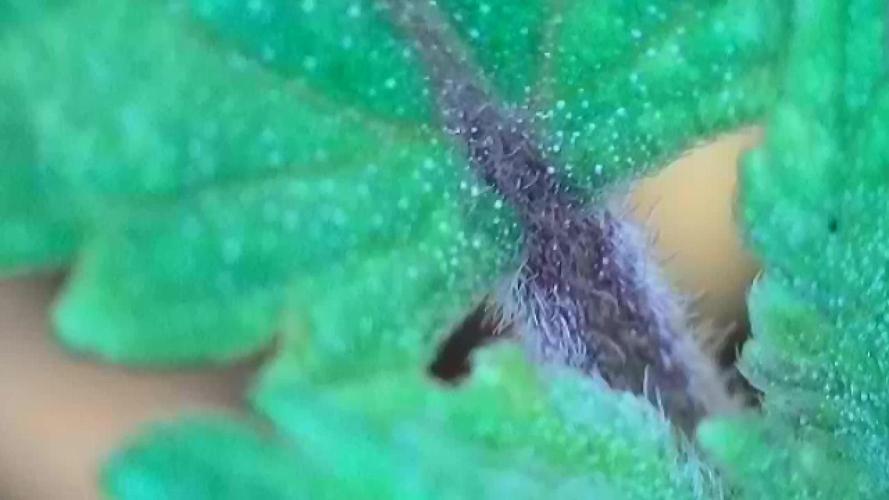
The “butter frosting” resin on Cookie Apple F1, healthy yellow-green fusiform, and Blueberry KO’s pigmented cotyledons show your anthocyanin-glutathione-phenylalanine strategy is working—phenylalanine drives synthesis, glutathione ensures transport. Tweak amino acids to 100–150 mg/L to reduce tip burn.
9/16 3:34am
9/16 4:31AM Anthocyanin glutathione synthesis phenylalanine proline tmg powder relating current project:
* Phenylalanine is a precursor: Phenylalanine is an amino acid and the starting point for the phenylpropanoid pathway in plants.
* Anthocyanin synthesis: This pathway creates various secondary metabolites, including the flavonoid pigments known as anthocyanins, which give plants their red, purple, and blue colors.
* Pathway activation: Multiple enzymes, such as phenylalanine ammonia-lyase (PAL), catalyze the conversion of phenylalanine into the building blocks for anthocyanin.
*
Anthocyanin and glutathione synthesis
* Glutathione S-transferase (GST): This enzyme is crucial for synthesizing anthocyanins in plants. It transports anthocyanins into the cell's vacuole for storage.
* Glutathione (GSH) production: Anthocyanins can promote glutathione synthesis in certain cells. For instance, the anthocyanin cyanidin-3-O-β-glucoside (C3G) has been shown to increase the expression of glutamate-cysteine ligase (Gclc), a key enzyme in GSH synthesis.
* Antioxidant effect: By upregulating GSH production, anthocyanins contribute to the antioxidant defense system, protecting cells from oxidative stress.
*
Proline and glutathione synthesis
* Shared precursor: In some organisms, the synthesis pathways for proline and glutathione share a precursor molecule called γ-glutamyl phosphate.
* Alternative pathway: Research on bacteria and yeast has revealed an alternative, trace pathway where γ-glutamyl phosphate from the proline synthesis pathway can be diverted to produce the glutathione precursor γ-glutamylcysteine.
* Oxidative stress response: Studies in mouse oocytes show that supplementing with proline upregulates genes related to glutathione synthesis (Gclc and Gclm), increases glutathione levels, and reduces oxidative stress.
*
TMG powder, methylation, and homocysteine
* Methyl donor: Trimethylglycine (TMG), or betaine, is a potent methyl donor, meaning it provides methyl groups needed for various biochemical processes in the body, including the methylation cycle.
* Homocysteine regulation: One of TMG's primary functions is to convert the amino acid homocysteine into methionine. This helps regulate homocysteine levels, which is important for cardiovascular health.
* TMG and proline interaction: In plants and some organisms, TMG and proline act as compatible solutes or osmoprotectants, helping cells stabilize against osmotic stress like drought or salinity. However, in human biology, TMG mainly functions through methylation, while proline is involved in different metabolic and antioxidant roles.
*
How they all relate
The listed components are connected through several overlapping metabolic and regulatory pathways:
* Anthocyanin synthesis starts with phenylalanine.
* Anthocyanins can promote glutathione synthesis via upregulation of key enzymes like Gclc.
* Glutathione synthesis can be influenced by the proline synthesis pathway, as they share an intermediate in some contexts.
* TMG powder supports the methylation cycle, which helps regulate homocysteine levels. While TMG and proline serve similar protective roles in some organisms, their primary human metabolic functions differ, with TMG focusing on methylation and proline having distinct roles in antioxidant response and metabolism
9/17 217am Die Hard Christmas Grow
9/18, 11:34 AM. I ordered some square saucers that were cartoonishly too small but they fit inside the AC infinity germination kit and they fit with the Bud Cups perfectly really nice so it’s not a total loss.
9/18 11:45AM mix. Foliar Spray, the rest of the mix ec 0.46
Mixed up Aminos first and separate and use 16 oz for foliar spray. Then mixed up:
Root: 1 mL/L Connoisseur A & B GROW,
.2 mL/L CaliMagic,
.2 mL/L Purpinator.
Setria Glutathione: 150 mg/L(Brand: Emerald 250mg capsule.)
TMG: 150 mg/L = (Brand Nutricost)
Phenylalanine: 150 mg/L (Brand Nutricost)
Proline: 150 mg/L (Brand Nutricost).
9/18 228PM AI Overview
Glutathione influences plant colors by regulating the accumulation of pigmented compounds, primarily anthocyanins. The tripeptide accomplishes this through its role in transporting pigments within plant cells and in protecting against environmental stresses like UV radiation that can cause oxidative damage.
Transporting pigments into plant cell vacuoles
Glutathione works with a class of enzymes called Glutathione S-transferases (GSTs) to transport pigments like anthocyanins into the vacuole for storage.
Anthocyanin transport: In plants with pigmented tissues, such as purple grapes or red flowers, glutathione-conjugated pigments are transported by GSTs across the tonoplast membrane into the vacuole. This process is crucial for the stable accumulation of pigments.
Genetic manipulation: Research shows that manipulating specific GST genes can alter a plant's pigmentation. For instance, silencing a particular GST gene in purple grape hyacinths caused their petal color to shift to a lighter shade of purple. Similarly, defective GST genes in carnations resulted in pale-colored flowers.
Protecting against UV light and stress
Glutathione helps regulate plant pigmentation in response to environmental factors, especially UV-B radiation.
Activating flavonoid production: When plants are exposed to UV light, a surge in glutathione triggers the expression of genes involved in producing flavonoids. Flavonoids, including anthocyanins, can act as protective sunscreens for the plant, and their increased synthesis and accumulation can alter visible coloration.
Balancing oxidative stress: Intense UV-B radiation increases reactive oxygen species (ROS) in plants, which can cause oxidative damage. Glutathione is a master antioxidant that helps detoxify these ROS, preventing cellular damage that can affect a plant's pigment-producing mechanisms.
Indirectly influencing plant colors
By regulating cellular redox status and interacting with other molecules, glutathione also affects pigment expression in more indirect ways.
The xanthophyll cycle: As part of a plant's antioxidant system, glutathione helps maintain the reduced state of other protective antioxidants like tocopherol and zeaxanthin. Zeaxanthin is a carotenoid pigment involved in the xanthophyll cycle, which helps dissipate excess light energy.
Redox signaling: The balance between reduced glutathione (GSH) and oxidized glutathione (GSSG) is a key cellular signal for stress response. A shift in this ratio during environmental stress can influence the production of secondary metabolites like pigments, allowing the plant to adapt. "
9/19 1:41AM AI Overview
The key difference is that anthocyanins are the sugar-containing form (glycosides) of pigments, while anthocyanidins are the sugar-free form (aglycones). Anthocyanidins are the foundational molecules, and when a sugar molecule attaches to them, they become anthocyanins, which are more stable and water-soluble, making them the forms found naturally in plants, such as berries and purple vegetables.
Anthocyanidin (Aglycone)
Structure: The basic, sugar-free molecule of the anthocyanin structure.
Location: Not found freely in nature but is the core component that is then glycosylated.
Properties: Color changes with pH, being visible in acidic conditions but colorless in basic conditions.
Examples: Cyanidin, delphinidin, pelargonidin, peonidin, petunidin, and malvidin.
Anthocyanin (Glycoside)
Structure: Consists of an anthocyanidin linked to one or more sugar molecules.
Location: Found in the vacuoles of plant cells.
Properties: Water-soluble and are the pigments responsible for the red, purple, and blue colors in plants.
Function: The sugar attached provides stability, allowing for accumulation in plants and providing antioxidant properties.
Examples: Cyanidin-3-glucoside and other derivatives like acylated anthocyanins. "
9/19 2:43AM I also saw a good mans immediate accent into Heaven, that perspective matters too. no less angry about it though.
9/19 10AM Heavy Amino spray 250mg each in 1L of Setria Glutathione and Phenylalanine
9/19 10:10PM The sons and daughters of americas real terror organization carried out the last horror show, and the one before that and before that. It's not a foreign country, it's always the anti white anti human black sheets and badges that did this.
9/19 10:43PM AI Overview
Phenylalanine and glutathione contribute to plant colors through different biochemical pathways
. Phenylalanine is a precursor for the pigments themselves, primarily anthocyanins, while glutathione is involved in the transport and stabilization of these pigments within the plant cell.
Phenylalanine: The pigment precursor
The source of aromatic compounds: Phenylalanine is an aromatic amino acid and the starting compound for the phenylpropanoid pathway in plants. This pathway produces a vast number of secondary metabolites, including anthocyanins, which give many plants their red, purple, and blue colors.
Color enhancement: Research has shown that increasing the amount of available phenylalanine can lead to more intense red coloration in some fruits, such as mangoes and apples.
Pathway stimulation: Phenylalanine ammonia-lyase (PAL) is a key enzyme in this pathway that converts phenylalanine into precursors for anthocyanin biosynthesis. An increase in phenylalanine levels stimulates this entire process.
Glutathione: The pigment transporter
Anthocyanin transport: After anthocyanin pigments are synthesized in the cell's cytoplasm, they must be transported into the central vacuole for storage. Glutathione S-transferases (GSTs) are a family of enzymes that facilitate this process.
Color intensity: A functional GST is essential for proper anthocyanin accumulation. Mutations in GST genes can result in a significant decrease in color intensity, as seen in the pale or white flowers of certain gentian mutants.
Mechanism of action: The GST binds to the anthocyanin pigment and moves it from the cytoplasm into the vacuole. If the GST is defective, the pigment cannot be transported correctly, leading to a loss of coloration.
Summary of interactions
The roles of phenylalanine and glutathione are distinct but cooperative in producing plant colors:
Phenylalanine provides the essential building blocks for creating the colored compounds (anthocyanins).
Glutathione, with the help of GSTs, ensures these colored compounds are correctly moved to their storage location (the vacuole).
This cooperative system explains why mutations or deficiencies in either process can lead to reduced or altered coloration in plants."
9/19 10:51PM AI Overview.
Trimethylglycine (TMG) supports the production of glutathione, a vital antioxidant
. However, there is no evidence to suggest a direct relationship between these supplements, the amino acid phenylalanine, and the colors of plants. The concepts are linked indirectly via complex biological processes.
Trimethylglycine (TMG) and glutathione
TMG and glutathione are connected through the body's methylation cycle.
TMG as a methyl donor: TMG plays a critical role in the methylation process by donating a methyl group, which helps convert the harmful amino acid homocysteine back into methionine.
Support for glutathione production: This methylation cycle, which is supported by TMG, is essential for producing glutathione. Glutathione is a powerful antioxidant that protects against cellular damage and is crucial for detoxification.
Supplementation considerations: TMG supplements are sometimes taken alongside other supplements to support health, though consultation with a healthcare provider is recommended.
Phenylalanine and the methylation cycle
Phenylalanine is an essential amino acid, but its role is distinct from the TMG-glutathione process.
Essential nutrient: Phenylalanine is a key nutrient for cellular metabolism.
Potential interactions: A separate medical study on experimental hyperphenylalaninemia (abnormally high phenylalanine levels) in chicks observed a decrease in other amino acids in the brain, including those involved in the glutathione pathway. This demonstrates how excessive levels of one amino acid can potentially influence others, though this does not represent a typical interaction.
Plant colors
The connection between the supplements and plant colors is purely conceptual, as the colors are determined by completely different biological processes.
Anthocyanins: The colors of many plants, including red, purple, and blue flowers, come from pigments called anthocyanins.
Glutathione in plants: While plants contain glutathione as an antioxidant to combat stress, it influences color by regulating the transport and accumulation of anthocyanin pigments, not by being a pigment itself.
TMG and phenylalanine in plants: Plants contain TMG, which functions as an osmoprotectant (protecting against osmotic stress). They also contain phenylalanine, but these substances do not directly determine the plant's visible color."
9/19 11:21PM. !!!!!! this was pointless and im dumber for having read it. !!! Light intensity and spectrum affect metabolism of glutathione and amino acids at transcriptional level: https://pmc.ncbi.nlm.nih.gov/articles/PMC6938384/
9/20 11:08 AM the seedlings and the four autos are doing just great. The amino spray with phenylene and glutathione really had nice effects no burning nice solid growth even seedlings from basil lavender various lettuce all are perfect.🚨🚨🚨👍👍👍👍👍
9/21 2AM I AM BECOME ANTHOCYANID!!! ITS WORKING AND ON A SEEDLING I SEE THE GELATO COLLORS IN BLUEBERRY KO AND THE LEAF SHAPE OF BUBBLES BLUEBERRY,!!!

