


Likes
Comments
Share


@XoticGROW666
Follow
DAY 14 of flower🌼🌸
Feed compost tea n sst tea
No bottles no nutes

Likes
24
Share


@dataTwiiix
Follow
01/22: Début de la récolte (fin: 4jours plus) première essaye de la récolte par etapes (la prochaine je donnerai 1 ou deux semaine aux fleurs les plus basses.). A part ça le résultat est bluffant toutesz les buds sont bien dense et colorée, belle a croquer :)




Likes
78
Share


@Roberts
Follow
Pure Ice cream great really well under the Spider Farmer lights in the Athena nutrition. She did get too close to the light. I should of hst her. My mistake, they will still smoke. Smells great, and is loaded in trichromes. Has a sweet creamy. Pine smell. Everything looks great. I only had minor ph issues during grow. She was thriving for a lot of it. Thank you Spider Farmer, Athena, and Pure Instinto Seeds. 🤜🏻🤛🏻🌱🌱🌱
Happy new year.
Thank you grow diaries community for the 👇likes👇, follows, comments, and subscriptions on my YouTube channel👇. ❄️🌱🍻
Happy Growing 🌱🌱🌱
https://youtube.com/channel/UCAhN7yRzWLpcaRHhMIQ7X4g
Spider Farmer Official Website Links:
US&Worldwide: https://www.spider-farmer.com
CA: https://spiderfarmer.ca
UK: https://spiderfarmer.co.uk
EU: https://spiderfarmer.eu
AU: https://spiderfarmer.com.au
G5000 Light Amazon Link:
amzn.to/4643esa
UVR 40:
https://www.amazon.com/dp/B0BR7SGTHS
Discount code: saveurcash (Stackable)

Likes
18
Share


@TheBulldozerSicily
Follow
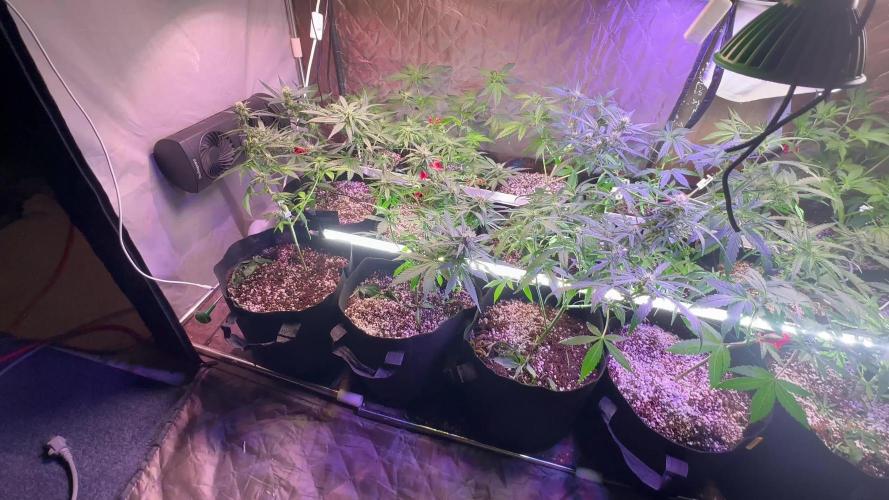
Settimana 10
23/11/2022
Cambio acqua, inizio controllo Ec +3999 Ph 5.8
60 lt demineralizzata 6 lt rubinetto Ec 310
56 Grow 112 Micro 168 Bloom 66 Enizmi 70gr mega bud 21g silicate
Ottenendo Ec 2330 Ph 6.2



Likes
12
Share


@BlaKX
Follow
Ai Gude Growmies,
Alter Tobi (NL auto)🧓🏼🌌:
5.6= 21cm 8.6=29cm +8cm
Canna Terra Vega
Gorilla Punch Auto 🦍👊🏻🚗:
5.6= 20,5cm 8.6= 25cm +4,5 cm
Canna Terra Flores / Canna Boost
Mimosa Cake Auto🍹🍰🚗:
5.6= 23cm 8.6= 30cm +7cm
Canna Terra Vega
Habe mich gegen das Toppen entschieden da es noch mehr Stress bedeuten würde und ich beim ersten mal Autoflower Genetik
lieber auf Nummer sicher gehen wollte da.
Endlich bin ich auch wieder im Wochen takt das es immer Sonntags die neue Woche hochladen kann.
Fangen wir beim Alten Tobi an dem Sorgenkind nachdem Blatt Schaden fing er an sehr gezackte und verformte Blätter zu entwickeln. Natürlich ist der Punkt das die Erde am anfang zu trocken war und ich tauchen musste um die Erde richtig zu wässern. Denke der ganze Stress ist daran schuld und ein Teil die Genetik weil die anderen 2 haben sich wie ich empfinde gut entwickelt. Oder meint ihr die Pilze wo im Topf wachsen haben damit was zu tun was ich mir nicht vorstellen kann oder ?
Die GPA wächst sehr gut in die Breite und entwickelt massive stabile Seitentriebe. Sie ist den anderen geschätzte 5-7 Tage voraus. Hatte gehofft das sie mehr in die Höhe schießt da die anderen ihr 5cm voraus sind. Werde wahrscheinlich einfach sie. Höher setzen das sie mit den anderen gleich hoch ist. Sie hat als einzige schon Blüte Dünger und Booster bekommen vor 2 Tagen seitdem explodiert sie förmlich🤯
Zu guter letzt die MCA sie hat die trocken und wässer Phase gut überstanden. Leider hätte ich den Vega Dünger nicht erhöhen müssen da sie jetzt leichte Adlerkrallen hat. Ansonsten habe ich sie nur entlaubt da für LST die Triebe noch wachsen müssen und sie ist nicht so Dicht verzweigt ist denke ich geht es ohne solange an alle Triebe ausreichend Licht fällt.
Da ab jetzt bei allen definitiv die Blüte beginnt habe ich vor 2 tagen die ADlite Red-55 (660nm Deep Red 55w) zugeschaltet und die Haupt-Lampe von 60% (400w) auf 80% (520w) geschaltet da es endlich die Temperaturen wieder zu lassen.
Die 2 anderen Pflanzen sind Fettkraut Pinguicula spec. "Guatemala" meine natürliche Insekten Falle. Diese Art ist sehr robust und kann auch mit Kalk haltigen Wasser gegossen werden.
Likes
4
Share

@therealgrowmie
Follow
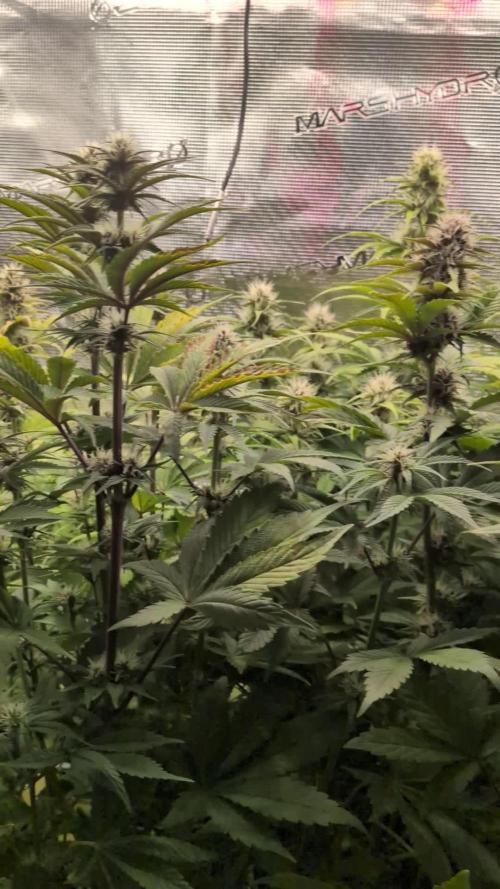
The plants are demanding way more nutrients at this stage - and unfortunately, they’re almost outgrowing the grow space 😅. We’re seeing medium-level deficiencies across the board and some mild heat stress (tacoing leaves).
To fix this, we’ll start adding fertiliser with every watering for the next 4–5 rounds and see how the new growth looks. The flowers still have the potential to become A-B-S-O-L-U-T-E-L-Y massive, so we stay calm and just feed, feed, feed! 🚀🌸
Stats so far:
💧 Watering: 1.5L every other day
💦 Humidity: ~65% RH
🌡️ Temp (lights on): 22–26°C
🌡️ Temp (lights off): 20–22°C
📈 Avg. VPD (lights on): ~1.2 kPa

Likes
8
Share


@StonedRAGE
Follow
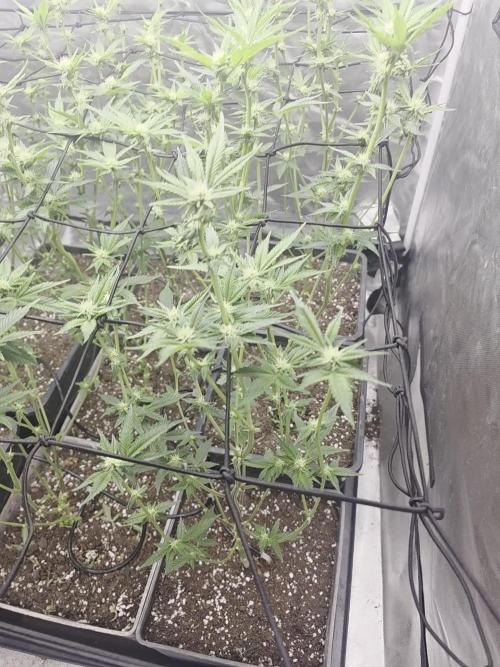
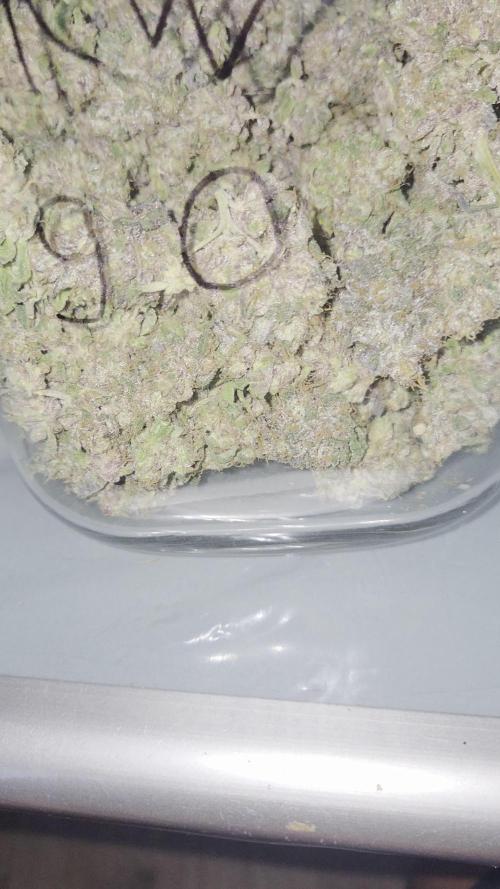
Thats the last living contest. They did get cut down today. Im gonna Post harvest results in about 2


Likes
1
Share

@StillBlazin
Follow
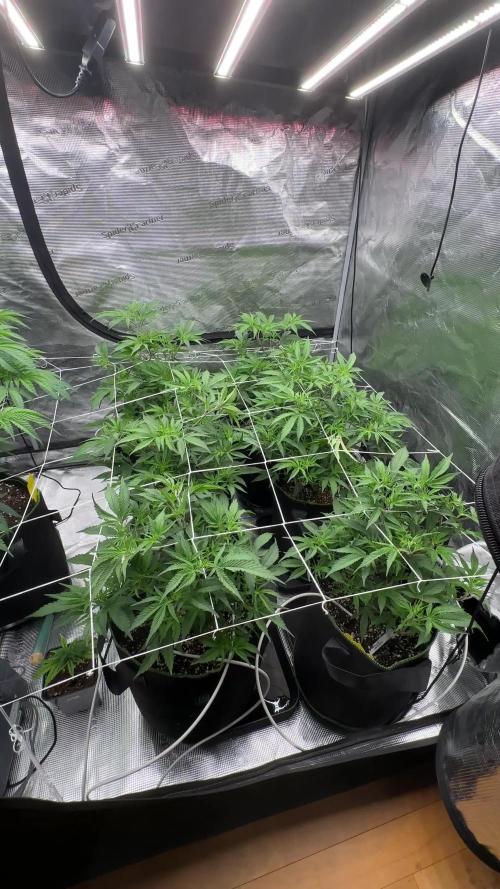
Ich bin sehr zufrieden, aber manche trinken nicht so viel wie andere leider


Likes
10
Share


@smoker420
Follow
Will be trying more zamnesia f1s out minimal phenos what u want great stable genetics would recommend thanks zamnesia for sending me these to grow 👍

Processing
Likes
30
Share


Likes
6
Share

@IndigoMist8
Follow
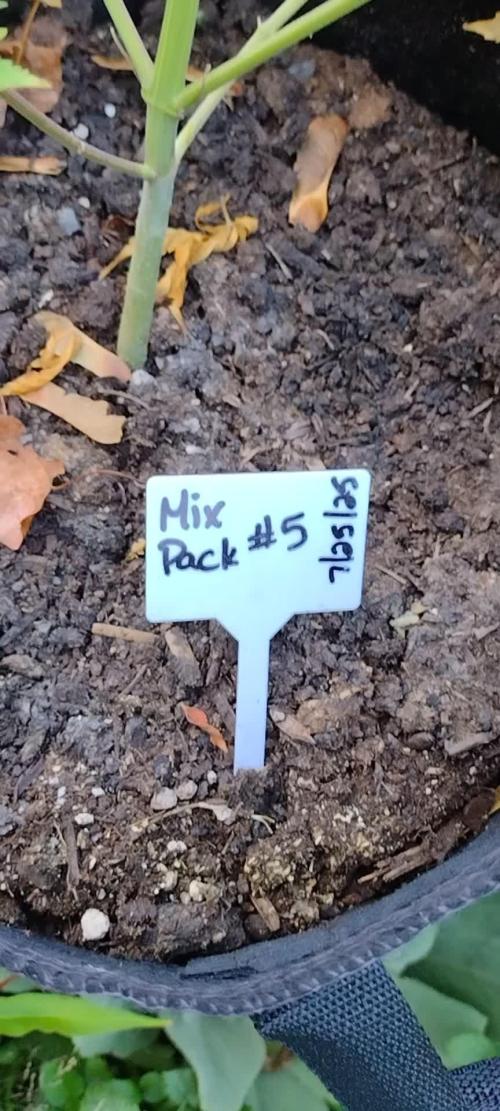
This grow is unfortunately finished. Due to health issues I was unable to keep up with feeding and IPM and she suffered severely because of it. Infestation and bud rot took over and she is currently quarantined, finishing off her life cycle. I am testing to see if I can get any seeds from my failure as this was a frosty, strong smelling strain which I wouldn't mind trying again.


Likes
283
Share


@love_2_grow
Follow
D35 - The first day in the fifth week of veg for #2 and the fourth for #1. I gave both girls around 1.2-liters of water @ pH 6.3.
I topped the second girl for the second time today, six days after her first topping, and I will top the first girl for the first time tomorrow. I also removed the large fan leaves from her fourth node as they have served their purpose.
D36 - Today, it was time to top the first girl for the first time. Exactly one week after the second girl.
She had grown a lot in four weeks to a height of 33 cm and a massive 50 cm wide, looking luscious and very healthy.
I topped her the same way as the second girl, just above the fourth node, and removed everything below it. I stripped her down to the bare essentials and honestly felt a bit bad for doing that to her.
I didn't keep any clones this time, as I still have the clones from the second girl. I might take a cut from her later, though, considering how vigorous she grew.
Finally, I gave her around 1.5-liters of water @ pH 6.5.
D40 - The first girl has recovered well from her abuse a few days ago, and I should be able to top her again in a couple of days.
The second girl is still a few days out from her third topping.
D41 - The end of the fourth week of veg for the first girl and the fifth week for the second girl. Sorry about the porno-light pics. I was a bit late, and my lights had already gone into sunset mode.
