


Likes
Comments
Share




Likes
Comments
Share


@braxat420
Follow
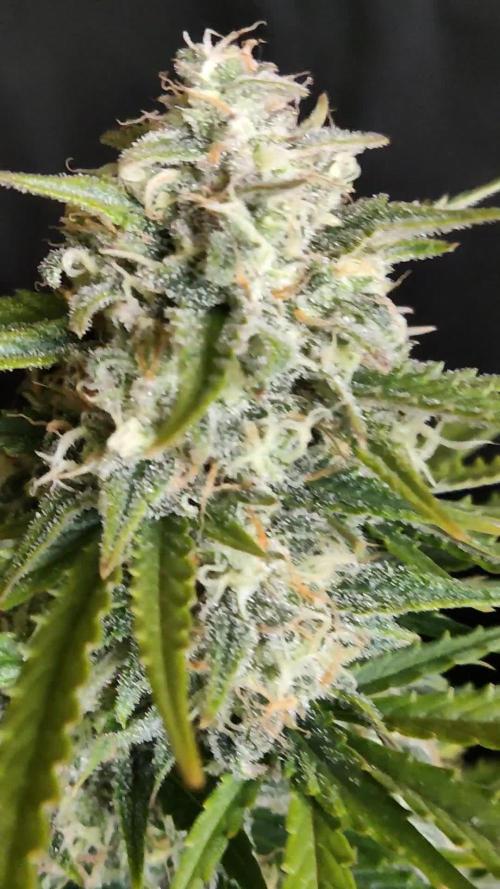
My other grow was growing into the light, so I had to switch them. This light doesn't have the greatest coverage, but it had to be done. The humidifier is still down, and I'm going to have to move house with it on one of the coldest days of the year, so this grow does not have everything going for it. Smells strong, like candy apples and the buds are getting very dense.

Likes
2
Share


@Mr_nugs_lover_David
Follow
This ladies have gone trough a beautiful stretching that has allowed them to achieve a beautiful shape with secondary branches that will develop great nugs! Stay tuned guys, very excited about this 2 autos

Likes
23
Share

@Canna-Lytiker
Follow
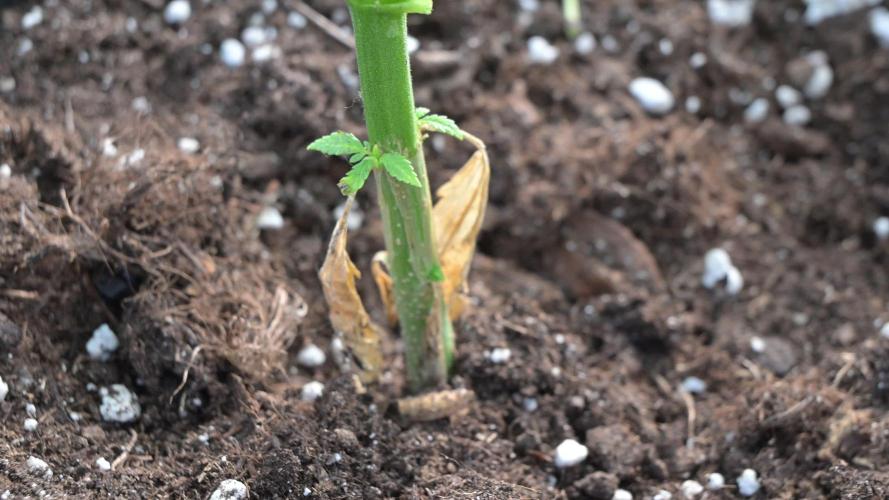
Die Apple sturdel gibt Vollgas! Der Stretch ist voll am laufen und hat die Fat Banana in größe überholt. Da kann sie noch so kräftig wachsen! Die Fat Banana macht sich aber dennoch. Der Krieg belebt das Geschäft.... Mehr findet Ihr auf Youtube 👌


Likes
45
Share


@masterofsmeagol
Follow
I Messed Up A DAY Here. So one of the days is dated wrong. I tried to correct it the best that I could.
7/24 I decided to label this week as flower. It's more like preflower though. GMOs are stretching like crazy. Due to the rain we weren't supposed to get some of my plants are a little over watered. That's why I love the fabric pots. With the winds we get the bags dry out fast. The GMO's would've needed water anyway if we didn't get this storm. Event Horizon seems to be the furthest in flower amd the most over watered. WE'LL get a LITTLE more rain today and tomorrow but then hopfully my bags will dry out. They are heavy as hell right now. Had we not got rain for what seems like forever. Several plants would've needed to be watered if we didn't get this rain. Still the plants are currently overwatered. All the pics and video so far are from this morning after the horrible pounding rain of yesterday. Like I said before, I need to; defoliate for better air flow, add secondary supports or a vertical trellis, considering using a preventative pest application (e.g. BT), LST and spread branches apart and start using nutes.
7/25 Wasn't supposed to rain today. Like .001. It poured this morning and is still raining VERY LIGHTLY at 2:30. We got an inch yesterday. The total for these 3 days was suppised to be under half an inch. Anyway I went over around two and everything looks great! Things are clearly overwatered and heavy but the plants look happy! Most have their leaves out and everything! I love growing in bags because they dry out so quickly! I don't mind watering more. I defoliated one event horizon and the few yellow leaves I coukd see on other plants after shaking them off. The seedling in the 50 is far behind the others in flower and just showed its sex. I'm fairly certain that one is red runtz. Whatever it is is going to flower much later than the rest. It's going to be good if I have couple early finishers. I did a video but I'll have to upload tomorrow. I have a lot of work to do And not just in the garden so I'm hoping I can balance things out and get this stuff done. Caught three TINY inch worms. I'm wondering if me manually hunting has cut the adult population down and I'm just getting fresh born ones? If that's the case I wouldn't need to spray.
7/26 Plants looked pretty great today. I think me manually removing pillars has made a big difference. It's windy out too so it won't take long for those bags to dry out. Which is good because what wad supposed to be a half inch of rain turned into 3 straight days of rain. I'll be back over to work on the garden today and I'll update then.
7/27 Plants are looking pretty good. Good weather ahead and the bags are starting to lose weight. Found a pillar wrapped in a dead interior leaf all wrapped up. Found a couple more early this morning amd killed them. I did some slight leafing on some plants. I don't like doing that outdoors but since these are monster cropped they have far to many leaves. Airflow is improved. I'm not seeing any nutrient deficiencies yet. Plants are a vibrant healthy dark green. Soon I'll add a base nute like big bloom or ancient amber (I think that's the one, it's applicable to big bloom). I cam see some plants trying to start flowering and I've got one (in the 50) that has just shown sex. Hopfully this will give me some time between harvests. I'll update as I go along.
DAD CALLED IN THE AFTERNOON AND SAID HE THOUGHT A PLANT MIGHT BE STARTING TO DROOP. IT WAS MY GMO CANARY THAT GETS HIT ON ALMOST THREE FULL SIDES BY WIND (ONLY ONE PLANT). I CHECKED THE WEIGHT AND IT WAS LIGHT. IT WAS DROOPING TOO. I WATERED THAT ONE PLANT WITH A GALLON AND WATCHED IT PERK BACK UP. I CHECKED THE WEIGHT ON THE OTHER PLANTS AND LIKE I THOUGHT THEY WERE STILL HEAVY. I PUT MY FINGER IN THE SOIL AND IT CAME AWWY COVERED IN DIRT. MY SEEDLING IN THE 10 WAS KINDA LIGHT SO I GAVE THAT HALF A GALLON. I USED THE OTHER HALF AS "A CUP OF KINDNESS" ON THE PLANTS THAT SEEMED LIGHTEST TO CARRY THEM OVER. I PROBABLY SHOULDVE WAITED BUT I DOUBT IT MATTERS. ILL CHECK IN THE MORNING. I ASSUME ILL HAVE TO WATER THEN OR AT NIGHT. ILL GO BY THE WEIGHT. THE CANARY WILL NEED TO BE ON A SEPERATE SCHEDULE. THATS FOR SURE. Went back over at 6:30 and plants looked better than they have in a long time bags still have some weight. With the sunny weather we are going to have these plants will keep exploding in growth. Found one pillar but I wasn't there long. Seriously considering a spray of BT in the near future.
EDIT: UNFORTUNATELY MY SPIDEY SENSE STARTING TINGLING AROUND NOON. MY ANXIETY WONT LET ME IGNORE IT (IM NOW EMBRACING IT) AND I HAD TO CUT OFF A CONVERSATION WITH MY WIFE TO GO TO THE GARDEN. I IMMEDIATELY SAW THAT ONE OF MY GMOS WAS STARTING TO DROOP. NOT LIKE BEFORE BUT IF I HAD BRUSHED IT OFF AND LEFT IT FOR FOUR MORE HOURS IN THE 90° SUN IT WOULD'VE BEEN. I GAVE THE GMO'S (BESIDES THE ONE I GOT YESTERDAY EACH A GALLON. I DIDNT WANT TO WATER DURING THE DAY BUT THIS WAS MY BEST OPTION. I GAVE THE TOASTED TOFFY A GALLON AND THE 2 EVENT HORIZONS EACH GOT HALF A GALLON, AS WELL AS THE SHERB PIE WHICH GOT HALF A GALLON. I DECIDED TO DO THIS BECAUSE SOME PLANTS USE MORE WATER THAN OTHERS. BEFORE ACTUALLY GOING OVER I CONSULTED MY PREVIOS DIARIES. I HAD THIS SANE PROBLEM LAST YEAR ON THE SAME WEEK OF THE MONTH! THATS WHAT MADE ME TRUST MY INTUITION FULLY. I LEARNED FROM THE MISTAKE OF LAST YEAR. THINGS ARE GOING GOOD. IM STARTING NUTES SOON AND I NEED TO SPEAY FOR BT BUT DONT KNOW IF IT WILL BE TONIGHT.
7/29 Apparently my intuition worked out well. Plants looked great this morning. I may feed today. I defoliated a bit and watered the 10g with a half gallon and gave another half gallon to the gmo on the end that dries out fastest and that I didn't water yesterday. I think I've got the watering down. Now I need to start nutes and spray bt. Need to wait for the rain first though. Suppised to get minor showers the next couple days. I'm gonna try to get the trellis up too.
WENT BACK A LITTPE AFTER FOUR. HUMiDITY WAS 100% AND IT WAS RAINING VERY LIGHTLY. I MEAN AS LITTLE AS IT CAN POSSIBLY RAIN. ALMOST LIKE WHAT IT FEELS LIKE WITH THOSE MISTING FANS IF YOU STAND BACK A WAYS. I DIDN'T WATER. PLANTS WERE LOOKING GREAT! I DID SOME DEFOLIATION AND CAN TELL I NEED TO START NUTES. I CAN SEE SOME SLIGHT DEFICIENCIES IN BIG OLDER LEAVES. SOME SMALL INTERIOR LEAVES YELLOWED. NOT MANY. GRANTED THEY ARE STARTING TO FLOWER. I'LL PLAN ON FEEDING TOMORROW. THE NEXT FEW DAYS IS SUPPISED TO BE SHOWERS. I DOUBT IT WILL GIVE MY BIG GIRLS ALL THEY NEED BUT IT WILL BE A GOOD START. I DID A VIDEO BUT ITS RATHER LONG SO I CANT UPLOAD IT HERE. ITS COOL WATCHING HOW DIFFERENT THE DIFFERENT STRAINS GROW. STILL HAVE A BUNCH OF SHIT TO DO. IT WILL GET DONE THIS WEEK.
7/30 I held off watering today due to a supposed storm and rain we were supposed to be getting. I had early doctors appointments. I got back around 11 and the bags seemed light. After consulting last years diary I saw that I am underwatering. The root system weighs a lot! We haven't got the hundredths of an inch of rain but we got some sun. It's over cast now. I was there working for a few hours. I watered most a gallon. All the gmo's got a gallon. I gave the two event horizons about two thirds a gallon. About the same with the toasted toffy and the sherb pie. About 3/4 of a gallon as they seemed to have a little weight left. Looking at last years diary there were plants I was giving two gallons at a time in a 20 gal bag so I've been u Der watering a bit. I've caught it now and adjusted. I'm not losing leaves at the pace I have in the past. Even though some are in flower. I think I'm getting better. I fed for the first time today. Each plant got 1.75 pints. Except the 10gallon which got half the powerade bottle and the 5gal which got a qtr. By the time I left the plants were standing up nice and tall and looking amazing. Now I just need to apply bt and secondary supports.
7/31 Another eight day week. I'll have to do six days next week. Everything looked amazing this morning. I'm seeing less pest damage. Watering and feeding was the right move. Now I just have a little rearranging to do, add supports and spray if I decide to.

Likes
134
Share


@DogDoctorOfficial
Follow
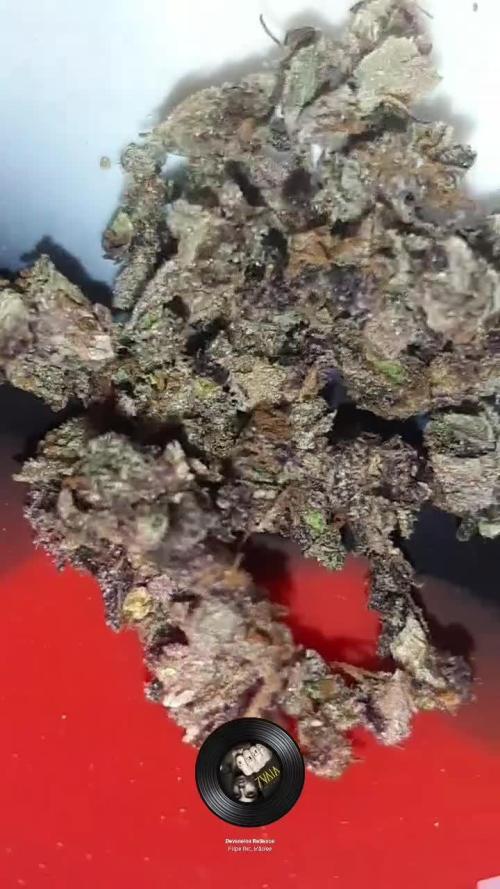
OMG OMG OMG finding hard to put on words all i am felling with this one, she was a delight to grow and without trying yet her medicine she wen strait to my top 3, i mean super strong Mama, strong to everything pests you name it, amazing structure her terpene profile is taking me back to the 90s with her almost like gasoline smell mixed with limes and pines OMG cant wait to try out this one much but much respect to DutchPassion on this creation of them she is so so so , like glue that you cant touch without getting it everywhere <3 <3 haded the last 3 weeks and harvest time-lapse i fell like this one could have gone more than the 71 days in flower that she did, but there is no time for that in this run but i will run her again thats for sure and a must for me.
Guys trust me on this one , she is a must , a real must in any garden <3 <3 <3
Thank you so much Dutch Passion for this blessing of an opportunity and for everything you guys do for the community much respect and appreciation <3<3<3
Everyone best of luck for the contest this was an amazing and fun one <3 <3 <3
As always thank you all for stoping by for the love and for it all, i truly appreciate and enjoy the ride so much more with you guys around <3 <3 <3 you guys make me fell super blessed <3 <3 <3
#aptus #aptusplanttech #aptusgang #aptusfamily #aptustrueplantscience #inbalancewithnature #trueplantscience #growerslove #dogdoctoofficial
With true love comes happiness <3 <3 <3 Always believe in your self and always do things expecting nothing in return and with an open heart , be a giver and the universe will give back to you in ways you could not even imagine so <3 <3 <3
More info and updates @
https://growdiaries.com/grower/dogdoctor
https://instagram.com/dogdoctorofficial
https://youtube.com/channel/UCR7ta4DKLFMg2xxTMr2cpIg
<3 <3 <3 Growers love to you all <3 <3 <3
I will post more photos from her dry trimmed bud report smoke etc asap <3 <3 <3 and need to clean space on my iPad so that i can upload the rest of them photos and videos , my apologies <3 <3
Done hehehe waiting on this beauties to dry now <3 <3 <3


Likes
14
Share


@blackonblackcamo
Follow
Trimmed up the bottoms of the plants after the pics were taken, just forgot to take more. Buds are really starting to pop up everywhere. Currently in NY, and my girlfriend is watching the ladies for a week, so I will try to get her to send me some updated pics. These are from ~5 days ago, and there has been substantial bud bulling since then. They are drinking nutes and water like crazy and get topped off on both every single day lol.
Likes
16
Share


@ChewiesGrow420
Follow
Day 36 preflower stage, should see buds forming within the next several days or so. WE ARE AT WAR!!!! Applied a pouch of nematodes to every pot to kill the fungus gnat at its larval stage. Which has been gnawing on my roots! Increased the sticky traps to trap the flying
f*<|{£rs. Will reapply more nematodes in 10 days to kill the next generation. Then hopefully that’ll be all! Don’t overwater folks. Fungus gnats suck! Hopefully last hiccup of the grow. Cheers everyone. Good luck on your grows.
Day 41 and I’d say we’re officially in flower. Seein those hairs real good now. We’re still experiencing a rather annoying fungus gnat infestation which has really stunted these ladies. This is entirely my own doing by more than likely overwatering them, creating the problem. Sighs… lower stems grew considerably, which has me optimistic as to the potential yield. I won’t know till stretch is over to gauge my yield. Hopefully Fastbuds amazing genetics can help me fix my f up. 🤞
Day 45 and were on our second round of treatment with nematode packs. I have moved the grow lights up substantially as to hopefully help with the discoloration of my leaves. I believe it to be light stress from the lightening around the edges and some brown tips. Some of them are curled upwards so thst could also be nutrient burn. I have asked a question about it to hopefully get the help of someone more experienced than iam. Good luck growing my friends🍻
Day 48 I ripped open my nematodes packs and mixed in the first couple inches. The top few inches of soil are now aerated better. Hopefully things will improve. Seem to look better since I moved the light up. Stretch ladies… stretch watering at 6.0 to hopefully lower the ph of my girls. I could do the viniger method? Or sulfur. Comment and let me know how you lower the ph of your soil?
Likes
29
Share


@Ultraviolet
Follow
Hope you are well. Thanks for taking the time.
Little main line defoliation to focus growth.
A cell is a quantum measuring device for light’s frequency to make order from the chaos that light frequencies bring from our environment. A cell performs mechanical resonance, where its intrinsic structures vibrate at specific resonant frequencies when exposed to external mechanical stimulation. Cells possess the ability to sense and respond to mechanical cues from their environment, a process known as mechanosensing. This can involve the activation of signaling pathways and changes in gene expression. Cellular resonance is a component of mechanotransduction, the process by which cells convert mechanical force into a biochemical signal that triggers a cellular response.
Plants perceive mechanosensory stimuli, such as vibration and touch, through structures like trichomes (hairs) and specialized ion channels embedded in their cell membranes. Plants are sensitive to frequencies ranging from ultrasound to lower sound waves, such as 250 Hz. The perception depends on various factors, including the stiffness of the underlying tissue, which can be tuned by the plant to perceive specific frequencies associated with environmental cues like insect herbivory.
While the exact molecular mechanisms are still being explored, scientists have identified several potential pathways that may be affected by acoustic vibrations in this frequency range: 4000-5000 Hz. Enzyme activity: Sound waves can increase the activity of certain enzymes, such as amylase, and elevate the content of soluble sugars and proteins. Increased stomatal opening in response to specific frequencies can optimize photosynthesis by increasing the plant's absorption of water and CO2. In addition to enhancing drought tolerance, sound vibrations can strengthen plants' overall resistance to stress. Studies have shown that some genes related to stress response can be activated by sound stimulation.
The Emerson effect is a phenomenon where the combination of red and far-red light increases the rate of photosynthesis beyond the sum of the two wavelengths used separately. This synergy is important for understanding Extended Photosynthetically Active Radiation (ePAR), which includes the far-red spectrum, because it means a more comprehensive measurement is needed to fully understand light's effect on plant growth. ePAR meters measure light up to 750 nm, which is necessary to capture the far-red light that participates in the Emerson effect.
The human eye can detect more shades of green than any other color due to a combination of our cone cell sensitivity and evolutionary history. Our eyes are most sensitive to the yellow-green part of the spectrum, which is the peak of our visual sensitivity, and a large part of our ancestry was spent needing to distinguish subtle variations in greenery for survival. or our primate ancestors, being able to discern subtle differences in green was crucial for survival. It helped them identify edible plants and avoid poisonous ones, as well as detect predators hiding in foliage. This constant need to distinguish shades of green drove the evolution of our color perception to become most sensitive to it.
S-cones: Detect short wavelengths, perceived as blues and violets.
M-cones: Detect medium wavelengths, perceived as greens.
L-cones: Detect long wavelengths, perceived as reds and yellows.
The primary reason for our enhanced sensitivity to green is that the peak sensitivities of the M-cones and L-cones are very close together in the green-yellow region of the visible spectrum. This overlap means that green light stimulates both the M-cones and L-cones, creating a more robust and detailed signal for the brain to interpret. In contrast, the S-cones are more isolated and respond to a much narrower band of light, leading to less sensitivity for blues.
The brain's visual processing pathways also play a role. Our visual system processes color differences through "opponent channels," which compare the signals from different types of cones. The opponent channel that processes red versus green has a more precise and intricate system than the blue versus yellow channel, leading to finer discrimination in the green part of the spectrum.
Likes
13
Share


@FrostRailz
Follow
Harvested week 10
Whole plant hang dry 16 days
Amazing to grow biggest nugs i have ever seen, or grown in late flower! Phenomenal genetics


Likes
13
Share


@bobo66
Follow
this is the end guys, I last watered with much colder water,I could have harvested one in as little as a week, but I waited for the others to come to an end.very stinky tribe.don't grow it without a carbon filter, unfortunately it didn't completely catch the odors for me either.and there is a new carbon filter in both tents.so pay close attention.!they didn't require a lot of nutrients at all, I followed what I could learn about feeding here, water water feed water water ..the plants produced flowers of much the same size, one of which is a little different.I’m going to harvest it all tomorrow, we’ll wait for it to dry out, and then I’ll report on its weight and impact.
the plants vegetated for 4 weeks anyway and flowered for 8 weeks.
thank you for everything everyone did throughout my work and lectures.
<font style="vertical-align: inherit;"><font style="vertical-align: inherit;">💤</font></font>

Likes
57
Share


@SmokieMcPot
Follow
PSA!! PSA!! PSA!!
WATCH those ZeroWater pitchers... when the filter goes, it goes FAST. Leaves you with a ton of undesirables, and AN EXTREMELY ACIDIC PH!! Acidity in the body leads to CANCER! will kill your plants fast as fuck too.
========================================================================================================
2 Girls 1 Cup week 11? We should come to a finish this week... oh the excitement. Can't wait to see WG without her leaves. Going to have to cut each branch and hang individually due to the density of its structure. Got this far, don't want to risk moldy weed.. damn I'm gonna get bored while drying/curing not having a plant or diary to occupy the time.
Day 77- currently flushing the girls. GC isn't ready for it, but she isn't in charge here. She should have stuck with WG when she extended a helping hand. Since falling behind, WG has thrown up a peace sign to GC as to say "see ya sucker". It's my favorite bud by far on WG. Bitch has got an attitude 🤣. RES sitting at 87ppm @5.9. Yellowing has started.. going to have to check trics more often so I get that sweet spot I'm looking for.
========================================================================================================
Day 78- these girls are starting to stink! Come on WG... ripen up so we can get this over with.. lowered lights power a bit today. RES climbed from 87 to 137. Drained 2gal, added 2gal RO. down to 38ppm. Forgot to mention the ice probe has been unplugged for over a week now. Been putting a 3/4 full 1L frozen bottle in the RES to chill. Rotate out every 12hr with a fresh. At lights on, and 12hr later. Full bottle got Temps too low for my liking.
========================================================================================================
Day 79- tick tock.. tick tock.. come on WG.. she's showing a little fade on her leaves. Seeing more of a calcium difficiency on her fans than fading honestly. Trichomes taking their time ripening as well. I'm SURE this strain ambers up.. taking their time for me though.. dont know how long I feel comfy flushing hydro though.. I did notice a few exploded trichomes up top, which has me thinking I need to go ahead and chop within the next couple days. If I notice any more ruptured anywhere else I haven't poked it with the scope.. I'm hanging the bitch that night. May give her 24hr dark period, since I've tried some other bro-science and it seemed to help.
*edit* felt bad starving WG and she's not more amber coated. Gave her a bit of nutrition tonight. GHE aggressive ripen. M-2.8mL/g G-2.8mL/g B-4.5ml/g and 5mL calmag (using RO). Came out high @ 867 so I pulled 2L and dumped 2L RO in. Sitting at 613 @ 5.9.
========================================================================================================
Day 80- well, the 3 days starving the girls kicked their metabolism back in gear. I want more amber before chop chop. They quit eating and were drinking MUCH less signaling the end. Was down to topping off once a day, maybe a liter to a liter and a half. Since feeding yesterday, they've started eating and drinking like they were on week 10 again. Topped off 3.5L in the last 16hrs. TDS dropping with water level, even more when topped off with straight RO. I'm not giving em any more nutes. Last push for some extra weight before the end. ALLOT more frosty today than yesterday as well.
========================================================================================================
Day 81- Started flushing again. Maybe starting their metabolism again will help ripen these trics. If not, they're getting chopped @ day 84. Don't want to let em go too long and regret it. I may have f'd em up feeding again after the 3 days starving. Time will tell
========================================================================================================
Day 83- still waiting... 💤
Going to order some bubble bags. Freezing all GC and trim/larf from WG for some bubble hash. GC is frosty and all white like WG, just tiny popcorn shit everywhere since it's been neglected and abused over and over and over and over 🤣.
========================================================================================================
As always, thanks for stopping by and checking out my current grow. full timelapse added to this week 27-70 (looks better on YT.. https://youtu.be/8JdUkR36Wfc)
Likes
25
Share


@Gutismoke
Follow
Entering week 7 and the fade is beautiful nice 👃🏽 dense buds I’m super excited to see what’s this is turning out to be

Likes
1
Share


Likes
97
Share


@Kitties_and_Colas
Follow
~_~_~_~_~_~_~_~_~_~_~_~_~_~_~_~_~_~_~_~_~_~_~_~_~_~_~_~_~_~_~_~_~_~_~_~_~_~_~_~_~_~_~_~_~_~_~_~_~_~_~_~_~_~_~_~_~_~_~_~_~_~_~_~_~_~_~_~_~_~_~_~_~_~_~_~_~_~_~_~_~_~_~_
❤️💡🌱😽💨
Its been an awesome week! (despite some grow room power issues)... the SP-3000 makes for some of the easiest grows we've ever had. Our plants look super happy and they pray nonstop to Mars..This light has made our little 4x2 my favorite place to flower
Check out some of our previous harvests under the SP-3000, we have stellar results using it.. Mars has completely changed how we view LED.. We've officially replaced all HID lighting for MarsHydro fixtures and our only real complaint is not doing this sooner 🤘😼
The Ghost Candy's flower stretch was pretty close to what we expected from them. They have a great, uniform color and bud sites are starting to form.. being soilless these girls are eating a little bit with almost every watering.. we have 2 distinct phenos, 3:4 have a more broad indica hybrid looking fans, where 1:4 appears sativa dom, we'll be sure to clone each..not too much else to report, good genetics and light make for easy weeks..thanks as always for dropping by and happy harvests everyone!!! 💡🌱
⚡Mars Hydro/SP-3000⚡ Specifications ⚙️:
Diodes: Samsung LM301B / Osram 660nm (960 total!)
Driver: Meanwell 300watt 🔌 (300W±5% @AC120V-277V)
PPF: 824umol/S ☢️
PPE: 2.8 µmol/j 〰️〰️
Lifespan: 50k+ hrs ⌛
Weight: 10.1 lbs (4.6kg)
Veg Coverage: 3 x 5 ft 🌱
Flowering Coverage: 2 x 4 ft 🌼
-The SP-3000 uses an aluminum heatsink (no fan) and the driver can be placed outside the tent 🌡️⬇️
-IP65 waterproof ratings, tolerant to high humidity grow environments 💦 ..
-Up to 15 can be daisy-chained together and all controlled from a single light! 💡~💡~💡~💡~💡
~_~_~_~_~_~_~_~_~_~_~_~_~_~_~_~_~_~_~_~_~_~_~_~_~_~_~_~_~_~_~_~_~_~_~_~_~_~_~_~_~_~_~_~_~_~_~_~_~_~_~_~_~_~_~_~_~_~_~_~_~_~_~_~_~_~_~_~_~_~_~_~_~_~_~_~_~_~_~_~_~_~_~_
Processing
Likes
6
Share


@CommanderCannabis
Follow
3-16 part 1. Very robust growth. I had to tuck the fan leaves under the growing lower stems so they could get some light and stretch. Leaf and stem growth has a good color to it and I will up the nutes by half a teaspoon and rotate Martha so she can get light everywhere possible.
3-16 part 2. After I came home from work What did I see but the top of Martha had been sliced off! it seems the metal tie-down stake was too tight against the resistance of growth and she snapped at the top. Its a clean cut and at the right spot. I raised the light to 24" in hopes she will stretch out abit faster.
3-21 VEG GROWTH ACCELERATING UP.


