Likes
Comments
Share
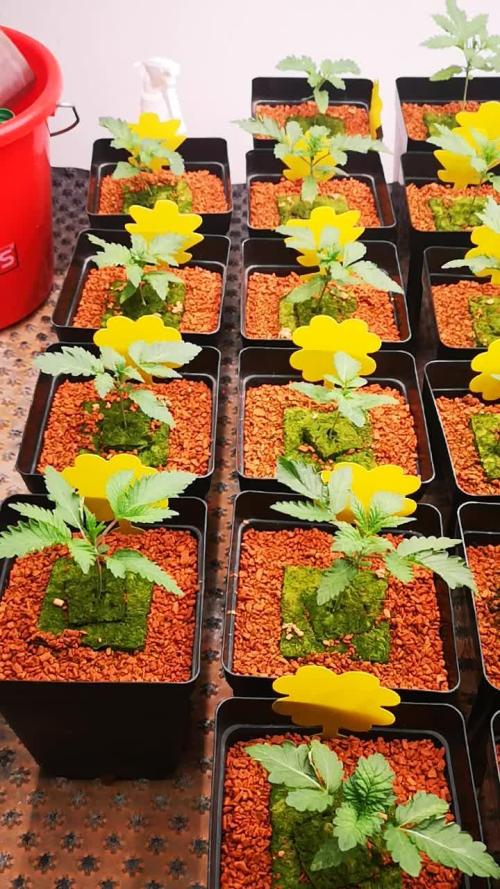
07/10 Hey guys, how you doing ? Flushed the plants with 2l of water per plant, they responded very well and are very happy. First pistils showing up, thats a nice sign. Both the Amnesia plants are still in veg but definitely noticed stretching. As soon as they dry out im gonna give them some nuts, probably half the recommended dosage.
Likes
Comments
Share
Banana Guava – Week 7 (Fast Buds Outdoor 2026) Another solid week of good weather. Banana Guava is soaking up maximum sunlight and getting regular feeding. This one has shot up mainly in height again and is now around 60 cm tall. She is looking strong with good foliage and continues to show impressive vertical growth. Definitely one of the taller girls.
Likes
38
Share
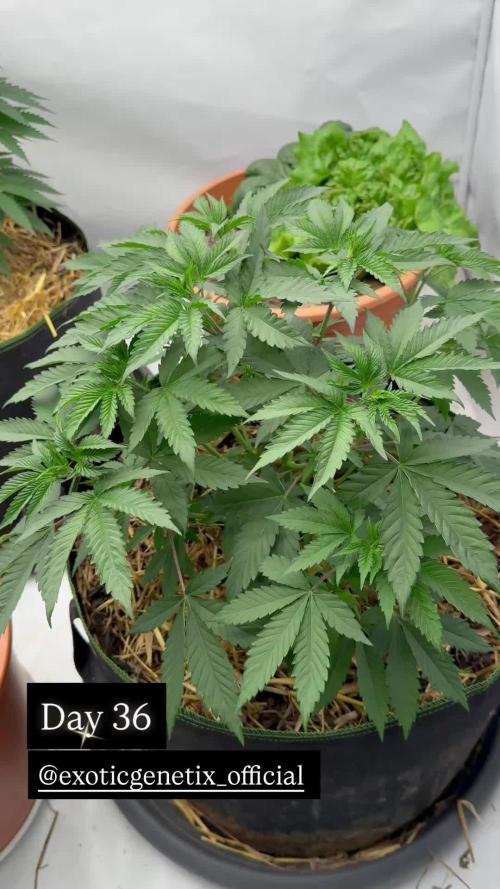
Giorno 100 Che pianta!!! Che odori!!! Meno male ho ancora due semini e tutto tornerà buono tra qualche anno quando avrò spazio e magari le leggi saranno meno severe e potrò divertirmi di più facendo cloni tenendo mamme ect... La pianta anche per le temperature molto basse purtroppo anche di giorno verrà tolta a breve. "Spendete il vostro tempo a trovare il seme piuttosto che fare la prima cosa che vi regalano o il primo pacchettino che trovate. Le banche semi non sono tutte uguali e di conseguenza l'erba che vi fumate" A settimana prossima 🖐️ ❤️ A settimana prossima 🖐️ ❤️
Likes
4
Share
@oregonian
Follow
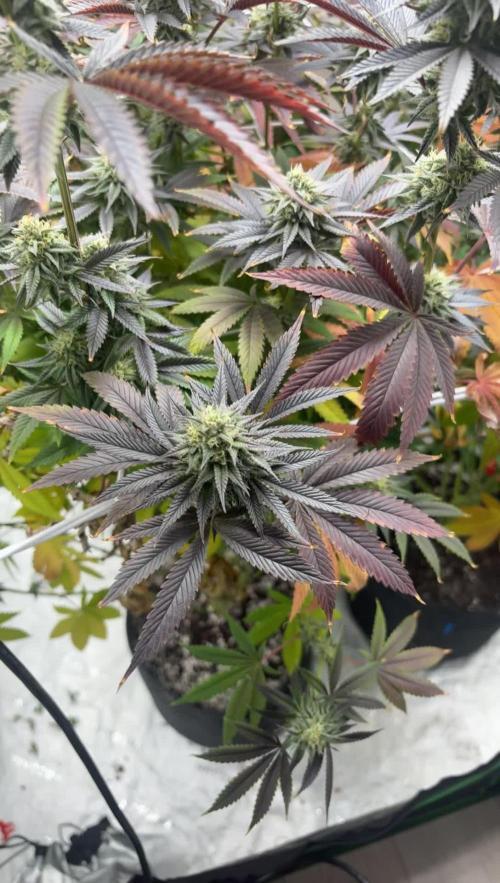
smell on the sativa-doms is strong and unusual. moved 3 to back patio for a bit more light. trichome development on sativas is fantastic, less so on indicas. planned this to be last feeding, but maybe not.
Likes
15
Share
@Kurow
Follow
This week is dedicated to finalizing the pot and nutrients for the rest of the lifecycle, looks like it took to the nutrients very well not much new upwards growth but new leaf sites appeared!
Likes
21
Share
Die Lemon Cherry Gelato ist in der 3. Growoche zwar noch klein, aber wir sind uns ganz sicher, dass sie groß rauskommt, denn das Wachstum steckt einfach noch in den Startlöchern. Die engen Nodienabstände machen sie zu einem kompakten Kraftpaket, das es noch zu bändigen gilt. Das Training war diese Woche mehr ein Workout für uns als für sie: Topping, LST und jede Menge Feingefühl haben wir reingepackt. Die kleine Dame hat uns keine Probleme bereitet. Sie ist gesund und tapfer, auch wenn sie momentan noch aussieht wie eine Mini-Version ihrer selbst. Wir sind absolut zuversichtlich, dass sie sich in den kommenden Wochen kräftig ausbreiten wird. Kein Grund zur Panik, sie hat großes Potenzial, und wir wissen, sie wird uns nicht enttäuschen. Der Weg ist das Ziel, und wir freuen uns schon auf die nächste Woche! 😷
Likes
209
Share
@yan402
Follow
This two were part of another diary and got moved out due to space reasons at VW8 and moved back indoors at VW20 https://growdiaries.com/diaries/218151-auto-god-s-glue-grow-journal-by-yan402 13.09.25 VW21 Both are looking good and are developing tighter nodes than when they were outside, I'm going to have to keep cutting them back every once and a while I also applied nematodes against thrips and fungus gnats. 20.09.25 VW22 some spots and some yellow leafs, I think it's a root problem, probably root bound, but both seem healthy and are getting thicker so maybe just top up with Coco coir and give a slight different nutrient schedule less Tri Part Bloom could do the trick MAYBE lol. 27.09.25 VW23 Topped up the pots with extra coco coir and trimmed the side roots a bit, both plants were root bound 📹 03.10.25 VW23 did a HST/LST session 📹 12.10.25 VW25 Done a major HST session to try and keep them in line with the Sunset Sherbet GF I have going in the same tent, rest in the video 📹 17.10.25 VW25 ffj/fpj/fish 30 → 60 ml 19.10.25 VW26 it just became a one plant diary, keeping #5, #6 gets it's own diary for testing nutrients : 🌱💦🌱💦🌱💦🌱💦🌱💦🌱 Day to day tasks & actions 🌿 🌱💦🌱💦🌱💦🌱💦🌱💦🌱 18.10.25 VW25 – Fed 3l of #1 → 1l runoff 19.10.25 VW26 – Fed 5l of #1 → 2l runoff 20.10.25 VW26 – Fed 5l of #1 → 2l runoff 21.10.25 VW26 – Fed 5l of #1 → 2l runoff 22.10.25 VW26 – Fed 5l of #1 → 2l runoff 23.10.25 VW26 – no water no feed 24.10.25 VW26 – Fed 5l of #1 → 2l runoff 25.10.25 VW26 – Fed 5l of #1 → 2l runoff (*RUNOFF reused for tomato plants) 🍶💧🍶💧🍶💧🍶💧🍶 💧 Nutrients in 30L #1 🍶💧🍶💧🍶💧🍶💧🍶 💧 TriPart Micro: 10 → 30 → 40 ml = 0.33 → 1.00 → 1.33 ml/L 🍶 TriPart Grow: 0 ml = 0.00 ml/L 💧 TriPart Bloom: 10 → 30 → 20 ml = 0.33 → 1.00 → 0.67 ml/L 💧 Cal-Mag: 60 ml = 2.00 ml/L 🍶 Home-made FFJ/FPJ (new fish batch): 30→ 60ml = 1.00 → 2.00 ml/L 💧 pH Down: Citric acid (BuxXtrade) — adjust to ~pH 6.0 📦 TOTAL : = 180 ml per 30L = 6.00 ml/L 🍶💧🍶💧🍶💧🍶💧🍶 ⚙️✂️⚙️✂️⚙️✂️⚙️✂️⚙️ ✂️ Tools & equipment ✂️ ⚙️✂️⚙️✂️⚙️✂️⚙️✂️⚙️ ✂️ 2× MarsHydro SP3000 ⚙️ MarsHydro 150mm ACF Ventilator ✂️ Trotec dehumidifier (big unit) ⚙️ Mini no-name dehumidifier ✂️ Kebab skewers (LST – stainless) ⚙️ Wire + roast skewers (LST assist) ✂️ Scissors (HST) ⚙️ Vacuum (for spills & cleanup) ✂️⚙️✂️⚙️✂️⚙️⚙️✂️⚙️✂️⚙️✂️⚙️ 🍒🍭🍬🌈🍒🍭🍬🌈🍒🍭🍬🌈🍒 🦄Fantasy Feast ( Seeds)🦄 🌈🍒🍭🍬🌈🍒🍭🍬🌈🍒🍭🍬🌈🍒 Species: Hybrid (Regular) Genetics: The mother is Unicorn Whip by Dirty Bird Genetics. The father is Charcuterie by Cannarado Genetics. Effect: Unknown Mixed effect body and head high Flavor: Some phenos are Skunky gassy fruity, some are fruity sour citrus with a chemical touch and a touch of skunk Flowering: Estimated 8–10 weeks Resistance: Strong — Testing phase done YouTube Link: https://youtube.com/@yan402-m8h?si=A7x4Zlr2kj-_ga31
Likes
22
Share
@Robbaus
Follow
E voilà! Dopo 120 giorni e ben 7 ore consecutive di pulizia oggi finalmente ho raccolto. Aspetto di pesarla tra due settimane ma ad occhio è stata la volta migliore di sempre, non ho mai riempito 6 livelli della rete per l'essiccazione e non ci ho messo mai 7 ore a pulirla tutta. Bene. Le più scarse sono state sicuramente le due Peyote Critical, mentre la Blue sunset Shebert e le due Tropicanna Banana molto abbondanti. Non vedo l'ora di pesare 🤩😍🤩😍🤩😍🤩🍀🍀🍀🍀🍀
Likes
3
Share
@Promi
Follow
I ran into a Gaul Stone issue.. hospital.. so no pic from week 12 ^^ very much non effort grow ;) The three I took out, stayed dark and dry. Trimmed the leaves and hung em to dry (14 days). The last 5 went dark last day of week 12, they weren't 50/50 yet, but I got a bit sick of waiting hehehe They only got water the whole week.
Likes
39
Share
@J_diaz420
Follow
Todo marcha bien!! Creo que lo fundamental en esta semana es arta humedad y riego foliar por encima, pero en las raíces tratar de no llenar de agua ya que a esta temprana edad la plántula no tiene tanta raíces formadas, lo que provoca que se estanquen, quedando enanas y mostrando carencias por no poder beber. Trataré de seguir como voy, saludos 🍀
Likes
11
Share
@Farmer1
Follow
Hi everyone, I transplanted the lady into a bigger pot before her last transplant for early August. I added mycorrhizae and I pinched the stems to control the height. She looks very happy .it resists very well to very high temperatures. 38 degrees in the shade in the middle of the afternoon.
Likes
2
Share
Had a good week, starting to see some real trichome production beginning, I top dressed the soil with Gaia Green power bloom, cutting back on the chemical nutrients for the remainder of the grow I find it makes the bud taste a lot better.
Likes
18
Share
Bon, ça a été très intense pour moi ce mois de juillet ! J'ai dû abandonner mes autres journaux 😞 c'est comme ça... Et j'ai aussi crû perde ceux là ! Avec la canicule et le fait que je ne pouvais plus aller arroser, elles commençaient à souffrir. On a pris 3 orages, les plantes ont bien poussé hihi ! Elles font maintenant 1 mètre 70 centimètres Il me semble qu'il y a 2 femelles et 1 mâle, à suivre... La suite, la semaine prochaine, j'espère ! 👉
Likes
32
Share
Will post bud shots this evening. Overall royal queen seeds critical kush is a great strain! Would grow again. 0
Likes
11
Share
@Bendene
Follow
4th week 💪, will stay under spiderfarmer : sf1000 at 80% intensity
Likes
Comments
Share
@BIYEI
Follow
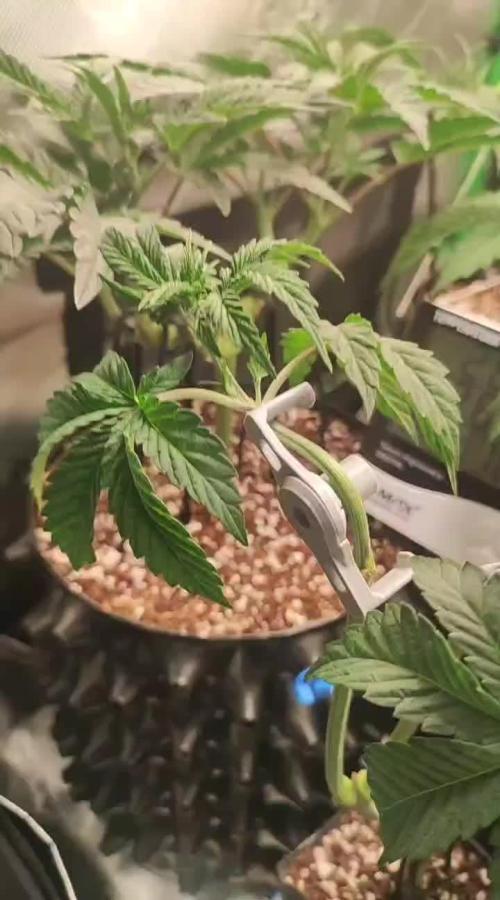
Vegetativo 06-12-2024 al 12-12-2024 06-12-2024 Se muestra un crecimiento conciderable de la semana pasada a esta semana y se observa muy sana. 08-12-2024 Se realiza cambio de solucion nutritiva con parametros ajustados. 10-12-2024 Con el aumento de nutrientes se nota un crecimiento y mejora de las hojas cosiderable. 11-12-2024 Observo que unas hojas de reciente crecimiento muestran amarilles en los bordes, asi que opto por agregar mas agua al cubo ya que la planta esta chupando cada vez mas agua y nutrientes, Se nota en las hojas la transpiracion de la planta, y se coloca una red para empezar a entrenar las ramas de la planta y la exposicion a la luz entre hojas y ramas sea mayor, se aumenta la potencia de la lampara de 75% a 90%. 12-12-2024 Aplico una tecnica llamada lst aplaste los tallos un poco para que bajaran y la exposicion de la luz fuera mejor. Parametros Utilizados Temperatura del ambiente 23 C° Extraccion de aire 4 pulgadas Humedad 60% Potencia de la lampara 90% Ec Original 0.4 Ec Nutriente 2.4 Ph 6.0 Horas de Luz 18/6 VPD Range 1.2 kPa
Likes
8
Share
✂️ Harvest Report – White Widow ✅ Final dry weight: 76.35 g The buds are compact, frosty, and visually quite appealing ❄️ However, with a total of 76.35 g dry, she unfortunately stayed below expectations. → That puts her among the weaker yields in this run. 📉 The late-stage pH lockout likely affected both appearance and final weight. Still, considering the stress she went through, she made it to the finish line respectably. 🌿 Trim & Rosin Plans Collected around 35–40 g of trim and popcorn buds. I’ll press 5 g of that into rosin and see what kind of return I can get 👀
Likes
4
Share
@CalGonJim
Follow
7/28 1220AM MONDAY.... Bubbles are looking ok, I need to trim them back to 4 colas, I am really stressing them with small space limitations, and temps at 80 to 81 7/29 Tuesday 5:45 AM💦💦 6:15 AM water with methylene blue two pills of nitric boost amino acid, five drops of Quick Sorb and I added bud factor X today and a quarter mL per liter of rhino silica💦💦💦. 1030 AM I don’t know what I’m gonna do. It turns out the bubbles plants are terrible. The stems are all very weak and they’re growing bushy at the top. I didn’t get them separated so all of the side branches grew up really long it’s completely useless. It is absolute this plant. It will be thrown in the garbage. Can you fucking believe I have to throw another entire plant in the fucking garbage😡😡😡😡. TREVOR plant cut down to 2 colas only, very top heavy not liking my grow space, had 2 more than I wanted so it's all fucked.... will remove shitty small colas and get maybe 2 good colas per plant, not expecting much. 1219pm....HOLY SHIT I FUCKED THESE.....TOOK OFF SOME COLAS.....NOT ENOUGH SPACE AND I PUSHED THEM TOO FAR.....I CAN FIX IT 7/30 1215am found a GREAT science link::: ""https://www.frontiersin.org/research-topics/8125/cannabis-genomics-breeding-and-production/magazine"". 345am PROLINE WILL BE HERE TODAY.ALL RESEARCH INDICATES PROLINE WILL PROTECT FROM HEAT STRESS!!!! 11:30 AM they are good again they are recovering from heavy defoliation half of the plant was taken off of one of them. I pushed it a little far but today they are recovering from heat and lack of air and lack of space the leaves are reaching up and they are not folding under heat stress. They look good today. Fast recovery heavy amino yesterday.👍👍👍👍🚨🚨🚨🚨 🚨🚨🚨🚨🚨🚨🚨🚨 GOT THE AMINOS AND HERE IS THE GROK RESULT OF MY MIX.......🚨🚨🚨🚨🚨🚨🚨🚨 The effects of applying essential amino acids (EAAs), proline, trimethylglycine (TMG), and glutamine to cannabis plants can be significant, as these compounds act as biostimulants, influencing growth, stress resilience, and secondary metabolite production. The available research, primarily from studies on amino acids in plants, including cannabis, provides insights into their roles, though specific data on this exact combination is limited. Below, I summarize the effects of each compound on cannabis plants, drawing from relevant studies, and infer potential synergistic effects based on their known roles in plant physiology. Note that TMG (betaine) has less direct research in cannabis, so some effects are extrapolated from other plants. ### 1. Essential Amino Acids (EAAs) EAAs (e.g., leucine, lysine, methionine, etc.) are critical building blocks for proteins and play roles in plant metabolism and stress response. In cannabis: - **Growth and Development**: EAAs enhance protein synthesis, supporting shoot and root growth. Foliar or soil application of EAAs (e.g., 150–300 mg/L) increases leaf chlorophyll, shoot biomass, and root development in various plants, likely applicable to cannabis.[](https://www.nature.com/articles/s41598-022-21273-6) - **Nutrient Uptake**: EAAs like methionine and lysine improve nutrient absorption (e.g., nitrogen, iron) by acting as chelators, potentially enhancing cannabis nutrient efficiency in hydroponic or soil systems.[](https://cannabisindustryinstitute.com/news/amino-acids-what-they-mean-to-your-cannabis-grow/)[](https://mycsainc.com/newsletter/en/2023/03/03/amino-acids-and-their-function-in-plants/) - **Stress Mitigation**: EAAs, particularly methionine, support antioxidant production (e.g., glutathione), reducing oxidative stress from drought, salinity, or high light, common in cannabis cultivation.[](https://www.frontiersin.org/journals/plant-science/articles/10.3389/fpls.2020.00928/full)[](https://www.ncbi.nlm.nih.gov/pmc/articles/PMC9008891/) - **Cannabinoid/Terpene Production**: Limited evidence suggests EAAs may influence secondary metabolism. For example, methionine could enhance sulfur-containing compounds, potentially affecting terpene profiles in cannabis.[](https://www.ncbi.nlm.nih.gov/pmc/articles/PMC9008891/) **Application Notes**: EAAs are often applied via foliar spray (150–300 mg/L) or soil drench. Overuse may lead to nitrogen imbalance, so moderation is key.[](https://cannabisindustryinstitute.com/news/amino-acids-what-they-mean-to-your-cannabis-grow/) ### 2. Proline Proline is a non-essential amino acid that accumulates in plants under stress and serves multiple functions: - **Stress Tolerance**: Proline acts as an osmolyte, stabilizing cell membranes and scavenging reactive oxygen species (ROS) during drought, salinity, or temperature stress. In cannabis, exogenous proline (e.g., 50–100 mM) may enhance tolerance to environmental stressors, improving resilience in outdoor or controlled environments.[](https://www.researchgate.net/publication/349966775_THE_ROLE_AND_IMPORTANCE_OF_AMINO_ACIDS_WITHIN_PLANTS_A_REVIEW)[](https://pmc.ncbi.nlm.nih.gov/articles/PMC3548871/) - **Limited Growth Effect**: Proline alone is a poor nitrogen source for growth. Studies on Arabidopsis show it has a neutral or inhibitory effect on growth when used as the sole nitrogen source, suggesting it’s better for stress response than biomass accumulation.[](https://www.frontiersin.org/journals/plant-science/articles/10.3389/fpls.2023.1281495/full) - **Cannabis-Specific**: Proline helps cannabis maintain water balance, potentially improving resistance to extreme temperatures, which is critical for outdoor grows.[](https://cannabisindustryinstitute.com/news/amino-acids-what-they-mean-to-your-cannabis-grow/) **Application Notes**: Foliar or root application (50–100 mg/L) is effective for stress mitigation. High doses may inhibit growth if not balanced with other nutrients.[](https://www.frontiersin.org/journals/plant-science/articles/10.3389/fpls.2023.1281495/full)[](https://www.researchgate.net/publication/349966775_THE_ROLE_AND_IMPORTANCE_OF_AMINO_ACIDS_WITHIN_PLANTS_A_REVIEW) ### 3. Trimethylglycine (TMG, Betaine) TMG is less studied in cannabis but known as an osmoprotectant and methyl donor in other plants: - **Stress Protection**: TMG stabilizes proteins and membranes under salinity, drought, or temperature stress, similar to proline. It may protect cannabis plants in harsh conditions, maintaining photosynthetic efficiency.[](https://www.mdpi.com/2311-7524/9/7/807) - **Methylation Support**: TMG donates methyl groups, potentially enhancing secondary metabolite synthesis (e.g., cannabinoids, terpenes), though direct evidence in cannabis is lacking. Its role in methylation could support metabolic pathways linked to EAAs and glutamine. - **Growth Effects**: Limited data suggest TMG may improve chlorophyll content and photosynthesis, indirectly supporting biomass in cannabis. **Application Notes**: TMG is typically applied at 0.5–2 g/L via foliar spray. Its effects in cannabis are inferred from other crops, so careful experimentation is needed. ### 4. Glutamine Glutamine is a conditionally essential amino acid central to nitrogen metabolism: - **Growth Promotion**: Glutamine (10–1000 mg/L) significantly enhances shoot elongation, root growth, and chlorophyll content in plants like lettuce and hibiscus, likely benefiting cannabis vegetative growth. In cannabis, it may support lush foliage and robust rooting in hydroponics.[](https://www.scielo.br/j/oh/a/GZxMgqXb9wm7bsCTv4WwPdc/?lang=en)[](https://www.degruyterbrill.com/document/doi/10.1515/opag-2019-0016/html)[](https://www.degruyterbrill.com/document/doi/10.1515/opag-2019-0016/html?lang=en) - **Nitrogen Assimilation**: As a primary nitrogen acceptor, glutamine improves nitrogen use efficiency via the glutamine synthetase/glutamate synthase cycle, enhancing nutrient uptake in cannabis.[](https://academic.oup.com/jxb/article/58/9/2339/544408)[](https://www.frontiersin.org/journals/plant-science/articles/10.3389/fpls.2019.01743/full) - **Stress Response**: Glutamine supports proline synthesis, boosting stress tolerance. It also contributes to chlorophyll and protein synthesis, improving photosynthesis and yield potential in cannabis.[](https://www.mdpi.com/2311-7524/8/12/1110)[](https://www.frontiersin.org/journals/plant-science/articles/10.3389/fpls.2019.01743/full) - **Secondary Metabolism**: Glutamine is a precursor to glutamate, which influences GABA, arginine, and proline synthesis, potentially affecting cannabinoid or terpene production indirectly.[](https://www.frontiersin.org/journals/plant-science/articles/10.3389/fpls.2019.01743/full) **Application Notes**: Foliar sprays (250–1000 mg/L) or root application twice weekly are effective. Glutamine at 250 mg/L combined with other amino acids (e.g., glycine) shows synergistic growth effects.[](https://www.degruyterbrill.com/document/doi/10.1515/opag-2019-0016/html) ### Synergistic Effects on Cannabis - **Growth and Yield**: The combination of EAAs, glutamine, and proline may enhance vegetative growth and biomass. Glutamine and EAAs drive protein synthesis and nitrogen uptake, while proline supports tissue integrity under stress. TMG likely amplifies these effects by improving cellular hydration and methylation, potentially increasing leaf area and bud quality.[](https://www.mdpi.com/2311-7524/8/12/1110)[](https://www.nature.com/articles/s41598-022-21273-6) - **Stress Resilience**: Proline and TMG act as osmoprotectants, while EAAs and glutamine bolster antioxidant systems, collectively improving cannabis resilience to drought, salinity, or temperature extremes common in cultivation.[](https://www.mdpi.com/2311-7524/9/7/807) - **Secondary Metabolites**: Glutamine and TMG may enhance cannabinoid and terpene production by supporting metabolic pathways (e.g., methylation, nitrogen metabolism). EAAs like methionine could influence sulfur-based terpenes. However, direct evidence for cannabinoid enhancement is sparse.[](https://www.ncbi.nlm.nih.gov/pmc/articles/PMC9008891/) - **Nutrient Efficiency**: Glutamine and EAAs improve nitrogen and micronutrient uptake, while TMG may enhance nutrient transport, optimizing cannabis growth in nutrient-limited systems like hydroponics.[](https://mycsainc.com/newsletter/en/2023/03/03/amino-acids-and-their-function-in-plants/) ### Potential Risks and Considerations - **Inhibition at High Doses**: High concentrations of proline or certain EAAs (e.g., lysine, valine) can inhibit growth if used as sole nitrogen sources. Balanced mixtures mitigate this, as glutamine can antagonize inhibitory effects of proline or other amino acids.[](https://www.frontiersin.org/journals/plant-science/articles/10.3389/fpls.2023.1281495/full) - **Nitrogen Overload**: Excessive EAAs or glutamine may lead to nitrogen toxicity, causing leaf burn or stunted growth in cannabis. Monitor plant response and maintain balanced nutrient solutions.[](https://cannabisindustryinstitute.com/news/amino-acids-what-they-mean-to-your-cannabis-grow/) - **TMG Metabolism**: TMG may increase trimethylamine production in the soil microbiome, potentially affecting cannabis root health if not managed. Healthy soil microflora can mitigate this.[](https://cannabisindustryinstitute.com/news/amino-acids-what-they-mean-to-your-cannabis-grow/) - **Application Timing**: Foliar sprays (150–500 mg/L for EAAs, glutamine, proline; 0.5–2 g/L for TMG) during vegetative growth or early flowering maximize benefits. Avoid overuse during late flowering to prevent nutrient imbalances affecting bud quality. ### Cannabis-Specific Insights - **Hydroponics and Soil**: In hydroponic systems, EAAs and glutamine ensure efficient nitrogen delivery, while proline and TMG support stress resistance in fluctuating pH or nutrient conditions. In soil, maintaining microflora is crucial, as it naturally supplies amino acids; supplementation should be moderate.[](https://cannabisindustryinstitute.com/news/amino-acids-what-they-mean-to-your-cannabis-grow/)[](https://www.ncbi.nlm.nih.gov/pmc/articles/PMC9008891/) - **Cultivar Variability**: Cannabis cultivars differ in nutrient demands and stress responses. Sativa-dominant strains may benefit more from proline and TMG for stress tolerance, while indica strains may respond better to EAAs and glutamine for dense bud growth. Testing is needed. - **Secondary Metabolites**: While amino acids influence secondary metabolism, direct effects on THC or CBD levels are unconfirmed. Glutamine and TMG may indirectly enhance terpene diversity via improved photosynthesis and methylation.[](https://www.ncbi.nlm.nih.gov/pmc/articles/PMC9008891/) ### Practical Recommendations "🚨🚨🚨🚨"🚨🚨🚨🚨"🚨🚨🚨🚨 - **Dosing**: Apply EAAs (150–300 mg/L), glutamine (250–500 mg/L), proline (50–100 mg/L), and TMG (0.5–1 g/L) via foliar spray or root drench twice weekly during vegetative growth and early flowering. - **Combination**: Use a balanced mix (e.g., 250 mg/L EAAs + 250 mg/L glutamine + 50 mg/L proline + 500 mg/L TMG) to avoid inhibition. Test on a small batch first.[](https://www.frontiersin.org/journals/plant-science/articles/10.3389/fpls.2023.1281495/full) - **Monitoring**: Check for signs of nitrogen toxicity (dark green leaves, clawing) or stress relief (improved vigor, greener leaves). Adjust doses based on plant response. "🚨🚨🚨🚨"🚨🚨🚨🚨"🚨🚨🚨🚨. - **Synergy with Nutrients**: Pair with balanced NPK fertilizers and micronutrients (e.g., iron, calcium) to enhance uptake.[](https://www.degruyterbrill.com/document/doi/10.1515/opag-2019-0016/html) - **Cultivation Context**: In hydroponics, use lower doses to avoid nutrient lockout. In soil, ensure healthy microbial activity to complement amino acid supplementation.[](https://cannabisindustryinstitute.com/news/amino-acids-what-they-mean-to-your-cannabis-grow/) ### Evidence Gaps - **Specific Combination**: No studies directly address EAAs, proline, TMG, and glutamine together in cannabis. Effects are inferred from individual amino acid studies and general plant research. - **Cannabinoid Impact**: Limited data on how these compounds affect THC/CBD levels. More research is needed on secondary metabolite pathways.[](https://www.ncbi.nlm.nih.gov/pmc/articles/PMC9008891/) - **TMG in Cannabis**: TMG’s effects are extrapolated from other crops. Cannabis-specific trials are needed to confirm benefits. ### Conclusion Applying EAAs, proline, TMG, and glutamine to cannabis plants can enhance growth, stress tolerance, and nutrient uptake, with potential benefits for yield and secondary metabolite production. EAAs and glutamine drive biomass and nitrogen efficiency, proline and TMG bolster stress resilience, and their combination may optimize cannabis health in challenging environments. However, careful dosing and monitoring are crucial to avoid inhibition or toxicity. For best results, test small-scale applications and consult with a horticulturist familiar with cannabis cultivation. If you want more details on application methods, specific cultivars, or further searches for cannabis-related studies, let me know!""🚨🚨🚨🚨 🚨🚨 7/31 125am!!!!! Adding L-glycine to the combination of essential amino acids (EAAs), proline, trimethylglycine (TMG), and glutamine can further influence the effects on cannabis plants, as glycine is a non-essential amino acid with unique roles in plant physiology. Below, I outline the potential effects of L-glycine alone and in combination with the previously mentioned compounds, focusing on their impact on cannabis growth, stress response, and secondary metabolite production. Since specific studies on this exact combination in cannabis are lacking, I’ll integrate findings from plant science and infer synergistic effects based on known mechanisms. I’ll keep it concise and tailored to cannabis cultivation. ### Effects of L-Glycine on Cannabis Plants L-Glycine is a simple amino acid involved in protein synthesis, stress response, and metabolic pathways: - **Growth Promotion**: Glycine (50–500 mg/L) enhances shoot elongation, root growth, and chlorophyll content in plants like lettuce and rice, likely benefiting cannabis vegetative growth. It serves as a nitrogen source and supports protein synthesis, complementing EAAs and glutamine. - **Stress Tolerance**: Glycine acts as a precursor to glutathione, a key antioxidant, reducing oxidative stress from drought, salinity, or high light. In cannabis, it may improve resilience in challenging environments (e.g., outdoor grows or high-intensity indoor setups). - **Secondary Metabolism**: Glycine is a precursor to purines and chlorophyll, potentially enhancing photosynthesis and energy metabolism. It may indirectly influence cannabinoid and terpene production by supporting metabolic pathways, though direct evidence in cannabis is limited. - **Nutrient Uptake**: Glycine chelates micronutrients (e.g., iron, zinc), improving their availability, which is critical for cannabis in hydroponic or nutrient-poor soil systems. **Application Notes**: Foliar sprays or root drenches (100–500 mg/L) are effective, often applied twice weekly during vegetative growth or early flowering. ### Synergistic Effects with EAAs, Proline, TMG, and Glutamine Adding L-glycine to the mix may enhance the effects on cannabis plants in the following ways: 1. **Enhanced Growth and Biomass**: - **Glycine + EAAs/Glutamine**: Glycine complements EAAs and glutamine in protein synthesis and nitrogen metabolism. Studies show glycine (250 mg/L) combined with glutamine enhances shoot and root growth in plants, likely amplifying cannabis vegetative vigor and bud development. - **Synergy**: Glycine’s role in chlorophyll synthesis boosts photosynthesis, supporting the energy demands of EAA-driven protein synthesis and glutamine’s nitrogen assimilation, potentially increasing leaf area and yield. 2. **Improved Stress Resilience**: - **Glycine + Proline/TMG**: Glycine and proline both contribute to glutathione production, enhancing antioxidant defenses. TMG’s osmoprotectant properties further stabilize cells under stress. Together, they may improve cannabis tolerance to drought, heat, or salinity, maintaining growth in adverse conditions. - **Cannabis-Specific**: This combination could be particularly beneficial for outdoor cannabis or indoor setups with inconsistent temperature/humidity, reducing leaf wilting or nutrient stress. 3. **Secondary Metabolite Production**: - **Glycine + Glutamine/TMG**: Glycine and glutamine are precursors to metabolic pathways (e.g., GABA, purines) that may influence cannabinoid and terpene synthesis. TMG’s methyl donation could enhance these pathways by supporting enzyme activity. While direct evidence is sparse, this stack may increase terpene diversity or cannabinoid yield in cannabis buds. - **EAAs Contribution**: Methionine (an EAA) and glycine may support sulfur-containing compounds, potentially enriching terpene profiles. 4. **Nutrient Efficiency**: - **Glycine + EAAs/Glutamine**: Glycine’s chelating properties enhance micronutrient uptake, complementing EAAs and glutamine’s role in nitrogen assimilation. This could optimize nutrient use in hydroponic cannabis systems, reducing nutrient lockout. - **TMG Synergy**: TMG’s role in cellular hydration may improve nutrient transport, amplifying glycine’s effects on micronutrient availability. ### Potential Risks and Considerations - **Inhibition at High Doses**: High glycine doses (1000 mg/L) may inhibit growth by disrupting nitrogen balance, especially if combined with EAAs or glutamine. Studies on Arabidopsis show glycine can be toxic as a sole nitrogen source, so balanced mixtures are crucial. - **Nitrogen Overload**: Adding glycine to EAAs and glutamine increases nitrogen input, risking toxicity (e.g., leaf burn, stunted growth) in cannabis. Monitor for dark green leaves or clawing and adjust doses. - **Competition for Absorption**: Glycine, EAAs, and glutamine may compete for root or foliar uptake, reducing efficacy. Split applications (e.g., glycine in the morning, EAAs/glutamine post-light cycle) can help. - **TMG Interaction**: Glycine and TMG both influence methylation pathways, but excessive methyl donors could disrupt metabolic balance in sensitive plants. Stick to moderate doses (e.g., 100–500 mg/L glycine, 0.5–1 g/L TMG). - **Cultivar Variability**: Cannabis strains (e.g., sativa vs. indica) differ in nutrient and stress responses. Glycine’s benefits may be more pronounced in stress-prone sativas or nutrient-sensitive hybrids. ### Practical Recommendations - **Dosing**: Combine glycine (100–500 mg/L), EAAs (150–300 mg/L), glutamine (250–500 mg/L), proline (50–100 mg/L), and TMG (0.5–1 g/L) in a balanced foliar spray or root drench. Apply twice weekly during vegetative growth and early flowering. - **Application**: Use foliar sprays for rapid uptake during vegetative stages or stress events. Root drenches suit hydroponic systems. Test on a small batch to assess plant response. - **Monitoring**: Watch for nitrogen toxicity (dark, curled leaves) or stress relief (greener, more vigorous plants). Adjust concentrations based on cultivar and growth stage. - **Synergy with Nutrients**: Pair with balanced NPK fertilizers and micronutrients (e.g., iron, calcium) to maximize glycine’s chelating benefits. Ensure adequate magnesium for chlorophyll synthesis. - **Cultivation Context**: In hydroponics, use lower doses to avoid nutrient imbalances. In soil, maintain healthy microbial activity, as microbes naturally produce glycine and other amino acids. ### Evidence Gaps - **Specific Combination**: No studies address glycine combined with EAAs, proline, TMG, and glutamine in cannabis. Effects are inferred from individual amino acid studies and general plant research. - **Cannabinoid/Terpene Impact**: While glycine may support secondary metabolism, direct effects on THC/CBD or terpene levels are unconfirmed. Cannabis-specific trials are needed. - **TMG and Glycine**: Their combined effects on methylation in cannabis are speculative, as most TMG research focuses on other crops. ### Conclusion Adding L-glycine to EAAs, proline, TMG, and glutamine likely enhances cannabis growth, stress tolerance, and nutrient efficiency by supporting protein synthesis, antioxidant production, and micronutrient uptake. The combination may improve vegetative vigor, bud quality, and resilience to environmental stressors, with potential (but unconfirmed) benefits for cannabinoid and terpene production. Careful dosing and monitoring are essential to avoid nitrogen toxicity or absorption competition. Start with low doses, test on a small scale, and consult a cannabis cultivation expert for tailored advice. If you want me to search for more studies, focus on a specific aspect (e.g., glycine’s role in terpene synthesis), or provide application protocols for a particular cannabis strain, let me know!"""
Likes
6
Share
Days 15 to 17, varying by plant: My journey of experimentation, aiming to refine and perfect my cannabis cultivation methods, continues. This venture’s ultimate objective is to position myself as a preeminent cannabis cultivator in my locale. As I navigate through the labyrinth of regulatory licensing, I’m conducting a trial run with my seedlings under continuous lighting conditions and a minimal nutrient regime. My primary goal during this phase is to identify any potential hiccups that could hinder the growth process and ultimately impact the productivity of my intended commercial operation. As I delve deeper into this exploratory phase, I draw invaluable insights from the thriving cannabis community, whose collective wisdom informs my decision-making process. Given my geographical location and available resources, I’ve opted for a strategic shift in my cultivation strategy. Previously, I’ve been procuring seeds at an average cost of $10 to $22 per seed, with a relatively broad success rate variance, ranging from 70% to 85%. However, an alternative presents itself in the form of local cultivators. These businesses offer cannabis plants aged between 2 to 4 weeks, boasting an impressive variety of over 100 strains. These juvenile plants are offered at a cost-effective rate: an average of $100 for eight plants. With a success rate hovering between 70% and 95%, these plants offer excellent value. Essentially, I can access pre-grown plants at a substantial discount, in turn significantly boosting my chances of success. Consequently, I am poised to transition away from growing cannabis from seeds to harvesting. By sourcing my plants from local cultivators, I stand to significantly reduce overhead and production time—an undeniably smart move from a business standpoint. This strategic pivot signifies the end of an era and the exciting beginning of a more efficient and cost-effective chapter in my cannabis cultivation journey. I am currently outlining a plan to expand my cultivation by acquiring several juvenile plants, which should be happening between July 1st and 3rd. The new additions to my garden will include Acapulco Gold, Gelato, White Truffle, and Runtz. These will be cultivated in harmony with the existing growth, which comprises God’s Gift, Northern Lights, and the final surviving F1 Epsilon. My primary objective is to establish the most efficient and cost-effective supply chain possible. I aim to achieve this through the use of an off-grid system that runs solely on solar power, which will ensure complete sustainability and renewability. From a business standpoint, this approach is advantageous as it allows me to leverage the growth of high-quality plants that are already in the cultivation phase. The new plants are expected to arrive in about a week. If the growth rate of the currently cultivated plants doesn’t meet expectations, I’ll be incorporating several of the newly arrived plants into the hydroponics systems. This methodical approach aims to ensure an optimal growth rate and the highest possible yield. I also wish to address the cannabis grower community directly. I hope that my decision to skip the seed-to-plant stage does not cause any offense. My intentions are simply focused on maximizing quality and output, while minimizing our carbon footprint. I believe this approach is in the best interest of sustainability and efficiency, without compromising on the quality that our community values so highly. As we proceed with this venture, we’re currently in the phase of collecting equipment and navigating through the licensing process. To help lower our overhead and assist with consulting fees, we would greatly appreciate any donations, especially in terms of lighting equipment. Your support in this endeavor will contribute significantly towards optimizing our operation and will be deeply appreciated. Disclaimer: Let it also be known I am completely abiding by all state laws, and do not plan on selling any of this current bud. This is for research to avoid future growing "potholes" in the growing part of the business as we have a very small team. My end goal is to help change the current stigma around cannabis and provide a useful service that can help localize and reduce the inflation on cannabis prices in socal by providing a logical supply system. Again I intend on doing all things through the legal route as there is no need to do other wise given the laws on personal use and growing.