Likes
Comments
Share





Likes
46
Share


@MrJones
Follow
OSS Sherbet Moonrocks
🔹⊱╮🔹╰⊰🔹 GROW Started 03.10.24 INFORMATION 🔹╰⊰´🔹⊱╮🔹
🌞Environment - Maintaining 80F and 65%Humidity
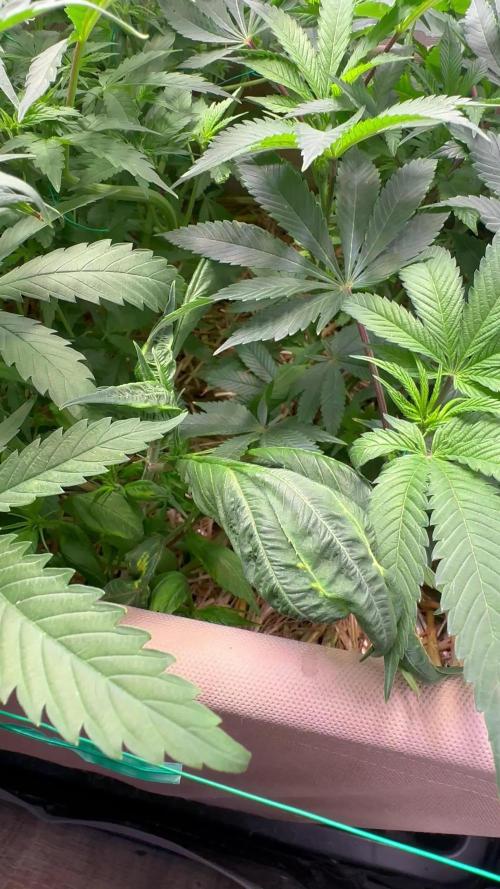
🌾Training - The girls are recovering from last week's Pruning and Defoliation,
⚱️2-Gallon 📊6.2 PH
💧 Feeding - Using Horti Bloom and Horti Cal 12-0-0
🌞Medic Grow Smart 8 760 Watts
🕷️ IPM - CannControl from Mammoth and Mosquito Bits as needed
🔹⊱╮🔹╰⊰🔹 PLANT UPDATES 🔹╰⊰´🔹⊱╮🔹
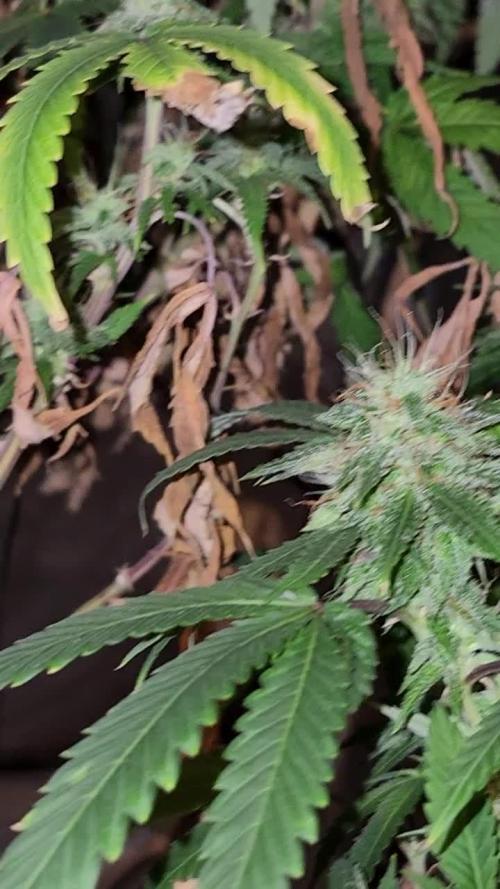
📝 Notes - On 🗓️05.11.24, This week, we are on Auto-Pilot and just Fertigating as needed; the ladies are stacking up nicely, and the leaves have grown back. I am not sure if it is the genetics or the new nutrients; I would like to see less and will evaluate if more defoliation will be needed.
📝Fertigation injects fertilizers into an irrigation system to supply dissolved nutrients to crops.
🗓️05.11.24 Just feeding daily, sometimes twice; today, fed with Hort-Bloom @ 2.7 GRMS Per Gal and Horti-Cal @ 2.5 GRMS Per Gal.
🗓️05.12.24 Just feeding daily, sometimes twice; today, fed with Hort-Bloom @ 2.7 GRMS Per Gal and Horti-Cal @ 2.5 GRMS Per Gal.
🗓️05.13.24 Just feeding daily, sometimes twice; today, fed with Hort-Bloom @ 2.7 GRMS Per Gal and Horti-Cal @ 2.5 GRMS Per Gal.
🗓️05.14.24 Just feeding daily, sometimes twice; today, fed with Hort-Bloom @ 2.7 GRMS Per Gal and Horti-Cal @ 2.5 GRMS Per Gal.
🗓️05.15.24 Just feeding daily, sometimes twice; today, fed with Hort-Bloom @ 2.7 GRMS Per Gal and Horti-Cal @ 2.5 GRMS Per Gal.
🗓️05.16.24 Just feeding daily, sometimes twice; today, fed with Hort-Bloom @ 2.7 GRMS Per Gal and Horti-Cal @ 2.5 GRMS Per Gal.
🗓️05.17.24
╰⊰🔹╰⊰´🔹⊱╮🔹╰⊰🔹╰⊰🔹STRAIN INFORMATION🔹⊱╮🔹╰⊰🔹╰⊰🔹╰⊰🔹⊱╮
Introducing our latest powerhouse, Sherbet Moonrocks, one of our strongest weed strains to date, setting a new bar for potency and effect. A combination of US genetics, Sherbet Cake, and Purple Moonbow create this potent sedative with THC levels above 30% that will take you to celestial bliss.
An exquisite terpene profile offers a tempting treat of sensational fruity tastes, flavors, and aromas that will seduce your mind and body and take you to a serene place of pure tranquility. Ocimene, Caryophyllene, and Limonene are the predominant terpenes; they produce an incredible array of sugary berry fruit flavors with floral hints and spicy undertones.
Growing these feminized seeds is effortless and straightforward regardless of your growing skills, and at harvest time, you will be generously rewarded. Plants will mature to a manageable height with a flowering period of 65 - 70 days and will develop thick, dense buds glossed in thick layers of THC resin crystals packed with indica power that will lure into a deep relaxation. Expect an indoor yield of 600 - 700 gr m2 and outdoor production of over 1 kilo per plant.
Translate



Likes
15
Share


@SouthernOnions
Follow
Chopped all plants down on October 18th. Will report back soon with final harvest pics and dry weight for each plant. I have multiple grows coming down around the same time and I'm still backed up with the outdoor harvest but will update with final numbers asap!

Likes
12
Share


@bonemealheavenly
Follow
things have been going a little different from planned since these are now photos and not autos
i think i have my tent dialed in to keep the door shut and the temps and rh stabable ish so ive switch the lights to 12/12
i top dressed with 5 tbs of 2-8-4 power bloom with gaia greens and 2 tbs worm casting but instead of just power it directly on the top the plant soil i pre mixed it in a bowl with a couple hand fulls of the gaia green living soil so it mixes in better with the least amount of root disturbance
i also set up a scrog net to see how that goes
i did contact Canuk seeds via instagram and shared my diary link and they have been more then helpful i cant be happpier with there conustmer service, i found that reaching out through instagram is the fastest way to get ahold of them

Likes
3
Share

@Ninjabuds
Follow
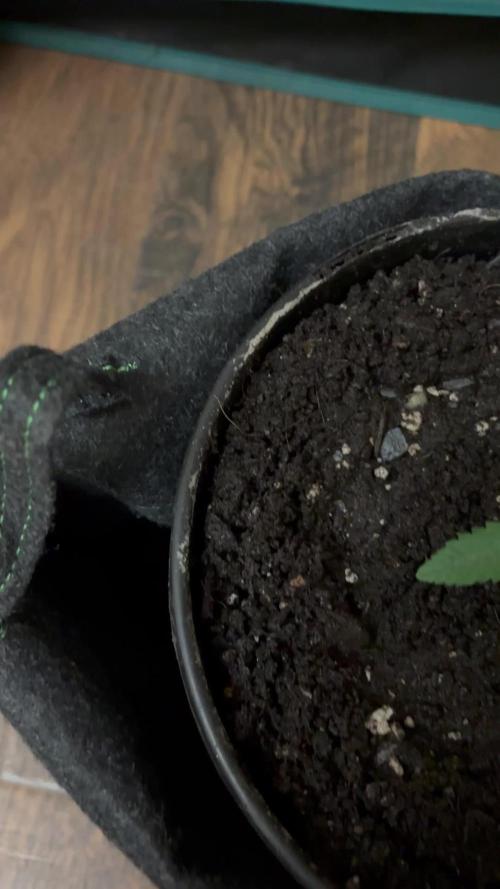
Trasplant day! Nothing special going on. Im excited to see how these turn out. Not to much visul difference between the LCR and the Papa at this point.

Likes
12
Share


@Vegetoo420
Follow
I have only water to this girl for few days and she loved it ! Little bit amino xtrem Metrop and she explode !
Likes
12
Share


@DrGreenbutterThumb
Follow
I'm happy with the wet weight given it was 2 plants 11 inches in height when I started, the smells the colors the yield this was an easy and beautiful process
Processing
Likes
9
Share


@Mr_nugs_lover_David
Follow
She looks very good,she ended up being very small very different to her sister lemon pie #2 plus my freaking dog took her off some leafs 😑🙄
She smell like gods vagina, such a very sweet and powerful lemony aroma,just so you can imagine,smell like moby dick but much more sweet. She's producing a hole lot of resin, unfortunately she's not going to be very productive due to his very small size, wish I could grow her again man 😔😣 I'm in love with this genetic


Likes
6
Share

@Chucky324
Follow
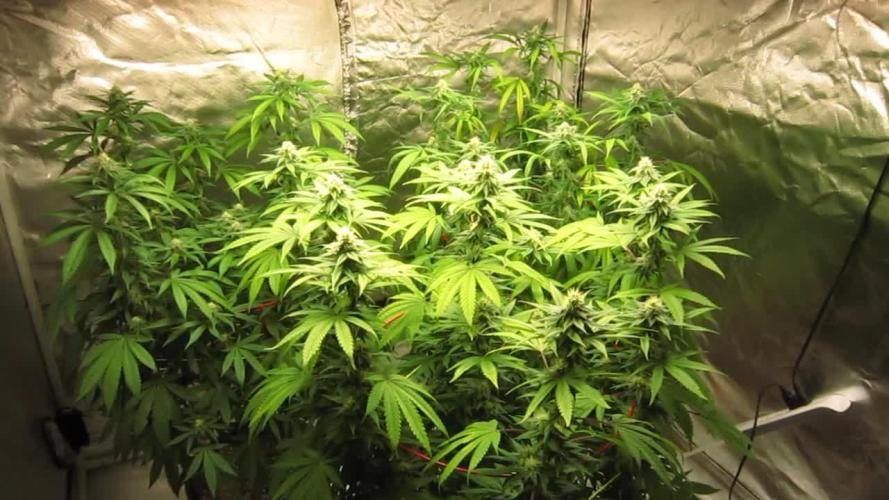
Hello. This is the end of week 4 and the beginning of week 5 of flowering.
Things are doing good in here. Got the resin growing now.
The buds should be growing bigger as the plant matures.
The plants have a musk smell, like the old Skunk #1 had.
Got the thermal camera out to show some of the heat we can't see.
OK. Have Fun.
Chuck.
Likes
15
Share

@GREENPHOENIX6262
Follow
04/01 (M) As stated in previous update from last week (SEE week 25 update 04/01 (M) ) - Since has been fed accordingly and rebounding accordingly.
04/01 (C) Same as above for the babies (SEE week 25 update 04/01 (M) ) - They are rebounding accordingly as well - Never get to comfortable and execution are key -
04/08 - (M) - The Mom has bounced back nicely - The nutrient feed had to be increased to supplement for when the feeder malfunctioned - Her dead leaves will be pruned this week to prep for budding.
04/08 - (C) - The babies bounced back nicely as well from the EC/PPM/PH burn - Most of their has come back and numbers are optimal thus far.
04/11 - (M) - She bounced back tremendously - Ran her through a part defoliation (Round 1) - She has begun budding - She looks a little underweight but that is from clone stripping.
04/11 - (C) - The babies bounded back as well from the PPM/EC burn - Lost a healthy amount of the green during burn but it has since began coming back.

Likes
49
Share


@masterofsmeagol
Follow
6/1 I'm anxious to get my plants in their final homes. Another 90 degree day today and then it will be cooling off with some showers. I plan to take advantage and utilize that to make the transition. I have some small burns on a couple plants bit considering the weather we've had its nothing. Temperature swings 50 degrees. I hope these girls do OK outside. I was tired and stoned last night and I accidently topped a plant I had already FIMed. Oh well. Transplants soon. Supports screwed in after the heat. Plants have been handling this weather like a champ. Big thick healthy stalks.
UPDATE PUT THE PLANTS IN AROUND 730. Cutting down on light hours I'm poverty close to where we are. It was 95 today. Plants have suprisingly little burning. My fan was taken so they go without that tonight too. In the next few days it's going to cool down and that's when I'll transplant. Only thing left before transplant is sanitizing trellis and supports. Easy peezy. Especially if it's supposed to be in the 50s. And people dent climate change lol. I'm hoping that all this adversity makes my flower a higher quality. I'm glad to have the quantity to pick the best phenos for the BIG POTS. Im trying to stay excited but it's just so dumb hot. Oh well. If the plants can do it so can I. I'm planning to give them some kelp me kelp you next watering and may start some light organic nutes.
6/2 Phone doesn't like uploading my videos. Broke record high temp yesterday 95 and tomorrow we will break the record low 50. Plants withstood the heat well and are doing great. Transplant soon. They were a little light but I held off on the water. Plan on it tomorrow. May transplant tomorrow. I have several videos that haven't uploaded. I thought they did but I was wrong. Oh well.
UPDATE: Forgot to water. Some were light and others could've held off. Did the half a powerade bottle ahain. A litt ke less on the heavier ones. However I'm looking to transplant into final homes tonight and into this weekend. I sanitized a fifty and a forty so my bags and two pots are sanitized. Cage is sanitized and ready and pallets are sanktized and in place. The 40 and 60 fit PERFECT in the small space left from the pallets. Plus the plants always lean the opposite direction so things should go smooth. Only thingvleft is sanitizing stakes, bamboo, plastic garden stakes and all the other plastic training stuff. I'll just soak it while I transplant. Gotta mix the soil first too though.
UPDATE. Heat went higher than expected and hit 90. I figured I'd go back around three and screw in suppirt stakes and begin getting everything ready for transplant (i.e. supports, mix soil, sanitize trellis) before I transplanted tomorrow MORNING was what I had planned. Unfortunately we got a huge thunderstorm with a shot ton of rain and it's gonna continue throughout the night. I think this is God's way of telling me to take a break. I can get up early and get those support stakes screwed in. Then when I get back from the wife's doctor's I can do the transplants. I'm trying to break the labor up into manageable chunks. Looking at my other diaries I can see that my plantscare fine in their three gallon homes. It'd a little disheartening seeing such big clones that I started so much earlier on the other diaries. However I always was fighting SOMETHING (usually more than one thing) and last year was a shit show. At least this year I stay away from anyone else's cannabis any clones and I'm extremely cautious. I've seen my cousin out perform me multiple times with healthy plants like this I'm excited to see how it goes. I really needed the break anyway but tomorrow morning the stakes will be in. Hopefully they'll be outside.
6/3 Broke the record for low days after breaking record for highs. I saw it 94 yesterday and the day before. On the way to my grow at 6am it was 44 degrees and it's not warming up much. Fifties at best. Rainy. I left the door closed. The big door on the otherside got opened as the other end of the garage neededcto he used. If the rain let's up I'm going to set up the grade stakes so I can transplant in the morning and throughout the day. I think I'm going to light dep a couple of them and leave them in the 3's. We'll see.
UPDATE: At 12:30 the temp today was 44. Yesterday it was 94. I can't believe this. Plants are doing great though and are in the garage under lights for the day. The BIG door was open part of the day. Didn't take any pictures (or even enter the grow area) as I sanitized the last 40 gallon pot and a bunch of grade stakes. I drilled the grade stakes to the pallets in the front. The first row is done. Just need to sanitize the plastic trellis itself and finish attaching the other grade stakes. I don't need the fill trellis up by transplant. I just need the bags to not knock over and have SOME support. I'll be back over there either to tonight to put more supports in or tomorrow when I actually plan to start transplanting. I'm getting excited. After dealing witb the stiff that I sanitized I didn't dare go fuck with my plants so I looked through the window. I'll finish sanitizing the net tomorrow. These plants look great. I'm wondering if doing the two diagonal I poles with zipties actually works. It would save me some kone for sure. I'll definitely update in the morning.
6/4 It's warmed up to a balmy 44 degrees. My plantsxare in the garage still. Weather sucks this whole week but after this heavy rain it should be perfect weather to transplant these girls. A little to chilly but it will warm up and I need to get this shit done. I'm trying to do to much at once. I need to just out dirt in bags and get them outside. I'm glad I waited until after this craziness. Breaking temp records for high one day then breaking it for low the next can't be good for the plants. I'll update what gets done today. I may mix soil or I might wait until tomorrow. It will let up some then. Plants still look fabulous 👌
6/5 50 degrees still raining like hell. Rain until Friday. Plants are inside under the onecworking light. Lots of indirect light through the massive windows though. I'm planning on mixing soil today and tomorrow and getting bags and pots half filled. Just trying to break the labor up into manageable pieces. It's probably a good thing I didn't put them in their huge containers before all this rain.
UPDATE: MIXED SOIL 1/3 of each (FOX FARM OCEAN FOREST, HAPPY FROG, AND ROOTS ORGANIC 707). I prepared I believe 11 containers for transplant. I need to sanitize two more containers and I'm good. I got a lot done. Might go back over. Set up extra cams too. I'm excited. Talked to my commercial buddy amd he motivated me. No reason my plants can't handle this shit. I've just had massive personal shit going on. Friday is the next GOOD day but these girls might go out earlier. I'm checking the forecast. I'll sanitize the other containers in the morning and fill them.
6/5 Today is usually my watering day but shit still seems heavy so I'm going to hold off. Despite that i need to transplant. I think they're wet enough. I could do it today. Plants are looking good and weather takes a better turn Friday. It's not raining hard though. It's just sprinkle right now. I may transplant some today depending on how things go. I'll keep the diary updated.
UPDATE: I went back over with the intent to just mix soil and let it acclimate. I decided to try to transplant one. I grabbed a 10th planet and started to go. I had done a bunch of manual labor already so i wasn't thinking. Of course the fucker was dry and didn't wanna come out ofcthe pot and the root ball pretty much decintigrated in my hand so I'm not sure how that will go. Tried again with the Blueberry Cheese Cake. I thought the roots just might not have been rootbound abdcthat could've been the case. After having another rough transplant I recognized I was tired, all the hard stuff is done and it's gonna keep raining until Friday. I wanted to transplant three and put them outside but with the wind and rain and the difficult transplant I let them sit under the light in the garage in indirect light. I had the doors open for a while. Should be open now but i don't want to have to go back over and shut it. Plus I'm not to keen on getting water on my light. Let's hope for a better day tomorrow. This was the only thing I had going good. Phrple punches are still behind. I've decided I'm oing to light dep ttwo of the plants in the 3 gallon pots. The two shittiest or smallest plants (probably purple punch will be light deped.
WENT BACK OVER AT FIVE AND IT APPEARS EVERYTHING IS ALRIGHT. WILL HAVE CHECK IN MORNING. Vid won't upload. Tried multiple times. I'll try again tomm.
6/6 Waiting for a doctor's appointment when I should be transplanting buy whatever. Everything is looking really good. Despite me disint9grating the rootball in my hands the two transplants look great! When I get back I'm planning to get some more work done. It's still lightly raining off and on but the door is up. I'm lettingvthe soil mix acclimate a little bit too. Hard labor is mostly done. Now the intricate part. Wish me luck. Not sure if it will be today bit I'm hoping.
WENT BACK OVER CAUSE IT WASNT RAINING BUT AS SOON AS I WAS CLOSE IT STARTED POURING SO THE PLANTS ARE UNDER THE ONE WORKING 150HPS AND THE AMBIENT LIGHTING FROM THE WINDOWS. TOMORROW IS TRANSPLANT DAY. I WONT HAVE A VEHICKE SO IT WILL BE TRICKY BUT IM GONNA MAKE IT HAPPEN. Opened doors at 530. Video still didn't upload
6/7 Still raining. It's off and on and a nice rain though. It's 53 degrees at noon. I transplanted two 10th planet's into 20 gallon pots. I transplanted these two a little differently. I put the bags in there final spot I side my cage andctransplanted in the misting rain. The first one came out and seemed to be heavier on the bottom and broke off. I tend to "throw" them in the hole before they collapse. With my anxiety I suck at transplanting. Plus these plants haven't filled the 3 gallon pots with roots yet but i want hem in their final homes and its time to go outside. I transplanted the other two plants indoors and let them have days in the garage with the door open and the light on then protection from the elements at night. I've been doing this for awhile. They would all be outside if the weather wasn't so shitty. This rain is supposed to stop. I'm curious as to what will be the fate of the two plantsci transplanted and left outside. I'm praying and hoping for the best. I also put my back tarp up so I have a wind break between rhe buildings. I stopped working because I didn't want to fuck anything up. Anxiety disorders suck. TOOK A BUNCH OF VIDS BUT THEY WONT UPLOAD. GOES FROM 9% TO 65% BUT ALWA7S TURNS RED "FILE FAILED TO LOAD". I'LL KEEP THE DIARY UPDATED. ESPECIALLY IF I GO BACK OVER. WAS ABLE TO LOAD A COUPLE VIDEOS. I GUESS ITS NOT AS BAD AS I THOUGHT. AT LEAST I HOPE. WENT BACK OVER AT 3 AND CHECKED THINGS OUT. THE TWO REXENT TRANSPLANTS I LEFT OUTSIDE SEEMED TO BE IMPROVING. DESPITE THE FACT I DUMPED A SHIT TON OF SOIL ALL OVER ONE OF THEM. IT SNAPPED A LITTLE BRANCH CLOSEST TO THE SURFACE. ITS STUFF I'LL REMOVE ANYWAY BUT STILL. IM REALLY CROSSING MY FINGWRS AND PRAYING THESE GIROS WILL MAKE IT. With everything i have going on tjis is my respite.IM GOING TO TRY TO SEE WHAT I CAN ACCOmplish TOMORROW. SOME OF THE PURPLE PUNCHES ARENT READY FOR TRANSPLANTING THOUGH. I ALSO ADDED TEO TARPS TO THE CAGECTO COVER THE WIND TOWER BETWEEN THE TWO BUILDINGS. THIS IS GOING TO BE A GOOD YEAR! Shut the door at seven. For some reason the two 10th planet's I transplanted (that fell all over the plant and I thought mightve broke it) look awesome lol. Despite the ridiculous pouring rain. It's going to let up soon and we are do fir some good weather. I'm trying to get everything (that isn't getting light depoed) into the cage. Four transplanted. Ten (I mean 8 more) to go.

Likes
16
Share


@StickyFingah420
Follow
Día de cosecha y la verdad estoy muy contento con lo que veo, son hermosas estas flores y su fragancia exquisita.
La planta tuvo una deficiencia de Cal/Mag, la que se corrigió a tiempo pero de igual manera afectó en su crecimiento y rendimiento, más allá de eso estoy feliz por las flores de calidad que tendré para degustar más adelante.
Likes
4
Share


@Tragic
Follow
First week in flower ended with some training yesterday and a feeding.
I've been focusing on more regular feedings at smaller amounts and she has responded well.
Her stalk is getting massive and she's recovered from a slight N deficiency 1 week prior to going into flower.
---------------
Week 2 was just feeding and regularly rotating the plant. Doubled in size over the week and about 2 weeks shy of next defoliation.
She is starting to become more fragrant and she's drinking up water pretty quick I water about .5gal every day at the moment feeding smaller amounts but more frequently.
----------
Week 3 was a regular feeding schedule and some defoliation.
Likes
7
Share


@Jblsze1357
Follow
Trying to figure out why the zit is lagging behind. I may have pissed her off by doing to much deflowering.
Also working to figure out feeding and water schedule.
Been using cap sized pour into gallon so need to figure out what that translates per gallon
- 1 cap cal mag
- 2 cap tiger bloom
- 2 cap big bloom
Also used
- 4 tablespoons of ph down acidifier in zit
- 2 tablespoons in other two

Likes
6
Share


Likes
19
Share


@Comfrey
Follow
Day 64
🌤️🌥️☁️☁️ 11-19 degrees and the humidity is around 65%. I started into the tenth week with an intense check of the main buds. Some of the trichomes are milky but the most are still clear. Maybe I‘m wrong. Some days ago I could spot some amber trichomes but the flowers expanded and it‘s not possible to find anymore amber ones. Watered 500ml pure rainwater.
Day 65
🌤️☁️🌥️☁️ Today Tropicana needs a rest. She just want to sit and do nothing except waiting for sunshine warming her heart. In the evening she asked for water, potting soil lost enough weight. 600ml with 60ml light fermented flower and herb tee. ~100 ml drainage with PH 6,2. In the main flower it was possible to find a small amount of amber trichomes.
Day 66
🌤️⛅️🌤️🌤️ 10-21 degrees, humidity 45-65%. This morning I understood, that Tropicana was not thirsty yesterday, she need to breath oxygen with her roots to feel happy. The beautiful smell is way not so intense since last night. I missed the strong smell when I opened the door to our balcony in the early morning. So no watering yesterday would be better. And my banana peel tee is not free of nitrogen, same with the herb and flower tee. Less is more will be written in my diary in the next days (weeks). Watching Trichome TV: I see more amber and I see that she needs more time after all this stress which I made for her. She told me that she is not only sick of water, she told me, that she hate to be moved all the time, too. Every move from A to B she would loose tiny roots and this would stress her a lot. When I checked the moisture I spotted too many of this root fly castings. Their mamas and papas had their orgie about a week ago and now they are eating the mulch layer roots as if there will be no morning. This is not Tropicanas day. But the sun is shining and tomorrow will be another day. Hopefully with a nose full of this tasty fruity and woody citrus smell.
Day 67
🌧️☁️☁️☁️ 13-19 degrees, humidity 42-80%. This morning the smell was more intensive like yesterday but still not like before. The leafs show the first signs of fading and I‘m very nervous. This night will fall a lot of rain for several hours. But a part of our balcony is canopied, so Tropicana will be a little bit protected by me this night. I don‘t want to make another mistake, so I use this possibility. Anyway the plants are always wet after a strong rain, it‘s just a little canopy, but not soaked with water.
Day 68
🌧️☁️⛅️🌤️ 15-21 degrees and the humidity is 74-85%. Tropicana feels better. The smell this morning was much more intensive then the days before.
Day 69
⛅️🌤️🌥️☁️ 15-22 degrees, humidity 46-89%. Tropicanas flowers are swelling and while she is maturing her smell is getting more intense and complex. Right now mandarin and an earthy woody smell, sometimes even a bit sour like a mixture of pineapple and lime juice. It‘s possible to find new colors in the flowers. There’s purple and pink, orange and ocher brown appeared. Tropicanas main flower looks like the harvest time is near, but the trichomes are still clear and just started to get milky. Anyway she is incredible fast, especially if to remember the extrem conditions with minimal temperature around ten degrees in the early mornings.
Day 70
🌧️☁️☁️🌧️ 17-23 degrees, humidity 63-94%. In the next days we will have humid thunderstorm weather. There is even a warning for huge hailstones for tomorrow. So there is a risk of damage and mold because of high humidity. I will have an eye on this. Tropicana looks healthy, so I‘m not worrying too much anymore.
Likes
27
Share


@adam_pawloski87
Follow
Today is Day 50 !! We have started flower an they are just looking amazing! We have switched up the nutrients for flower, instead of 1 tsp bloom and 3 tsp of veg , we just swap 3 tsp of bloom and 1 tsp of veg !! Can’t wait to see what these laddies do this week!!