


Likes
Comments
Share


Processing
Likes
4
Share


Processing
Likes
23
Share


@TOTEM
Follow
Big leaves, no toppings, LST, or any other training. Just removed some lower branches. She’s just started flowering, but the growth rate of the flowers is high!


Likes
8
Share


@B4niTa
Follow
Sorry but something bad happened in my life and I couldn't share the photos before


Likes
1
Share

@TTerpz
Follow
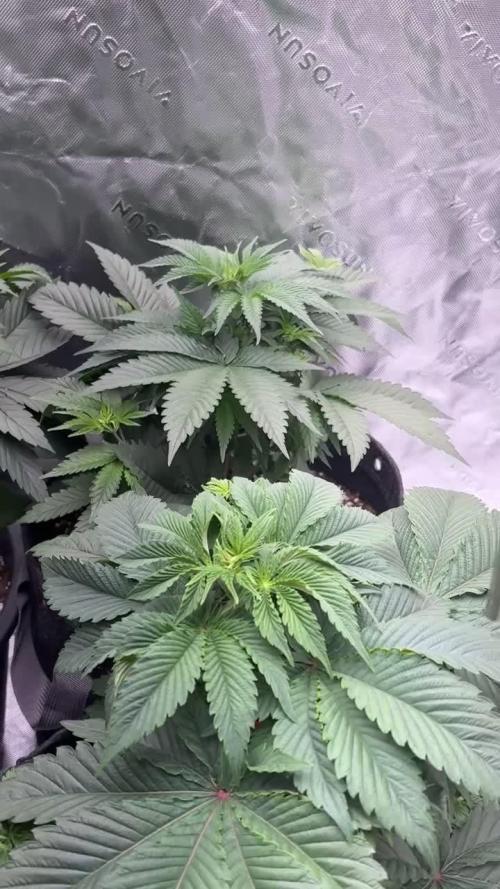
Start of week 4
Fed w nutrients 7/11/25
Watered 7/13
Fed with nutrients 7/16
Likes
15
Share


@TAXFR33
Follow
This grow is on it’s last lap 🏁
These are by far the most beautiful buds i have grown and would definitely recommend fast buds genetics to anyone. Can’t wait to try these now.
Last week i said i was starting the flush but decided to push it back to this week so they only have 1-2 weeks left
Will be checking the trichomes daily
Let me know what you guys think so far👌🏾🤞🏾
Likes
2
Share

@IceGenetics
Follow
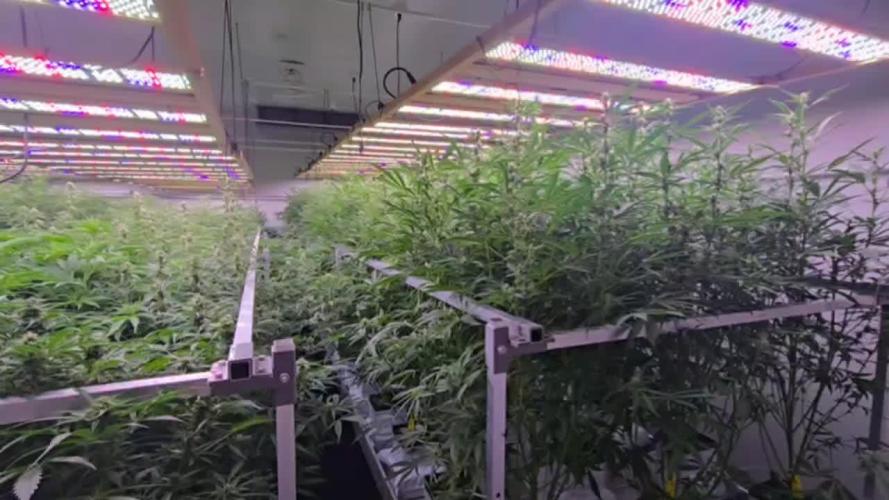
Today, on day 57, the plants have gained height and transitioned to the active flowering phase, with their height now around 100–130 cm.
Nutrient concentration is 850 ppm, room temperature daytime up to 26°C, nighttime up to 22°C, CO2 concentration up to about 850 ppm, and humidity at 50%. The light schedule is 18 hours of light and 6 hours of darkness. PPFD — 700.
Nothing was changed in the parameters. The plants continue to gain mass.
They've grown even more. Growth is good, height already exceeds 125 cm.
Visually, there are no deficiencies or burns; the bushes are developing very vigorously and absorbing their 850 ppm well without salt buildup.
We did defoliation, removed a decent amount of leaves, probably 20 kg wet. We'll send them for extraction. The plants have spread out a lot in width, branches are already closing the passages between tables, jungle 😁.
Big rastafari to everyone, Raizap brothers! 😝


Likes
52
Share


@WhiteEdge
Follow
26.03.2024
Continue into week 4
Update firmware on TrolMaster Tent-X (3.6)
Replace all filters, remove and clean drain buckets and tubing.
Mix new batch with 56ml AN connoisseur AB + 4.5g Big Bud Powder + 7.5ml Silica - total 30l @ 1.34EC. NPK Ratio is 1-2-3 , Cal/Mg ratio is 4-1.5
Target EC for this week is 1.2 start and end week with 1.3. Checking plants will determine timing of strength
Donne one pass off long misting (3min) with diluted solution @ 0.84@C
Finally have time for managing canopy, pull down taller branches and position all tops to fit under screen without touching. Try to spread them evenly across the net, top per square of net
Defoliating all girls, remove all fan leaves and prune lots of smaller branches from middle. Lot of foliage is removed!
After stripping humidity drop significantly (41%) , need to install humidifier again to keep RH @ 50-52%
Set dehumidifier thermostat to work @ 50% RH. Reduced light intensity for this day, let girls recover from stress
PAR map 850max/650min PPFD, VPD -1.2-1.3, DRH 50-54%, NRH 45-49%, NT-20-21c, DT-24/25.5c, Leaf temperature 22-23c, Light distance 45-55cm, CO2 700+ppm
HLG Scorpion Diablo @ 65-75% - 45-55cm distance
60s ON time 20min OFF time @ Day Time
60s Off time 30min OFF time @ Night Time
NT-Nutrient Tank - PH -5.90-, EC -1.32, Temp-20-21
27-28.03.2024
All girl looking great after defoliation,)
Clean benches and floor in box
Replace all filters
Set dehumidifier thermostat to work @ 47% during night times, 50% @ day. Humidifier is also connected and set @ 49% Day and 45% @ night, if needed
Inkbird humidity controller stop executing's automation for day/night settings. Start manually to change day/night values for now
Next several days, until weekend, temperatures outside will be high , 29c max. Hope it will not raise temperature in box to much.
Light is set on TrolMaster TCS-1 controller to dimmed at 28c
AC Infinity fans are set to AUTO mode with height temp set at 26c and high RH set at 54%
Top up tank with 25ml AN connoisseur AB + 4.5g Big Bud Powder + 7.5ml Silica - total 75l @ 1.34EC
PAR map 980max/650min PPFD, VPD -1.2-1.3, DRH 50-52%, NRH 45-48%, NT-21-22c, DT-24/25.5c, Leaf temperature 22-23c, Light distance 45-55cm, CO2 700+ppm
HLG Scorpion Diablo @ 80% - 45-55cm distance
60s ON time 20min OFF time @ Day Time
60s Off time 30min OFF time @ Night Time
NT-Nutrient Tank - PH -5.90-, EC -1.32, Temp-21-22
29-30.03.2024
Refilled the tanks with 20l of fresh mixture. 25ml AN connoisseur A+B + 3g Big Bud Powder + 7.5ml Silica - total 20l @ 1.21EC
Refilling is done in two passes, one time before light up, and second time early in morning, two houres before night time.
This give additional nutrient cooling without running water chillier. Refill soulution is @ 18c
Checking EC and PH 2-3 times a day. The electroconductivity values are around 1.24EC.
I maintain the strength until it drops or rises. For now, I’ve caught the perfect strength, the liquid is almost static with very small oscillations in electroconductivity and PH.
Replaced all filters in the system, replaced on washing… Every other day is enough, during daily cleaning there is no dirt on the filters.
The girls are handling the environment well, leaves are raised as they should be, they seem like very happy plants.
Formation and enlargement of flowers can be noticed with the naked eye.
The wave of warm weather continues all this week. Expected temperatures for the next seven days range from 25-29c. Need to pay attention to that
Raise light 10cm, top of canopy now is around 50-55cm
PAR map 980max/650min PPFD, VPD -1.2-1.3, DRH 50-52%, NRH 45-48%, NT-21-22c, DT-24/25.5c, Leaf temperature 22-23c, Light distance 45-55cm, CO2 700+ppm
HLG Scorpion Diablo @ 80% - 50-55cm distance
60s ON time 20min OFF time @ Day Time
60s Off time 30min OFF time @ Night Time
NT-Nutrient Tank - PH -5.95-, EC -1.24, Temp-21-22
31.03.2024
Girls totally recovered from defoliation. Almost all gig leaves grow again on all girls.
Tropicana Cookies is joy to grow , its pleasure to watch this girls haw fast and beautiful it is!
Tropical condition continue. Temperatures going from 26-29c, night temperatures still colder and stay around 16c
Outside temperatures affected water temp in nutrient tank, will se if i need for a water chiller or i will cool with adding cooler nutrient solution.
Lower wattage on light , set Diablo @ 75%
Replaced all filters in the system, replaced on washing…
Refilled the tanks with 15l of fresh mixture. 25ml AN connoisseur A+B + 3g Big Bud Powder + 7.5ml Silica - total 15l @ 1.21EC
PAR map 1180max/680min PPFD, VPD -1.2-1.3, DRH 48-52%, NRH 42-48%, NT-22c, DT-25/25.5c, Leaf temperature 22-23c, Light distance 50-55cm, CO2 700+ppm
HLG Scorpion Diablo @ 80% - 50-55cm distance
60s ON time 20min OFF time @ Day Time
60s Off time 30min OFF time @ Night Time
NT-Nutrient Tank - PH -5.95-, EC -1.21, Temp-22-24
01 04.2024
Outdoor Climate: It’s hotter outside. I’ve set the Diablo at 73% to maintain temperatures in the box within the 25-26°C range.
Humidity: After defoliation, the humidity is low, which is great! The dehumidifier hardly worked this week.
Misting Routine: I start the day with a 3-minute misting session; this will be the routine for now.
Nutrient Solution Temperature: I’m keeping the nutrient solution temperature between 20-23°C. I refill the tank twice a day to cool down the solution.
Light Parameters:
PAR Map: Maximum PPFD is 1080, minimum PPFD is 650.
VPD: Ranges from -1.2 to -1.3.
Daytime Temperature (DT): 25-26°C.
Nighttime Temperature (NT): 22°C.
Leaf Temperature: 22-23°C.
Light Distance: 50-55 cm from the plants.
CO2 Levels: 700+ ppm.
HLG Scorpion Diablo: Set at 73%, positioned at a 50-55 cm distance.
Lighting Schedule:
Daytime: ON for 60 seconds, followed by 20 minutes OFF.
Nighttime: OFF for 60 seconds, followed by 30 minutes OFF.
Nutrient Tank (NT):
pH: Maintained between 5.9 and 6.1.
EC: 1.18.
Temperature: 20-23°C.
Week 4 off Flowering in Summary
120 litter off RO water,
210ml+210ml AN connoisseur A+B, 18g Big Bud Powder, 45ml Growth Technology Liquid Silica
70kW electricity in total for light, Pumps and AC Infinity Fans. 63kW for Light + 2kW Dehumidification + AC Infinity ventilation
Week start @ 1.31EC, nutrient strength., keep strength @ 1.24 till the end of the week
Girls look superb all time, Wedding Cheesecake have two pheno, really like buds on one girl
Tropicana Cookies fill bud sites this week a lot, Purple Lemonade is going to be tallest from all three stains. Nice bud formation also.
PH was stabile and move from 5.90 min to 6.2 max.
Light distance for this week - 50-55cm from tallest top , PPFD levels around 1100 in center, trough whole week. Lowest reading 680 @ corner
Temperature are from 23c at start off day to 26c max at some points. AC Infinity T6 extracting fan program in AUTO to kick in @ 26c
Night temps around 21-23c, dehumidifier work less this week. Outside humidity is low this week
Water temperatures in middle off week start to rise, refilling solution is cooled to bring temp back from 23-24 to 20c
Defoliate girls on first day off this week, pruning off smaller branches, lots off foliage is removed
After defoliation humidity drop immediately in box. Need to bring back humidifier for couple of days. RH was low trough whole week
Day RH is moved from 45% to 50% max, at night times drop to 40-45%
Next week outside temperatures continue above average for this time of the year.
Continue in next week, starting probably with one more light defoliation, bigger fan leaves only
Likes
6
Share

@MindFlowers68
Follow
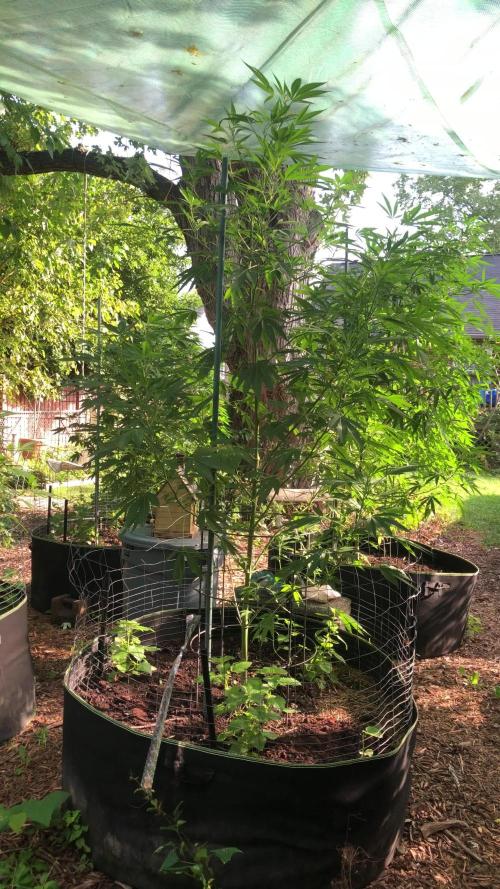
The honeydew fallout from the spotted lanternflys in the maple tree above have gotten out of hand. It's almost a constant mist. The only thing I could think to do beside moving them like an ancient Egyptian was adding a protective canopy of some sort. I wanted to get the clear poly weave but this green one was half price so went with it instead. With the way I have it oriented, it doesn't really block out that much direct sun too. In the morning and afternoon the angle of the sun is able to shine right on the plants. It's kind of a win win because should decrease my chances of mold later down the road towards harvest time if it does decide to rain a bunch. I tried washing the plants once this week with some light soap and water with a little baking soda mixed in. I rinsed with cone setting with hose right after and the plants were praying next day but i didn't have canopy up yet so they got hit again. I spotted several pale green assassin bugs on my plants so now Im a little nervous about washing the plants again because I want to keep them around. They are nymphs right now I may try to collect the ones i see become cleaning the plants one last time.
Hanging that canopy was one of the more frustrating things I've done in a while. I wasn't sure If or how it would work but I has some medium gauge synthetic rope I tied to the eyelets and eventual 4 tree limbs. I had to bounce back and forth to get it tension climbing my fruit trees and 8 foot ladder. I originally disassembled an unused tomato trellis i built to use some of the lumber to build a post to tie off on in one corner but it ended up being at the wrong angle relative to the tarp and I started to get worried if a storm ripped it out of the ground. So I opted to used only the surrounding trees. After getting it all tension I realized that it was to far to one side leaving two of the plants almost exposed, so I had to come back the next day and re adjust but now I have it in a pretty good spot. I survived a decent storm already this week. Just hope it lasts. Overall making outside feel slightly leas stressful and anticipating more of a good harvest rather than just an experiment with my first outdoor grown.


Likes
22
Share

@Dottgreenthumb
Follow
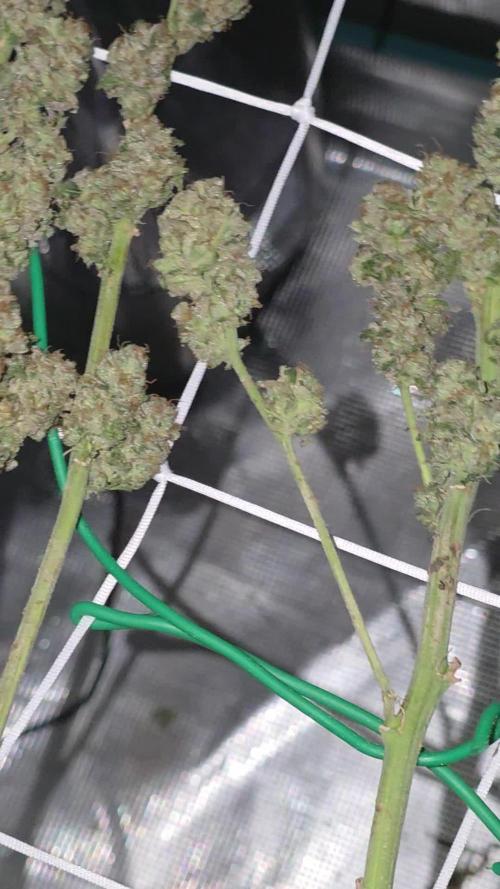
Pronti per la concia malgrado pe alte temperature ho cercato di tenere la box piu fresca possibile ma a 5 giorni gia abbastanza secca l ho messa in barattolo
Umidità interne al barattolo è salita al 70 % molto positivo pensavo fosse decisamente secca ma ancora contiene una leggera Umidità lascio aperto un oretta al giorno

Likes
25
Share


@JeyGanesha
Follow
Questa watermelon della korngarden seed continua a crescere perfettamente 👍💪Buona genetica...
Me gusta mucho come viene su....
Per ora non posso che fare i complimenti a korngarden seeds,..
Per come cresce,molto resistente facile da fare anche per principianti...poi vi dirò com'è a livello di potenza,terpeni,ecc.....
Likes
13
Share


@ChitownCannaChica
Follow
Been hard to keep the water levels correct and having to up the feeding! Have a little dose of dynomyco and greenhouse too dress. Excited to see she is a purple pheno.
✌️💚🌿💨
Likes
13
Share


@Bogdan44
Follow
Had some slow flower growth due to under fertilizing and overall not building my soil well enough for such monster plants. Learned alot from my second grow so far! After fixing Feeding problems they are fattening really fast! Think i have around 3-4 weeks left at least. Hope they make it.


