


Processing
Likes
Comments
Share



Likes
2
Share


@MR_S_theGardener
Follow
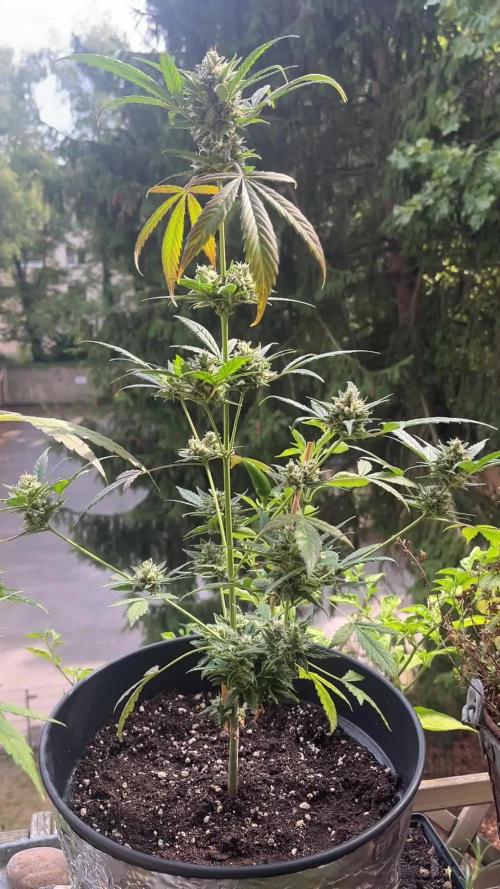
#1 hatte 1 Woche länger gestrecht und wird auch generell 1 Woche länger brauchen als #2. Schauen aber beide gut aus! Ich bin sehr zufrieden, wirklich ein toller Strain
#1 hat ein bisschen erdigere terps aber mit viel frischer Zitrone.. erinnert mich an die guava von Fastbuds
#2 hat sehr süße Zitronenterps welche schon fast den Aktivkohlefilter an seine Leistungsgrenze bringen


Processing
Likes
10
Share


@LockDownGrow
Follow
Been a tuff week as my ph pen failed so had signs of defiantly
But that’s now corrected so hope it didn’t set them all back too much

Likes
5
Share


@lalee
Follow
hello. this is the first plant I have used big bud and bud candy but I don't test the water and the plant was damaged with high PH so I had to buy a PH meter and TDS meter so wish me luck with other plants

Likes
7
Share


@Grow_Outside
Follow
Eine harte Woche für die Kleine Purple Lemonade Fast Flower von FastBuds🙈
Erst letzte Woche hatte ich ihr ein Haupttrieb fast abgebrochen 😞 Aber ruckzuck hatte sie sich davon erholt und der Trieb wuchs normal weiter (vielleicht mit ein paar Tagen Verzögerung)
Den GreenPower 5in1 zeigt sich ziemlich praktisch und vor allem die Pflanze sieht super gut aus, ein richtig schönes Grün ✅ keine Mangelerscheinungen bislang!
Ich hab ihr daraufhin alle Triebe die ich nach dem 🍭Lollypopping behalten habe einmal getoppt. Bislang zeigt sie sich super Widerstandskräftig💚
Ansonsten gab es noch ein paar Upgrades der Technik
💦Spider Farmer Selbstbewässerungssystem
☀️GC-Pure 80W Vollspektrum LED
Die GC-Pure benutze ich zuzüglich zu meiner Mars Hydro TSW2000, da die TSW mein Zelt nicht mehr ausreichend ausleuchtet 🙈
Aktuell habe ich ein PPFD von knapp 400
HappyGrowing
💚✅💚✅💚✅💚✅💚✅💚✅💚✅
A hard week for the Little Purple Lemonade Fast Flower by FastBuds🙈
Just last week I had almost broken off a main shoot 😞 But in no time she had recovered from it and the shoot continued to grow normally (maybe with a few days delay)
The GreenPower 5in1 is quite practical and above all the plant looks super good, a really beautiful green ✅ no deficiency symptoms so far!
I then topped her all the drives I kept after the 🍭Lollypopping. So far she is super resistant💚
Otherwise, there were still a few upgrades of the technology
💦Spider Farmer self-irrigation system
☀️GC-Pure 80W Full Spectrum LED
I use the GC-Pure in addition to my Mars Hydro TSW2000, because the TSW no longer illuminates my tent sufficiently 🙈
Currently I have a PPFD of almost 400
HappyGrowing
💚✅💚✅💚✅💚✅💚✅💚✅💚✅💚✅


Likes
17
Share


@420DeepGrow
Follow
Gracias al equipo de AnesiaSeeds, Marshydro, XpertNutrients y Trolmaster sin ellos esto no sería posible.
💐🍁 Sticky Boof:
Prepárate para dejarte llevar por Sticky Boof, nuestra última obra maestra que está poniendo el listón muy alto para los amantes de las índicas. Nacida del legendario cruce de Super Boof y Cadillac Rainbow, Sticky Boof es una potente planta con un asombroso 80% de dominancia Indica que promete una relajación sin igual.
Prepárate para un viaje épico con el asombroso 37,5% de THC de Sticky Boof.
Sumérgete en una cosecha abundante con Sticky Boof, que produce hasta la friolera de 500 g/m² en interior y 800 - 900 g por planta en exterior. Esta variedad es generosa y está lista para llenar tu alijo de cogollos de la mejor calidad.
Sticky Boof es todo rapidez y eficacia, acelerando el tiempo de floración en sólo 7 u 8 semanas.
💡TS-3000 + TS-1000: se usaran dos de las lámparas de la serie TS de Marshydro, para cubrir todas las necesidades de las plantas durante el ciclo de cultivo, uso las dos lámparas en floracion para llegar a toda la carpa de 1.50 x 1.50 x 1.80.
https://marshydro.eu/products/mars-hydro-ts-3000-led-grow-light/
🏠 : Marshydro 1.50 x 1.50 x 1.80, carpa 100% estanca con ventanas laterales para llegar a todos los lugares durante el grow
https://marshydro.eu/products/diy-150x150x200cm-grow-tent-kit
🌬️💨 Marshydro 6inch + filtro carbon para evitar olores indeseables.
https://marshydro.eu/products/ifresh-smart-6inch-filter-kits/
🍣🍦🌴 Xpert Nutrients es una empresa especializada en la producción y comercialización de fertilizantes líquidos y tierras, que garantizan excelentes cosechas y un crecimiento activo para sus plantas durante todas las fases de cultivo.
Consigue aqui tus Nutrientes:
https://xpertnutrients.com/es/shop/
💻 Trolmaster Tent-X TCS-1 como controlador de luz, optimiza tu cultivo con la última tecnología del mercado, desde donde puedes controlar todos los parametros.
https://www.trolmaster.com/Products/Details/TCS-1
🍣🍦🌴 Xpert Nutrients es una empresa especializada en la producción y comercialización de fertilizantes líquidos y tierras, que garantizan excelentes cosechas y un crecimiento activo para sus plantas durante todas las fases de cultivo.
Consigue aqui tus Nutrientes:
https://xpertnutrients.com/es/shop/
📆 Semana 9:
Otra semana mas de lluvia y frio, este año se esta retrasando el crecimiento debido a las malas condiciones climaticas, espero que la próxima semana mejore.
Se aprecian bastantes preflores, parece que se forman los erizos.
Se aplican nutrientes según la dosis recomendada por el fabricante.

Likes
31
Share

@SmallGrowz
Follow
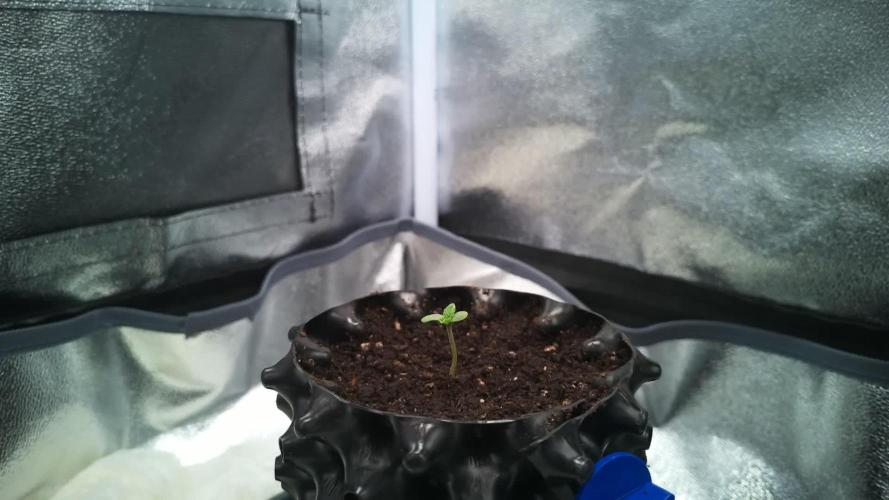
Peace Growmies💚 der erste Monat ist geschafft.
Mitte der 4. Woche wurde dann getoppt. Wie auf den Bilder zu sehen habe ich lange gewartet, da mein Kumpel versucht sich daraus einen Stecki zu machen. Die unterste Nodie habe ich abgeschnittet da die Triebe unterentwickelt waren. Letzendlich habe ich 6 Haupttriebe übrig gelassen. Sie hat das topping bestens vertragen und selbst am Abend hat man schon gesehen wie sie weiter gewachsen ist. Ich bin generell ein Freund davon spät zu toppen, somit hat die Pflanze keinen Wachstumsstopp und man muss nicht auf den push back warten. Gegossen wurde mit einem PH von 6.2, Lampe bleibt weiterhin auf 60%. Somit ca 280-300 PPFD und ein DLI von ca 17.
Likes
2
Share



Likes
7
Share


@Xpie77
Follow
During the second week of flowering for Purple Kush, here’s what you can expect and steps to ensure a successful grow:
Plant Development
1. Bud Formation: Small pre-flower buds (calyxes) will begin forming along the nodes. Pistils (white hairs) may be visible.
2. Stretch Phase: The plant will still be stretching, potentially doubling in height as it transitions into full flowering mode.
Care Tips
1. Lighting: Ensure a consistent 12/12 light cycle. Use strong flowering lights (HPS, LED) with red spectrum dominance.
2. Nutrients: Transition to flowering nutrients with a higher phosphorus (P) and potassium (K) ratio. Avoid overfeeding nitrogen to prevent leafy growth.
Example: 1-3-2 NPK ratio is common in flowering.
3. Watering: Keep watering consistent but avoid overwatering. Allow slight drying of the topsoil between watering.
4. Temperature & Humidity:
Ideal temperature: 65–80°F (18–26°C).
Humidity: Reduce to 40–50% to prevent mold/mildew as buds develop.
Training
If you’re doing any low-stress training (LST), finish this early to avoid stressing the plant during full bloom.
Remove any dying or large fan leaves blocking bud sites to improve light penetration.
Monitoring
Watch for pests like spider mites and early signs of mold or nutrient deficiencies.
Look for healthy, vibrant leaves and steady growth in bud sites.
By week 2, your Purple Kush should show noticeable progression in flower development, setting you up for a good yield in the weeks to come.

Likes
41
Share


@HollowSource
Follow
This girl is wanting to go nothing but vertical. Bent her 90 degrees and it's paid off. I've been moving the main stem around the pot trying to encourage as many tops as possible. She is looking real bushy for a sativa. I don't suspect that will last long, 1 more week then flower time.

Likes
19
Share


@nonick123
Follow
Día 20 (13/05) Todas las plantas muestran las preflores!
Día 21 (14/05) Baño de sol de 2 horas!
Día 22 (15/05) N/A
Día 23 (16/05) Riego 750 ml H2O + Regulator 0,15 ml/l + CaMg-Boost 0,25 ml/l + Startbooster 0,25 ml/l - pH 6.2
Día 24 (17/05) Las plantas salen al exterior! 😍 Les aplico heno como mulch (acolchado)
Día 25 (18/05) Riego 250 ml solo agua todas las plantas
Día 26 (19/05) Banana Purple Punch Auto está sedienta!
Riego con 750 ml H2O + Regulator 0,15 ml/l + CaMg-Boost 0,25 ml/l + Startbooster 0,25 ml/l + TopBooster 0,2 ml/l- pH 6.2
💦Nutrients by Aptus Holland - www.aptus-holland.com
🌱Substrate PRO-MIX HP BACILLUS + MYCORRHIZAE - www.pthorticulture.com/en/products/pro-mix-hp-biostimulant-plus-mycorrhizae
Likes
3
Share


@Farmerbry71
Follow
This AK auto day 59 is doing amazing buds are very large with great bud spacing and not very leafy giving more sunlight penatration about 30 day to go 😀

Likes
35
Share


@gottagrowsometime
Follow
Welcome to my Alien Moonrocks Diary.
Have to say, out of all 3 plants from original sensible seeds. They have been the biggest, easiest plants I've ever grown. They don't demand much in the way of nutrients are really great growers. The stems that come off from the nodes are huge. And have nice flower points that will no doubt make for some great harvests. (Touch bud).
This lady has been ran off Terra Power and has loved the enzymes. The roots are practically coming out of all drainage holes at the end of the pot. The silca has really taken affect too make for really strong leafs and nodes that responsed really well to late LST. In her 1st week of pre flower she grew 13cm. I've been using my far red IR 730nm to increase the lighting time the plant is under and the change has been so rapid. Usually what takes the other females I grew, takes a week before I'd see pistils. Within 2 days I've seen pistils and well has came together really well.
All her flower sites on top & below they are all showing signs of sex and throwing it pistils.. can't wait to see her in a few weeks to see her true pedigree.
Shout out to my sponsors from mars hydro & Original Sensible Seeds, (reps) Much appreciated for your support and products guys.
Likes
37
Share


@Wrongholn519
Follow
Happy 4/20 all...
Still on auto pilot. I've made very few changes this week.
Process/Environment changes:
-turned one of my ts1000s down after chopping my cheese auto.. it wasn't needed as much and it helped cool down my tent around 2 degrees Celsius.
- humidity is set between 45- 55 percent. (45 lights off, 55 lights on)
- rotating each plant in the tent so they they can get even light coverage
I'm going to do a trichome check on Saturday. They are both pretty much close to being finished at 62 days post germination.
Both have heavy trichome production
Both smell very sweet
Likes
13
Share


@Eldorado_ed
Follow
Had to split girls up so have one under LED and two under Hps due to space.
Also videos pretty poor as broke camera 🎥 😢

Likes
4
Share

@GREENPHOENIX6262
Follow
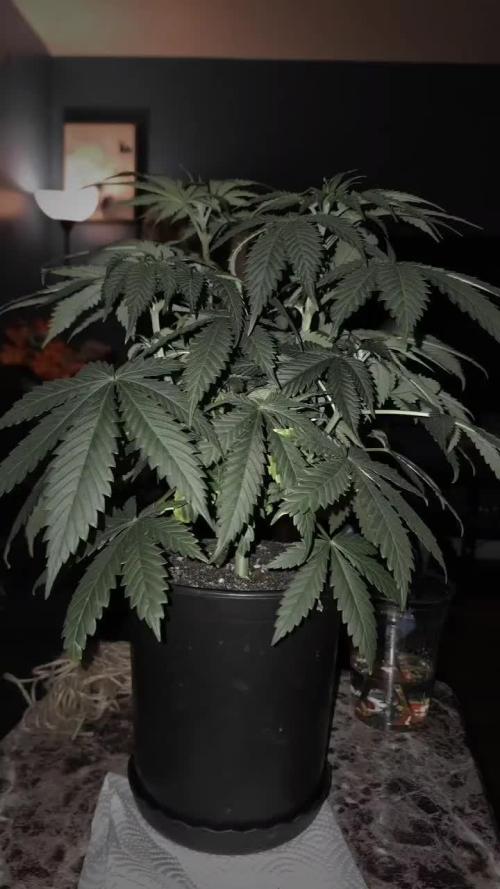
02/23 - Week 3 Veg - Did some light defoliation on her inverted leaves mainly in the middle of the plant - She has definitely blown out some, will have to apply some LST on upper canopy sometime this week - Nute/Clean water feeds have become more frequent alternating once every 2 days.
02/27 - She blew out nicely - defolded the bottom portion of the plant to remove dead/decaying leaves and tied down her main tops (LST) to increase canopy coverage.


Likes
62
Share


@Natrona
Follow
Week 7 7/25-31
AUTO Pablo Escobar
7/25 2gal
TPS1 30ml
Cal mag 5ml
Recharge 5ml
Kelp 2 tbsp
PH 6.3
PPM 1010
Temp 73
7/28 2gal
TPS1 45ml
Cal mag 5ml
Recharge 5ml
Kelp 80ml
PH 5.7
PPM 1210
Temp 72
Auto Escobar bounced back nicely from last week's defoliation. Escobar's opening her structure to open the lower inner branches made her really wide. Bumping
Thank you @DivineSeeds for the opportunity to participate in not only the photo contest but also the auto grow contest.
Thanks for the visits, likes and comments; I appreciate all the plant love💚.
Have fun & love what you grow 💚
Sending you good vibes of love, light, and healing 💫
💫Natrona 💫

Likes
7
Share


@tomeugironella
Follow
Start of 2nd week of 12/12 , i defoliated them a bit , i hope they dont srtech too much ( this room is 50x50x80 cm) . Im happy so far. This quantum board works well 😬.
