





Likes
8
Share

@GREENPHOENIX6262
Follow
02/15 (M) - Prepping her to flip into flower within the next week or two - Weaved her under net for better light coverage - Running 8 drip emitters with a 5 gallon res - 45 sec feed every 8hrs.
02/15 (C) - Thus far all 15 are still kicking but they did take a hit - starter roots for all 15 have begun - I will update with pics within the next 2 weeks - Running high temps and high humidity during lights on.
02/18 (M) - Mom is doing great - No deficiencies - Flipped her into flower today - running 8 line feed with 5 gallon res - clean water feeds for the first 2 weeks.
02/18 (C) - The babies to a bit of a hit they are looking a bit funky but they are rooting - some of the clones are growing their own babies - I will let them rock as to seeing they are rooting and showing new growth.
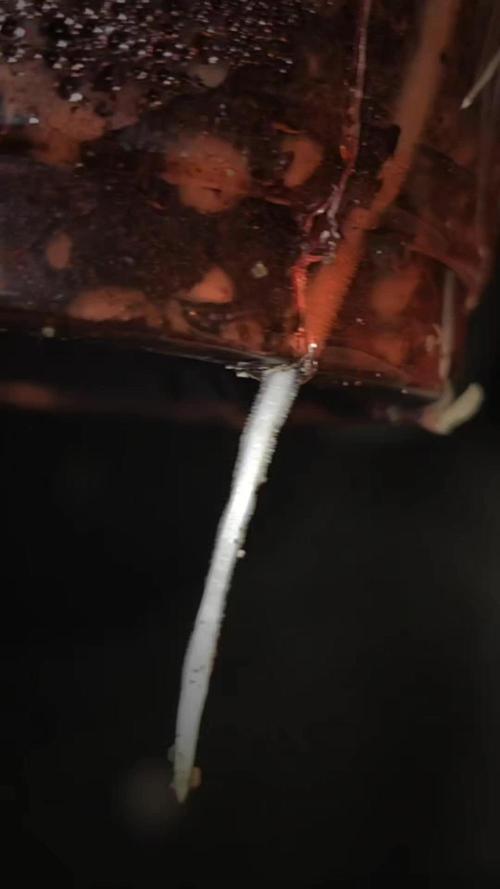
02/19 (C) - 4 out of the 15 have developed very strong roots - the rest have smaller roots coming in - will continue to run high humidity and monitor accordingly.

Likes
19
Share


@GoldenWeedGrower
Follow
📅 D119/D03 - 13/03/24
🚀 Drying
🎬 Added 22 pics and the timelapse of the harvest
________________________________
📅 D120/D04 - 14/03/24
🚀 Drying
________________________________
📅 D121/D05 - 15/03/24
🚀 Drying
________________________________
📅 D122/D06 - 16/03/24
🚀 Drying. First trim : 3 g and a tiny flower placed in the jar for curing
________________________________
📅 D123/D07 - 17/03/24
🚀 Drying
________________________________
📅 D124/D08 - 18/03/24
🚀 Drying. I've made the very first try and she's very promising 😍😍😍 @Pure_Instinto_Seed_Bank
________________________________
📅 D125/D09 - 19/03/24
🚀 Drying. Trimmed 7 grams and start curing of about 10 g for now. She's very sticky and very fragrant with an intense smell. Lot of rosin stucked to the scissor, good sign ! 😊
________________________________
📅 D126/D10 - 20/03/24
🚀 Drying. She's quite ready for trimming, I'll start tomorrow
________________________________
📅 D127/D11 - 21/03/24
🚀 Drying. Trimmed 14 g from one of the main bud.... Less than expected but very dense, high quality buds
________________________________
📅 D128/D12 - 22/03/24
🚀 Drying. Trimmed 11g
________________________________
📅 D129/D13 - 23/03/24
🚀 Drying. Trimmed 22g
________________________________
📅 D130/D14 - 24/03/24
🚀 Drying. Trimmed 11 g
________________________________
📅 D131/D15 - 25/03/24
🚀 Drying. Trimmed 12 g
________________________________
📅 D132/D16 - 26/03/24
🚀 Drying. Trimmed 16 g + 20 g + 16 g = 52 g. So far 132 g in total and 2 buds missing
________________________________
📅 D133/C01 - 27/03/24
🚀 Trimmed last 15 g - Total outcome is 147 g. First day of curing


Processing
Likes
19
Share


@Deepgrow
Follow
Esta semana he cometido el error de añadir nutrientes y he sobrefertilizado las plantas. A partir de ahora riego con agua , 1 gota de ph- por cada 15 litros de agua y 0.1 ml de ata clean por cada litro de agua. Esto lo hare durante 2 semanas y quiza solo 1 vez mas abonare.
Ademas creo haberme pasado con la cantidad de agua, reduzco el agua a 1/2 litro cada 2 o 3 dias

Likes
5
Share
@Rollerboy
Follow
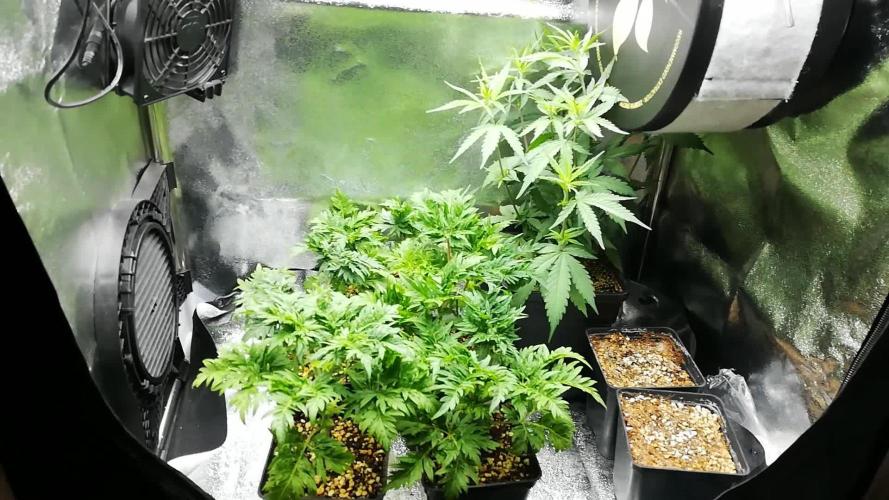
Topped the plants last thursday, stressed them out a bit but they are slowly diverting energy.
Been feeding them some Cal/Mag Extra, top dressed them with about half a teaspoon of Plagron Supermix yesterday.

Likes
4
Share


@torresgrow
Follow
700 ppm 5.9ph at least day 20/02 then I realize that she was hungry and start up ppm, 900 ppm and get a runoff of 850 ppm
Likes
5
Share


@Bluemels
Follow
Tag 61: Noch 2 Wochen bis zur Ernte. Die beiden Mädels richen schon sehr aromatisch und sehen recht verschieden aus. Ab heute gieße ich nur noch Wasser ohne Dünger.
Likes
5
Share

@Daris_Growmance
Follow
Deutsch:
Blüte läuft – jetzt heißt’s einfach machen lassen 🌱
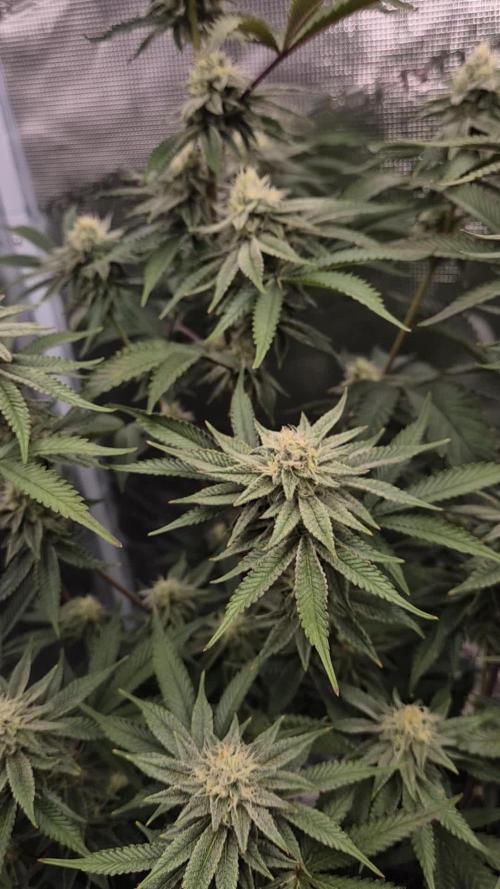
Lollipopping ist erledigt und die Mädels stehen jetzt sauber im Setup. Die Energie geht komplett in die Buds und man sieht von Tag zu Tag, wie sie anziehen.
Aktuell wird nicht mehr groß eingegriffen – Fokus liegt jetzt auf stabilem Gießen, sauberem Klima und einfach beobachten. Die Struktur passt, die Tops entwickeln sich gleichmäßig und die ersten Frost-Ansätze sind auch schon gut sichtbar.
Ab jetzt: weniger machen, mehr wachsen lassen 🤝
Bin gespannt, was die nächsten Wochen noch bringen.
English:
Flowering is in full swing – now it’s all about letting them do their thing 🌱
Lollipopping is done and the girls are looking clean in the setup. All the energy is going straight into the buds, and you can see them stacking up more every day.
At this point, there’s not much intervention needed – just focusing on consistent watering, a stable environment, and keeping a close eye on everything. Structure looks solid, tops are developing evenly, and the first nice frost is already coming in.
From here on: do less, let them grow 🤝
Excited to see how the next weeks turn out.

Likes
9
Share


@DoctorCannas
Follow
Miei cari amici,
L'estate incalza e finalmente il tempoi permette di trasformare ad hoc. Secondo i gusti il giardino, la terrazza e i due balconi.
Un lavoro duro e intenso con i 25/30 gradi che il NW in questa settima sta proponendo e che spero vivamente durino tanto.
Travaso storico e professionale.
Vediamo ciò che l'armadio dice.
Questo travaso probabilmente ritardera di due o tre settimane il raccolto, ma andava fatto e ne varrà sicuramente la pena.
28/06
My dearest friends, comrades and farm partners.
Doc. Cannas is extremely happy to introduce you to the 5 wonders of Expert Seeds.
Still my most heartfelt congratulations for their genetics,
between photos and videos you have seen what a wonder these little girls are growing.
Today they have been introduced to LST, an art halfway between Astana yoga and BSDM.
Being their first time there was a need for love and passion.
So it was.
At the next update farmers

Likes
11
Share


@Barbagrows
Follow
Day 65 -
Maria got some needed defoliation to expose lower nodes to light and increase air circulation through the canopy. She is growing bushy with short internodes.
Juanita's new growth looks slightly better, even though growth has slowed down and is very stretchy. Thinking of putting her soul to rest, she's turning out to be a headache in the current tent situation.
Day 66 -
Maria's growth exploded after yesterday's defoliation.
Both plants showed pre-flowers and are both confirmed ladies. 🙂
Day 70 -
Both ladies got 1 litre each of plain water.
Maria got her lower skirt lollipopped. Also defoliated her from top to expose lower growth to more light. She is still growing very dense.
Juanita is showing signs of recovery, new growth is green and purple stems are slowly turning green again I don't like the way she is growing though, internodes are too long. Will have to see what to do with her.

Likes
28
Share

@Suemchen
Follow
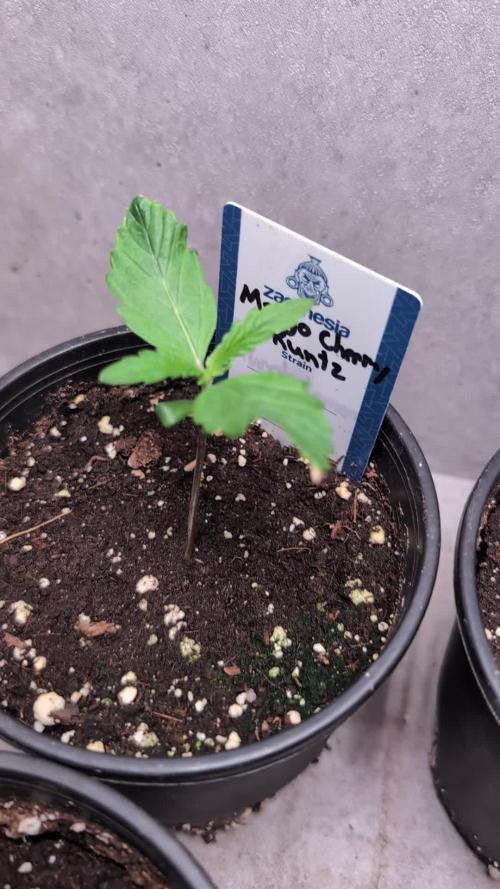
Sanlight EVO 3-60 at 80%
Day 8: developing nicely 🤗 watering with rain water 1 ml/l root juice and 1 ml/l Pure Zym 👌🏻
Day 9: heating dropped Out and IT got Cold the Last couple of days ? should start developing nicely now👍🏻
Day 10: looking good 👍🏻 watering with rain water 1 ml/l root juice and 1 ml/l Pure Zym 👌🏻
Day 11: looking good 👍🏻 keeping the soil moist 👍🏻
Day 12: developing nicely 🤗 watering with rain water 1 ml/l root juice and 1 ml/l Pure Zym 👌🏻
Day 13: looking good 👍🏻 keeping the soil moist 👍🏻
Day 14: everything fine: watering with rain water 1 ml/l root juice and 1 ml/l Pure Zym 👌🏻
Get 15% Off Fast Buds with Code: FBSUMO
https://2fast4buds.com/?af=216073


Likes
3
Share


@Ganajalane
Follow
Hit my 20-25% initial dry back.
They’re getting 3% or 30 mL every 15 minutes until rolloff between the first one to two hours and then will monitor The dry back Trying to aim for 10% by tomorrow morning
So every morning I’m hoping to hit a 10% dry back and working on wrapping them up with 3%
Until I get a decent amount of runoff nothing crazy 10-20% of my ramp up total feedings

Likes
2
Share
@Olduffybastard88
Follow
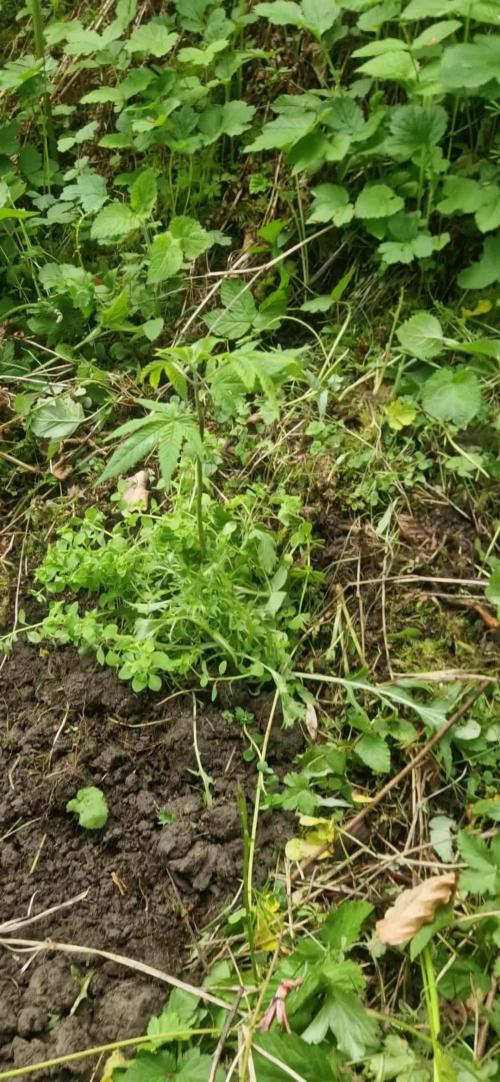
Had some sunset sherbert left over from last year so I have more than usual with this plant going put half outside in the ground and the other half to flower in the tent going attempt to take cuttings of one plant

Likes
22
Share


@Chumpkilla
Follow
7/24/23 - Day 42 - Ok, so where to start? I'm going to go over the last couple days of issues/troubleshooting. We had an issue with the lights not coming on for a whole day/night cycle. That was a couple of days ago, and everything seems okay since then. I had some Canoeing/tacoing on the leaves once the lights were back on. I think I had the PH too low, 5.8. In flower, I should start moving it up the scale. Once I corrected the PH to 6.2, the canoeing/tacoing in the leaves seemed to be gone/almost gone.
I'm REALLY worried about the height of the plant. She is only 12 in. from the light that I cannot move. I added a second scrogg net???? I don't know if that's done a lot, but I'm going to try and stop if from growing straight up. I think the best I can do is give it a lean. So Ill call this the ScoggGL (GangstaLean). You'll see some pictures up top as I start the ScoggGL
I did the first big trim and pulled a 3-gallon bucket of fan leaves out. I cut off a few side branches I didn't want the plant to waste energy on. I trimmed so many leaves off it was crazy. The smells have been awesome! You all know the smell of the fresh plant stems and leaves as you trim and rub across them. It's one of my favorite smells, which is in full effect.
I noticed that I have some pistils growing. I know what that means, shes going to have some flowers here in the next week. I couldn't be more excited!!!!!
The roots are just downright ruthless; they have been growing out of control. I have a great picture of them in there with no water.
I should note that I did two things that might have solved the Tacoing in the leaves. It could have been one or the other, but it also could be a combo of both things. I did the trimming to get some airflow between the leaves and changed the target for my PH from 5.8 to 6.2. When moving into flowering, I should have already done that. But I did both things while the leaves were Tacoing, and now they are not. I wanted to make sure I noted that.
7/26/23 - Day 44 - Things are looking great. No more tacoing, she's growing and still drinking about 2+ gallons a day of water. I hope the vertical growth stops soon, I want to remove a ton more fan leaves, and I'm hoping that it spends more time growing around than up, I'm keeping some leaves on just to slow some vertical growth.
7/27/23 - Day 45 - She's sleeping right now, but I will chop some more fan leaves when she wakes up. She's growing too tall, and I need to find a way to stop her. I think shocking her system will help stunt her growth. How crazy is this, what a conundrum I'm in. Normally I stress out trying to find the right time to trim to avoid stunting growth. I always keep my plants busy and do one or two chops. I think they need to grow as mother nature intended. Let them grow and do one, maybe two fan leave chops. That's always been my motto and its always worked out great for me. This is now the exact opposite. Feels weird even thinking about it, doing a leave chop two weeks into flower..... ARE YOU INSANE!!!!!! Lol
The 2nd chop has happened. I took a ton of fan leaves off. It's time for the plant to slow down heal and start working on the buds! Let's see how this goes over the next couple of days. I added a timelapse of me chopping her up.
7/28/23 - Day 46 - After adding more water last night, I was checking PH, and I did a quick check on the ppm from the nutes. If it went from 600ppm down to 130ppm in a couple of days. So we decided to give her another dose of nutes so she has something to eat. I'll update you after she wakes up for the day.
If you are looking for this experience, check out https://www.getleaf.co/

Processing
Likes
7
Share


@420keef
Follow
So i had to take all my plants inside because i found bud rot on 2 of them & the weather wasn’t going to get any better, had to transform my bedroom into a grow room😂 & i have 2 more plants which i am going to finish next to a window.. The smaller plant to the right is a Northern light by zamnesiaseeds that has a seperate diary if you are interested! I really hope the bud rot doesn’t spread anymore & if anyone has any tips or tricks for that they are always welcome!
Likes
2
Share


@CannaIGrow
Follow
Plant is growing good. Still really pretty to me. Hoping to flip around day 60
Likes
24
Share


@Cariboo_OG
Follow
My choice to use soft touch stainless steel picture hanging wire as my LST ties is seeming to be a poor choice. the wire is not rigid enough making it make difficult to achieve the results I was looking for. Overall.. not super disappointed but I am working harder than I should be :p

Likes
38
Share


@Skunkman
Follow
Just defoliated them and so far they seem like they’ve handled it well hopefully I get some big fat colas 🤞🏻✌️🏻
Likes
45
Share


@Mosquito_Haarlem
Follow
Haar laatste week .
Ze ziet er verrukkelijk uit.
Zelfs de onderste topjes zijn vol en hard in plaats van luchtig. Echt een sterke strain 👌🏻
Ik heb al veel bladeren weggeknipt en zal dit dagelijks blijven doen.
Ze krijgt geen nutriënten meer, alleen flawless finish.
Ik zal gedurende de week nog verse foto's updaten dus hou het in de gaten